

Getting an RV ready for the first trip involves more than packing clothes, groceries, and a few camping chairs. There are practical supplies you need for safe hookups, clean water, waste disposal, roadside problems, and everyday comfort. Miss one of those basics, and a simple campground arrival can turn into an unnecessary problem.
After years of traveling and dealing with the systems that keep an RV working, I've learned that the best beginner setup is not the one with the most gadgets. It's the one that covers the essential jobs without filling every storage compartment. Here are 15 RV must-haves for beginners, with the equipment I'd prioritize before heading out.
Essential RV Safety Equipment
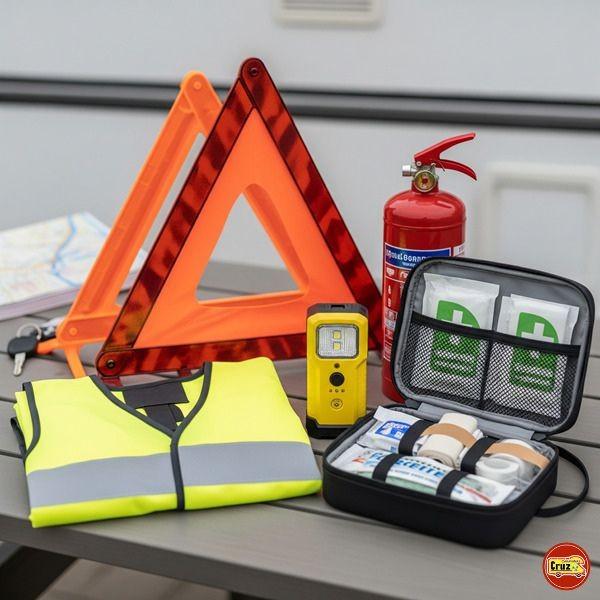
Safety equipment belongs at the top of any beginner's packing list. Start with a properly rated, accessible ABC fire extinguisher, working smoke alarms, carbon monoxide detectors, and propane leak detectors where required by your RV's design and manufacturer. Check the detector instructions for test intervals and expiration dates rather than assuming a device is still reliable because its indicator light is on.
Keep a flashlight, reflective warning triangles, a high-visibility vest, and a basic emergency kit where you can reach them without unpacking the entire RV. Everyone traveling should know how to open the emergency exits and where the fire extinguisher is located. The U.S. Fire Administration recommends keeping an extinguisher accessible, maintaining working alarms, and practicing an escape plan. Never run a generator near an RV window, door, vent, or air intake. Carbon monoxide is odorless, and generator exhaust can become dangerous even when you cannot smell it. U.S. Fire Administration RV safety guidance.
Freshwater Hoses and Water Filtration Systems
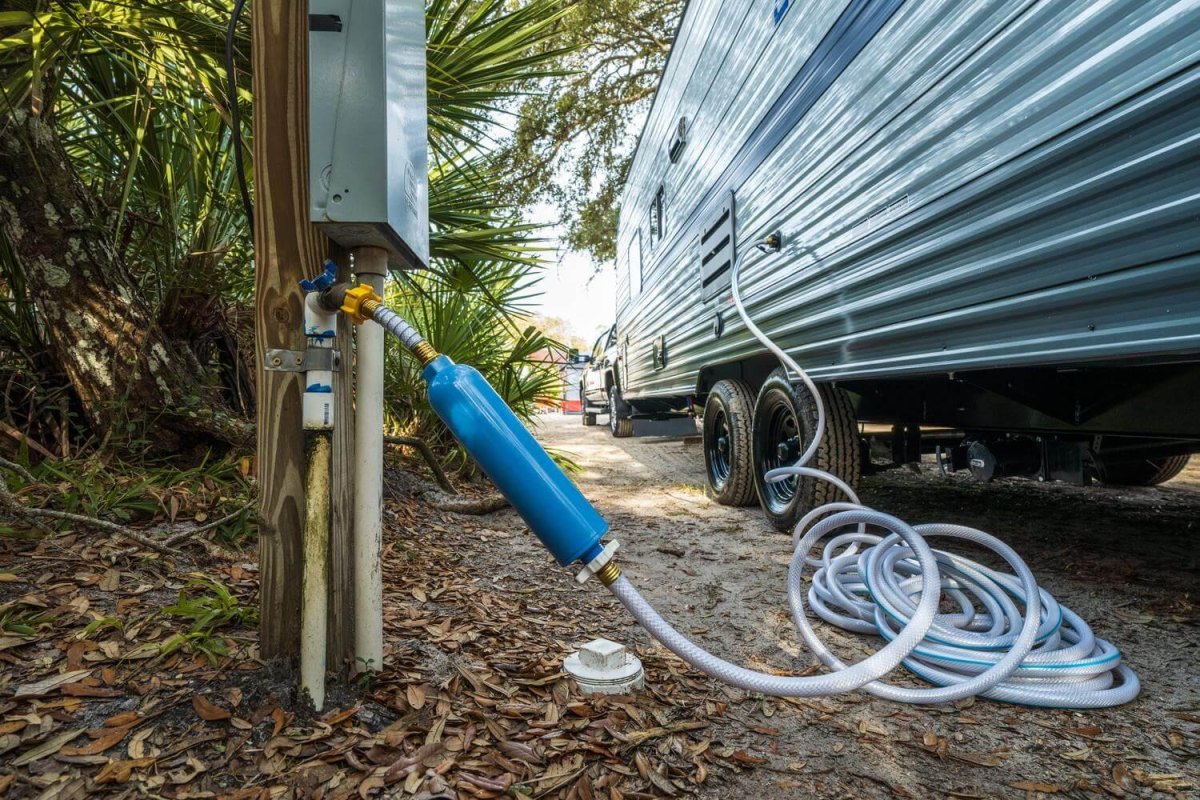
A dedicated potable-water-rated freshwater hose is essential for campground hookups. Do not use an ordinary garden hose for drinking water. I recommend carrying a hose long enough to reach typical campground connections without stretching it tightly, along with a pressure regulator, drinking-water-safe fittings, and a separate hose for rinsing equipment.
A water filter can improve taste and reduce certain contaminants, but filters are not interchangeable. Check the manufacturer's specifications to see exactly what the filter removes; a taste-and-odor filter does not necessarily remove bacteria or viruses. Before filling your tank, confirm that the source is safe to drink. Follow your RV manufacturer's instructions for sanitizing the freshwater tank and plumbing, including after periods of storage. The CDC's April 2025 RV water guidance recommends maintaining a clean water system and replacing filters according to their instructions. Safe water starts at the source, not just at the filter. CDC Safe RV Water guidance.
RV Sewer Hoses and Waste Management Supplies
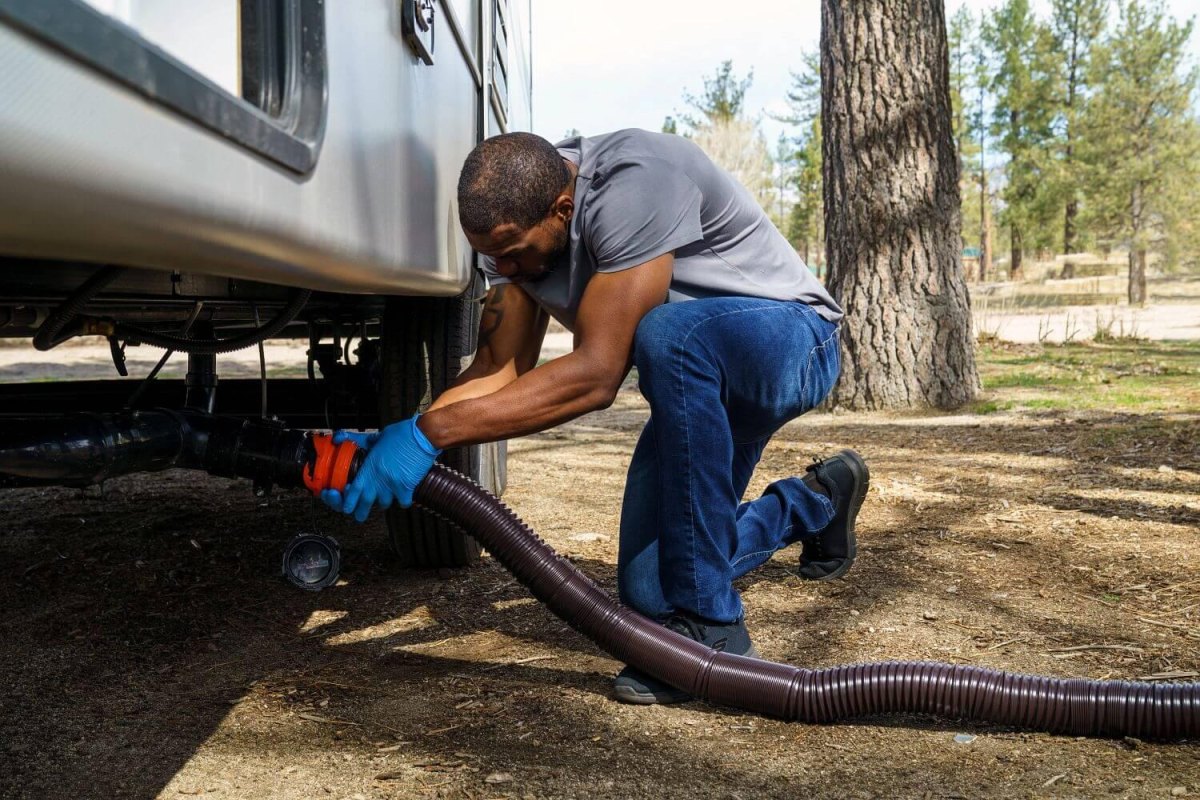
A sewer hookup is not complicated, but it does require the right equipment. Pack a durable RV-rated sewer hose, compatible fittings, a transparent elbow if you want to see when rinsing is complete, and a support system when needed to maintain a steady slope. Check your RV's outlet size and connection type before purchasing accessories.
Keep disposable gloves, dedicated rinsing equipment, and a sealed storage container for the hose. Never use your freshwater hose for sewer-related cleaning. At an approved dump station, connect and secure the hose before opening any tank valve, follow the RV manufacturer's dumping instructions, and close the valves before disconnecting. Dispose of waste only at authorized facilities. Local rules also govern greywater disposal, including at dispersed campsites. Clean handling prevents contamination and makes the job less unpleasant for the next person using the dump station.
Important
Never discharge blackwater or greywater onto the ground unless the specific location and applicable regulations explicitly allow it. A campsite without sewer hookups is not permission to dump waste outdoors.
Electrical Adapters and Surge Protectors
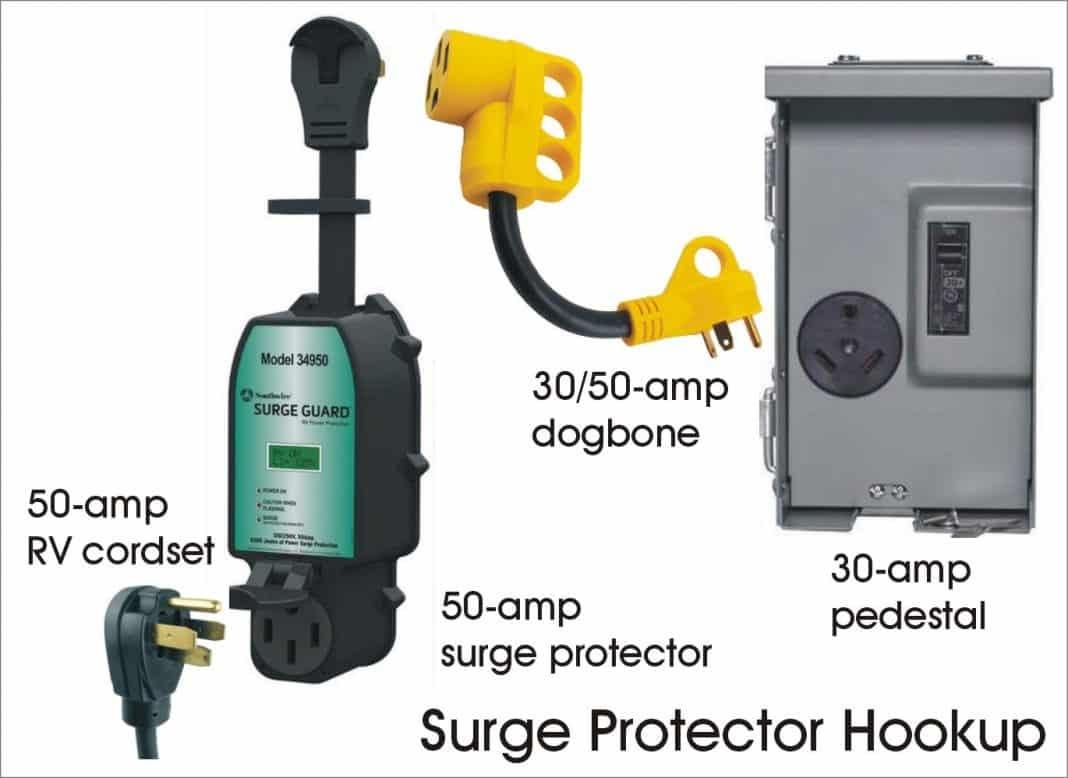
Campground electrical connections vary, so beginners should understand their RV's electrical requirements before buying adapters. Common shore-power connections include 30-amp and 50-amp service. A properly rated adapter can help connect compatible plugs, but it does not increase the electrical capacity of the campground outlet or your RV.
A suitable surge protector or electrical management system helps protect against electrical problems such as voltage irregularities and wiring faults, depending on the model. Check the unit's specifications for its protection features and compatibility. Inspect the shore-power cord and plug for damage, and never use a damaged cord or force an incompatible connection. If the pedestal is hot, damaged, or appears incorrectly wired, stop and contact campground staff or a qualified electrician. Avoid running too many high-demand appliances simultaneously. Know your amperage limit before switching on the air conditioner, microwave, and other major loads.
Leveling Blocks and Wheel Chocks
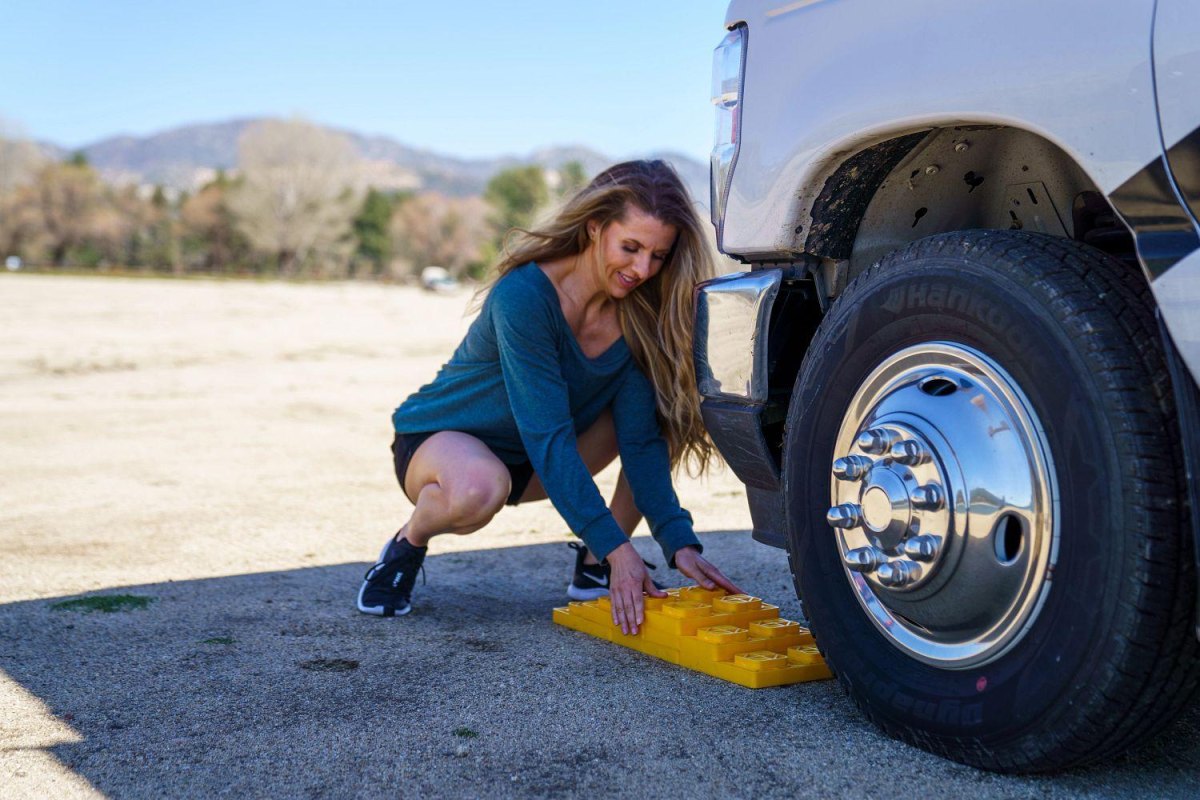
Leveling blocks make campsite setup easier by raising the appropriate wheels on uneven ground. Choose sturdy blocks rated for your RV's weight, and carry enough sections to handle the slopes you are likely to encounter. A small bubble level or digital leveling tool helps identify which direction needs adjustment.
Wheel chocks are a separate safety item, not an optional substitute for leveling blocks. Secure the wheels before unhitching or making adjustments, following your RV manufacturer's setup sequence. Travel trailers, fifth wheels, and motorhomes have different leveling and stabilization arrangements, so use the equipment specified for your particular rig. Never rely on stabilizer jacks to lift an RV unless the manufacturer explicitly designed them for that purpose. Lippert's leveling guidance also emphasizes choosing stable ground and securing the wheels before adjusting the setup. Lippert RV leveling guide.
Basic RV Tool Kit and Repair Supplies
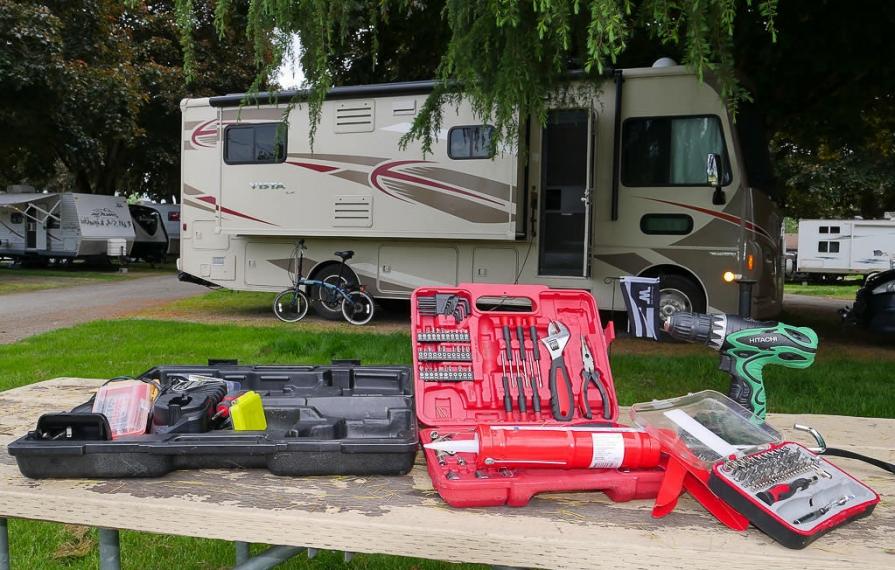
A beginner does not need a professional mechanic's workshop in the storage bay. A compact basic RV tool kit is enough for many small, non-structural tasks. Start with screwdrivers, pliers, an adjustable wrench, socket set, tape measure, utility knife, flashlight, work gloves, duct tape, and electrical tape. Add spare fuses and bulbs only after checking the specifications for your RV.
A digital tire-pressure gauge is particularly useful, and a properly rated torque wrench may be appropriate if your owner's manual specifies owner-performed wheel checks. Carry a tire inflator that meets your tire pressure requirements. Do not attempt roadside repairs beyond your training and equipment. Brake systems, suspension, propane lines, gas appliances, and structural damage belong with qualified technicians. Basic tools are for basic repairs; having a wrench does not make every repair a sensible DIY project.
Comfortable Bedding and Mattress Accessories

RV mattresses are often thinner or firmer than the mattress you use at home. Before buying a replacement, measure the sleeping platform carefully. RV beds can have unusual dimensions, rounded corners, or limited clearance around cabinets and walls. A properly fitted mattress topper can improve comfort without requiring a complete mattress replacement.
Pack fitted sheets that stay in place, breathable bedding suited to the season, and pillows that fit the available storage space. Moisture management matters, particularly in cold weather when condensation can collect around windows and exterior walls. Ventilate the sleeping area when conditions allow, keep bedding from pressing against damp surfaces, and inspect corners for signs of moisture. Comfort and ventilation go together; a warmer bed is not much help if it contributes to a damp sleeping space.
Compact Kitchen Essentials and Cookware
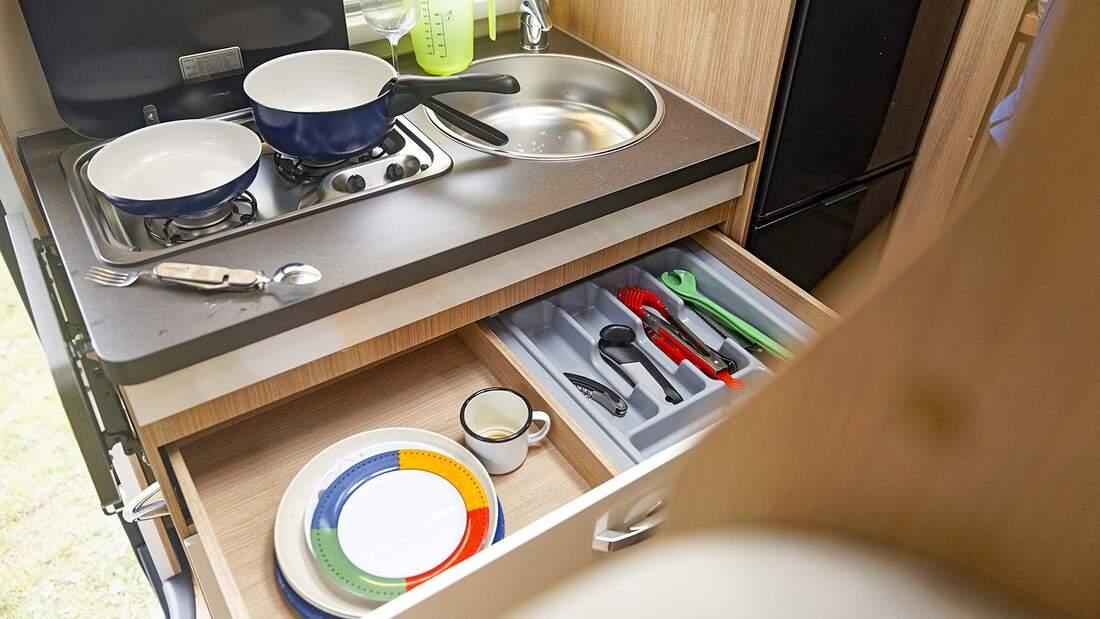
An RV kitchen works best with a small collection of versatile equipment. I would begin with a nesting cookware set, one good skillet, a saucepan, cutting board, sharp kitchen knife with a safe cover, cooking utensils, plates, bowls, reusable cups, and a can opener. Choose compact, stackable cookware that fits your actual cabinets rather than buying a full household set.
Non-slip shelf liners, cabinet latches, and storage containers help prevent a kitchen disaster on the first rough road. Secure knives and glass containers before driving. A small dish rack and collapsible washing basin can also save counter space. If your RV has propane cooking appliances, use them only as intended, maintain working ventilation, and never use a cooktop or oven to heat the interior. Stay in the cooking area while preparing food and turn off burners when finished. The U.S. Fire Administration specifically warns RV owners about cooking-related fire hazards. Keep cooking equipment practical, and do not sacrifice safe ventilation for convenience.
Portable Outdoor Chairs and Camping Furniture
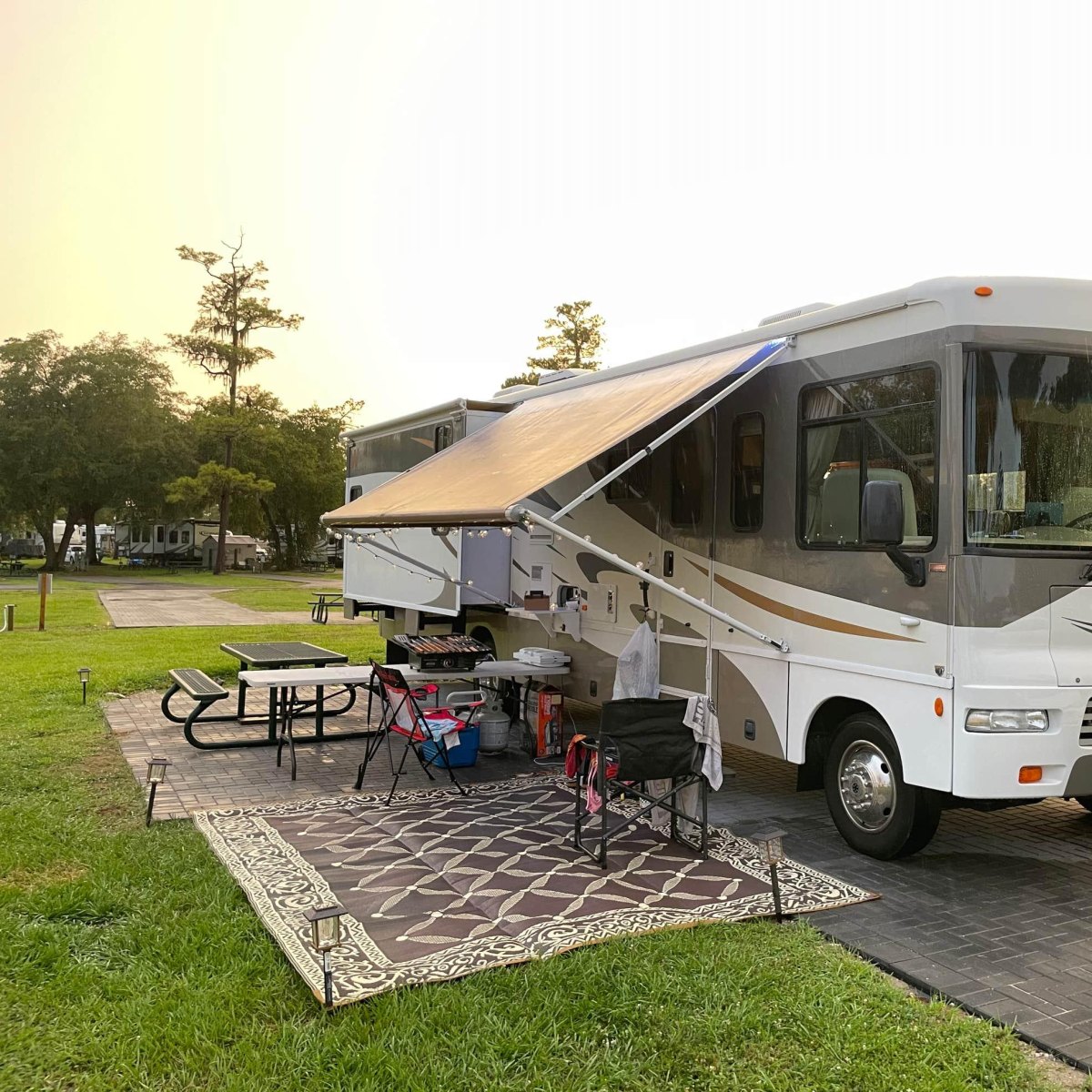
Outdoor seating is one of the simplest ways to make an RV campsite more comfortable. Two folding camping chairs and a lightweight table are a sensible starting point for most couples. Look for chairs with a stable frame, durable fabric, and a folded size that fits your storage compartment. Packable camping furniture is more useful than oversized furniture that becomes difficult to store or secure.
Check the ground before setting up chairs and tables, especially on sloped or soft surfaces. Keep furniture away from fire rings and cooking equipment, and secure lightweight items when wind picks up. If you camp on public land, use existing disturbed areas and follow the local rules for furniture, fires, and campsite use. Leave the site as you found it, or cleaner. A comfortable campsite should not create extra work for the next visitor.
RV Cleaning Supplies and Storage Organizers
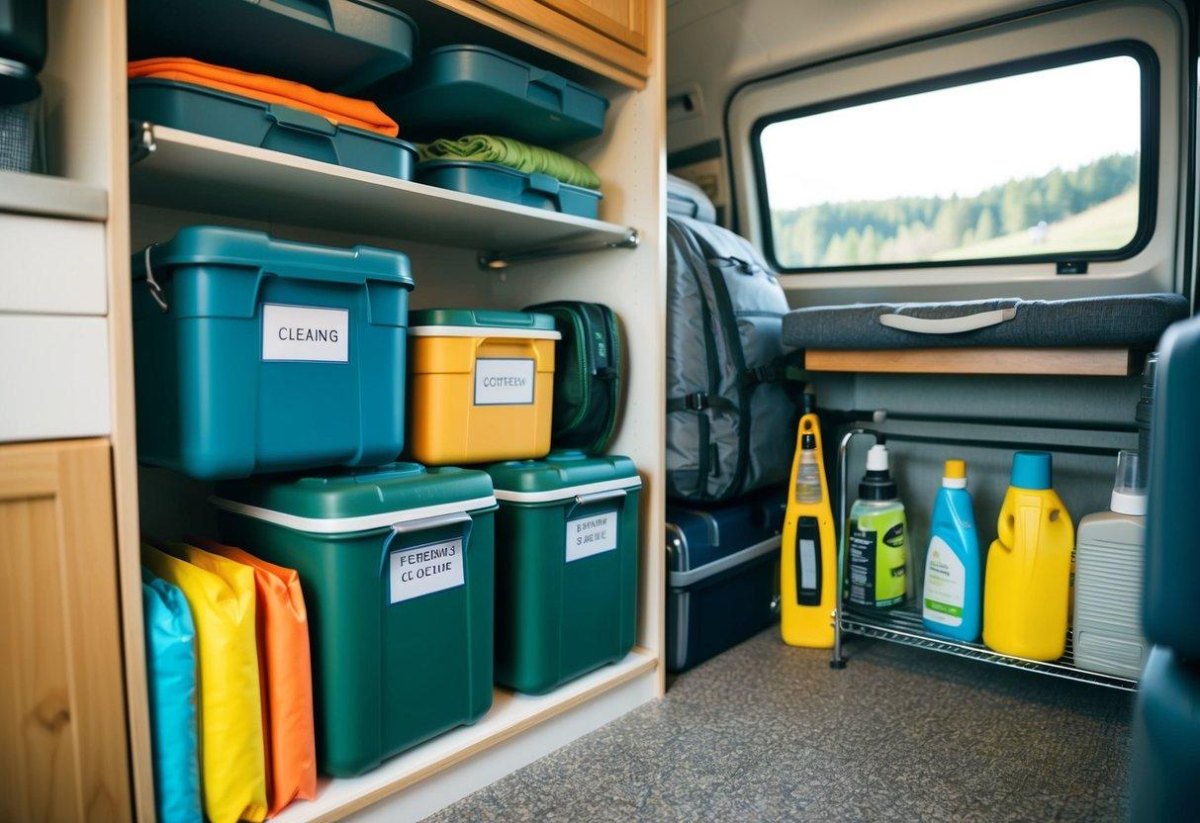
Storage space disappears quickly in an RV, so I favor cleaning supplies that perform more than one job. A compact broom, dustpan, microfiber cloths, sponges, mild multipurpose cleaner suitable for your surfaces, dish soap, and a small vacuum cover most everyday needs. Add a dedicated bathroom cleaner only if your fixtures and surfaces require it. RV-safe cleaning products should be selected according to the manufacturer's instructions for countertops, flooring, seals, and plumbing.
Use labeled bins, drawer dividers, and non-slip liners to keep supplies contained. Store chemicals away from food, heat sources, and children, and never mix cleaning products. Keep heavy items low and secure cabinets before driving. Avoid filling every empty space simply because an organizer is available. Less loose equipment means less movement, fewer broken items, and easier access when something needs cleaning.
First Aid Kit and Personal Hygiene Products
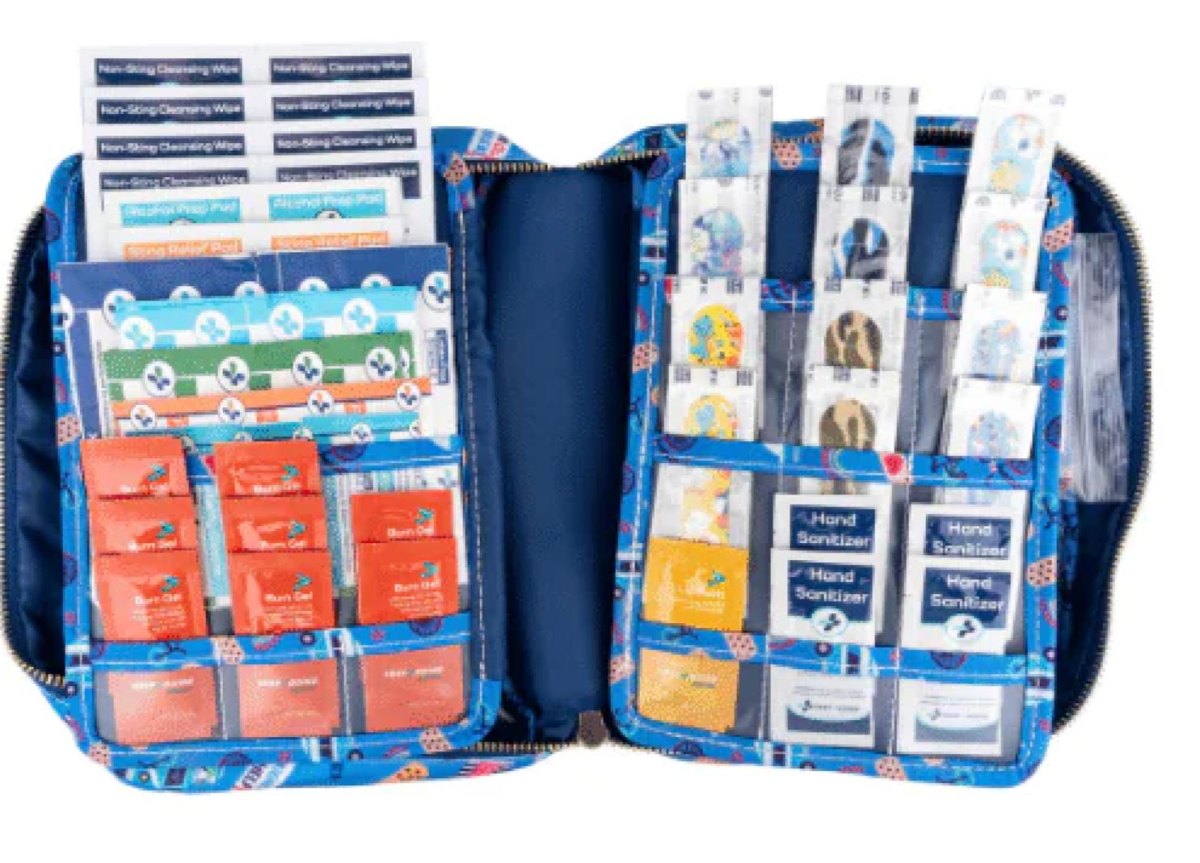
A stocked first aid kit is useful at a campground, on a hiking trail, and during roadside delays. Include assorted adhesive bandages, sterile gauze, medical tape, antiseptic wipes, disposable gloves, tweezers, scissors, an instant cold pack, an emergency blanket, and a basic first aid reference. Add personal medication and supplies for known allergies or medical needs. The American Red Cross camping checklist is a useful starting point for tailoring a kit to the people traveling with you. American Red Cross camping first aid checklist.
Personal hygiene supplies should include hand soap, hand sanitizer, toothbrushes, toothpaste, toilet paper suitable for your RV system, towels, sunscreen, insect repellent, and any personal care products you use regularly. Store first aid supplies in a clearly marked, easy-to-reach location. Check expiration dates and replace anything used. Know how to use the supplies before an emergency; a kit is only useful when someone can find the right item and use it correctly.
Navigation Tools and RV-Friendly GPS
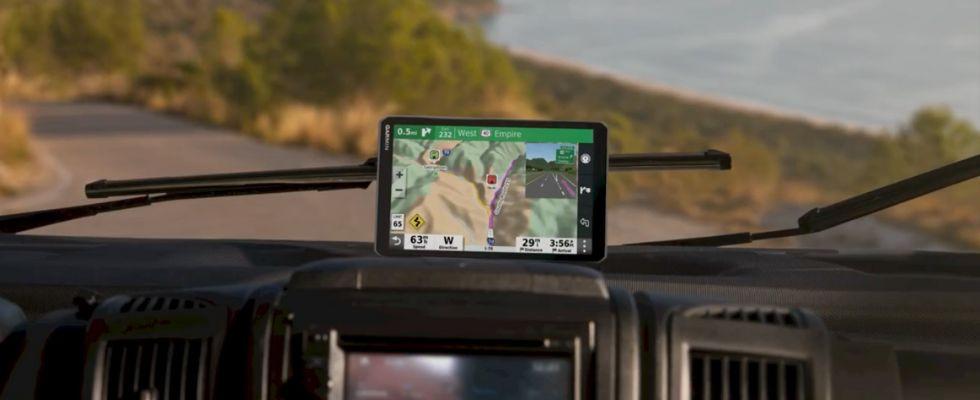
A regular car navigation app does not necessarily account for RV height, weight, width, or road restrictions. An RV-specific GPS device or navigation app can help plan routes around low bridges, restricted roads, steep grades, and vehicle limitations. Enter your actual vehicle dimensions and weight accurately, using the manufacturer's information and loaded vehicle measurements where appropriate.
Navigation software is a planning aid, not a guarantee that every suggested road is suitable. Check road conditions, seasonal closures, construction, and campground access before departure. This is especially important on rural roads and public-land routes where turning space and overhead clearance can be limited. Keep an offline map or downloaded route available in areas with poor cellular service. Verify the final approach rather than blindly following the last instruction from a screen.
Outdoor Lighting and Portable Lanterns
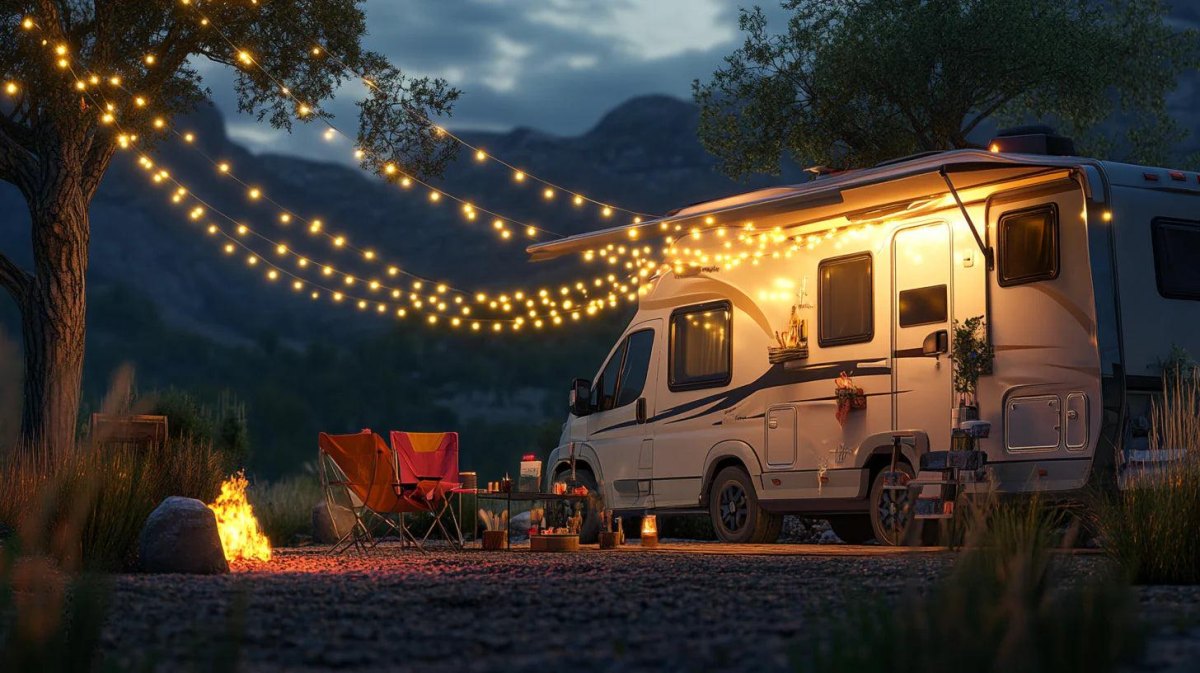
A few dependable lights make evening campsite tasks considerably easier. Start with a headlamp, a rechargeable lantern, and a handheld flashlight. A headlamp is particularly useful when connecting utilities or walking around the campsite because it leaves both hands free. Choose LED camping lights with replaceable or rechargeable power sources and check their battery life before leaving home.
Optional outdoor string lights can make a seating area easier to navigate, but keep cords away from walkways and vehicle tires. Avoid excessively bright lighting that spills into neighboring campsites or natural areas. Never leave open flames unattended, and follow campground fire restrictions. For dispersed camping, use lighting only where needed and respect wildlife and other campers. Reliable portable lighting is more important than decorative lighting, particularly if the campground loses power.
Weather Protection and Emergency Supplies
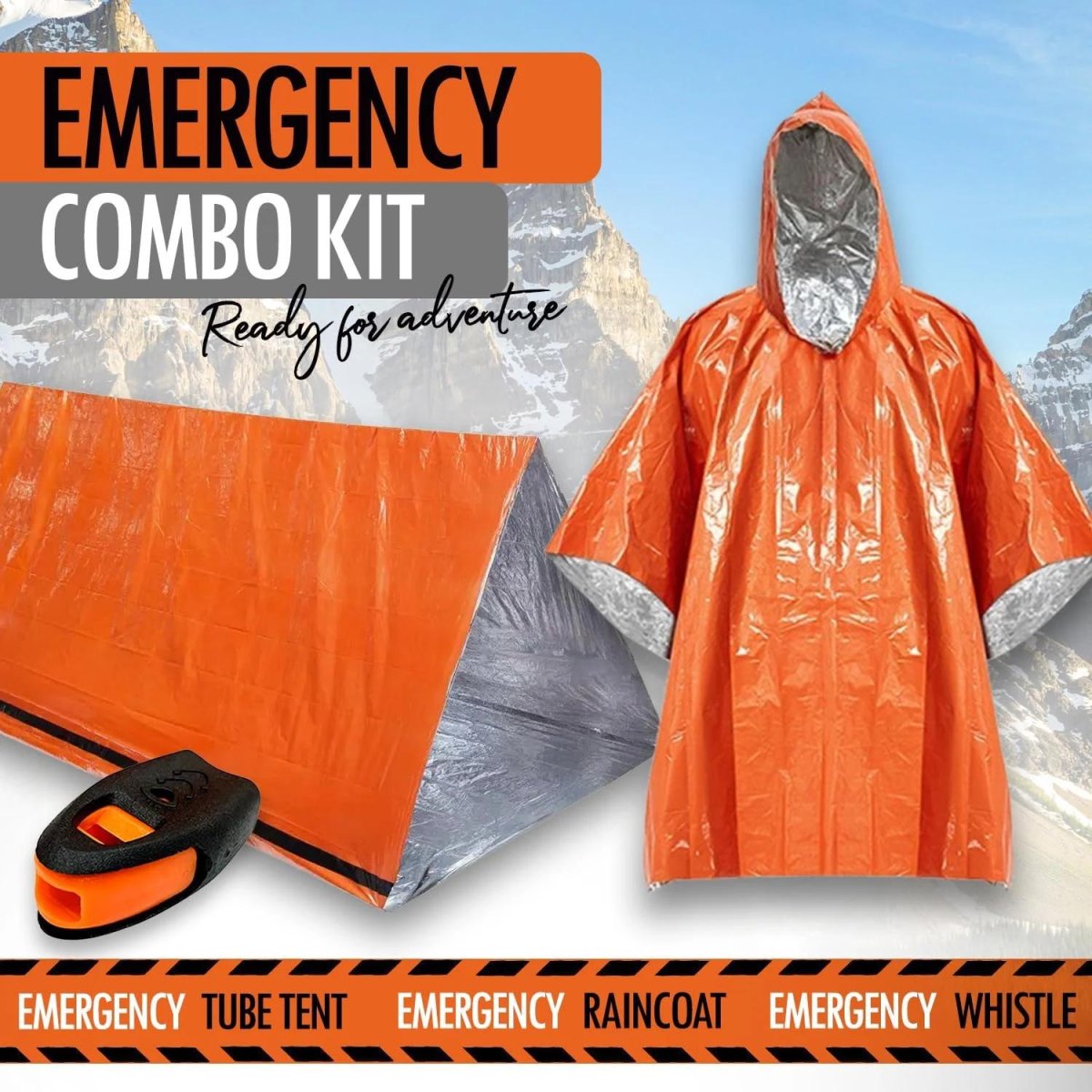
Weather can change faster than a campsite forecast suggests, particularly in mountain and desert regions. Keep a waterproof jacket, warm layers, sturdy shoes, sun protection, and spare blankets available. A compact emergency supply box should also contain drinking water, shelf-stable food, a power bank, spare batteries, a battery-powered light, and important contact information. Weather-ready supplies should reflect the season and the places you plan to visit.
For hot-weather camping, plan for additional drinking water and a reliable way to monitor interior temperatures. For cold-weather trips, check the RV's insulation, heating equipment, plumbing protection, and manufacturer guidance before departure. Do not use a generator near the RV or operate a stove, oven, or unvented heater for cabin heat. During severe weather, follow local emergency alerts and campground instructions. Have an exit plan if flooding, wildfire, high winds, or road closures make staying unsafe.
RV Maintenance Essentials and Inspection Checklist
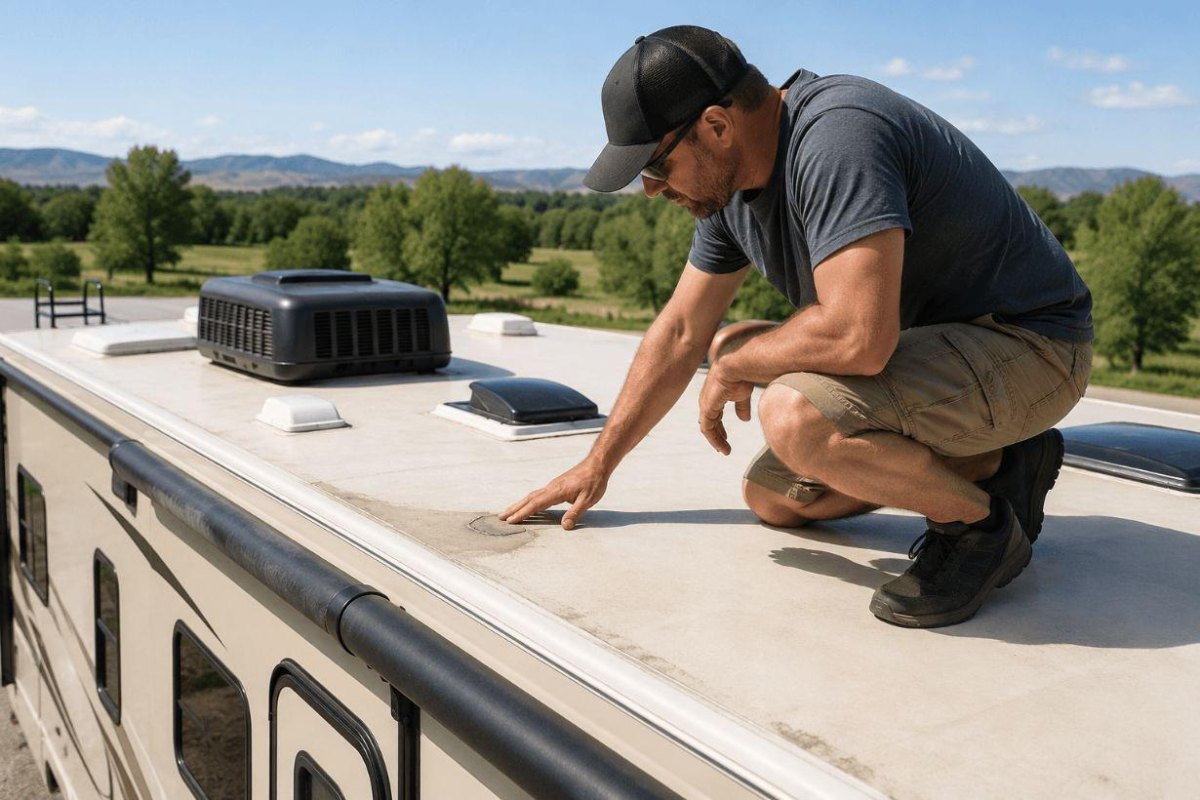
Maintenance supplies are not exciting purchases, but they can prevent small problems from becoming expensive ones. Start with a tire-pressure gauge, a flashlight, a notebook or digital maintenance record, approved sealant for the specific exterior application, and the manuals for your RV and installed equipment. Correct tire pressure must be based on the tire manufacturer's load-and-inflation information and the actual load carried, not simply the maximum pressure printed on the tire sidewall.
Before each trip, inspect tire condition and pressure, exterior lights, mirrors, visible wiring, roof and exterior seals, fluid levels where applicable, and the security of stored equipment. For towables, include the hitch, safety chains, breakaway system, and trailer-specific checks. Have chassis brakes, suspension, wheel bearings where applicable, and propane systems inspected or serviced by qualified professionals. Tire age matters as well as tread depth, so check the date codes and follow the tire and vehicle manufacturers' replacement guidance. A repeatable inspection routine is one of the most useful habits a beginner can develop.
A simple pre-departure checklist
- Check tire pressure, condition, and visible damage.
- Confirm all exterior lights and signals work.
- Secure cabinets, drawers, appliances, and loose equipment.
- Disconnect and stow water and electrical hookups.
- Close and secure awnings, vents, windows, and exterior compartments.
- Verify that steps, jacks, and stabilizers are in the travel position.
- Confirm the route is suitable for your RV's dimensions and weight.
Use your owner's manual and component manuals to set inspection and service intervals. A qualified RV technician should perform a thorough annual inspection, particularly if the vehicle is new to you or has been sitting unused. Preventive maintenance is cheaper than avoidable roadside trouble, and it gives you a much clearer picture of the condition of your equipment.

More Pinterest Visuals



 RV Maintenance & Care17 Essential RV Winter Storage Tips to Prevent Cold-Weather Damage
 RV Pet Travel11 RV Cat Tree Ideas That Make Small Spaces More Cat-Friendly
 Camping Recipes18 Easy RV Camping Snacks Ideas for Road Trips and Campfire Nights
 RV Pet Travel14 Practical RV Cat Travel Tips for a Safe and Comfortable Road Trip