

Traveling with pets in an RV works best when health planning happens before the first campsite. After years of road travel, I have found that a simple routine for preventive veterinary care prevents many stressful roadside decisions.
This guide covers the checks, records, supplies, and habits that help dogs and cats stay healthy while moving between campgrounds, public lands, and long-distance routes. Current travel guidance from veterinary and public health organizations emphasizes preparation, identification, vaccinations, and emergency planning before leaving home.
Schedule Regular Mobile Vet Checkups
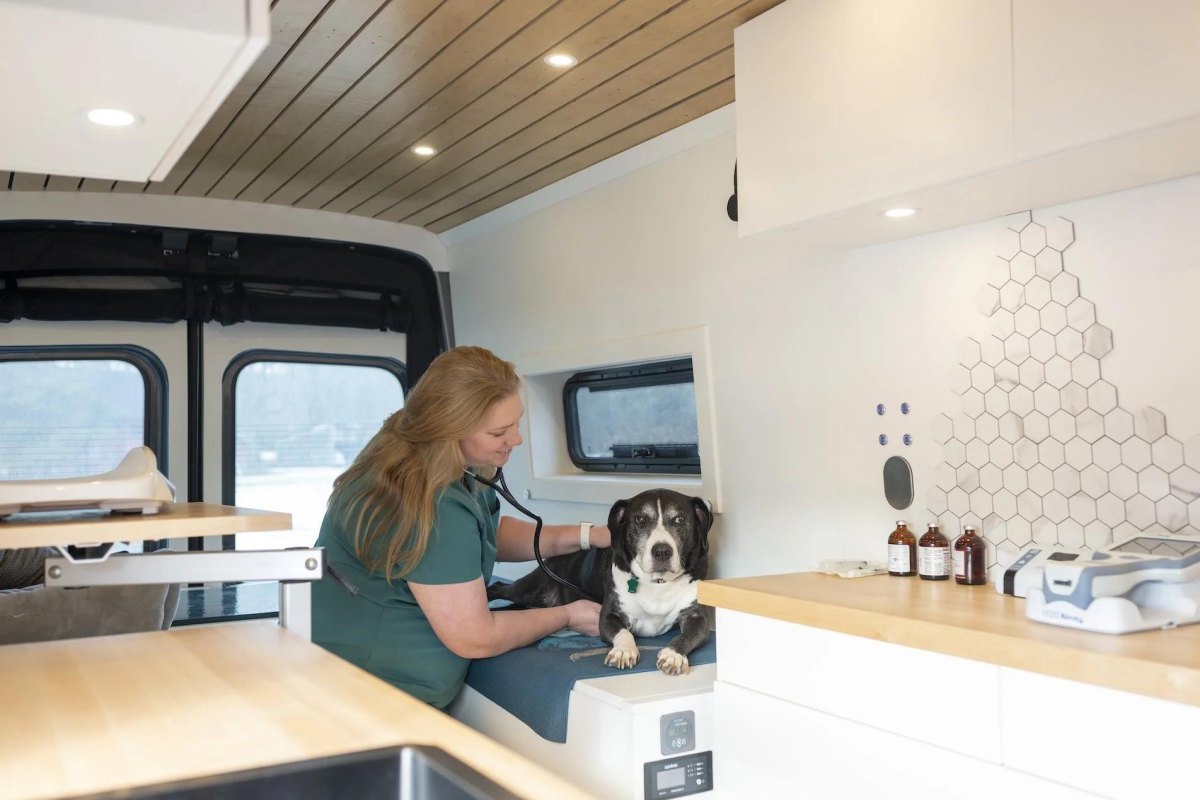
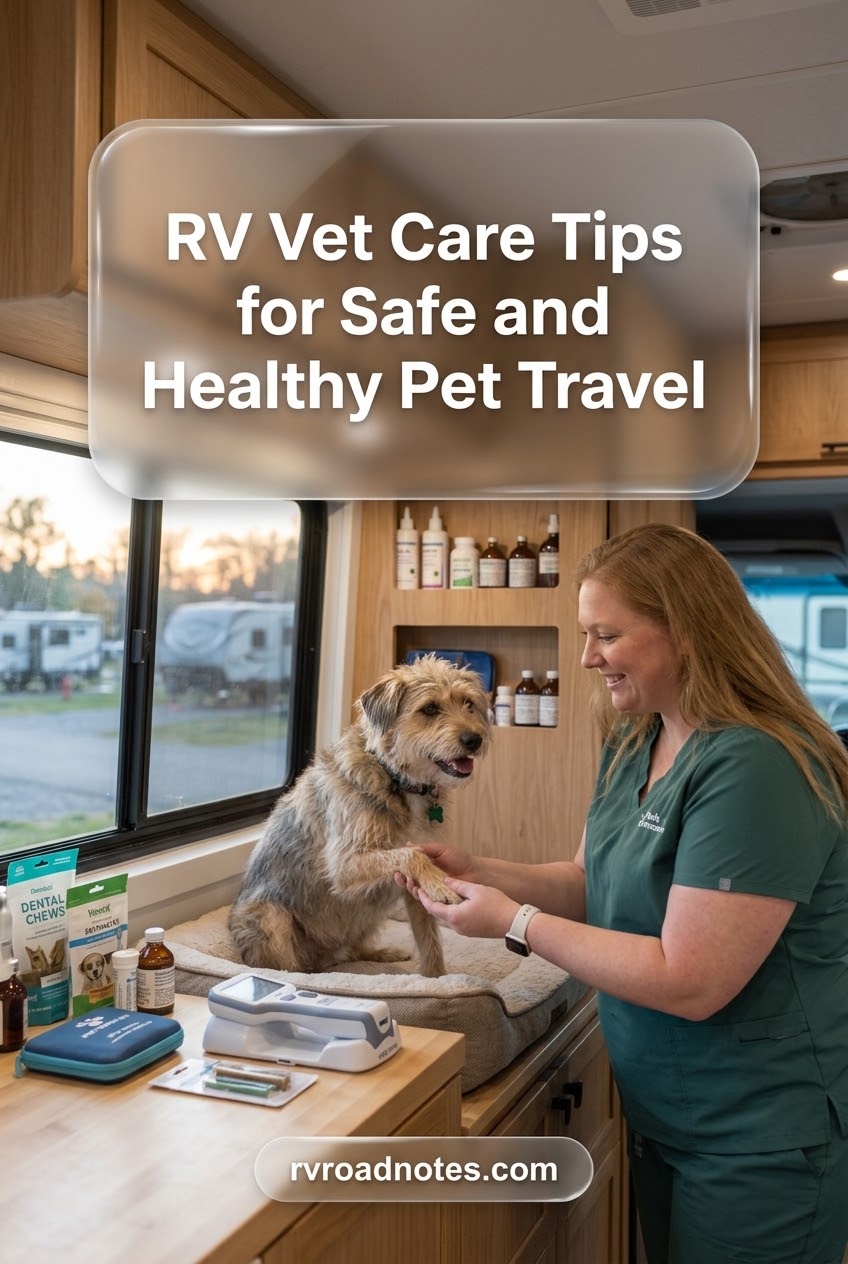
Mobile veterinary visits can be useful for RV travelers because they reduce the challenge of finding care after a problem starts. Keep routine wellness exams on your calendar instead of waiting for symptoms.
Before long trips, ask your veterinarian whether your pet needs updated screenings, medications, or travel-specific advice based on age and health history.
Keep a Complete Pet Medical Record
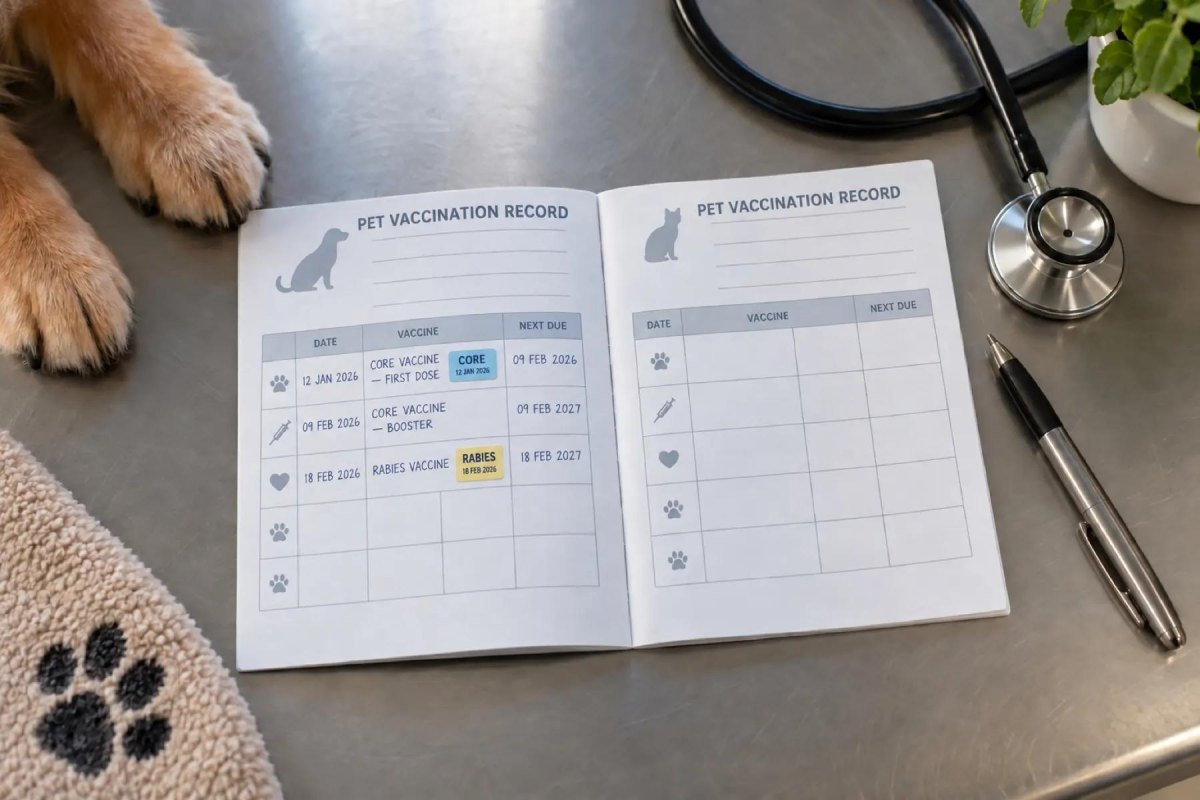
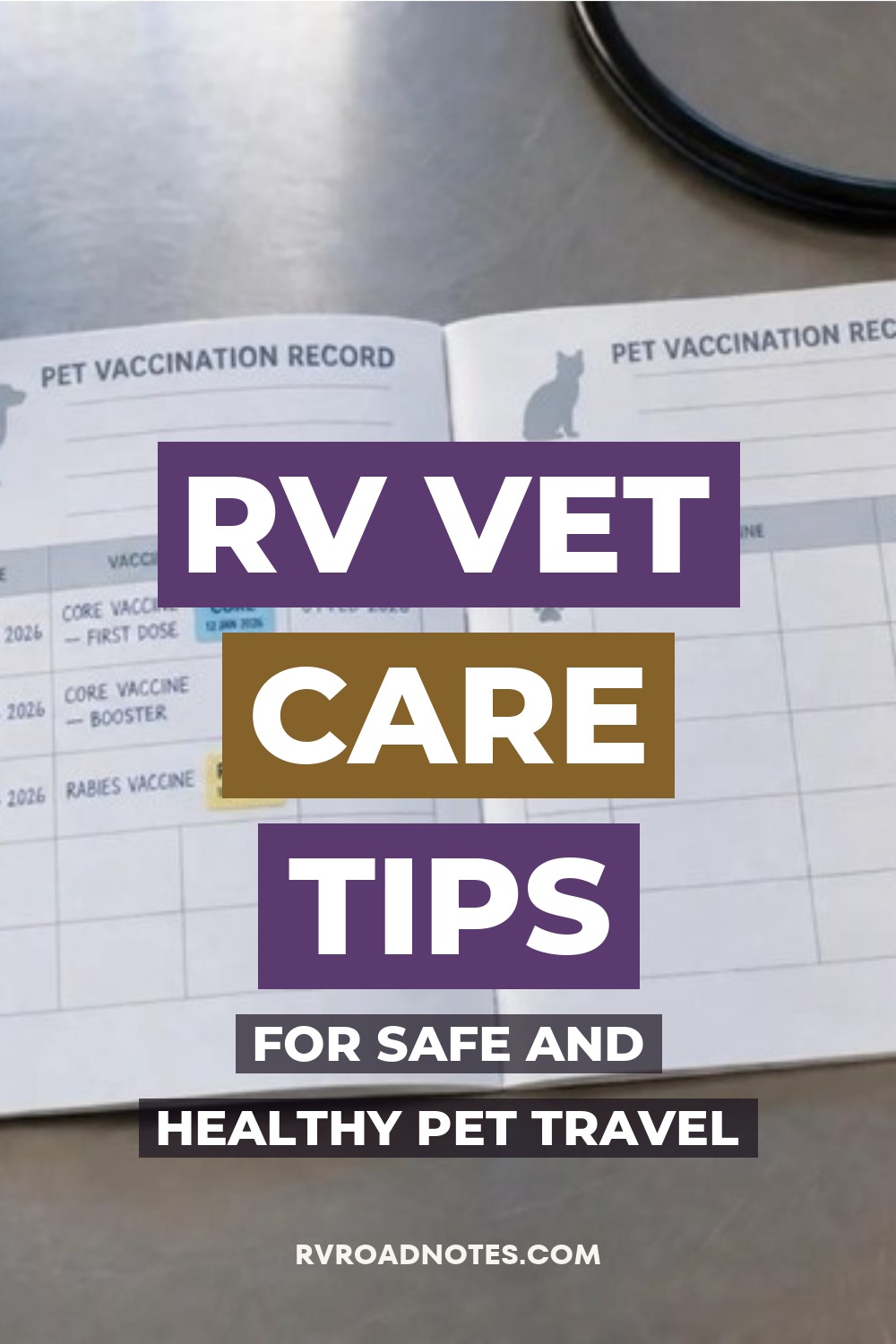
A travel medical folder should include vaccination history, prescriptions, identification details, and recent veterinary notes. Keeping pet health records available makes unfamiliar clinics much more efficient.
Travel guidance recommends carrying documentation and required health certificates when destinations require them.
Pack a Portable Pet First Aid Kit
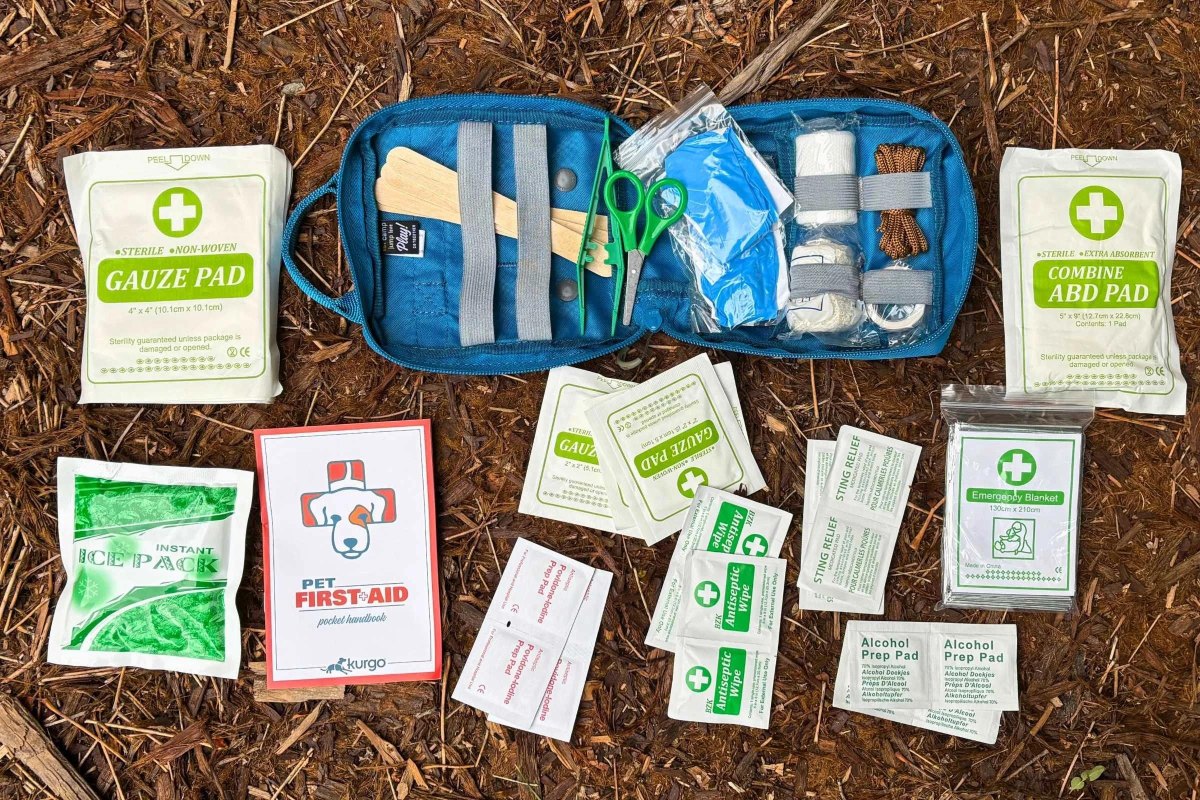
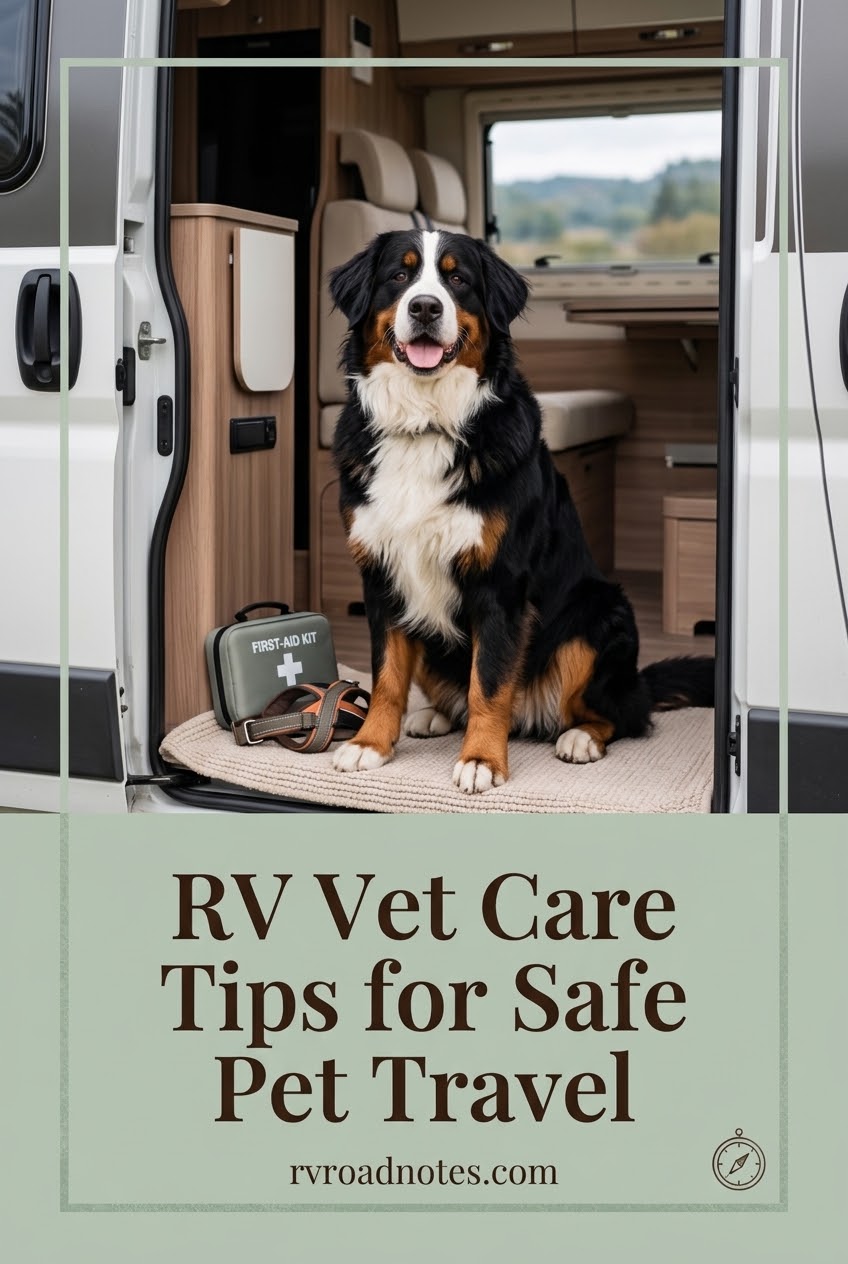
An RV first aid kit is for temporary support, not replacing veterinary treatment. Include supplies you know how to use and keep the kit easy to reach during travel days.
Common recommendations include basic first aid supplies such as bandages, gloves, saline, and tools for minor emergencies before professional care is available.
Update Vaccinations Before Traveling
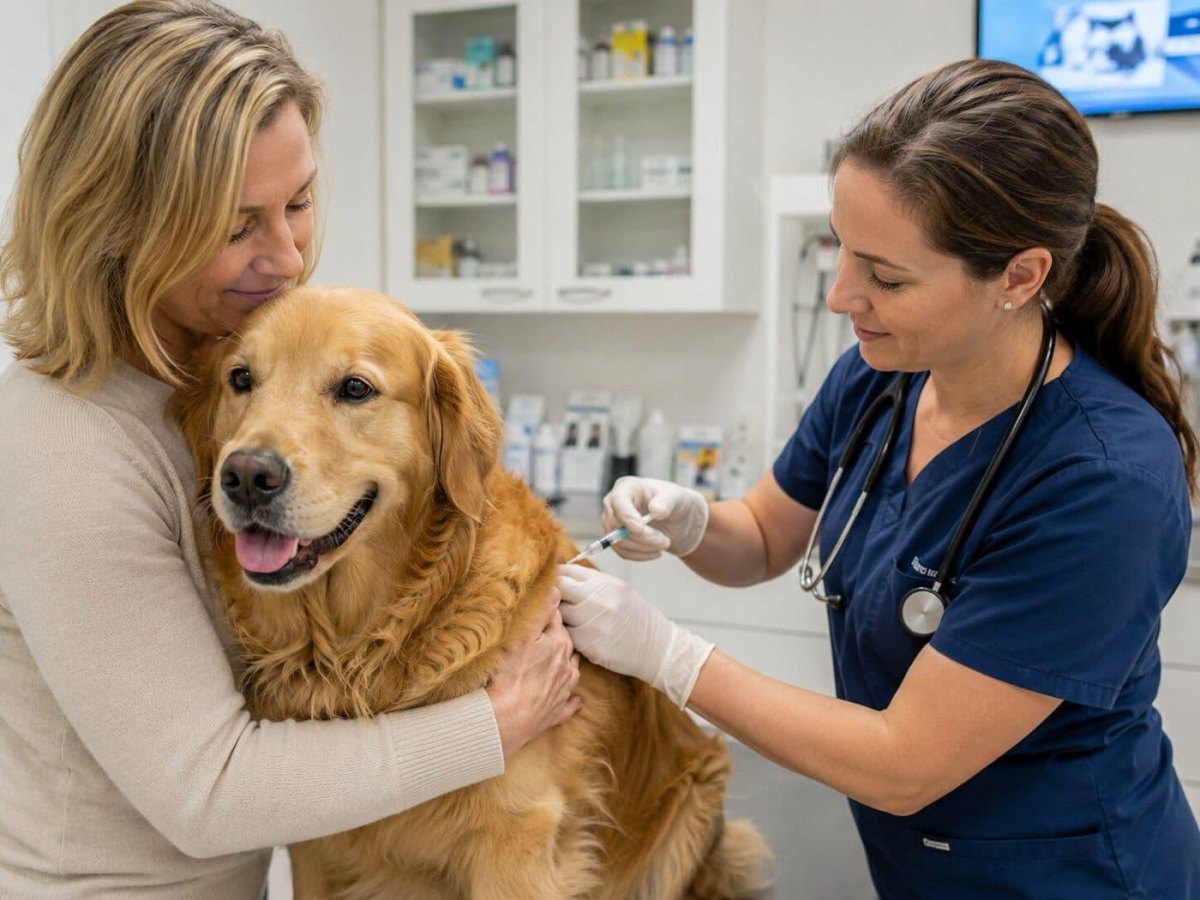
Vaccines should be reviewed before crossing state lines or visiting new regions. A quick appointment can confirm your pet is protected and that records are current.
CDC travel guidance advises making sure pets have up-to-date vaccinations and checking destination requirements before travel.
Monitor Your Pet’s Hydration on the Road
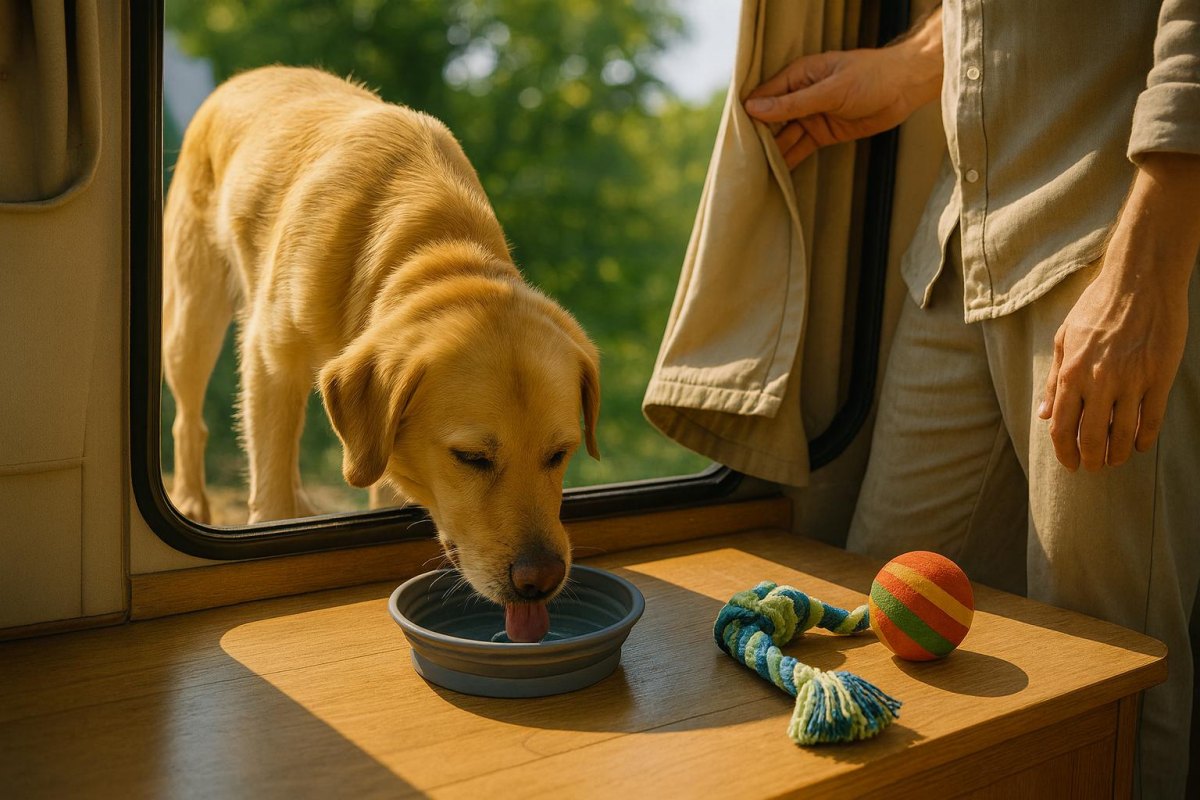
Water routines change when temperatures, activity levels, and travel schedules change. Offer clean water regularly and watch for changes in drinking habits.
Keeping fresh water available is one of the simplest ways to reduce travel stress and support normal health during RV trips.
Protect Pets From Heat Inside the RV
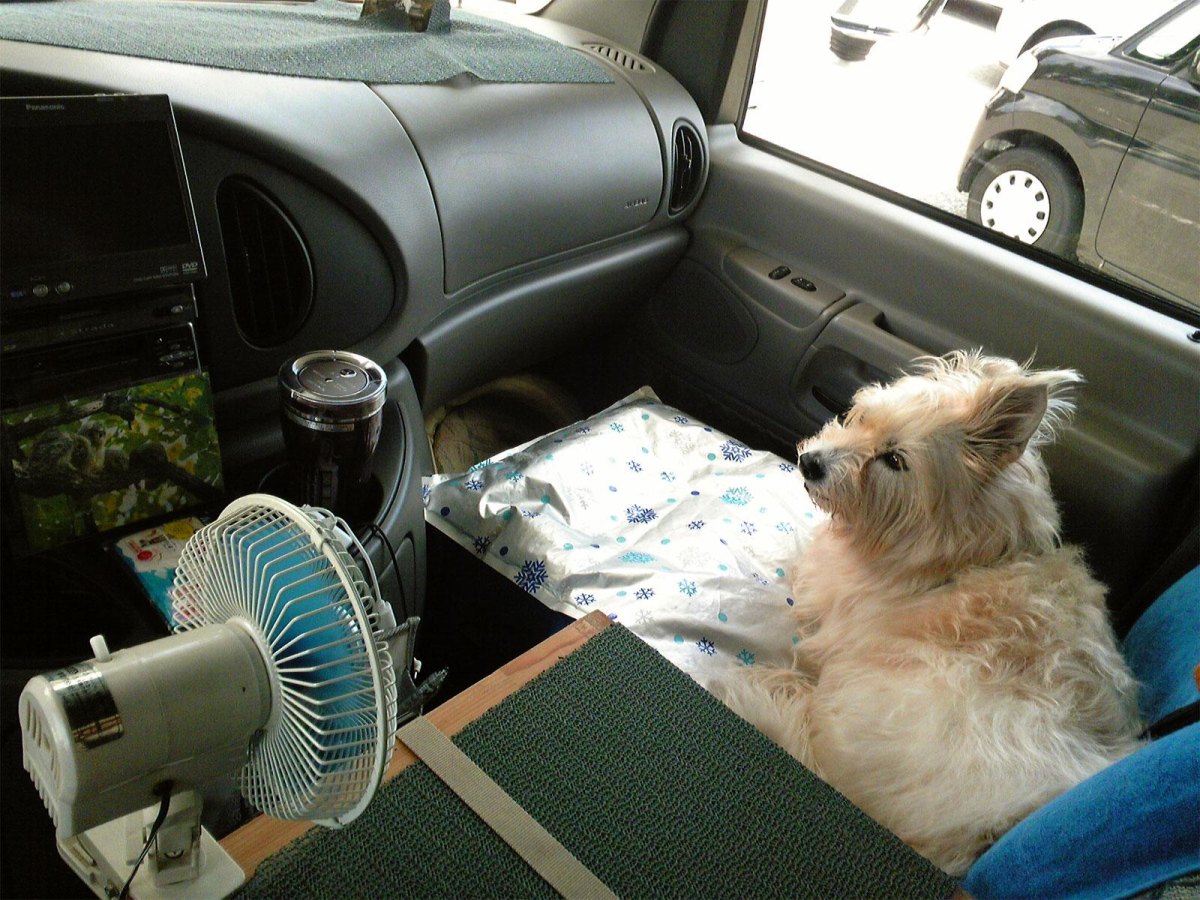
RV interiors can become dangerous quickly when cooling systems fail or power is interrupted. A temperature monitor with alerts adds another layer of awareness.
Never leave a pet alone in a parked vehicle or RV when safe temperature control cannot be guaranteed. Heat safety planning needs a backup plan, not hope.
Create a Travel-Friendly Medication Routine
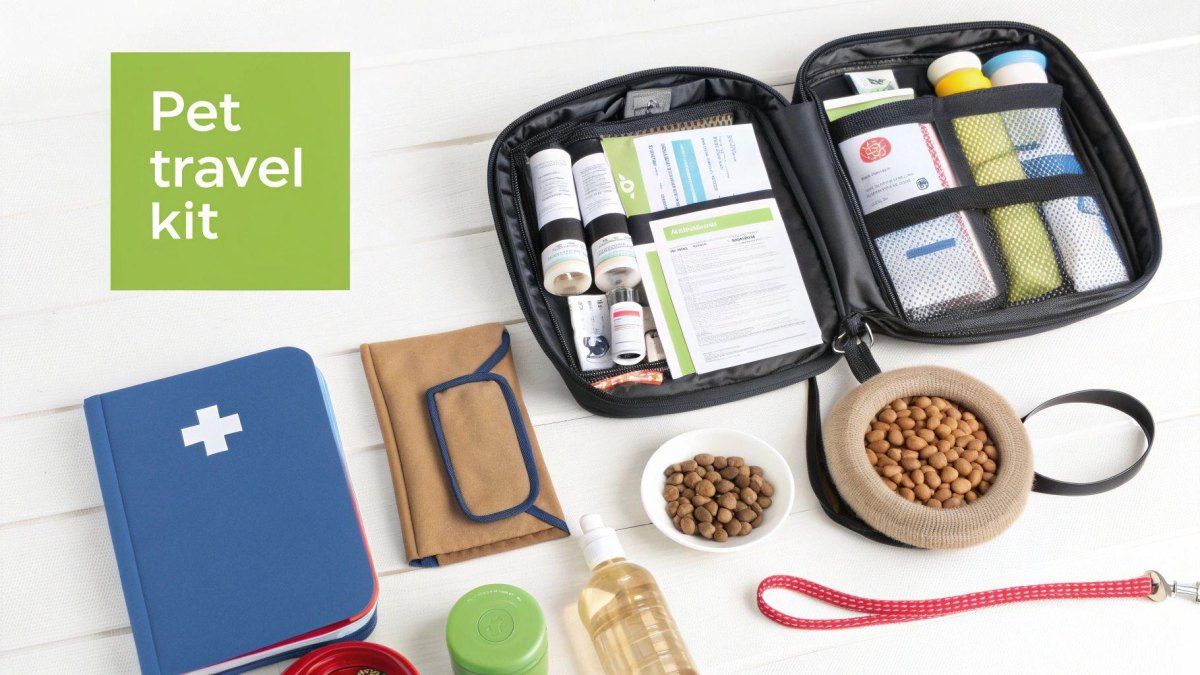
Medication schedules are harder when locations change daily. Keep prescriptions labeled, protected, and easy to access.
Veterinary medication guidance recommends keeping medicines in original containers and stored securely to prevent mistakes or accidental exposure.
Check for Parasites After Outdoor Adventures
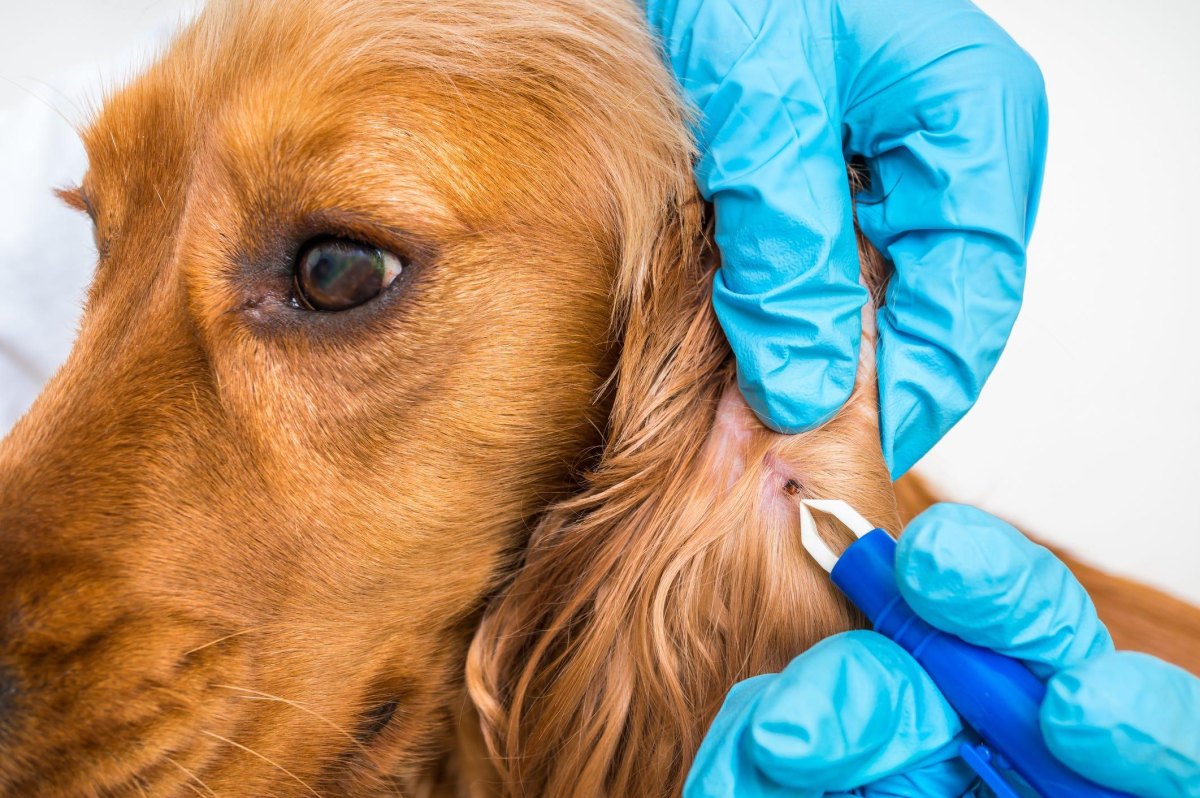
Hiking trails and campsites expose pets to ticks and other parasites. Make inspections part of the return-to-RV routine.
Daily checks after outdoor time can help find ticks early, especially around ears, paws, collars, and other hidden areas. Tick prevention habits should be discussed with your veterinarian.
Maintain Dental Care While Traveling
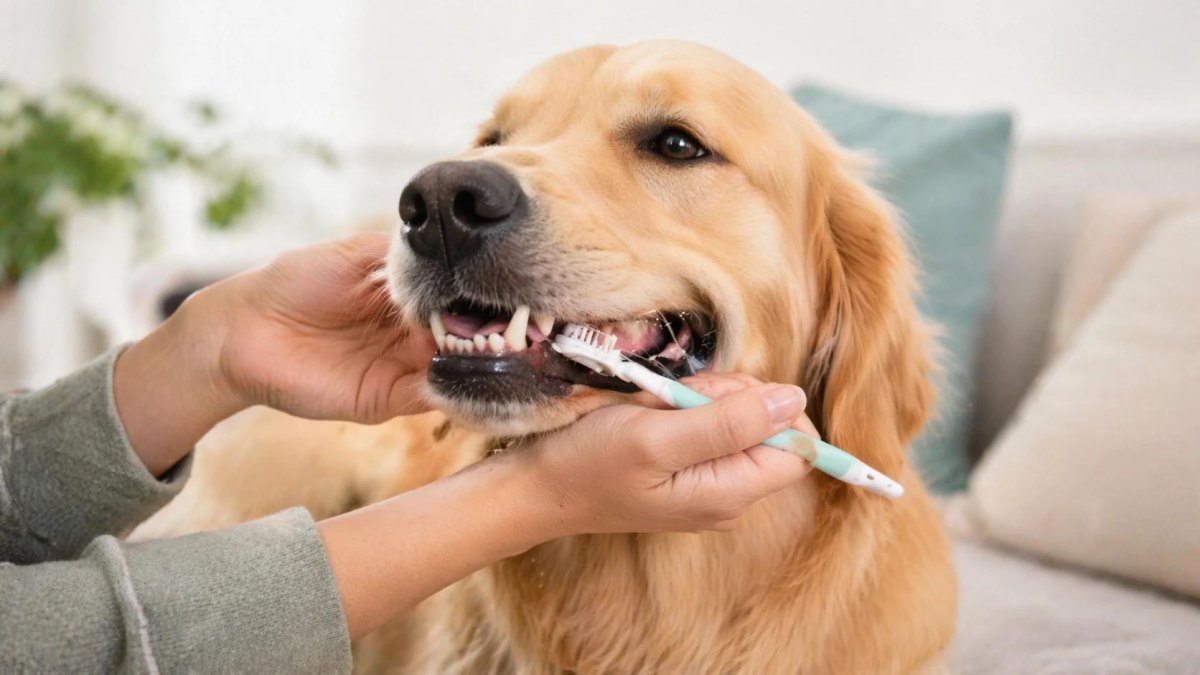
Travel changes routines, but dental care should stay consistent. Pack familiar brushes, dental products, and supplies your veterinarian has approved.
Small daily actions are easier to maintain than dealing with a painful problem far from your usual clinic. Dental care routines still matter on the road.
Manage Pet Anxiety During RV Trips
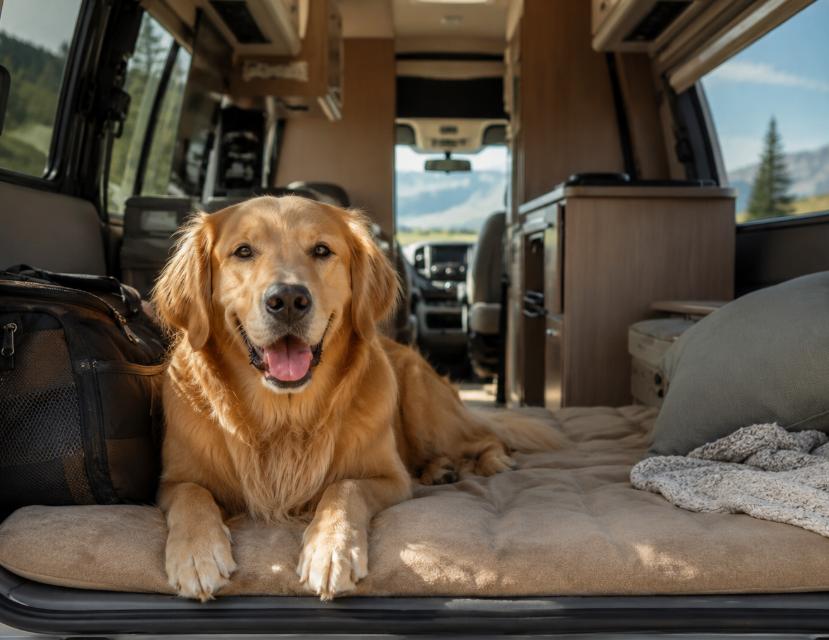
Some pets struggle with unfamiliar sounds, movement, and new environments. Short practice trips can help before a major journey.
Gradual exposure and preparation can reduce travel-related stress, while medication decisions should always come from your veterinarian.
Prepare Emergency Vet Contacts Along Your Route
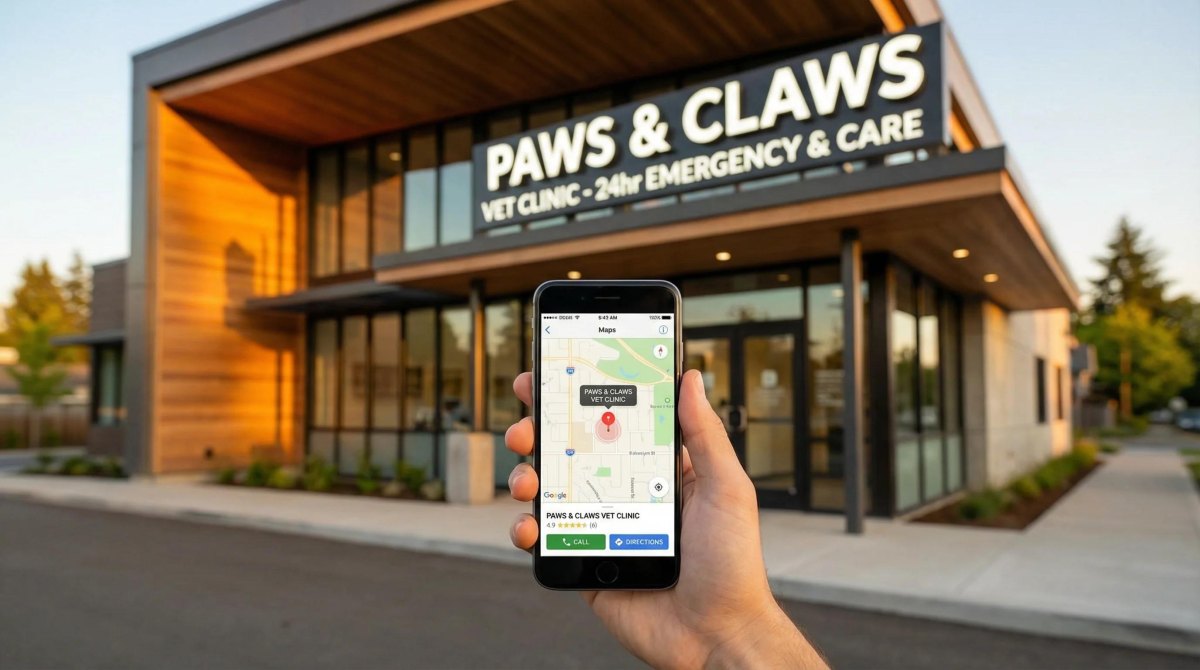
Before leaving a campsite, know where the nearest emergency clinic is located. Cell coverage and distance from services can change quickly.
Keep your regular veterinarian, emergency clinic information, and poison control details accessible as part of your roadside emergency plan.
Secure Pets Safely While Driving
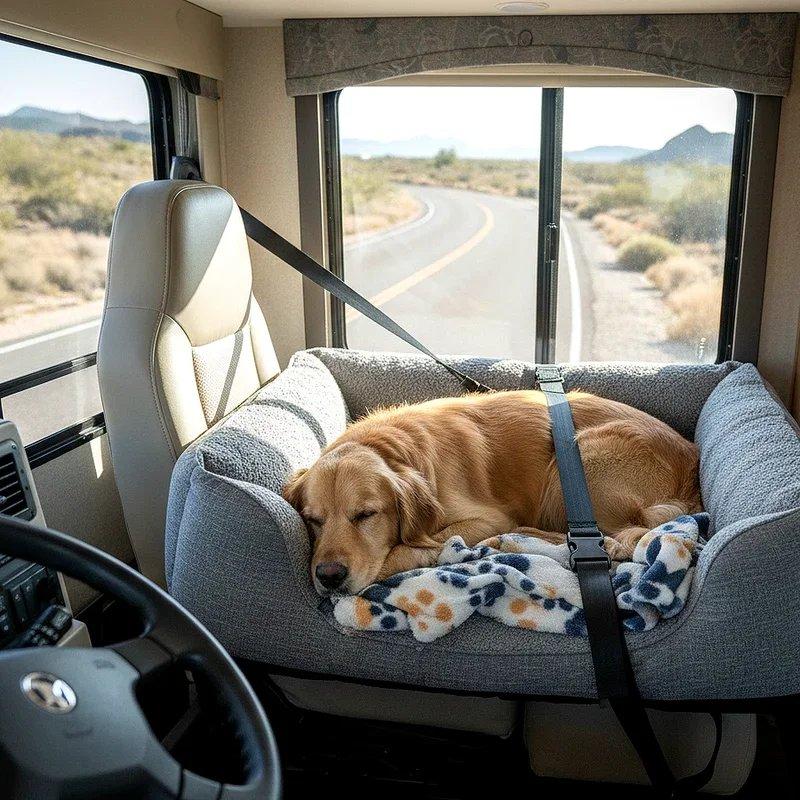
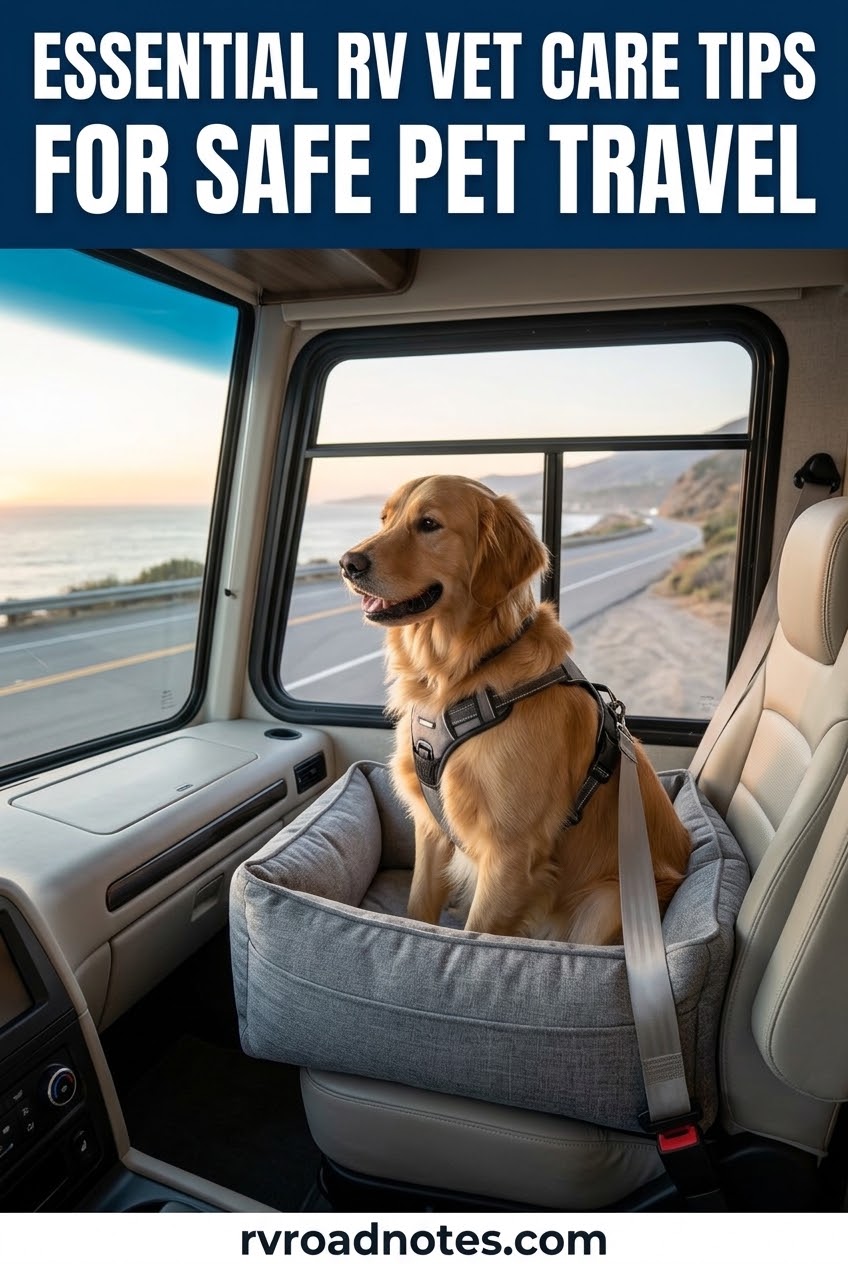
Pets should have a secure travel position before the RV moves. Loose animals can be injured during sudden stops or accidents.
Use appropriate restraints or carriers designed for travel and focus on safe pet positioning rather than convenience.
Watch for Signs of Illness on the Road

Small changes are easier to handle when noticed early. Appetite, energy, bathroom habits, and behavior are useful daily indicators.
A simple daily health check can help identify concerns before they become bigger travel problems.
Keep a Healthy Travel Diet
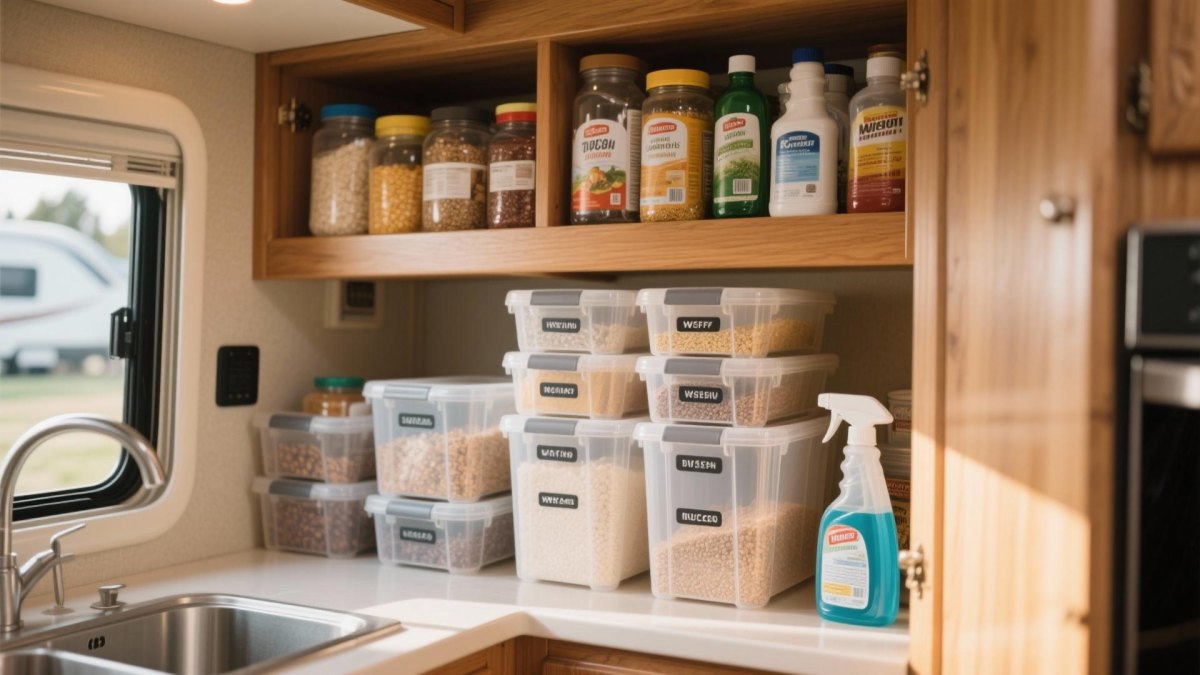
Road trips are not the best time for sudden food changes. Pack familiar food and maintain feeding schedules whenever possible.
Consistent meals support digestive stability and reduce unnecessary stomach issues while traveling.
Protect Paws During Outdoor Stops
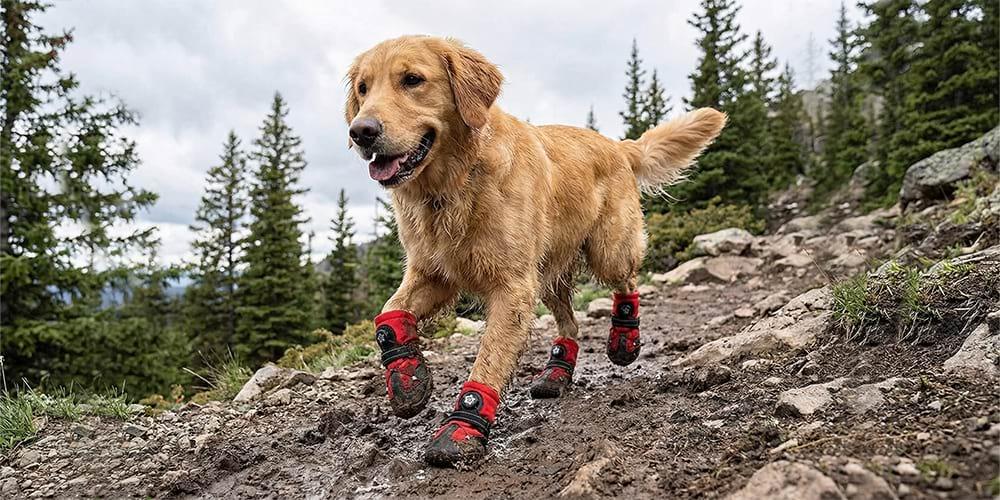
Campground surfaces, hot pavement, rough trails, and sharp debris can all affect paw health. Check feet after outdoor activities.
Regular inspections help catch paw injuries early before they interfere with walking or exploring.
Handle Motion Sickness in Traveling Pets
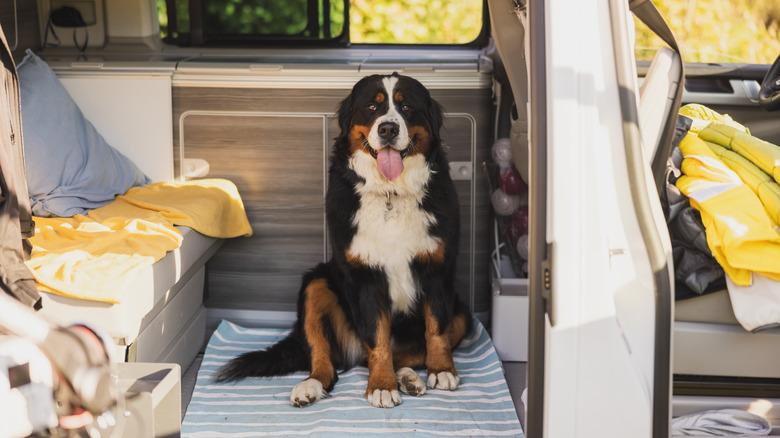
Motion sickness and travel anxiety can look similar, so tracking symptoms helps your veterinarian recommend the right approach.
Plan ahead with your veterinarian for motion sickness support instead of trying new treatments on departure day.
Maintain Grooming While Traveling
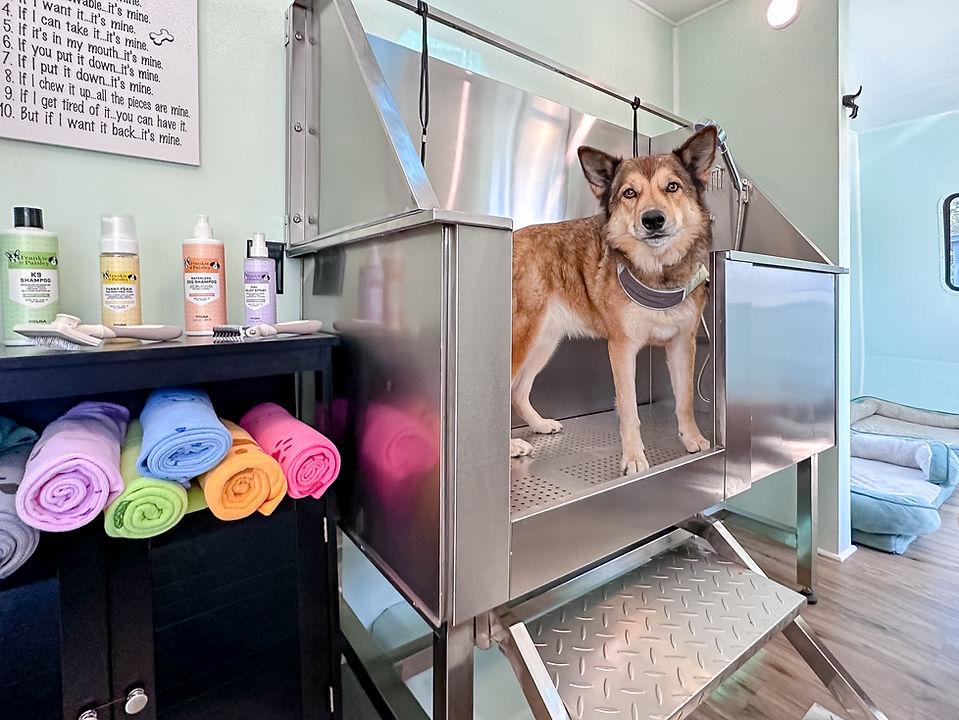
Regular brushing and basic grooming make it easier to notice skin issues, ticks, or injuries after outdoor activities.
A small travel kit with grooming essentials keeps routine care manageable between veterinary visits.
Plan Preventive Care Before Long Trips
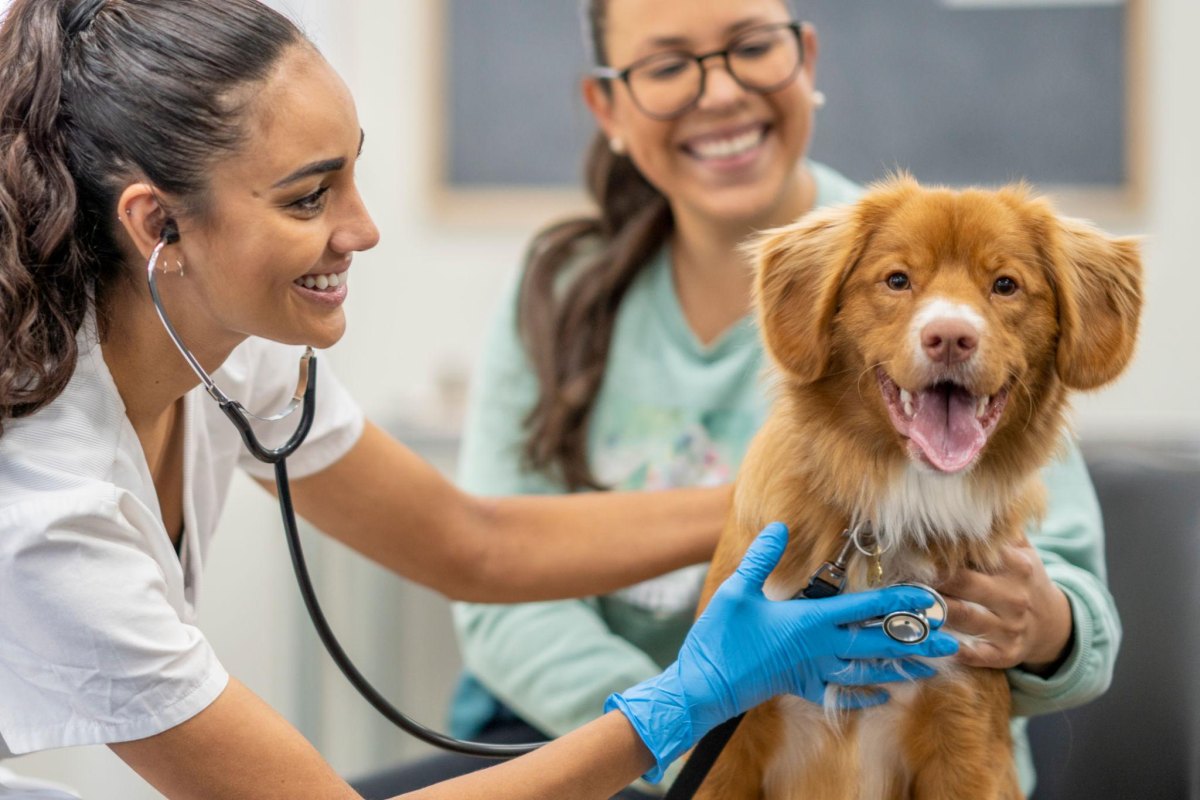
The best RV pet care happens before the wheels turn. Review health needs, supplies, and destination rules before extended travel.
A pre-trip appointment creates a preventive care checklist that helps avoid rushed decisions far from home.
More Pinterest Visuals



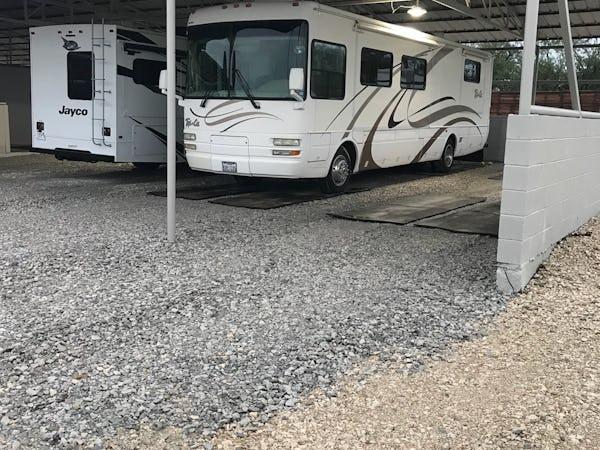 RV Maintenance & Care17 Essential RV Winter Storage Tips to Prevent Cold-Weather Damage
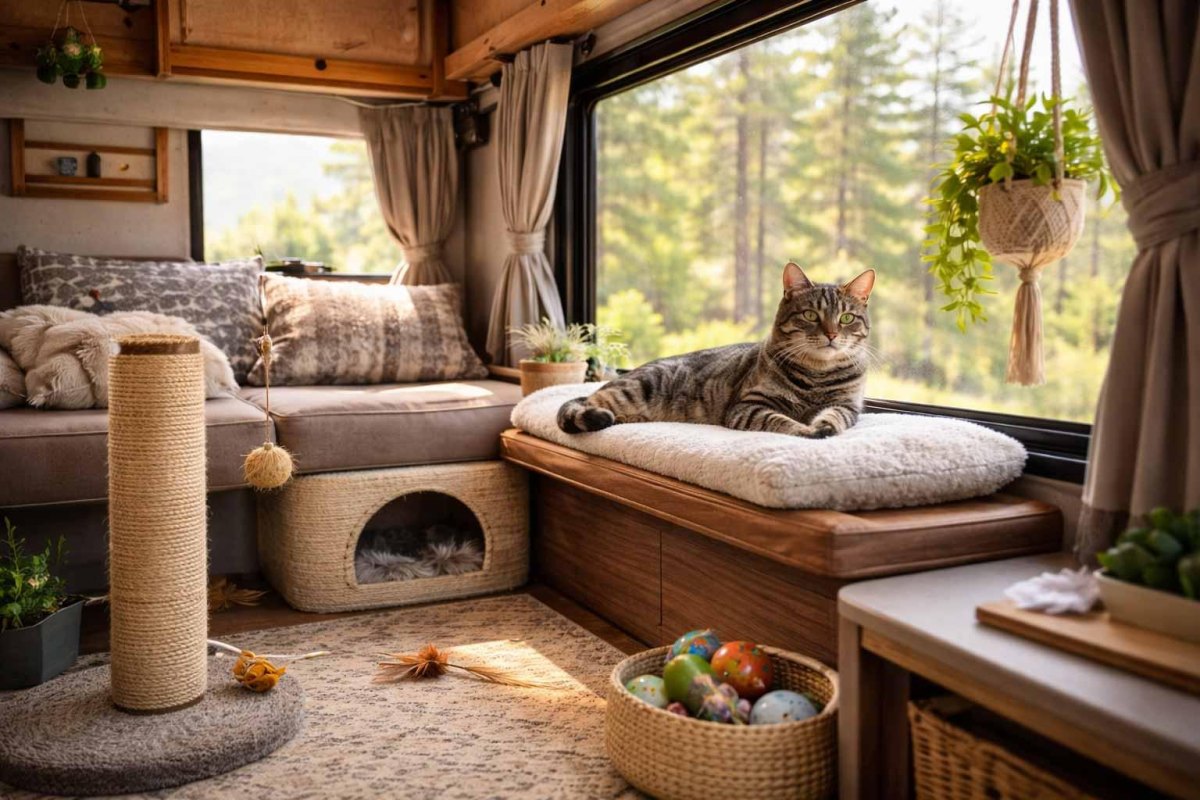
 RV Pet Travel11 RV Cat Tree Ideas That Make Small Spaces More Cat-Friendly
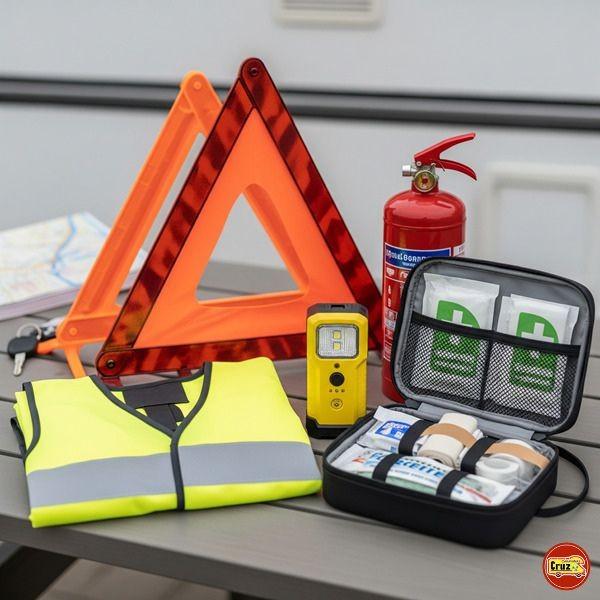 Camping Gear & Planning15 RV Must-Haves for Beginners to Camp Safely and Comfortably
 Camping Recipes18 Easy RV Camping Snacks Ideas for Road Trips and Campfire Nights