Dry camping rewards preparation more than fancy equipment. After enough nights away from hookups, the pattern is clear: the comfortable camps are the ones planned around water, energy, food, and limits before the tires leave pavement.
Choose the Right Dry Camping Location
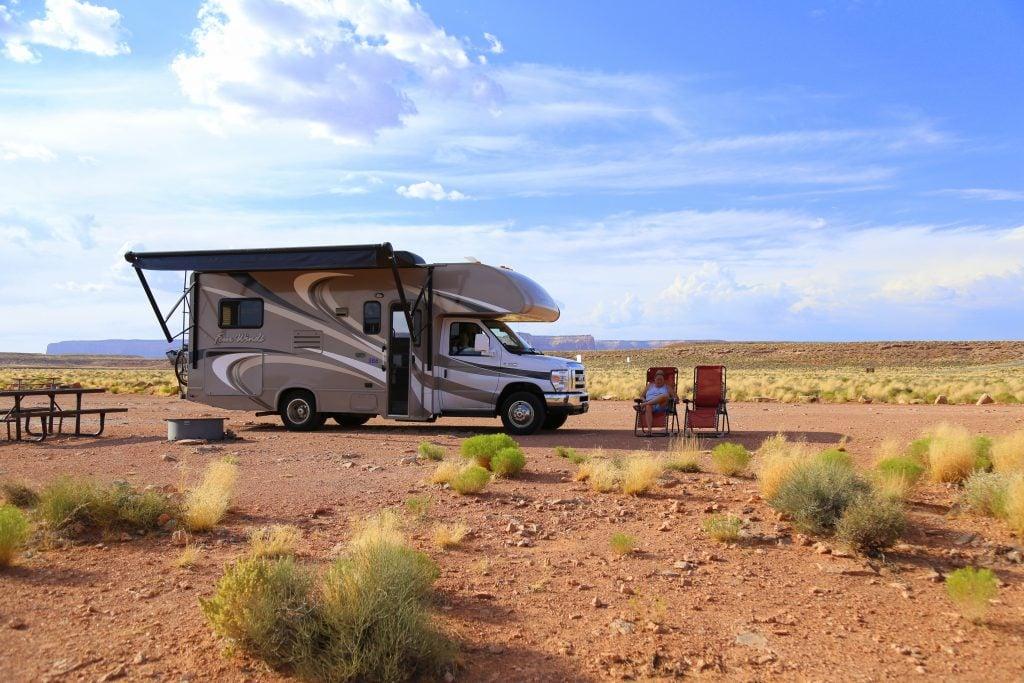
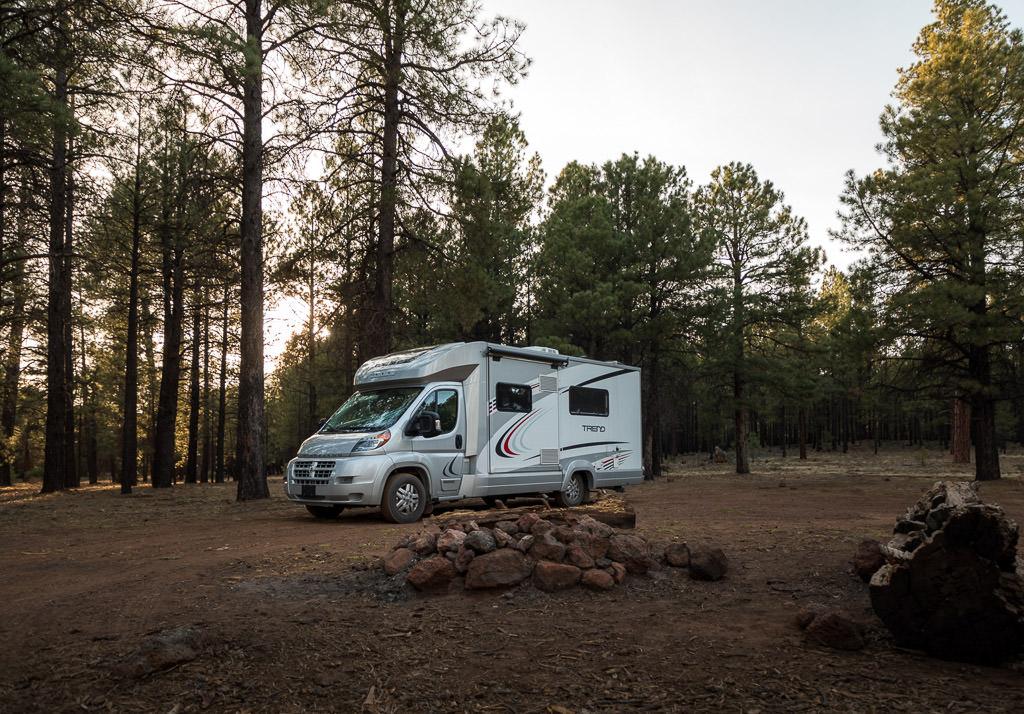
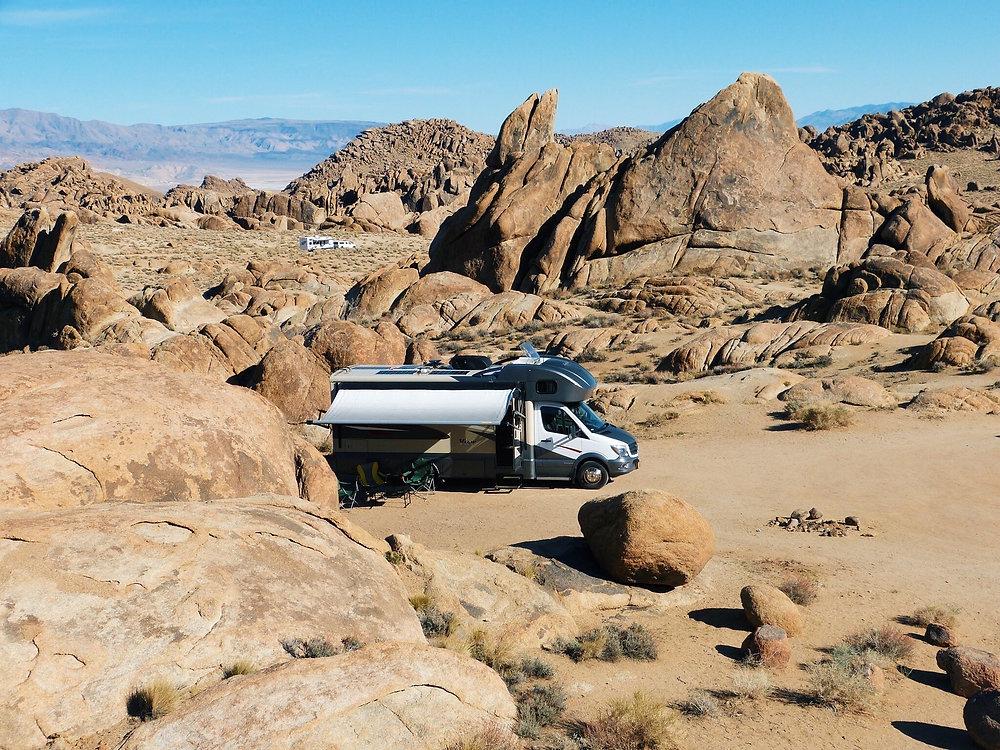
Picking a dry camping location starts with more than finding an empty patch of land. The best site balances access, legal requirements, terrain, and distance from help. Dispersed camping rules vary by land agency, so I check the current rules before settling in.
A good site gives you:
- Room to level safely without damaging the ground.
- Reliable access roads for your specific RV size.
- Enough separation from other campers for a quieter stay.
Flat ground matters, but so do exit routes. A beautiful overlook is not worth a difficult departure after rain or a storm. I prefer existing campsites whenever available because repeated use areas concentrate impact and help protect surrounding land.
Small planning step
Save offline maps before leaving service. Remote camping often becomes a no-signal activity faster than expected.
Plan Your Water Supply Before You Arrive
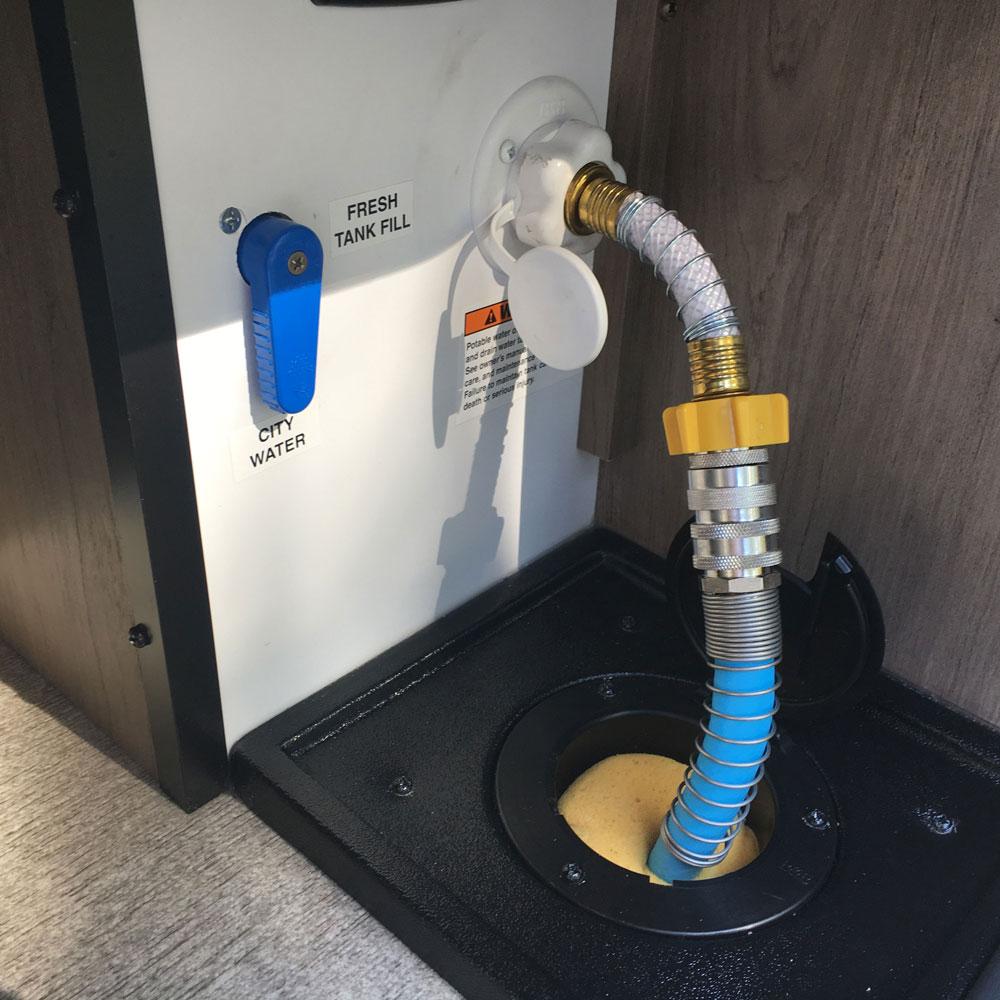
The fresh water fill connection shown in this setup represents the first rule of dry camping: water is your limiting resource. Carrying water is only useful when you understand how quickly you use it.
- Drinking water: estimate daily needs for every person and pet.
- Cooking water: include coffee, cleaning, and meal preparation.
- Tank capacity: know your fresh, grey, and black tank limits before extending a stay.
My old Class C required planning around every gallon, and that habit has stayed useful across different rigs. A short shower, a dish tub, and low-water meals can change a weekend into a much longer stay.
Water planning is not about restriction. It is about knowing exactly what resource controls your departure.
Dana Prescott, RV Road Notes
Manage Battery Power and Solar Energy
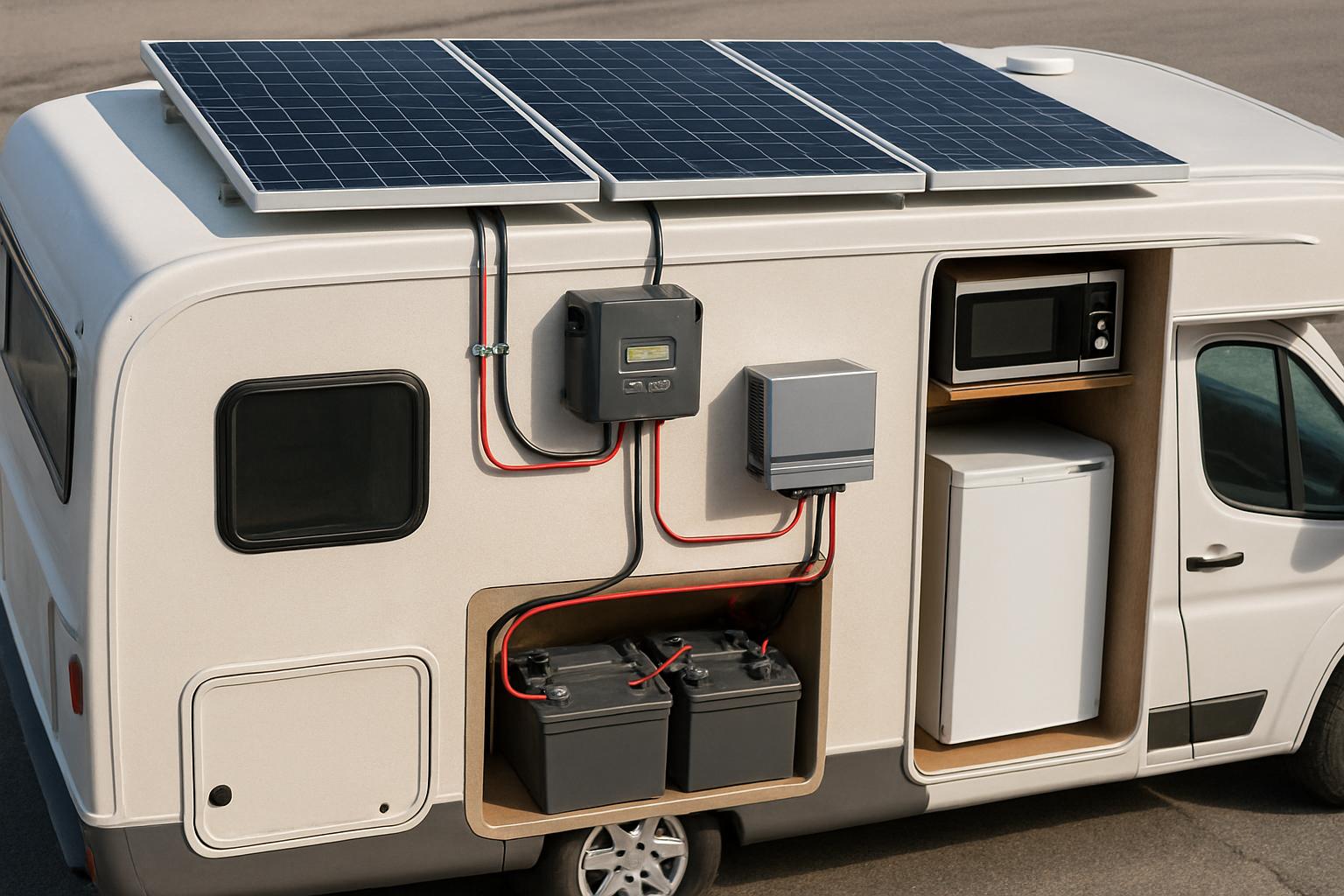
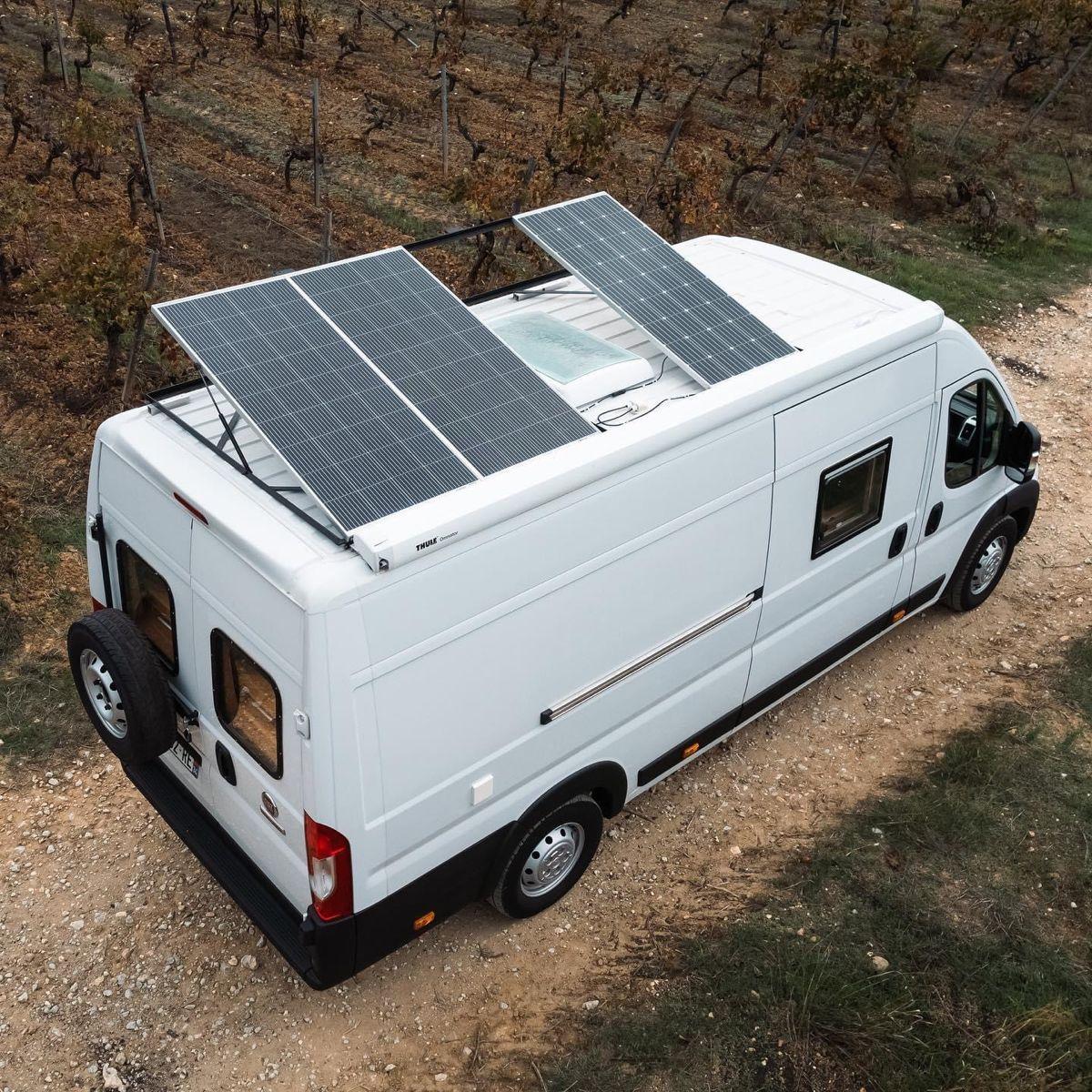
Solar panels are one of the most helpful dry camping upgrades, but they are not magic. Energy planning begins with knowing what consumes power: refrigeration, fans, lights, charging devices, and inverters all add up.
Solar advantages
- Quiet daytime charging.
- Less fuel use.
- Better independence in sunny conditions.
Solar limits
- Clouds reduce output.
- Shade changes performance.
- Large appliances still require planning.
Battery type, capacity, and charging equipment should match your actual use. A large solar array cannot fix a battery bank that is too small or a habit of wasting energy.
24 hours
of planning can prevent many avoidable power surprises.
Pack Efficiently for Limited Resources
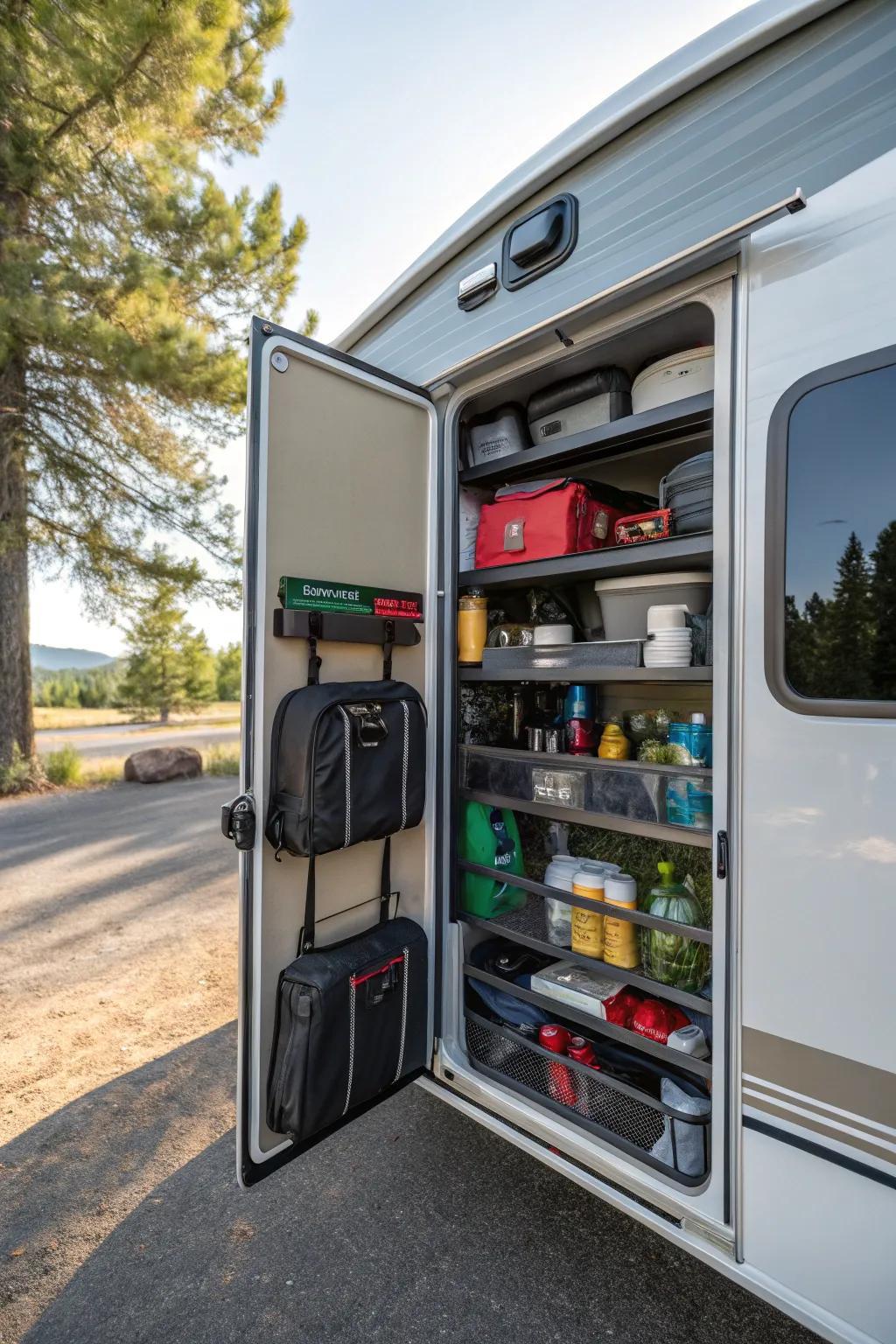
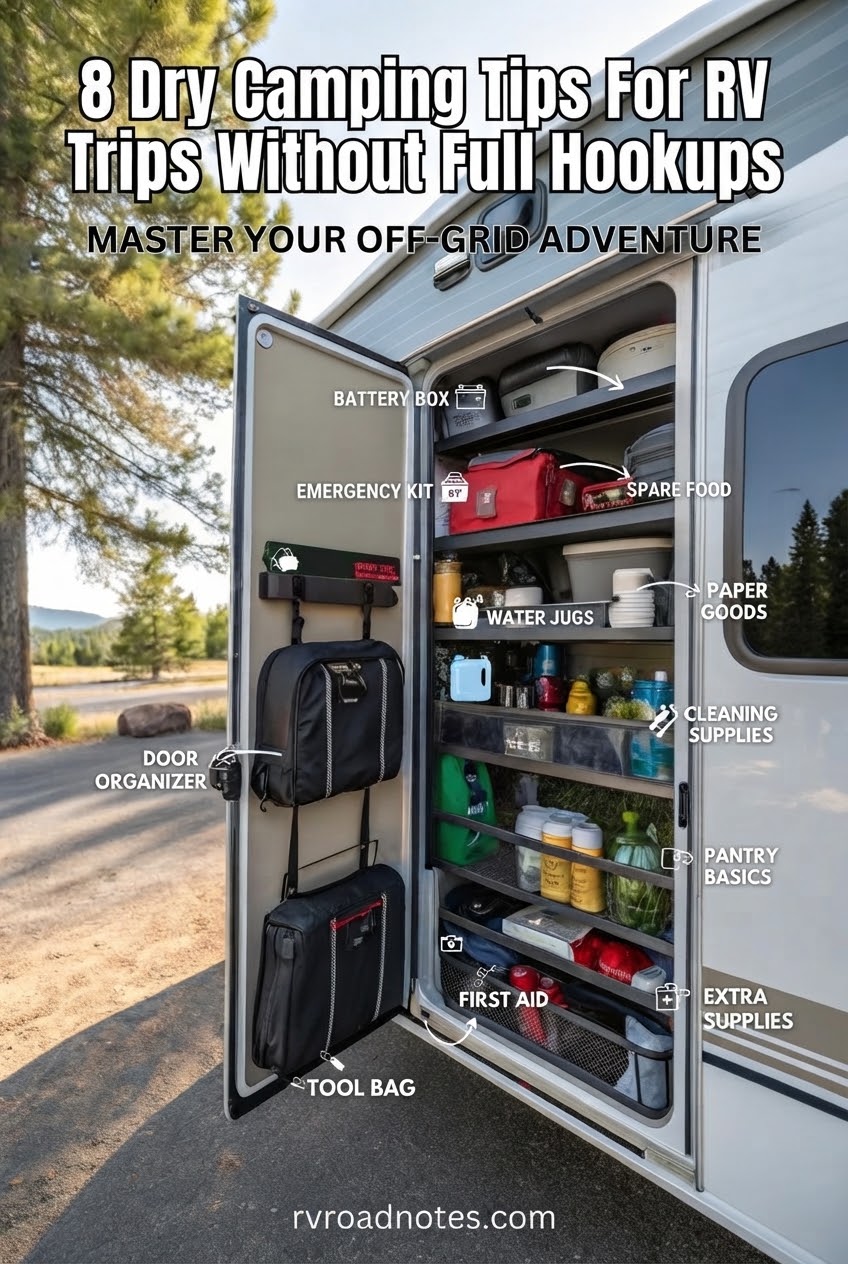
Dry camping rewards a smaller, organized setup. The storage area in this example works because every item has a purpose and a predictable place.
- Keep frequently used supplies reachable.
- Secure heavy items low to reduce handling problems.
- Separate emergency items from everyday gear.
- Review unused equipment after each trip.
I have learned that extra gear often creates extra decisions. A compact kitchen, fewer duplicate tools, and a clear inventory usually make travel easier than carrying every possible solution.
Common mistake
Packing for every imaginary emergency can leave less room for the equipment that actually supports your trip.
Reduce Water and Energy Consumption
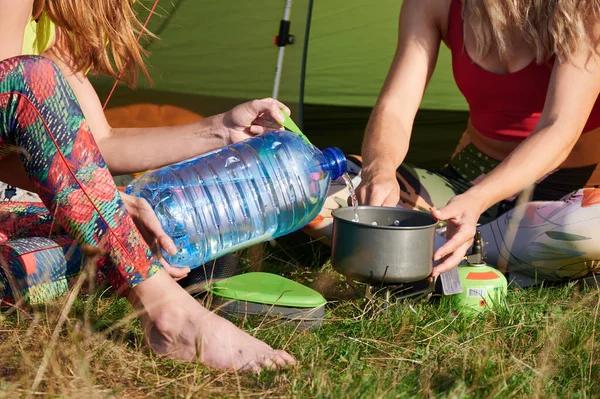
Conservation is what makes a dry camping trip last. The goal is not uncomfortable living; it is removing waste from normal routines.
The daily habits that matter most
Shorter showers, efficient lighting, opening the refrigerator less often, and preparing food with fewer dishes can extend your stay without making camp feel difficult.
For cooking and cleaning, small changes add up. A spray bottle for quick cleaning, reusable containers, and planned meals reduce both water use and battery demand.
Prepare Simple Meals Without Full Hookups
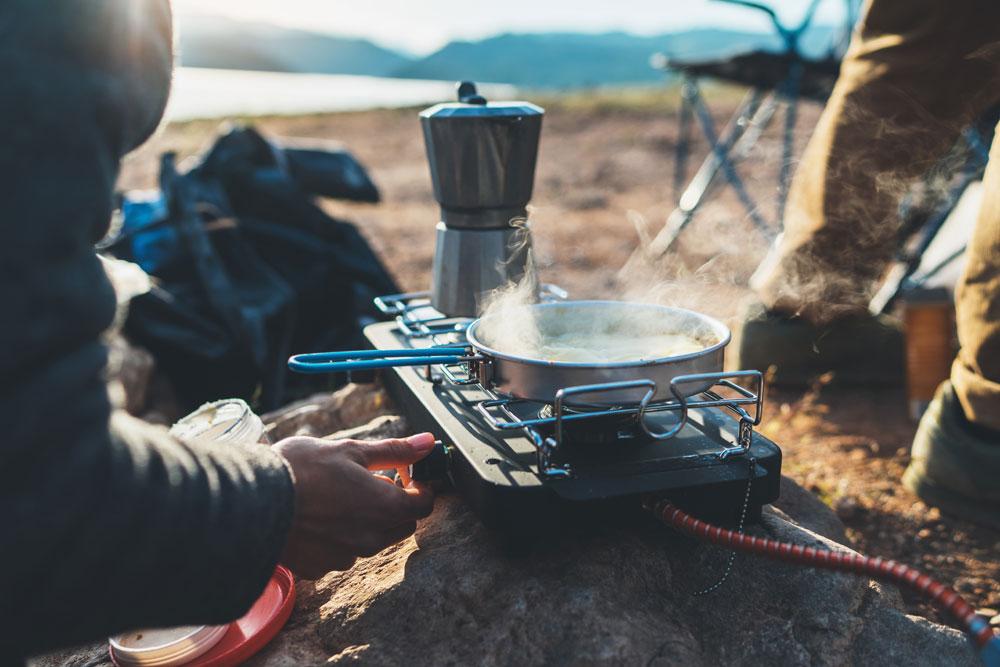
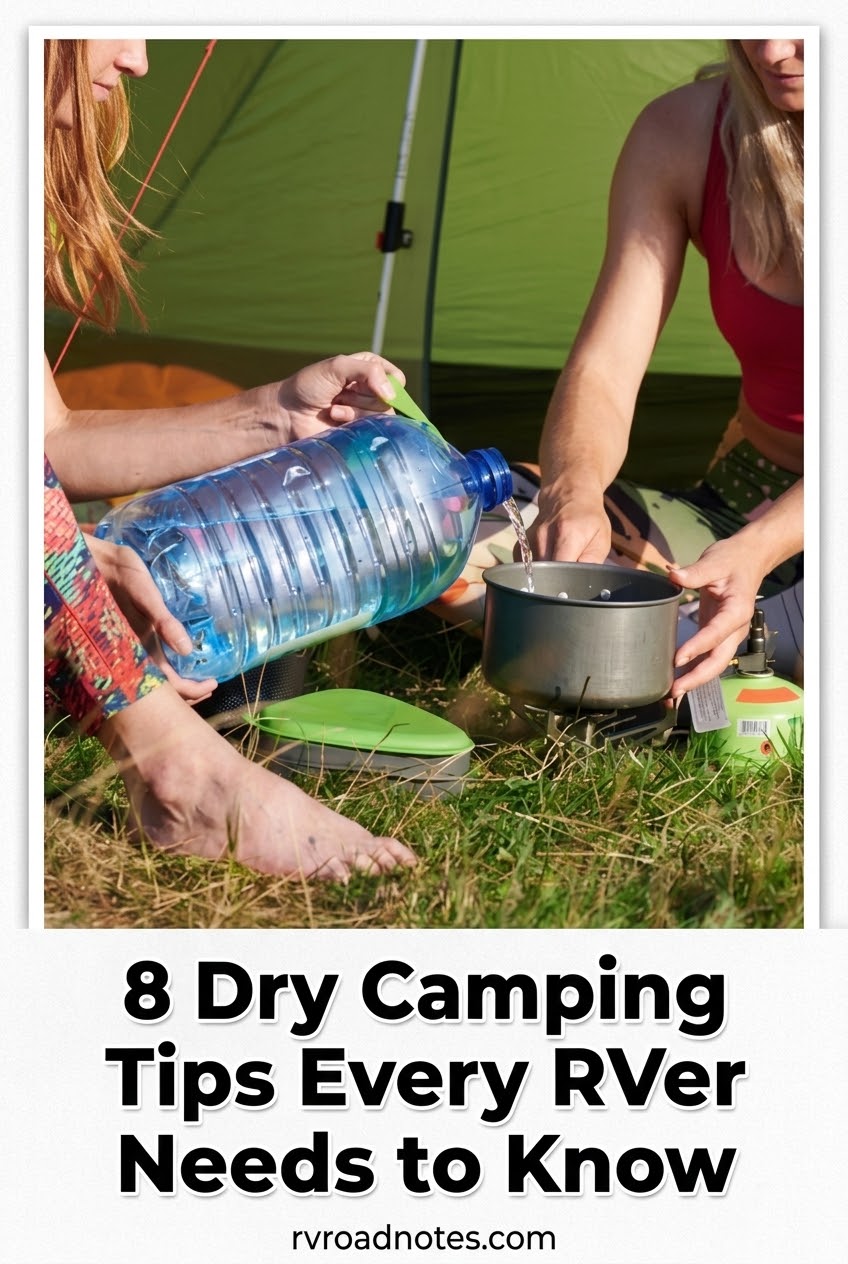
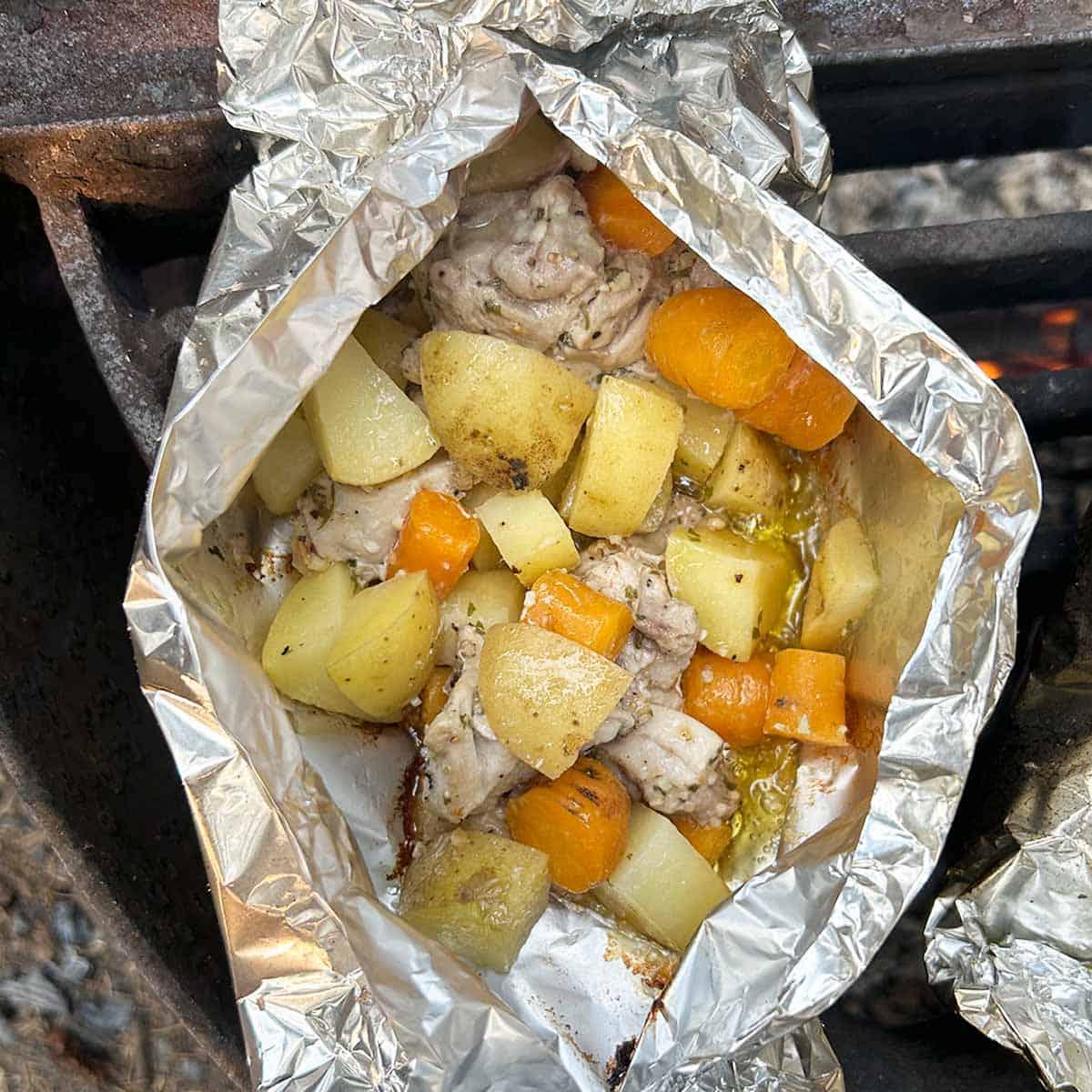
Cooking away from hookups works best when meals match your equipment and available resources. The camp stove setup shown here is a reminder that simple food often fits dry camping better than complicated recipes.
- Plan. Choose meals before shopping so ingredients overlap.
- Prep. Wash and portion ingredients when water is easier to access.
- Cook. Use efficient methods and avoid heating the RV unnecessarily.
- Clean. Use minimal water and leave no food scraps behind.
Safety reminder
Never use a cooktop, oven, or unvented heater for cabin heat. Carbon monoxide and propane risks require working detectors and proper ventilation.
Practice Leave No Trace Camping
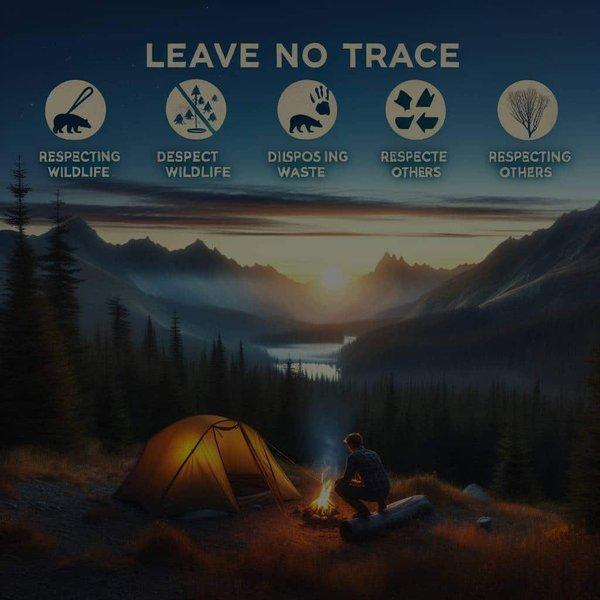
Responsible dry camping protects the places that make this style of travel possible. The principles are simple: use durable surfaces, manage waste correctly, respect wildlife, and follow local restrictions.
- Camp on existing sites: avoid creating new scars on fragile land.
- Handle waste legally: never dump tanks or grey water where it is prohibited.
- Respect closures: fire restrictions and seasonal rules change.
The best dispersed campsites are the ones that look unchanged after we leave. That means packing out everything, including small items that are easy to overlook.
Stay Safe During Remote Camping Trips
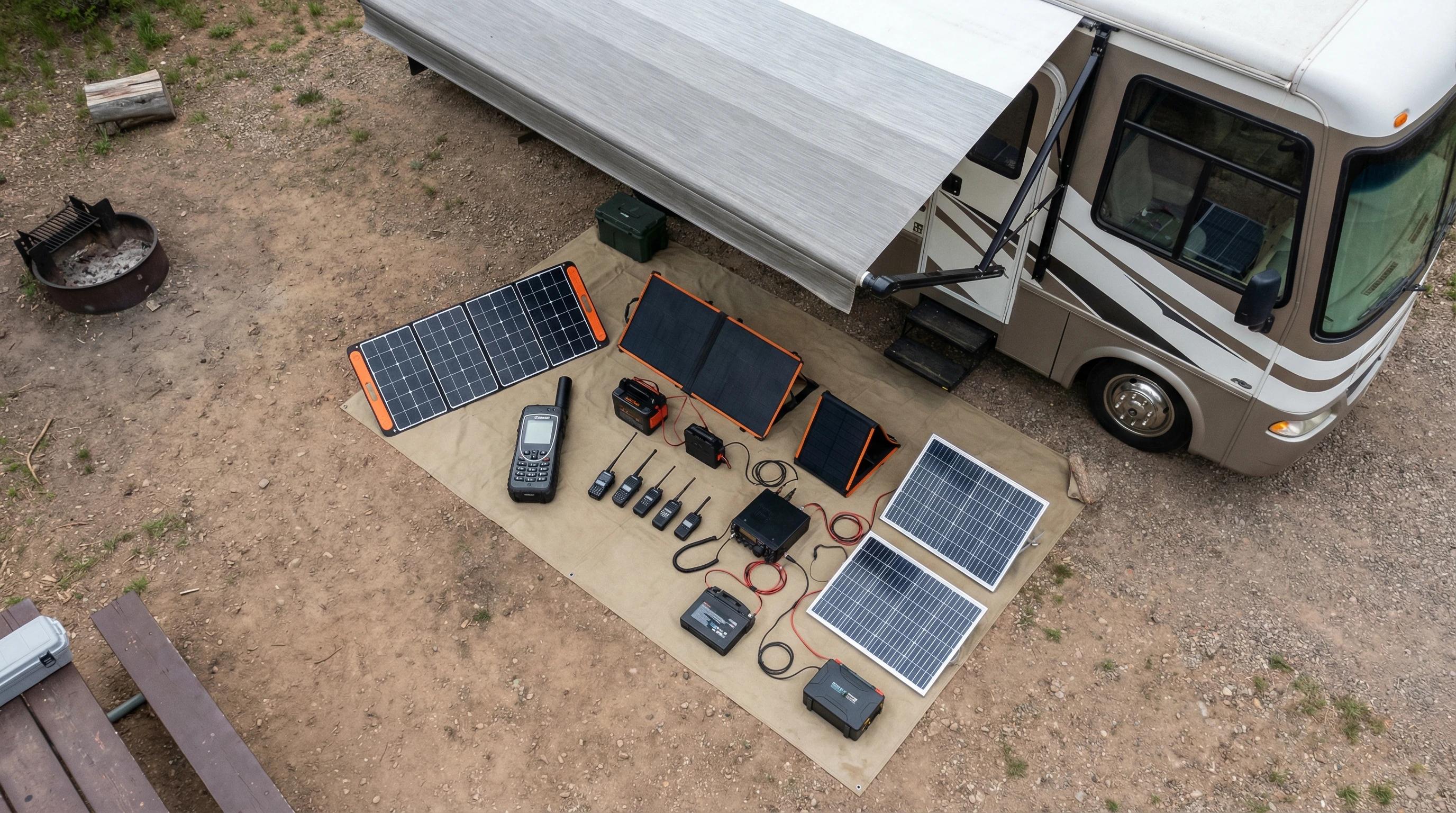
Remote camping safety comes down to preparation and knowing your limits. A beautiful location can become a problem if communication, weather, or vehicle recovery has not been considered.
- Check weather before arrival and during longer stays.
- Carry appropriate emergency supplies for the area.
- Tell someone your general travel plans.
- Inspect tires and vehicle systems before remote roads.
Generators and engines should never run near windows, vents, or air intakes. Safety equipment is only useful when it is installed correctly, tested regularly, and replaced when expired.
Final check
Distance from help is the factor that changes everything. Conservative decisions usually create better trips.
Dry camping becomes easier when the systems are simple and the expectations are realistic. The goal is not to bring a campground into the wilderness; it is to travel comfortably while respecting the limits of the place and the equipment.



Your Questions, Answered
How long can an RV stay dry camping?
It depends on fresh water capacity, waste tank limits, battery setup, weather, and personal consumption habits. Planning each resource is more important than a fixed number of days.
Do I need solar panels for dry camping?
Solar can help, especially for longer stays, but it should be sized around actual energy use. Battery capacity and conservation habits matter just as much.
What is the biggest dry camping mistake?
Arriving without understanding water, power, and local camping rules. A little planning before arrival prevents most common problems.