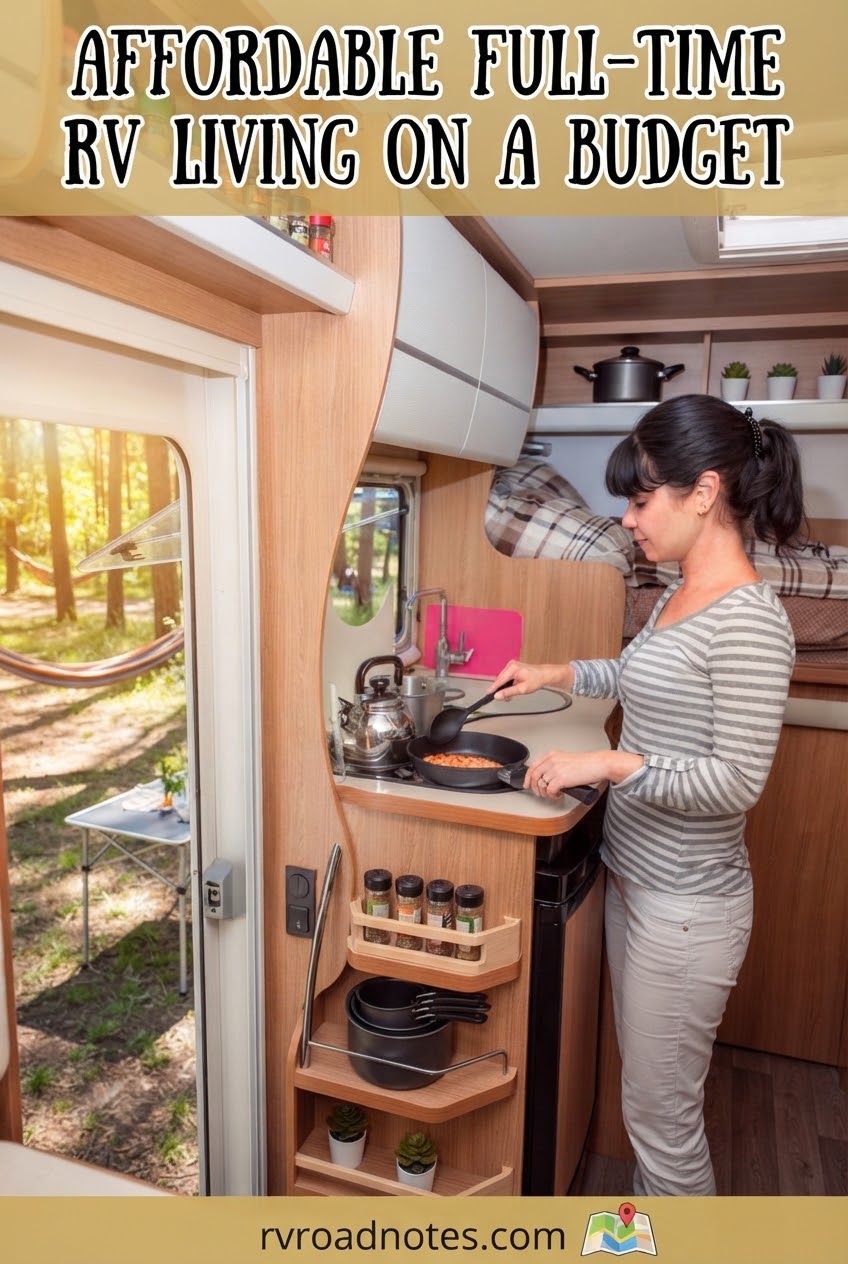
RV living becomes much easier when the money side is planned before the road miles add up. A realistic RV lifestyle budget needs more than a campground fee and a fuel estimate. The big costs are spread across the rig, travel habits, maintenance, insurance, and the unexpected repairs that eventually arrive.
After years of tracking RV expenses, I have found that the most reliable budgets are built around categories with room for change. A cheaper month on public land can balance a higher repair month, but only if those costs are expected.
What this RV budget guide covers
- How to estimate startup and monthly RV costs
- Where full-time RV expenses usually appear
- How to prepare for repairs and unexpected bills
Setting a Realistic RV Lifestyle Budget

The first step in an RV lifestyle budget is deciding what kind of travel you actually plan to do. A weekend traveler using established campgrounds will have a different budget from someone living full-time on the road and mixing paid sites with dispersed camping.
I recommend starting with fixed expenses, then adding flexible categories. Fixed costs include insurance, loan payments, phone plans, and subscriptions. Flexible costs include fuel, campsites, food, and activities.
- Housing costs: Include the RV payment if financed, storage if needed, and campground fees.
- Travel costs: Estimate fuel, tolls, repairs, and route changes.
- Living costs: Include groceries, medical needs, pets, and personal spending.
Budget tip
Build the first version of your budget before buying an RV. The lifestyle you can afford should influence the rig you choose.
Calculating RV Purchase and Financing Costs

The purchase price gets the most attention, but the real starting cost includes registration, taxes, inspections, equipment, and repairs after buying. Used RVs can offer value, but they often need catch-up maintenance.
Financing changes the monthly picture. A lower payment over a longer term may look comfortable, but interest and ownership costs still remain. Before signing, calculate the full monthly commitment rather than only the loan amount.
- List. Add the purchase price, taxes, fees, and immediate upgrades.
- Estimate. Include a repair reserve for issues discovered after purchase.
- Compare. Check the total monthly cost against your income and travel plans.
Avoid this mistake
Do not spend your entire budget on the RV itself. A rig without money left for maintenance can become a financial problem quickly.
Managing Fuel, Travel, and Road Trip Expenses
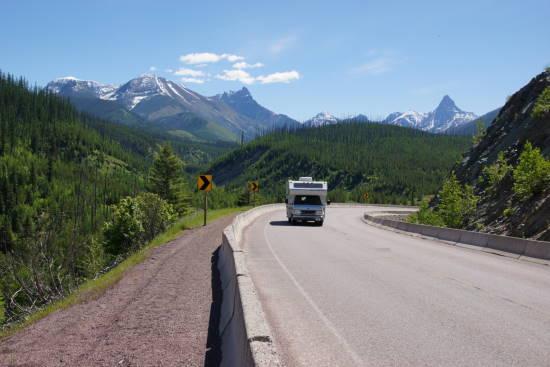
Fuel is one of the easiest RV expenses to underestimate. A route with frequent moves can cost far more than a slower travel style that stays longer in each location.
Before planning a route, estimate your fuel use based on your actual rig. Motorhomes, travel trailers, fifth wheels, and vans all have different consumption patterns. Weather, terrain, towing weight, and driving speed can change the numbers.
| Travel style | Budget impact |
|---|---|
| Slow travel with longer stays | Lower fuel and campground turnover costs |
| Frequent destination changes | Higher fuel and maintenance expenses |
Planning Campsite Fees and Overnight Stays
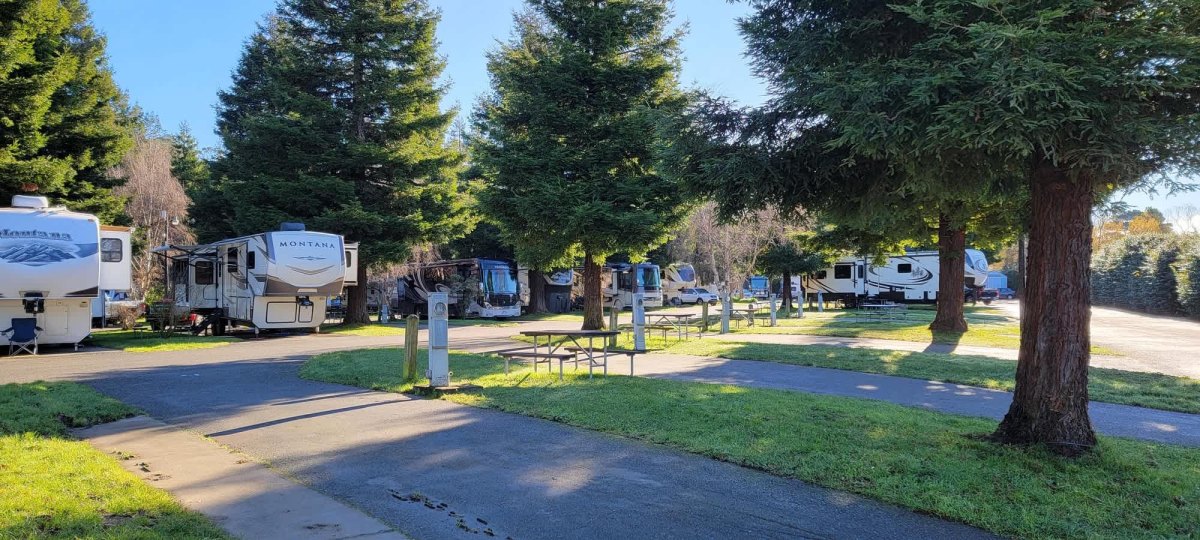
Campsite spending depends heavily on how you prefer to travel. Private RV parks may offer full hookups and convenience, while public lands and longer stays can reduce costs when allowed by local rules.
Always check current stay limits, fees, closures, and regulations before arriving. Dispersed camping requires following agency rules, staying in existing sites, respecting fire restrictions, and handling waste properly.
- Include nightly, weekly, and monthly campsite rates.
- Budget for occasional full-hookup stays.
- Keep a backup fund for unexpected campground changes.
Budgeting for RV Maintenance and Repairs
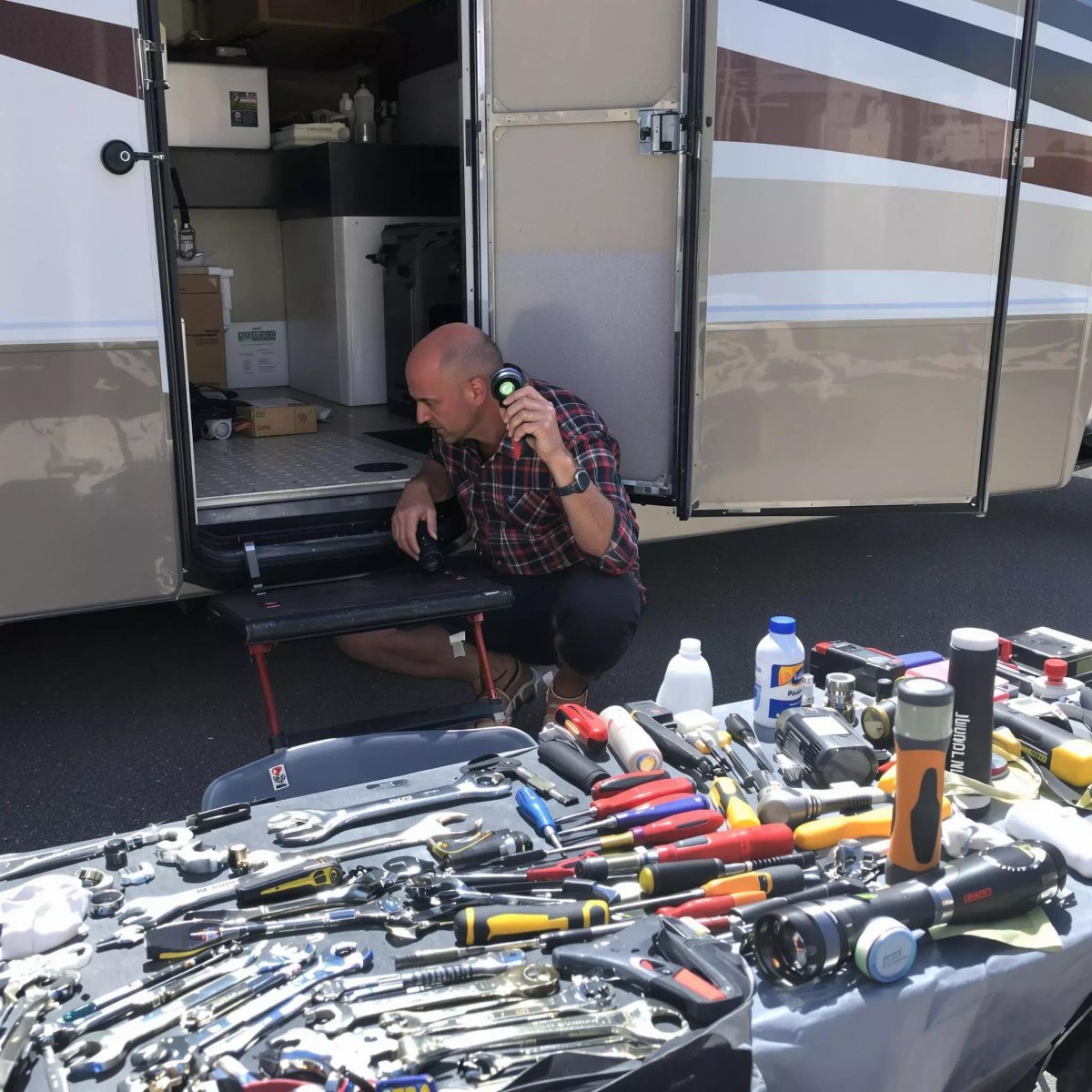
Every RV owner eventually pays for maintenance. Seals, tires, batteries, plumbing parts, and appliances all have limited service lives. A maintenance budget is not pessimism; it is part of owning a rolling home.
Some projects can be handled by careful owners, but safety-critical systems require qualified help. Propane systems, chassis brakes, and structural repairs should be inspected or repaired by professionals.
Maintenance reminder
Tires can fail because of age even when tread looks good. Check tire condition, pressure, and load requirements regularly.
Reducing Daily Living Costs on the Road

Daily spending is where small choices add up. Cooking more often, reducing unnecessary purchases, and planning grocery stops around your route can make a noticeable difference.
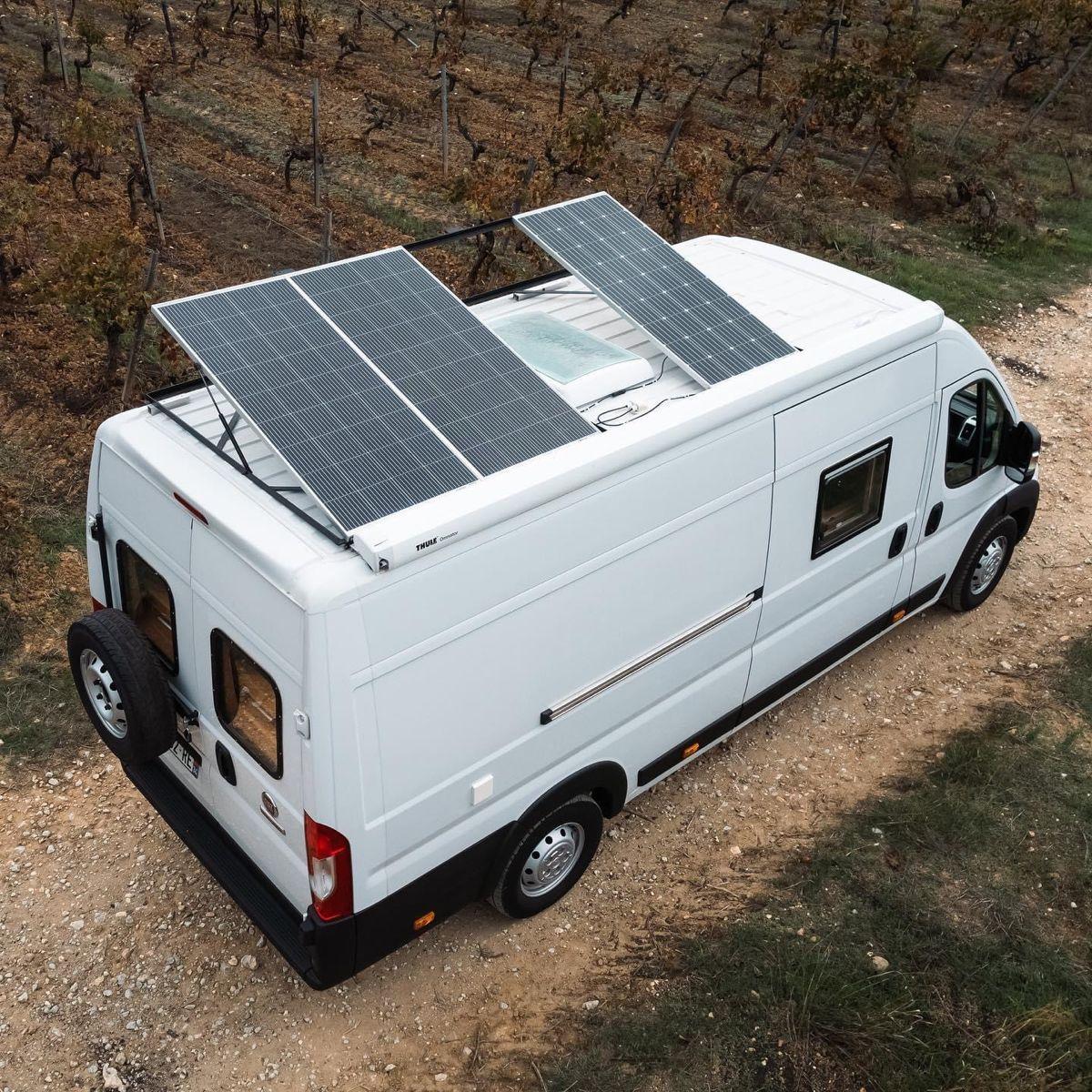
Energy use also affects costs. Efficient lighting, sensible water use, and matching your power setup to your actual needs help avoid unnecessary upgrades or frequent paid stops.
Lower-cost habits
- Cook simple meals onboard
- Plan shopping stops
- Use longer stays when possible
Common budget leaks
- Frequent impulse purchases
- Moving too often
- Buying gear without a clear need
Tracking Insurance, Connectivity, and Other Monthly Bills
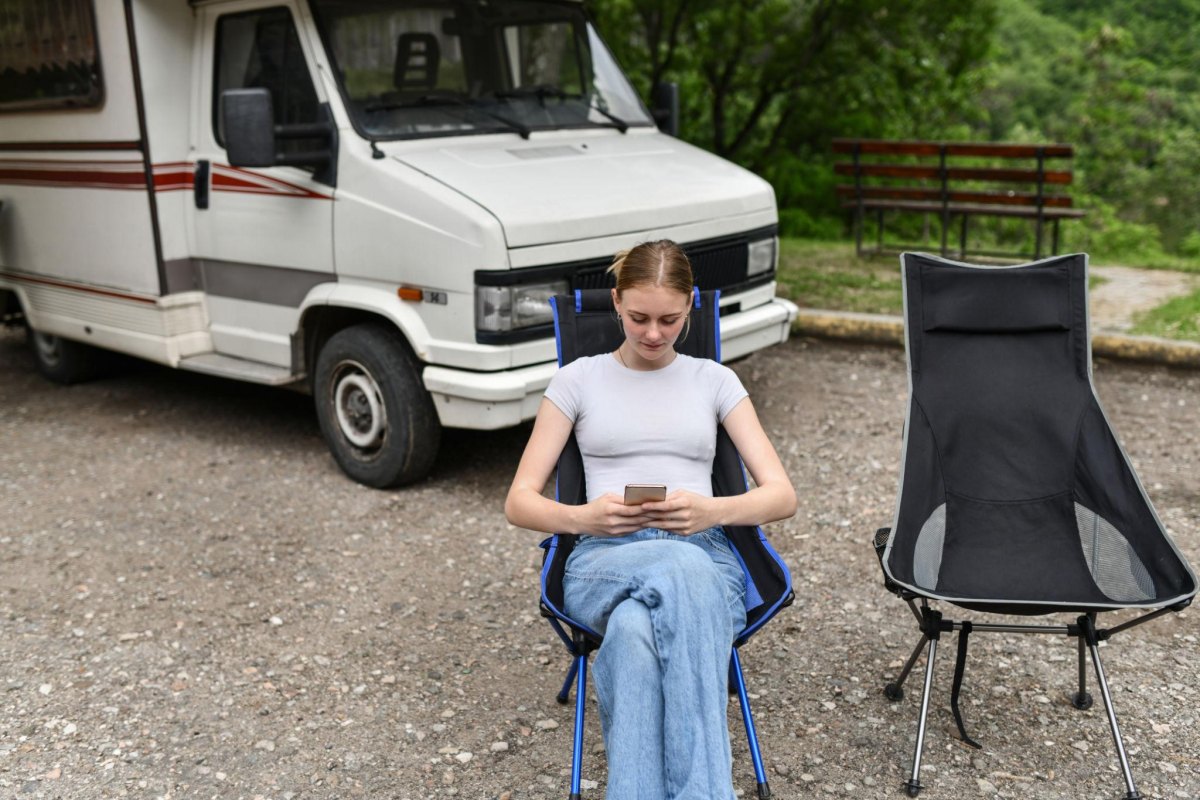
Recurring bills can quietly become a large part of an RV lifestyle budget. Insurance, mobile data, mail services, memberships, and subscriptions should all have a place in the monthly plan.
Insurance details vary by location, rig type, and how the RV is used. I am not an insurance broker, so policies should always be reviewed directly with providers to confirm coverage.
- Review insurance coverage before full-time travel.
- Choose connectivity based on actual work and travel needs.
- Cancel services that no longer support your lifestyle.
Building an Emergency Fund for Full-Time RV Living

An emergency fund is what keeps a repair, weather delay, or unexpected travel change from becoming a crisis. RV life has fewer fixed walls than a traditional home, but it still has expensive systems that can fail.
A practical reserve depends on your rig, income, health needs, and travel style. The important part is having money available before the problem happens.
How much should I save for RV emergencies?
There is no single number that fits every traveler. Consider your repair risks, insurance deductibles, living expenses, and how quickly you could access additional funds.
Can RV living be cheaper than traditional housing?
It can be, but only with deliberate choices. Travel frequency, campsite selection, maintenance, and the cost of the RV itself determine the final budget.
A good RV budget is not about limiting every mile or avoiding every expense. It is about knowing where the money goes so the road stays enjoyable when plans change.

More Pinterest Visuals