Cheap RV camping is not about pretending every expense disappears. It is about making careful choices around camp fees and daily costs while keeping the parts of travel that matter. After years of full-time RV travel, I have found that the budget-friendly approach comes from planning, maintaining the rig, and knowing when to spend.
This guide covers the practical systems behind a lower-cost RV lifestyle, from finding campsites to managing power, food, fuel, and repairs. Rules and prices change, so I always verify local requirements before settling into a new area.
Finding Affordable RV Campsites
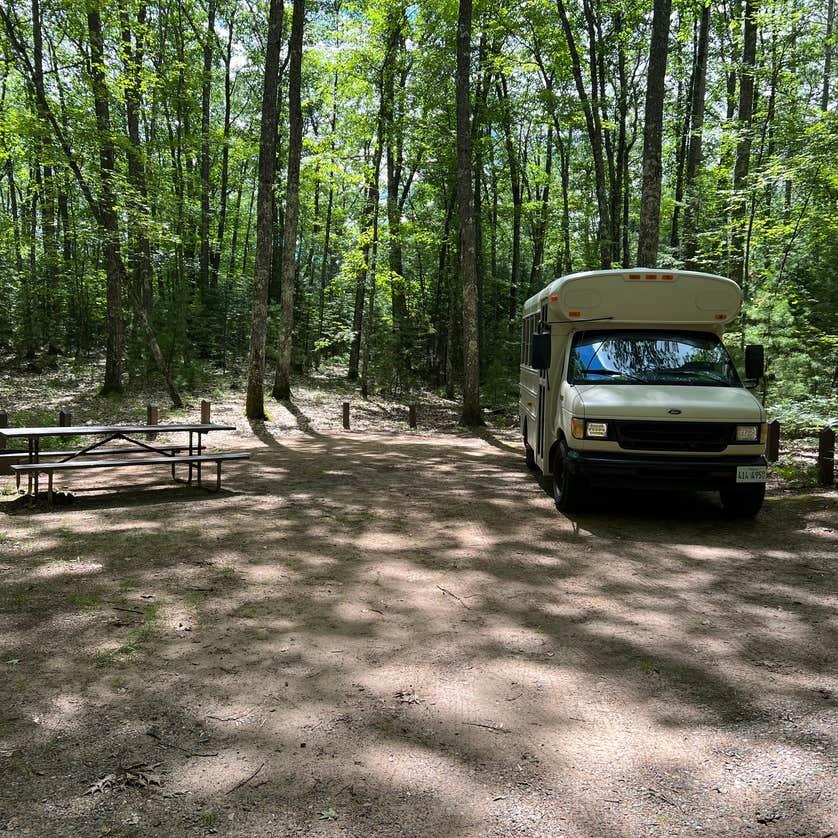
Affordable RV camping starts with knowing the difference between a cheap site and a risky one. Public campgrounds, state parks, and smaller private parks can all fit a budget when the location matches the trip plan. Nightly campground costs vary widely, so compare hookups, dump access, and location before booking.
I look for sites that provide the services I actually need instead of paying for extras that sit unused. Discount memberships can help some travelers, but the math only works when the savings exceed the membership cost.
Budget tip
Mix paid campgrounds with lower-cost nights when your route allows it. A flexible schedule usually saves more than chasing the cheapest site every single night.
Saving Money With Free Camping Spots
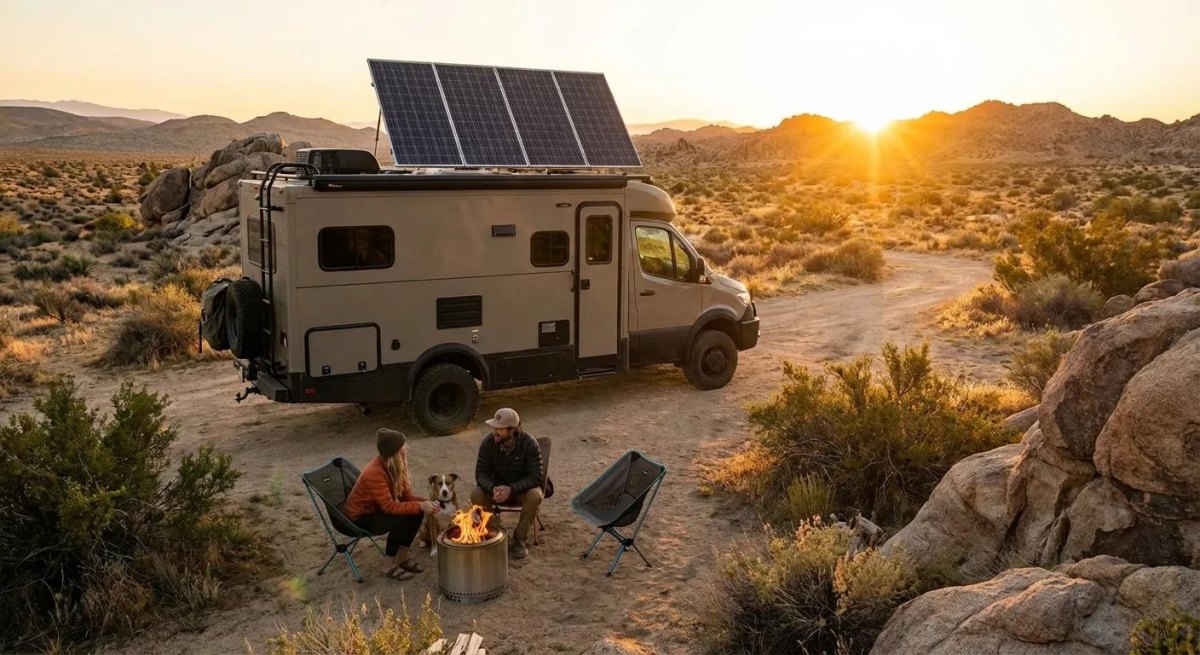
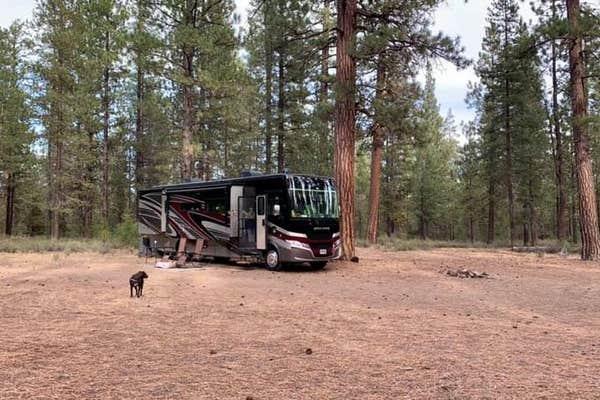
Free camping, often called dispersed camping or boondocking, can reduce travel costs significantly when done legally and responsibly. Bureau of Land Management lands commonly have dispersed camping opportunities, but restrictions vary by location. Stay limits and local rules must be checked before parking long term.
Many public lands use a 14-day limit within a 28-day period, although exact requirements depend on the managing agency and location.
Choosing a Budget-Friendly RV
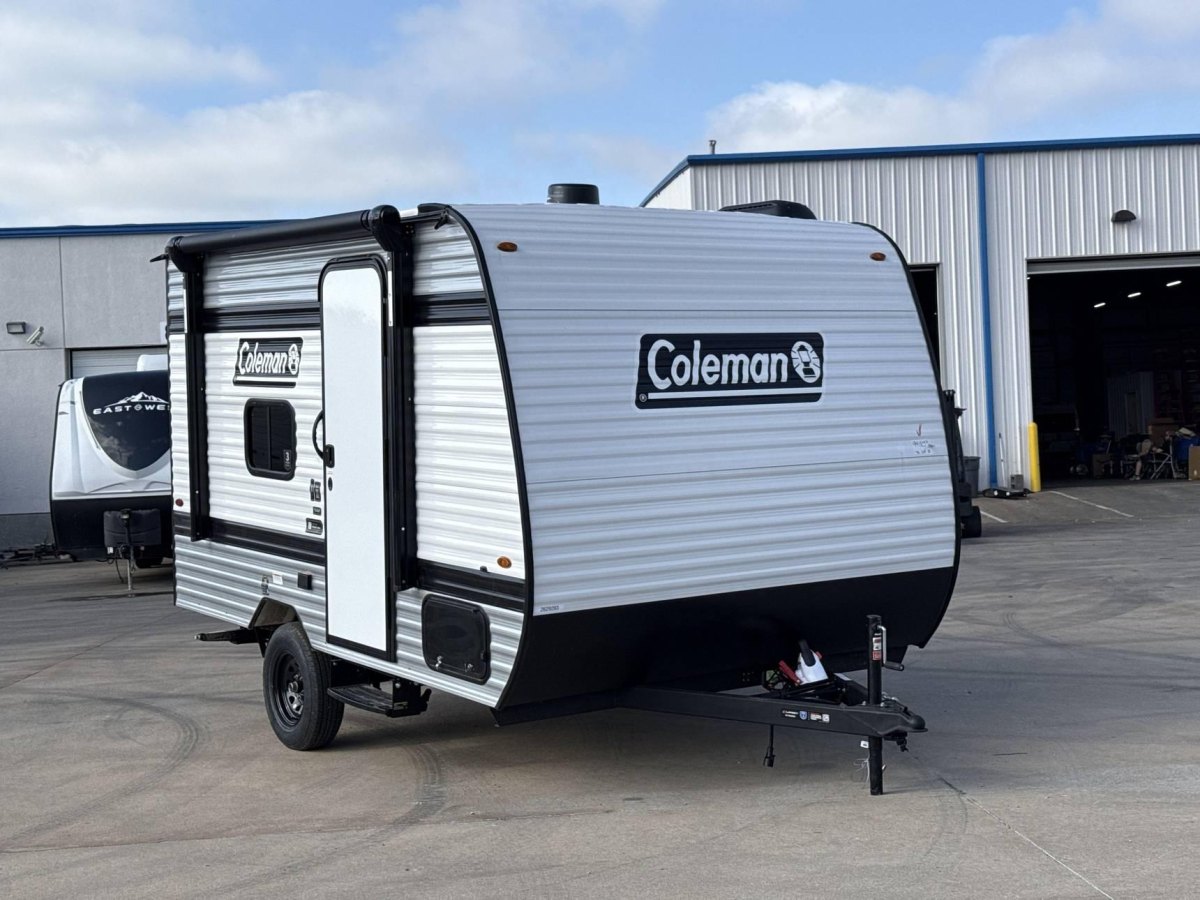
The cheapest RV to buy is not always the cheapest RV to own. A low purchase price can hide worn systems, old tires, water damage, or expensive repairs. Ownership costs matter just as much as the sale price.
Advantages
- Lower upfront cost with used RVs
- More money available for repairs and upgrades
- Ability to choose a size that matches travel needs
Trade-offs
- Older systems may need attention
- Inspection is essential before buying
- Large rigs can increase fuel and campsite expenses
Before purchasing, check weight ratings, maintenance history, and a professional inspection when possible. Buying the right size often saves more money than buying the cheapest listing.
Cooking Cheap Meals on the Road
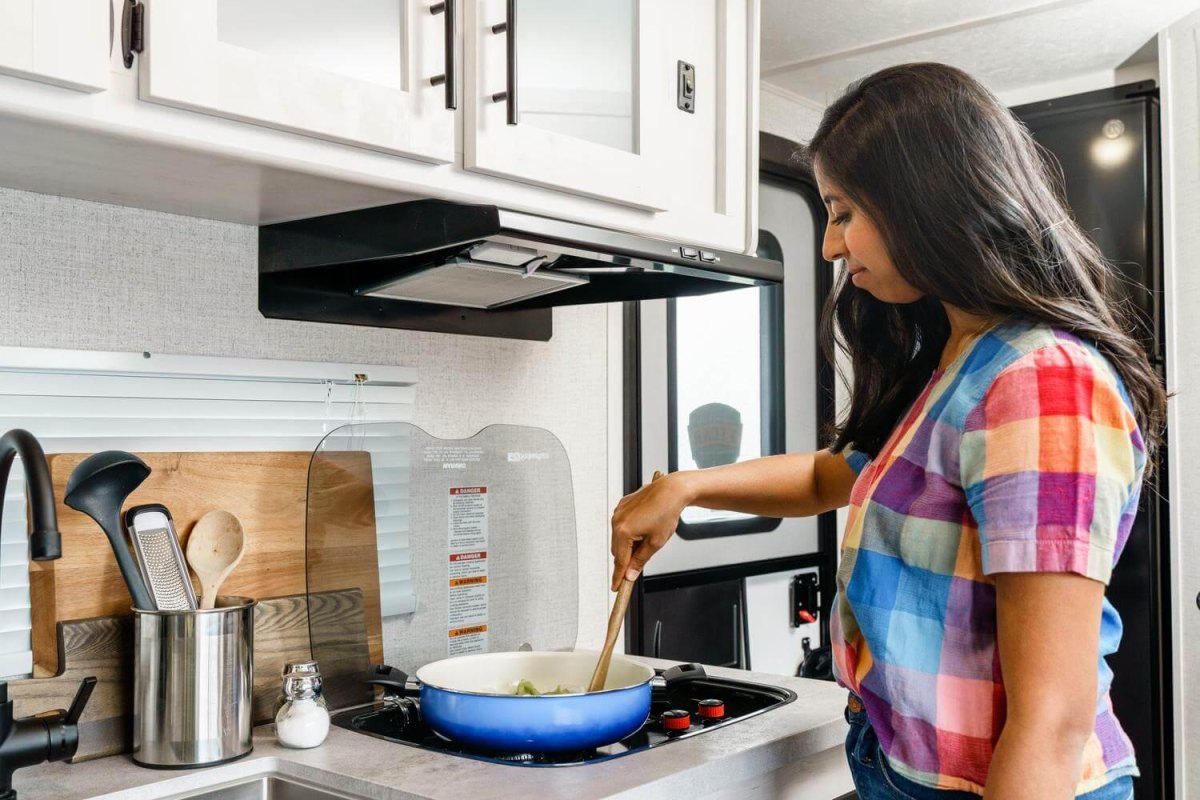
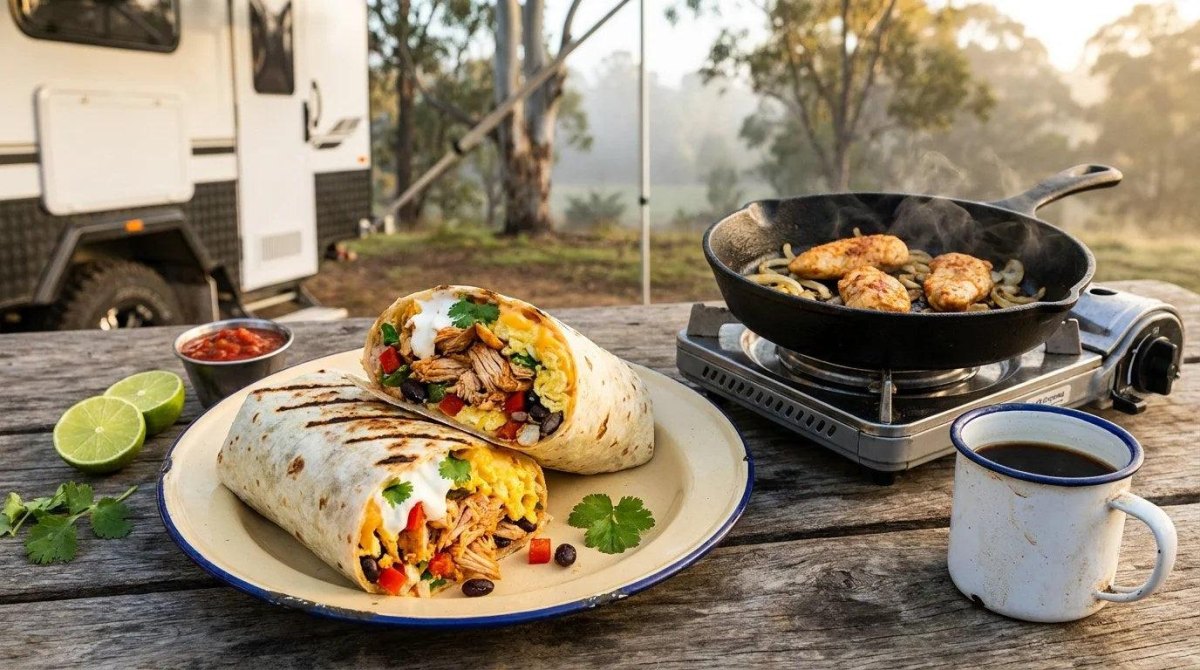
Food costs can quietly become one of the largest RV expenses. A small kitchen works well when meals are planned around simple ingredients and limited waste. Low-cost RV cooking usually means fewer convenience stops and more preparation.
Safety reminder
Never use a cooktop, oven, or unvented heater as cabin heat. RV appliances need proper ventilation and working safety detectors.
Reducing RV Fuel Costs
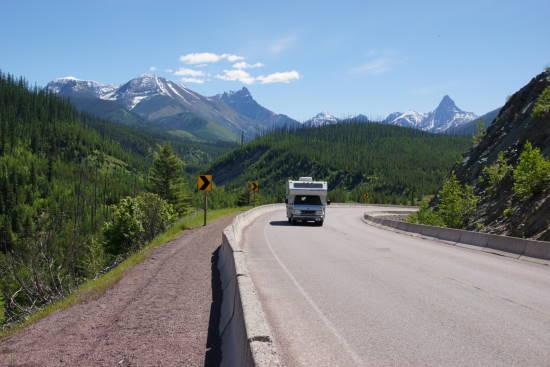
Fuel is one of the expenses RV travelers cannot eliminate, but route choices and driving habits can make a noticeable difference. Fuel planning starts before the engine turns over.
For heavier motorhomes and tow vehicles, staying within manufacturer weight limits also supports safer and more efficient travel.
Using Solar Power for Low-Cost Living
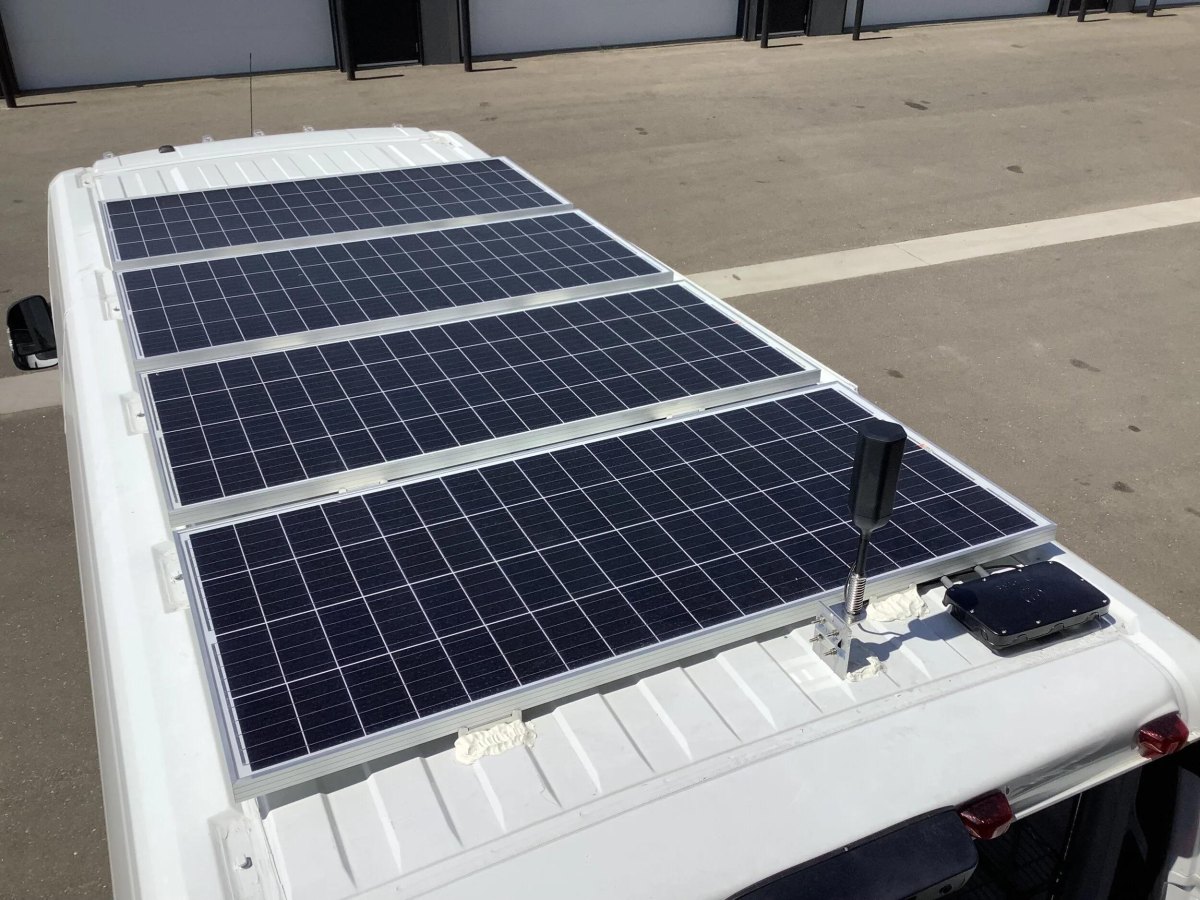
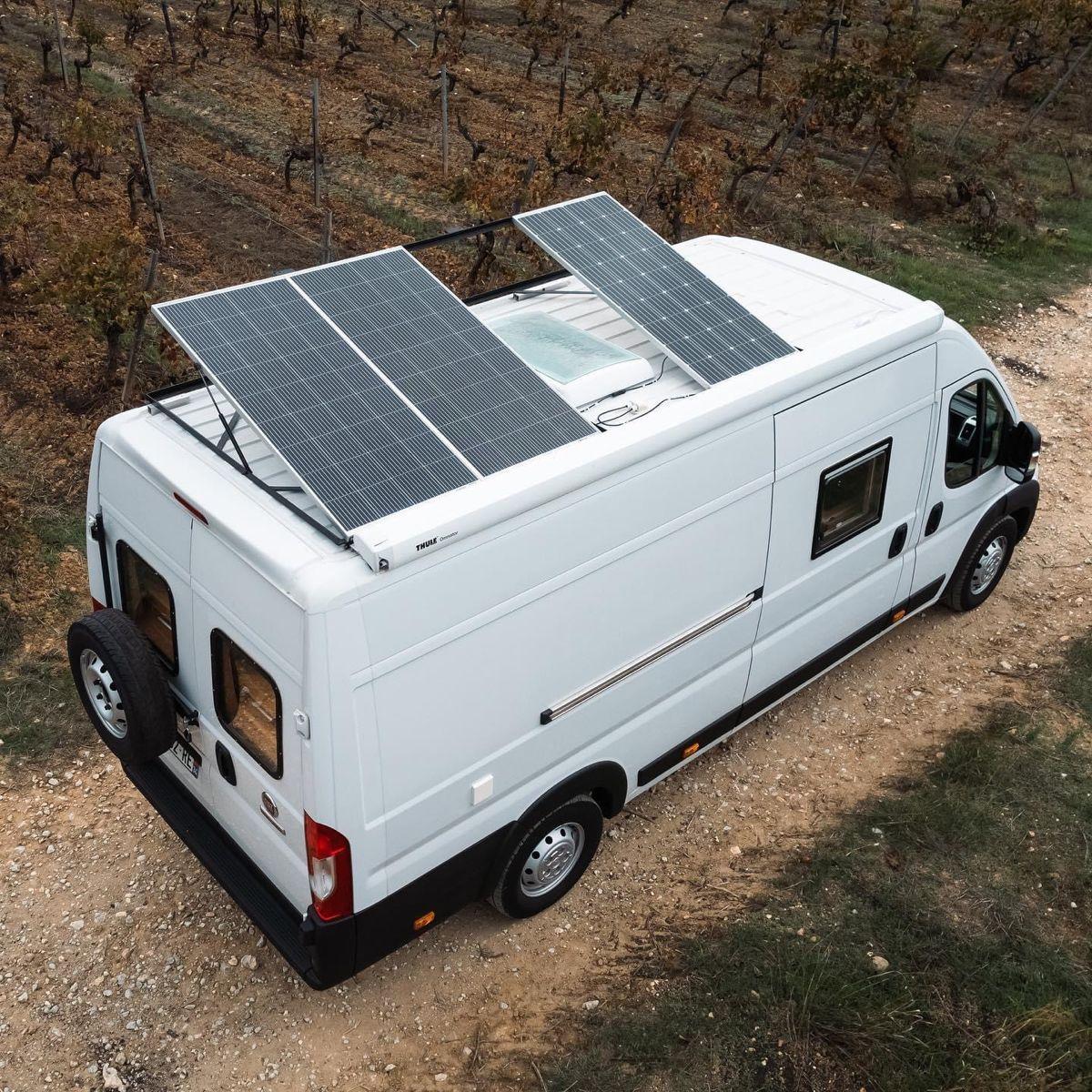
Solar can lower dependence on paid electrical hookups, but it works best when matched to actual power needs. A small system may handle lights and electronics, while larger demands require more planning. RV solar systems are about energy management, not unlimited electricity.
| Power Need | Planning Approach |
|---|---|
| Lights and phones | Small battery bank may be enough |
| Computers and appliances | Calculate daily watt usage first |
| Air conditioning | Usually requires significant power planning |
Solar incentives and rules can change over time, so check current programs before making a purchase decision.
Downsizing for Simple RV Living
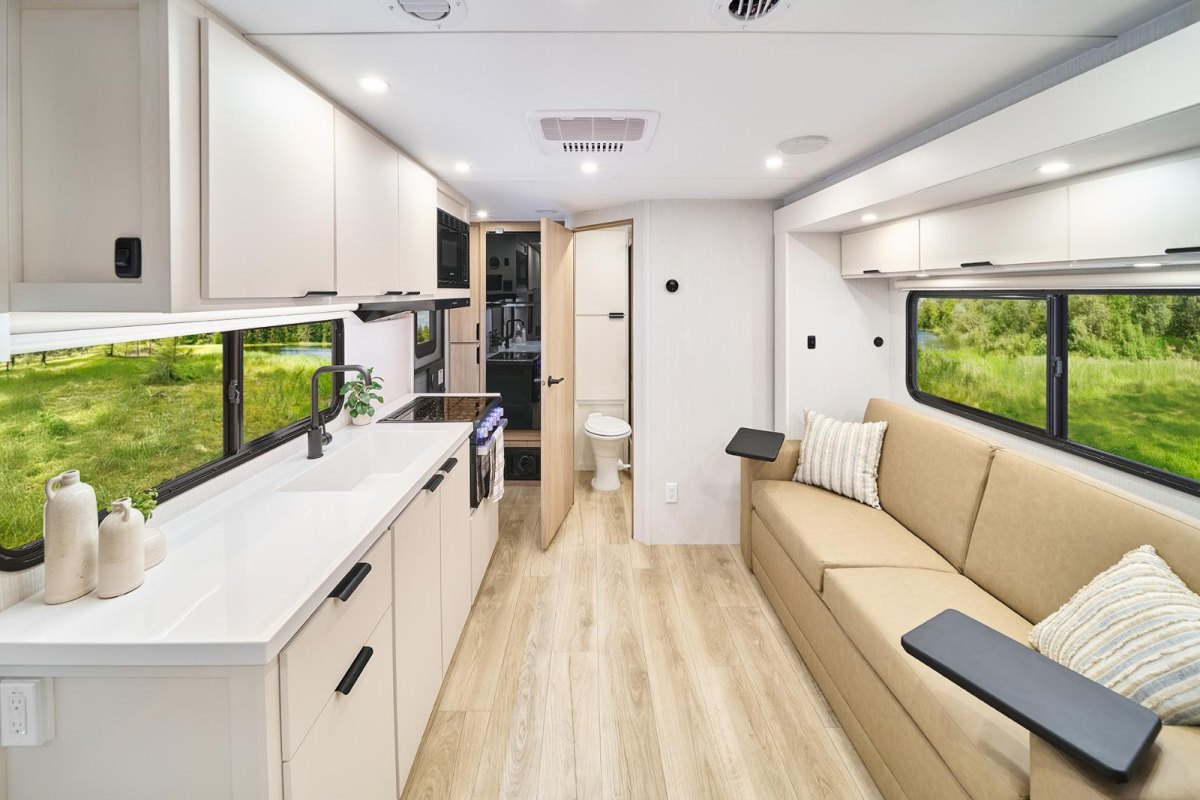
A smaller RV often creates a simpler and cheaper lifestyle because there are fewer systems to maintain and fewer places to store unnecessary items. Intentional downsizing is a financial decision as much as an organizational one.
Practical approach
Keep items that solve repeated problems. Remove items that only work in one rare situation or take up valuable storage space.
The goal is not owning the smallest possible RV. It is choosing a space that fits your travel style without carrying unnecessary costs.
Finding Cheap RV Maintenance Solutions
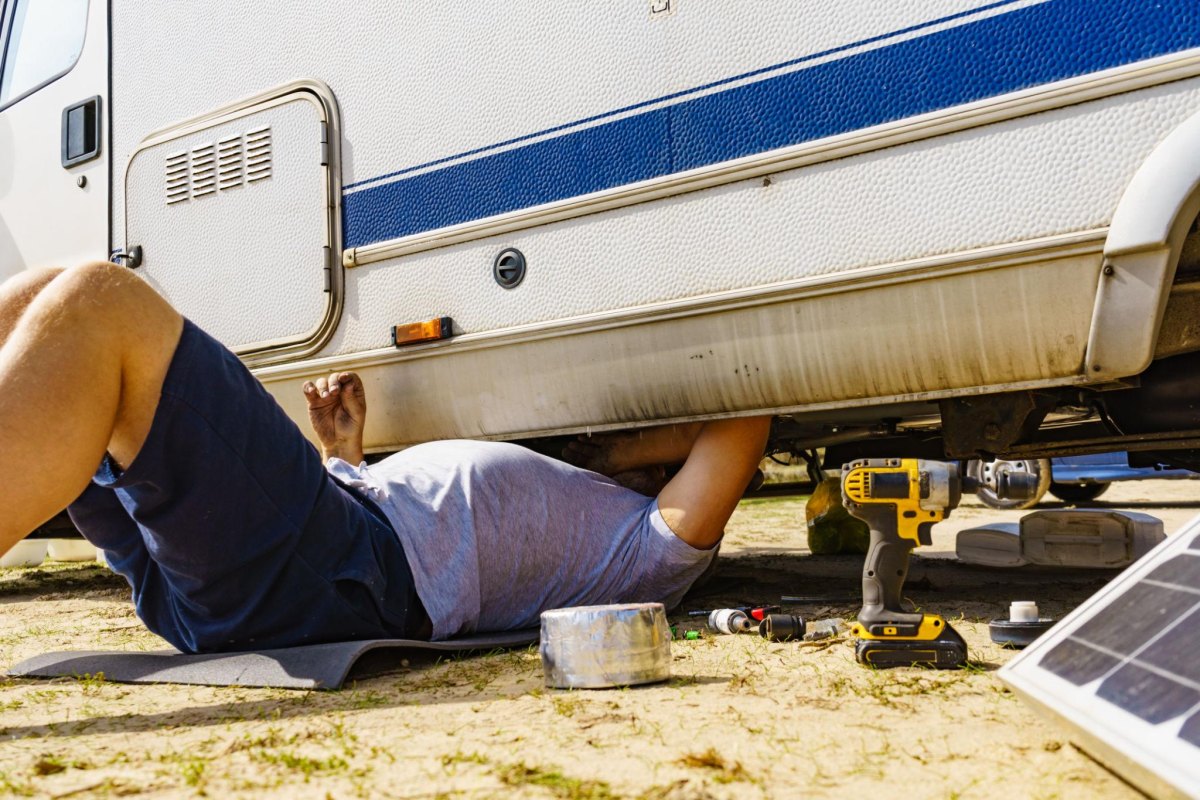
Maintenance is where cheap RV living succeeds or fails. Small inspections can prevent expensive surprises, but some repairs should always go to qualified professionals. Preventive maintenance protects both your wallet and your safety.
The National Park Service recommends maintaining working detectors and checking RV safety systems because fires and gas hazards can develop quickly.
Managing a Low-Cost RV Travel Budget
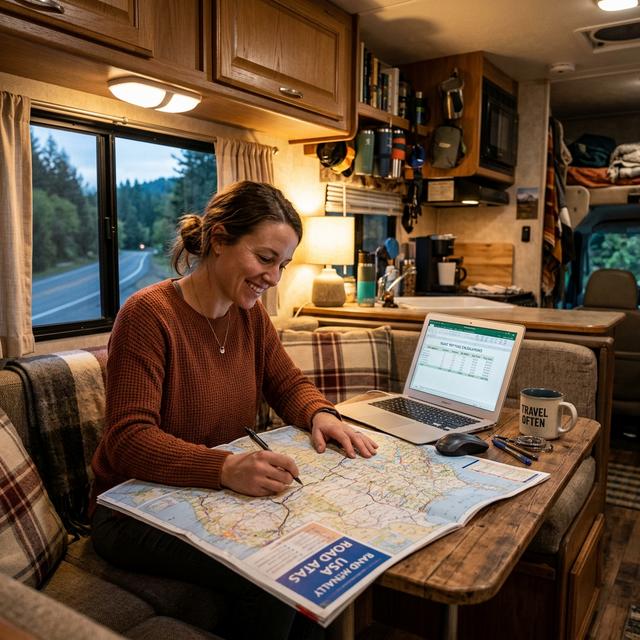
A realistic RV budget includes more than campsite fees. Fuel, repairs, insurance, food, connectivity, and unexpected problems all belong in the plan. Travel budgeting works best when it reflects real spending patterns.
6
major expense categories to track: camping, fuel, food, repairs, insurance, and services
I recommend setting aside a repair reserve because every RV eventually needs parts or labor. A low monthly cost is useful only when it includes the expenses that actually happen.
Working Remotely From an RV

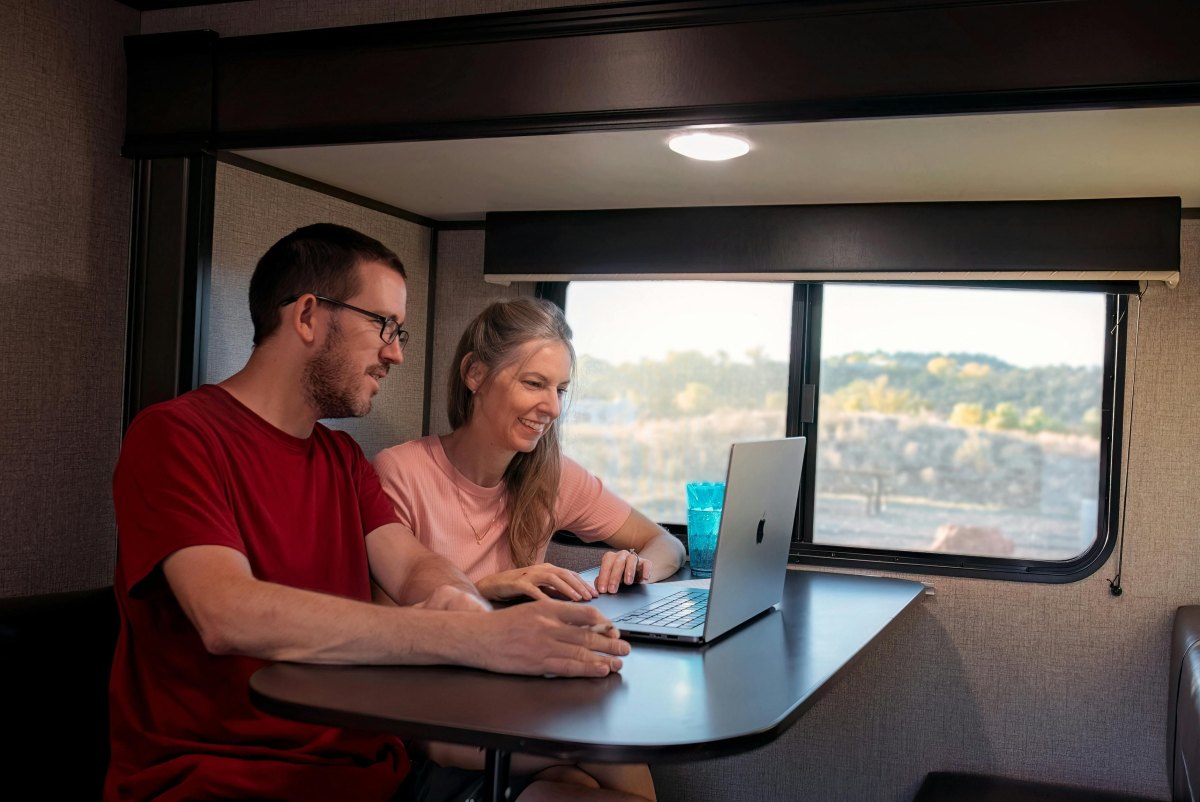
Remote work makes RV travel possible for many people, but a mobile office needs planning. Reliable power, connectivity, and a quiet workspace matter more than having a large interior. RV remote work requires backup plans.
A beautiful campsite is not automatically a productive workplace. The practical setup is the one that keeps work and travel from fighting each other.
Living Comfortably in Small RV Spaces
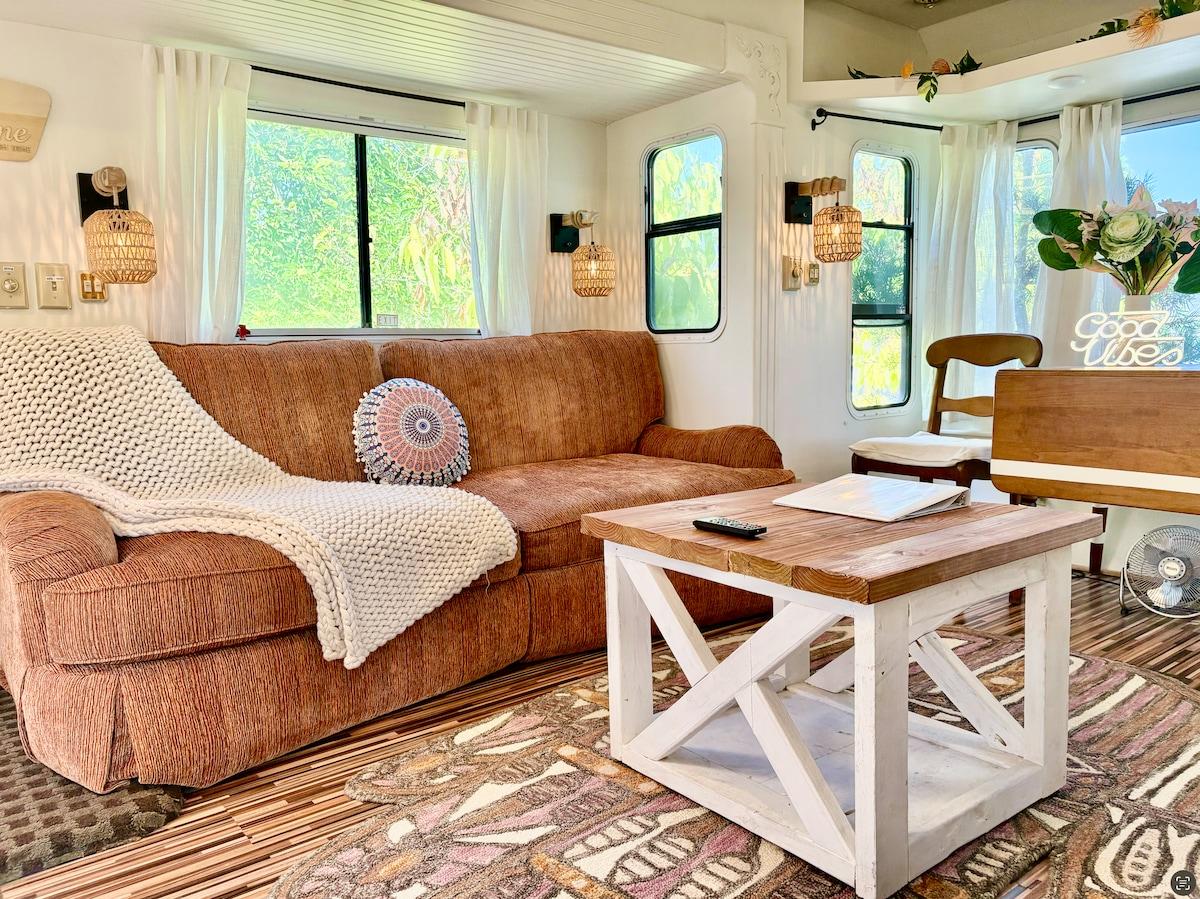
Comfort in a small RV comes from systems, not square footage. Storage zones, easy cleaning routines, and multipurpose items make daily life easier. Small space organization prevents clutter from becoming the main feature of the home.
Small-space rule
Every item should have a home before it enters the RV. If something has no storage place, it usually becomes a problem later.
Comfort also depends on choosing the right rig type. A solo traveler, couple, and family will have very different space requirements.
Building a Sustainable Cheap RV Lifestyle

A sustainable RV lifestyle is built from repeatable habits: responsible camping, careful spending, and maintaining what you own. Long-term affordability comes from consistency rather than extreme cost cutting.
What keeps costs down
- Travel slower and reduce unnecessary mileage.
- Use legal low-cost camping options.
- Maintain equipment before failures happen.
- Buy fewer things and use them longer.
The most affordable RV lifestyle is usually the one with fewer emergencies. Good planning leaves room for the unexpected miles that make the journey worthwhile.
More Pinterest Visuals