
Camping food does not need to become a second job. The best beginner meals use few ingredients, forgiving cooking methods, and equipment you already understand. I lean toward meals that can be prepped partly at home, cooked in one pan or packet, and cleaned up without using half the campground water supply.
For chilled foods, the USDA recommends keeping perishable food at 40°F or below and separating raw meat from ready-to-eat foods. Pack safe drinking and cooking water rather than relying on untreated lakes or streams.
A beginner-friendly camping menu
- Choose no-cook or make-ahead breakfasts when mornings are busy.
- Use foil packets, one-pot meals, and skillet dinners to reduce cleanup.
- Keep meat, poultry, dairy, and other perishables properly chilled until cooking.
- Prep vegetables, sauces, and dry ingredients at home whenever possible.
Easy Campfire Breakfast Skillet
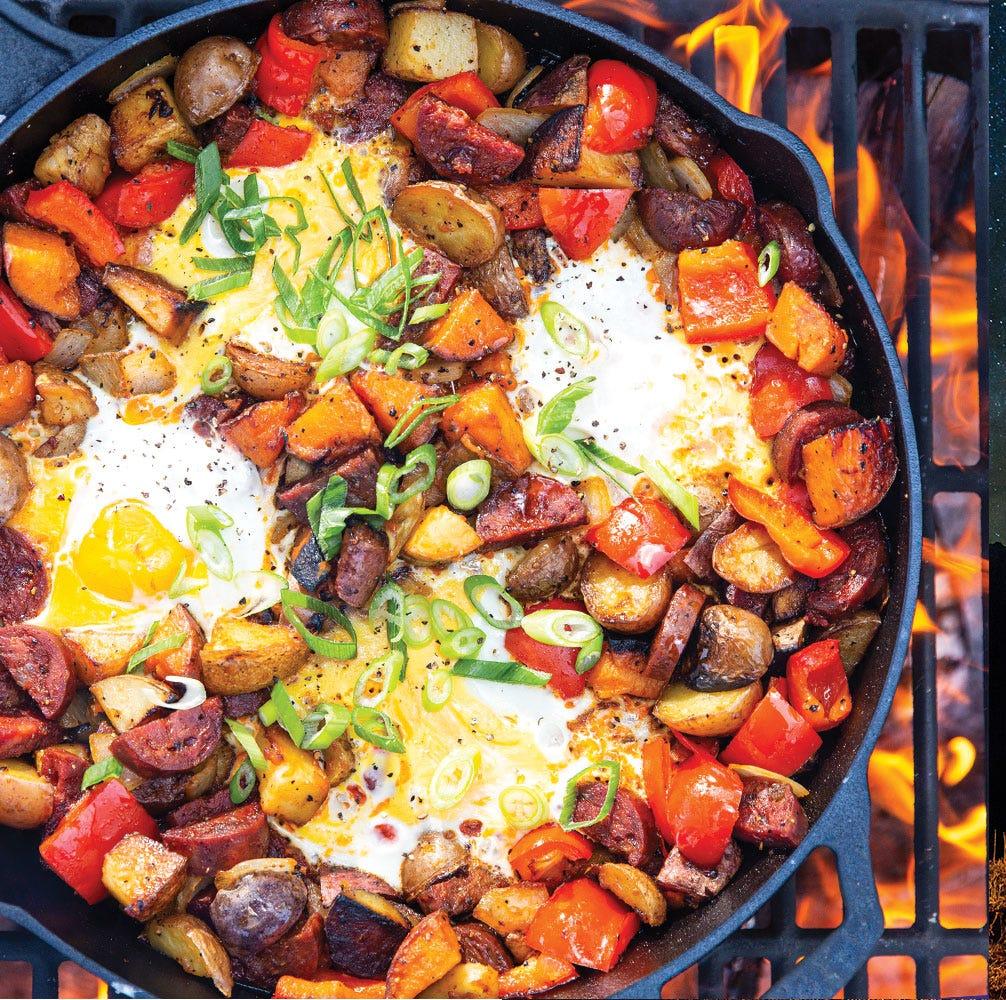
A breakfast skillet is a forgiving place to start because potatoes, eggs, peppers, onions, and cooked sausage can all share one pan. The trick is to cut potatoes small so they finish before the eggs overcook.
Cook the potatoes and vegetables first, add sausage if you are using it, then make small spaces for the eggs. Keep the skillet over steady heat rather than aggressive flames. Eggs should be cooked until the whites and yolks are firm; the USDA lists 160°F as the safe minimum internal temperature for egg dishes.
Beginner tip
Use pre-cooked sausage and par-cook the potatoes at home if you want a much shorter campsite breakfast.Simple Camping Oatmeal With Fresh Fruit
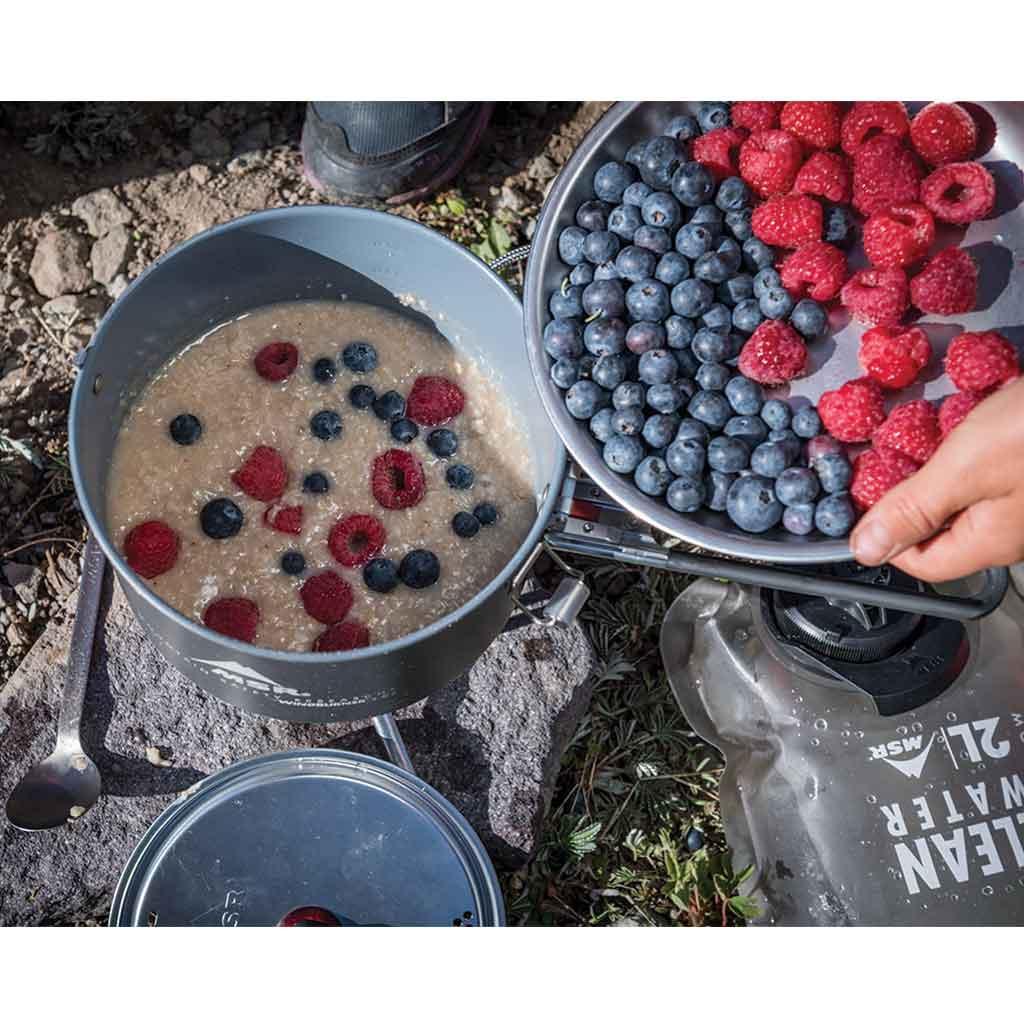
Oatmeal is one of the easiest camping breakfasts because the base is shelf-stable and needs only hot water. Instant or quick oats are especially practical when you want minimal morning cleanup.
Build each bowl with oats, powdered milk or a splash of shelf-stable milk, cinnamon, nuts, dried fruit, or fresh berries. Fresh fruit is best added just before eating. For an early departure, portion the dry ingredients into individual bags at home so breakfast becomes a boil-water-and-stir job.
One-Pan Campfire Pancakes
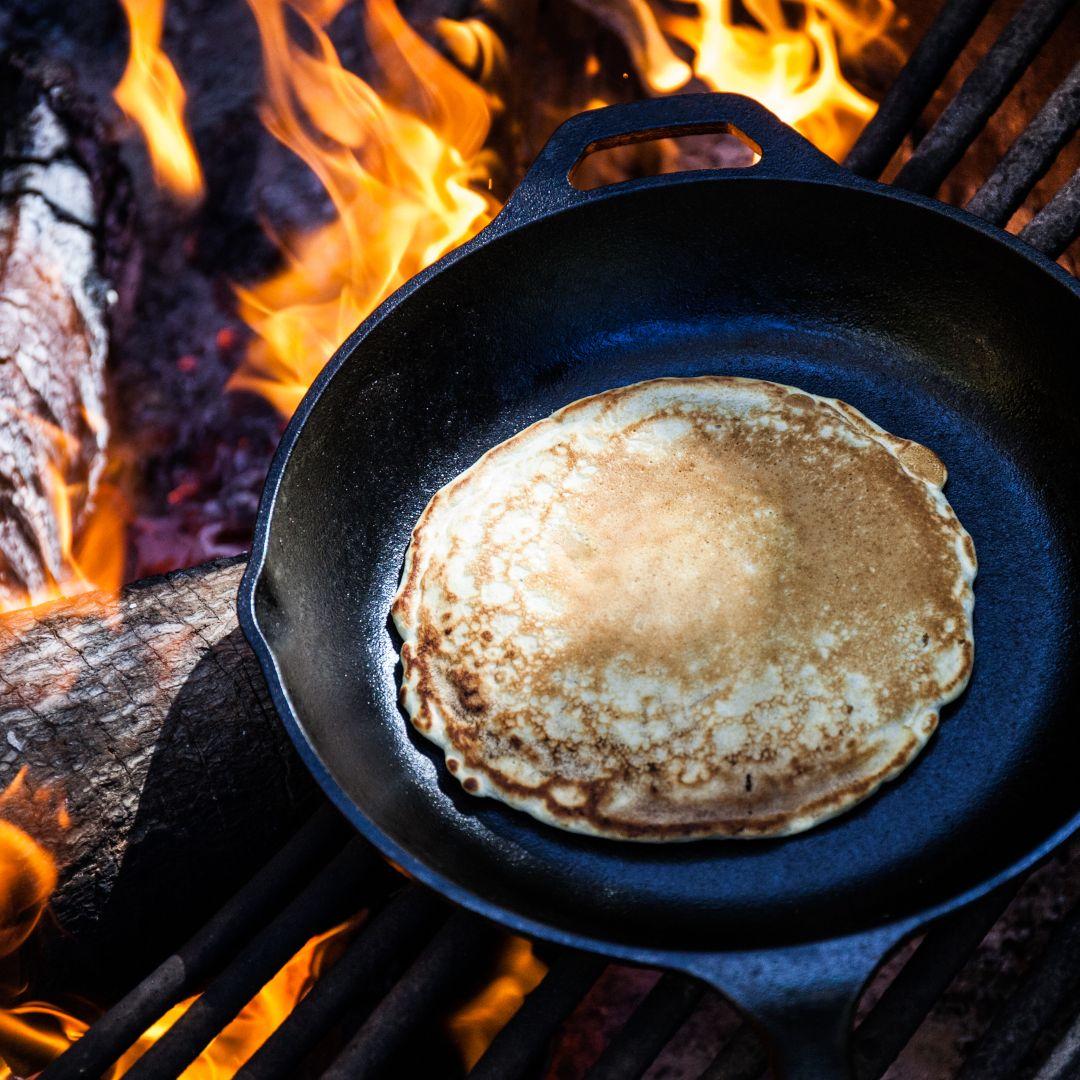
Pancakes work well at camp if the batter is mixed before leaving home. Store it in a properly chilled container and use it early in the trip. A well-seasoned skillet or griddle gives you enough control to cook several pancakes without carrying specialized equipment.
Keep the fire or stove at medium heat. If the first pancake browns before the center sets, the pan is too hot. Serve with syrup, berries, sliced banana, or a little peanut butter. The goal is consistency rather than restaurant-level perfection; nobody needs a campsite pancake judging panel.
No-Cook Breakfast Yogurt Parfaits
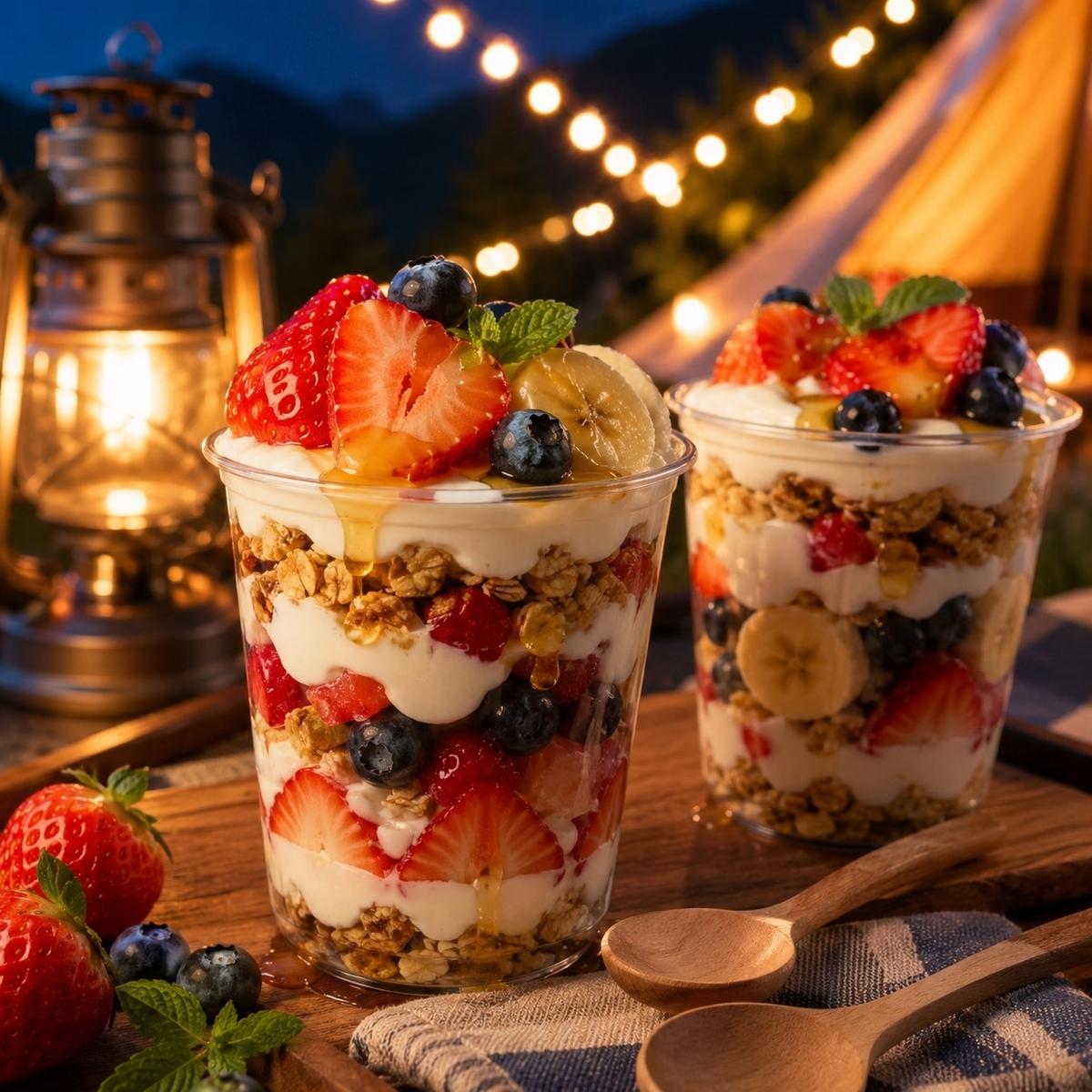
When the morning is cold, windy, or simply too early for cooking, a yogurt parfait is the sensible answer. Layer cold yogurt and crunchy toppings with fruit in a cup or jar, then eat it with a spoon.
Because yogurt is perishable, keep it in a cooler at 40°F or below. Add granola immediately before eating so it stays crisp. For a warmer-weather trip, swap fresh dairy for a shelf-stable breakfast when reliable cooling is not available.
Keep it cold
Do not let yogurt sit around at camp while you are setting up. Take only the portion you plan to eat from the cooler.Make-Ahead Breakfast Burritos
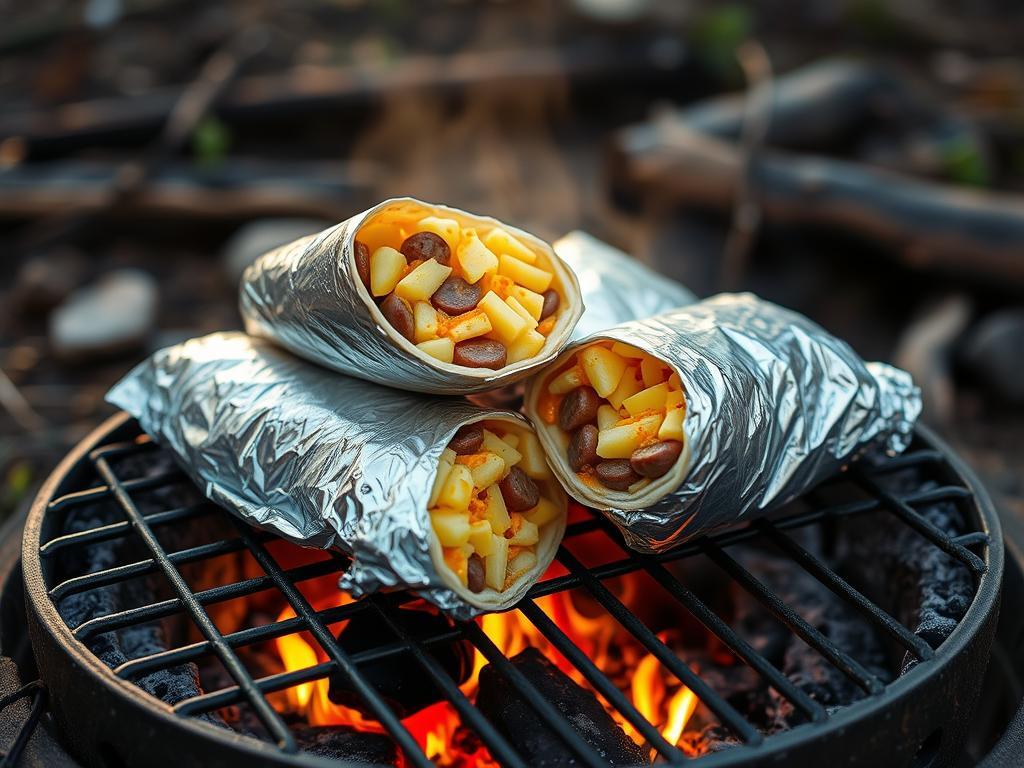
Breakfast burritos earn their place on a camping menu because most of the work happens before the trip. Fill tortillas with cooked eggs, potatoes, cheese, and sausage or beans, then wrap them individually. The important part is cooling and chilling them promptly before packing.
At camp, reheat one burrito at a time in foil on a grill grate or in a covered skillet. Do not treat foil as a substitute for temperature control; the filling still needs to be heated thoroughly. Make a vegetarian batch with beans and peppers if you want the same convenience without raw meat.
Why I like them
- Prepared almost entirely at home
- Easy to portion individually
- Little campsite chopping
Watch for
- They require dependable cold storage
- Overfilling makes reheating uneven
Easy Sandwiches for Camping Lunch
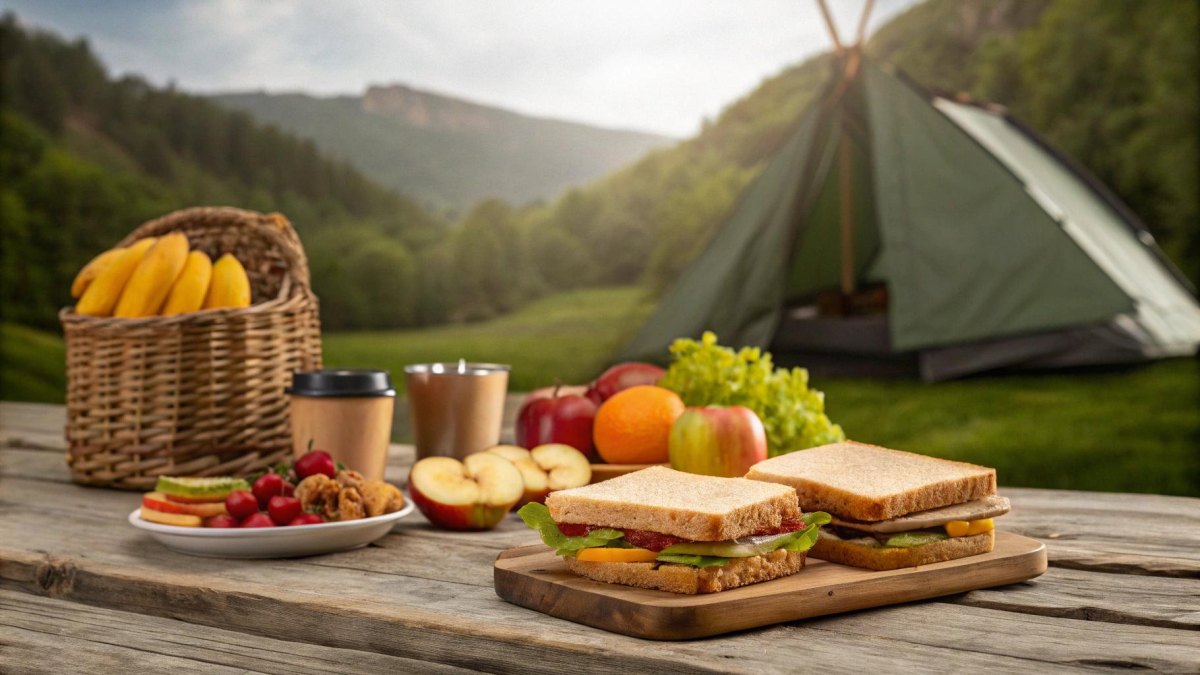
Lunch does not need to involve a campfire at all. Sandwiches are ideal when the day is built around hiking, driving, or sightseeing because they can be assembled quickly and eaten cold. I prefer sturdy bread and simple fillings that do not collapse after an hour in a cooler.
Try turkey and cheese, peanut butter and banana, hummus and vegetables, or tuna mixed shortly before serving. Keep meat, cheese, and other perishables chilled, and pack ingredients separately when sogginess is likely. The USDA specifically recommends keeping raw and ready-to-eat foods separate during outdoor food preparation.
- Pack sandwiches in individual portions.
- Keep chilled fillings in the cooler.
- Carry napkins or reusable cloths.
- Use a separate clean knife for ready-to-eat food.
Foil-Packet Potatoes and Vegetables
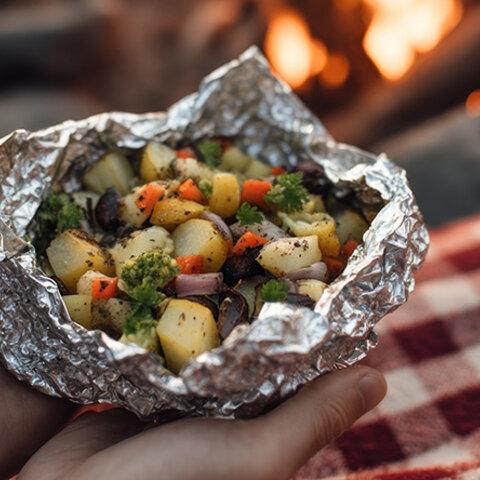
Foil packets are a beginner camping classic for good reason. Potatoes, onions, peppers, carrots, oil or butter, and seasoning can cook together with very little equipment. Cut the vegetables into similar-sized pieces so you do not end up with burnt onions and crunchy potatoes.
Use a sturdy double layer of foil and cook the packet over hot coals rather than directly in tall flames. Published campfire recipes commonly call for turning the packet during cooking, and one tested approach uses roughly 40 to 50 minutes for larger potato pieces. Open the packet carefully because trapped steam can burn you.
Common mistake
Do not make a giant packet. A flatter packet cooks more evenly and is easier to turn and remove safely.Grilled Vegetables With Hummus Wraps
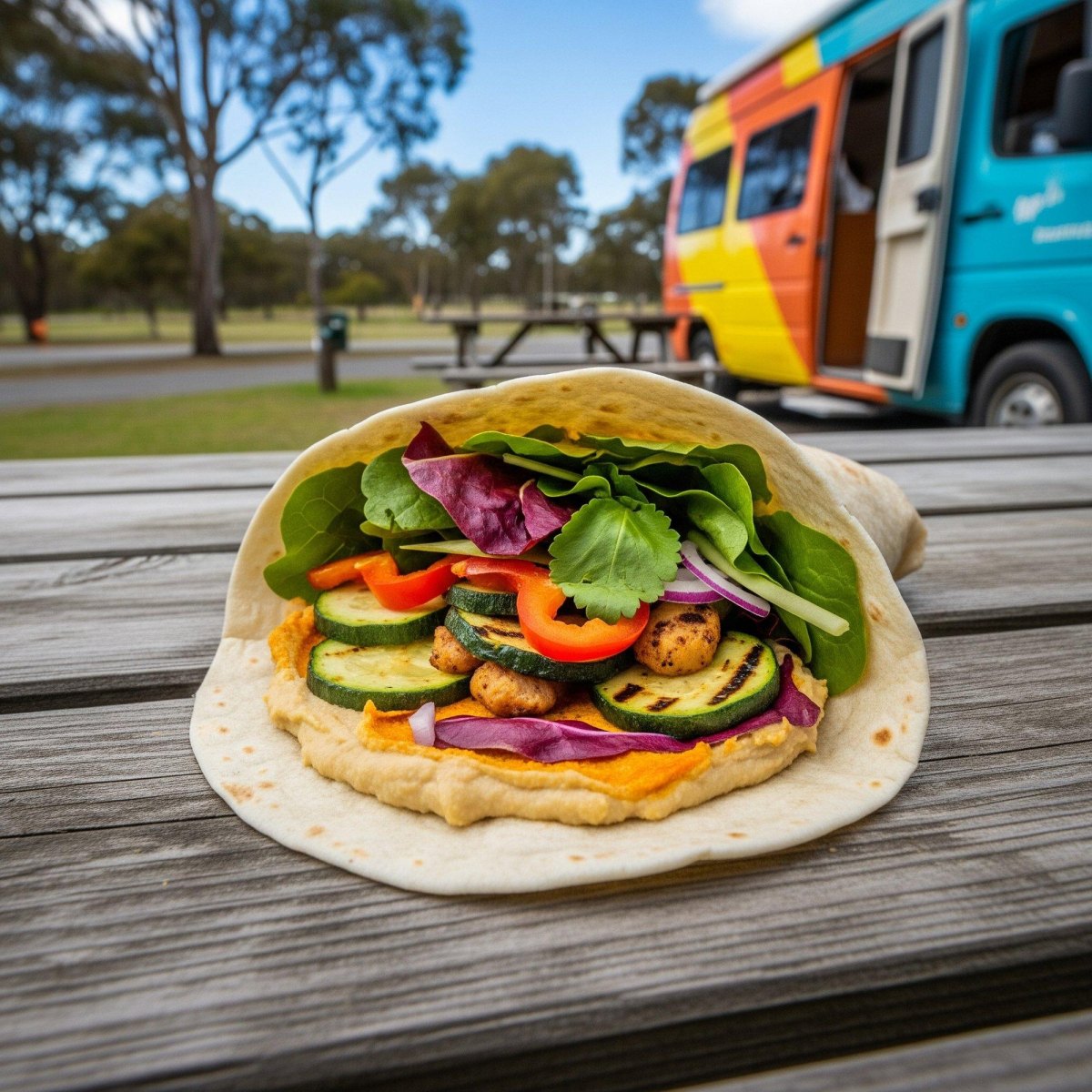
This is a good option when you want a meat-free meal without creating a complicated recipe. Grill sliced peppers, zucchini, onions, or mushrooms until tender, then roll them into tortillas with hummus and crunchy greens.
Hummus is another perishable food, so keep it properly chilled until serving. For easier campsite work, slice the vegetables before leaving home and store them together in a sealed container. The wraps can be assembled at the table while the vegetables are still warm.
Best beginner shortcut
Use a prepared hummus and a bag of washed greens. There is no prize for washing and chopping six vegetables at a picnic table.
Classic Campfire Hot Dogs
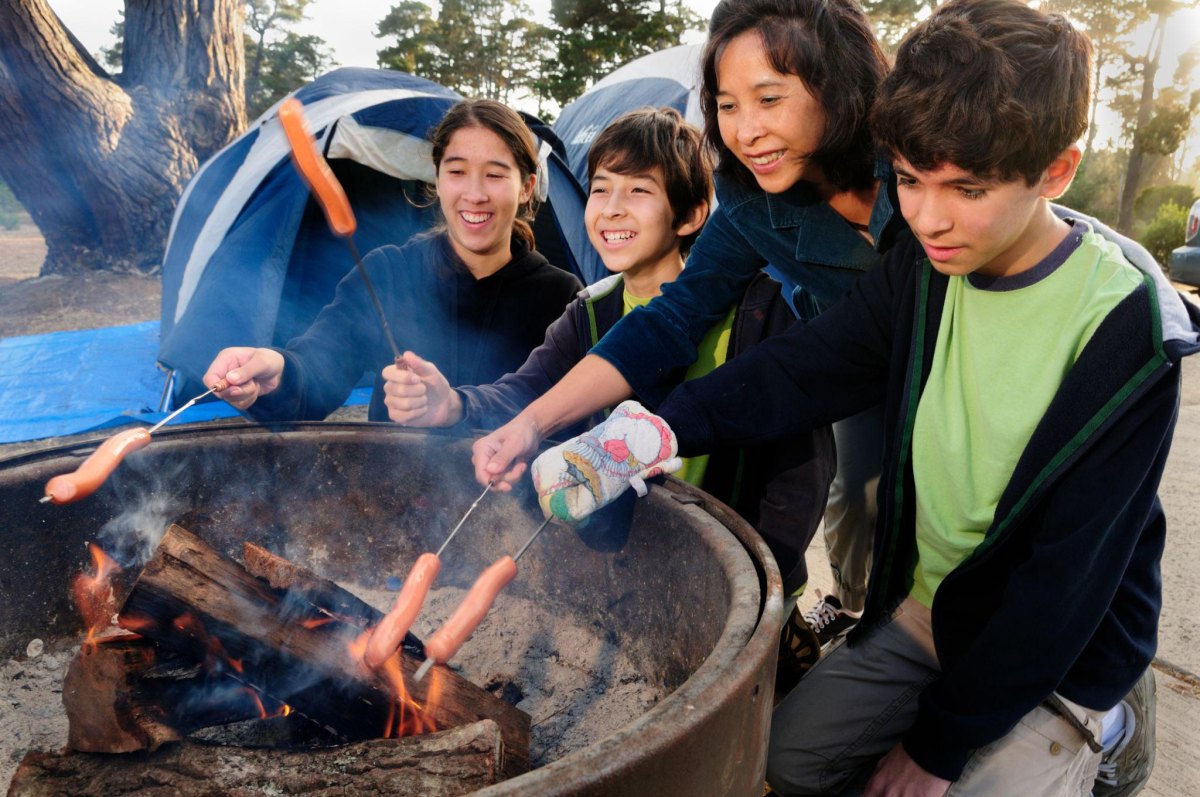
Hot dogs are about as uncomplicated as camp cooking gets. Heat them on a grill grate or suitable roasting tool, toast the buns, and set out mustard, ketchup, relish, onions, or cheese. The real beginner skill is learning to use steady coals instead of a wall of flame.
Many hot dogs are sold fully cooked, but they still need safe handling and should be kept cold until use. Avoid holding perishable toppings in the sun while everyone assembles dinner. Use separate utensils for toppings if several people are eating.
| Ingredient | Easy addition |
|---|---|
| Hot dogs | Mustard and relish |
| Buns | Toast briefly over indirect heat |
| Vegetarian dogs | Add grilled peppers |
| Cheese | Melt inside a toasted bun |
Crispy Campfire Quesadillas
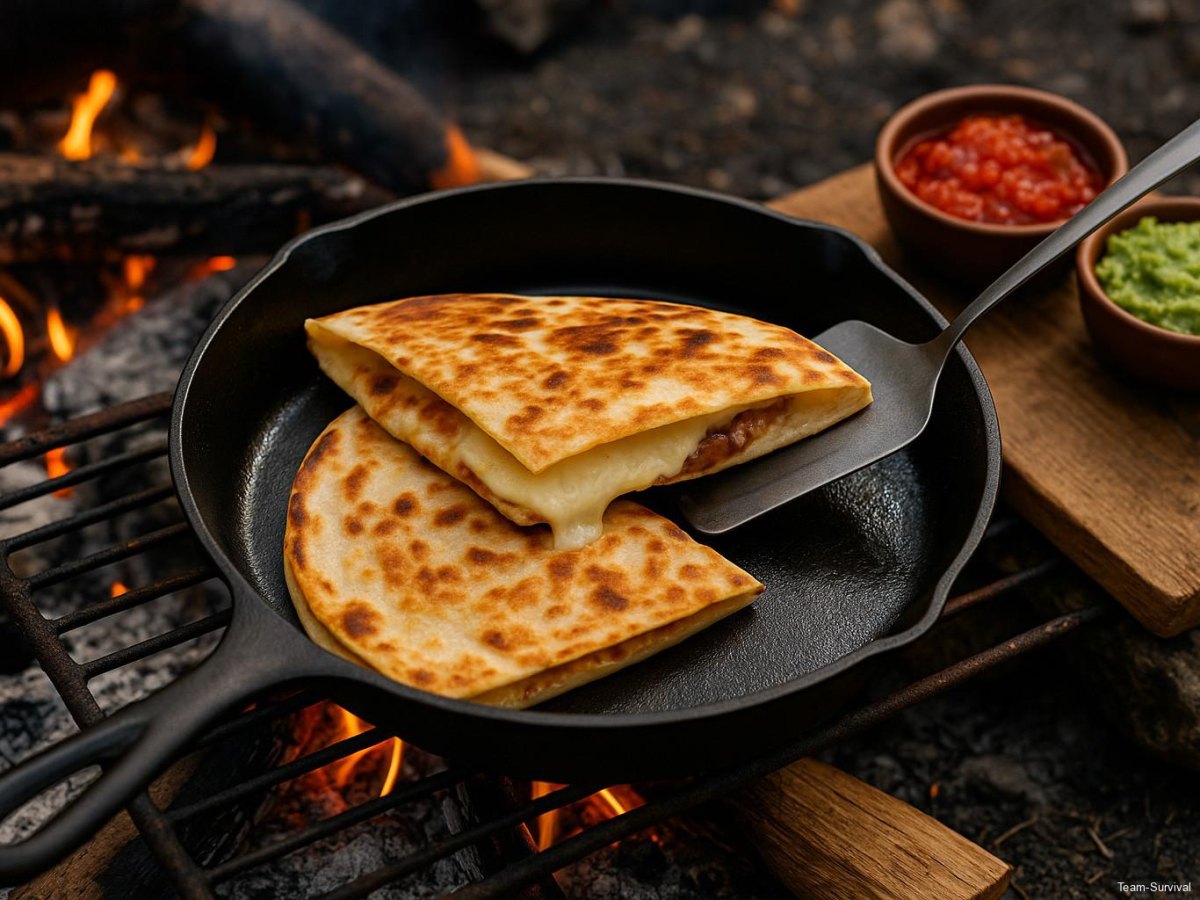
Quesadillas are particularly forgiving because the filling is already cooked before the tortilla goes over the heat. Cheese plus sautéed peppers, onions, beans, or leftover cooked chicken makes a fast campsite dinner with very little washing up.
One established campfire method wraps individual quesadillas in foil and cooks them on a hot grill until the cheese melts, with a few minutes of cooking time. Keep the tortillas away from excessive flame so the outside crisps rather than burns.
Easy filling formula
Use one cheese, one cooked protein or bean, and one vegetable. More ingredients usually mean more filling falling into the fire.One-Pot Camping Pasta
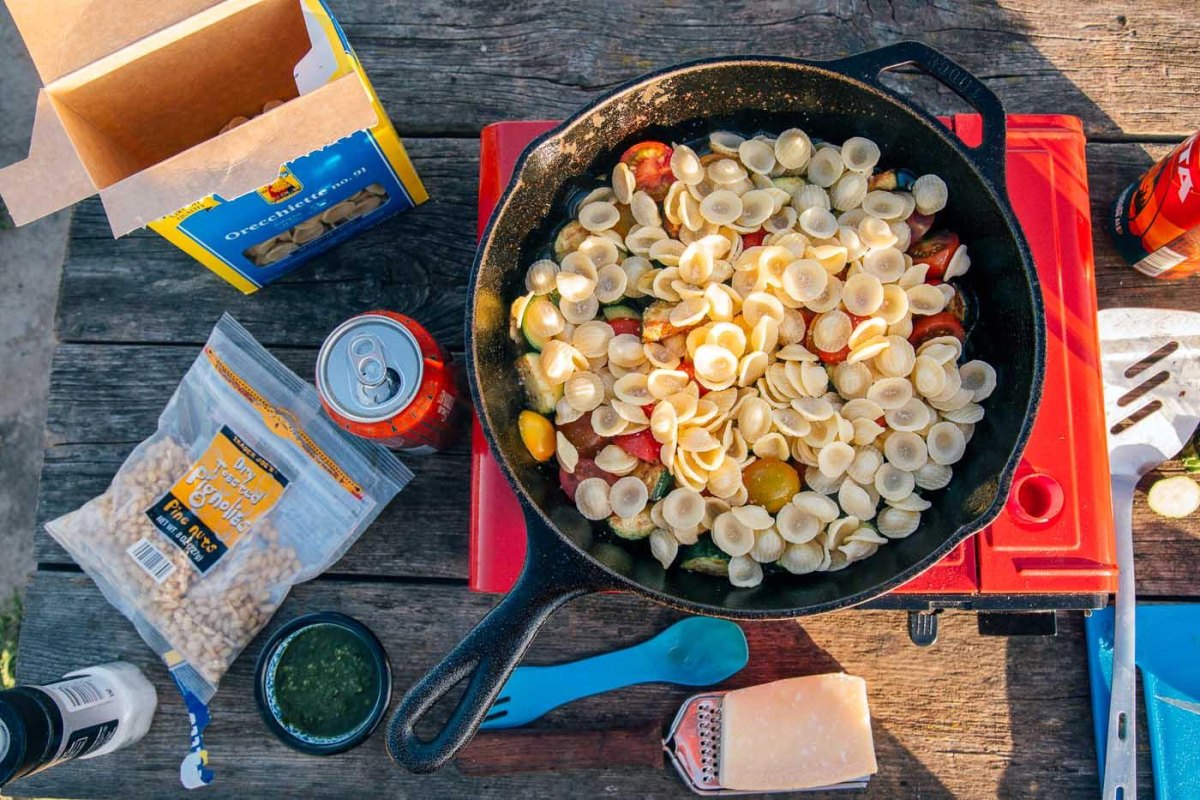
One-pot pasta is one of the better choices for a first camping dinner because the pasta, sauce, vegetables, and protein can share one vessel. A recent camping recipe uses short pasta, sausage, canned tomatoes, garlic, spinach, and cooking liquid, with a total cooking time of about 30 minutes.
For beginners, choose a short pasta shape and use a wide pot or skillet. Stir regularly as the liquid reduces, then add quick-cooking greens near the end. The result is a single-pot meal without a separate saucepan for the sauce.
Hearty Dutch Oven Campfire Chili
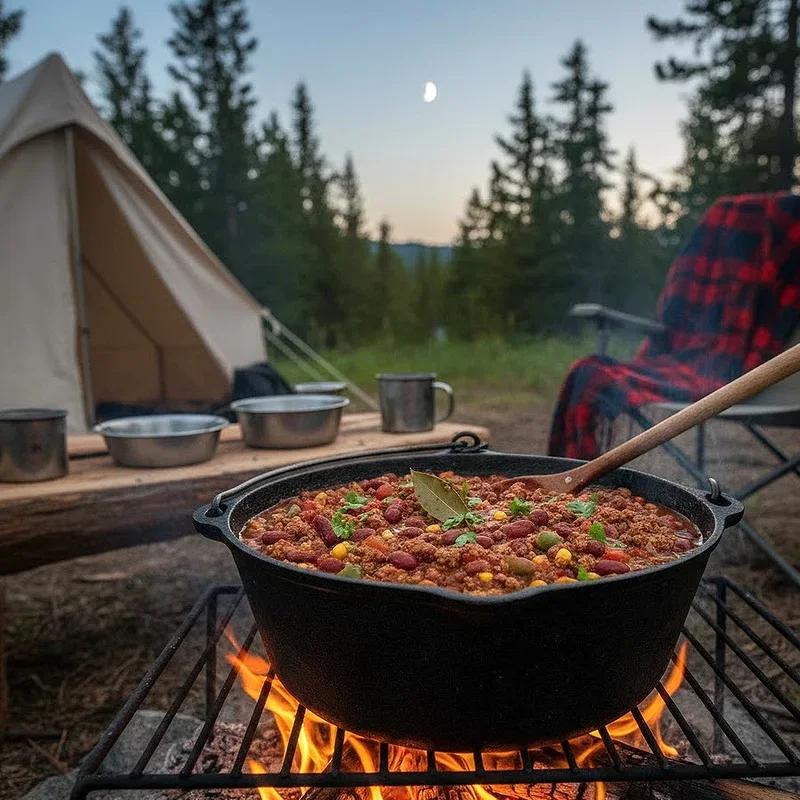
Chili is a strong choice when the weather is cool because it is filling, adaptable, and difficult to ruin with a small variation in ingredients. For a beginner version, combine canned beans, canned tomatoes, corn, seasoning, and browned ground meat or a plant-based alternative.
A Dutch oven gives you good heat retention, but you do not need to make this complicated. Keep the chili at a gentle simmer and stir occasionally. If using raw ground meat, brown it thoroughly before the other ingredients go in and keep the meat refrigerated until cooking.
Foil-Packet Chicken and Vegetables
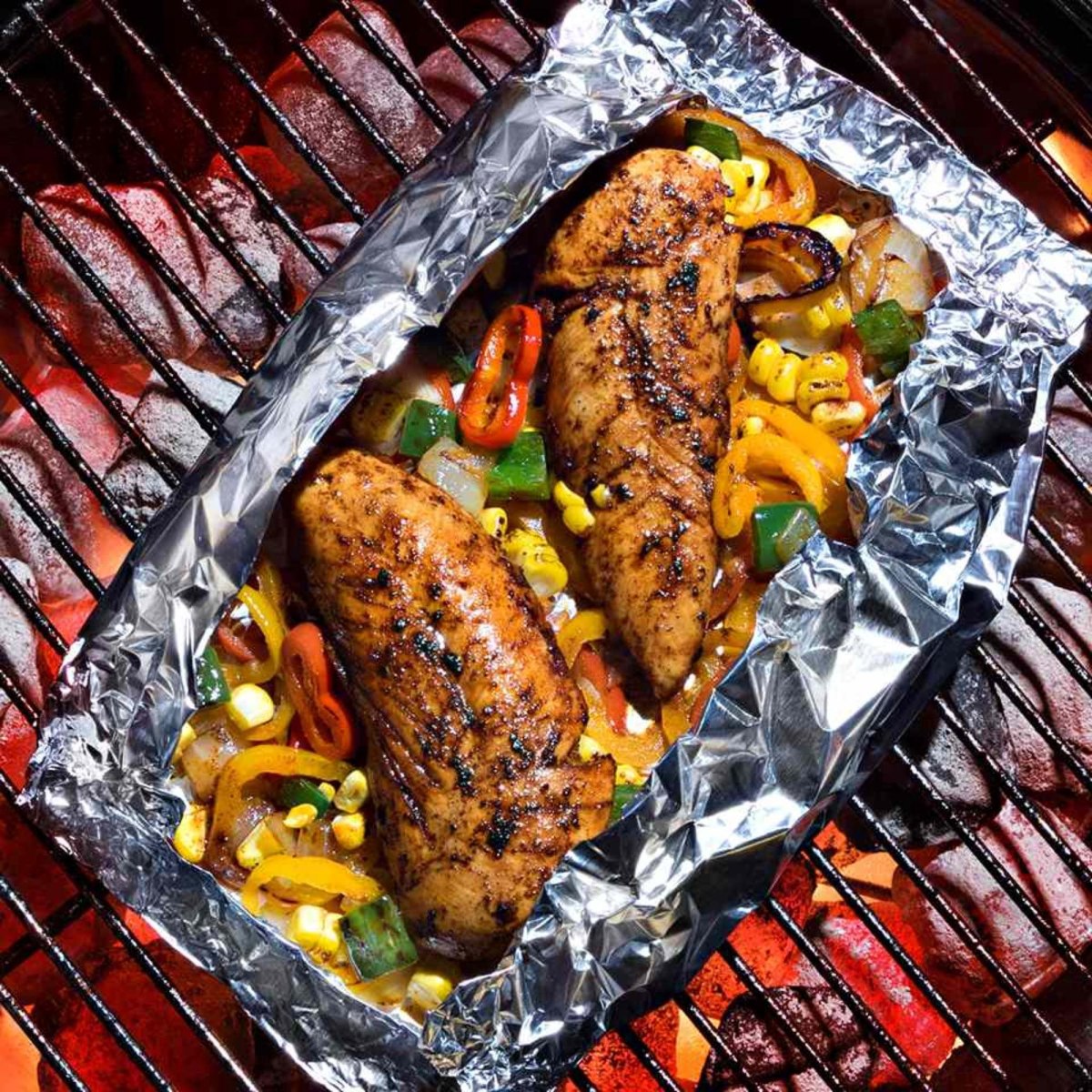
Chicken makes foil packets more substantial, but it also changes the safety requirements. Keep raw chicken cold, separate from ready-to-eat ingredients, and use a food thermometer rather than judging doneness by color. Poultry should reach 165°F internally according to USDA guidance.
Cut chicken into pieces of similar size and pair it with vegetables that cook in roughly the same time. Seal the packet well, cook over stable heat, and check the thickest piece with a thermometer before eating. If the packet needs more time, reseal it and continue cooking.
Do not guess with chicken
A foil packet hides the food from view. A thermometer is the reliable way to confirm that the chicken has reached a safe temperature.Build-Your-Own Camping Tacos
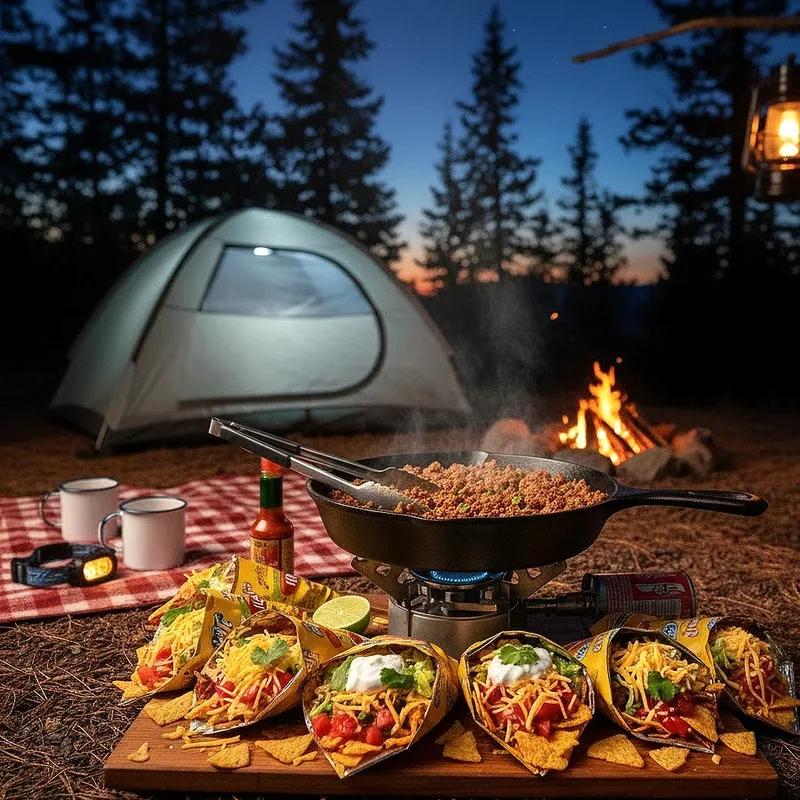
Tacos solve the campsite problem of feeding people who cannot agree on toppings. Cook one filling in a skillet, warm the tortillas, and let everyone assemble their own. Ground beef, turkey, beans, or a combination all work, while salsa, cheese, lettuce, and avocado can stay separate until serving.
The best beginner approach is to prep toppings at home and keep chilled ingredients cold. A recent camping taco guide recommends a simple filling and flexible toppings, with tortillas warmed briefly before assembly.
| Filling | Toppings |
|---|---|
| Seasoned beef | Cheese and salsa |
| Black beans | Avocado and lime |
| Chicken | Lettuce and tomato |
| Roasted vegetables | Hummus or hot sauce |
Quick Rice and Beans
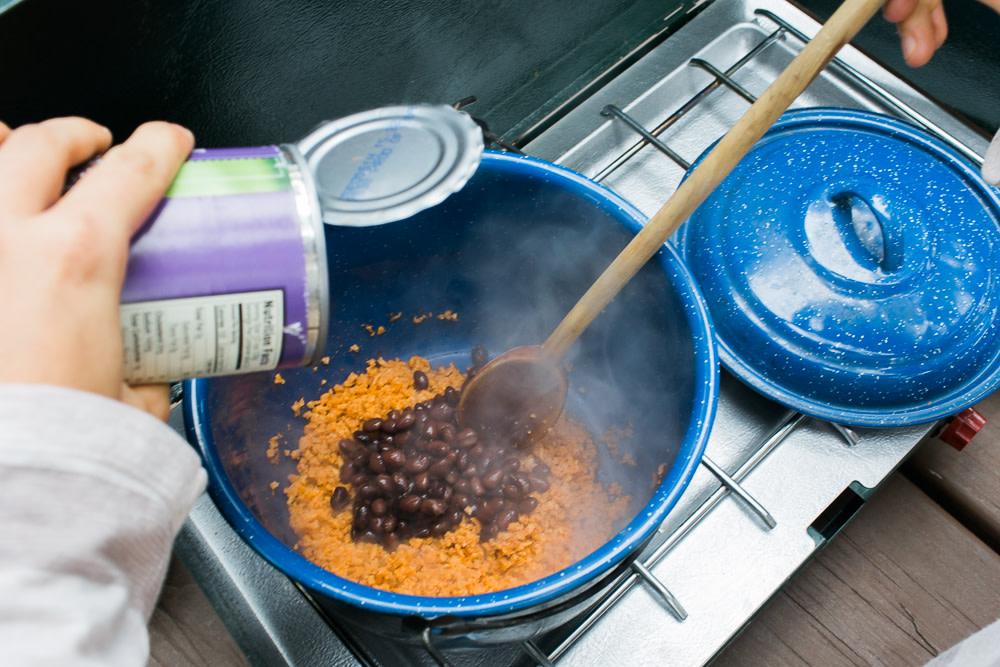
Rice and beans make an inexpensive camping meal when you choose a quick-cooking rice or a fully cooked pouch. Combine it with canned beans, salsa, corn, and spices for a meal that requires very little chopping.
For the simplest version, heat the beans with salsa and seasoning in a small pot, then stir in prepared rice. Add cheese, avocado, or tortilla chips at the end. If you use a rice pouch, check the package directions because some varieties are designed to be reheated rather than boiled.
Pack smarter
Choose canned or pouch ingredients for the first trip. Once you know how much cooking you actually enjoy at camp, you can move toward more ambitious recipes.Gooey Campfire Grilled Cheese
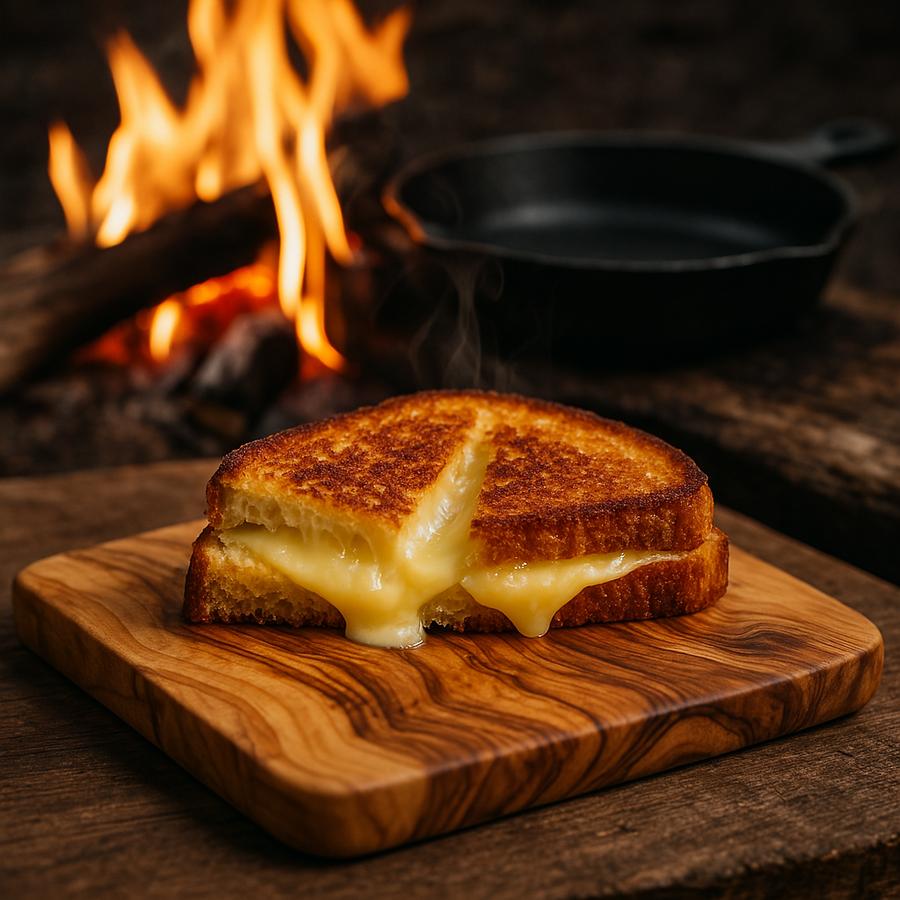
Grilled cheese needs only bread, cheese, and a little butter or mayonnaise, making it a useful backup meal when the weather ruins more elaborate plans. Cook it in a skillet over moderate heat so the bread browns before the cheese has a chance to melt.
Recent grilled-cheese guidance from chefs also favors cooking low and slow for an evenly crisp exterior and melted center. Add tomato slices, ham, or a little mustard if you want more substance, but keep the basic version in your first-trip meal plan as insurance.
Pros
- Very few ingredients
- Fast cooking
- Works on a skillet or griddle
Cons
- Can burn quickly over strong fire
- Needs attention while cooking
Campfire Corn on the Cob
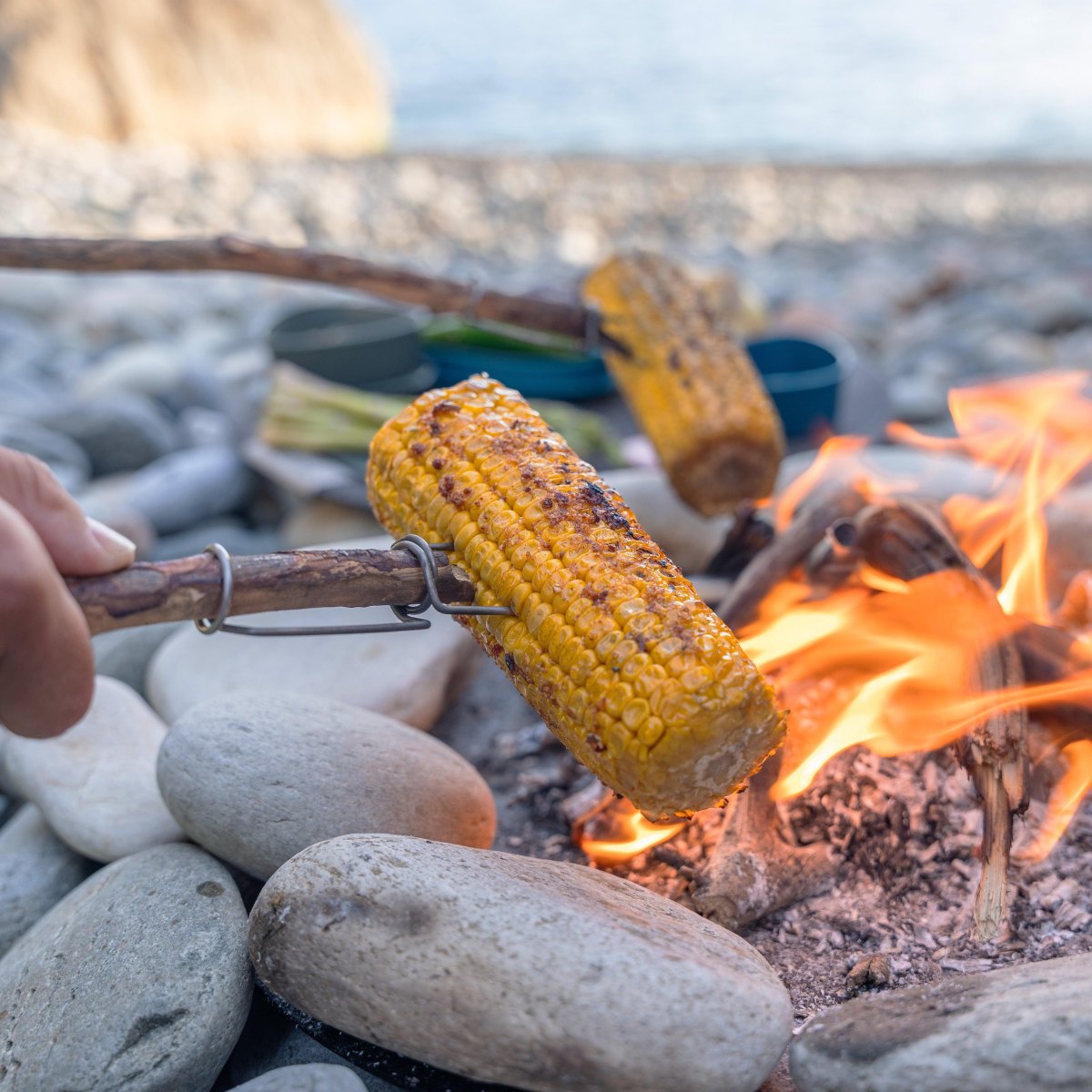
Corn is an easy side dish because it needs little seasoning and pairs with almost everything on this list. Keep the preparation simple with butter, salt, and pepper, then grill the ears until the kernels are tender and lightly charred.
Husked corn is easier to watch on a grill grate, while corn in its husk can be cooked more gently. Turn the ears regularly so one side does not take all the heat. Serve immediately with butter and seasoning while the kernels are hot.
Make it dinner
Pair corn with hot dogs, quesadillas, grilled chicken, or foil-packet potatoes. One ear per person is an easy starting point for portions.
Classic S’mores for Dessert
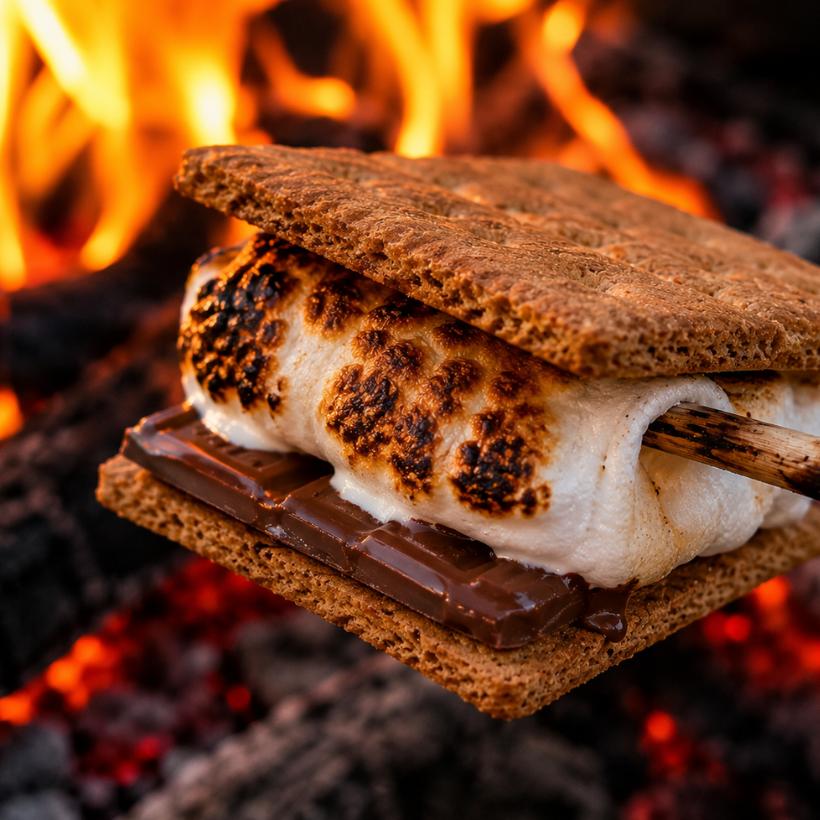
S’mores are the rare camping dessert that requires no recipe beyond three ingredients: graham crackers, chocolate, and marshmallows. Toast the marshmallow slowly over hot coals rather than plunging it into flames if you want a golden, evenly toasted exterior.
Build each s’more while the marshmallow is still hot so it melts the chocolate. Keep chocolate and other ingredients protected from heat and insects when they are not being used. A long roasting stick or purpose-made tool gives beginners better control around the fire.
Better first attempt
Let the fire settle into coals before roasting. Open flames make marshmallows burn much faster than they cook.Campfire Banana Boats
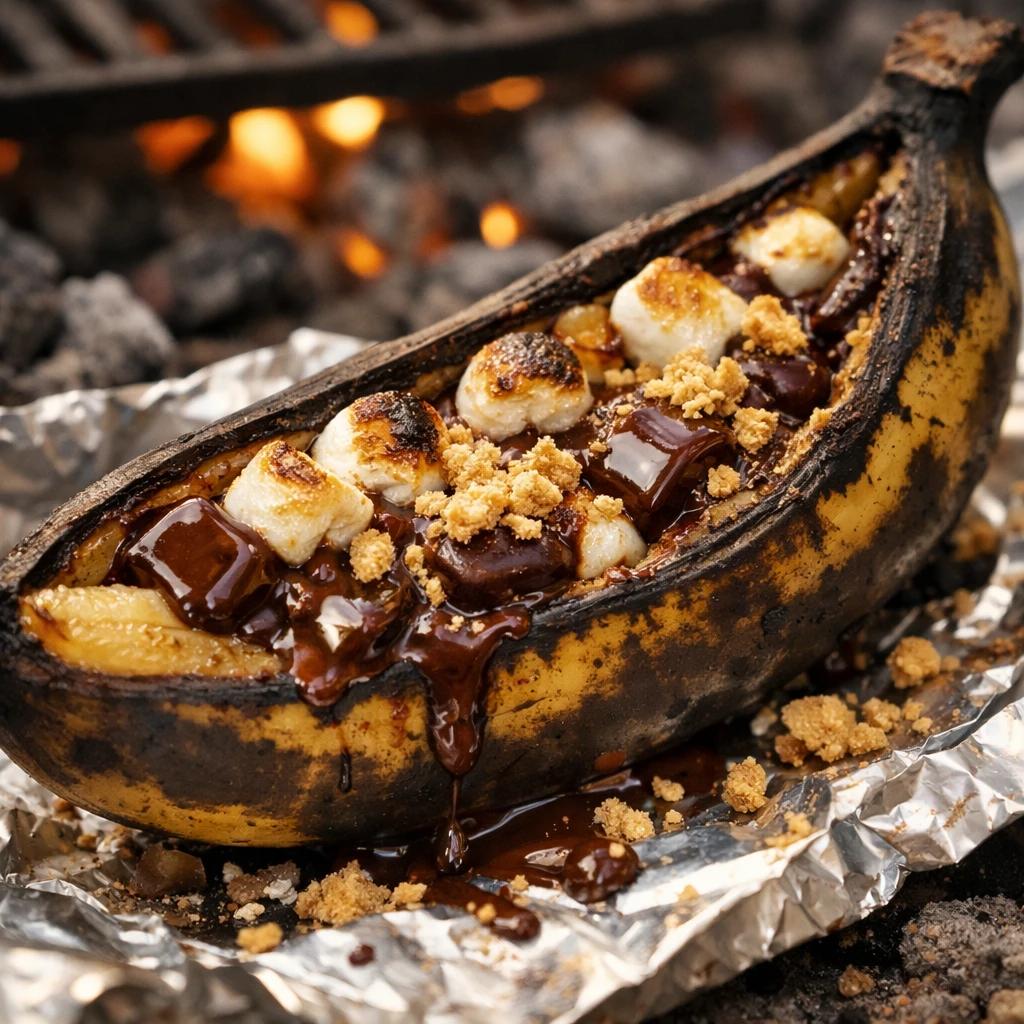
Banana boats are essentially a warm fruit dessert assembled inside the banana peel. Slice the banana lengthwise without cutting all the way through, fill the opening with chocolate and mini marshmallows, then wrap it in foil and warm it over the fire.
The foil traps heat and softens the banana while melting the filling. Keep the packet away from direct flames and open it carefully because the contents will be hot. A small banana boat is easier to handle and cooks more predictably than one overloaded with toppings.
Easy Trail Mix for Hiking Days
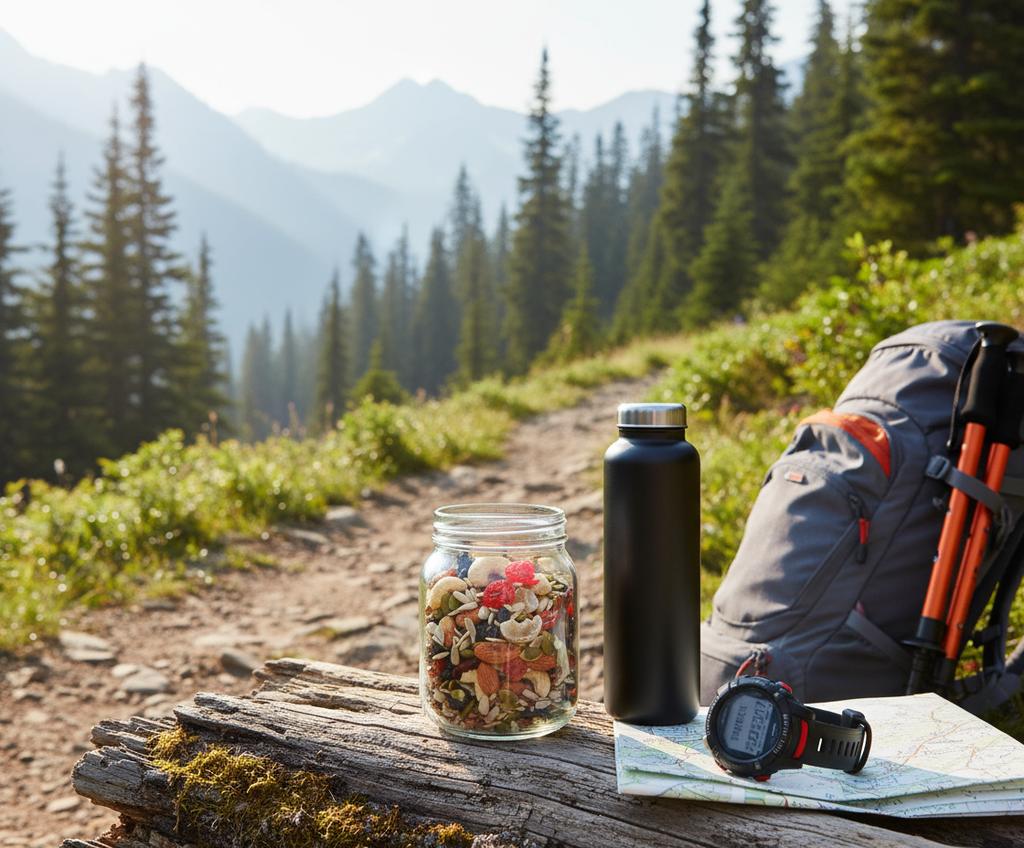
Trail mix is the meal that asks the least from your campsite kitchen. Mix nuts, seeds, dried fruit, cereal, pretzels, or chocolate into individual bags before leaving home. Portioning it ahead means you can grab a bag and hike without stopping to prepare lunch.
Choose ingredients according to the conditions. Chocolate can become messy in hot weather, while salty ingredients can be useful after sweaty activity. For longer outings, pair trail mix with water and another substantial food rather than expecting a handful of nuts and raisins to replace every meal.
More Pinterest Visuals



 RV Maintenance & Care17 Essential RV Winter Storage Tips to Prevent Cold-Weather Damage
 RV Pet Travel11 RV Cat Tree Ideas That Make Small Spaces More Cat-Friendly
 Camping Gear & Planning15 RV Must-Haves for Beginners to Camp Safely and Comfortably
 Camping Recipes18 Easy RV Camping Snacks Ideas for Road Trips and Campfire Nights