

Starting RV travel is easier when the avoidable problems are handled before the first campground arrival. I have seen new owners struggle most with planning and preparation, not the adventure itself. This guide covers the mistakes that create expensive repairs, stressful nights, and unsafe situations.
Failing to Choose the Right RV Size for Your Needs
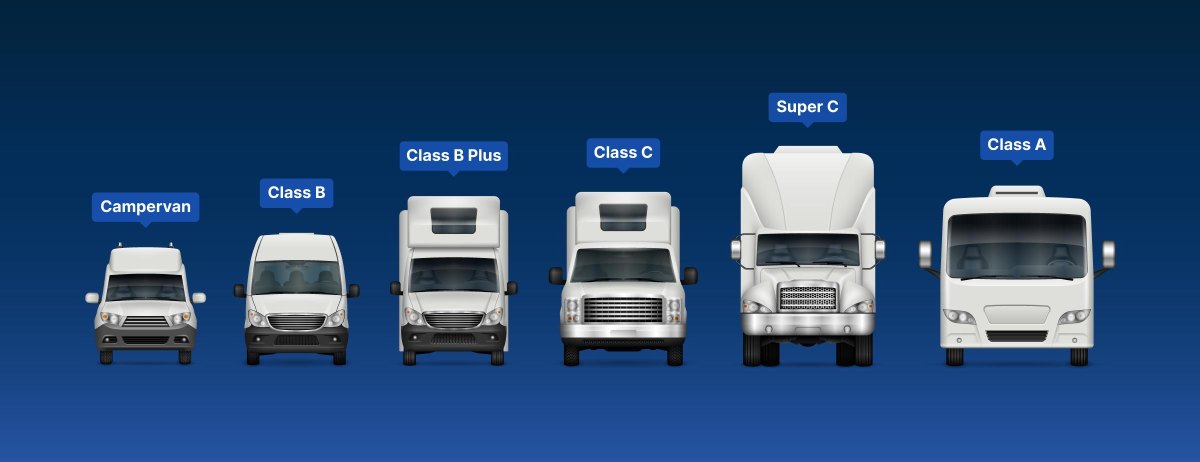
The biggest beginner mistake is buying based only on the dream layout instead of the travel style. A larger RV gives more space but creates more driving limits on narrow roads and smaller campsites.
Match the rig type to your actual trips, storage needs, and comfort with handling the vehicle.
Skipping a Complete RV Inspection Before Buying
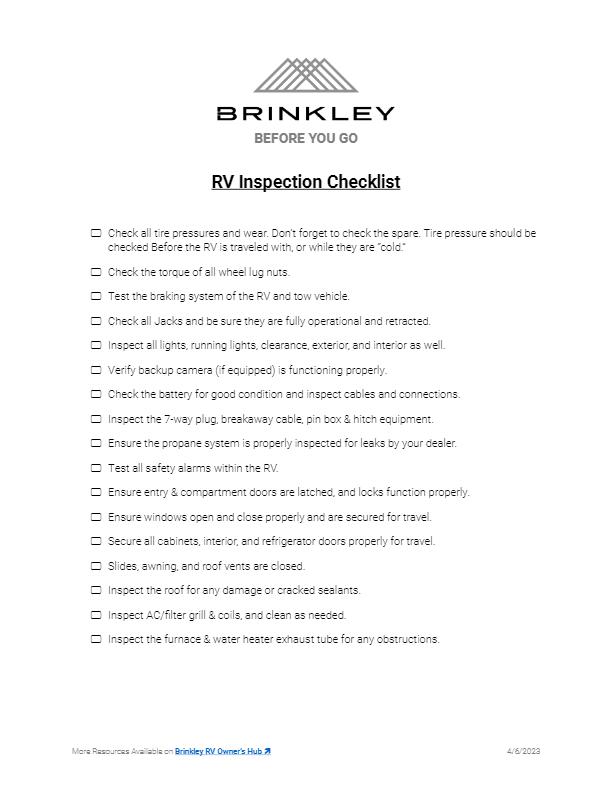
Buying a used RV without an inspection can turn a bargain into a repair project. Water damage, old seals, and neglected systems are common hidden costs for first-time buyers.
A professional inspection is often cheaper than discovering problems after purchase.
Ignoring Weight Limits and Overloading the RV
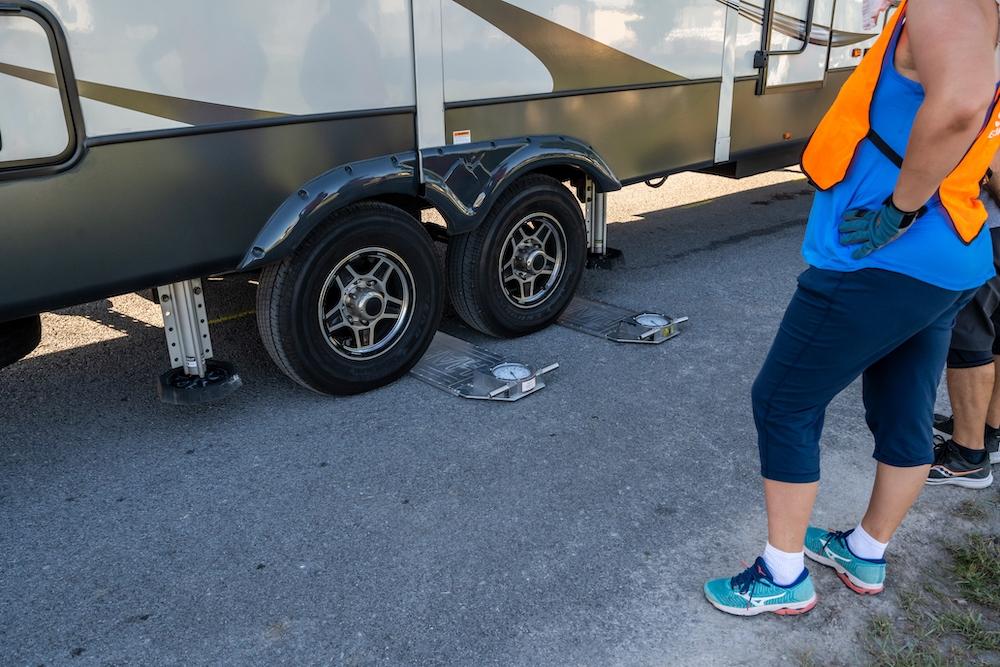
RV weight ratings are limits, not suggestions. Check the manufacturer labels and use a scale when needed because overloaded RVs handle poorly and place extra stress on tires and suspension.
Never assume there is unlimited capacity for water, gear, passengers, and supplies.
Forgetting to Practice Driving and Parking an RV
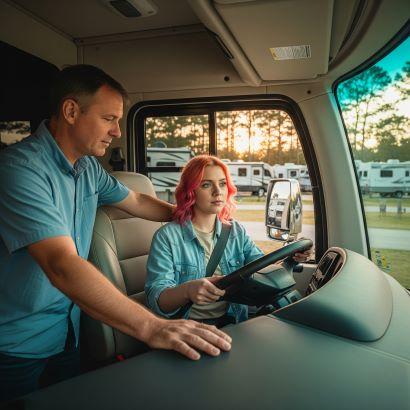
Many new RV owners skip practice and learn in crowded campgrounds. Spend time learning turning and backing skills before traveling far.
Slow practice sessions prevent damaged mirrors, bumpers, and campsite equipment.
Not Learning How RV Plumbing Systems Work
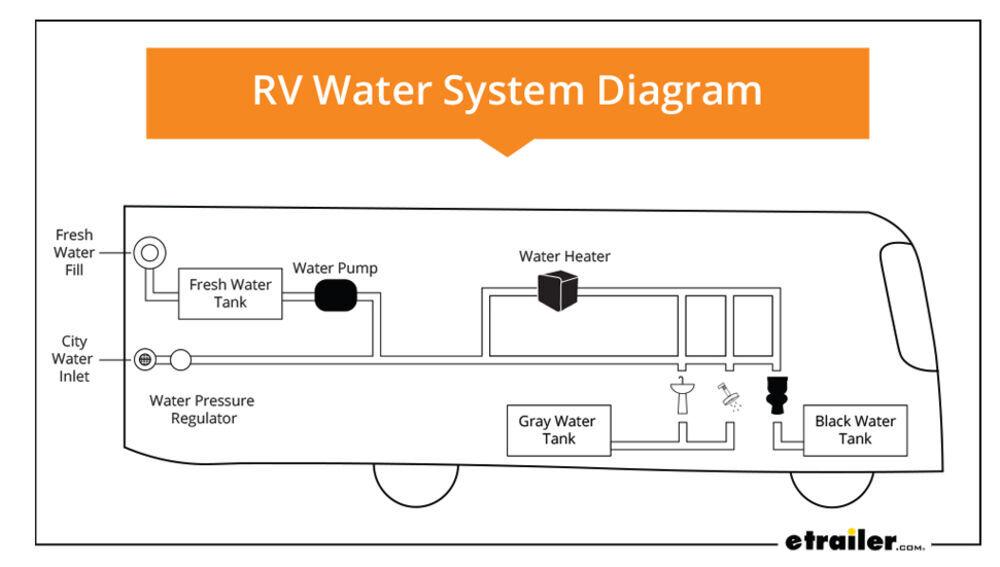
Fresh, gray, and black water systems each have different jobs. Beginners often create problems by ignoring tank management basics.
Learn water conservation, sanitation rules, and proper dumping before your first extended trip.
Mismanaging RV Electrical Power and Batteries
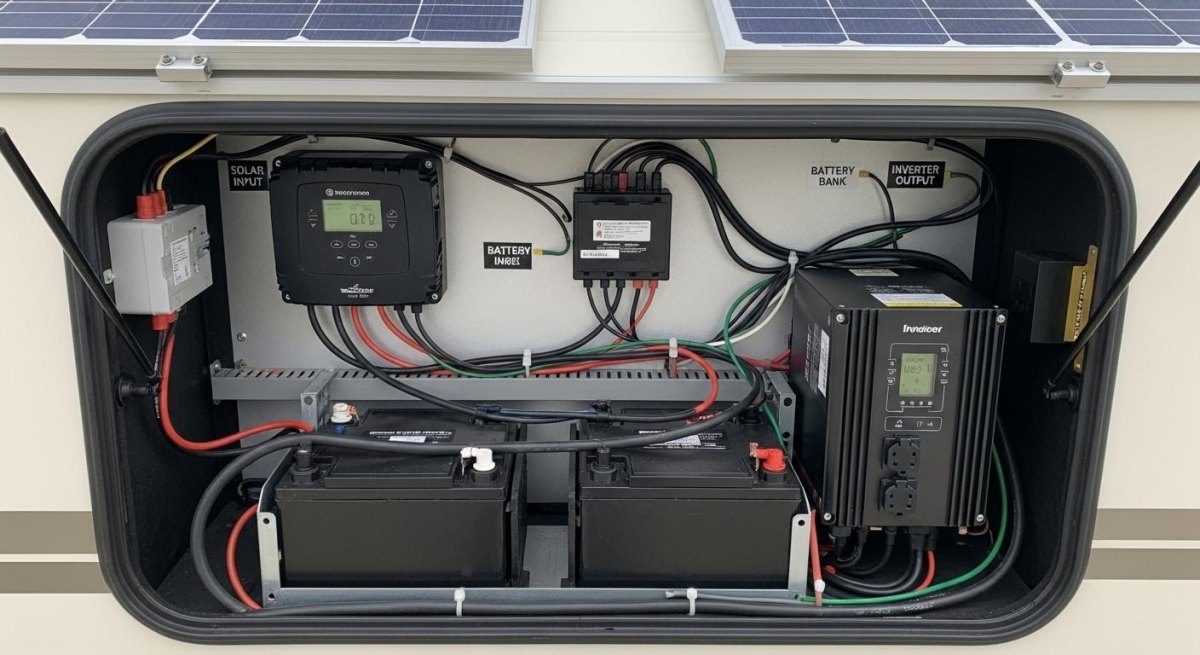
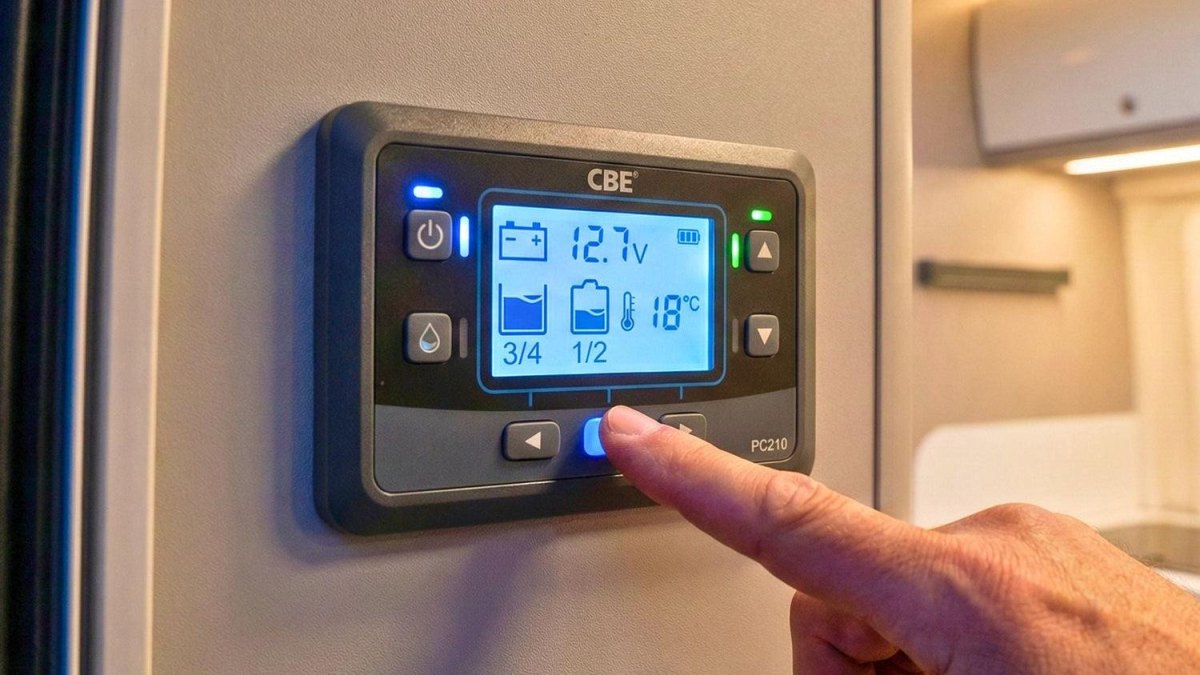
Running every appliance without understanding your power system quickly drains batteries. Learn your energy limits before relying on solar, batteries, or hookups.
Electrical upgrades should be planned around your actual usage.
Arriving at Campsites Without Proper Planning
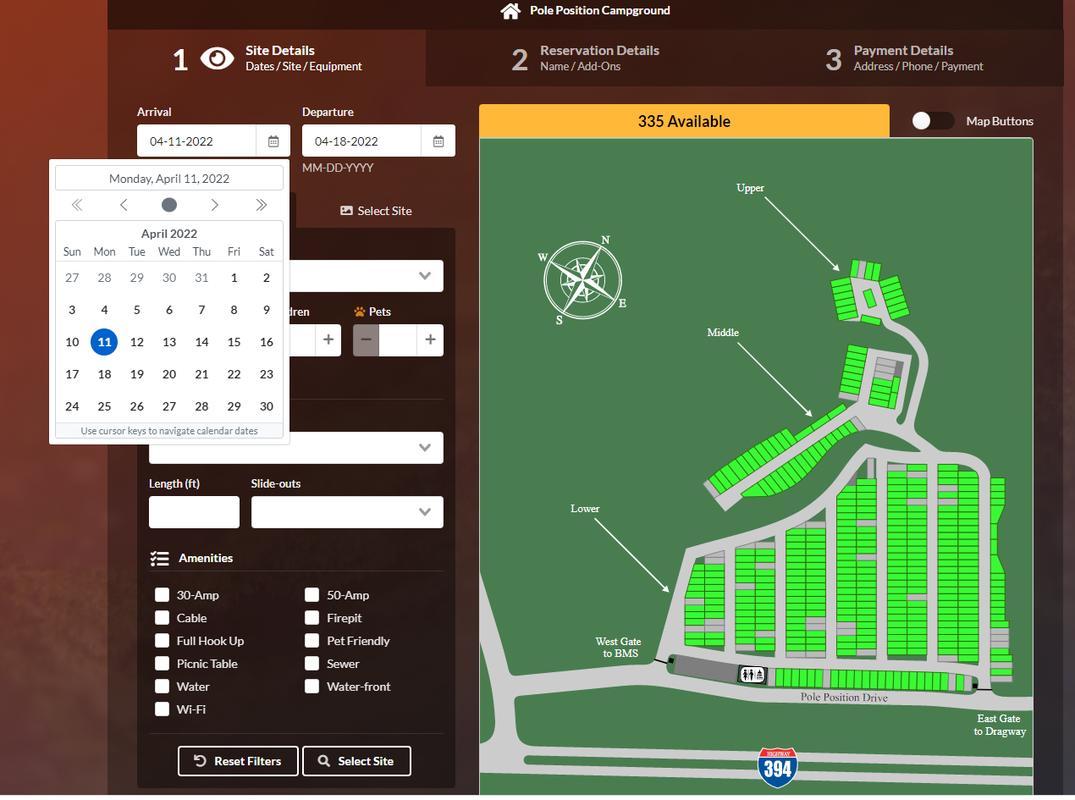
Showing up without checking access, size limits, or rules is a common beginner error. Good planning includes site requirements and restrictions before arrival.
Public land rules can vary, and many dispersed camping areas commonly limit stays to 14 days within a 28-day period.
Failing to Check Weather and Road Conditions
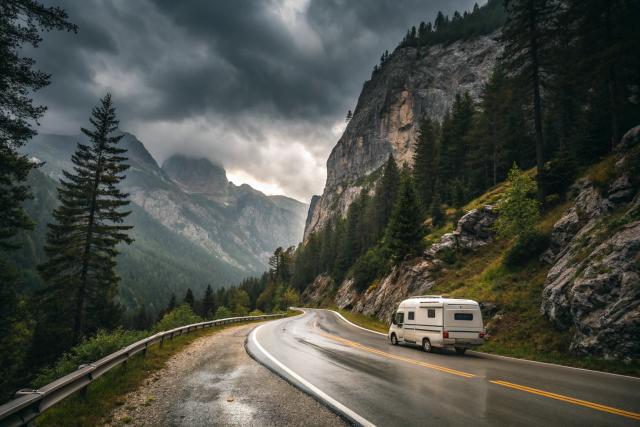
RV travel requires more weather awareness than ordinary driving. Wind, snow, heat, and road closures can quickly change a route.
Checking conditions protects your travel schedule and safety.
Packing Too Much Unnecessary Gear
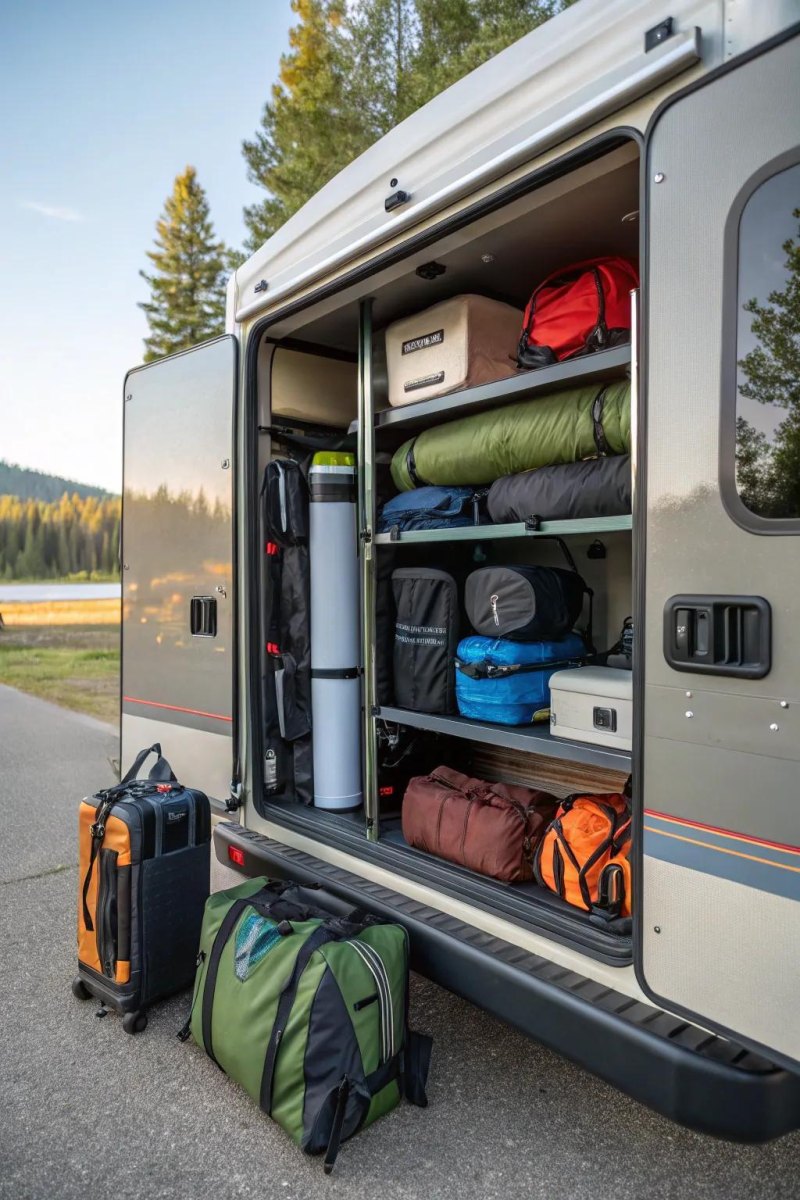
New owners often fill every cabinet before knowing what they use. Extra equipment creates weight and storage problems.
Start with essentials and add items only after real trips reveal a need.
Neglecting Regular RV Maintenance
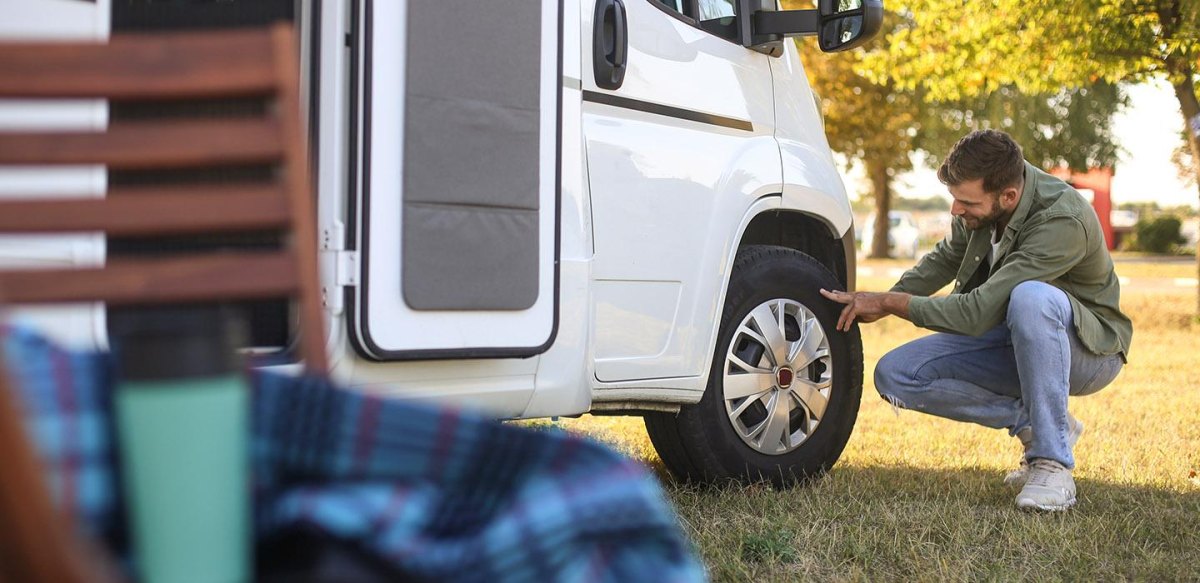
An RV sitting unused still ages. Roof seals, tires, batteries, and appliances need attention because preventive maintenance saves money.
Create a schedule instead of waiting for something to fail.
Using RV Appliances Without Understanding Them
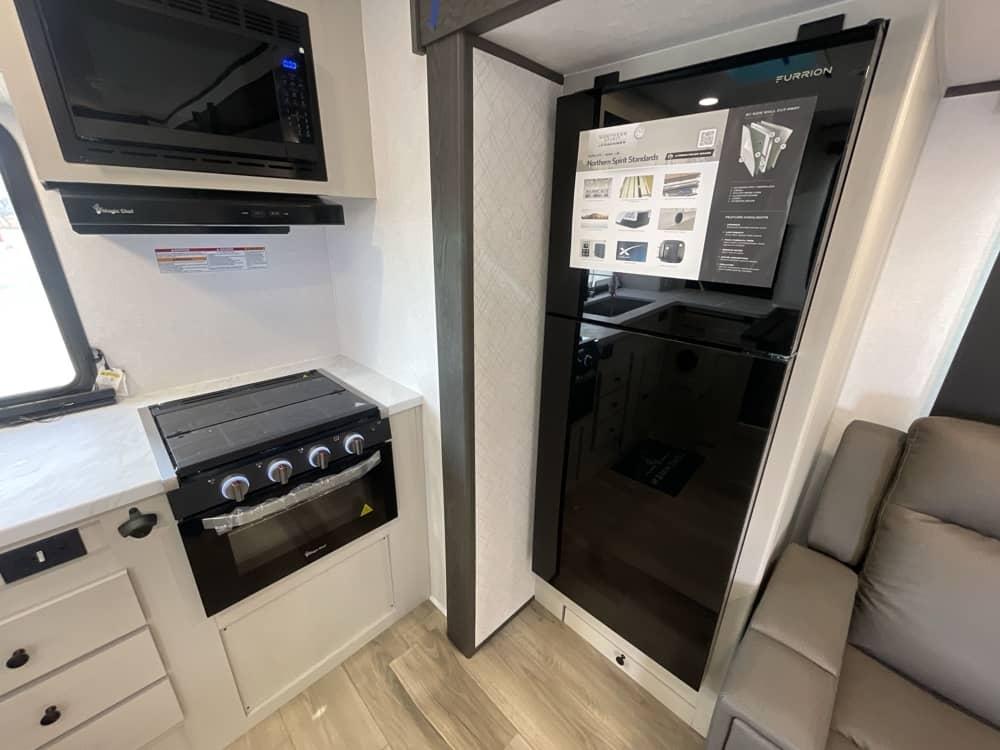
RV refrigerators, heaters, and cooking systems work differently from household versions. Learn each appliance's limits and follow manufacturer instructions.
Never use unvented appliances for cabin heating.
Making Mistakes With RV Leveling and Setup
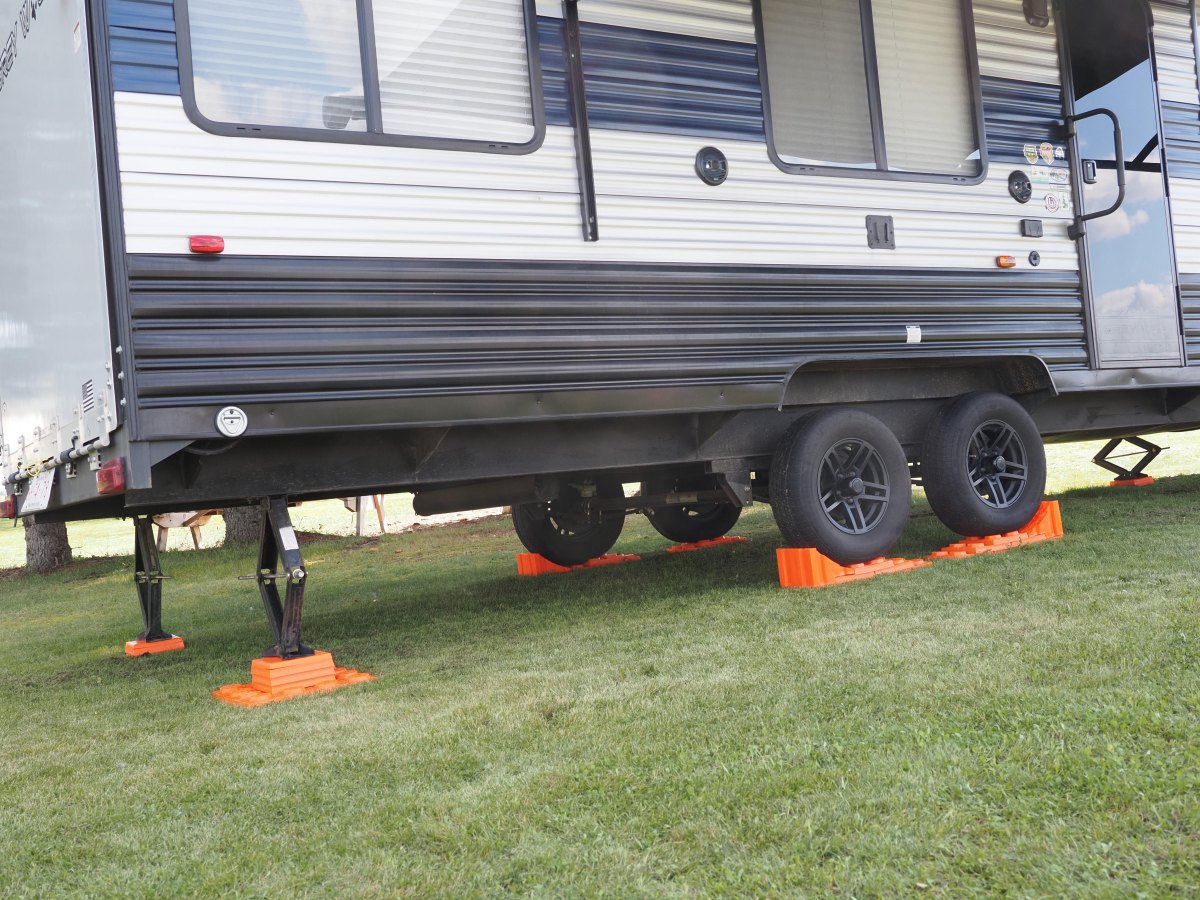
Poor leveling can affect comfort and some equipment operation. A simple setup routine prevents unnecessary campground frustration.
Practice your arrival sequence before a busy travel day.
Forgetting Essential Safety Equipment
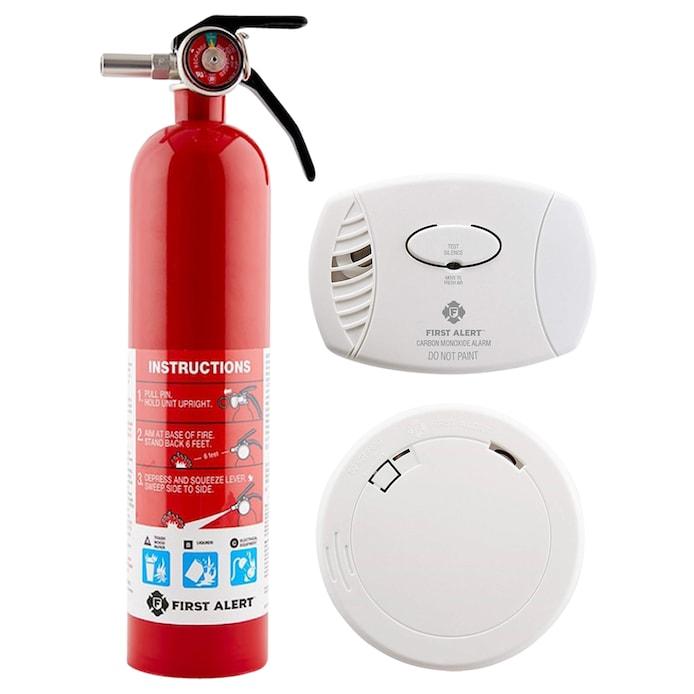
Smoke alarms, carbon monoxide detectors, and fire extinguishers are not optional. Check safety equipment condition regularly.
Never run generators near windows, vents, or intakes where exhaust can enter the RV.
Driving Too Fast or Taking Turns Too Aggressively
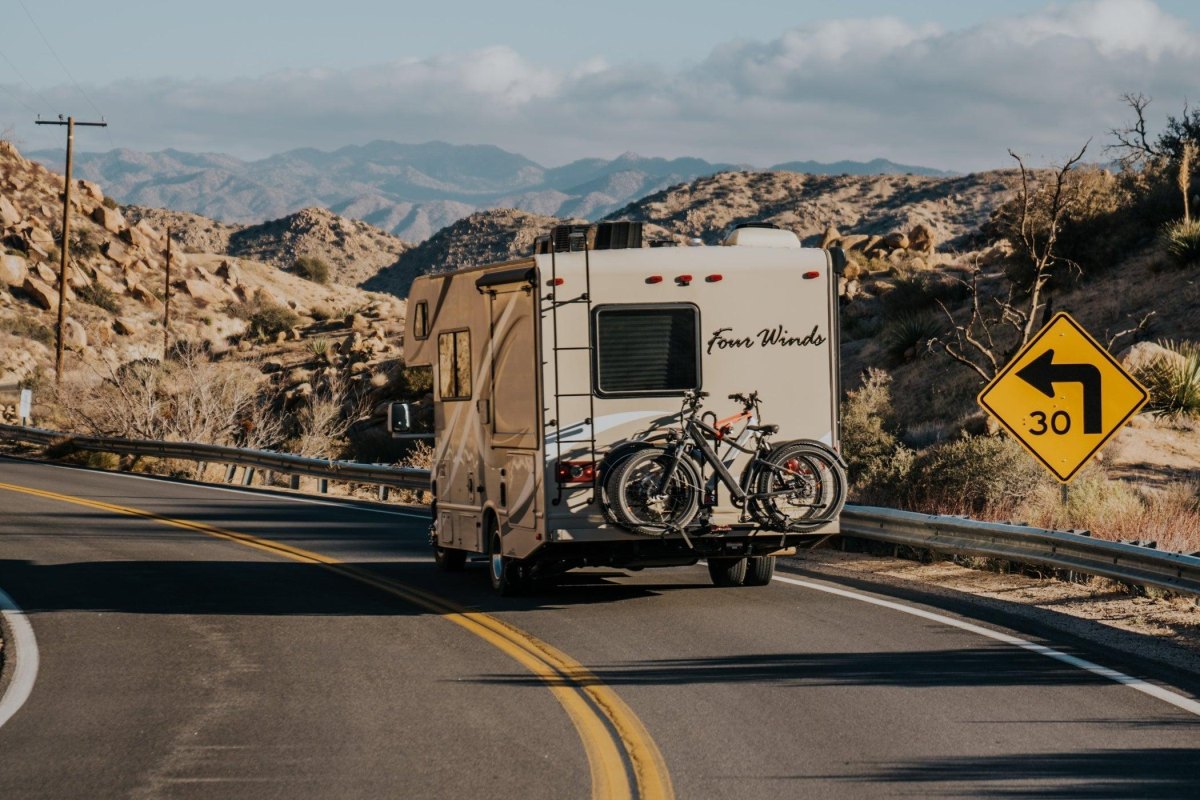
RVs respond differently from cars because of size, height, and weight. Speed control and wide turns are basic driving skills that prevent accidents.
Give yourself more distance and more time than you think you need.
Not Learning How to Handle RV Waste Disposal
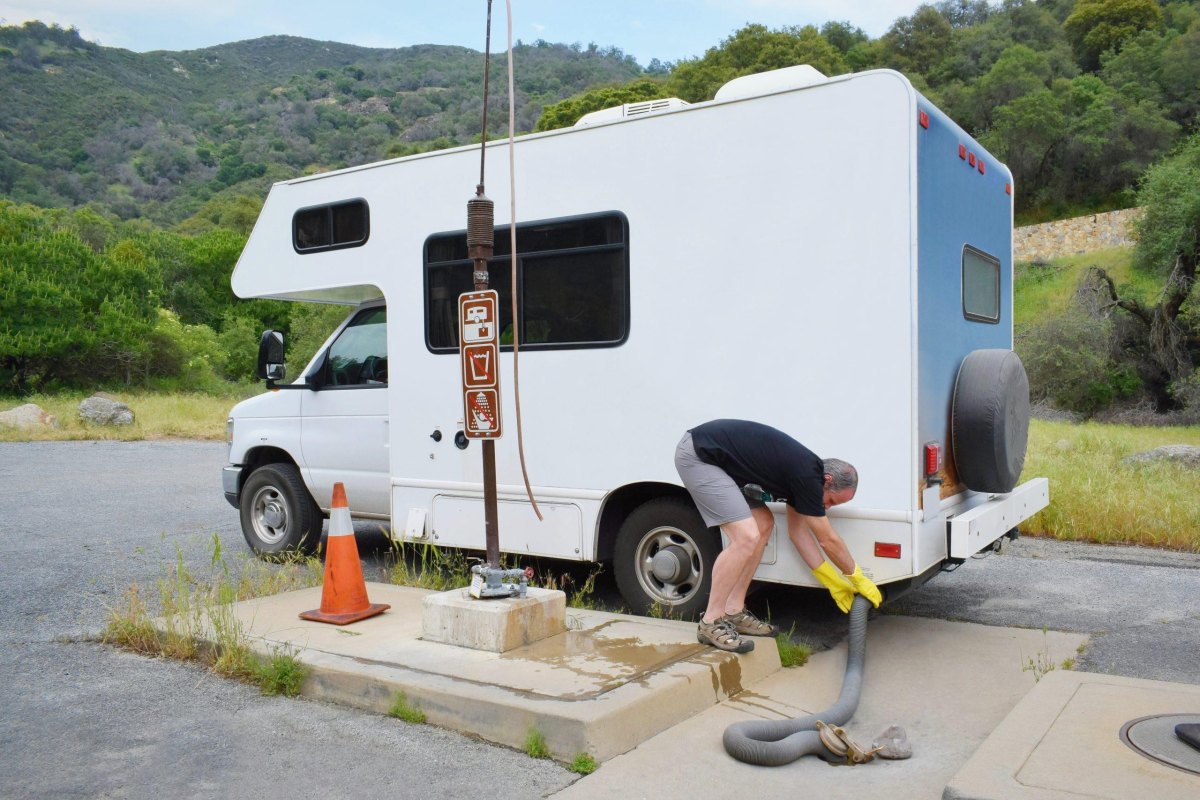
Waste disposal mistakes are uncomfortable and avoidable. Learn the correct process and follow local rules for legal waste handling.
Never dump tanks outside approved facilities.
Underestimating Fuel Costs and Travel Expenses
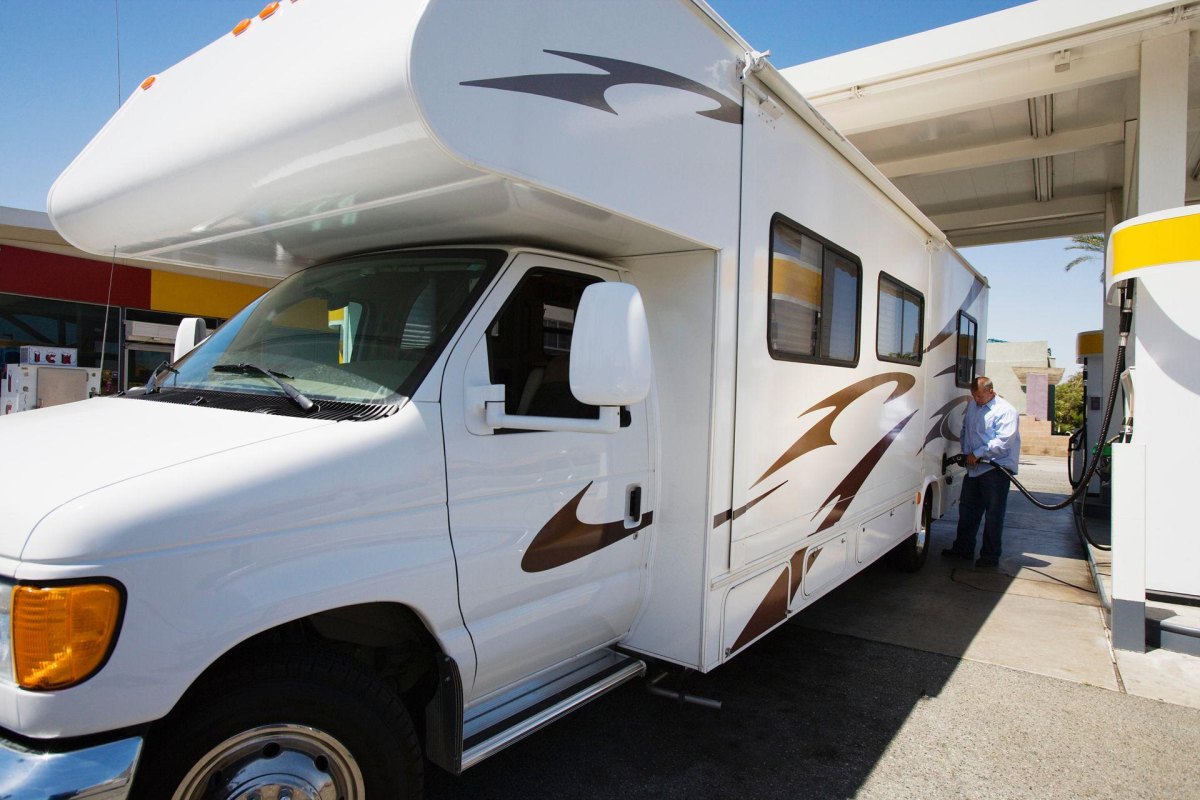
Many beginners budget only for the RV payment and campsite fees. Fuel, maintenance, insurance, and repairs create real ownership costs.
Track expenses before deciding how often you can travel.
Expecting RV Life to Be Exactly Like Home Life
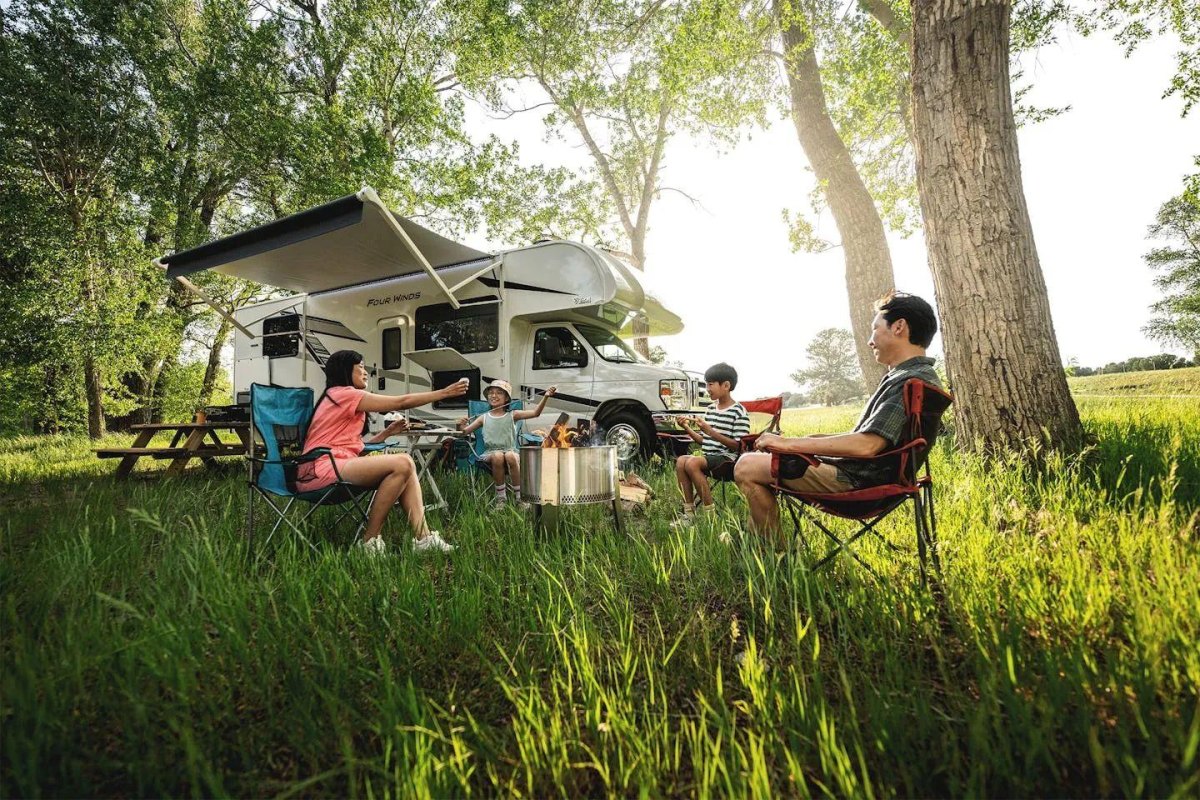
RV life has comforts, but it also requires adjustments. Small spaces, weather changes, and limited resources are part of the travel experience.
The best trips come from realistic expectations and practical preparation.
More Pinterest Visuals



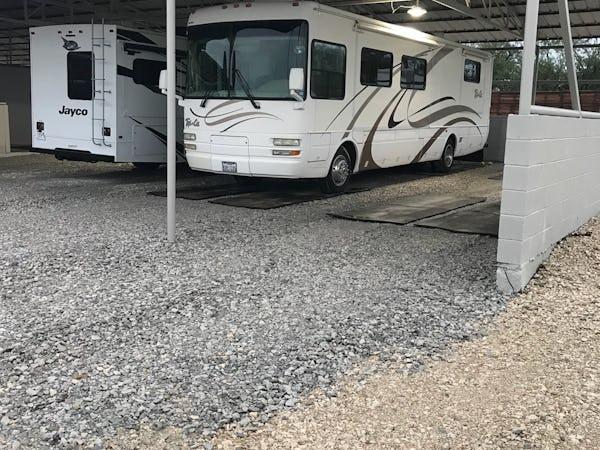 RV Maintenance & Care17 Essential RV Winter Storage Tips to Prevent Cold-Weather Damage
 RV Pet Travel11 RV Cat Tree Ideas That Make Small Spaces More Cat-Friendly
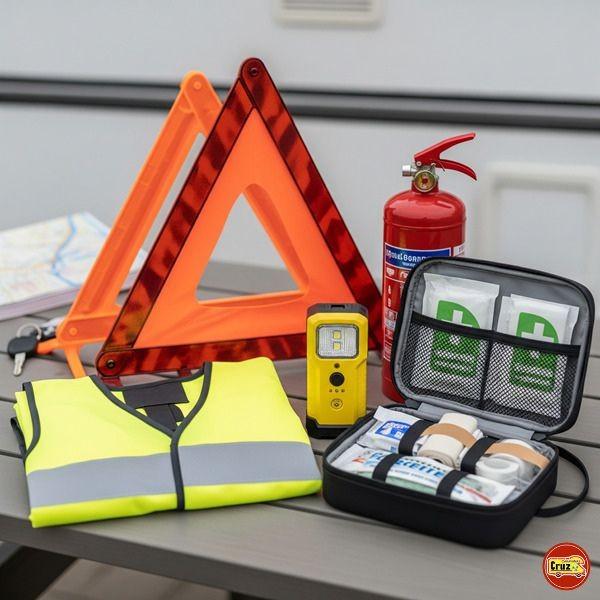 Camping Gear & Planning15 RV Must-Haves for Beginners to Camp Safely and Comfortably
 Camping Recipes18 Easy RV Camping Snacks Ideas for Road Trips and Campfire Nights