

Building an off-grid RV setup is less about buying the biggest equipment and more about matching each system to how you actually travel. A reliable build balances power production, storage, water, cooking, and safety so you can stay away from hookups without constant troubleshooting.
This guide walks through the major systems I would plan before heading into remote areas. The goal is a practical setup that works for weekends, extended trips, and full-time travel.
What an RV off-grid setup needs
- Solar panels and charge control for daily energy collection
- Battery storage sized for your real electricity use
- Water, cooking, waste, and communication plans
Solar Panels for RV Off Grid Power
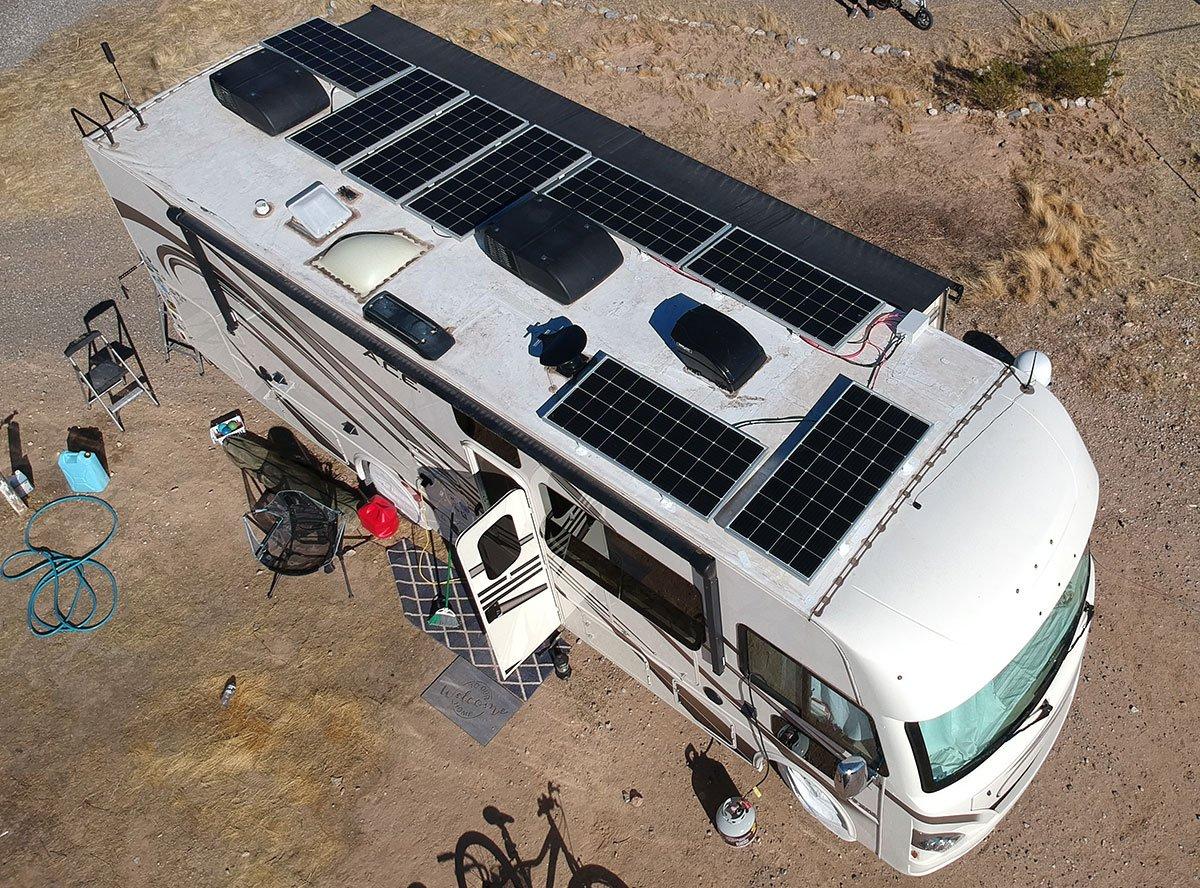
Solar is usually the foundation of an RV off-grid setup because it replaces frequent generator use when conditions are right. The right array size depends on your roof space, weather, battery capacity, and daily loads rather than a single standard number.
For many RV travelers, roof-mounted solar panels paired with an MPPT charge controller provide a simple way to collect energy for lights, refrigeration, electronics, and battery charging. Shade, winter sun angles, and parking location can change production dramatically.
Practical tip
More solar does not fix an undersized battery bank or inefficient appliances. Design the whole system together.
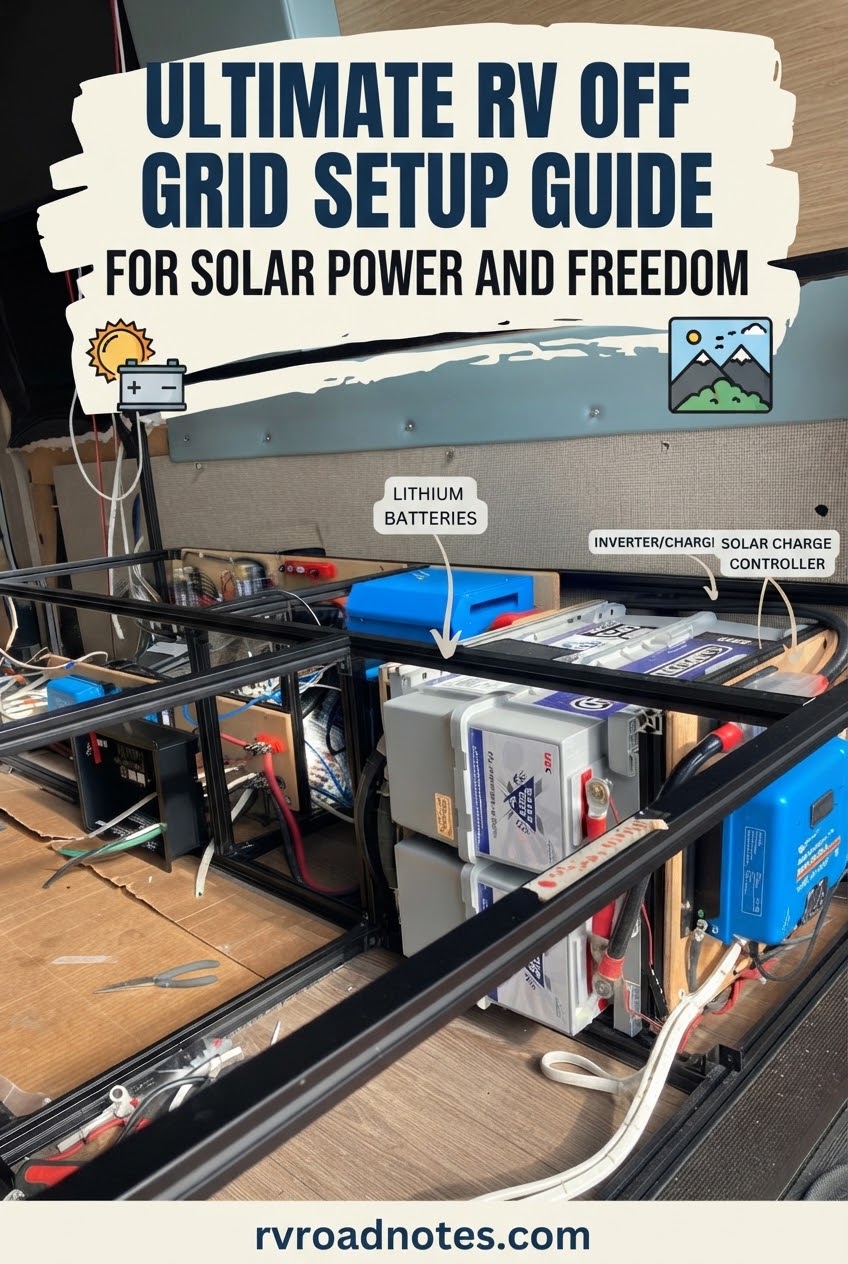
Lithium Battery Bank and Energy Storage
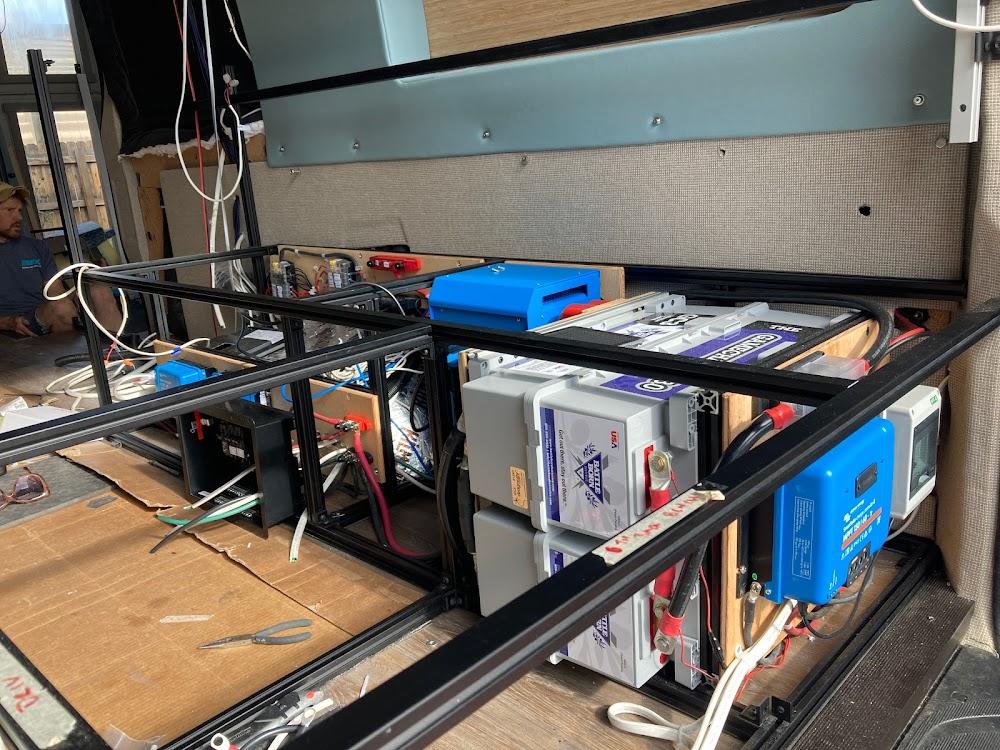
A battery bank is the buffer between sunny hours and the moments when you need power after dark. Modern RV builds often use lithium batteries because they provide more usable capacity at a lower weight than traditional lead-acid options.
The important number is not just battery size but usable energy capacity. A battery bank should be matched to your inverter, charging sources, and expected loads, with the battery manufacturer's limits followed carefully.
| Battery type | Common consideration |
|---|---|
| Lithium | Higher usable capacity and lower weight |
| Lead-acid | Lower upfront cost but less usable capacity |
Avoid this mistake
Do not connect batteries or charging equipment without proper protection and manufacturer guidance.
Inverter and Electrical System Installation
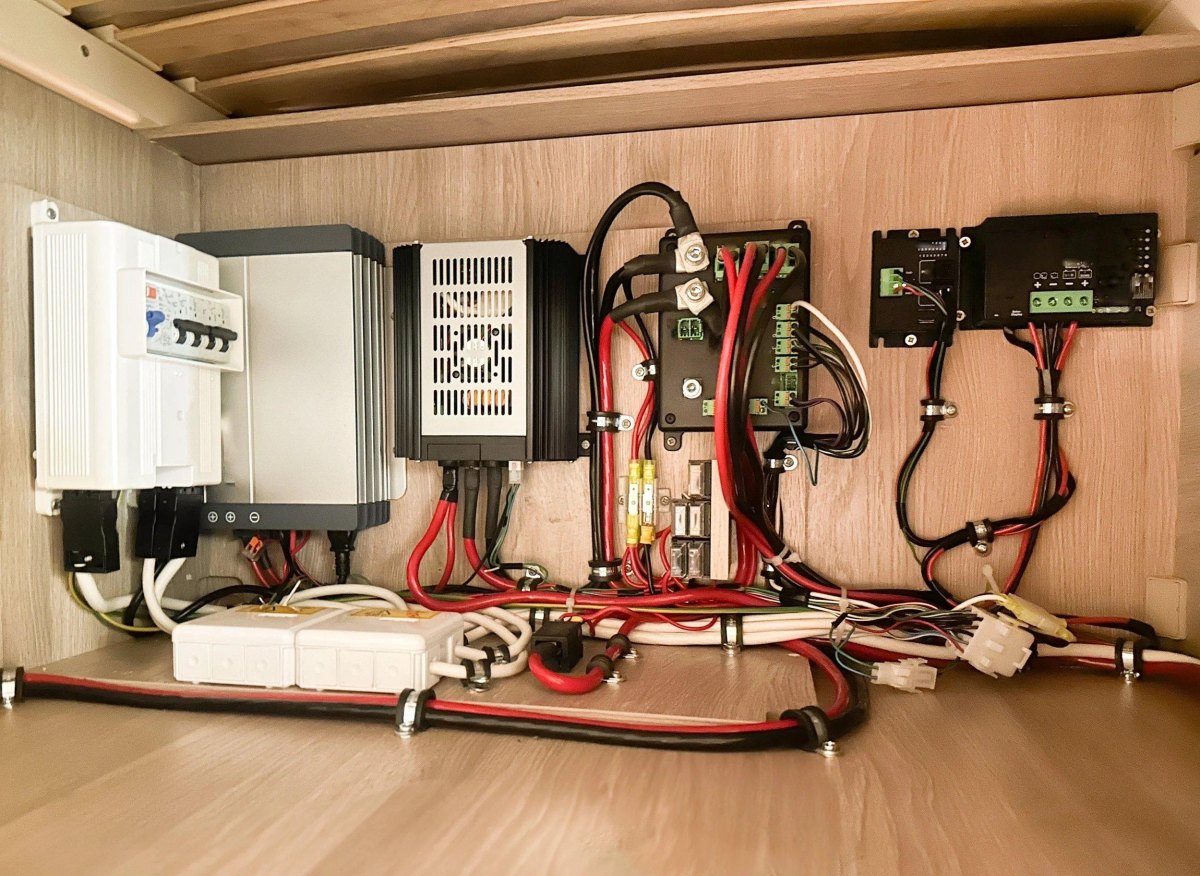
The inverter is what lets stored DC battery power run selected AC devices. Choosing one is a load-planning exercise: a coffee maker, induction cooktop, or power tool may require far more capacity than phones and lights.
A safe system includes correct wiring, fusing, and protection. AC electrical work and complex installations deserve careful attention because mistakes can create fire or shock hazards.
Off Grid RV Water Management System
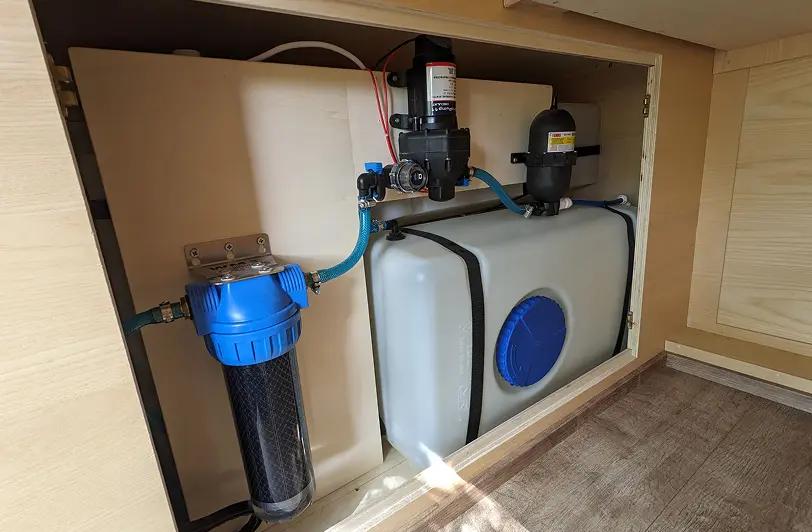
Water planning decides how long an RV can stay away from services. A good setup combines fresh water storage, efficient fixtures, filtration, and a realistic refill schedule.
The best upgrades are often simple: low-flow habits, fixing leaks quickly, and monitoring tank levels. A dependable RV water system reduces stress when the nearest dump station or potable source is many miles away.
Propane and Alternative Cooking Solutions

Cooking off-grid is usually a choice between propane, electricity, or a combination of both. Propane remains popular because it stores a lot of energy without demanding large battery capacity.
Any propane appliance system should be maintained according to manufacturer instructions. I do not recommend DIY work on LP lines or appliances; those repairs belong with a qualified technician.
Propane advantages
- Works without large battery banks
- Reliable for cooking and heating systems
Propane limitations
- Requires safety checks
- Needs proper ventilation and detectors
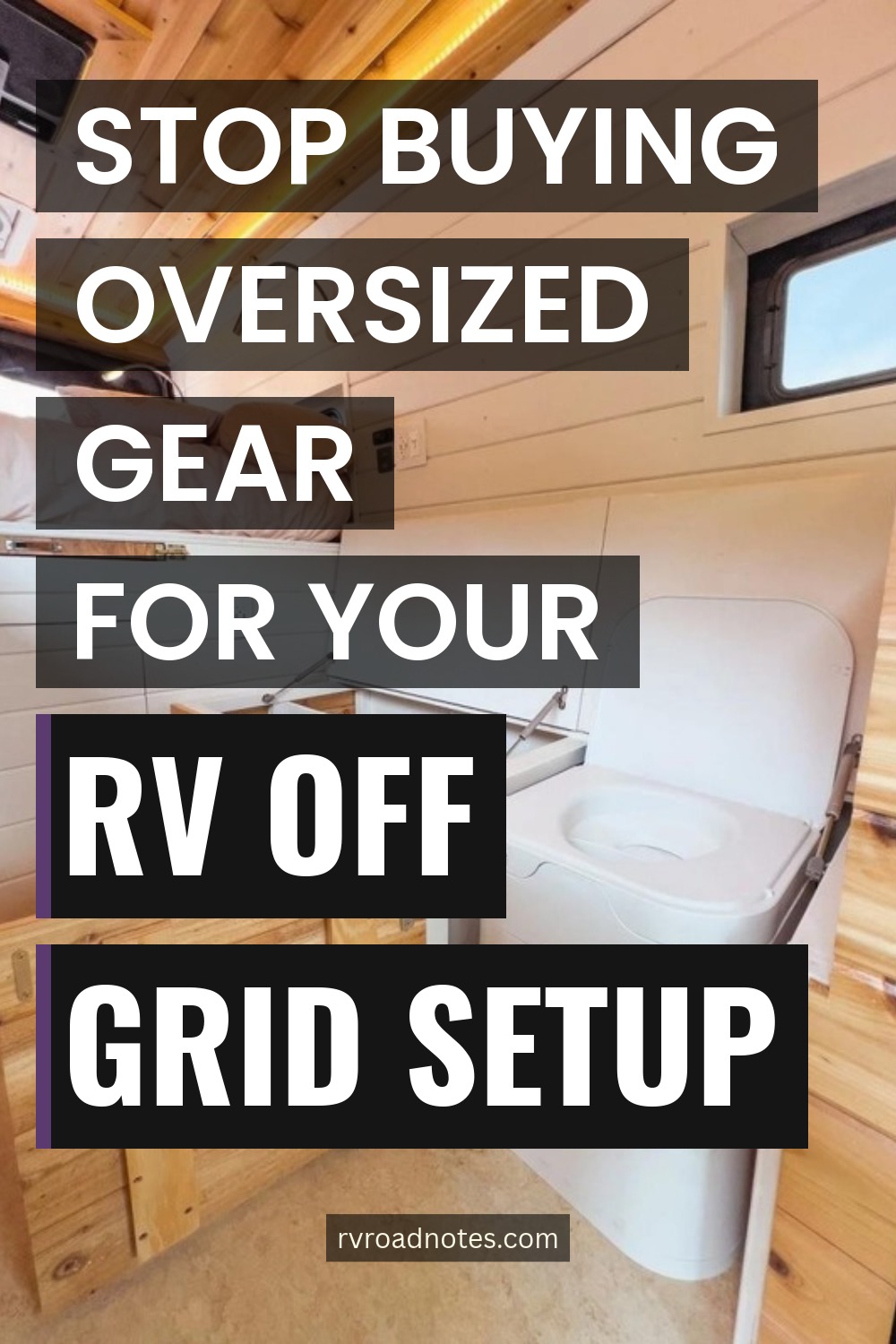
Composting Toilet and Waste Solutions
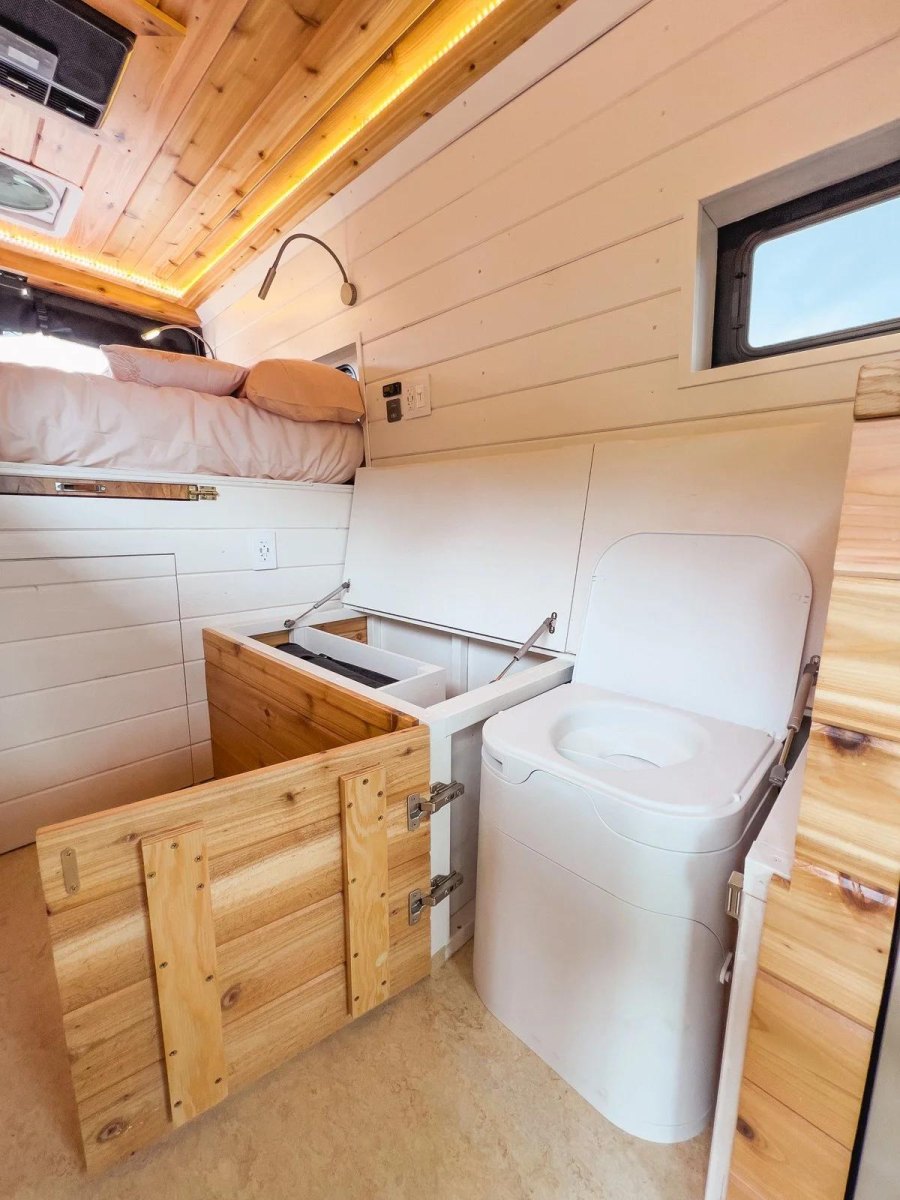
Waste management is one of the less glamorous parts of off-grid travel, but planning it properly makes remote camping much easier. Composting toilets can reduce black tank dependence when used and maintained correctly.
The right choice depends on your travel style, local regulations, and comfort level with maintenance. A waste management plan should always include legal disposal options for every waste stream.
Remember
Rules for human waste, grey water, and dumping vary by location. Check current land agency or campground requirements before staying.
Energy Efficient RV Appliances
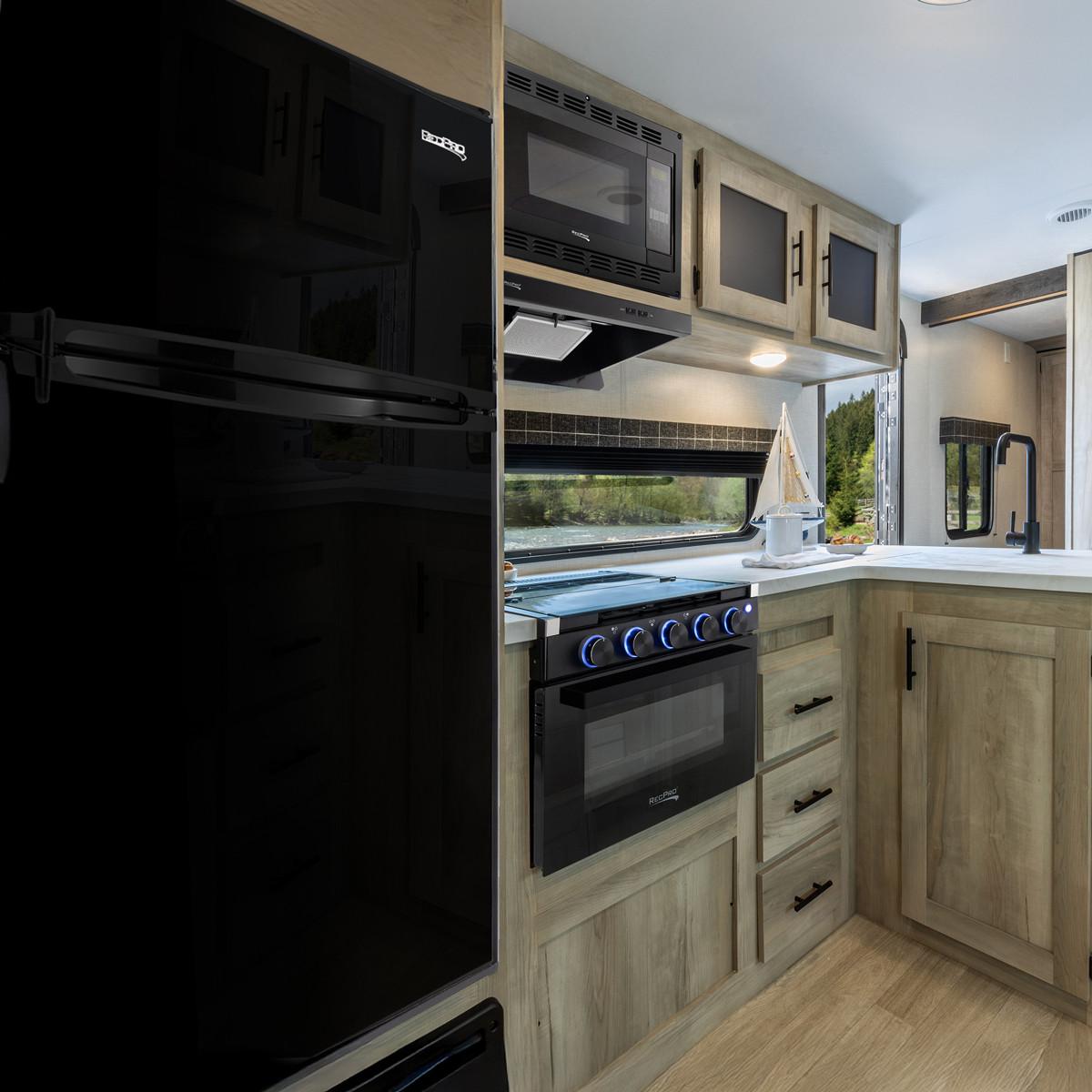
Off-grid comfort improves when every appliance uses energy wisely. Replacing inefficient equipment can sometimes save more power than adding another battery.
Common upgrades include efficient refrigeration, LED lighting, and low-power electronics. The best RV energy strategy starts by reducing unnecessary consumption before expanding generation.
Small changes matter
A refrigerator that cycles efficiently and a laptop charged during peak solar hours can make a noticeable difference over several days.
Internet and Communication While Off Grid
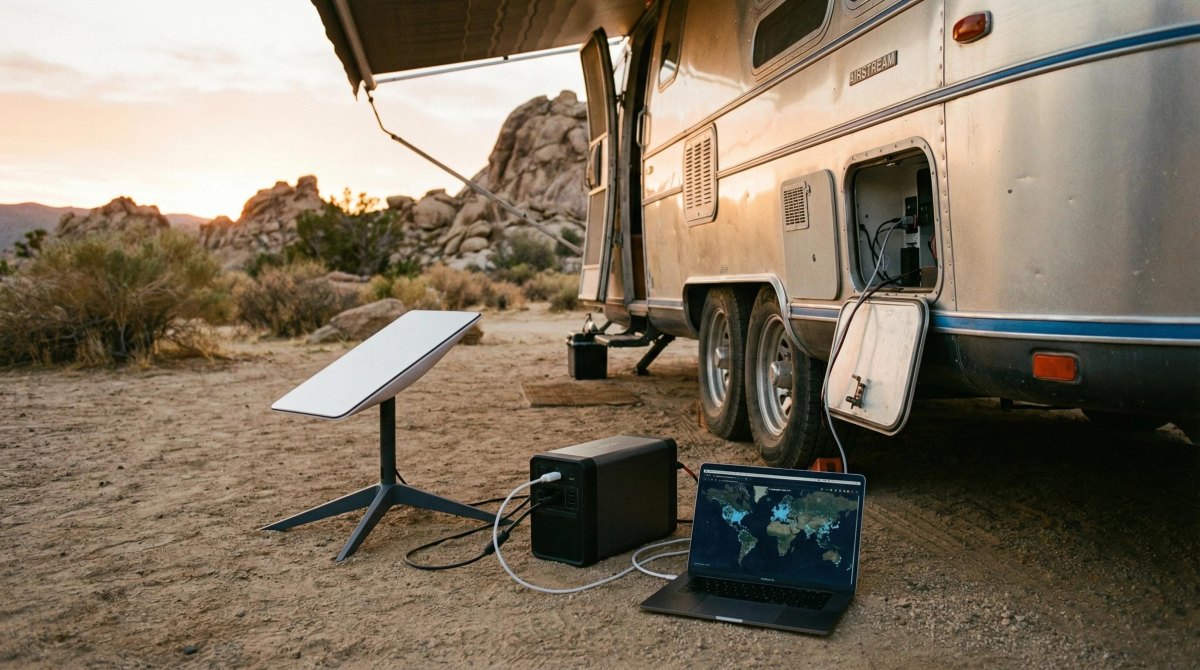
Remote travel does not always mean disconnecting completely. Many RV travelers need reliable communication for work, weather updates, navigation, and emergencies.
A strong off-grid communication setup usually combines more than one option, such as cellular coverage, satellite systems, and offline maps. No single service works everywhere.
| Option | Best use |
|---|---|
| Cellular | Areas with strong tower coverage |
| Satellite | Remote locations with open sky |
| Offline maps | Travel planning without signal |
Heating and Cooling for Remote RV Living
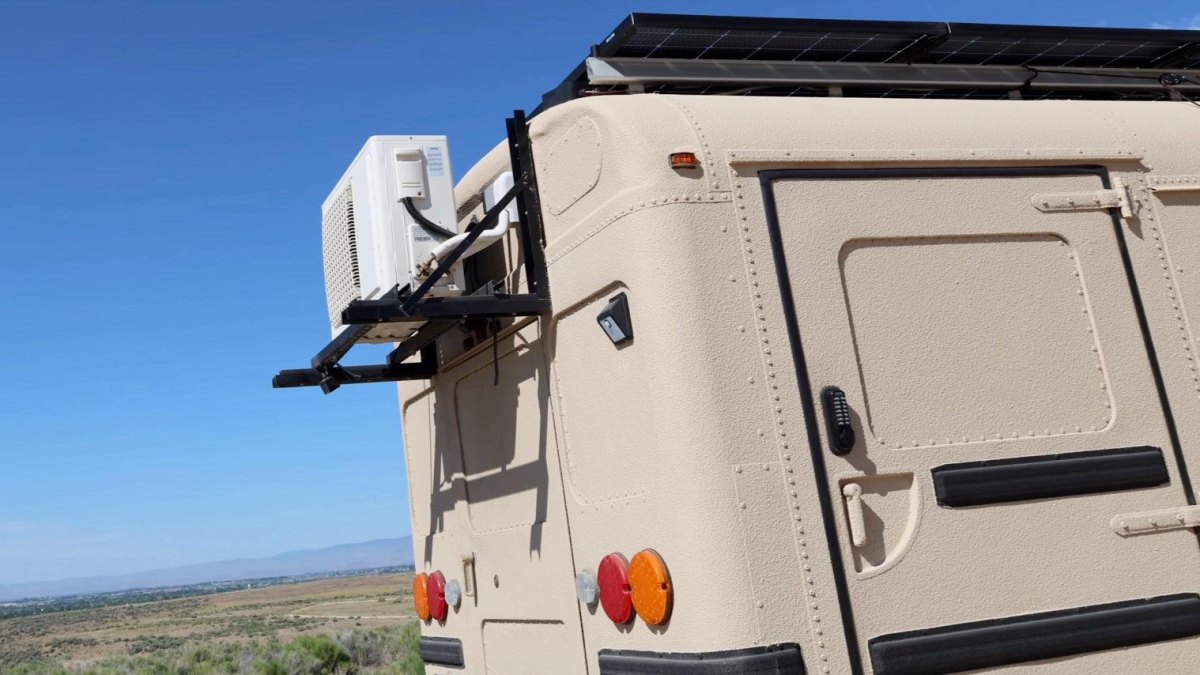
Temperature control is where many off-grid plans fail because heating and cooling can consume large amounts of energy. The right solution depends on climate, insulation, and available power.
Fuel-burning heaters and appliances require proper installation and ventilation. Never use a cooktop, oven, or unvented heater as cabin heat. A reliable RV climate plan includes safe equipment and backup options.
24/7
planning mindset needed for changing weather conditions
Complete RV Off Grid Setup in Remote Locations
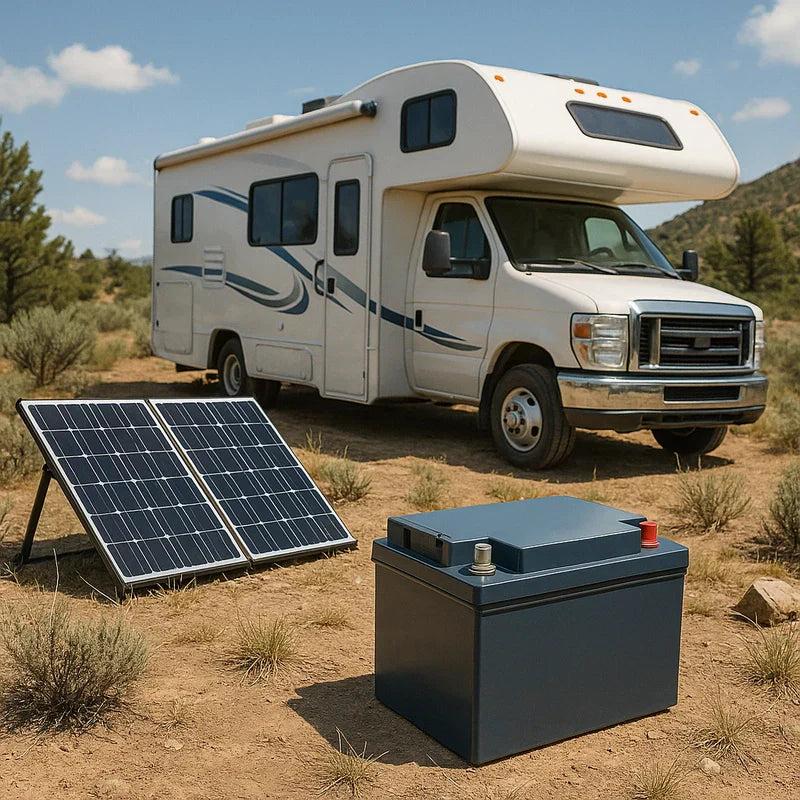
A complete off-grid RV build is a collection of systems that support each other. Solar, batteries, water, waste, cooking, and communication all need to match the way you camp.
Before leaving pavement, test everything close to services. A remote RV setup should be proven in small trips before depending on it far from help.
Final practical tip
The best off-grid RV is not the one with the most equipment. It is the one whose systems you understand and can maintain.
More Pinterest Visuals




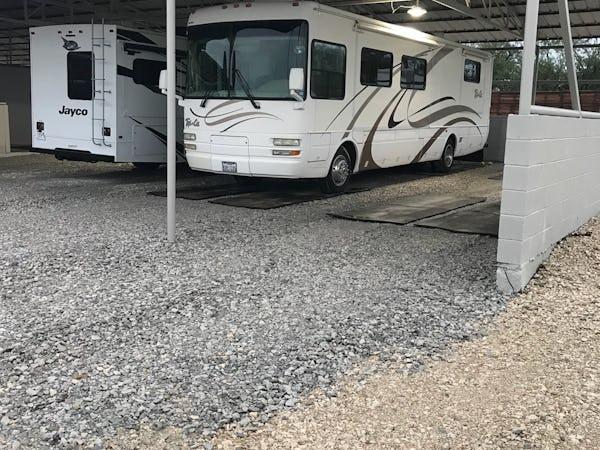 RV Maintenance & Care17 Essential RV Winter Storage Tips to Prevent Cold-Weather Damage
 RV Pet Travel11 RV Cat Tree Ideas That Make Small Spaces More Cat-Friendly
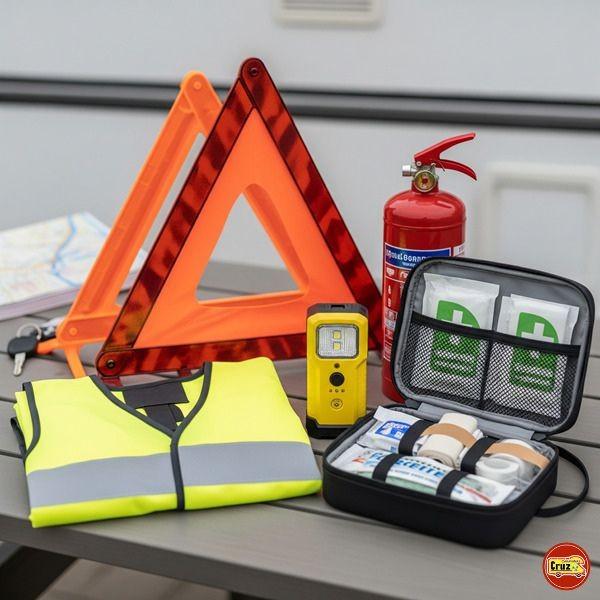 Camping Gear & Planning15 RV Must-Haves for Beginners to Camp Safely and Comfortably
 Camping Recipes18 Easy RV Camping Snacks Ideas for Road Trips and Campfire Nights