 30.09.2026
Boondocking gets easier when the systems behind the adventure are planned before the tires leave pavement. After years of dry camping, the biggest improvements usually come from small changes in water, power and preparation, not expensive upgrades.
This guide covers the habits that make remote camping more comfortable while respecting land rules, weather limits and the realities of traveling without hookups.
Finding the Best Free Campsites
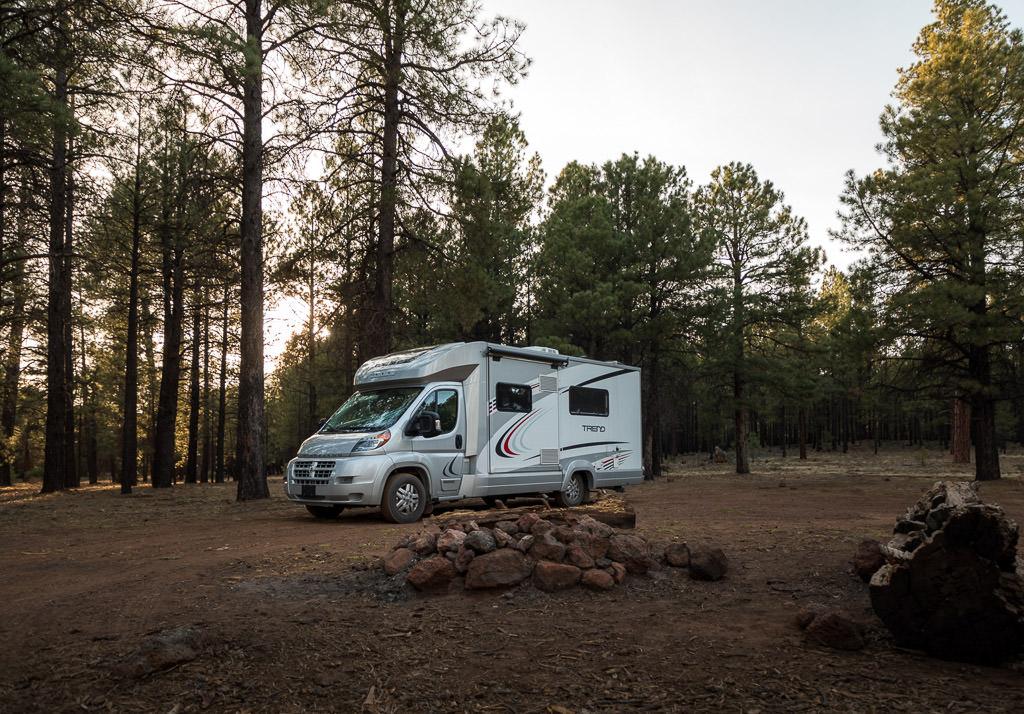
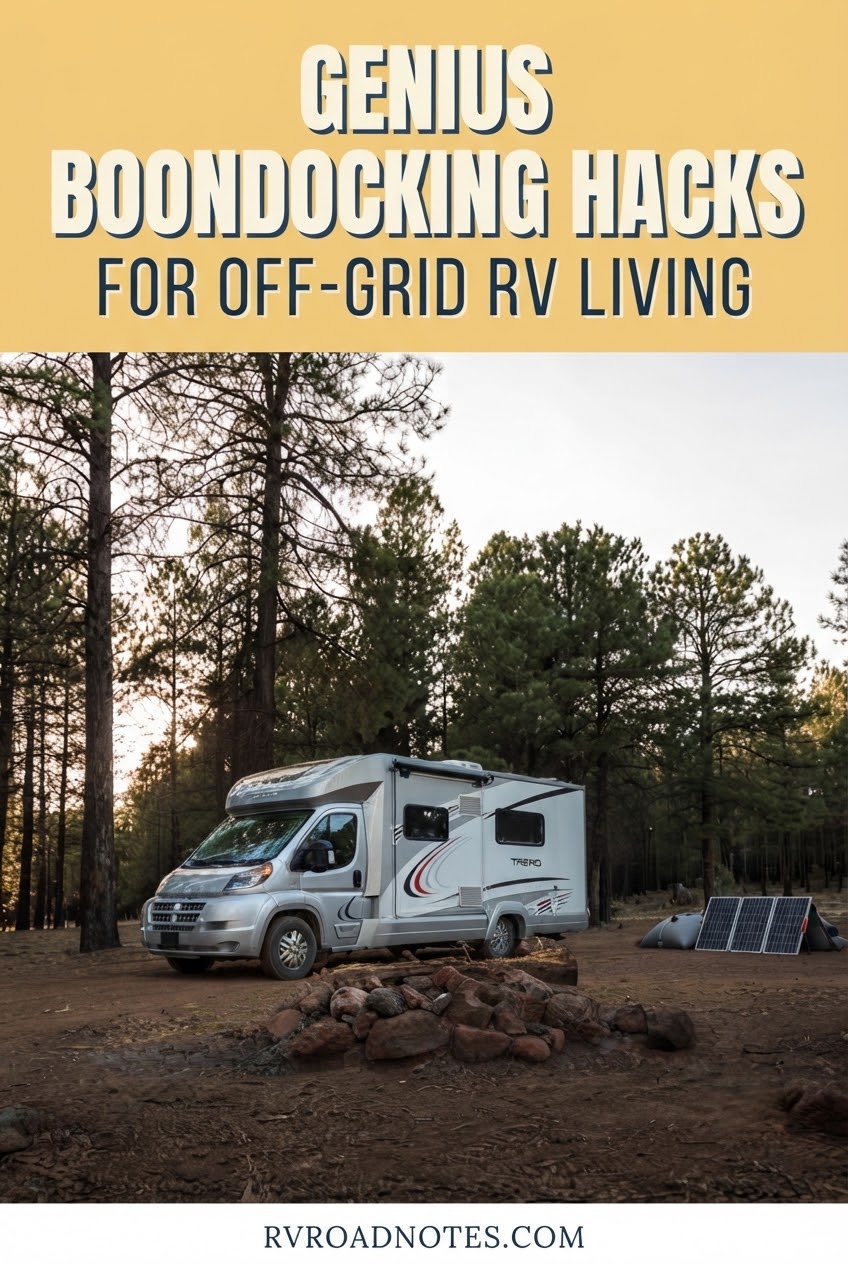
The best free campsites are usually found by checking land manager rules first, then scouting conditions on arrival. BLM dispersed camping often has location-specific rules, including common 14-day limits within a 28-day period.
My biggest boondocking campsite tip is simple: arrive with enough daylight to evaluate roads, clearance, slope and nearby resources.
Conserving Water Like a Pro
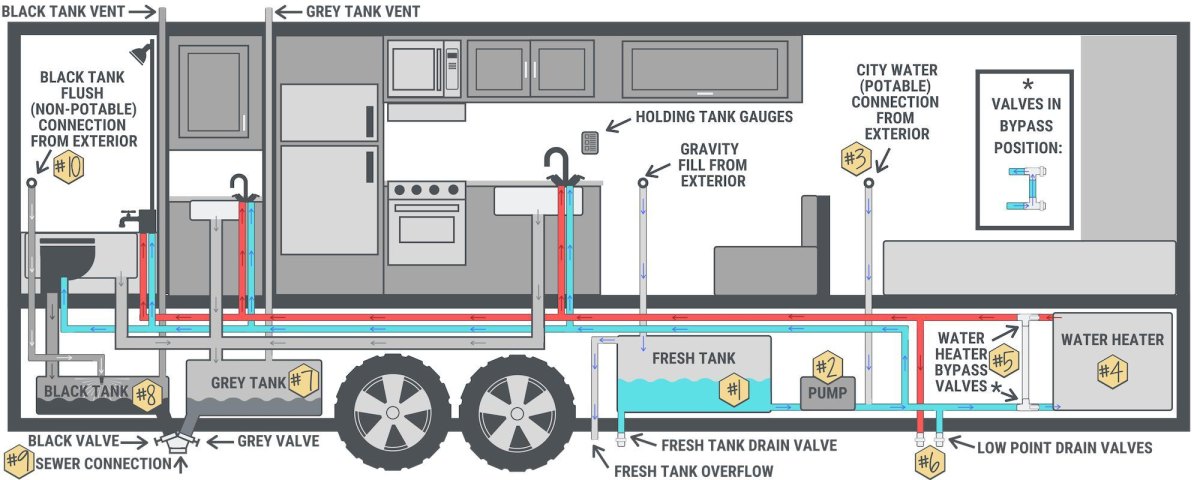
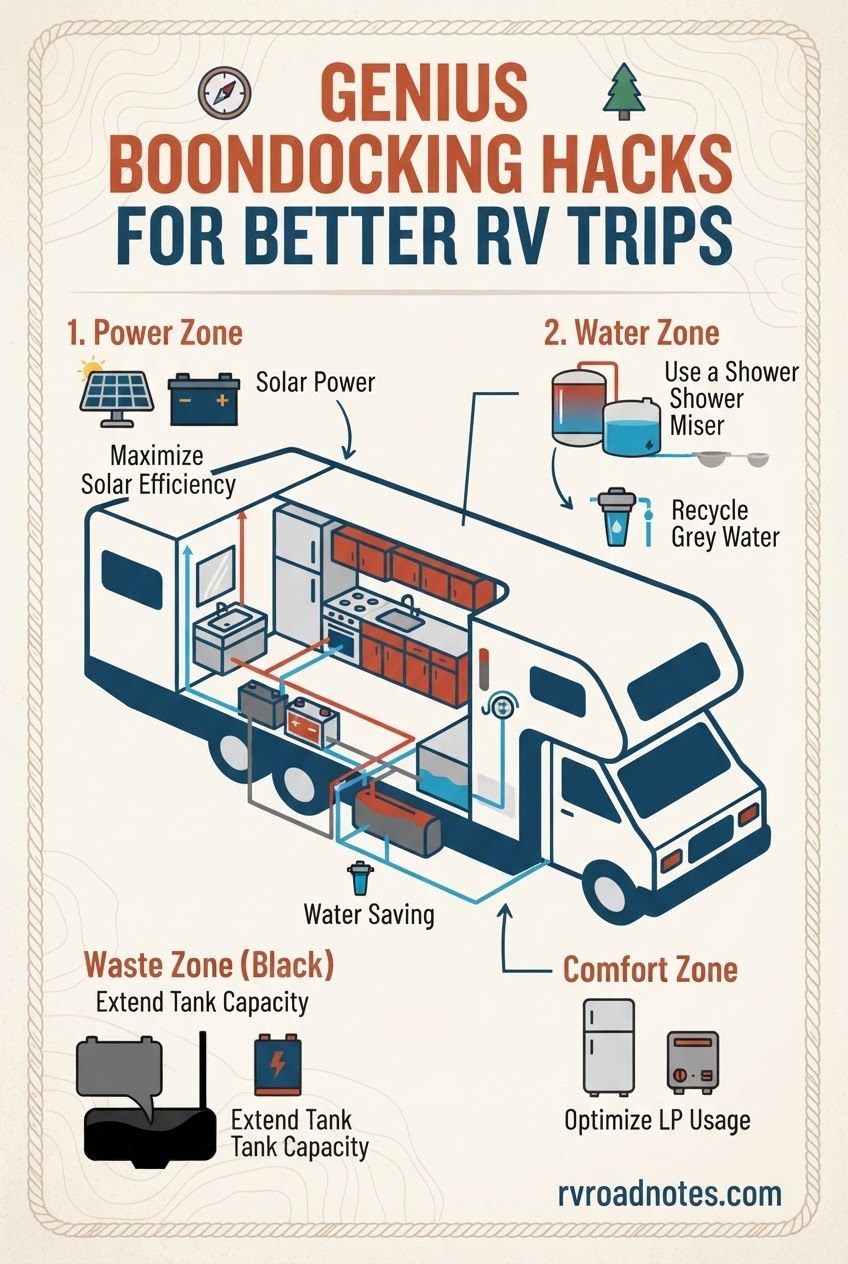
Water planning decides how long many rigs can stay comfortably. Short showers, efficient dishwashing and carrying safe drinking water separately can make a major difference.
- Track daily water use before leaving.
- Fix small leaks before remote trips.
- Use refill points that allow potable water access.
The key is protecting your fresh water supply while avoiding illegal dumping or damage to the campsite.
Maximizing Solar Power Efficiency
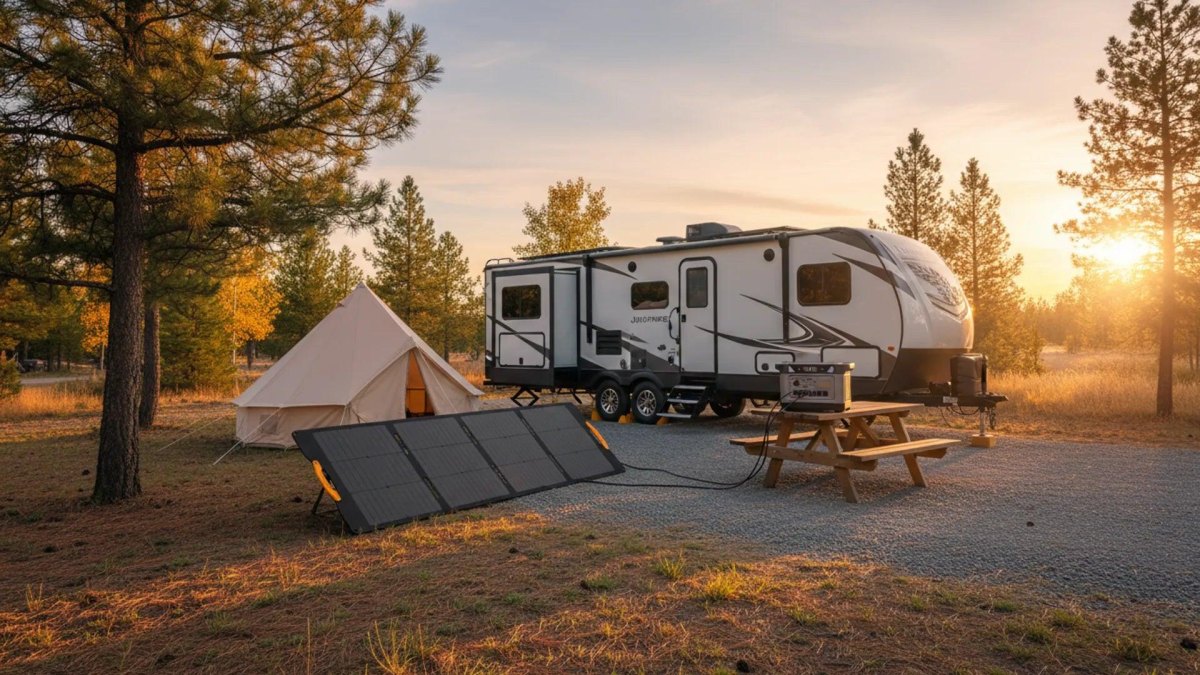
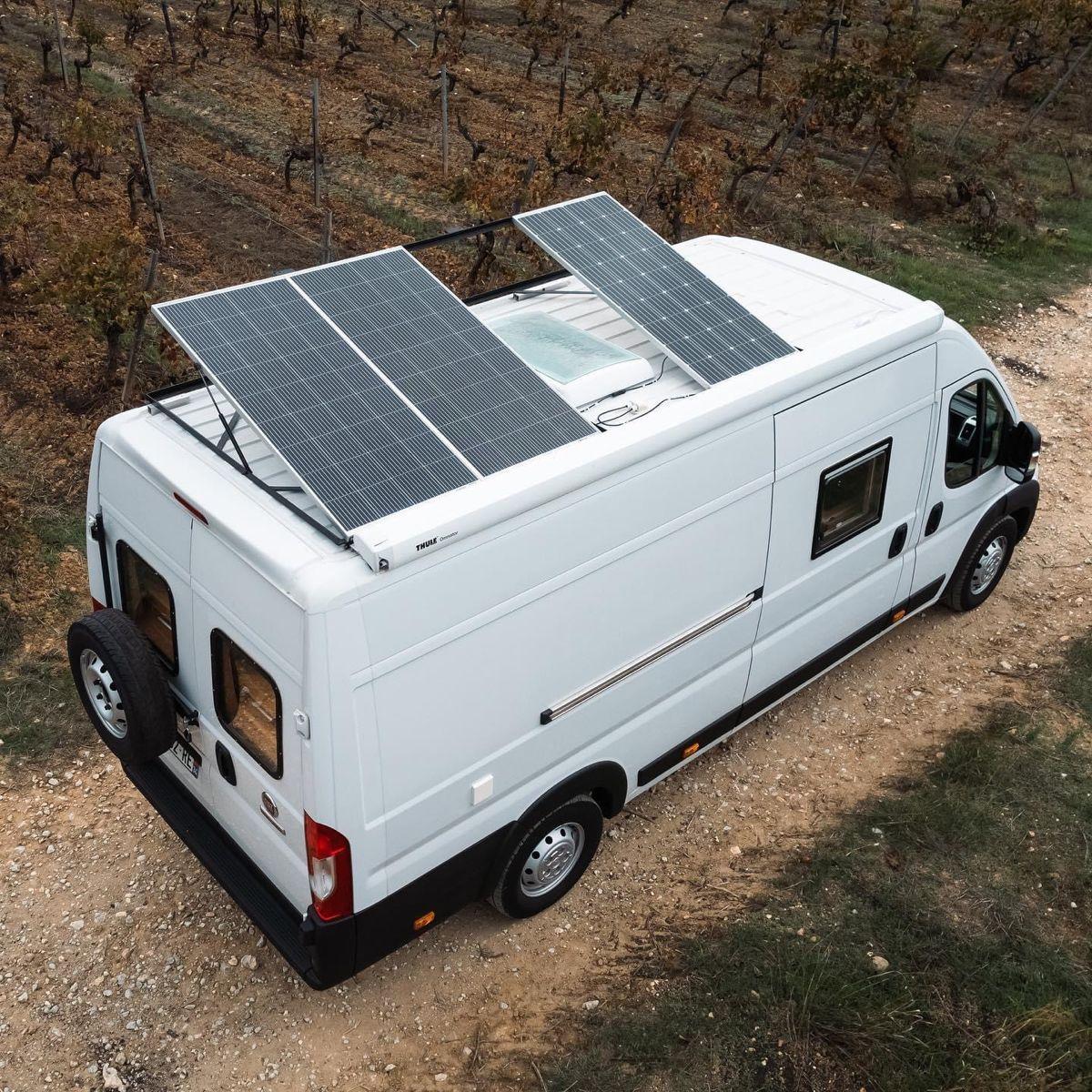
Solar works best when paired with realistic energy use. Panel size matters, but so does reducing unnecessary consumption during cloudy stretches.
A good solar power routine prevents the common mistake of adding panels while ignoring inefficient habits.
Extending Battery Life Off Grid
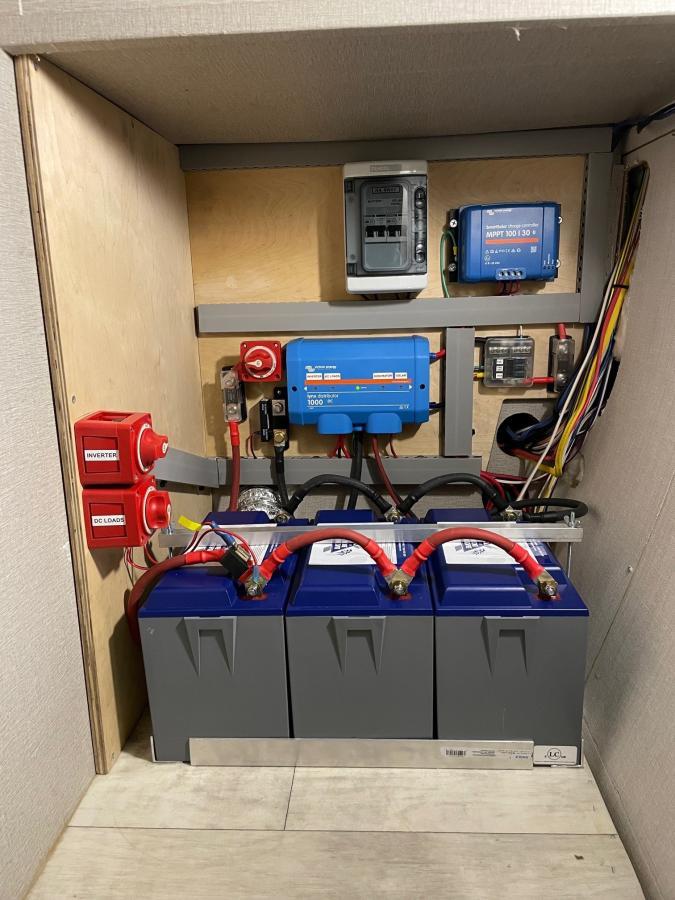
Batteries last longer when they are sized correctly, charged properly and not pushed beyond their limits. The owner's manual and battery specifications should guide settings.
Useful tip
Know your battery monitor readings before you need them in a remote location.Good battery management habits reduce surprises when there is no nearby power source.
Staying Connected Without Campground WiFi
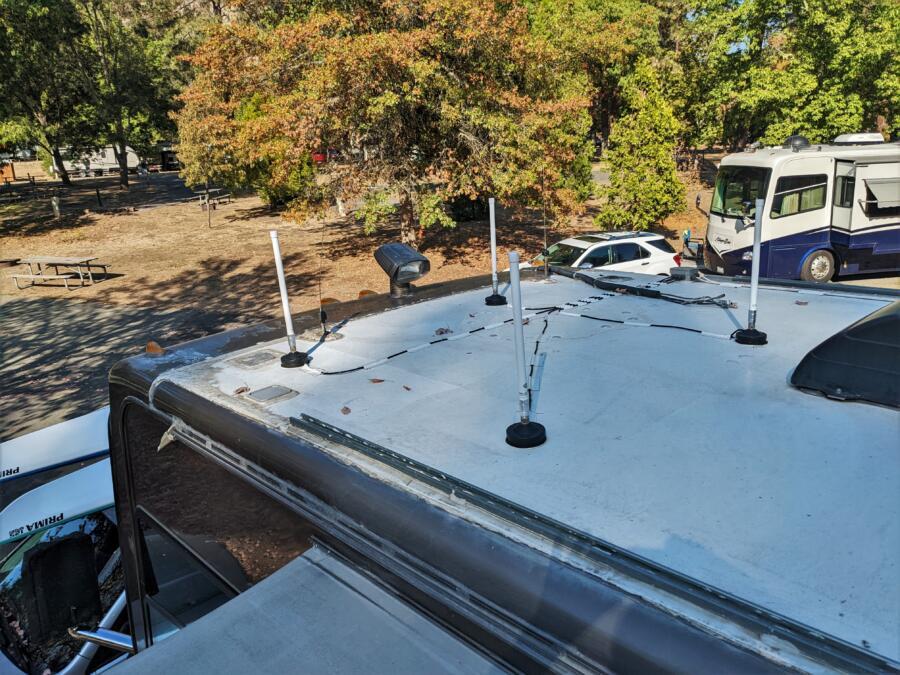
Campground WiFi is rarely a dependable primary connection. A better approach is checking carrier coverage, carrying backups and downloading important files before moving.
Benefits
- More location flexibility
- Better control over work sessions
Limitations
- Coverage gaps remain common
- Equipment adds cost
The best off-grid internet setup is the one tested before a deadline.
Cooking Efficiently While Boondocking
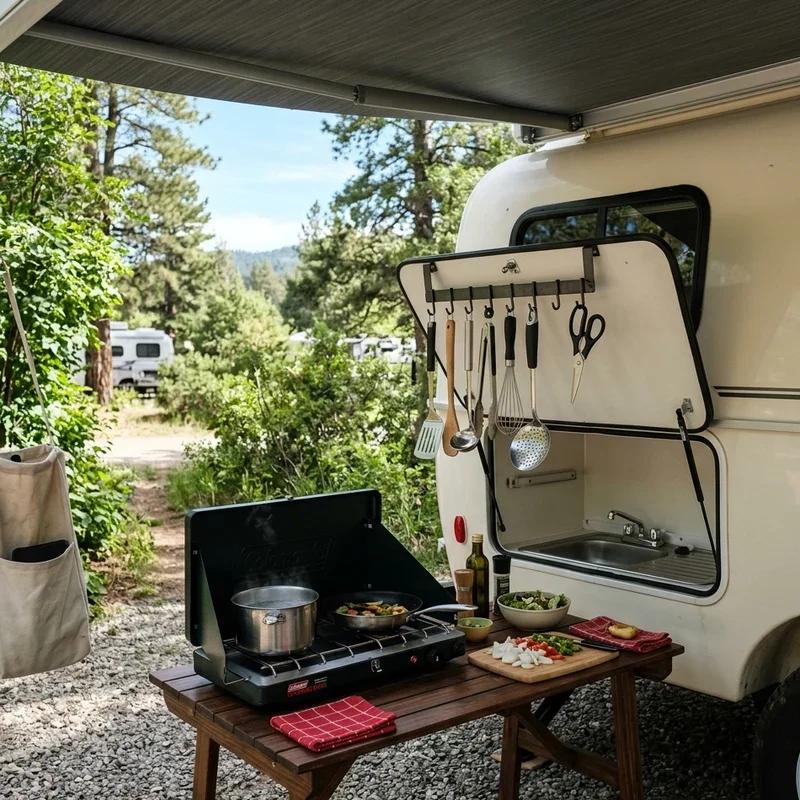
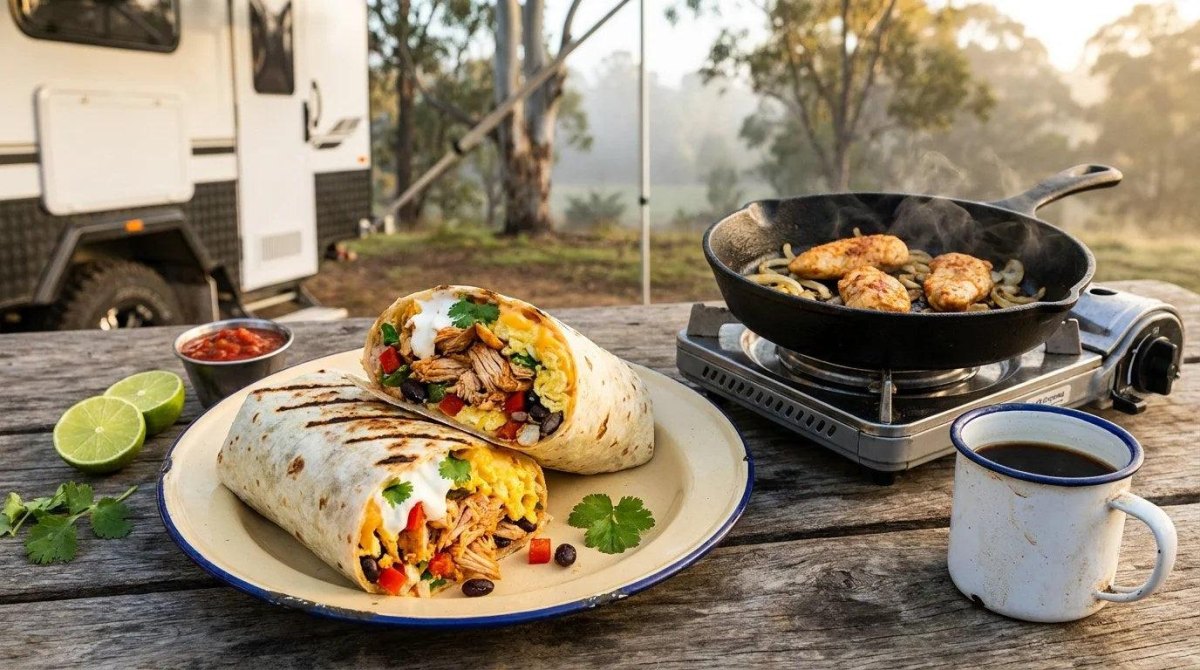
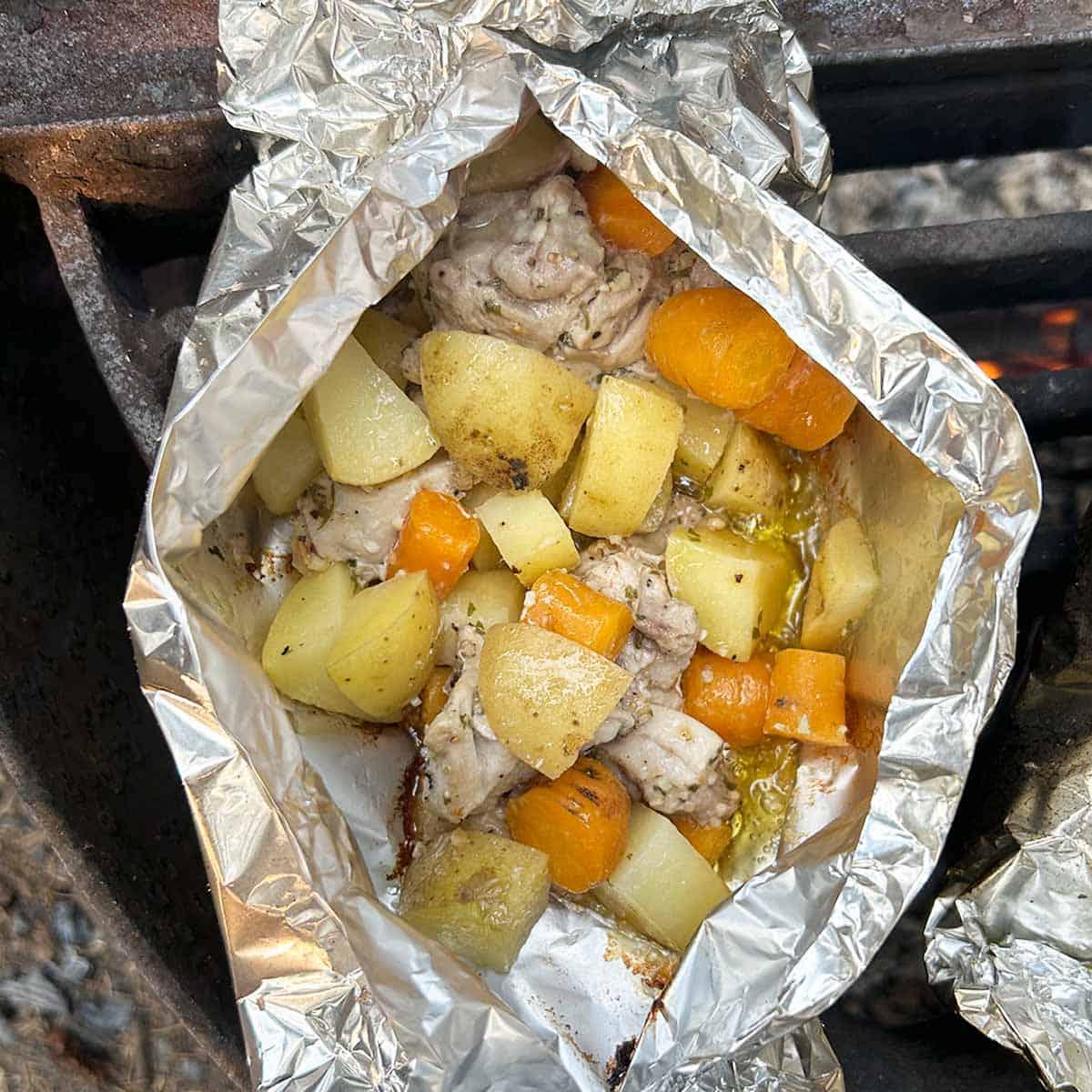
Boondocking meals work best when they use fewer dishes, less fuel and ingredients that store well. Planning meals before shopping avoids waste.
- Prepare. Portion ingredients before leaving.
- Cook. Choose meals that share cookware.
- Clean. Use minimal water afterward.
A practical camp cooking system saves both time and resources.
Keeping Food Fresh Off Grid
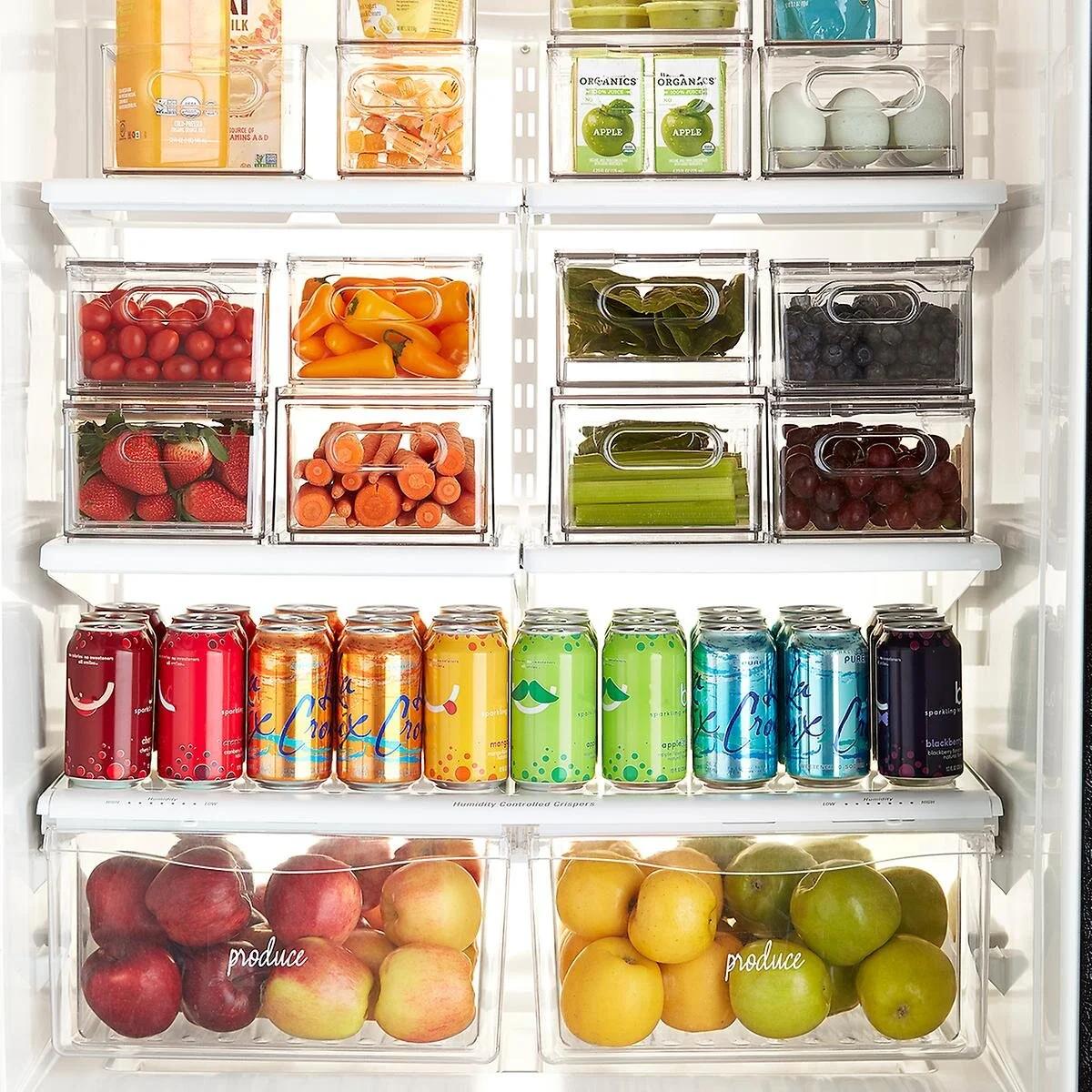
Food storage becomes more important when grocery runs are farther apart. A refrigerator should stay at 40°F or below for safe storage, according to USDA guidance.
Smart food organization methods make remote camping simpler.
Managing Waste and Grey Water
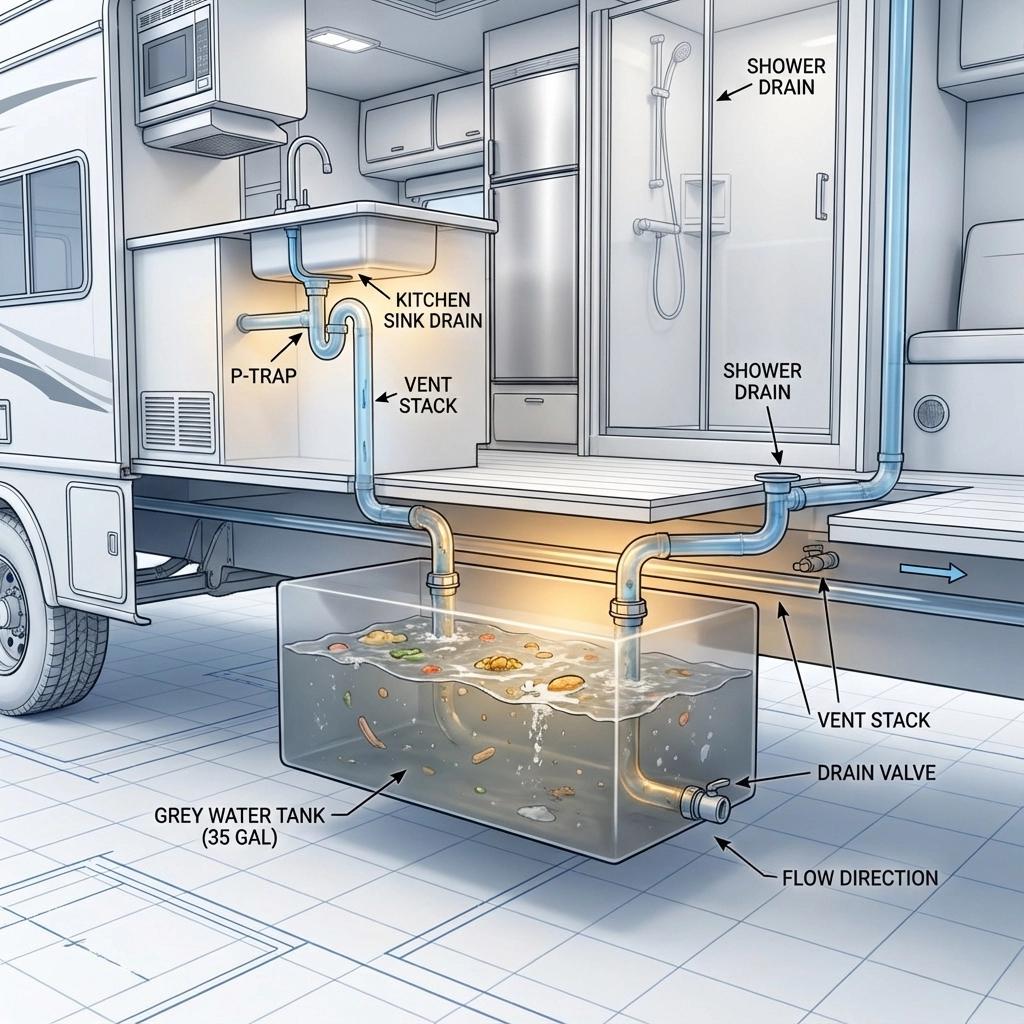
Grey water and waste handling are part of responsible boondocking. Rules vary by location, but dumping waste or grey water where prohibited can damage access for everyone.
Avoid this mistake
Never assume a remote location allows disposal. Check local rules first.The best waste management plan includes dump station stops before tanks become a problem.
Creating a Comfortable Sleeping Setup
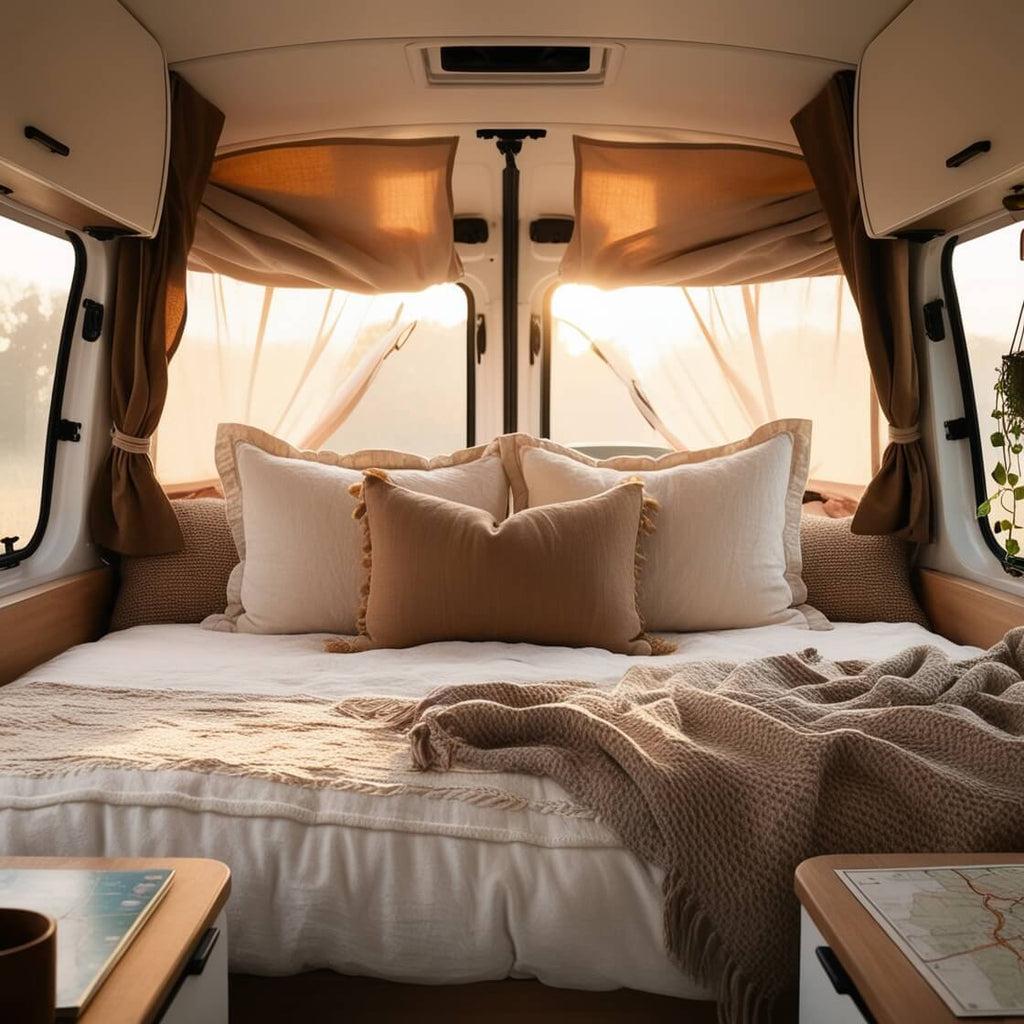
Sleep quality affects every part of an off-grid trip. A level sleeping surface, proper ventilation and temperature planning usually matter more than decorative upgrades.
Small upgrade that matters
A reliable bedding setup reduces daily friction and makes moving camps easier.
A comfortable RV sleeping arrangement helps you enjoy longer stays away from hookups.
Preparing for Remote Weather Conditions
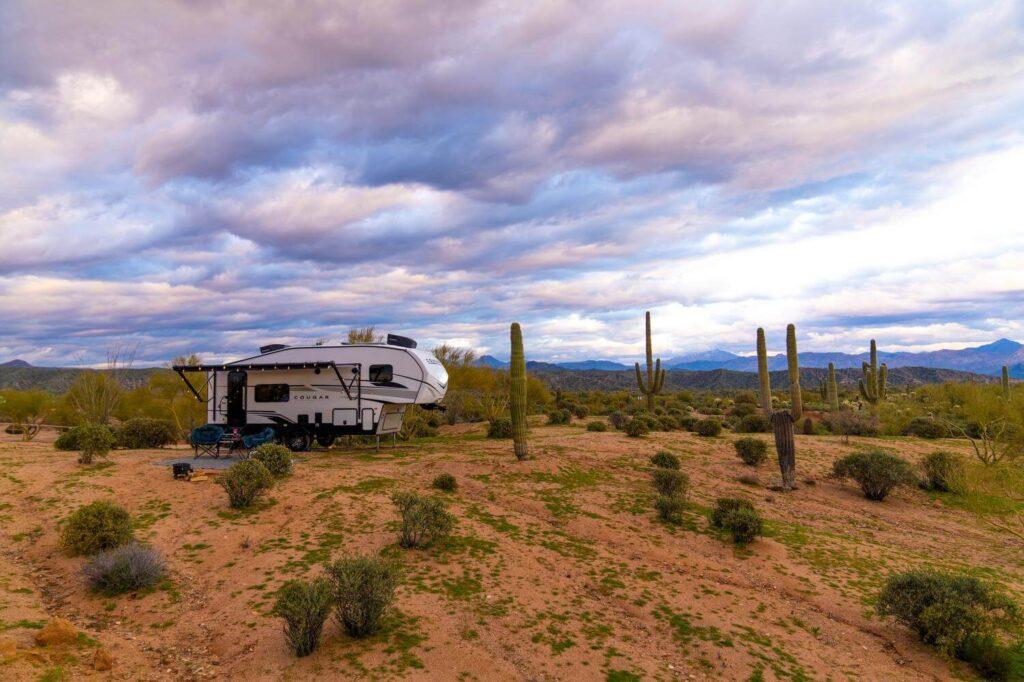
Remote camping requires checking forecasts and having an exit plan. National Park Service guidance recommends preparing for changing conditions and adjusting plans when weather becomes unsafe.
| Condition | Preparation |
|---|---|
| Heat | Shade, water and ventilation |
| Cold | Insulation and safe heating plans |
The best weather preparation habit is leaving before conditions become a crisis.
Improving Camp Safety and Security
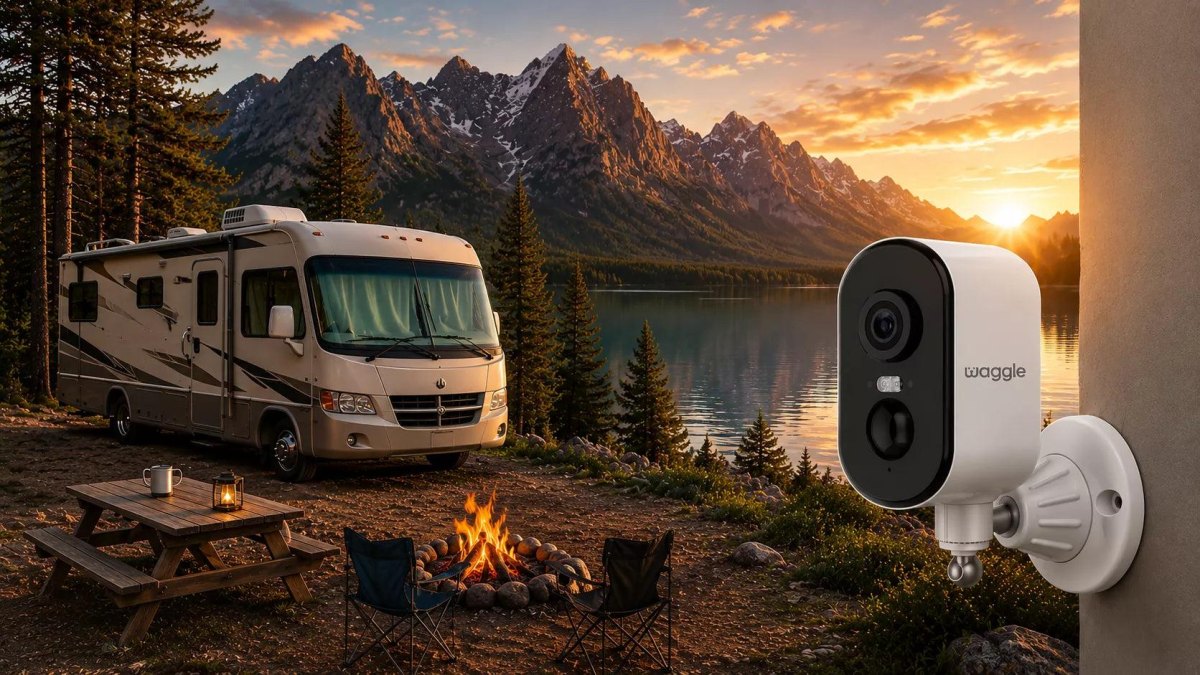
Safety starts with simple checks: know your route, keep communication options available and maintain working detectors. Generators must never be operated near windows, vents or enclosed areas because carbon monoxide can be deadly.
A calm camp safety routine is more useful than carrying unnecessary gear.
Packing Essential Boondocking Gear
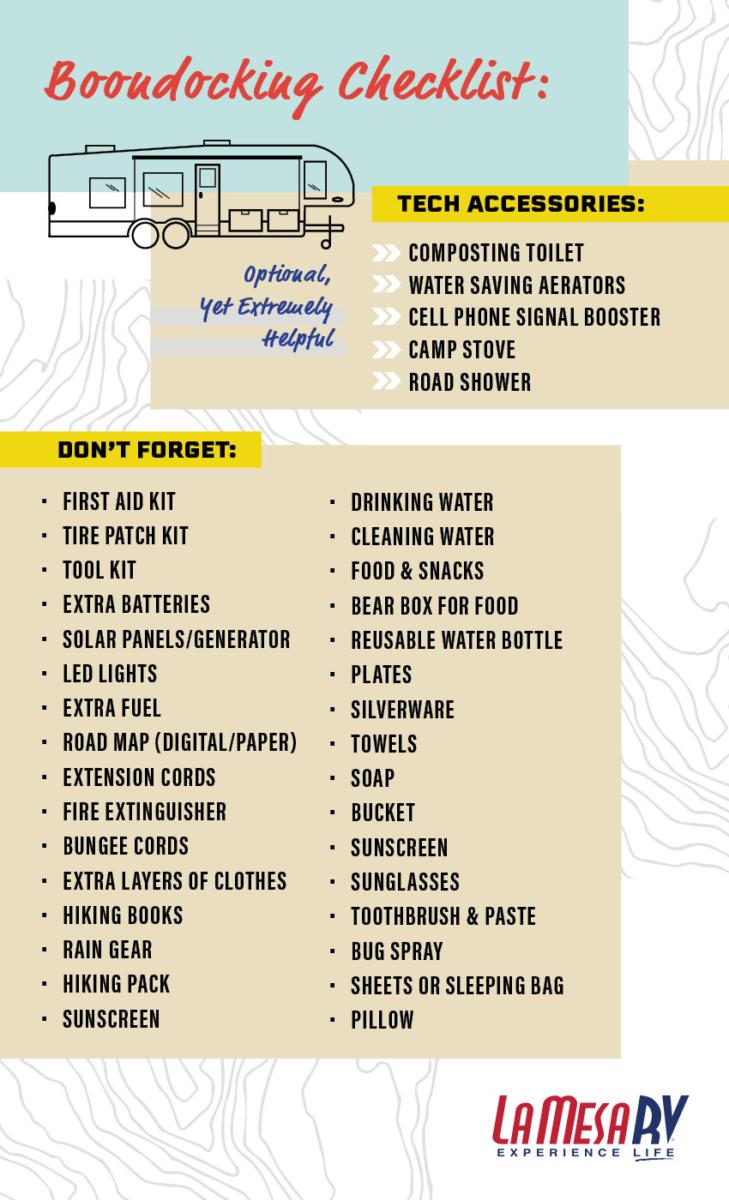
Packing for boondocking is about reliability, not filling every storage compartment. The right tools solve common problems without adding unnecessary weight.
Good boondocking gear choices keep the trip flexible and manageable.
More Pinterest Visuals