

Leaving an RV campsite looks simple until one loose cabinet door, forgotten power cord, or low tire turns into a roadside problem. A repeatable RV departure checklist keeps the small details from relying on memory.
I use a fixed walkaround order because the safest departure is the boring one: the same checks, every time, before the wheels move. General RV teardown checklists commonly group tasks around utilities, interior security, exterior inspection, and towing connections.
Check Exterior Walkaround
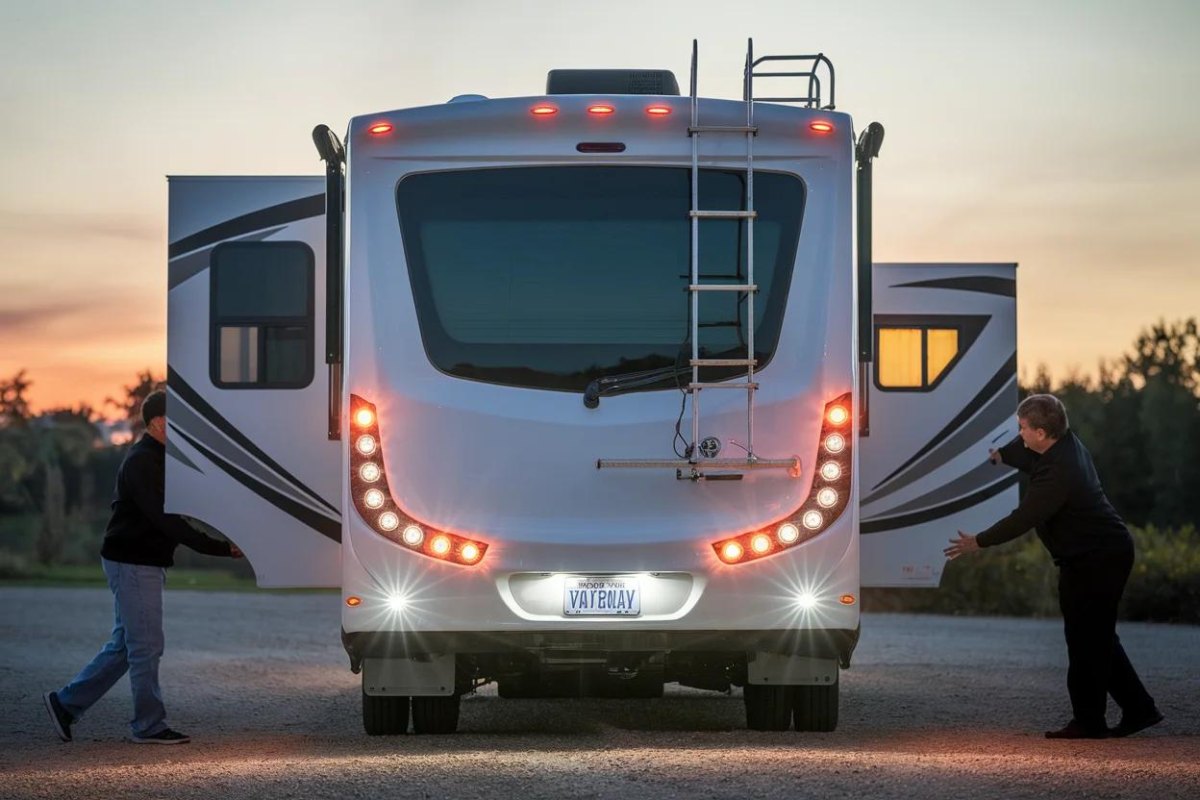
A full exterior walkaround catches problems before they become expensive. Look at compartments, doors, steps, slides, jacks, and anything that changed during your stay. Exterior inspection is especially important after windy weather or uneven campsites.
Walk the same direction every time so you do not skip a side. I prefer a slow circle around the RV rather than a quick glance from the driver's seat.
Secure Interior Items
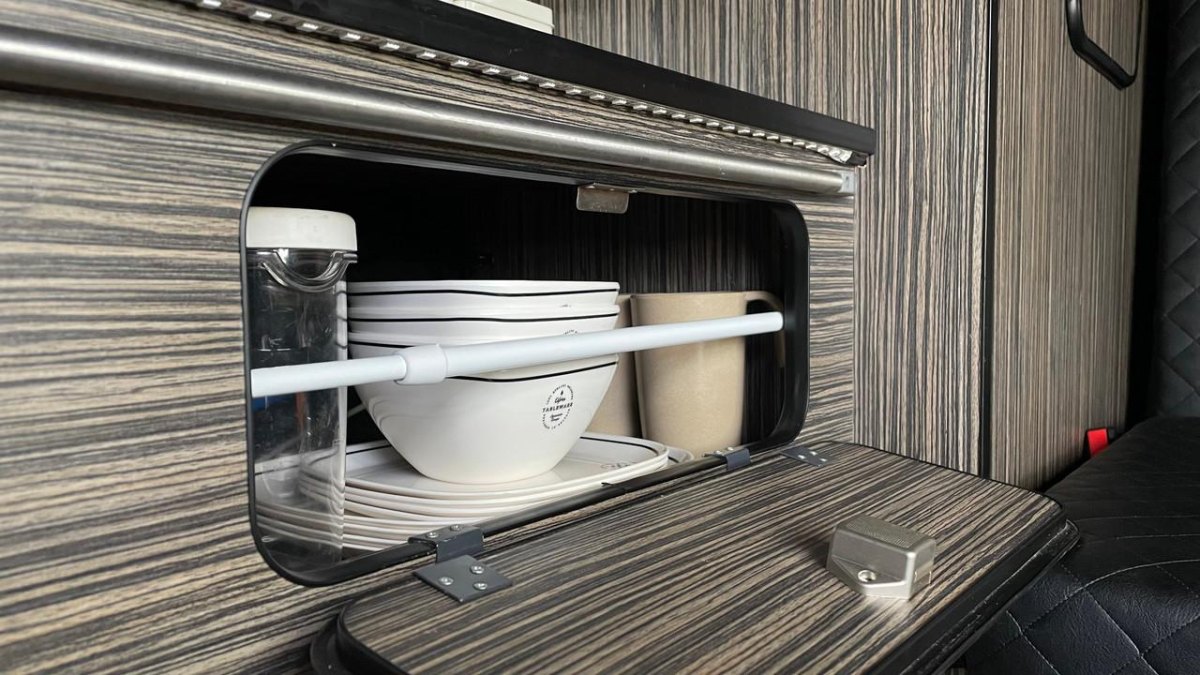
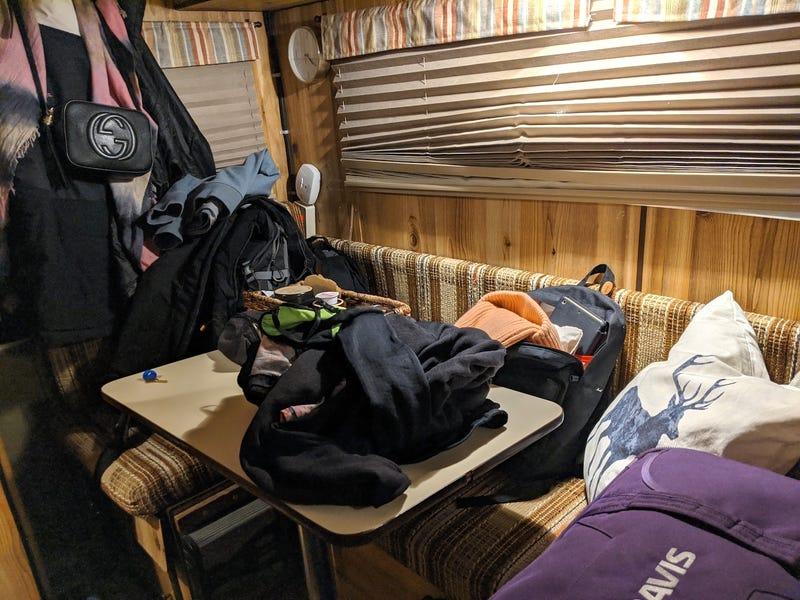
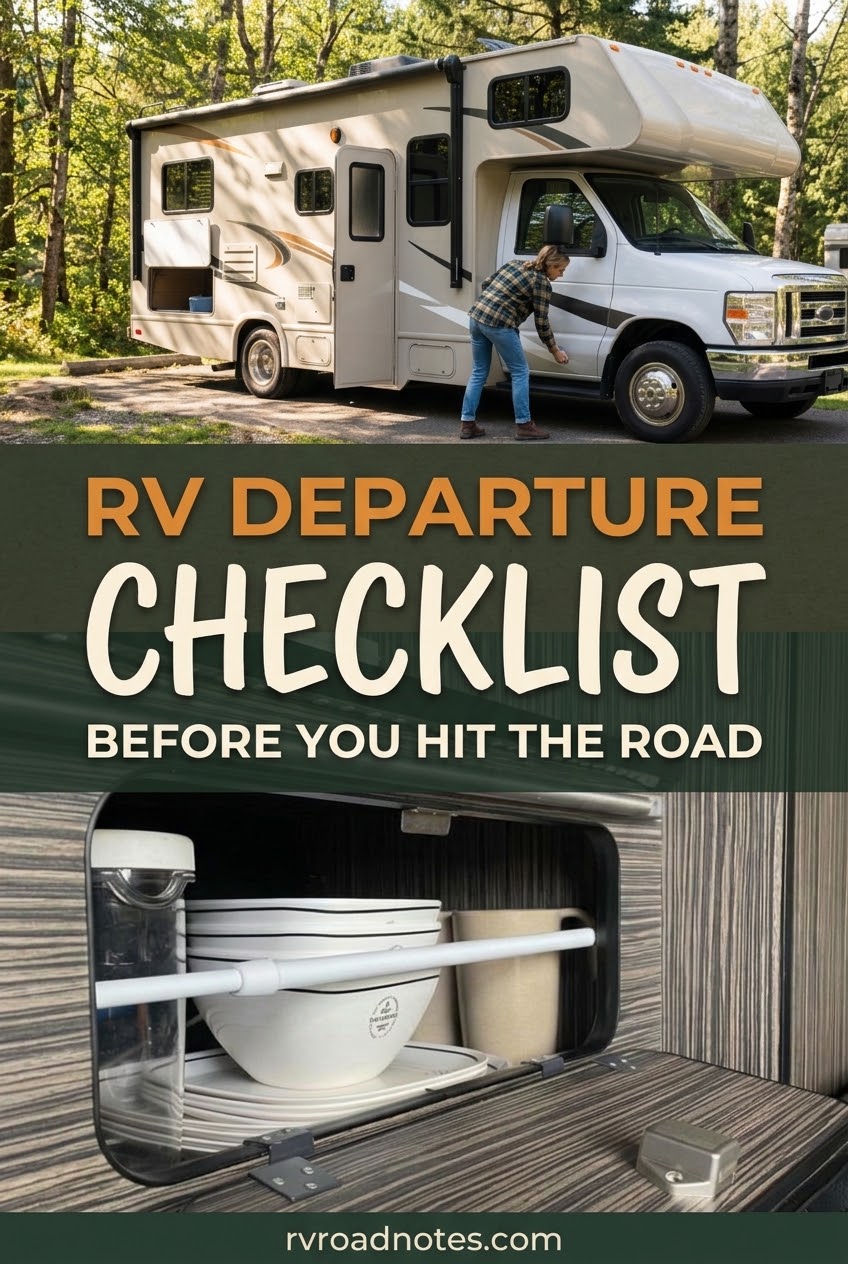
Anything that can move will eventually find a way to move. Secure dishes, pantry items, electronics, and cabinet contents before pulling away. Interior security prevents damage during turns and braking.
Open each cabinet once before departure and check that doors latch properly. A coffee mug can become a projectile faster than most people expect.
Disconnect Utilities
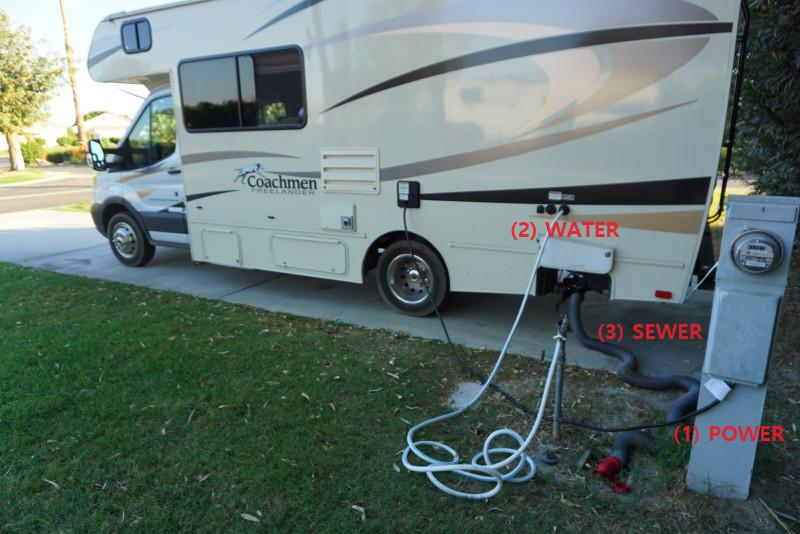
Utility disconnects should happen in a deliberate order. Remove shore power, disconnect water, handle sewer equipment according to local dump station rules, and store every hose and cord. Utility shutdown is one of the most commonly missed departure steps.
Never leave campsite connections behind. A final look at the hookup area before driving away saves a lot of embarrassment.
Retract Awnings
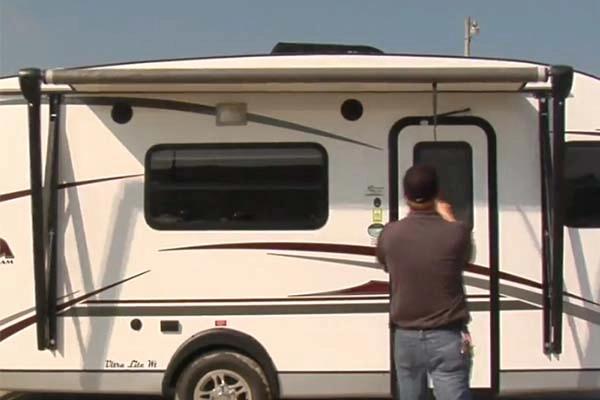
Awnings are convenient but fragile when exposed while traveling. Fully retract them, secure the locking mechanisms, and check that nothing is caught in the arms. Awning storage belongs near the end of the outside routine.
Even a short drive across a campground deserves this check. Wind damage does not wait for highway speeds.
Stow Outdoor Gear
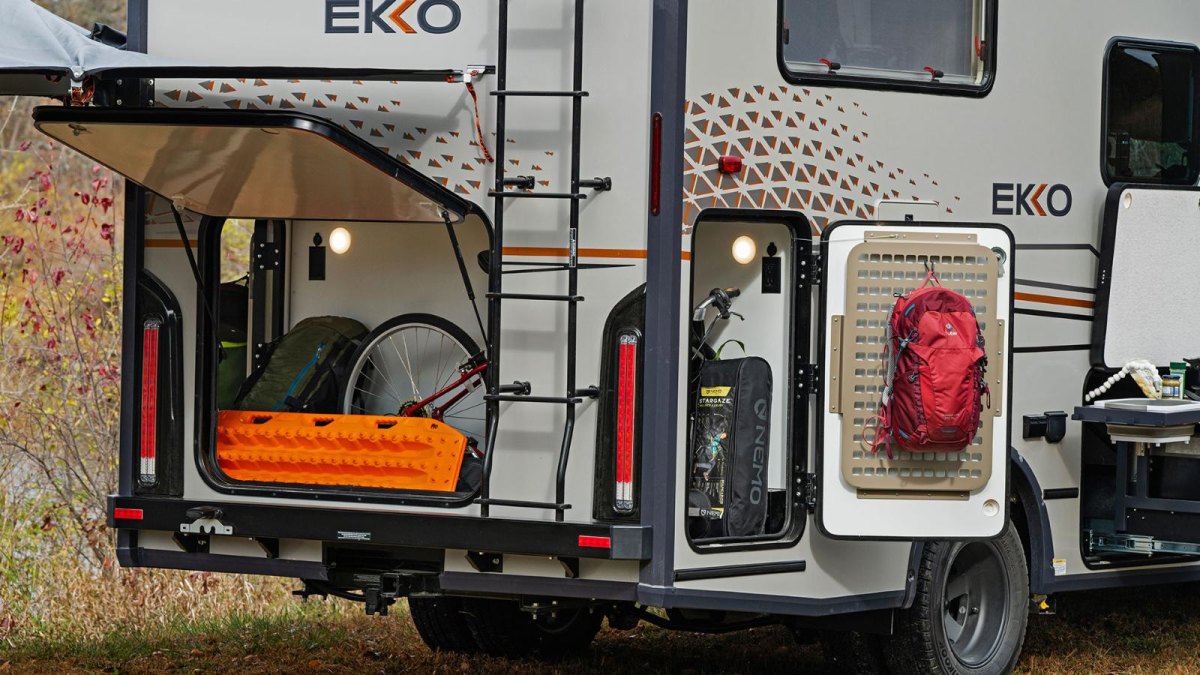
Chairs, mats, grills, hoses, and camp equipment need a dedicated storage place before departure. Outdoor gear storage keeps loose objects from becoming hazards.
I also check under the RV and around the campsite. Small items are easy to overlook when breaking camp quickly.
Check Tires and Wheels
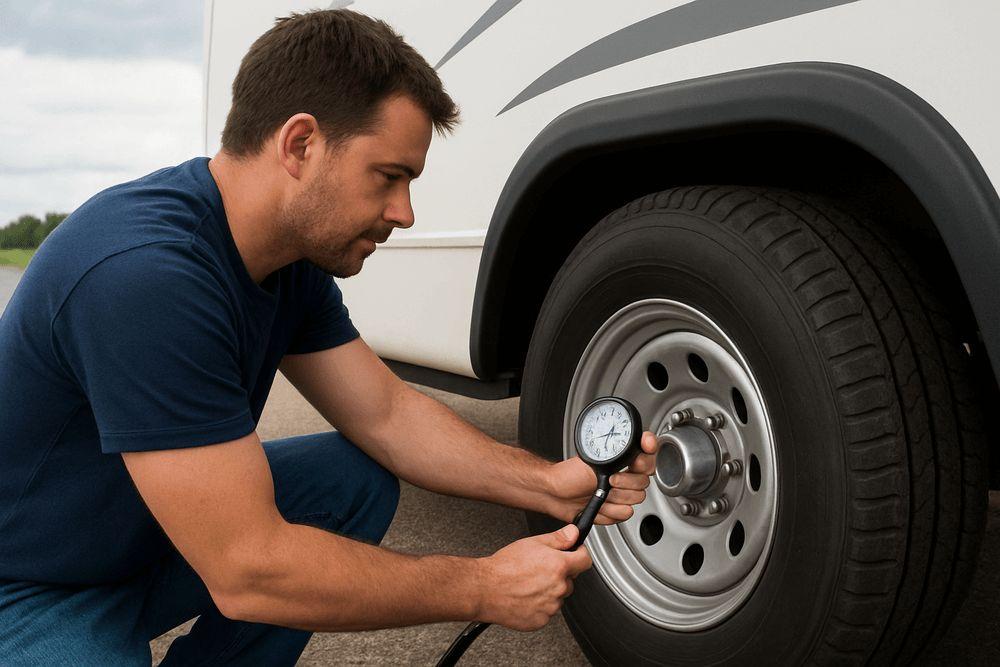
Tires deserve attention before every travel day. Check pressure when tires are cold, inspect for visible damage, and confirm the tire rating matches the load. Tire condition matters even when tread looks fine because age and heat affect RV tires.
Do not use a tire pressure number from memory. Follow the vehicle or tire manufacturer guidance for your setup.
Safety note
Do not continue driving on a damaged tire or overloaded setup. Stop and address the problem before travel.
Verify Hitch and Coupling
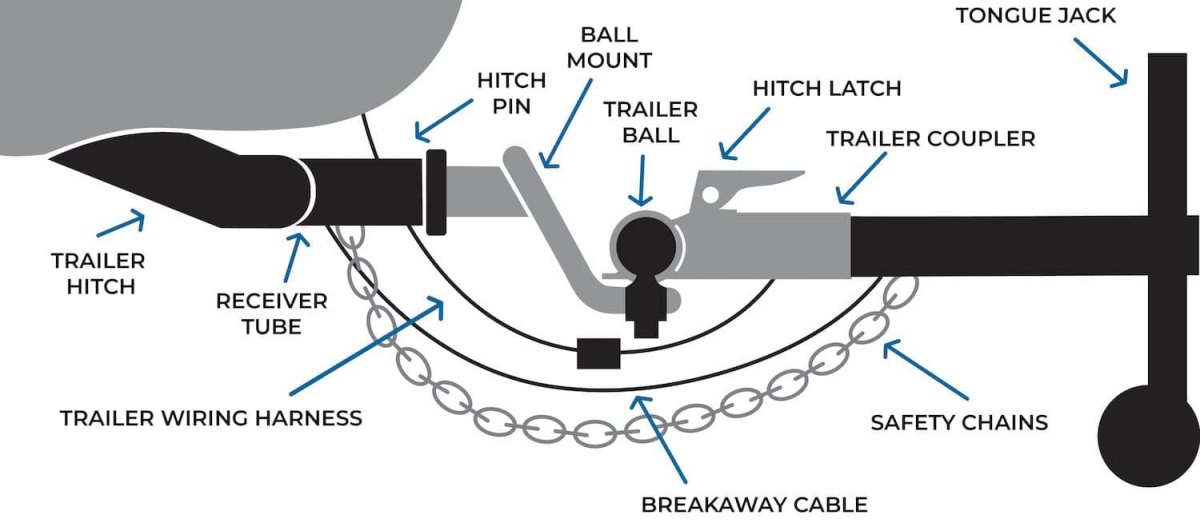
Towable RV owners need a careful hitch check before moving. Confirm the connection, safety chains, breakaway cable, and electrical connection are properly attached. Hitch verification is a safety step, not a quick visual habit.
Weight limits are limits, not suggestions. Stay within the ratings for the tow vehicle and trailer.
Inspect Lights and Signals
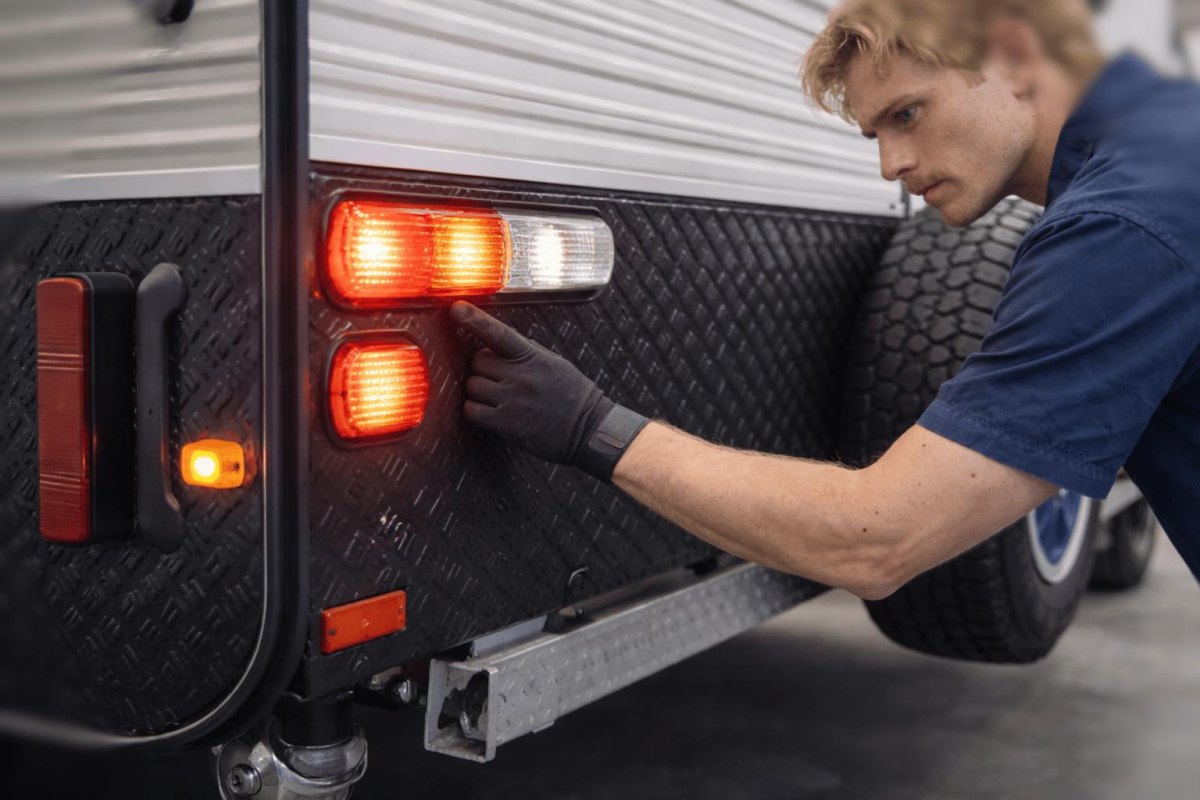
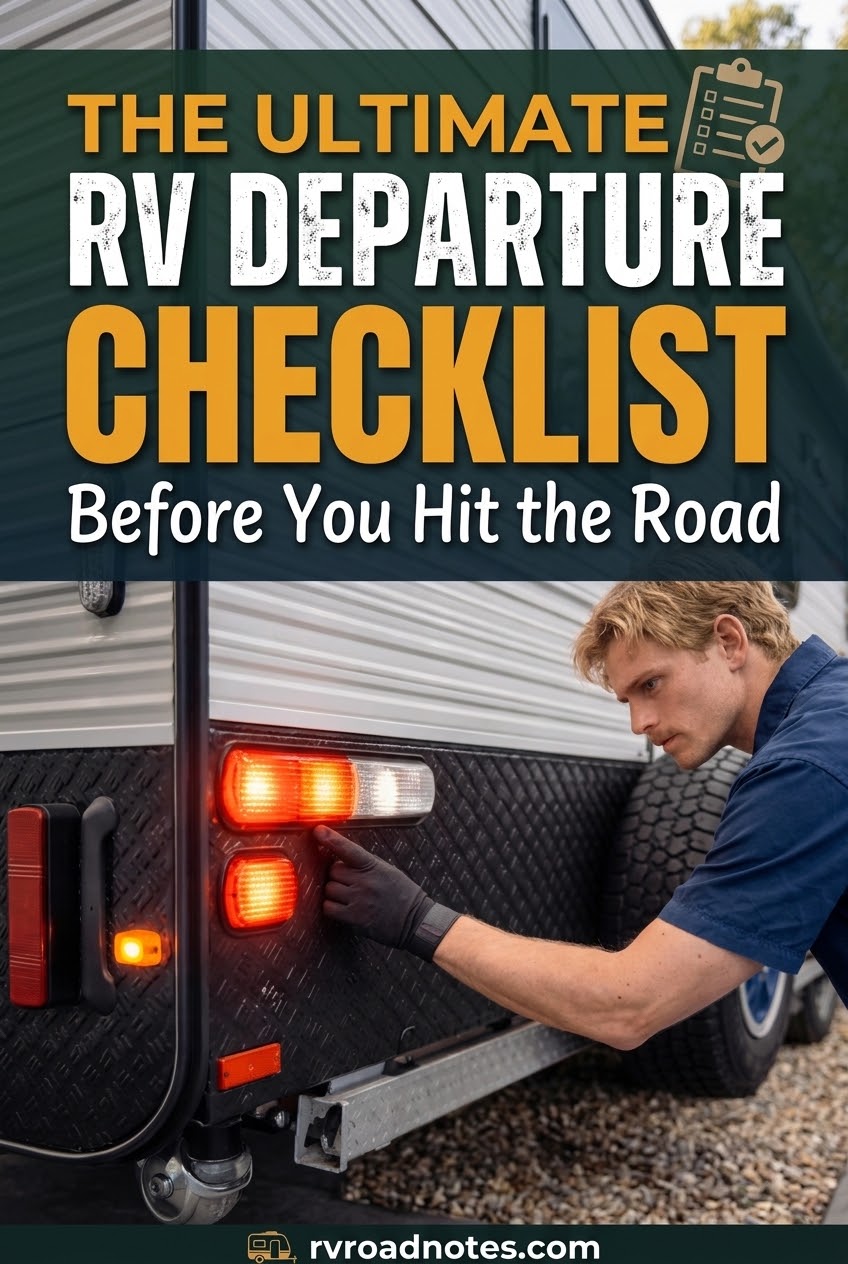
Before leaving, verify running lights, brake lights, and turn signals work correctly. RV lighting checks are simple and can prevent a dangerous misunderstanding on the road.
For trailers, have a second person watch the lights when possible. It takes less time than diagnosing a problem later.
Close Windows and Vents
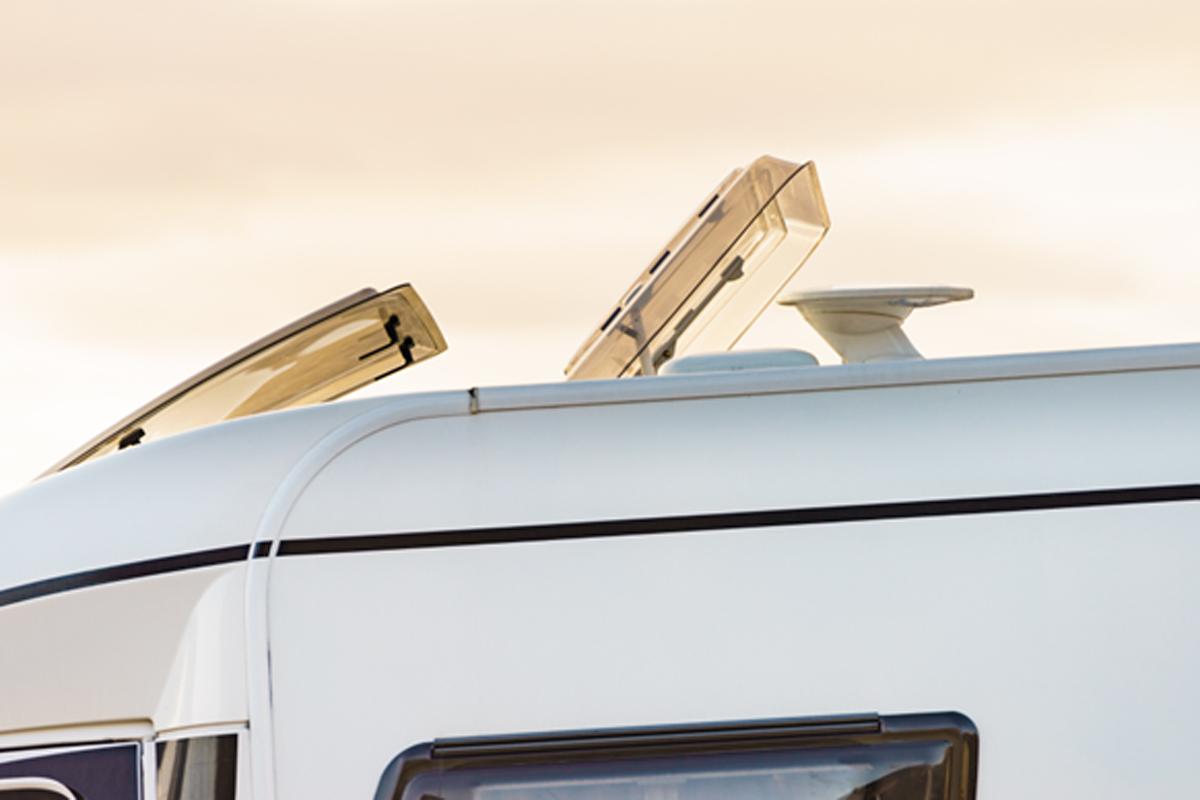
Close windows, roof vents, and any openings that are not designed for travel. Closed vents and windows protect the interior from rain, dust, and unexpected weather.
Check slide-out areas and overhead spaces too. A small forgotten item can prevent a proper seal.
Empty Holding Tanks
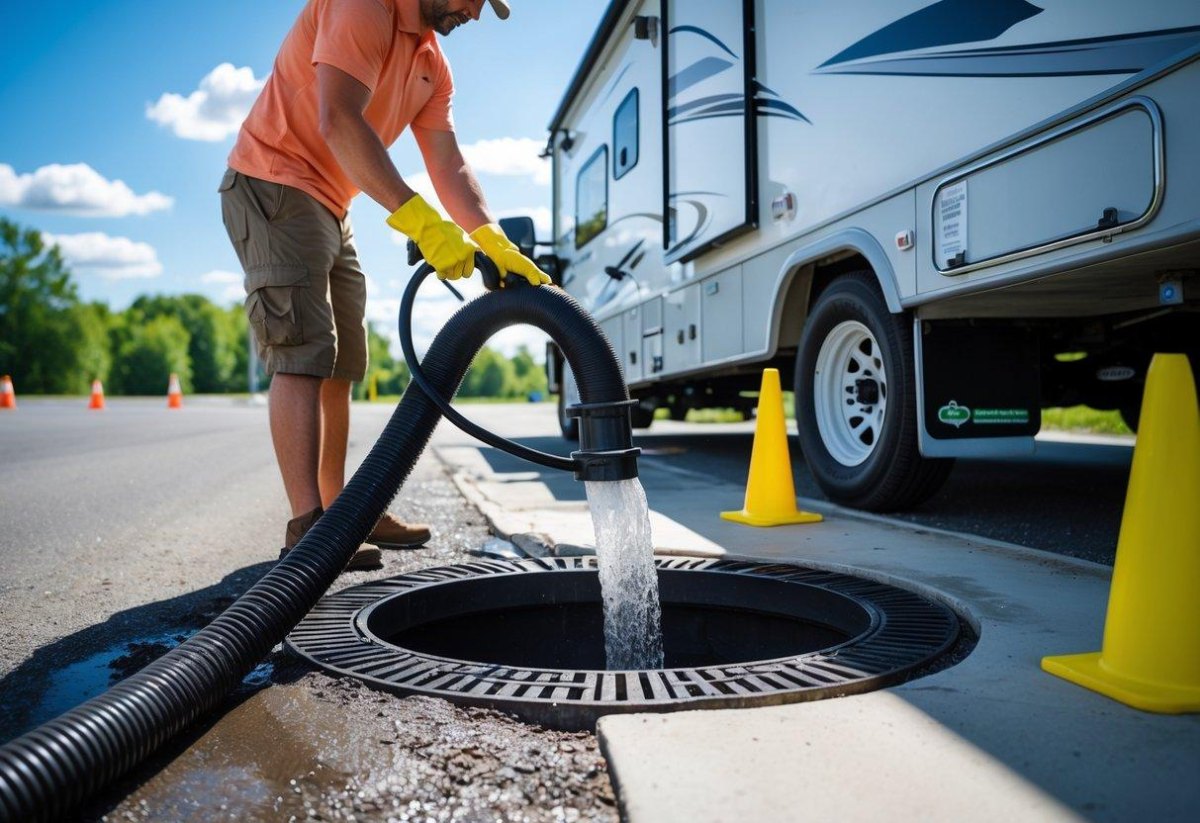
Use approved dump stations and follow local rules when emptying waste tanks. Holding tank management protects your plumbing system and keeps camping areas clean.
Never dump waste where it is not allowed. Environmental rules vary by location, so check the current requirements where you travel.
Confirm Propane Safety
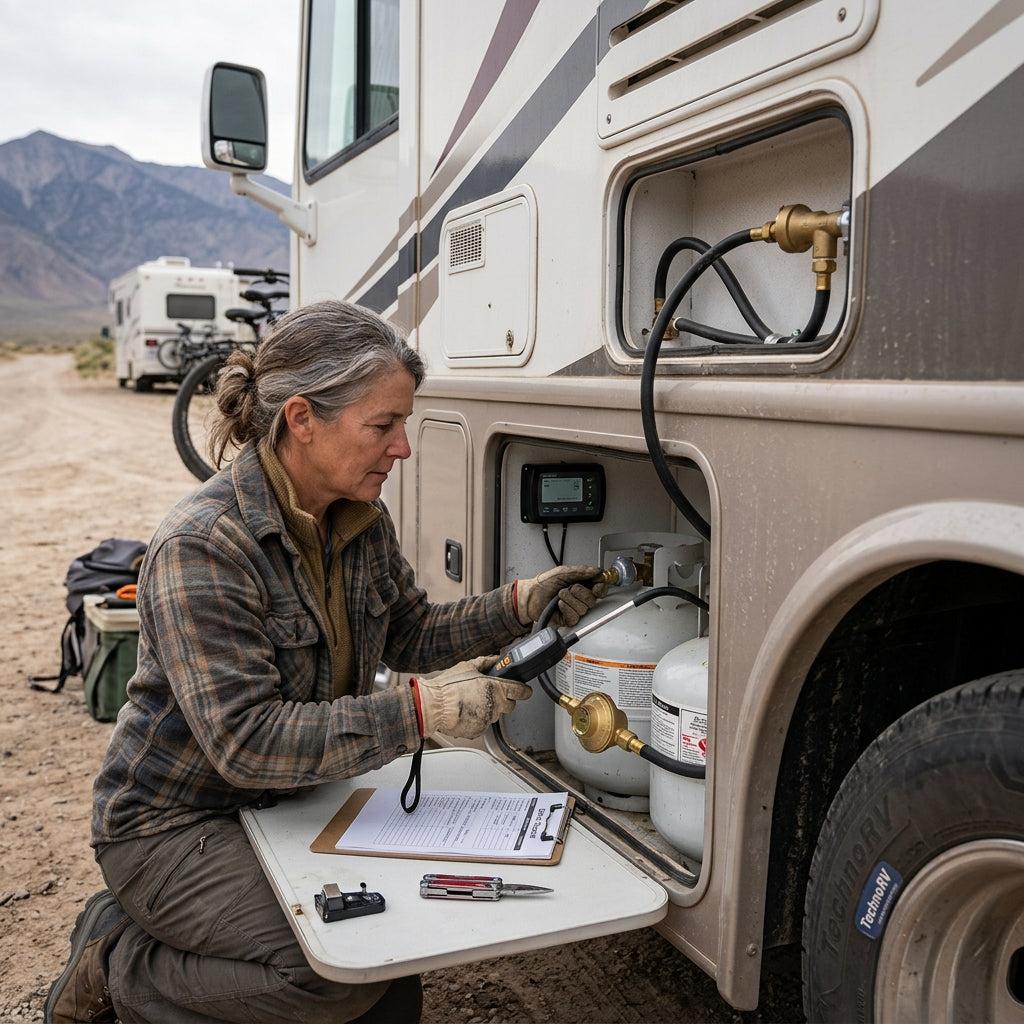
Propane systems deserve respect. Check that valves, appliances, and detectors are operating as intended, and have propane system repairs handled by qualified professionals. Propane safety is not a place for shortcuts.
Never use a cooktop, oven, or unvented heater as cabin heat, and never run generators where exhaust can enter the RV.
Store Travel Documents
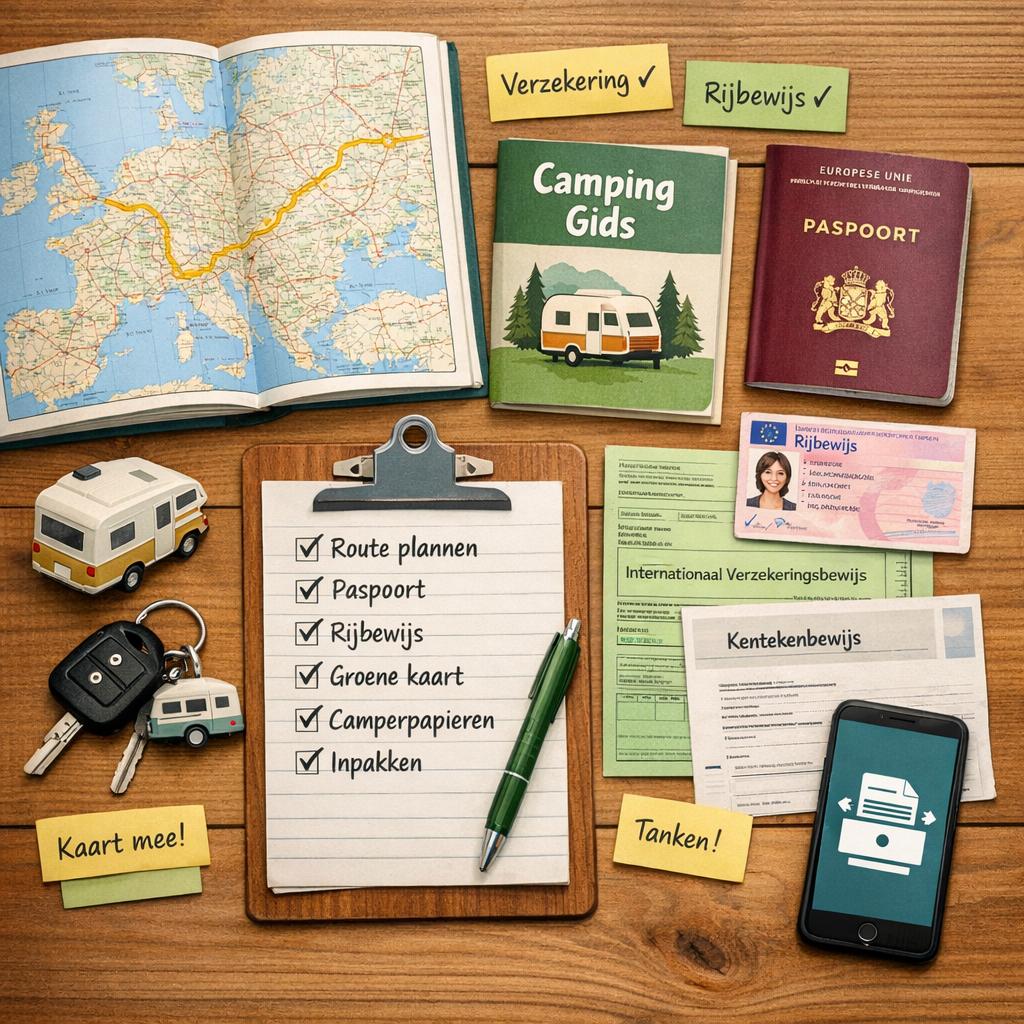
Keep registration, insurance information, reservations, and emergency contacts accessible. Travel documents are easier to find before a problem happens.
A small folder or digital backup can save time when plans change or roadside assistance is needed.
Plan Route and Navigation
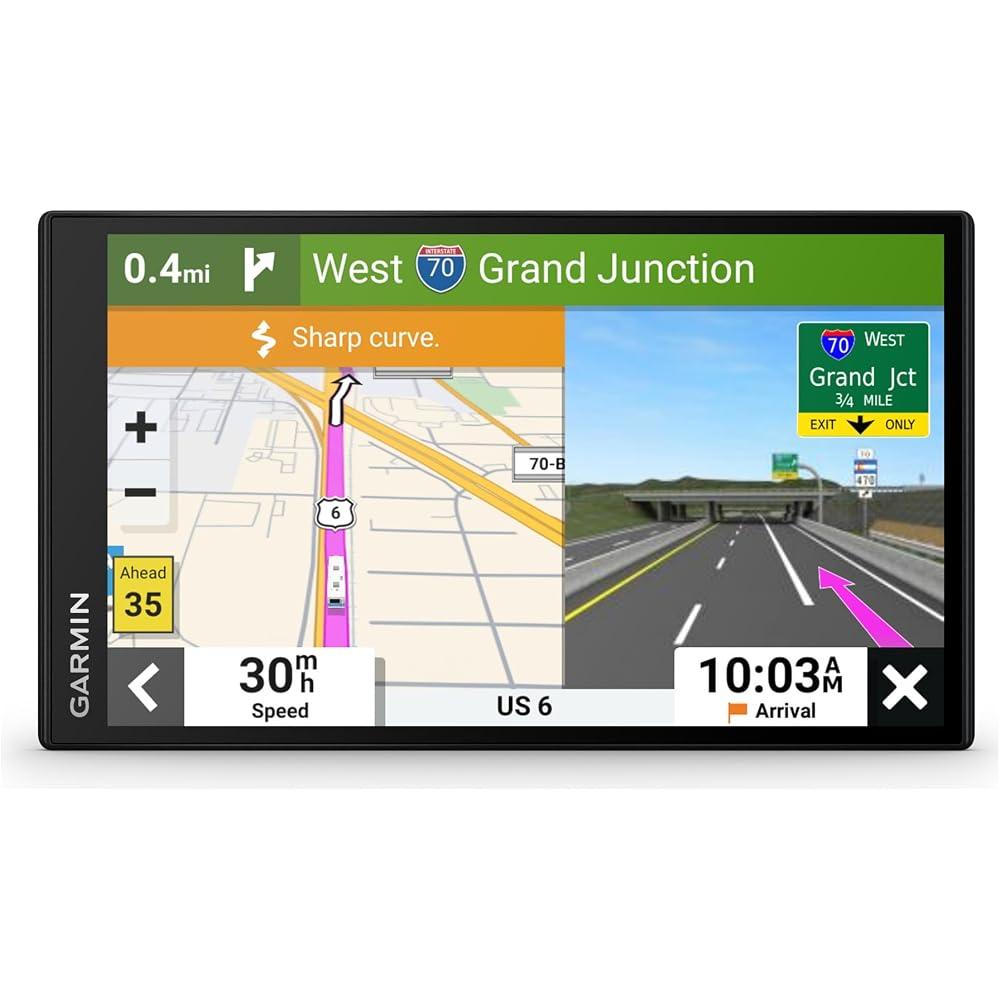
Review the route before departure, including fuel stops, road restrictions, weather, and campground access. Route planning matters more in an RV because height, weight, and turning space change your options.
Do not blindly follow every navigation app suggestion. RV-specific restrictions are worth checking before the wheels turn.
Start Engine and Gauges
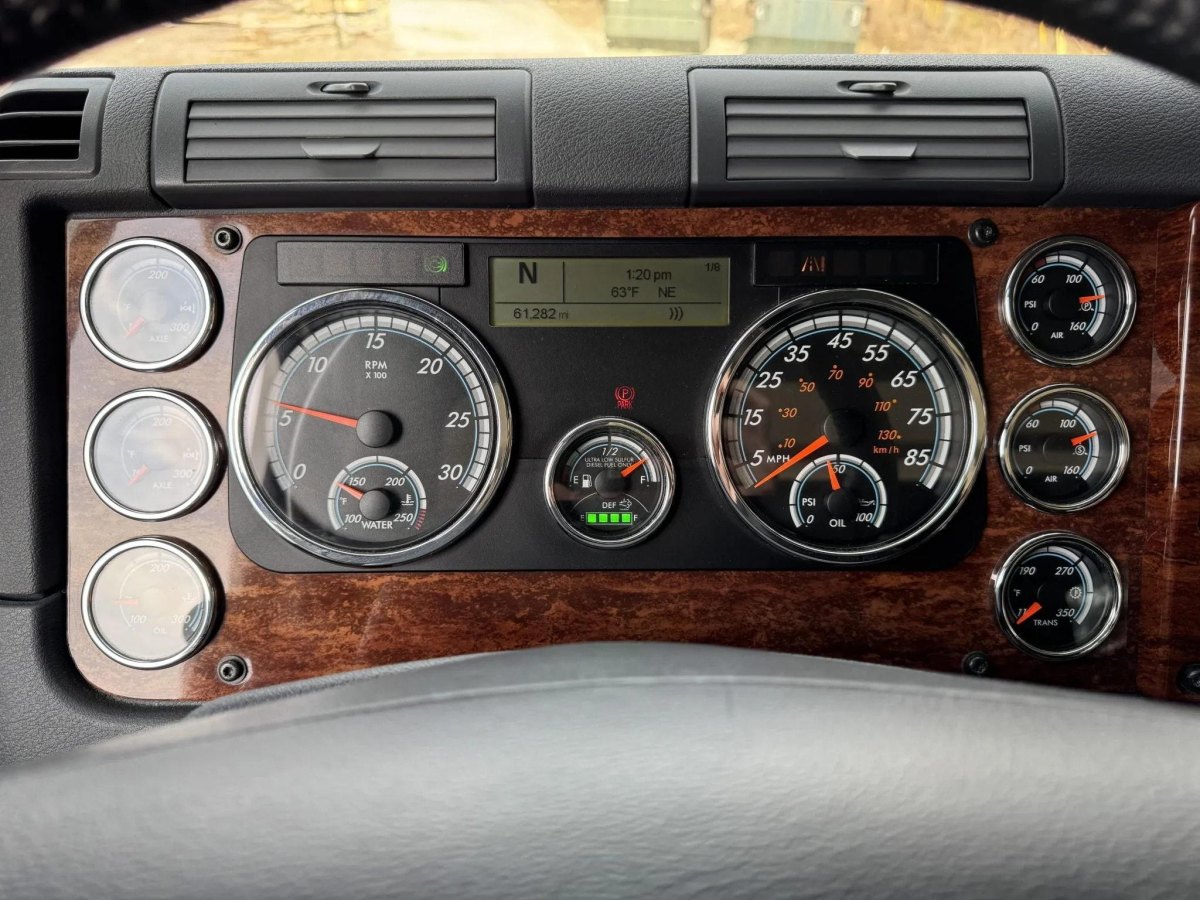
Once the physical checks are complete, start the engine and review the dashboard. Watch for warning lights, unusual sounds, or anything that does not match normal operation. Dashboard checks are your final mechanical pause.
Give yourself a moment before shifting into drive. Rushing after a checklist defeats the purpose of having one.
Lock Up and Depart
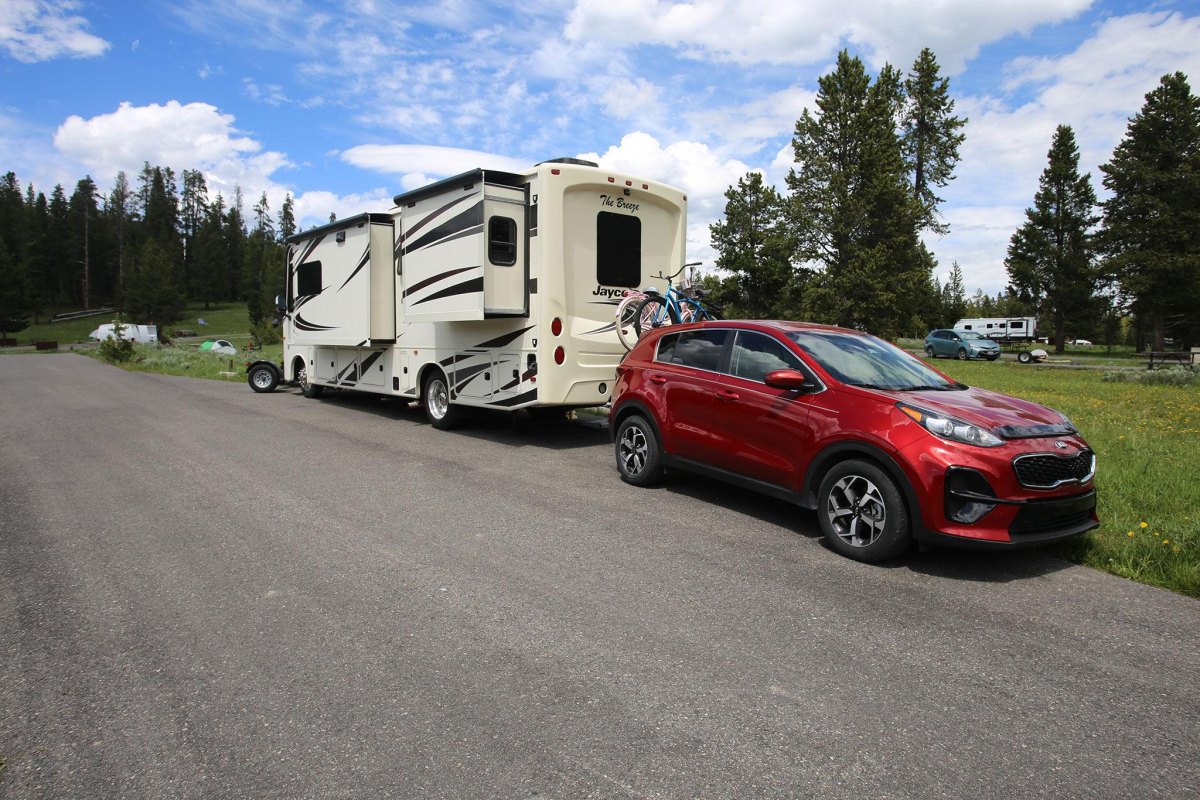
Secure the entry door, confirm exterior compartments are locked, and make one final look around the campsite. Final lock check is the last barrier between preparation and a forgotten item.
Leave the site the same way you found it, with all equipment stored and nothing left behind.
Final Departure Checklist Review
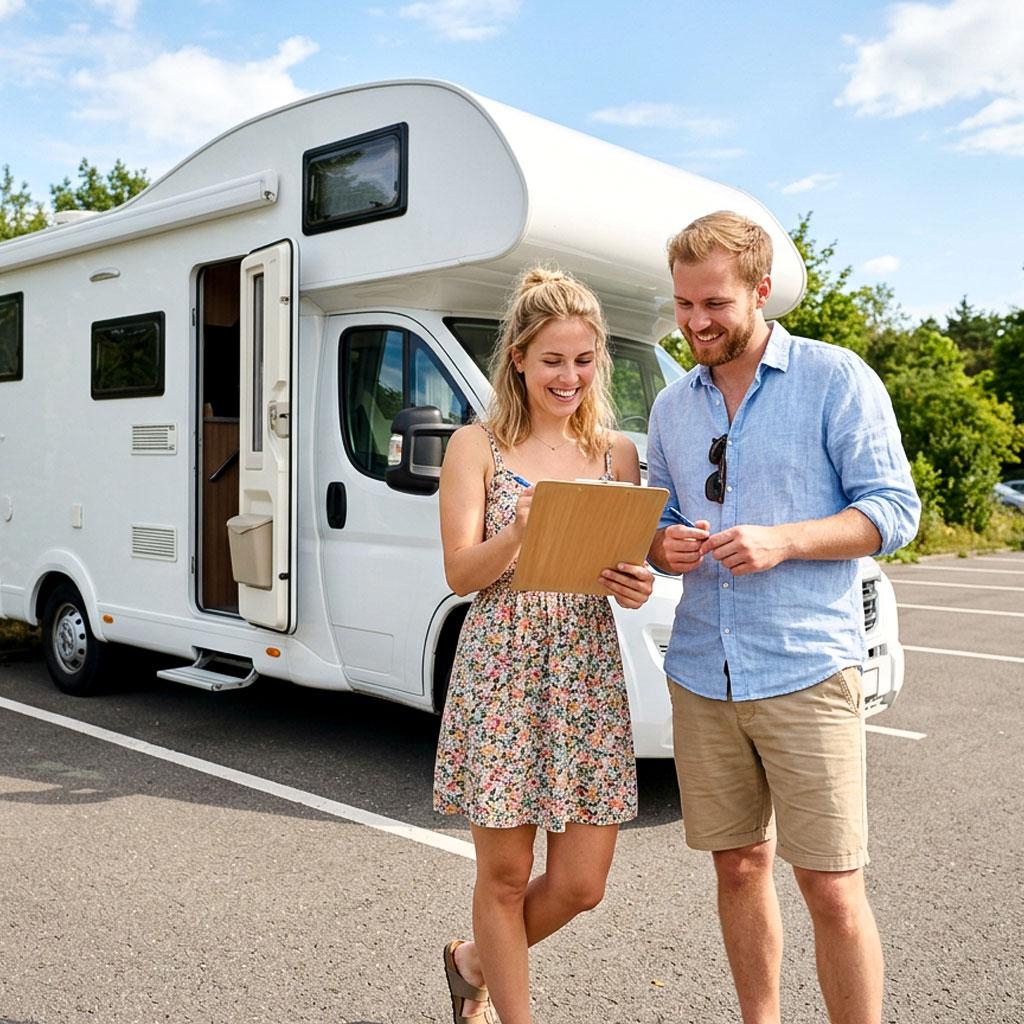
A final checklist review takes a few minutes and replaces memory with a reliable system. Departure routine becomes faster when the order stays consistent.
My recommendation is simple: keep the list accessible, update it when your rig changes, and use it every single travel day.
Final RV departure review
- Interior secured
- Utilities disconnected
- Exterior checked
- Tires and connections verified

More Pinterest Visuals



 RV Maintenance & Care17 Essential RV Winter Storage Tips to Prevent Cold-Weather Damage
 RV Pet Travel11 RV Cat Tree Ideas That Make Small Spaces More Cat-Friendly
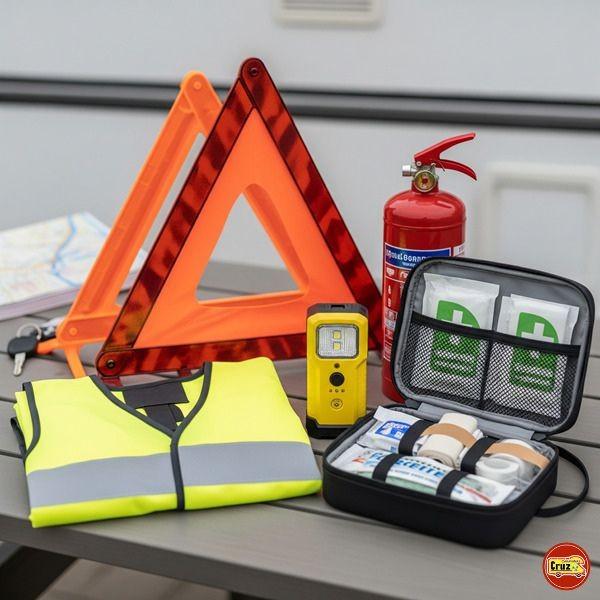 Camping Gear & Planning15 RV Must-Haves for Beginners to Camp Safely and Comfortably
 Camping Recipes18 Easy RV Camping Snacks Ideas for Road Trips and Campfire Nights