

Fresh water is usually the limiting resource during a long RV trip, especially when camping without hookups. After enough nights away from full-service campgrounds, small habits become the difference between staying put and driving for a refill.
This guide covers the water-saving changes that make the biggest difference, from fixtures and shower routines to tank care and campsite planning. The goal is simple: use less water without making RV life unnecessarily uncomfortable.
Monitor Your RV Water Usage Daily
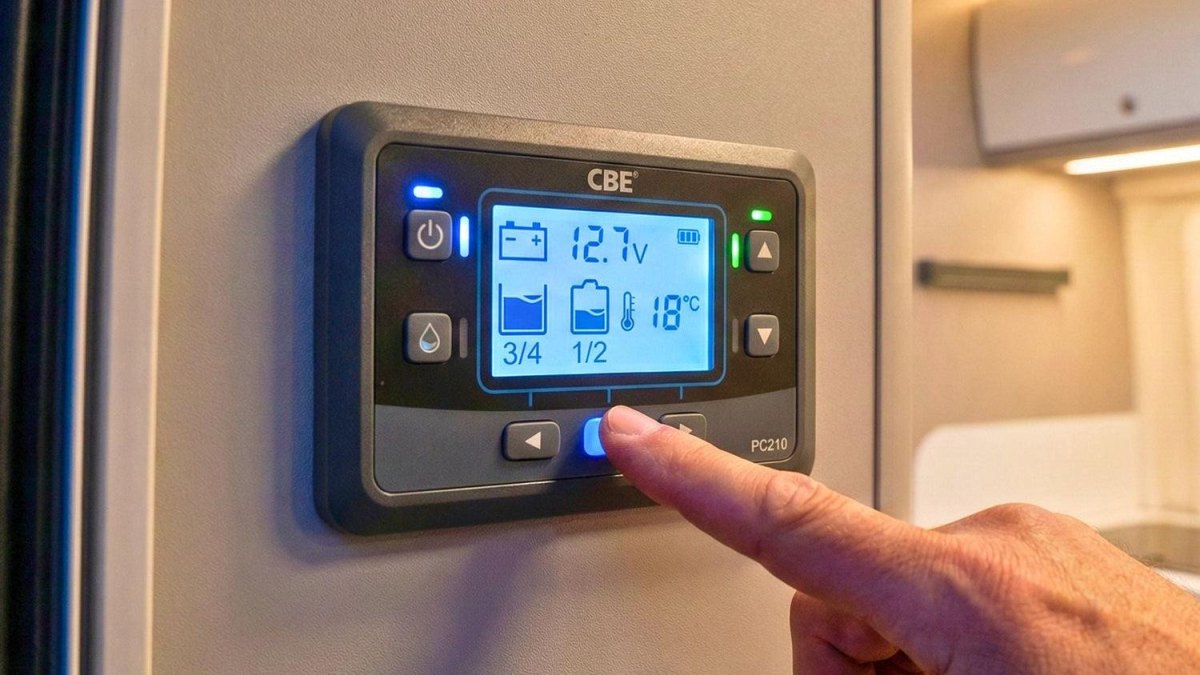
The first step in saving water is knowing where it goes. An RV fresh tank gauge is not always perfectly accurate, so checking usage patterns matters more than waiting for an empty reading. Keeping an eye on your freshwater supply level helps prevent surprises when camping away from hookups.
A simple daily check of drinking water, showers, dishes, and toilet use creates a realistic picture of your consumption. Freshwater tank monitoring and sanitation are key parts of responsible RV water management.
Install Low-Flow RV Faucets and Showerheads
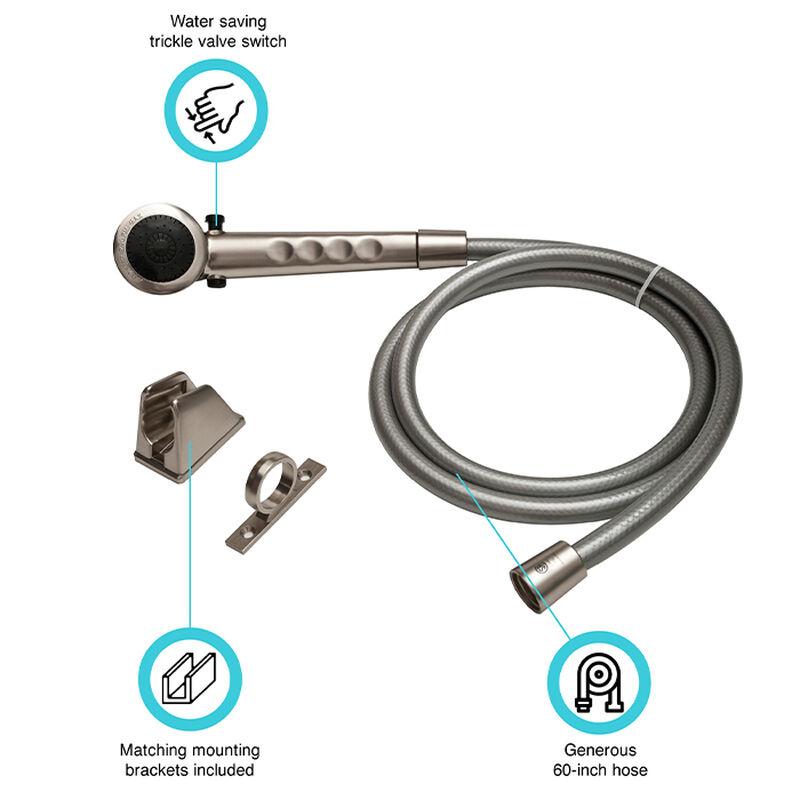
Small fixture upgrades can reduce water use without changing your daily routine. A low-flow showerhead or faucet aerator limits flow while maintaining a useful spray pattern. Efficient fixtures are one of the easiest ways to reduce water consumption in any RV.
Water-efficient showerheads are designed to use less water than traditional models while maintaining performance, and EPA WaterSense guidance recognizes reduced flow fixtures as a conservation tool.
Pros
- Low installation effort.
- Immediate reduction in water use.
Cons
- Some models feel weaker with low RV water pressure.
- Compatibility varies by fixture.
Take Shorter Showers While Camping
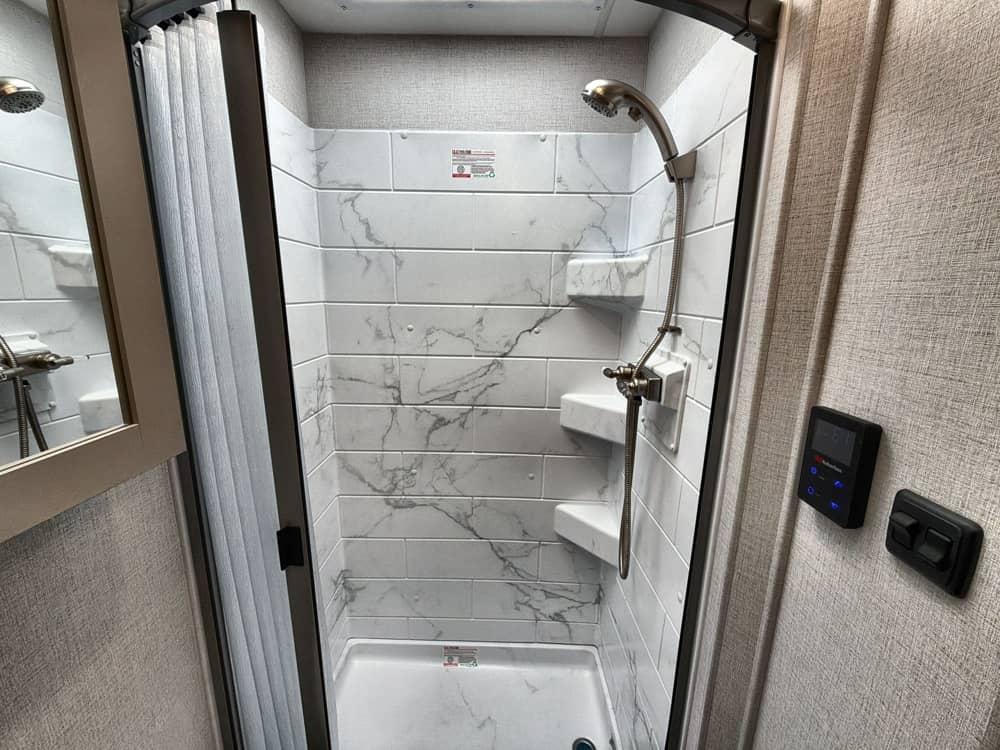
Long showers are one of the fastest ways to drain an RV tank. A short rinse, turning water off while soaping, and using a showerhead shutoff valve can dramatically extend your supply. This is especially important during dry camping trips where every gallon counts.
A practical shower routine does not require giving up comfort. It requires controlling when water is running instead of letting it disappear down the drain.
Fix Leaks in Your RV Plumbing System
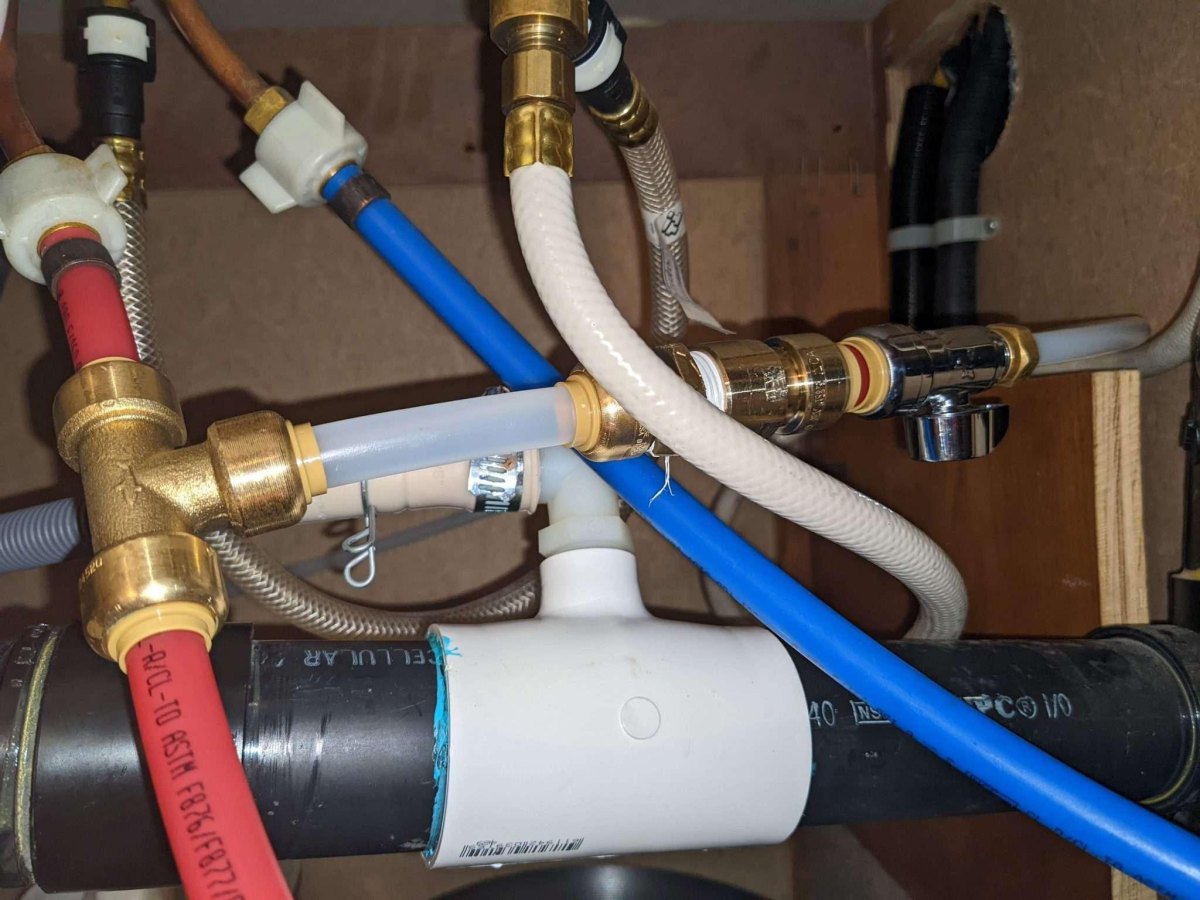
A small leak can waste water slowly and create bigger problems later. Check faucets, connections, the water pump area, and visible plumbing after travel days. Finding a hidden water leak early protects both your supply and your RV interior.
Plumbing repairs involving pressurized systems or damage beyond basic checks may need a qualified RV technician. A careful inspection is usually cheaper than repairing water damage.
Watch for hidden damage
Do not ignore damp cabinets, unusual pump cycling, or unexplained tank level drops.
Use Water-Saving Dishwashing Methods
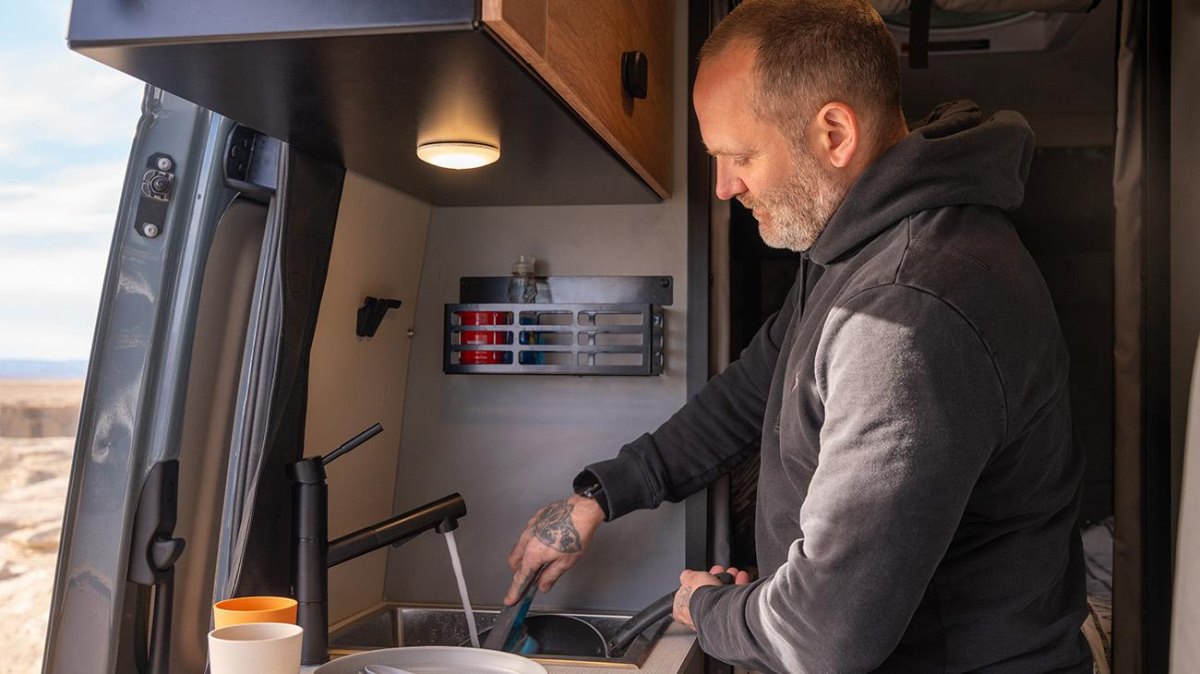
Kitchen water use adds up quickly because dishes happen every day. A basin method, scraping plates before washing, and running the faucet only when needed can reduce dishwashing waste.
The easiest improvement is separating tasks: wash with a small amount of water, then rinse efficiently instead of letting water run continuously.
Reuse Safe Gray Water When Possible
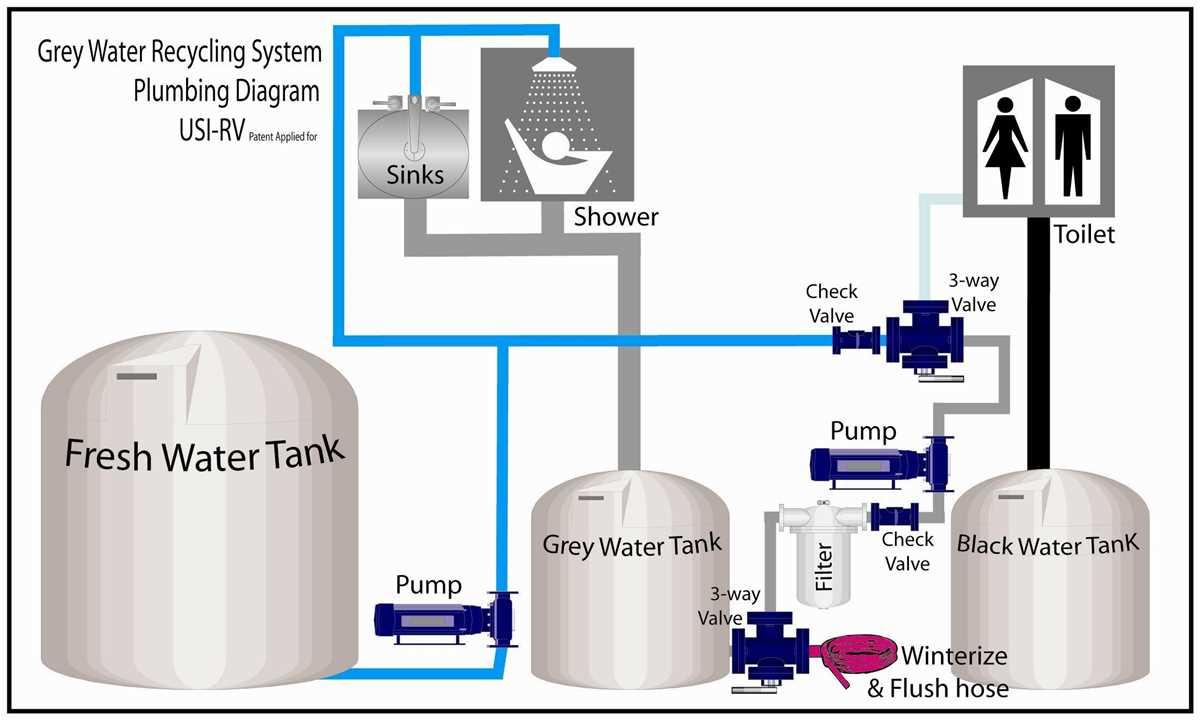
Gray water can sometimes be reused for appropriate purposes, but rules vary by location. Never assume draining gray water onto the ground is allowed. Campground policies, land management rules, and local regulations determine what is acceptable.
Responsible travelers manage gray water disposal carefully and always follow posted requirements. Some jurisdictions restrict gray water systems because of sanitation concerns.
Check local rules first
What is permitted in one camping area may be prohibited somewhere else.
Choose Efficient RV Toilet Practices
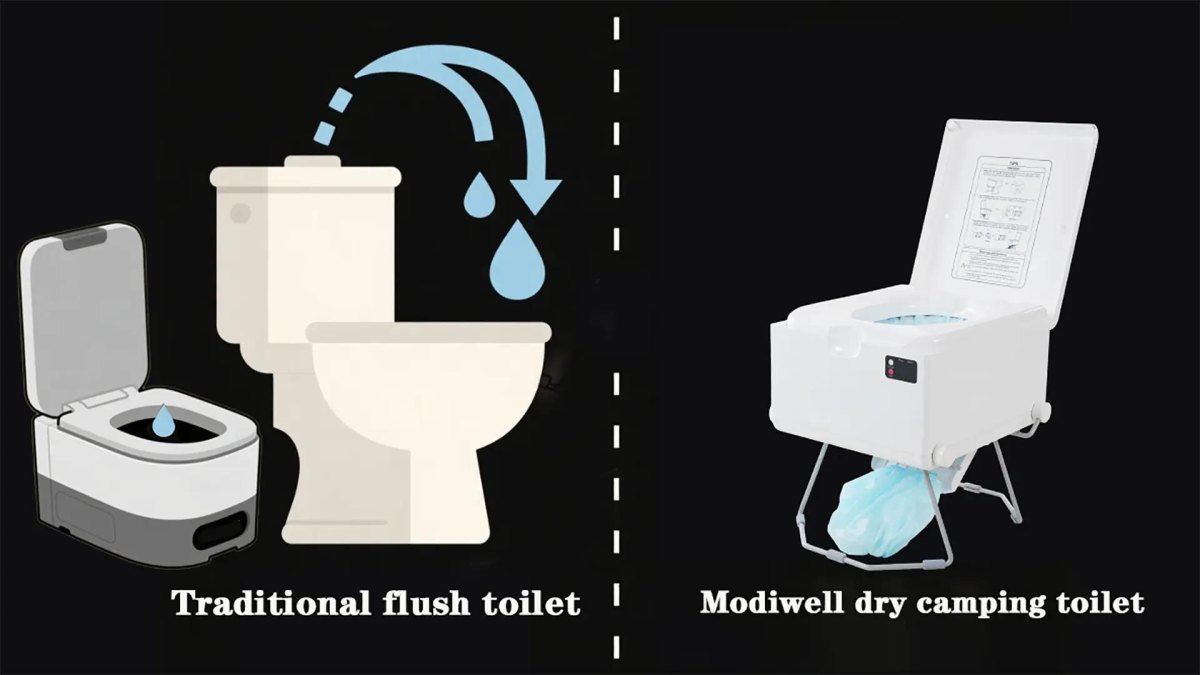
The RV toilet is another place where habits matter. Using appropriate flush timing, preventing unnecessary flushing, and maintaining the system properly helps conserve both water and tank capacity.
Water-saving toilet designs reduce consumption by using less water per flush while still maintaining performance. The goal is balanced toilet water management, not avoiding proper sanitation.
| Habit | Benefit |
|---|---|
| Efficient flushing | Uses less fresh water |
| Regular maintenance | Prevents system issues |
Carry Extra Drinking Water Storage
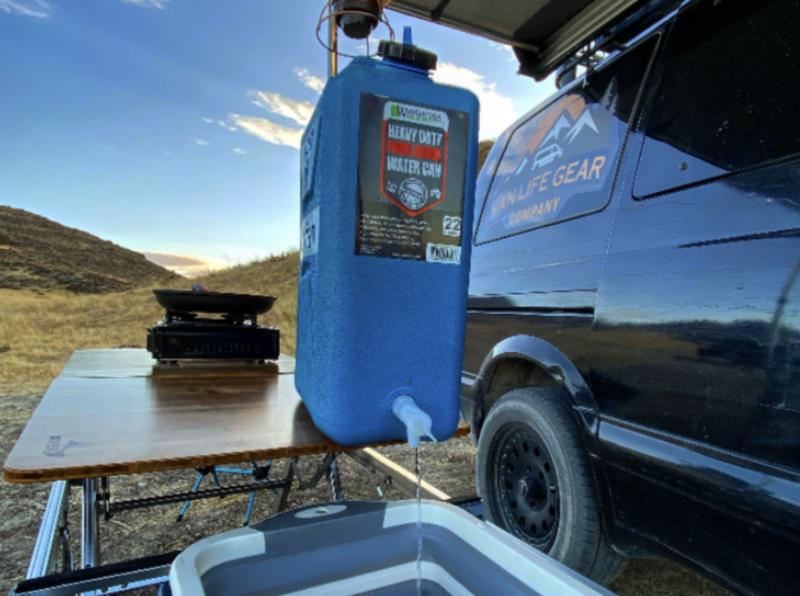
Separate drinking water storage gives you flexibility when your onboard tank supply is limited. Keeping potable water containers clean and clearly marked prevents accidental misuse.
Extra containers are useful for emergencies, remote camps, and locations where filling opportunities are uncertain. Good planning protects your drinking water supply without overloading your RV.
Storage tip
Rotate stored water regularly and keep containers designed for potable use.
Plan Campsites With Reliable Water Access
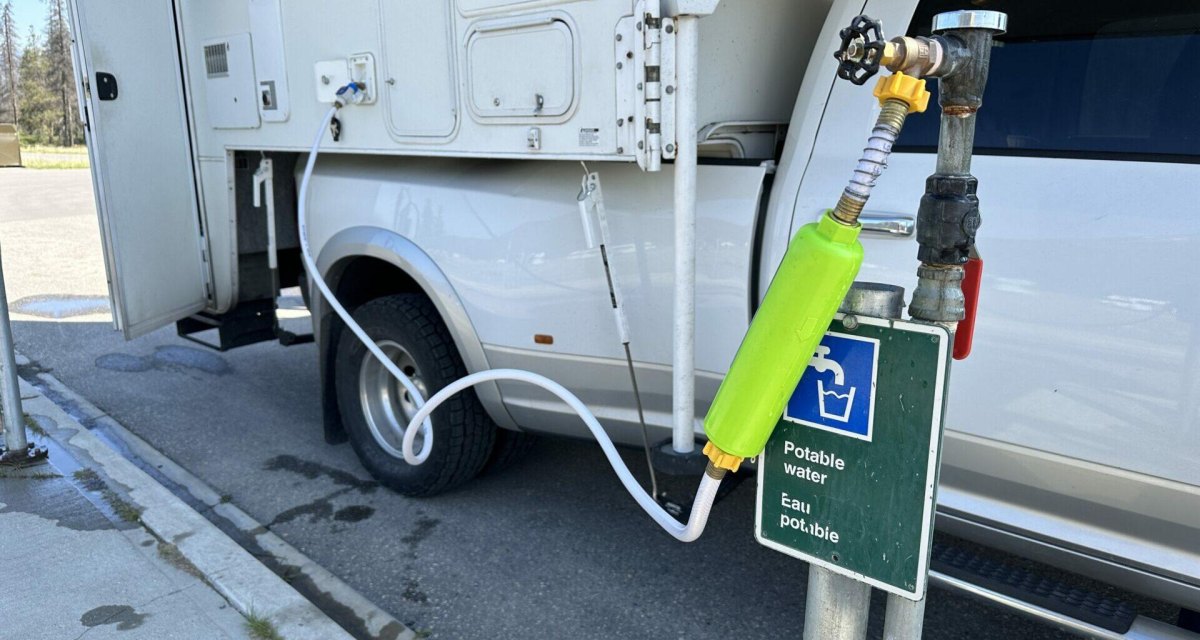
Water conservation starts before arrival. A campsite with reliable water access can change how you plan a trip, especially when traveling for longer periods. Full hookups, potable fill stations, and dump facilities should be part of route planning.
Campground water connections provide convenience, but proper equipment matters. Use drinking-water-rated hoses and protect your plumbing with appropriate pressure control.
Use Water-Efficient Cleaning Techniques
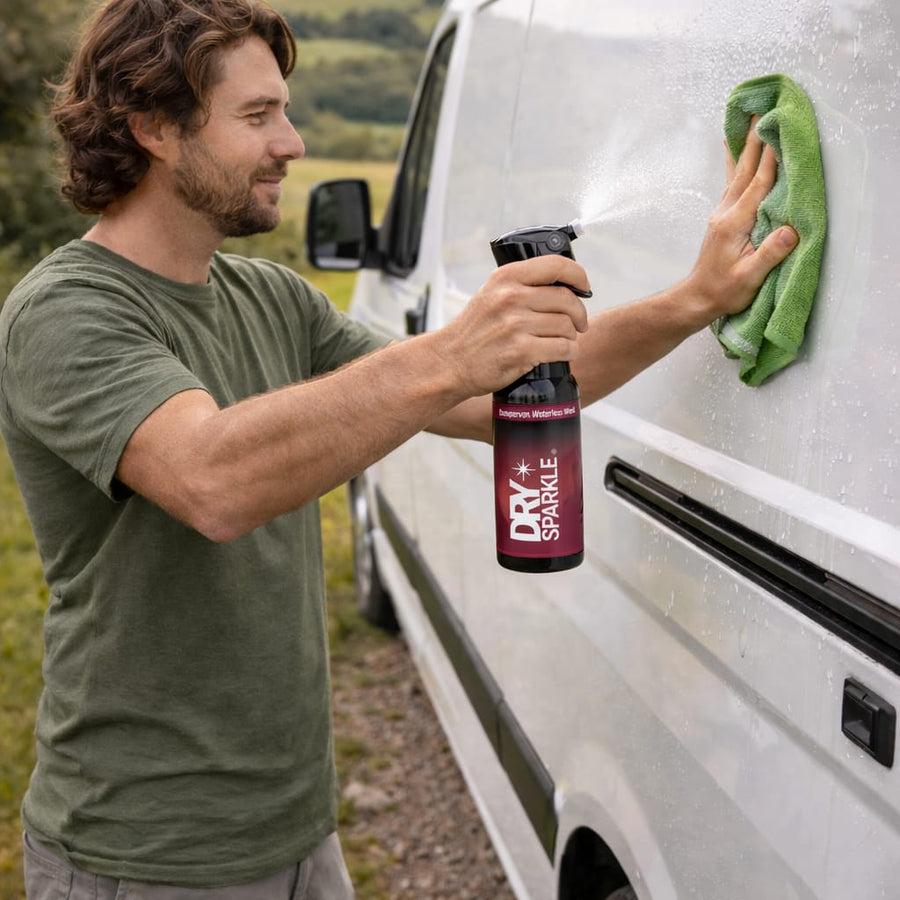
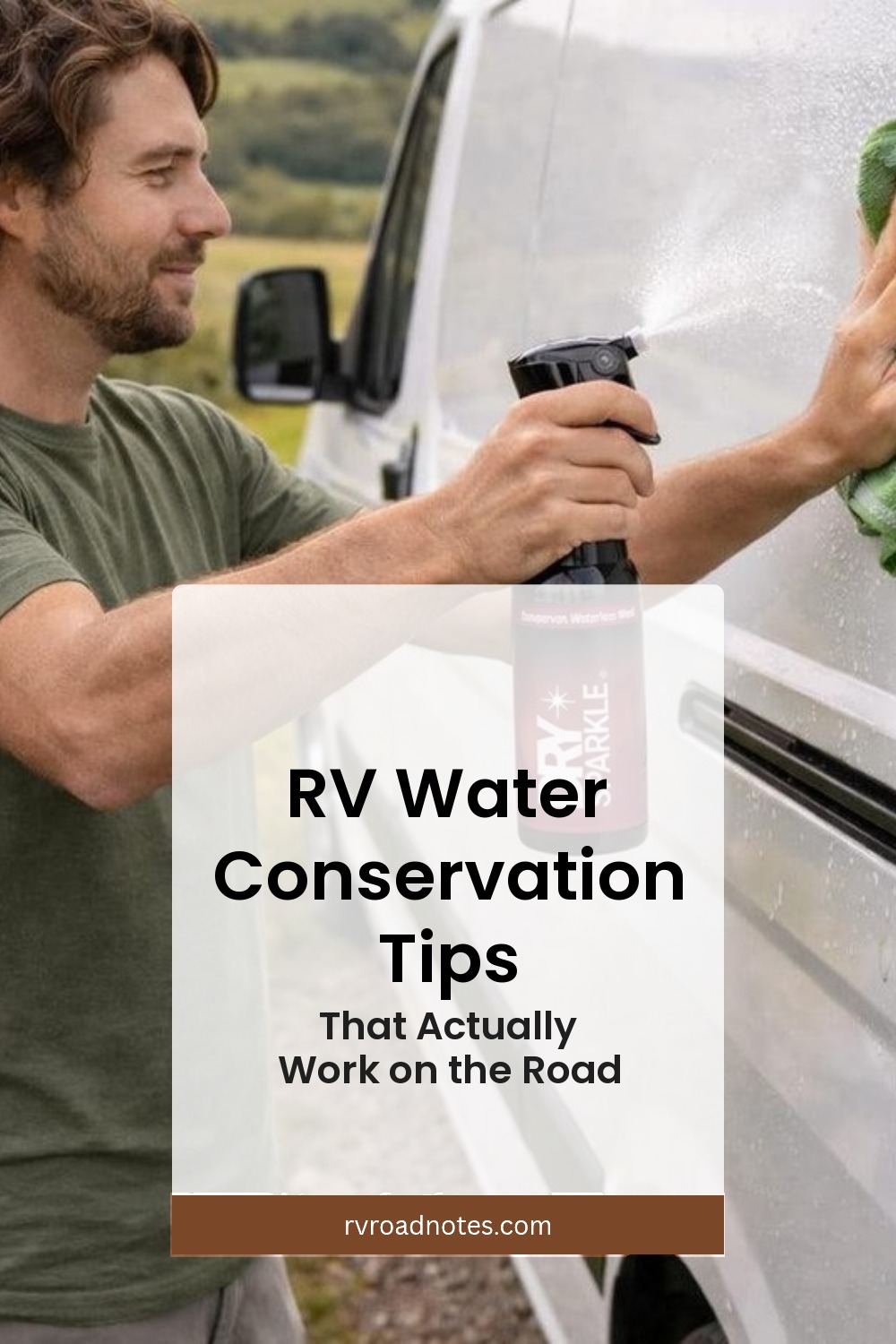
Cleaning an RV does not require a constant stream of water. Spot cleaning, microfiber cloths, and small spray bottles handle many jobs with far less water than traditional washing.
For exterior cleaning, follow campground and land-use rules before using water outside. Responsible RV cleaning methods protect both your supply and the places you visit.
Upgrade to Water-Saving RV Appliances
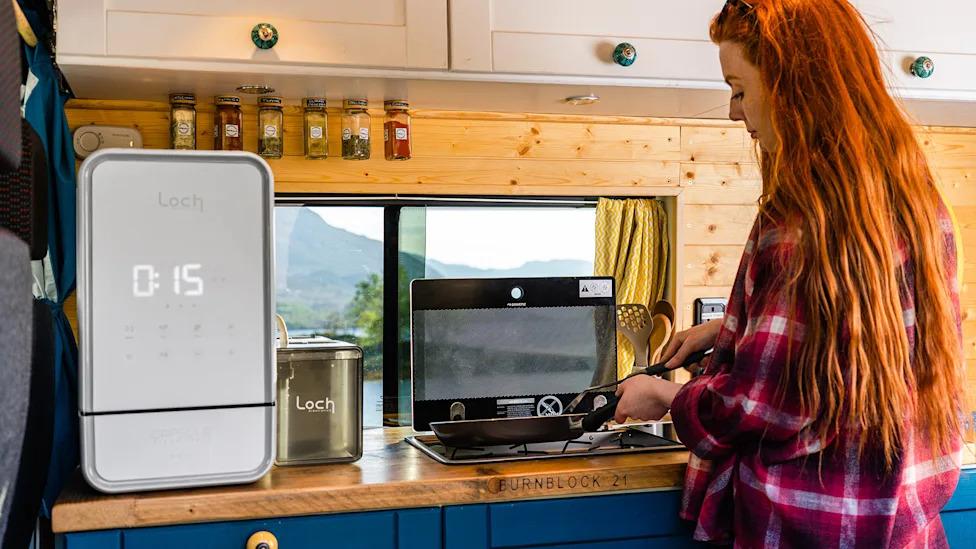
Some RV upgrades reduce water use by improving efficiency rather than changing habits. Water-efficient appliances, fixtures, and systems can make a noticeable difference during longer trips.
Not every upgrade is worth buying immediately. Focus first on changes that match your travel style and your actual RV water needs.
A practical upgrade approach
Start with inexpensive improvements like fixtures before investing in larger equipment changes.
Protect Your Freshwater Tank Quality
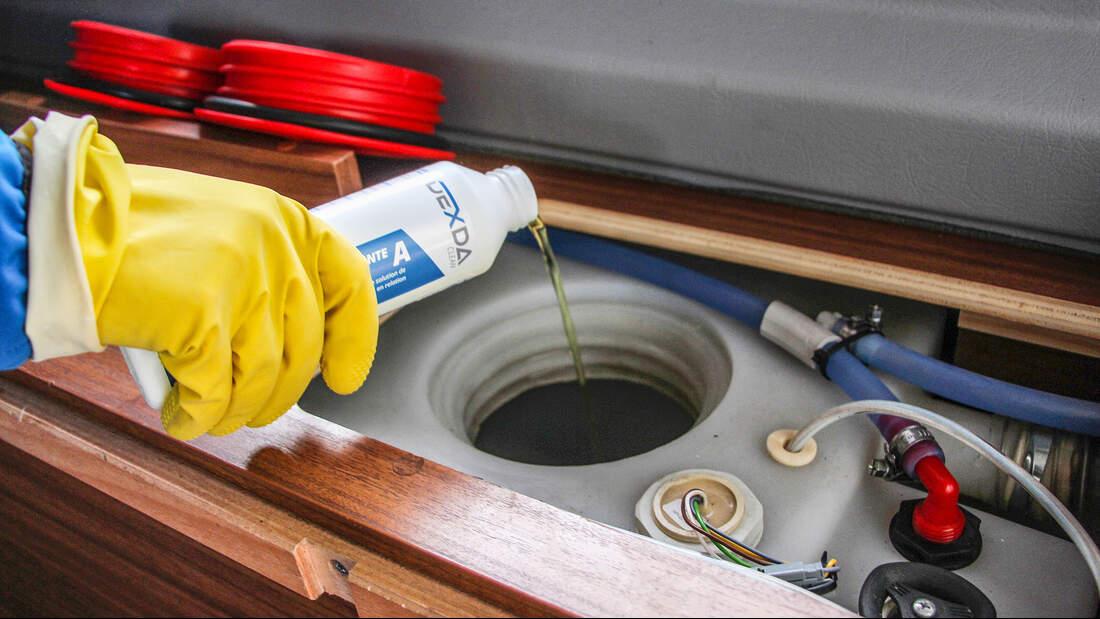
Saving water is only useful if the water remains safe to use. Freshwater tanks need proper care, including regular cleaning and attention to storage conditions.
Safe drinking water practices protect your health and prevent unpleasant odors or contamination. A clean freshwater tank system is part of reliable RV travel.
Maintenance reminder
Follow your RV manufacturer’s recommendations for tank care and sanitizing.
Create a Personal RV Water Conservation Routine
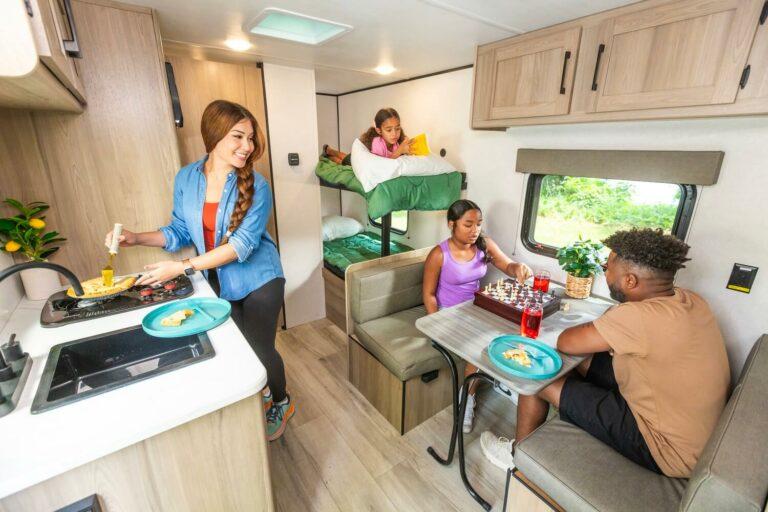
The best water-saving system is the one you actually follow. A simple routine built around showers, dishes, tank checks, and refills makes conservation automatic over time.
Every RV setup is different, so adjust habits around your tank size, travel style, and access to services. Consistent water conservation habits create more freedom on the road.
My practical water checklist
- Know your tank levels.
- Reduce unnecessary flow.
- Plan refill points.
- Maintain your water system.

More Pinterest Visuals



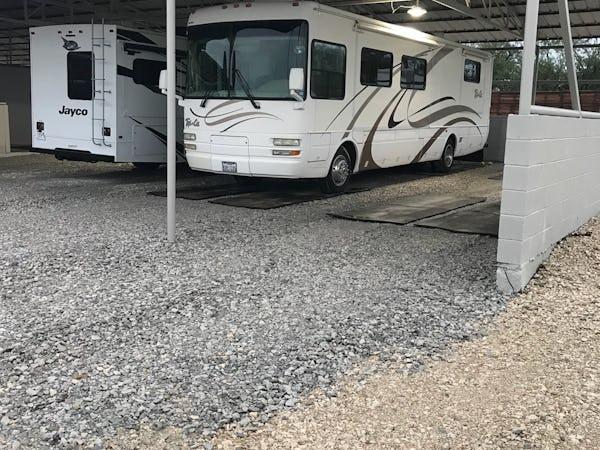 RV Maintenance & Care17 Essential RV Winter Storage Tips to Prevent Cold-Weather Damage
 RV Pet Travel11 RV Cat Tree Ideas That Make Small Spaces More Cat-Friendly
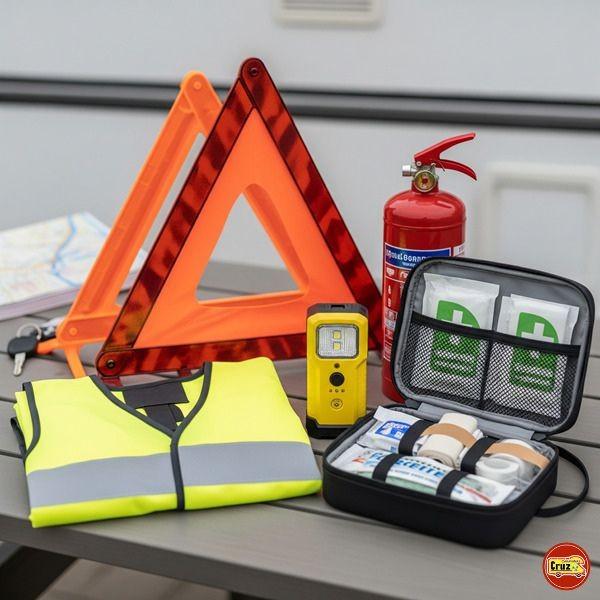 Camping Gear & Planning15 RV Must-Haves for Beginners to Camp Safely and Comfortably
 Camping Recipes18 Easy RV Camping Snacks Ideas for Road Trips and Campfire Nights