Arriving at a campsite should not feel like a complicated repair project. After enough nights on the road, the difference between a stressful stop and a comfortable one usually comes down to a few repeatable habits: choosing carefully, setting systems up in order, and leaving room for problems. These RV campsite setup tips focus on the small steps that prevent bigger headaches later.
A good setup works whether you are parking a travel trailer, fifth wheel, van, or motorhome. The details change by rig, but the goal stays the same: create a safe, stable base before unpacking everything else.
Choose the Right Campsite Location
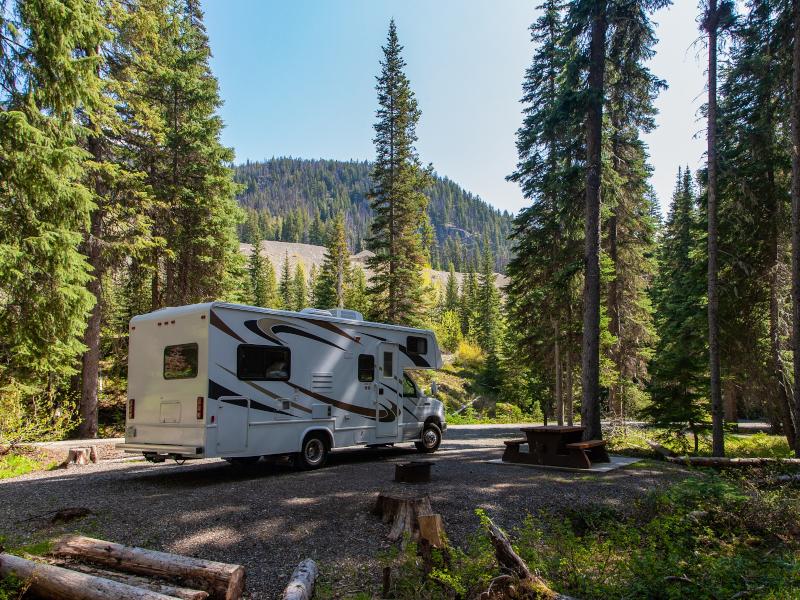
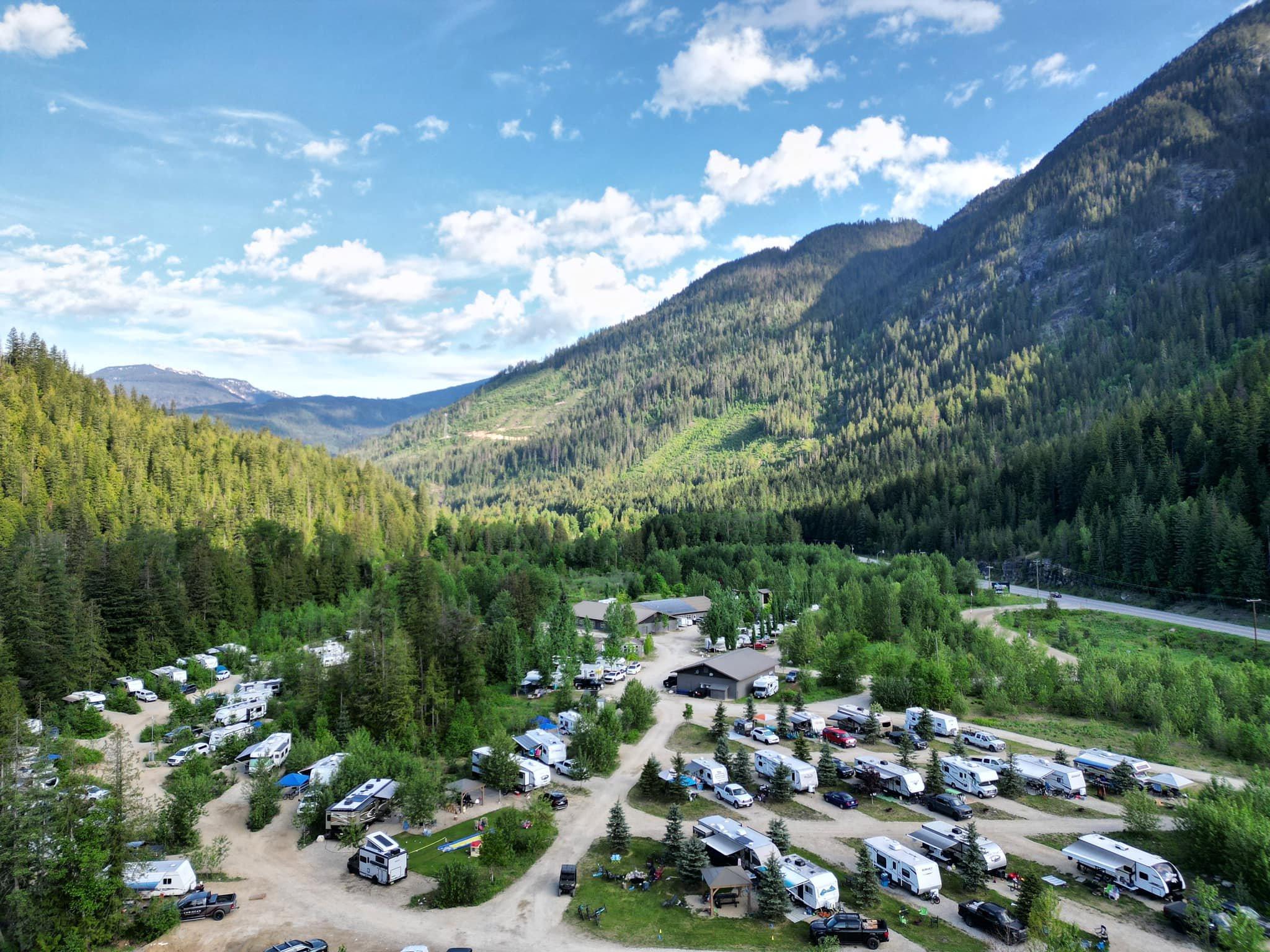
The first few minutes after arrival matter. I walk the site before committing because a flat-looking space can hide drainage problems, low branches, soft ground, or poor access. The National Park Service recommends considering factors such as overhead hazards and whether a site fits your RV and hookup needs.
For dispersed camping, I look for existing disturbed areas rather than creating a new spot. Public land rules vary, but BLM guidance commonly emphasizes staying on designated routes, following local restrictions, and using established sites.
Level and Stabilize Your RV Properly
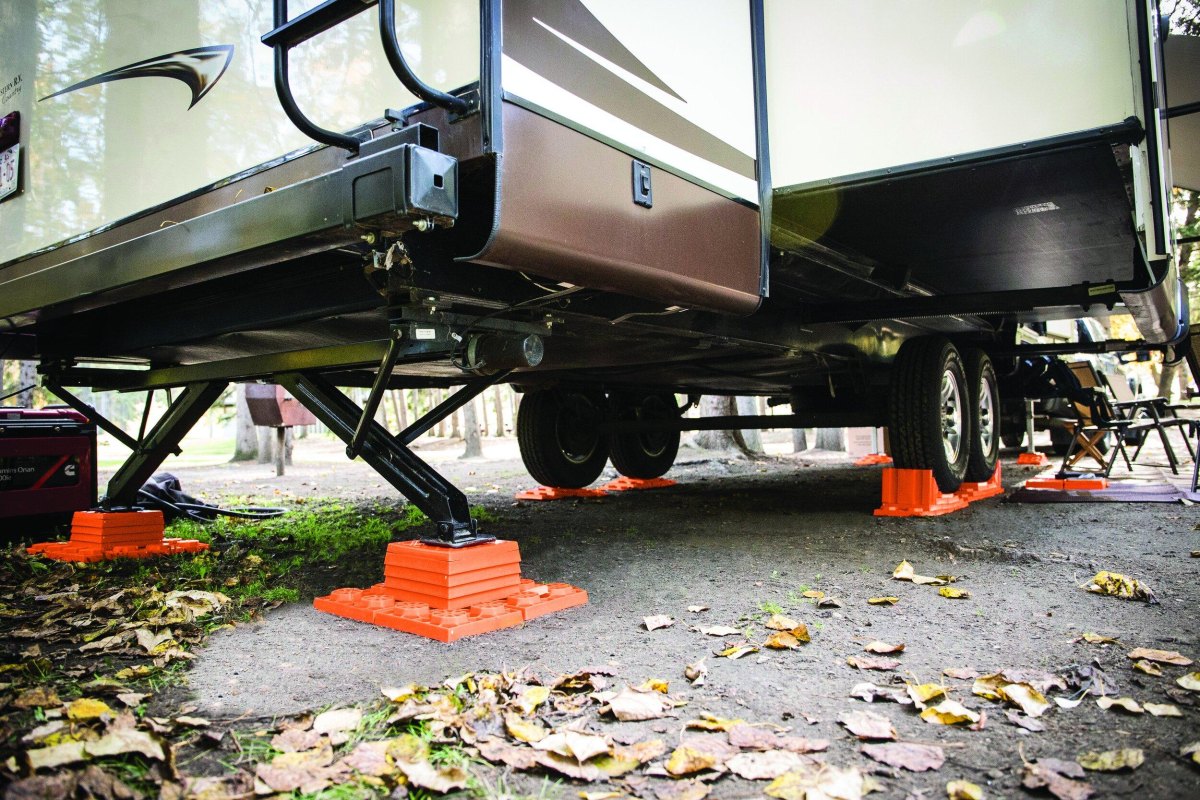
A comfortable RV starts with a stable foundation. Leveling helps appliances operate correctly and makes walking inside much more pleasant, while stabilizers reduce movement after parking. A step-by-step campground setup approach also places leveling and stabilization before utility hookups.
Setup tip
Do not use stabilizers as a replacement for proper leveling equipment. They reduce movement but are not designed to lift an RV.
Connect Water, Power, and Sewer Safely
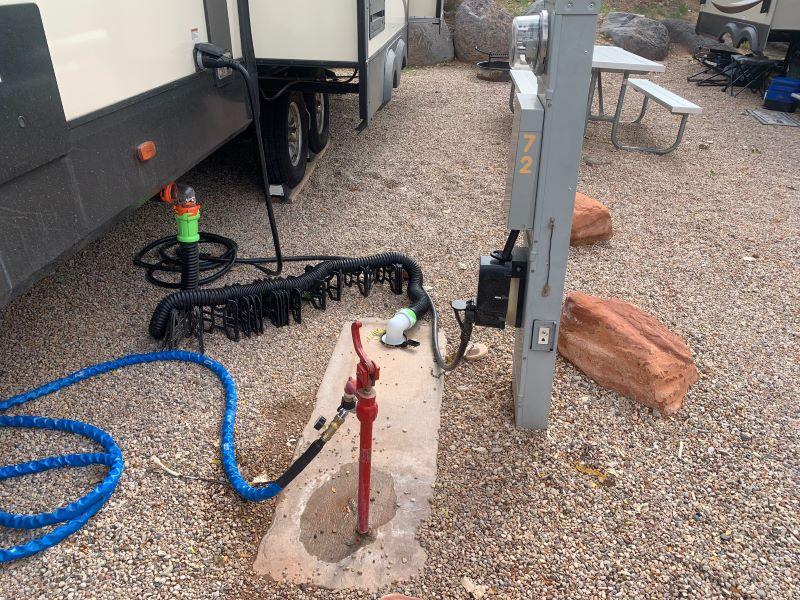
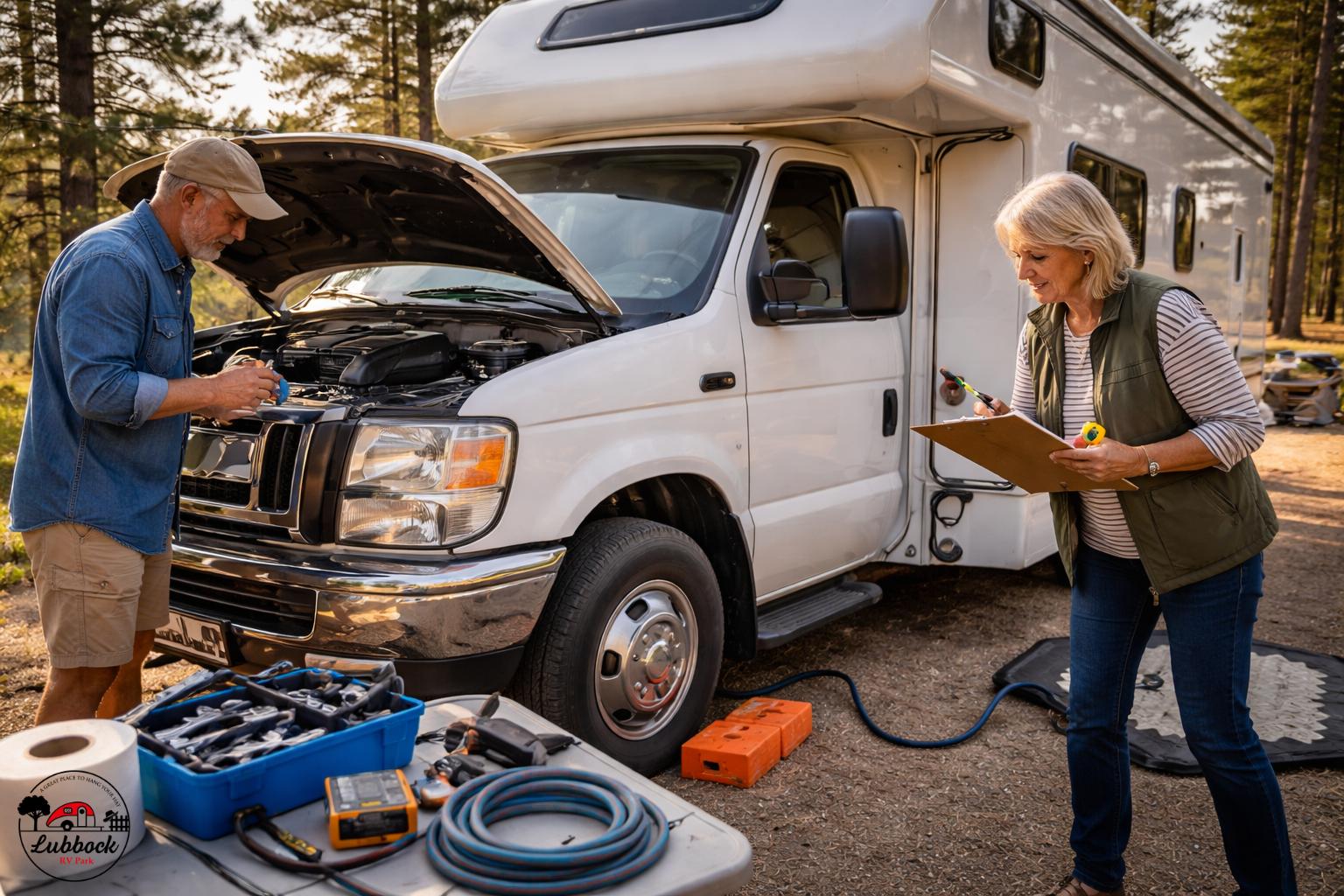
Hookups turn a parked RV into a functioning campsite, but they should be connected in a deliberate order. Water, electrical, and sewer systems each have their own safety considerations, and Go RVing recommends setting up these systems after the RV is parked, leveled, and stabilized.
| System | Setup reminder |
|---|---|
| Water | Use a potable water hose and check connections for leaks. |
| Power | Confirm the campground connection matches your RV requirements. |
| Sewer | Follow campground rules and avoid illegal dumping. |
Waste warning
Never dump wastewater outside approved facilities. Regulations and available services vary by location.
Set Up Outdoor Living Space Comfortably
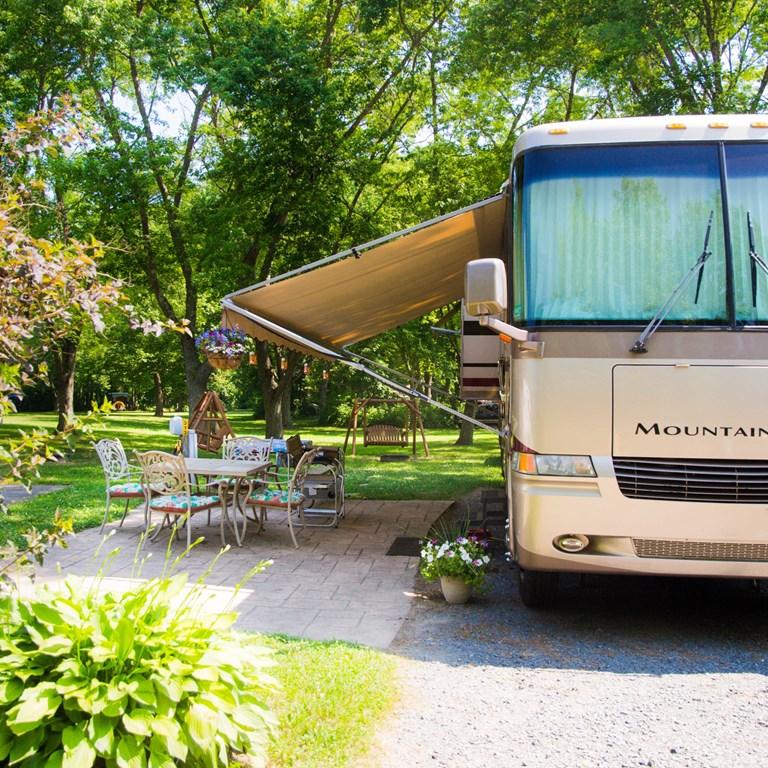
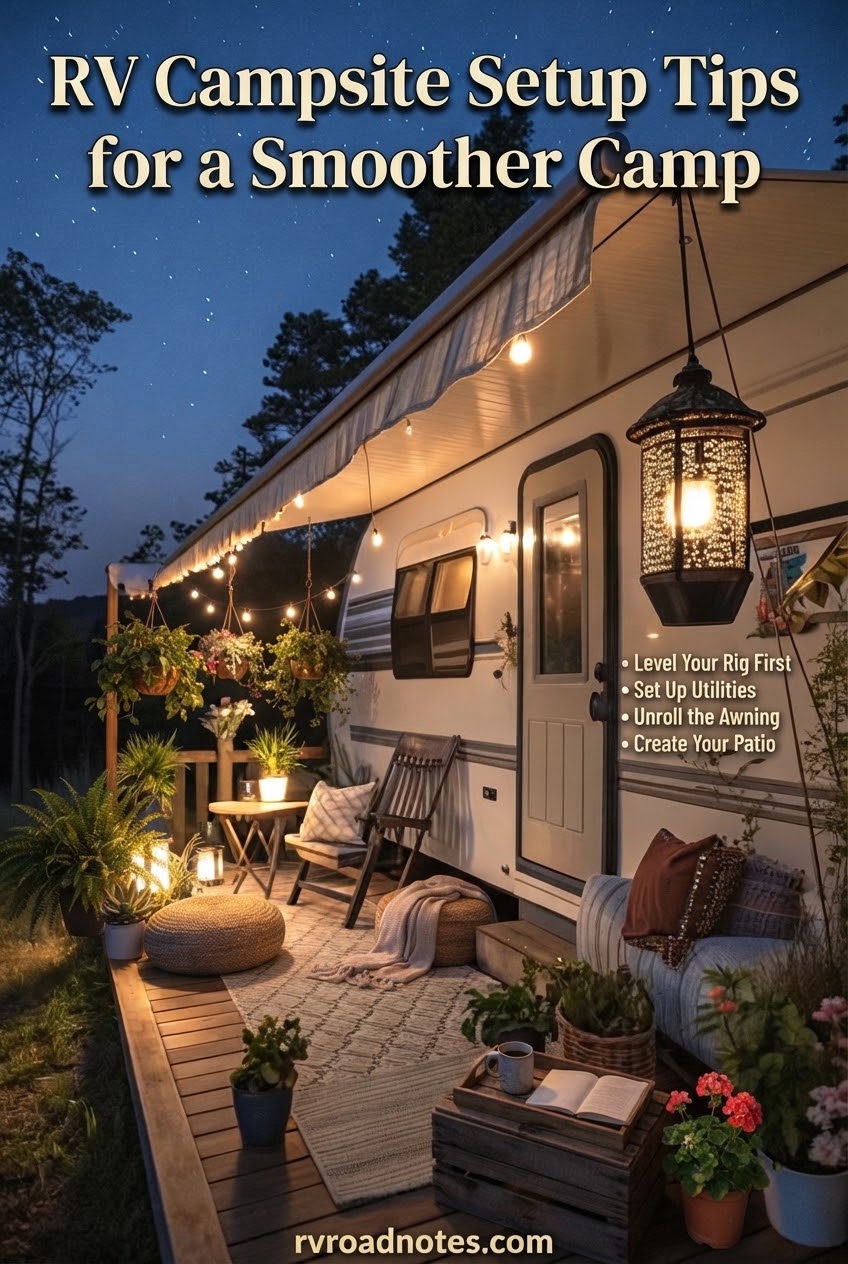
The outside area becomes part of your campsite, so I keep the setup simple. A chair, small table, shade option, and clear walking path usually matter more than hauling a pile of extras. The best outdoor RV setup is the one you will actually use.
Common mistake
Unpacking every camping item immediately creates clutter. Start with the essentials and add only what improves the stay.
Secure Your RV Against Weather Conditions
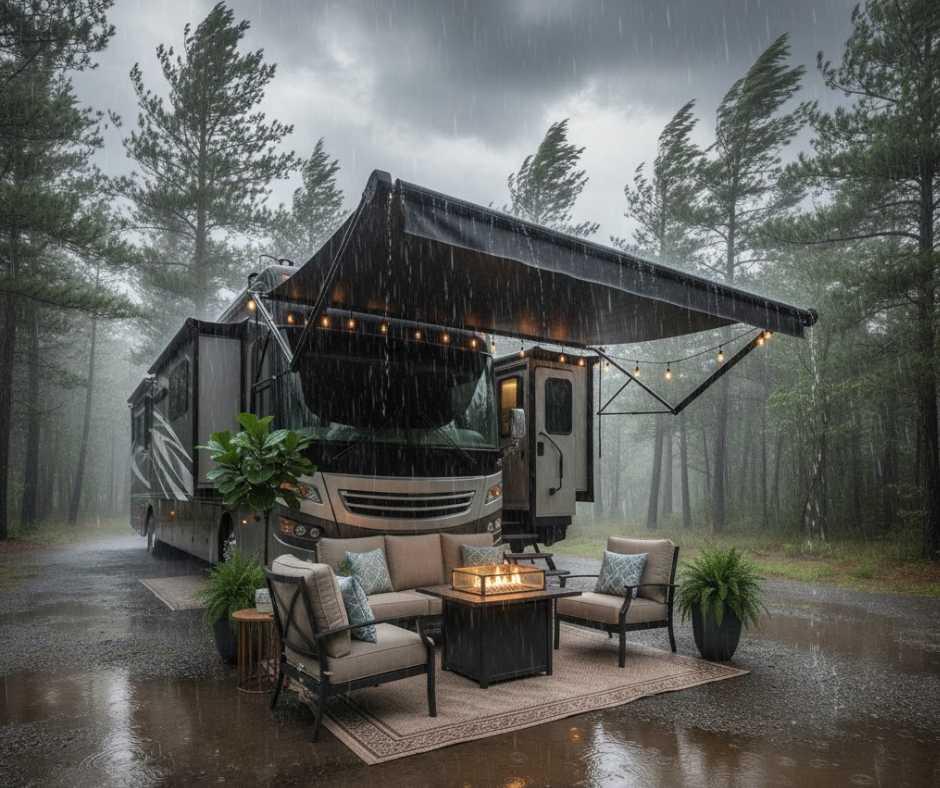
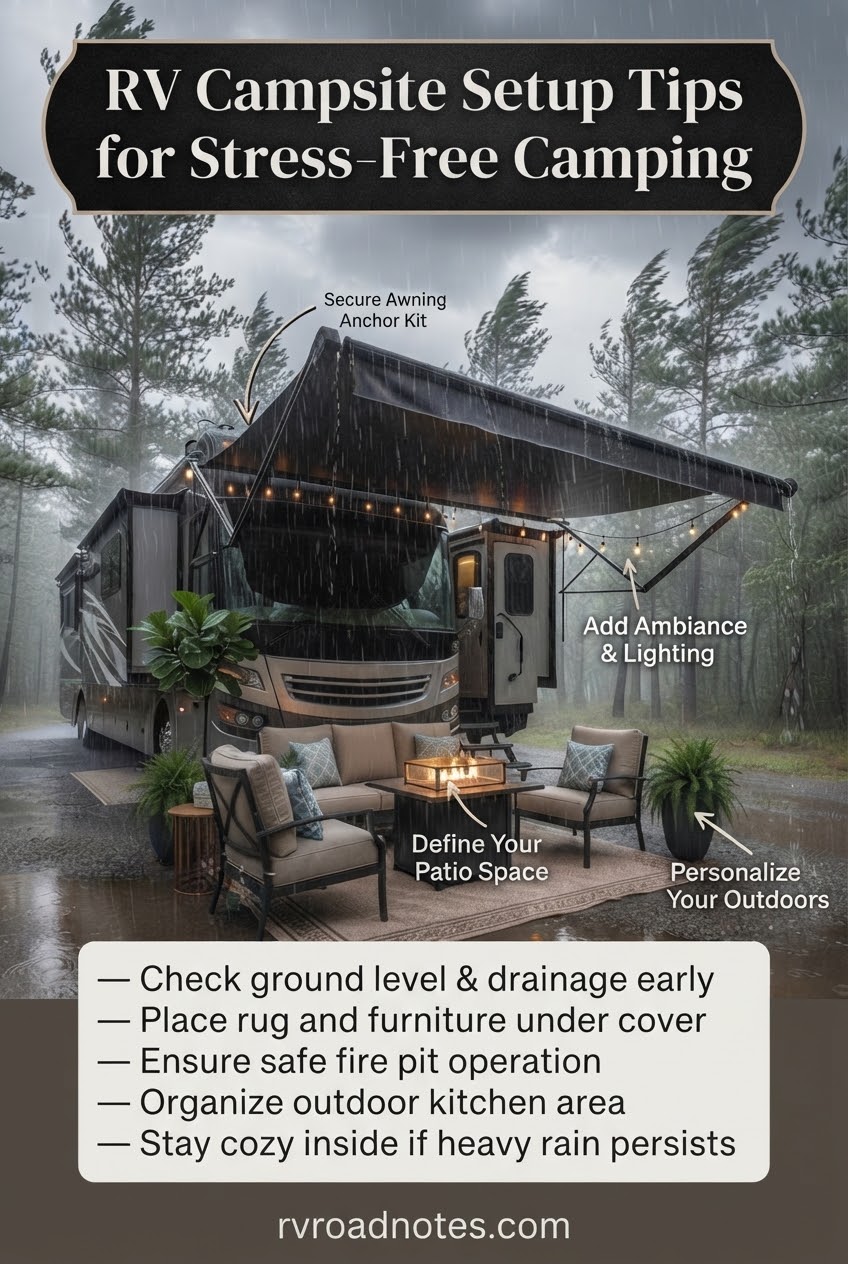
Weather changes faster than most campsite plans. Before settling in, I check wind exposure, rain drainage, temperature changes, and anything that could damage the RV or outdoor equipment. A campsite that works in calm weather may need adjustments before a storm.
Good preparation
- Protects outdoor gear from wind and rain.
- Reduces surprises during changing conditions.
Poor preparation
- Can leave equipment exposed.
- May create avoidable damage.
For public land camping, I also check current restrictions because fire rules and site conditions can change. BLM advises visitors to verify local regulations before camping.
Organize Storage and Interior Essentials
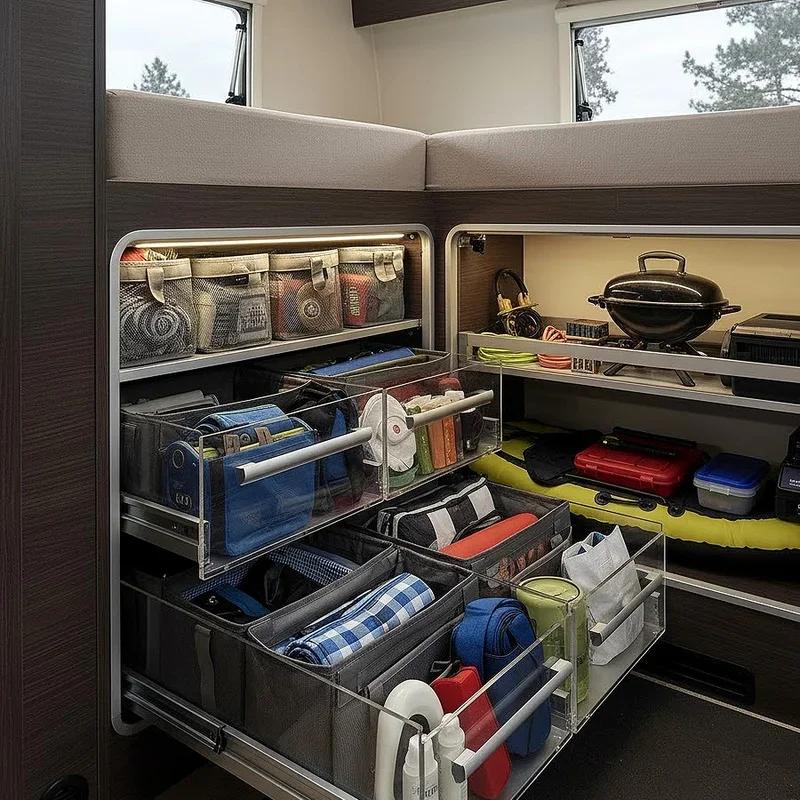
A campsite feels smaller when everything is scattered. I organize by frequency of use: daily items stay reachable, while rarely used equipment stays deeper in storage. This keeps the first evening after arrival calm instead of turning into a search mission.
Small change
A labeled storage bin system can save more time than adding another piece of camping gear.
Use Campsite Safety and Lighting Practices
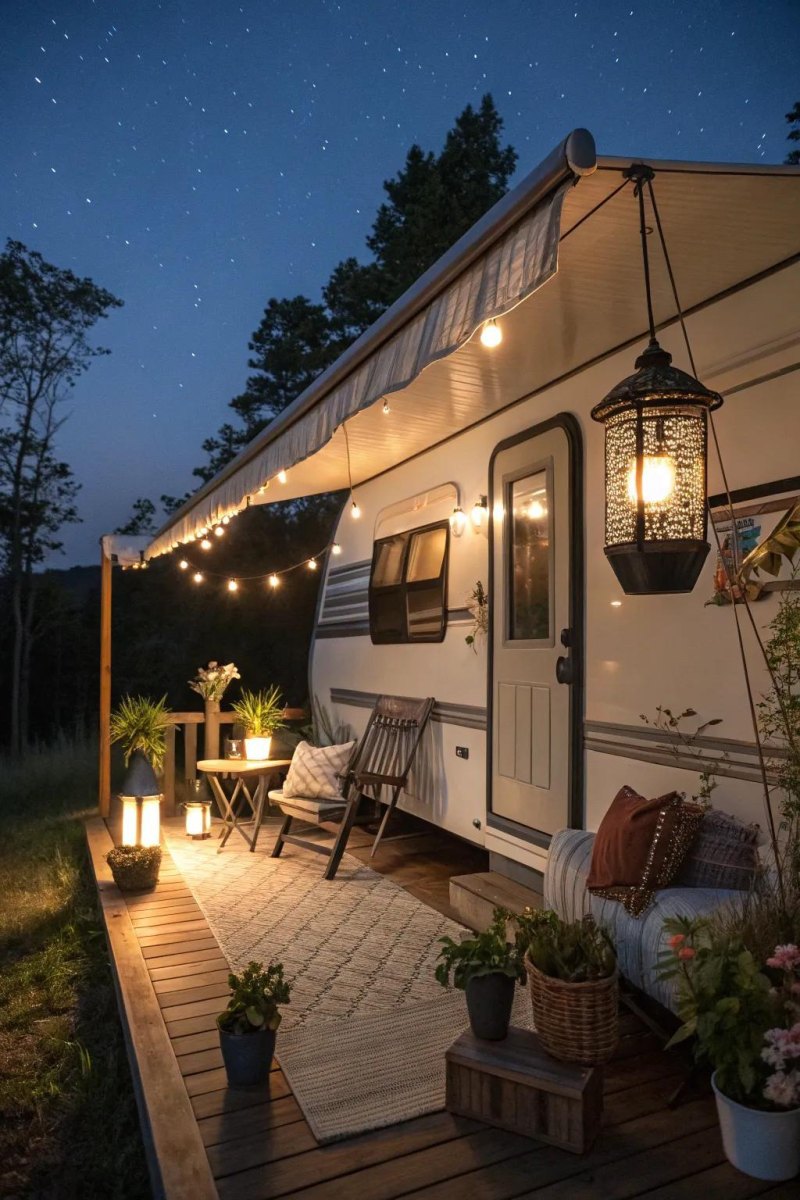
Good lighting is about more than comfort. It helps prevent trips, makes equipment checks easier, and keeps nighttime movement safer. I keep pathways visible without turning the campsite into a stadium.
Safety reminder
Never run a generator near windows, vents, or openings where exhaust can enter the RV. Carbon monoxide is odorless and dangerous, and agencies including the CDC warn that generator exhaust can cause poisoning.
25 feet
A common minimum distance cited for portable generators from homes and openings when using them safely.
Pack Up Efficiently Before Leaving
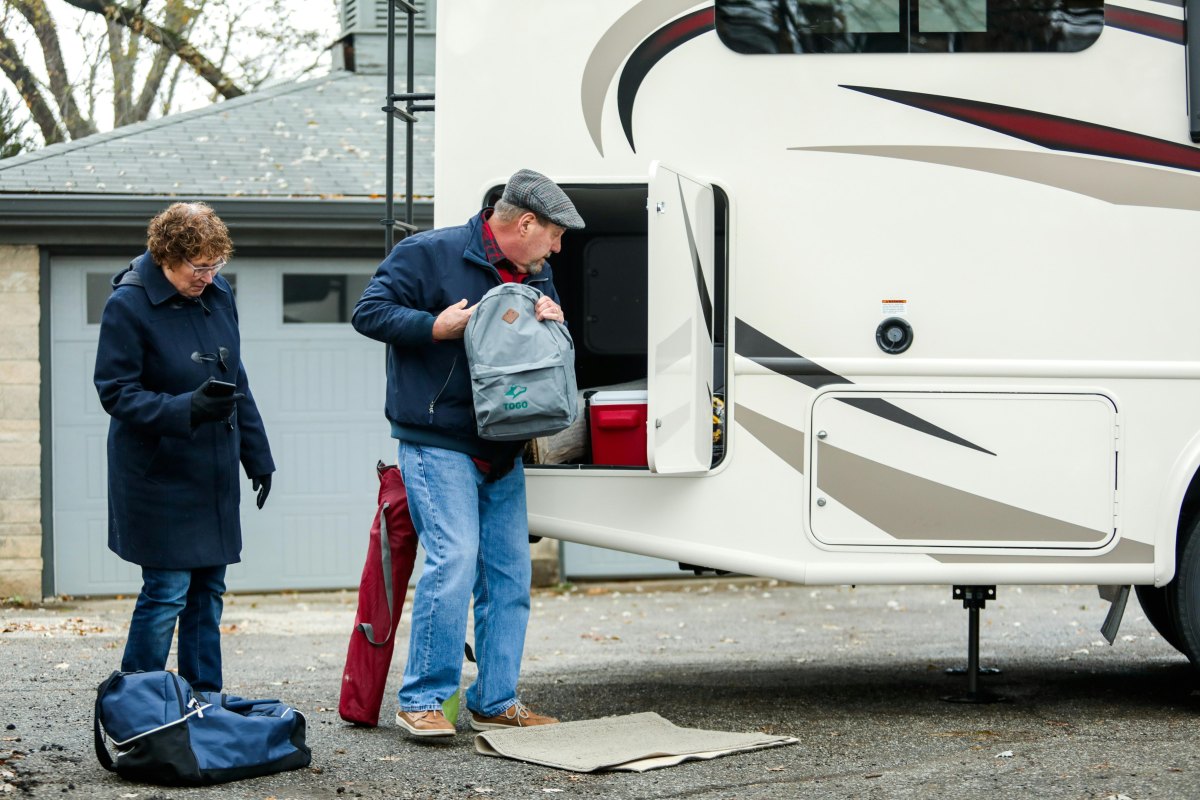
A clean departure starts before the last morning. I reverse my setup order: outdoor items first, interior checks next, then hookups. This reduces the chance of forgetting a hose, stabilizer, cabinet latch, or personal item.
Leave the campsite ready for the next person.
BLM camping guidance
Responsible departures matter especially on public lands, where agencies encourage packing out waste and minimizing impact.
More Pinterest Visuals