

Full-time RV living can offer flexibility and memorable places to wake up, but the lifestyle has practical limits that are easy to miss in vacation photos. After years on the road, I have found that the hardest parts are usually not the scenery or driving — they are the everyday systems that keep a home running.
This guide covers the real drawbacks of RV life so you can decide whether the trade-offs match the way you want to live.
Limited Living Space and Lack of Storage
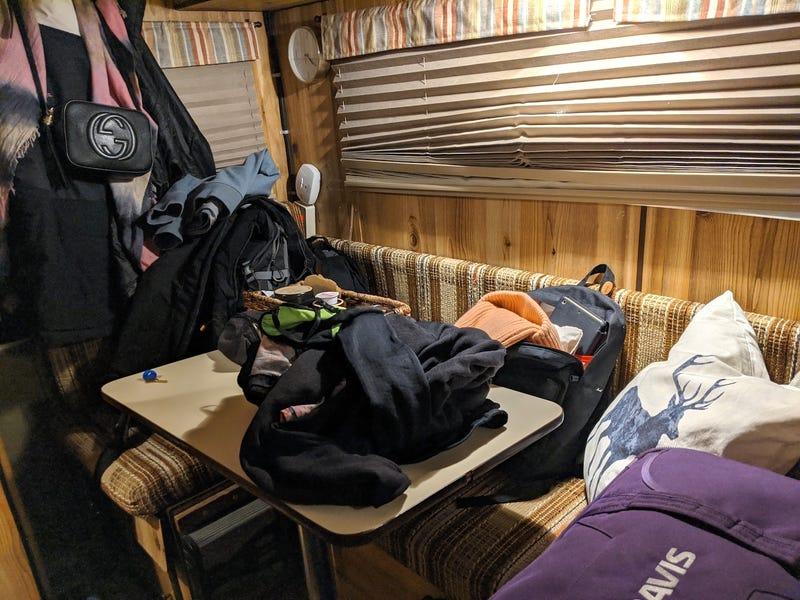
An RV forces every possession to earn its place. Limited storage space becomes noticeable with clothing, tools, food supplies, and seasonal equipment. Industry surveys regularly list storage as one of the common frustrations among RV owners.
The challenge is not only fitting items inside. It is keeping daily life organized when your bedroom, office, kitchen, and garage share the same few feet.
Practical tip
Try a long rental before selling your home. A two-week trip will show you what you actually use.
Expensive Maintenance and Repairs
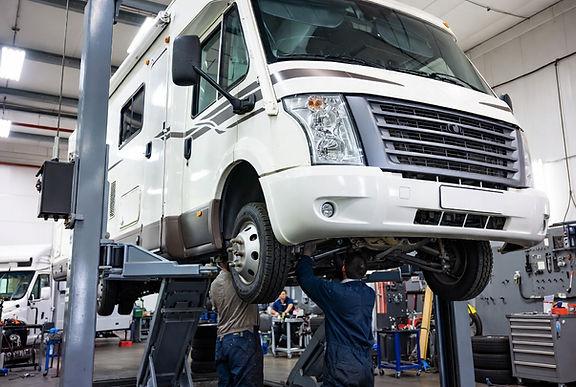
An RV is both a vehicle and a house, which means two categories of problems can appear at once. Unexpected repairs can interrupt travel plans and create large bills.
Roof seals, appliances, tires, electrical systems, and plumbing all require attention. Some repairs are manageable, while safety-related systems should be handled by qualified technicians.
Unpredictable Travel and Fuel Costs
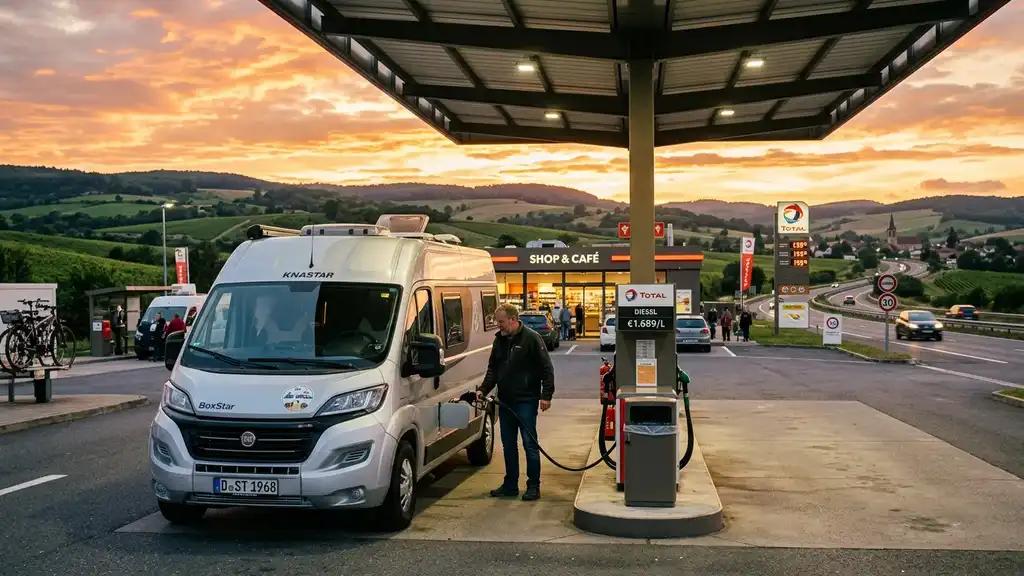
Moving frequently sounds simple until fuel prices rise or a route requires extra miles. Fuel expenses depend on rig size, driving habits, and current prices.
A slower travel style can reduce costs, but spontaneous detours, towing, and long distances can quickly change a monthly budget.
Variable
Fuel costs change with distance, rig type, and market prices.
Difficulty Finding Reliable Internet Access
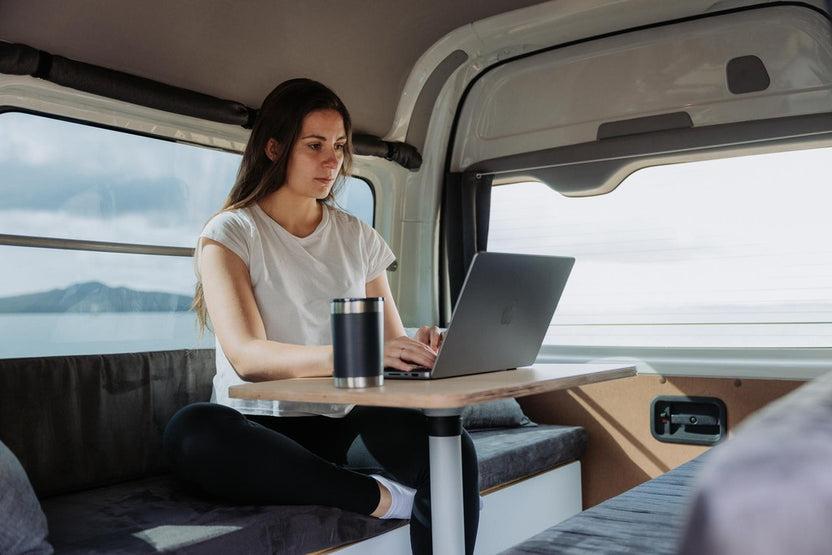
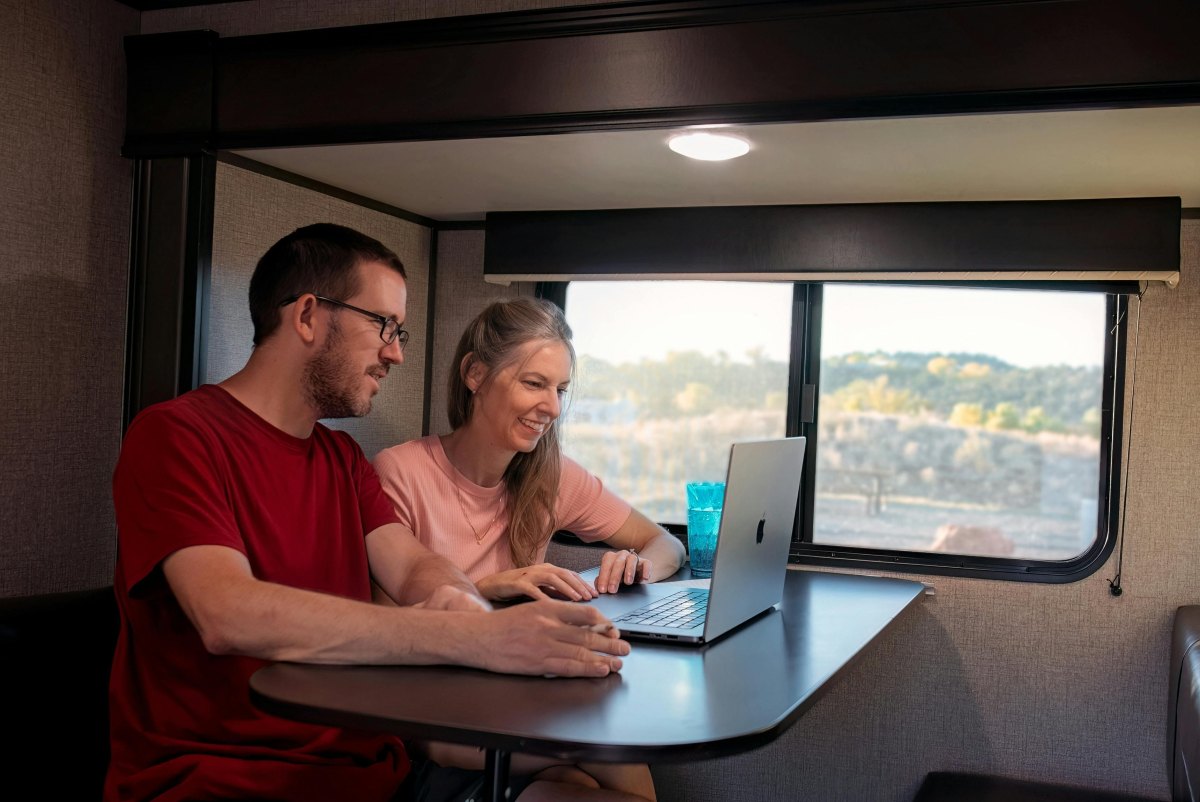
Working from an RV requires more planning than simply connecting at home. Reliable internet access can disappear in rural areas where cell coverage and campground Wi-Fi are limited.
Many full-timers combine multiple options because no single connection works everywhere.
Lack of Personal Privacy
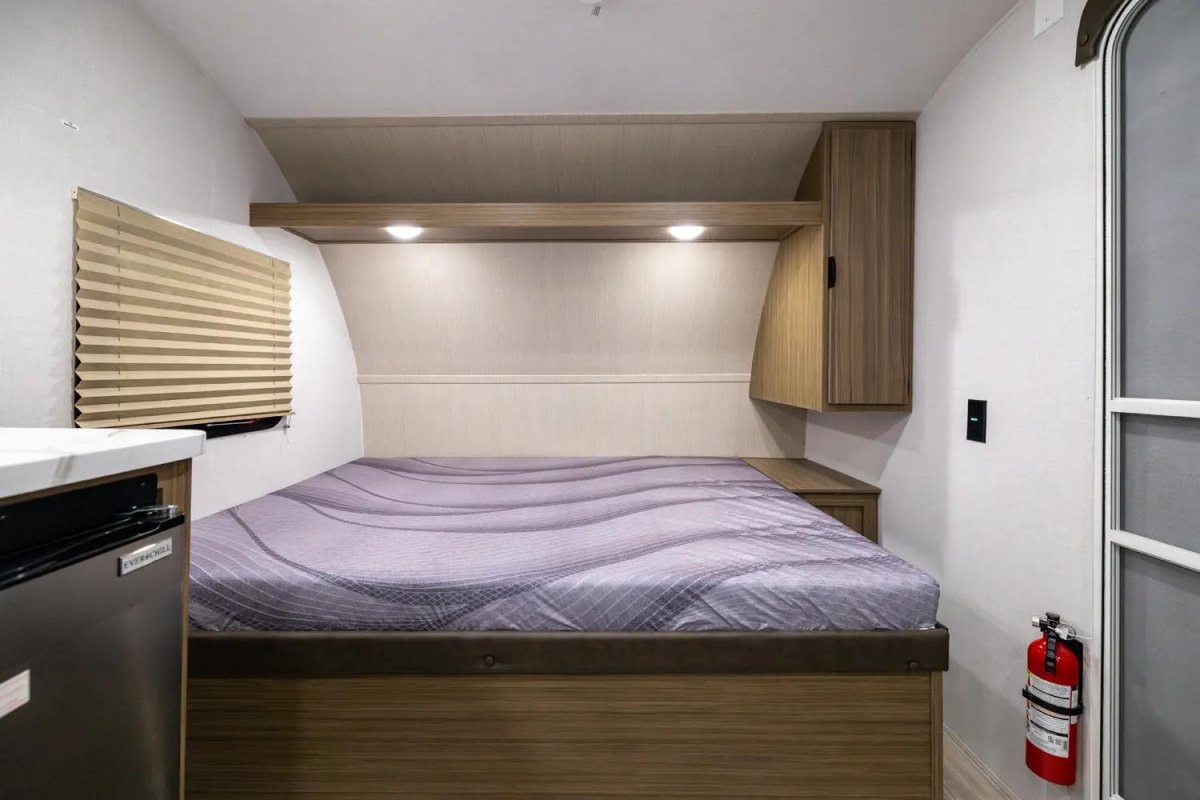
Small spaces create closeness, but they also remove separation. Personal privacy can become difficult when two people live, work, and relax in the same compact area.
Even solo travelers notice that everyday activities require more awareness because there are fewer places to step away.
Possible benefits
- Less cleaning
- Simple routines
Common drawbacks
- Few quiet spaces
- Limited separation
Limited Access to Healthcare and Services
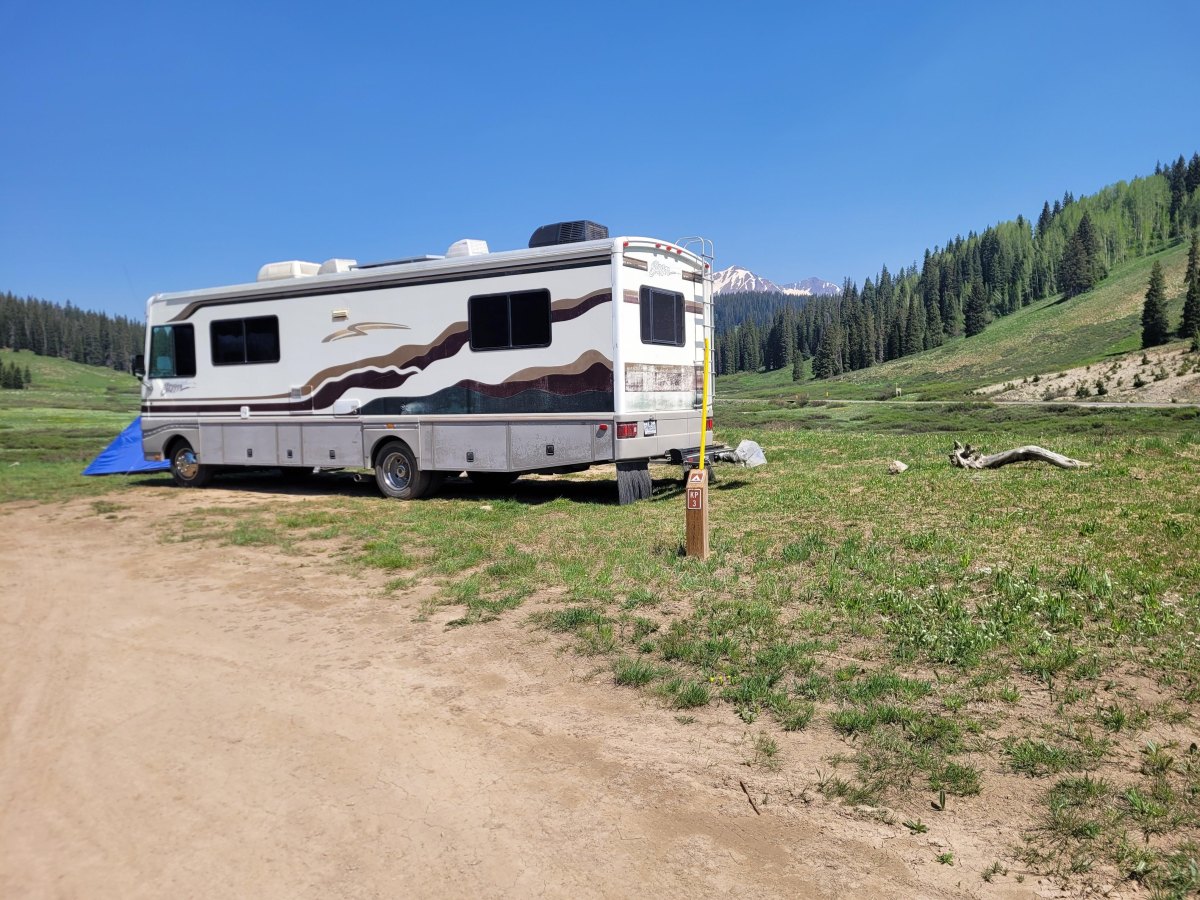
Traveling constantly can complicate routine appointments and emergency planning. Healthcare access may require researching networks, locations, and available providers before moving.
Remote areas offer beautiful campsites, but they can also mean longer drives for basic services.
Plan ahead
Know where medical facilities are before staying far from towns.
Challenges With Weather and Extreme Conditions
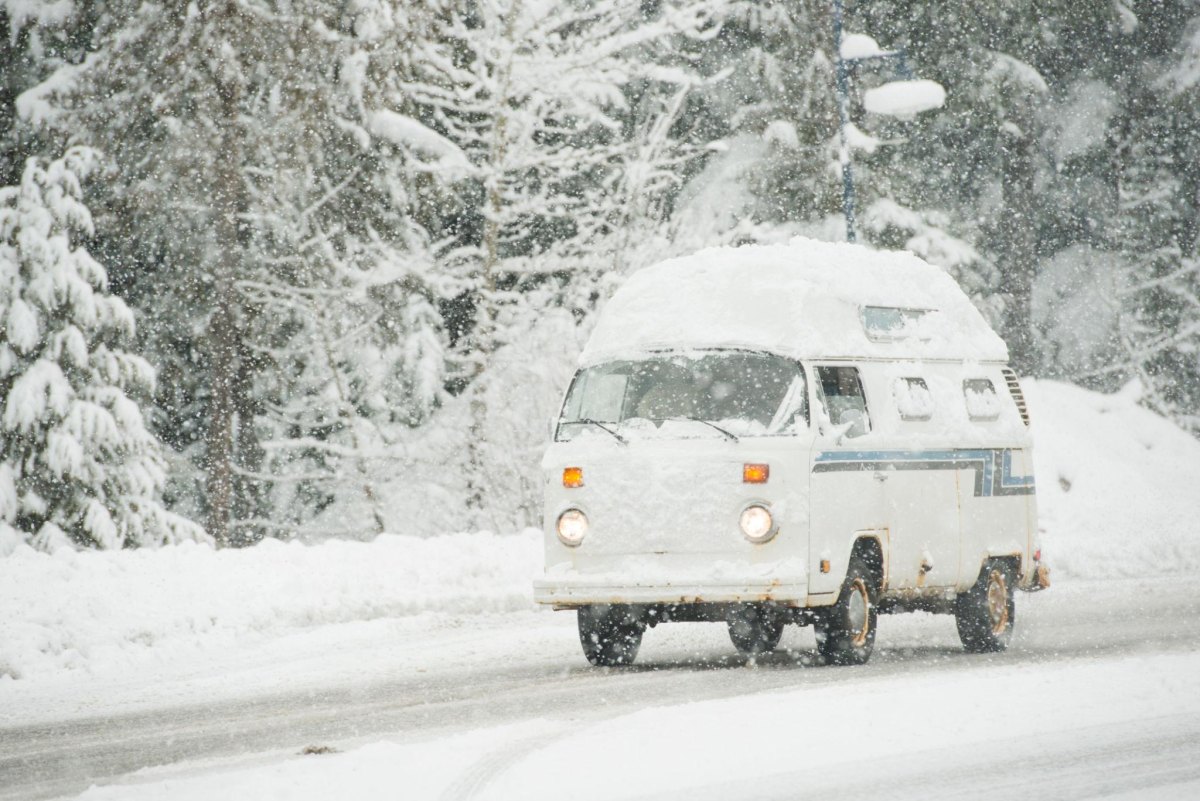
An RV has less insulation and protection than a traditional home. Extreme weather conditions such as heat, cold, storms, and wind can affect comfort and safety.
Good preparation helps, but weather can still force route changes or shorten stays.
Constant Driving and Travel Planning Stress
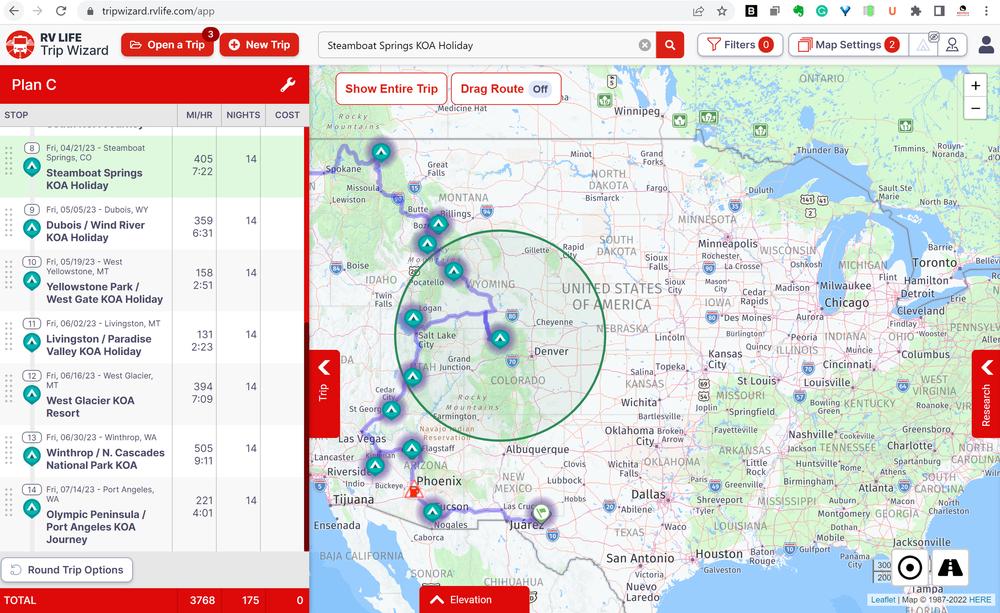
The freedom to move also creates responsibility. Travel planning stress comes from choosing routes, checking roads, finding legal places to stay, and managing time.
Large vehicles require attention to clearance, weather, fuel stops, and parking options before arrival.
Smaller Kitchen and Cooking Limitations
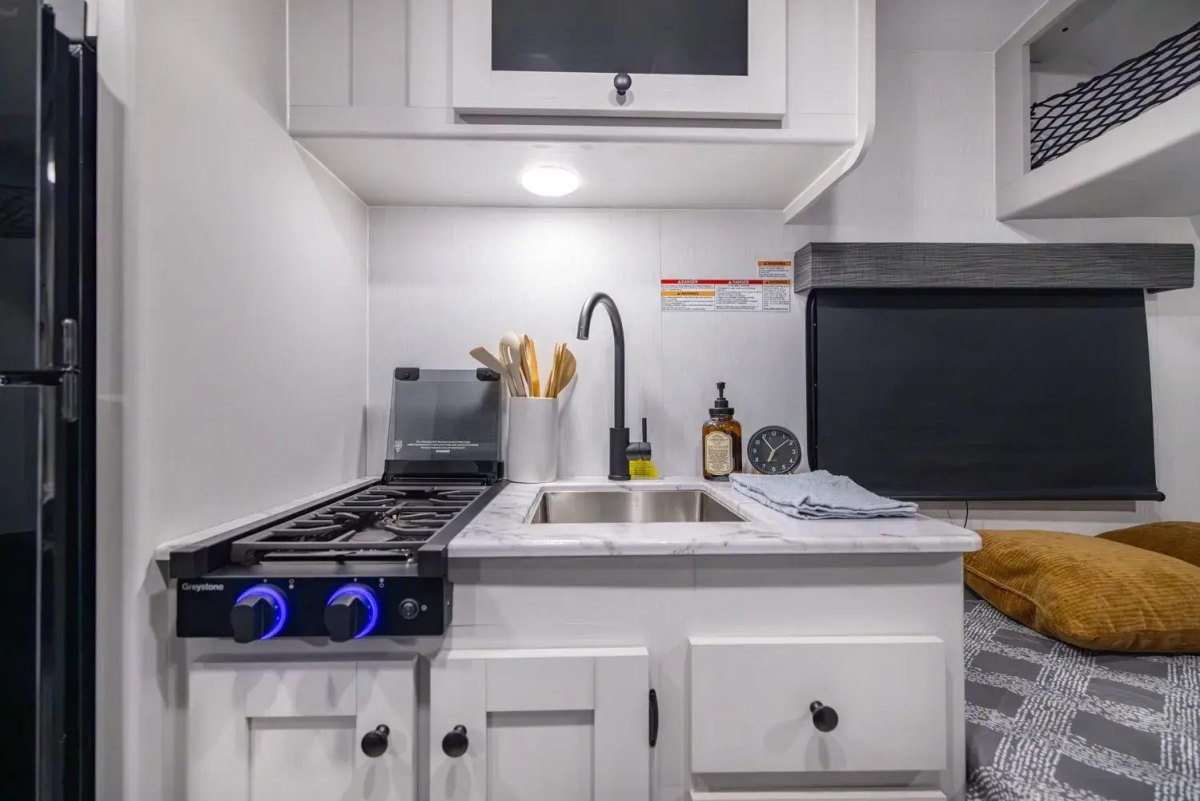
Cooking in an RV is possible, but the kitchen rarely matches a house. Small kitchen limitations affect storage, preparation space, and appliance choices.
Meal planning becomes more important because refrigerator space and pantry capacity are limited.
Kitchen reality
The easiest RV meals are usually simple, repeatable, and designed around what you can store.
Water, Electricity, and Waste Management Issues
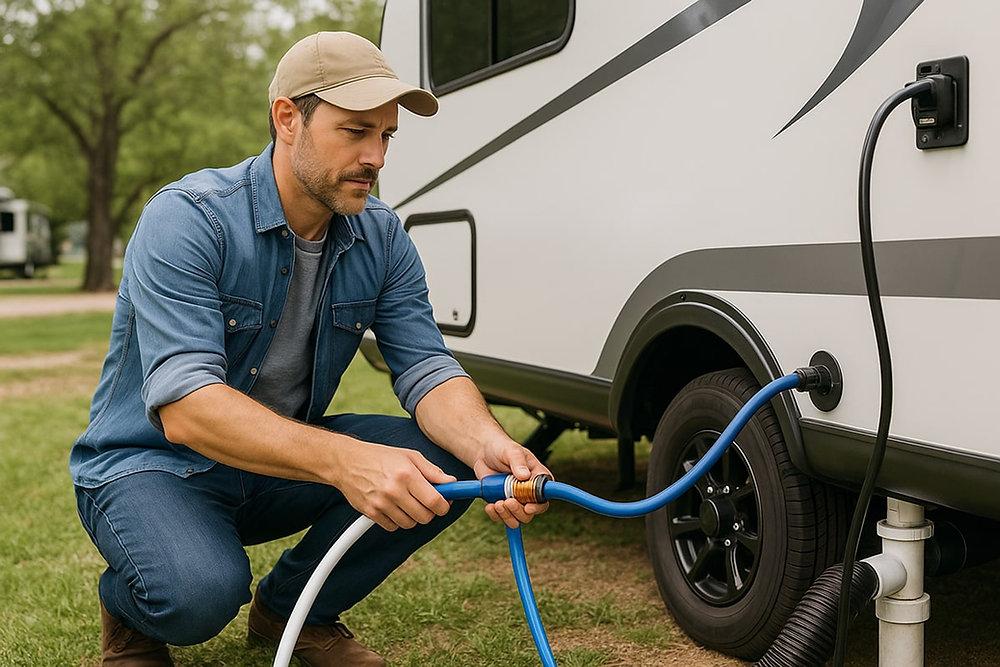
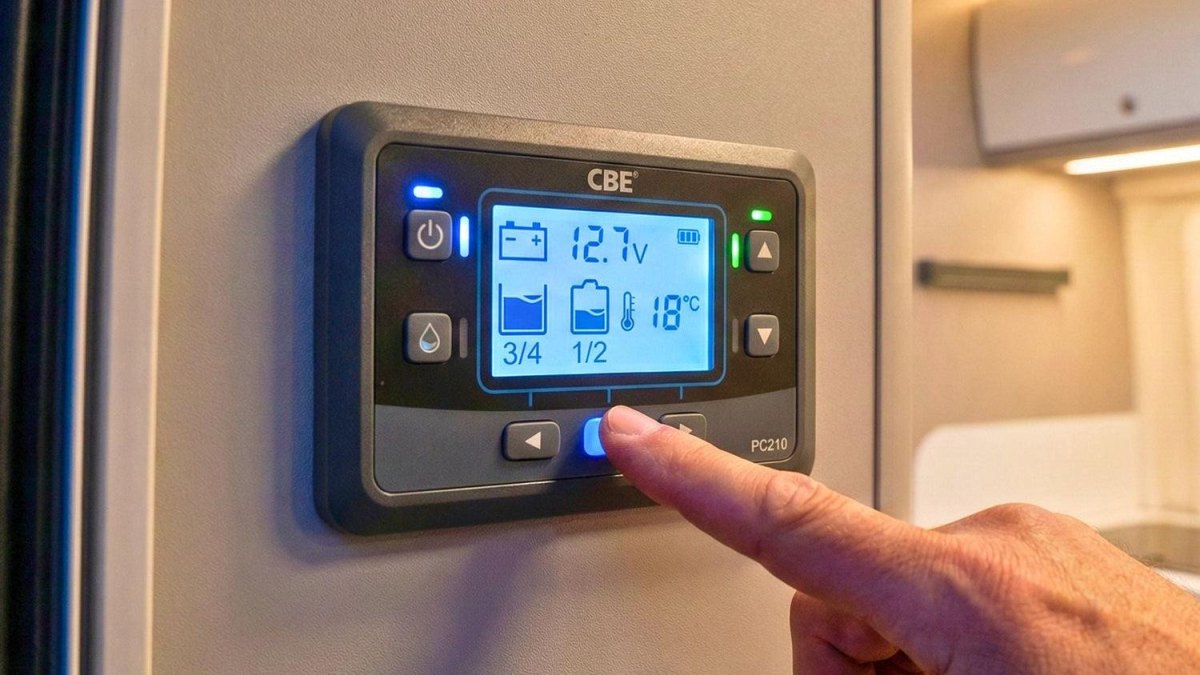
Daily life depends on managing resources carefully. Water and power limits affect shower length, laundry, cooking, and off-grid stays.
Waste disposal also requires following campground and local rules rather than treating an RV like a house with unlimited utilities.
Common mistake
Assuming hookups will always be available makes remote travel much harder.
Difficulty Maintaining Relationships on the Road
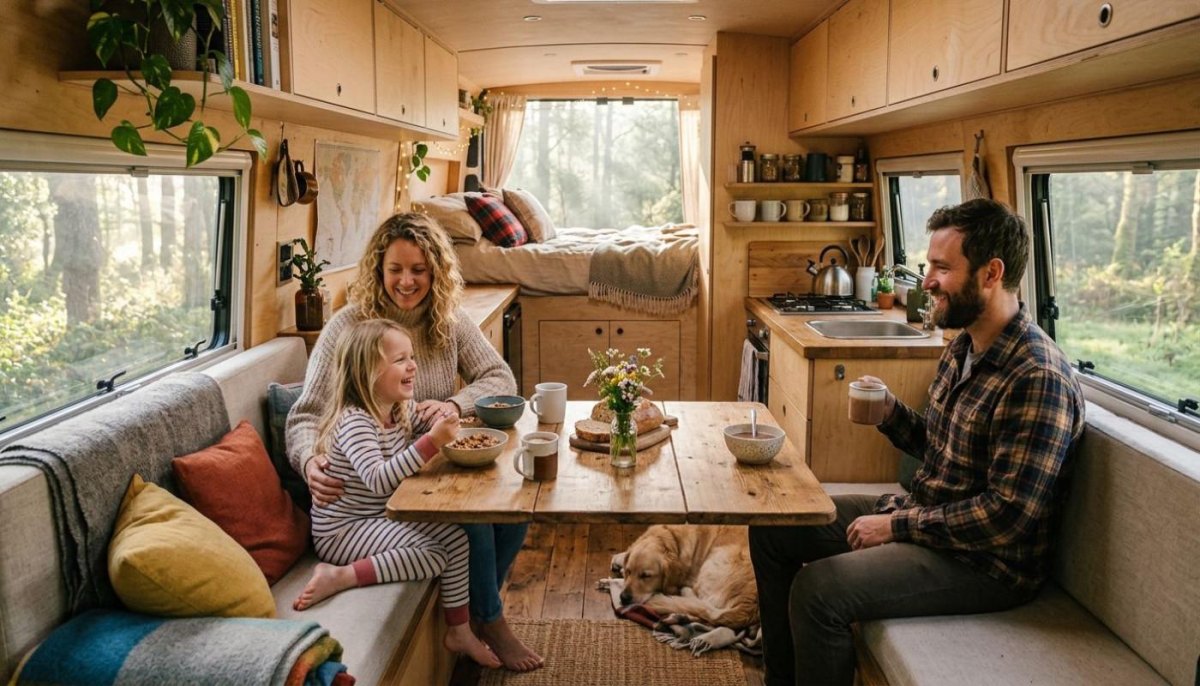
Travel can create wonderful memories, but distance changes relationships. Maintaining connections requires effort when friends and family are spread across different places.
Long-term RV life often means replacing spontaneous visits with planned calls, meetups, and travel schedules.
The road gives you places, but relationships still require time.
RV Road NotesFinding Safe and Affordable Parking Spots
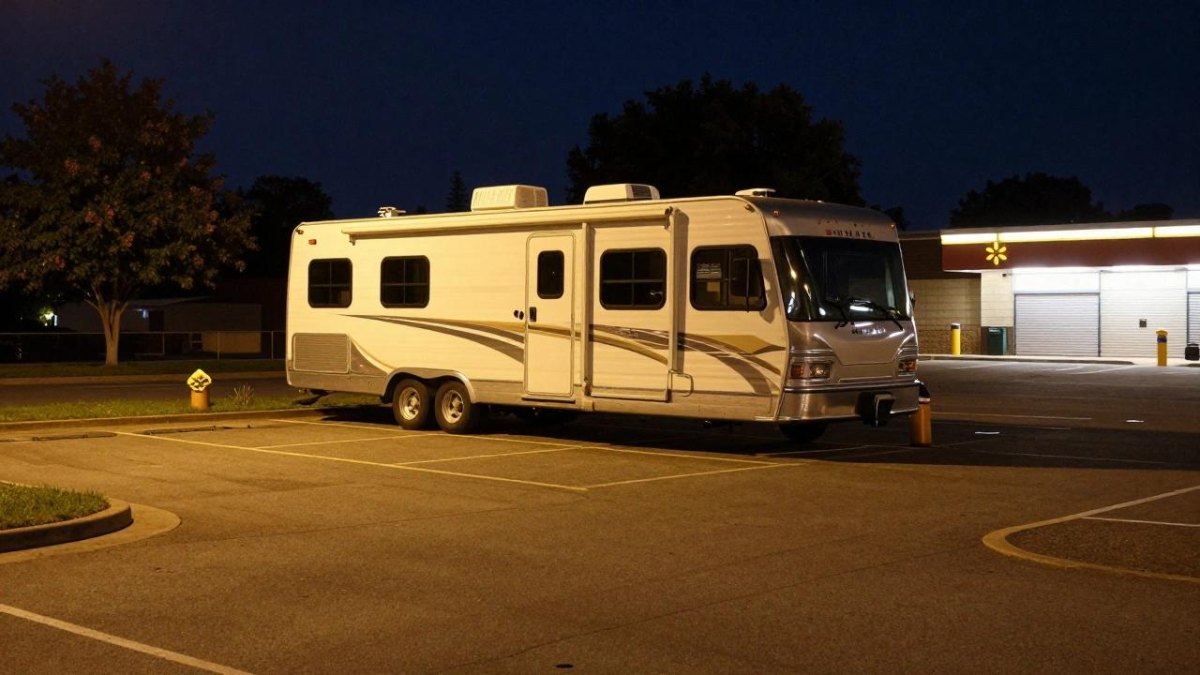
Finding a legal place to stay is one of the ongoing logistics of full-time travel. Affordable parking options can be limited in popular areas, especially during busy seasons.
Successful RVers often plan farther ahead or travel during less crowded periods.
| Option | Challenge |
|---|---|
| Campgrounds | Availability and fees |
| Dispersed camping | Rules and limited services |
Reduced Stability for Work and Daily Routines

A mobile lifestyle can make routines harder to maintain. Work stability depends on connectivity, quiet space, weather, and reliable power.
People who enjoy structure may find constant change more tiring than expected.
Remember
- Mobility adds freedom.
- Mobility also adds planning.
Loneliness and Social Isolation
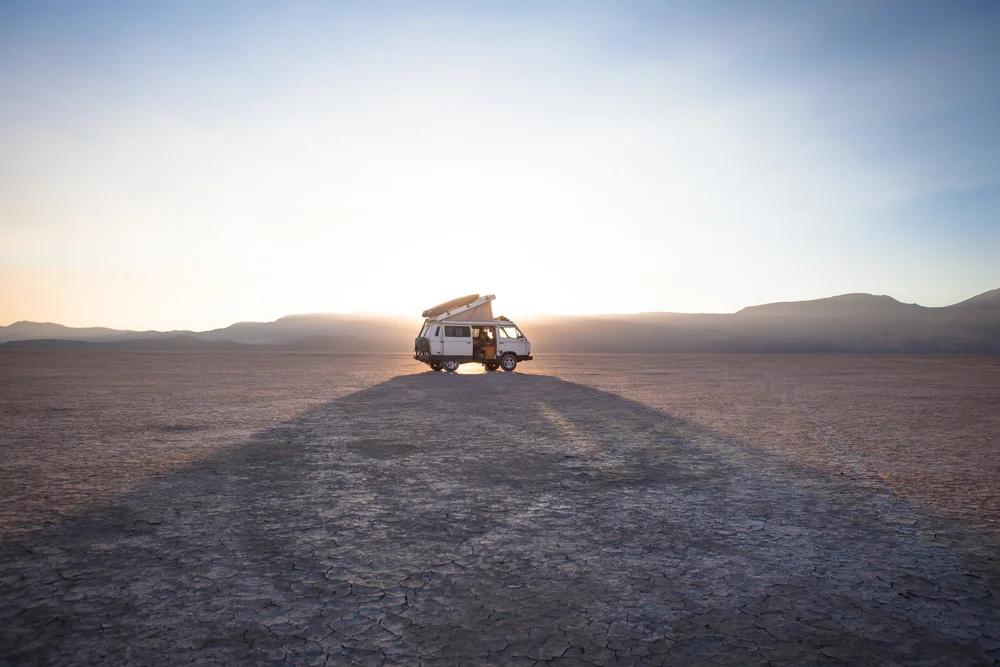
Traveling alone or constantly moving can create distance from familiar communities. Social isolation is a real concern for some full-time RVers.
Building new friendships usually requires staying in places longer and joining local or RV communities.
Helpful habit
Slow travel often makes it easier to build meaningful connections.
Depreciation and Financial Challenges of RV Ownership
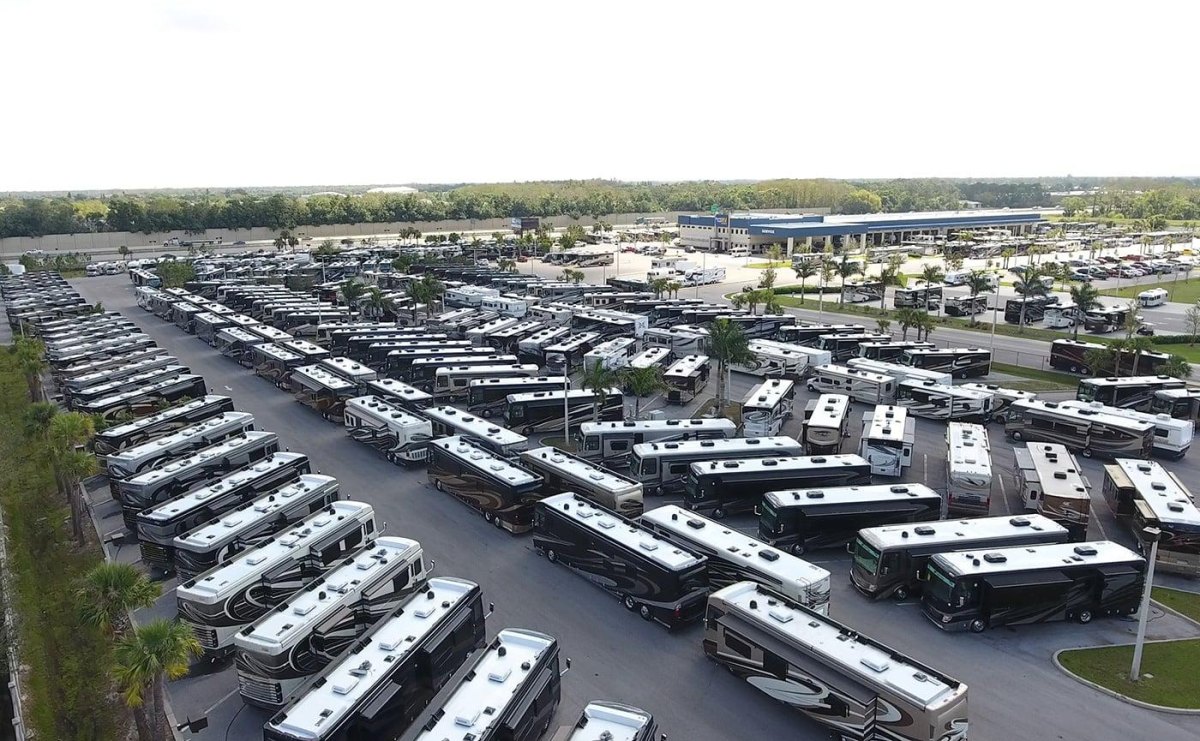
An RV is generally a depreciating asset rather than a traditional home investment. Financial planning matters because purchase price is only one part of ownership costs.
Insurance, maintenance, campground fees, fuel, and upgrades all affect the true cost of the lifestyle.
More Pinterest Visuals



 RV Maintenance & Care17 Essential RV Winter Storage Tips to Prevent Cold-Weather Damage
 RV Pet Travel11 RV Cat Tree Ideas That Make Small Spaces More Cat-Friendly
 Camping Gear & Planning15 RV Must-Haves for Beginners to Camp Safely and Comfortably
 Camping Recipes18 Easy RV Camping Snacks Ideas for Road Trips and Campfire Nights