

RV solar setup cost depends on how much power you need, how often you camp away from hookups, and which components you choose. A small weekend system can stay relatively simple, while a full-time boondocking setup with lithium batteries and an inverter can become a much larger investment.
I have found that the cheapest system is not always the least expensive over time. Matching the solar capacity to your actual use usually prevents paying twice for upgrades later.
RV Solar System Size and Cost Breakdown
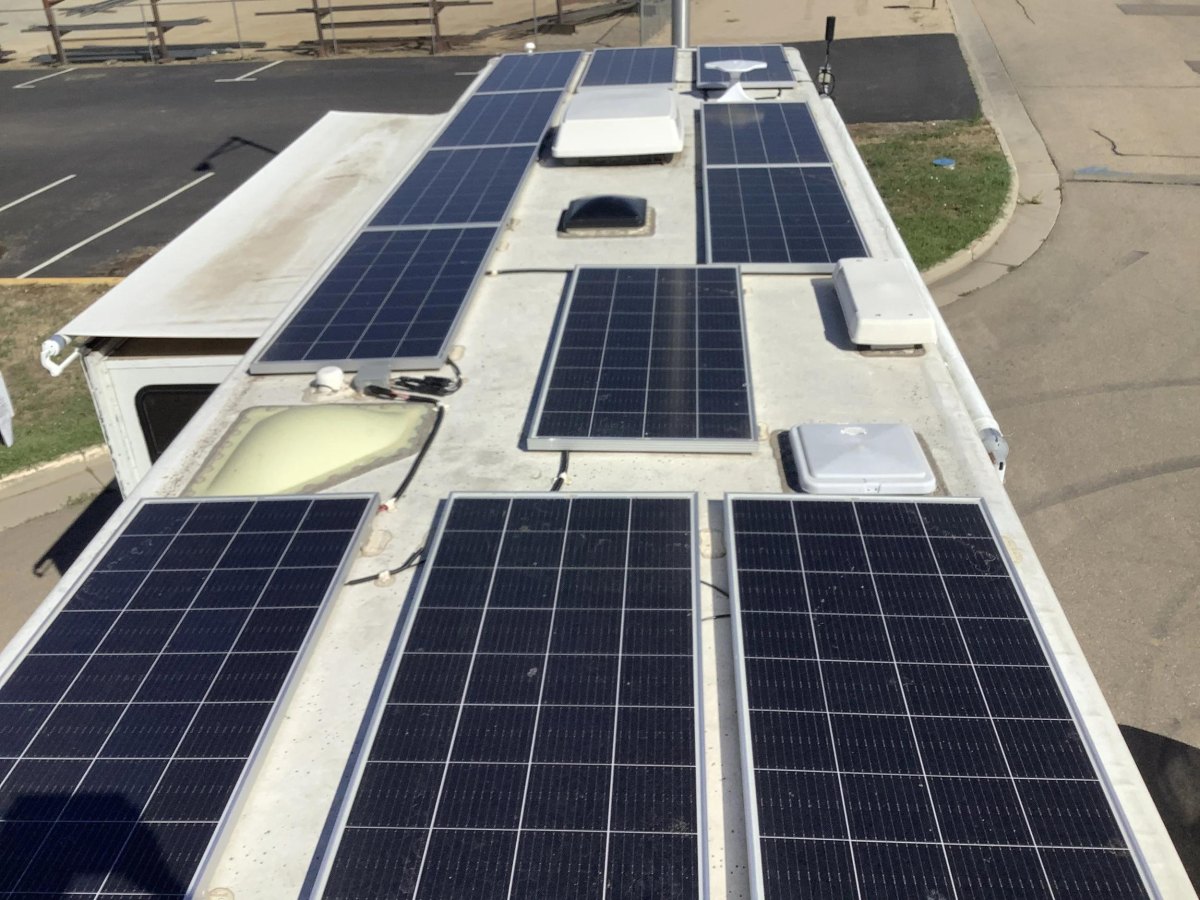
The first number to decide is your daily energy demand. A basic RV solar system may cost a few hundred dollars, while larger systems with more storage and appliances can reach several thousand dollars. Current RV solar kits show examples ranging from smaller 200W setups to complete systems above $3,000 with batteries included.
A practical budget usually includes panels, batteries, a charge controller, inverter, wiring, mounting hardware, and installation time. The total RV solar cost changes most when battery capacity increases.
Typical RV solar budget ranges
- Basic weekend setup: about $500-$1,500
- Mid-size boondocking setup: about $1,500-$3,500
- High-capacity full-time setup: $4,000 and up
| System size | Common use |
|---|---|
| 100W-300W | Lights, phones, small electronics |
| 400W-800W | Longer off-grid stays and larger loads |
| 800W+ | Heavy electrical use with larger storage |
Solar Panels and Installation Expenses for RVs
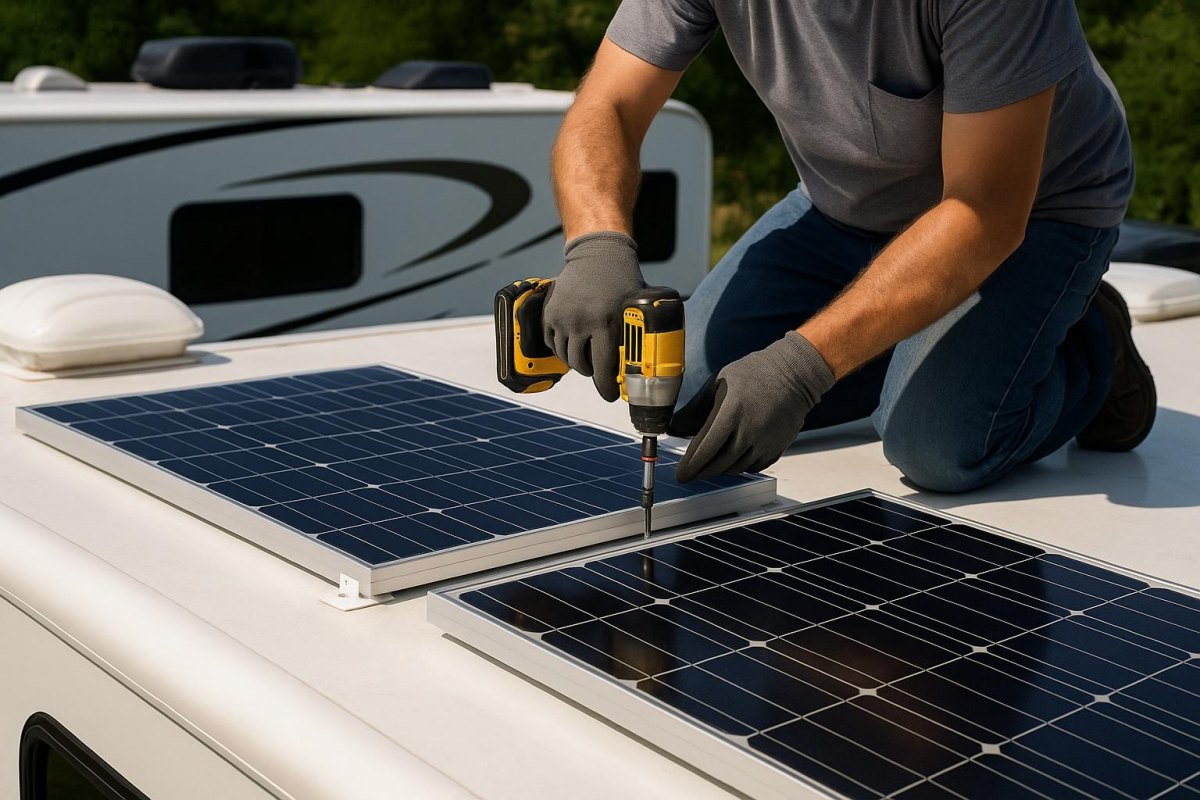
Solar panels are usually the most visible part of an RV system, but they are not the biggest expense in many builds. Current 400W RV solar kits are available around the hundreds of dollars before adding batteries and other equipment, while complete solutions cost more.
Installation costs depend on roof access, wiring routes, panel type, and whether the installer needs to modify existing equipment. Panel installation pricing can vary widely between a simple travel trailer and a larger motorhome.
- Calculate. Estimate daily watt-hours before buying panels.
- Measure. Check available roof space and mounting options.
- Install. Protect roof penetrations and follow electrical safety practices.
Planning tip
Do not fill every available roof space with panels before checking battery capacity. Extra solar production cannot replace missing storage.
RV Solar Batteries and Storage Costs
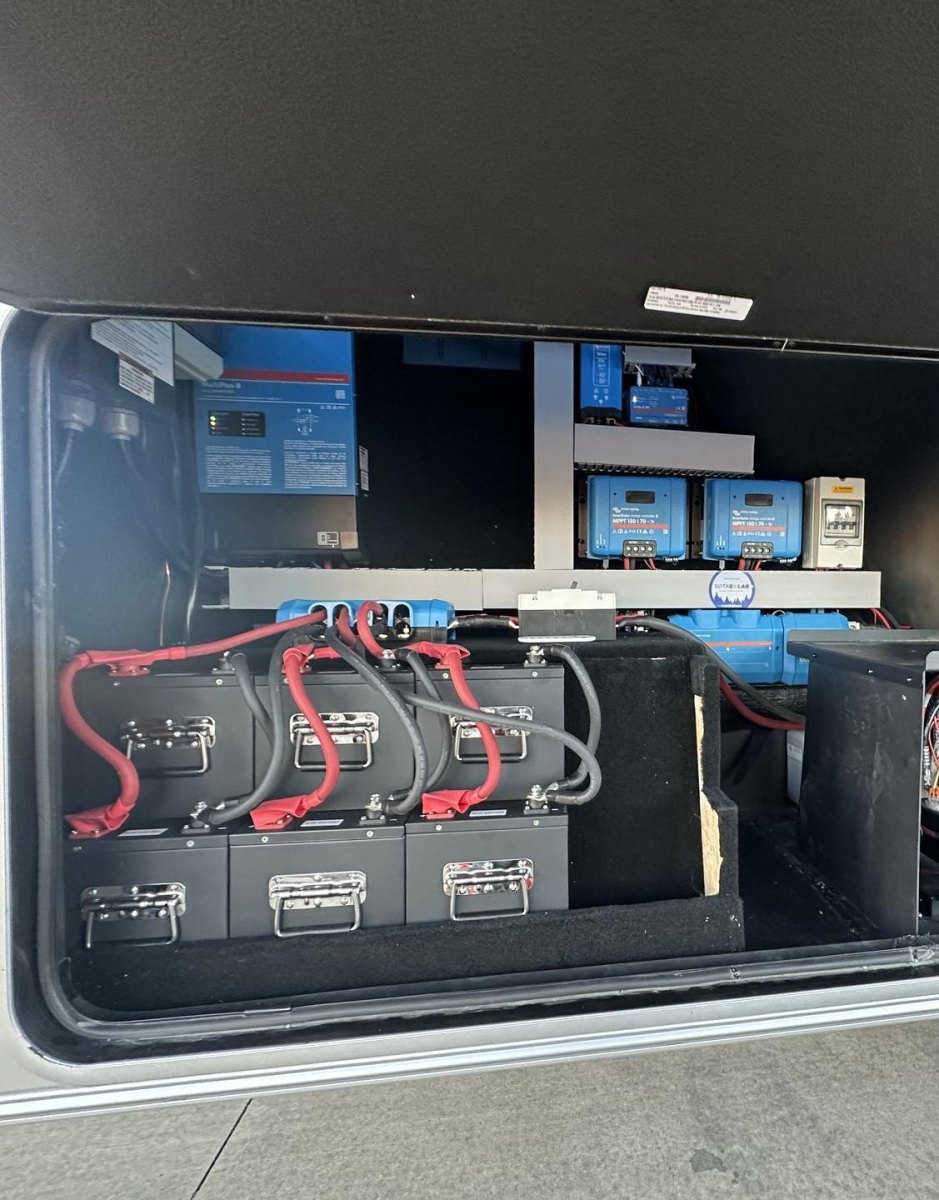
Batteries are where many RV solar budgets grow. Lithium iron phosphate batteries cost more upfront than older lead-acid options, but they provide different weight, usable capacity, and lifespan characteristics. Current RV battery products commonly range from smaller batteries to multi-kilowatt-hour storage systems.
For most off-grid travelers, the battery storage size matters as much as panel wattage because cloudy days and nighttime use depend on stored energy.
- Small battery bank: Suitable for basic electronics and short trips.
- Medium battery bank: Better for refrigerators, computers, and longer stays.
- Large battery bank: Designed for higher loads and frequent boondocking.
Weight check
Battery upgrades still count toward your RV's payload limits. Check manufacturer ratings before adding heavy equipment.
RV Solar Charge Controllers and Inverter Costs
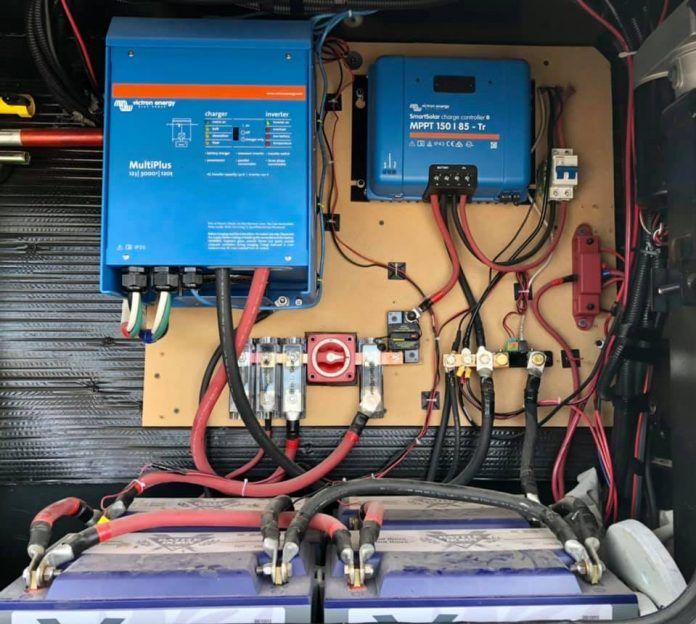
The charge controller and inverter connect the solar panels, batteries, and appliances into a usable system. MPPT charge controllers are common in RV installations because they improve energy harvesting compared with simpler controllers. Current controllers and inverters vary from smaller components to larger units designed for high loads.
A good budget separates these parts instead of treating them as accessories. The inverter and controller cost depends on how much power you want available at one time.
Benefits
- Better control over power use
- Ability to run selected AC appliances
- More flexible future upgrades
Trade-offs
- Higher upfront cost
- More wiring complexity
- More components to maintain
DIY RV Solar Setup Cost vs Professional Installation
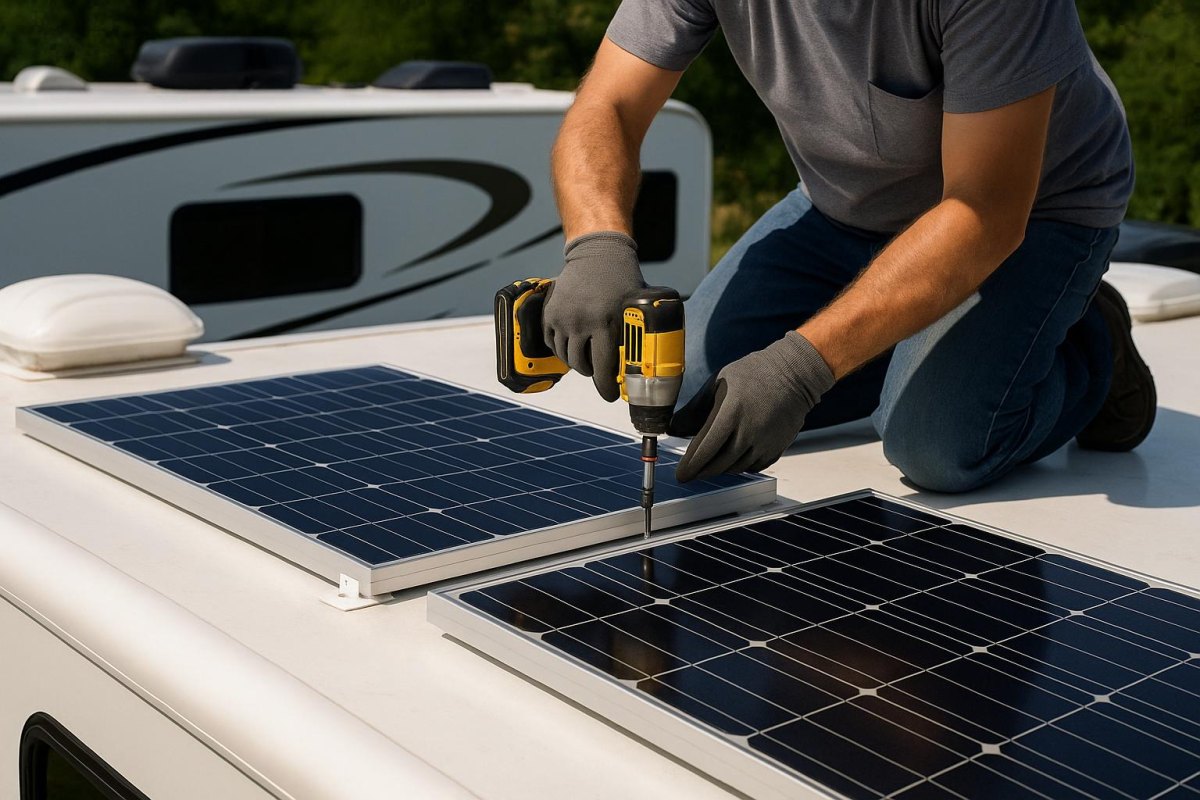
A DIY RV solar setup can reduce labor costs, especially for owners comfortable with electrical planning and careful installation. Professional installation adds expense but can be worthwhile when the system is complex or roof work is involved.
I usually separate the tasks into what is reasonable to learn and what deserves expert attention. Installation labor savings are only valuable when the final system is safe and reliable.
- Understand your power requirements first.
- Use correctly rated wiring and protection equipment.
- Have complex electrical work reviewed when needed.
- Do not exceed RV weight ratings.
Common mistake
Buying the largest inverter first is a frequent budget mistake. Size the system around actual loads instead.
Long-Term Savings and Maintenance Costs of RV Solar

RV solar does not eliminate costs completely. Panels, batteries, wiring connections, and monitoring equipment all need occasional attention. The savings come from reducing generator use and making remote camping easier.
A realistic budget includes replacement planning for batteries and small maintenance items. Long-term solar value comes from matching the system to your travel style rather than overspending on unused capacity.
25 years
Performance warranty example listed for some current RV solar panel kits
Maintenance reminder
Inspect connections, keep panels clean, and watch battery health readings regularly so small issues do not become expensive repairs.


More Pinterest Visuals



 RV Maintenance & Care17 Essential RV Winter Storage Tips to Prevent Cold-Weather Damage
 RV Pet Travel11 RV Cat Tree Ideas That Make Small Spaces More Cat-Friendly
 Camping Gear & Planning15 RV Must-Haves for Beginners to Camp Safely and Comfortably
 Camping Recipes18 Easy RV Camping Snacks Ideas for Road Trips and Campfire Nights