Building a campervan does not require a luxury van, a professional workshop, or a giant budget. After years of watching builds succeed and fail on the road, I have found that the best cheap campervan ideas focus on weight, reliability, and using every inch wisely.
A budget conversion works when the basics are covered first: a safe vehicle, a comfortable sleeping setup, practical storage, and enough power for the way you actually travel. The goal is not to copy an expensive showroom build. It is to create a dependable little home that matches your trips.
Quick summary
- Start with a simple layout before buying accessories.
- Prioritize safety, weight limits, and reliable systems.
- Use modular ideas so your camper can evolve over time.
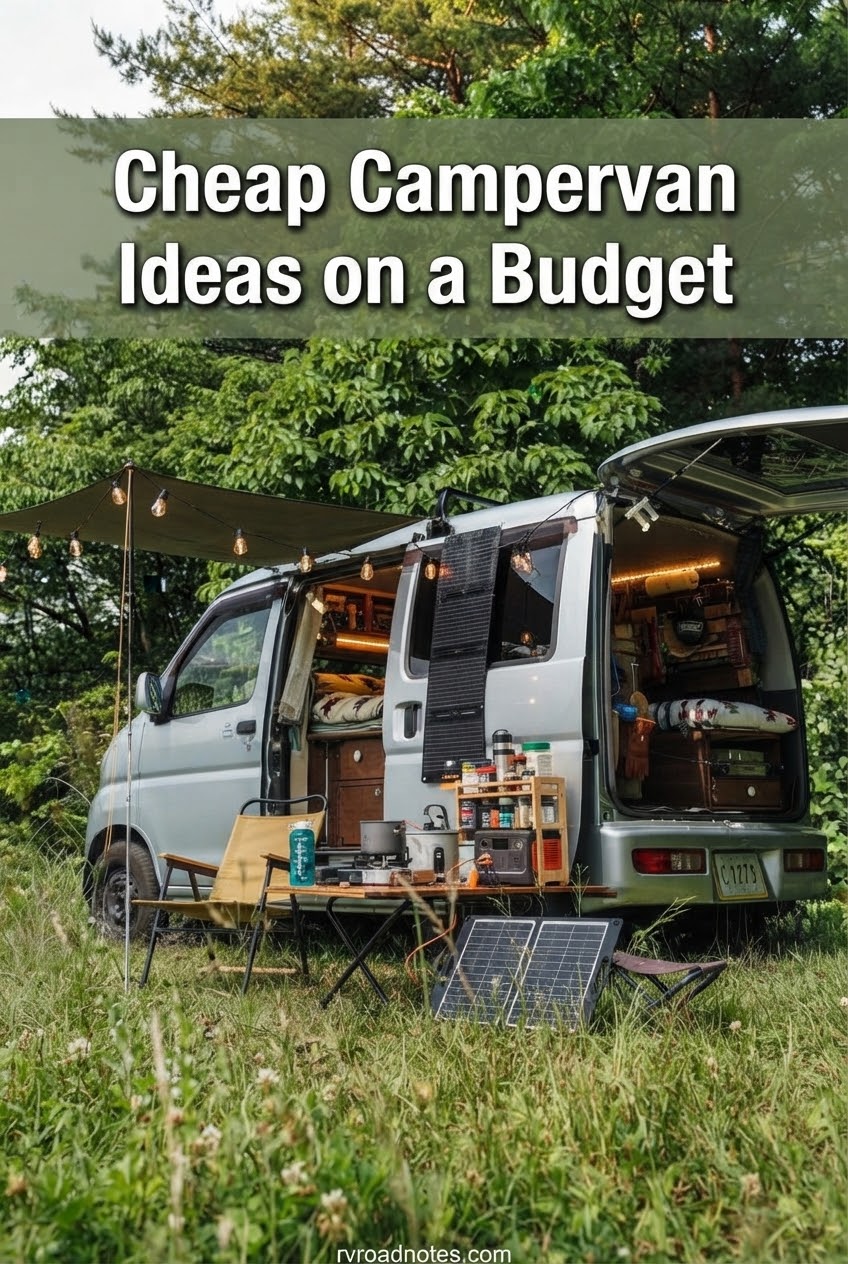
Convert a Used Minivan into a Budget Campervan
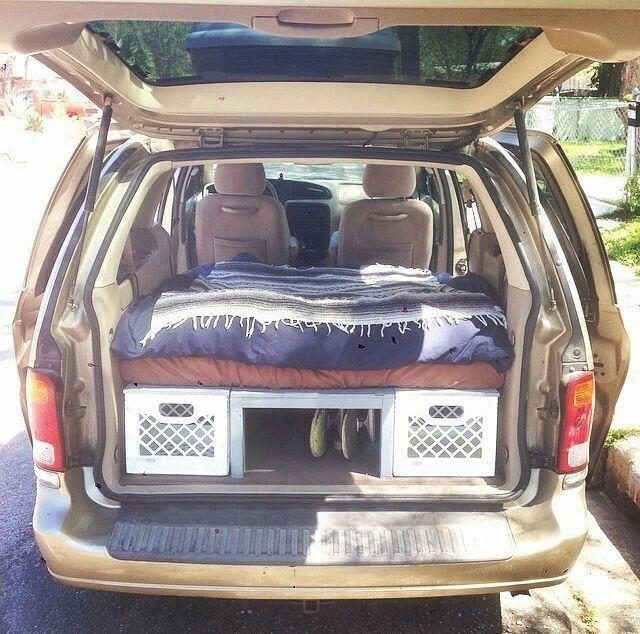
A used minivan is one of the easiest ways to begin a cheap campervan conversion. The lower purchase price, easy driving manners, and everyday usability make vehicles like these practical for weekend travel.
The first changes should be simple: remove unnecessary interior pieces, add a sleeping platform, create storage bins, and keep the build removable if possible. Before buying any used vehicle, check service history, rust, brakes, and tires. Tire condition matters because aging tires can fail even when tread looks acceptable.
Make a Low-Cost Solar Power Setup
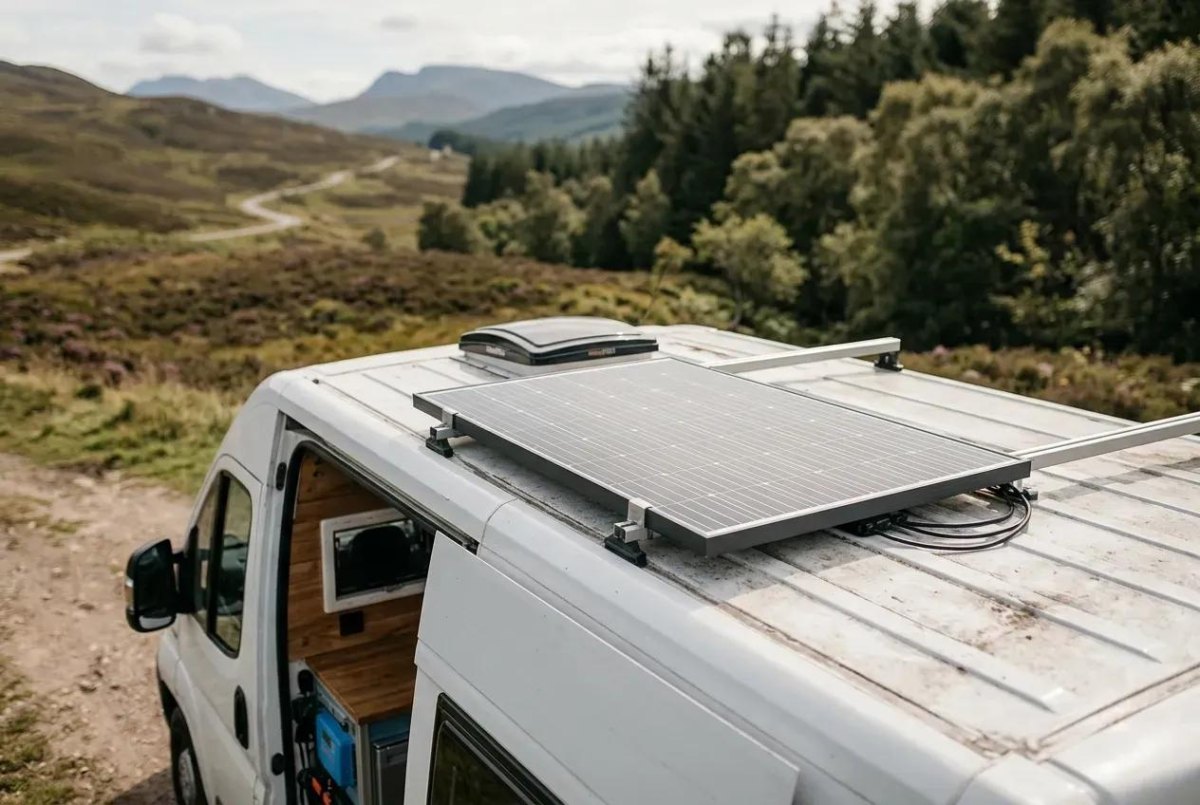
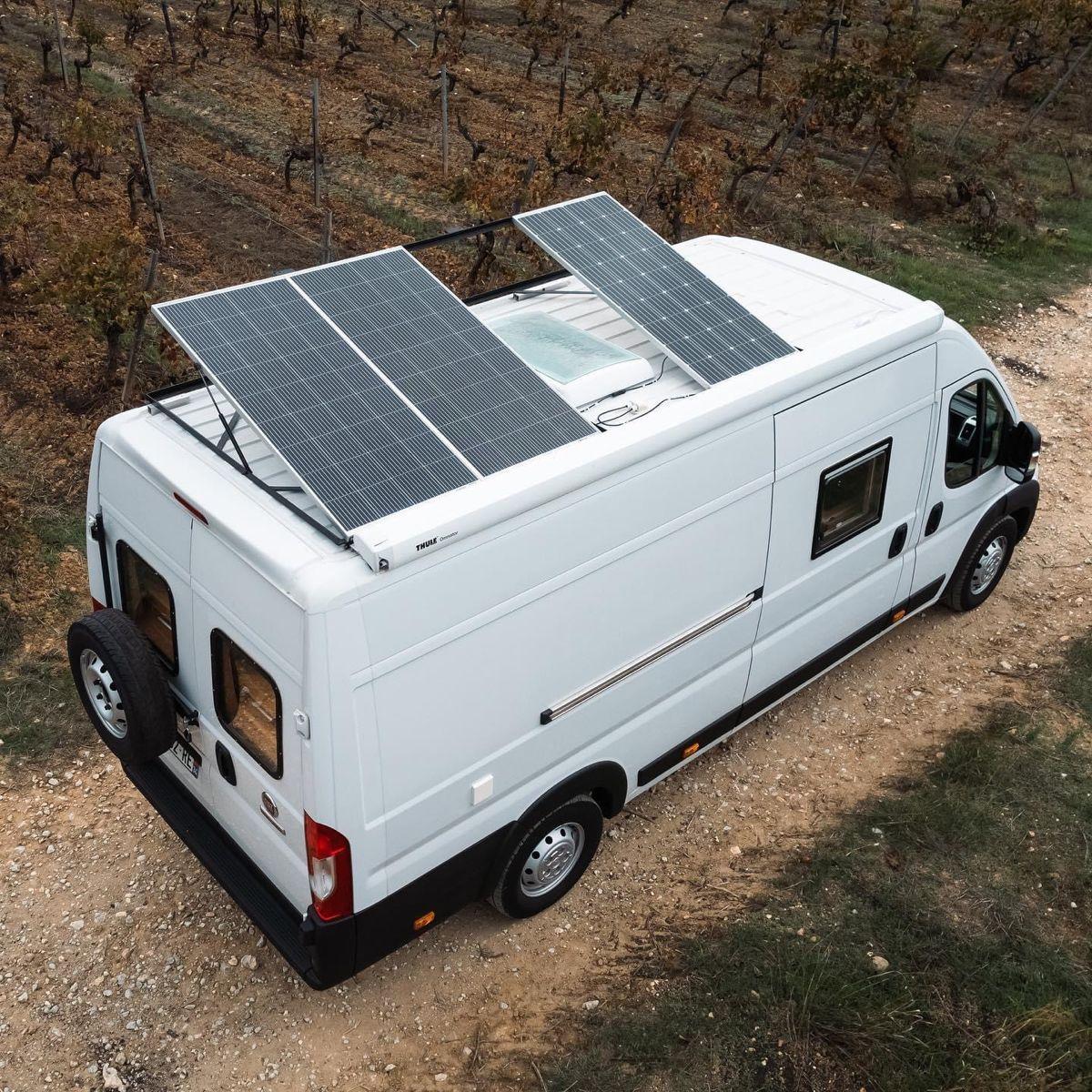
A small solar system can make a campervan more comfortable without turning it into an expensive electrical project. A budget setup usually starts with knowing your daily power needs rather than buying the biggest equipment available.
Modern van builds often use solar and lithium batteries because weight and usable capacity matter in small vehicles, but the right choice depends on your appliances and travel style. Avoid installing more power than you can maintain or safely wire.
Budget tip
Begin with lighting, phone charging, and small electronics. Add larger electrical loads only after you understand your real usage.
Turn a Cargo Van into an Affordable Camper
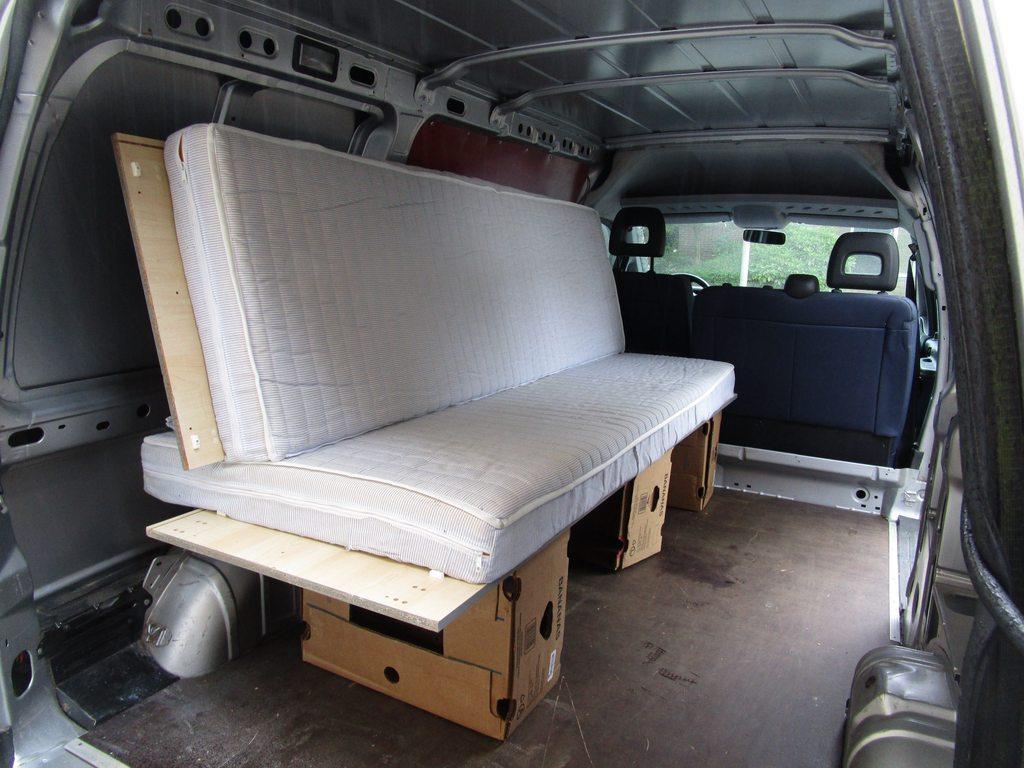
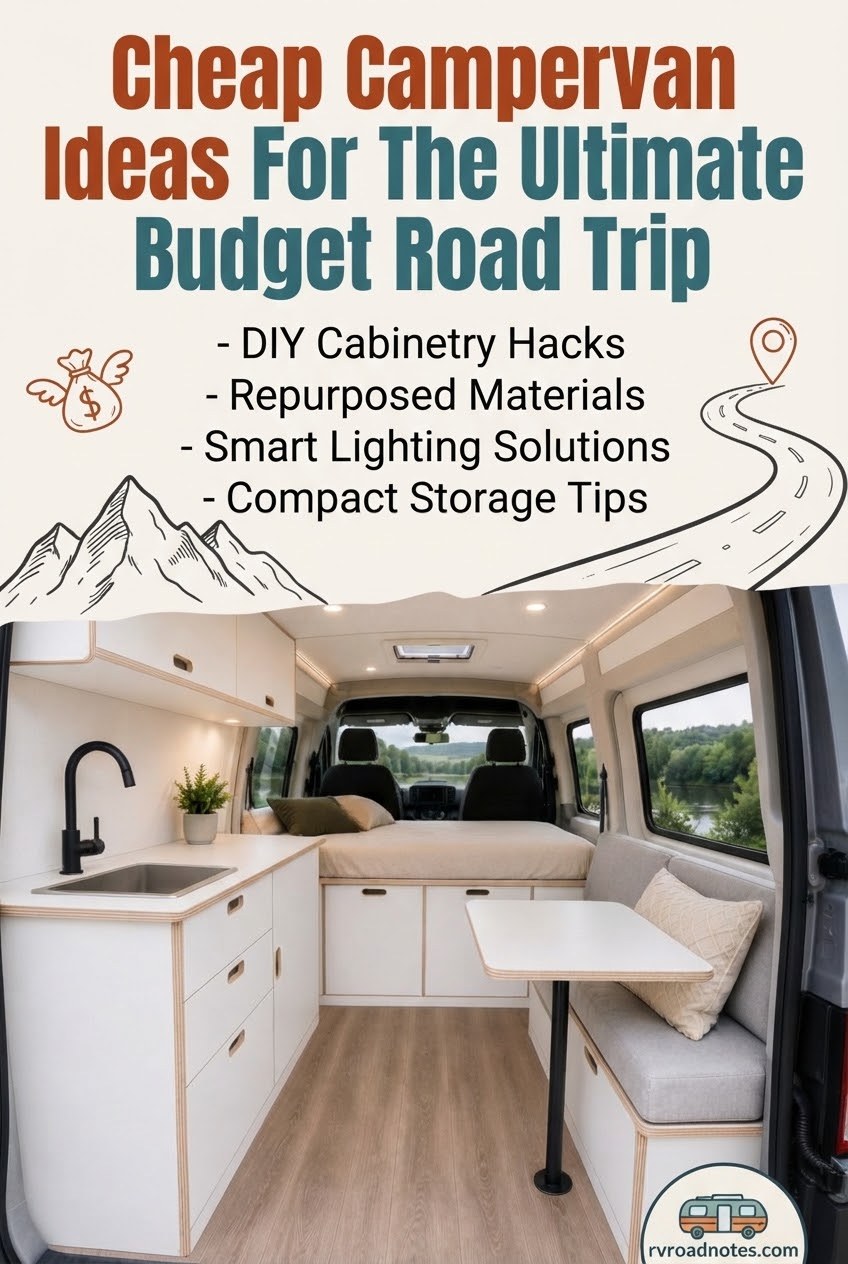
A cargo van gives you more room for a full conversion while still allowing a gradual build. The most affordable approach is to finish the parts that improve daily life first: insulation, flooring, a bed, and storage.
Newer conversion trends focus heavily on modular interiors and flexible layouts, which also work well for budget builders because changes are easier later.
Advantages
- More interior space.
- Flexible furniture layouts.
Challenges
- Higher purchase cost.
- More insulation and build work.
Add a DIY Kitchen Without Spending Much
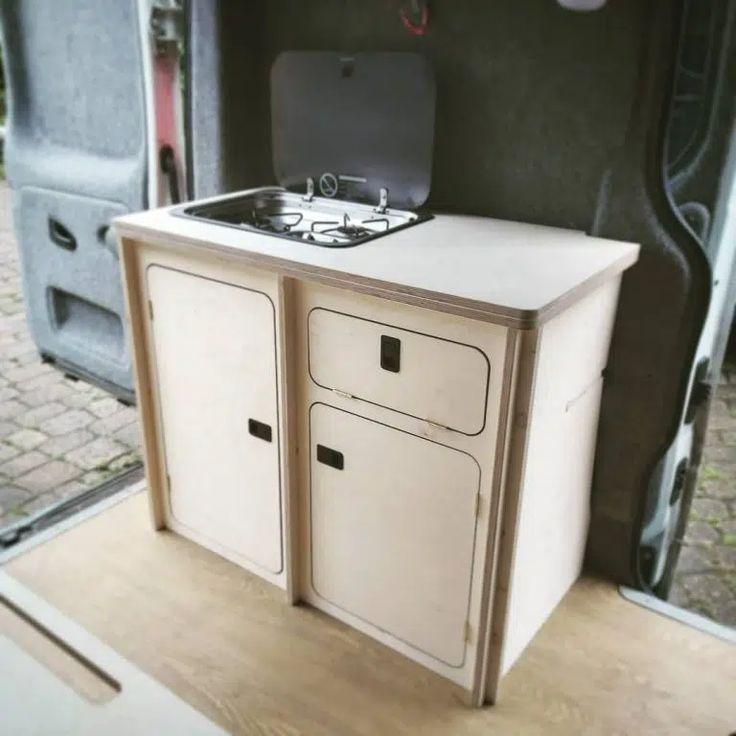
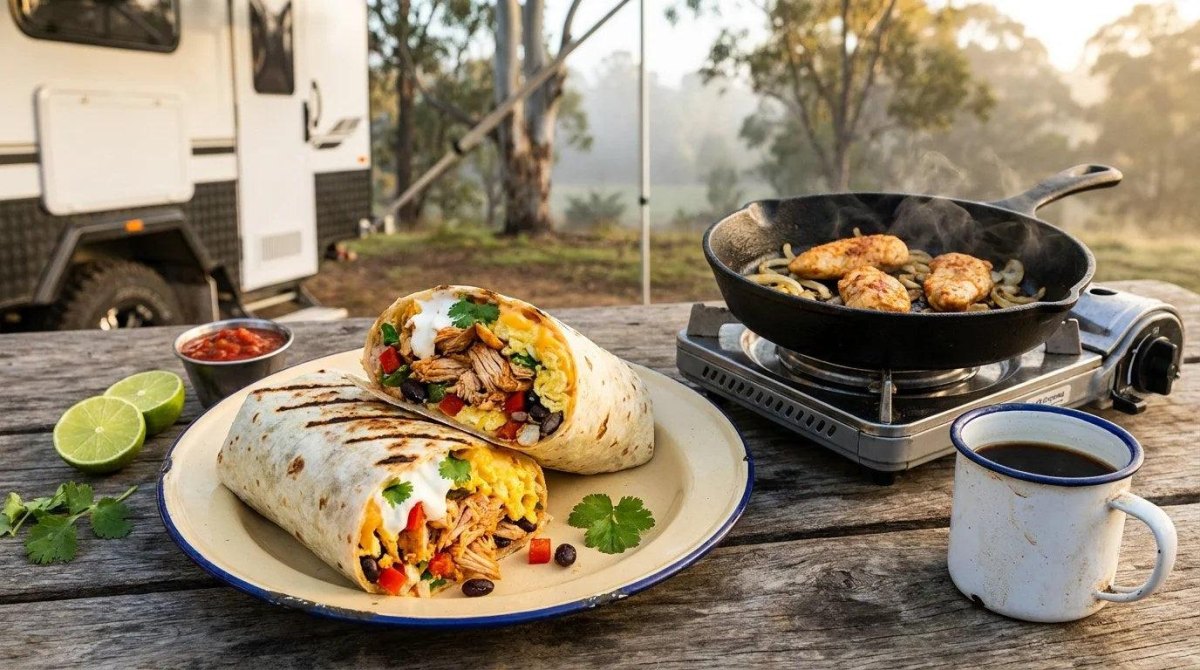
A camper kitchen does not need granite counters or complicated plumbing. A compact cooking area with secure storage, a water container, and a simple food preparation surface covers many travel styles.
For safety, I keep cooking equipment designed for cooking only. Never use a cooktop, oven, or unvented heater as a cabin heating source because ventilation and carbon monoxide risks are serious.
Create a Removable Campervan Conversion
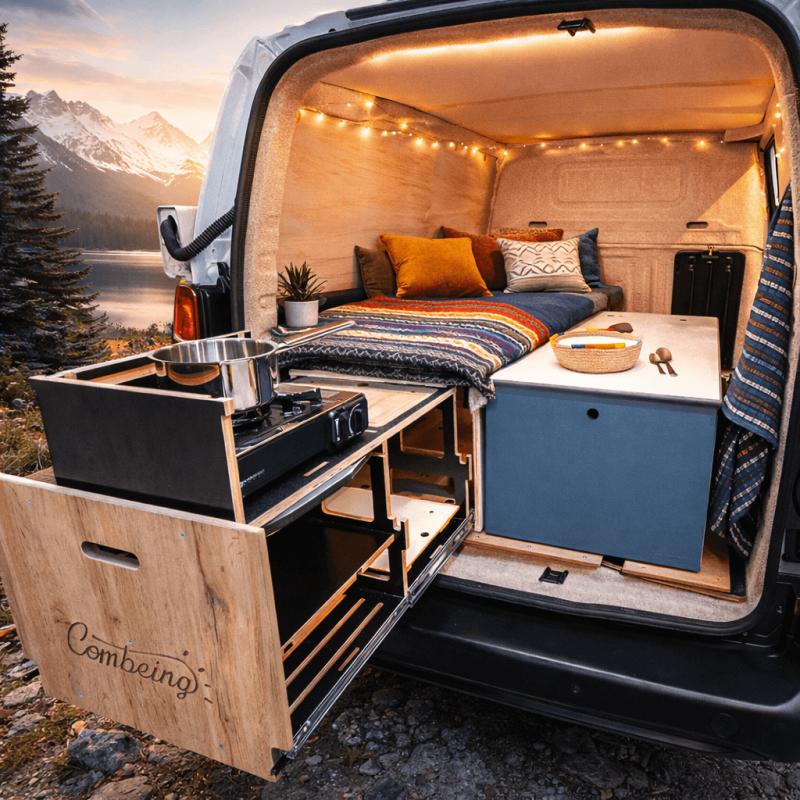
A removable conversion is one of the smartest budget camper ideas because the van can still serve normal daily purposes. A bolt-free platform, storage boxes, and folding furniture allow you to adapt the setup.
This style is especially useful for people who are testing camper travel before committing to a permanent build.
- Measure. Record the available floor and cargo dimensions.
- Build. Create modules that can be lifted out safely.
- Test. Take short trips before expanding the design.
Use Curtains and Insulation for a Simple Van Build
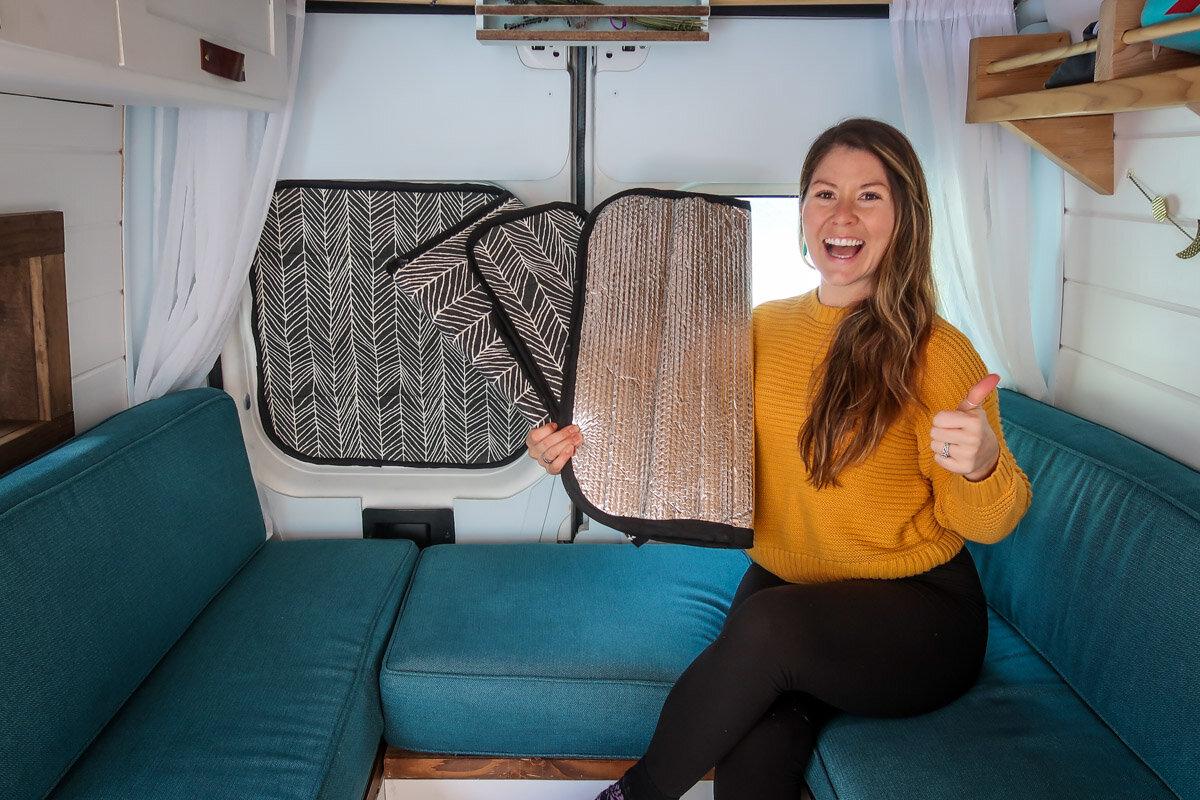
Simple insulation and window coverings can make a noticeable difference in comfort. Heat loss, condensation, and privacy are common problems in small vans, especially during shoulder seasons.
Choose materials carefully and avoid blocking necessary ventilation. Small improvements often matter more than decorative upgrades.
Common mistake
Spending heavily on interior decoration before solving temperature control and storage usually leads to expensive changes later.
Build a Compact Micro Camper from a Small Vehicle
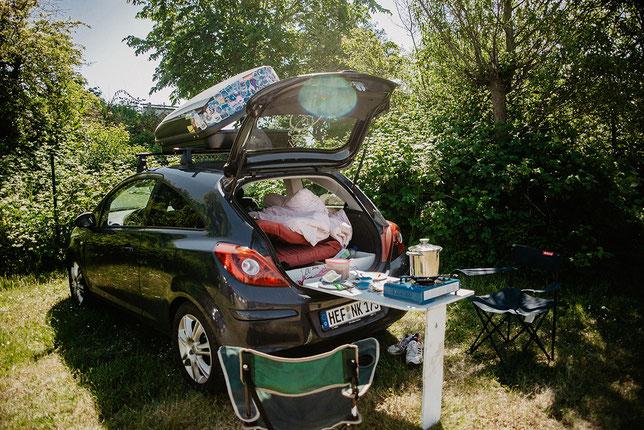
Small vehicles can become capable micro campers when the layout is planned around the essentials. A sleeping surface, organized storage, and reliable ventilation usually matter more than extra features.
The biggest limitation is space, so every item should earn its place. A lighter build also helps protect fuel economy and handling.
Small
Micro campers succeed through efficient use of limited space.
Add Cheap Outdoor Living Features
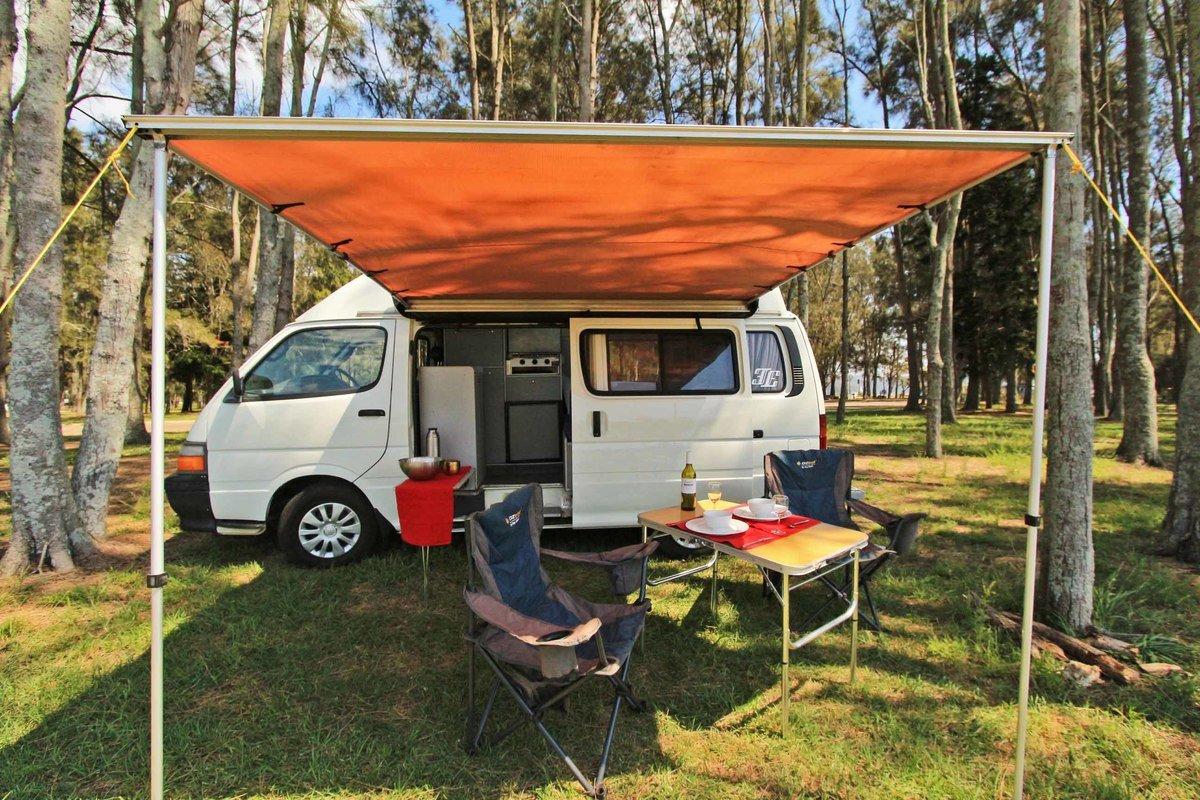
Outdoor features can expand a small camper without adding permanent weight. A folding table, shade option, and outdoor storage can make a short van feel much larger.
When camping on public lands, always check local rules. BLM areas commonly have stay limits and restrictions that vary by location, with many areas using a 14-day limit within a 28-day period.
Create a Minimalist Weekend Campervan
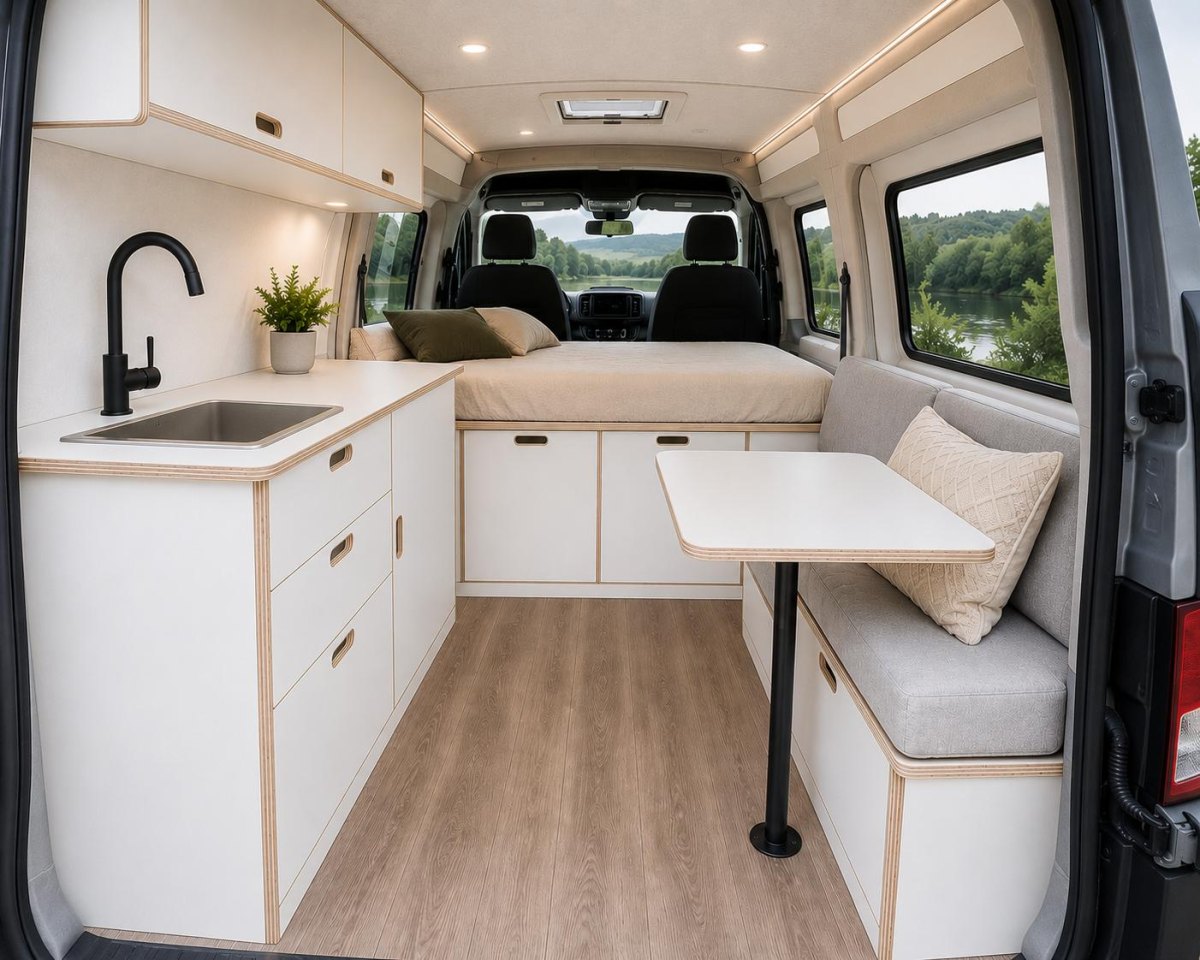
A weekend camper does not need every feature found in a full-time rig. A simple bed, basic cooking setup, and organized gear can provide everything needed for short adventures.
The most successful minimalist campervan layout removes clutter and keeps the vehicle easy to use between trips.
Good design is often about removing what does not need to be there.
Dana PrescottUpgrade a Campervan with Thrifted Accessories
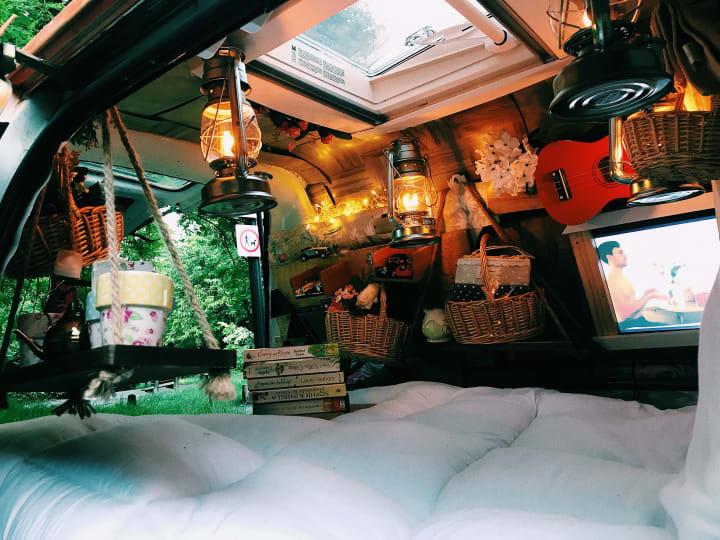
Second-hand accessories can stretch a conversion budget significantly. Storage baskets, cookware, organizers, and soft furnishings are often available at a fraction of new prices.
I recommend spending new money on safety-related equipment and items that experience heavy wear, while looking for bargains on simple organization pieces.
| Item | Budget approach |
|---|---|
| Storage | Reuse containers and bins |
| Decor | Buy second-hand |
Design a Budget Campervan for Remote Travel
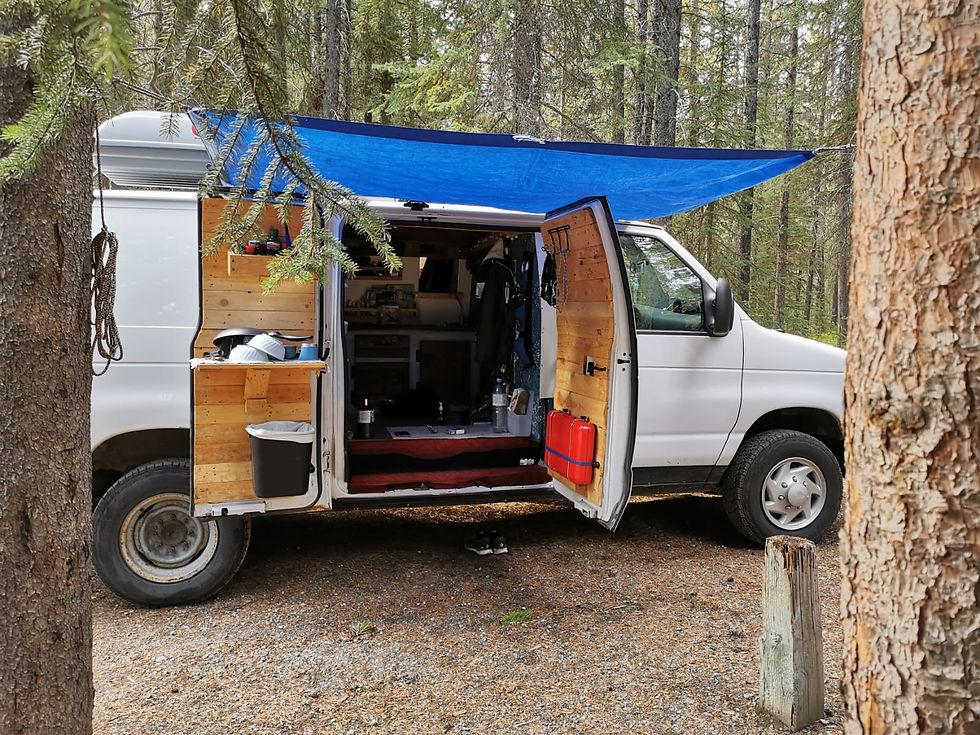
Remote travel requires planning beyond a comfortable interior. Water, food, communication, recovery options, and route conditions matter when services are far away.
For dispersed camping, follow land agency rules, stay on appropriate roads, and avoid leaving waste behind. BLM guidance emphasizes checking local restrictions because rules differ between areas.
Make a Simple Off-Grid Campervan Setup
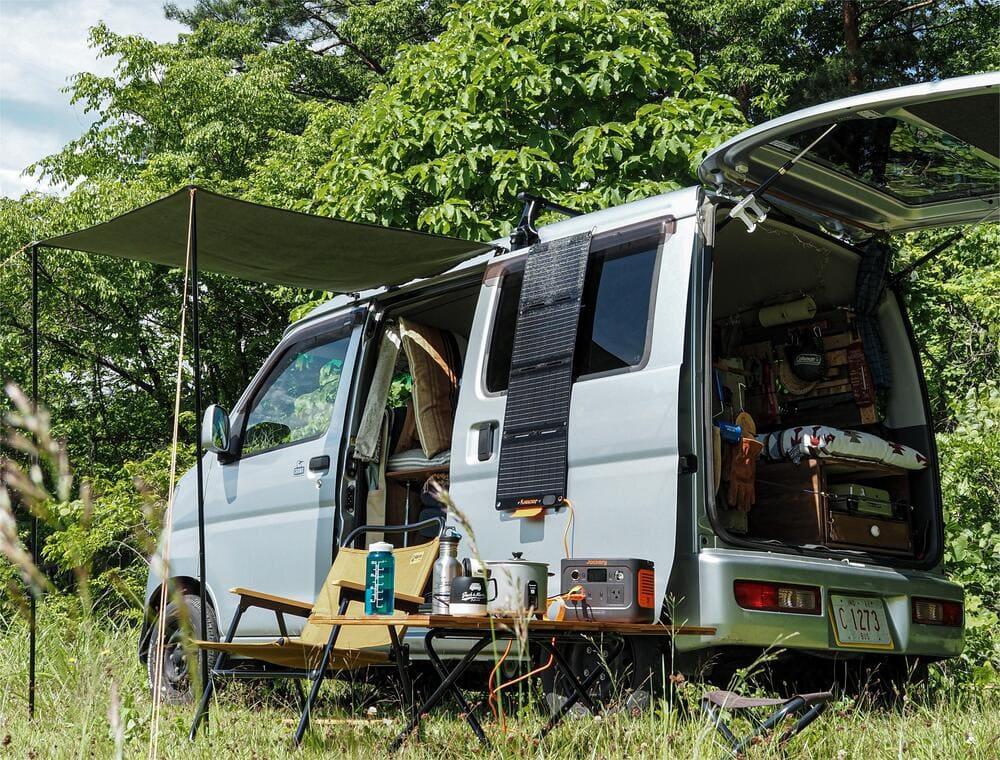
An off-grid campervan does not need to be packed with expensive technology. The foundation is conservation: use less power, carry enough water, and choose systems you understand.
A simple setup with solar charging, efficient appliances, and careful planning can support longer stays away from hookups. Remember that remote locations also require responsible waste practices and respect for local regulations.
A practical starting point
Build the smallest reliable system first. Expand only when your travel habits prove you need more.
More Pinterest Visuals