
 02.10.2026
Dry camping works best when the setup is planned around limits: available power, stored water, vehicle capacity, weather, and the rules of the land. A good system does not need every gadget on the market. It needs reliable basics that match the way you travel.
This guide covers the practical pieces of a dry camping setup, from choosing a vehicle to building storage, managing resources, and creating a camp that works for short trips or longer stays.
Choosing the Right Dry Camping Vehicle
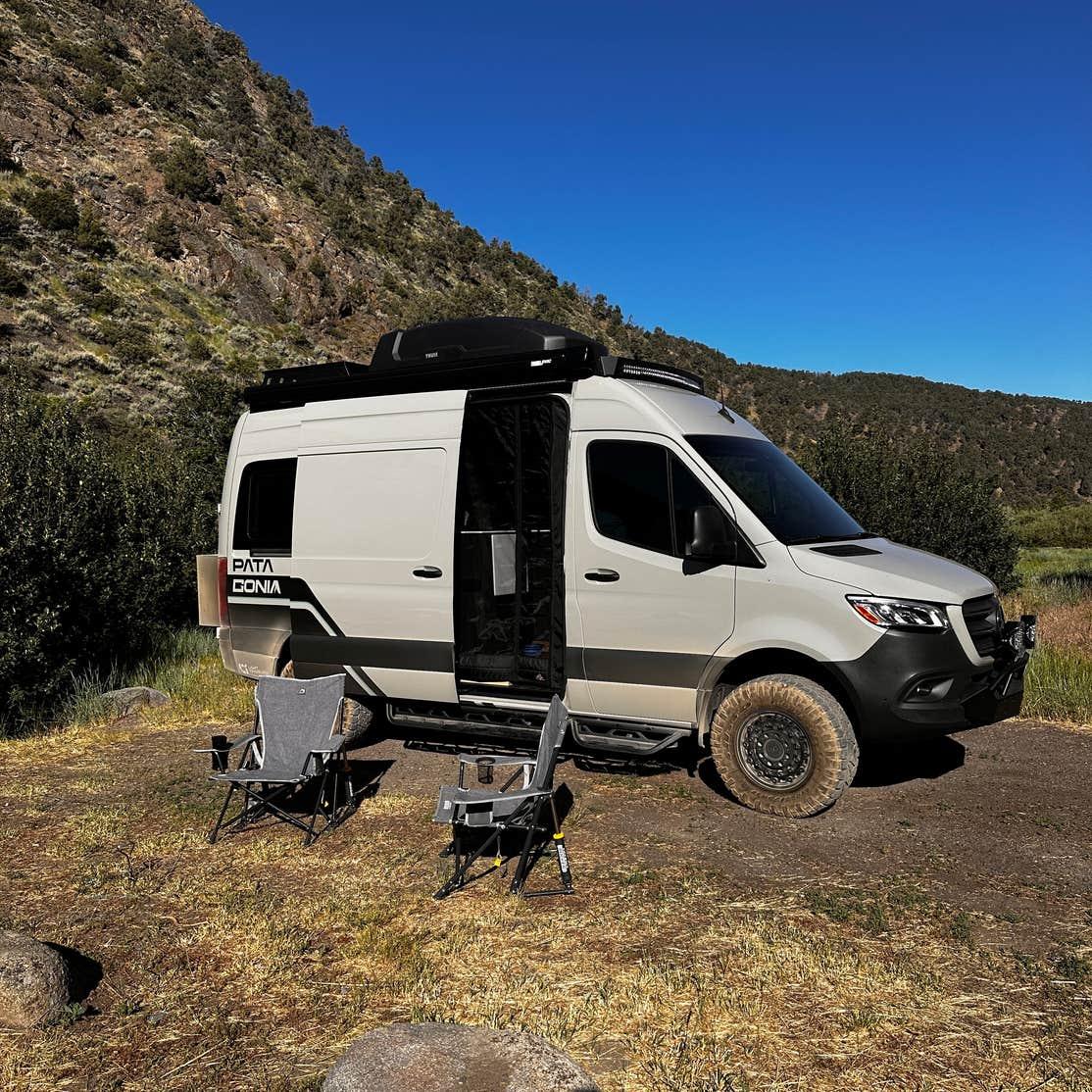
The right vehicle depends on where you camp and how much equipment you carry. Vans offer maneuverability, travel trailers add living space, and larger motorhomes provide more storage but require more planning for roads and weight limits.
Check payload and weight ratings before adding batteries, water, and gear. A comfortable setup starts with a vehicle that can safely carry it.
Building a Compact Off-Grid Sleeping Area
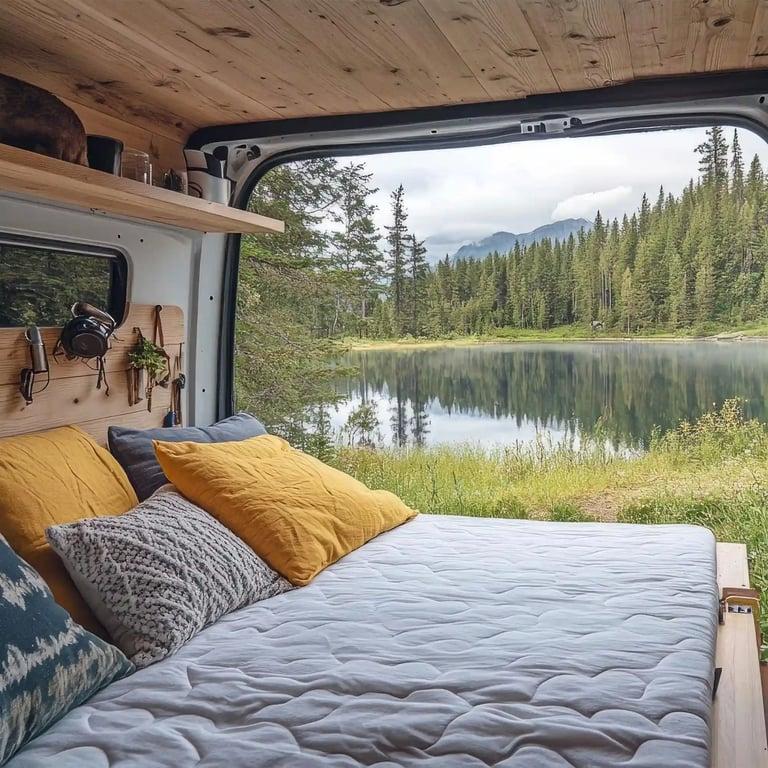
A sleeping area should stay comfortable without taking over the entire interior. Fold-away beds, storage platforms, and multipurpose furniture help small rigs remain practical.
The goal is a simple sleeping system that works every night, not a complicated conversion that is difficult to maintain.
Installing a Reliable Solar Power System
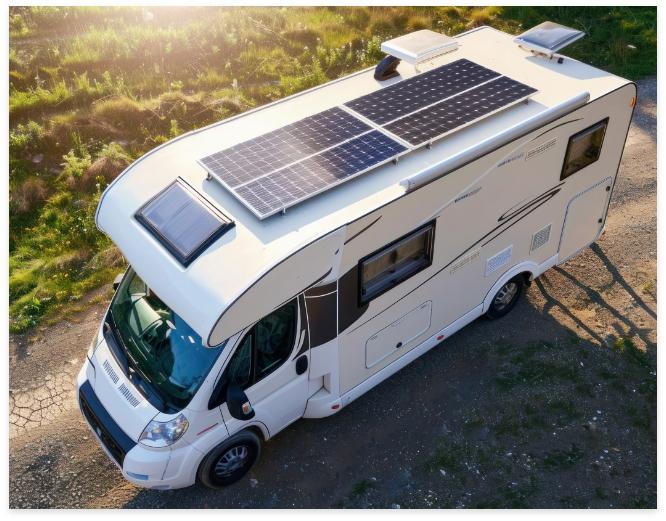
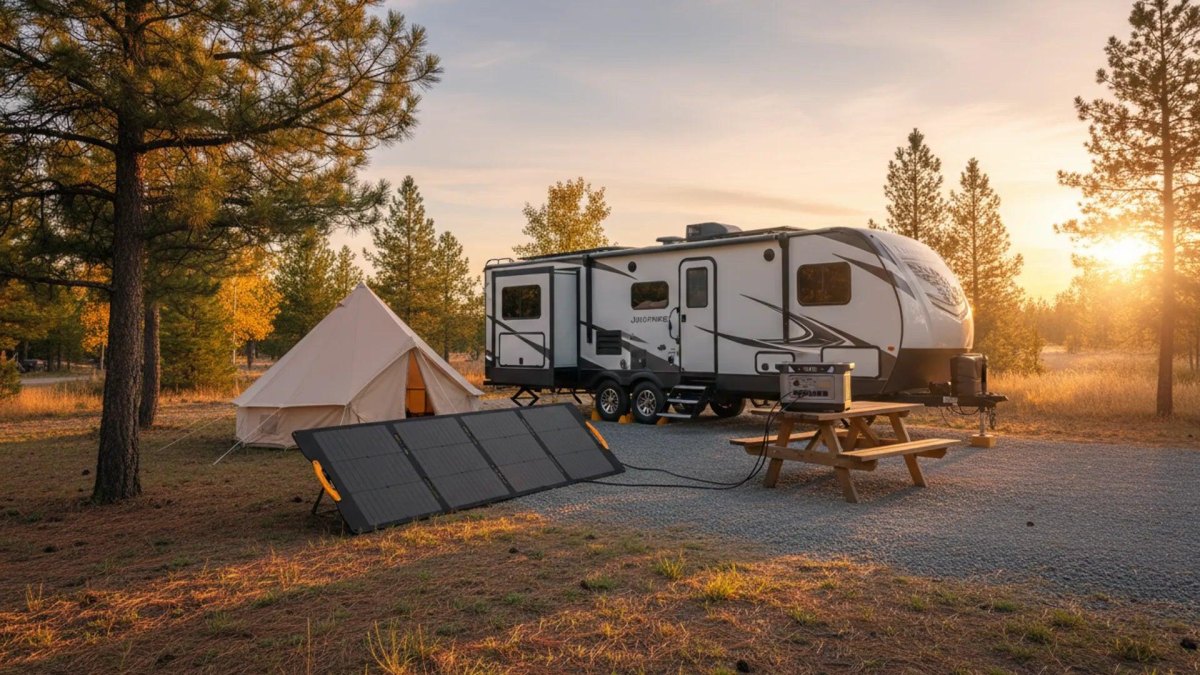
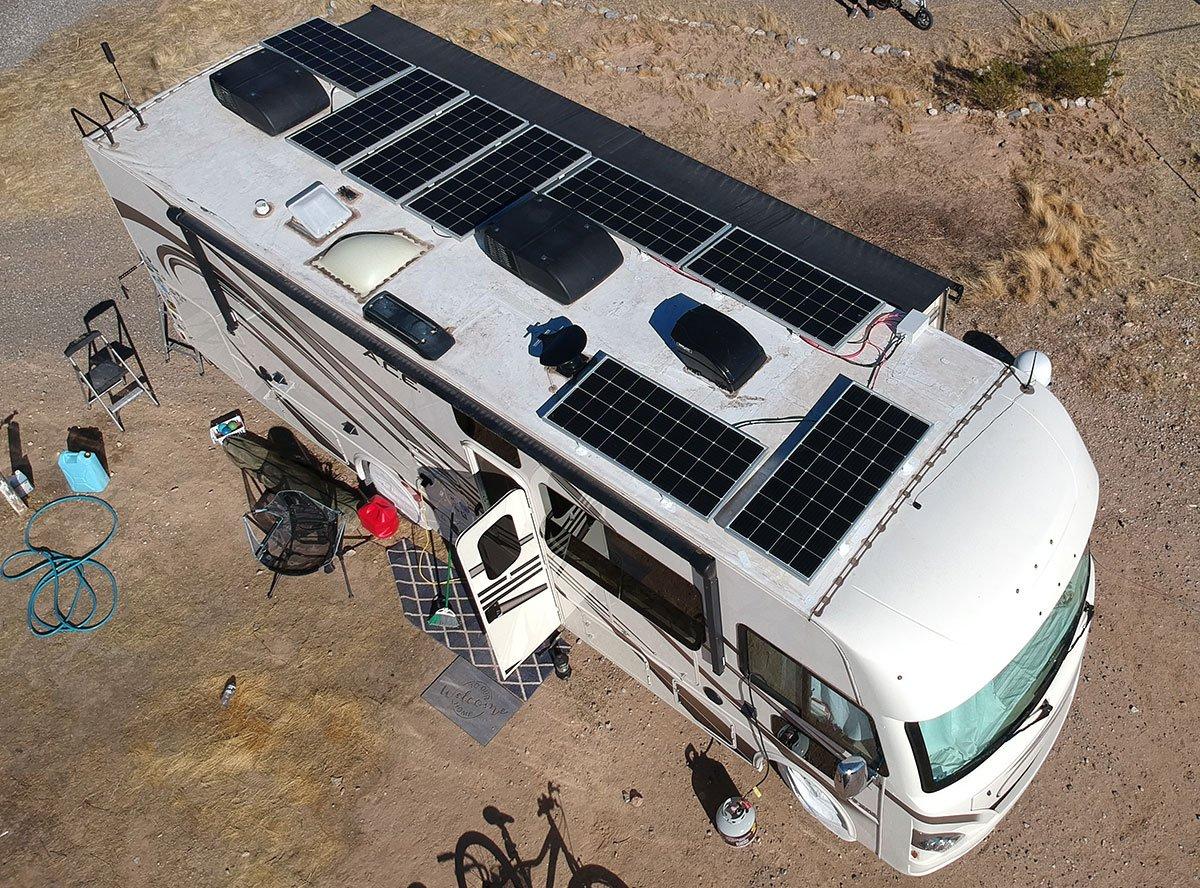
Solar is the foundation of many dry camping setups because it quietly replaces stored energy during daylight. Panel size should match battery capacity and daily consumption.
Build around real power usage instead of buying the largest system available. Professional help is wise for complex electrical installations.
Setting Up Portable Battery Storage
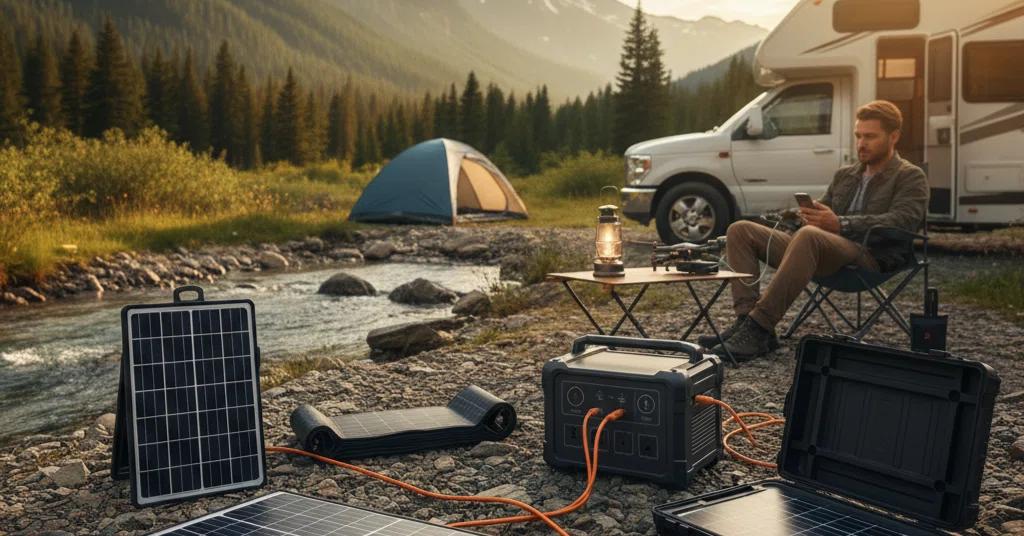
Portable power stations and battery banks make it easier to run lights, electronics, and small appliances away from hookups.
A good battery storage plan includes charging options, safe placement, and enough capacity for your actual needs.
Creating an Efficient Water Storage System
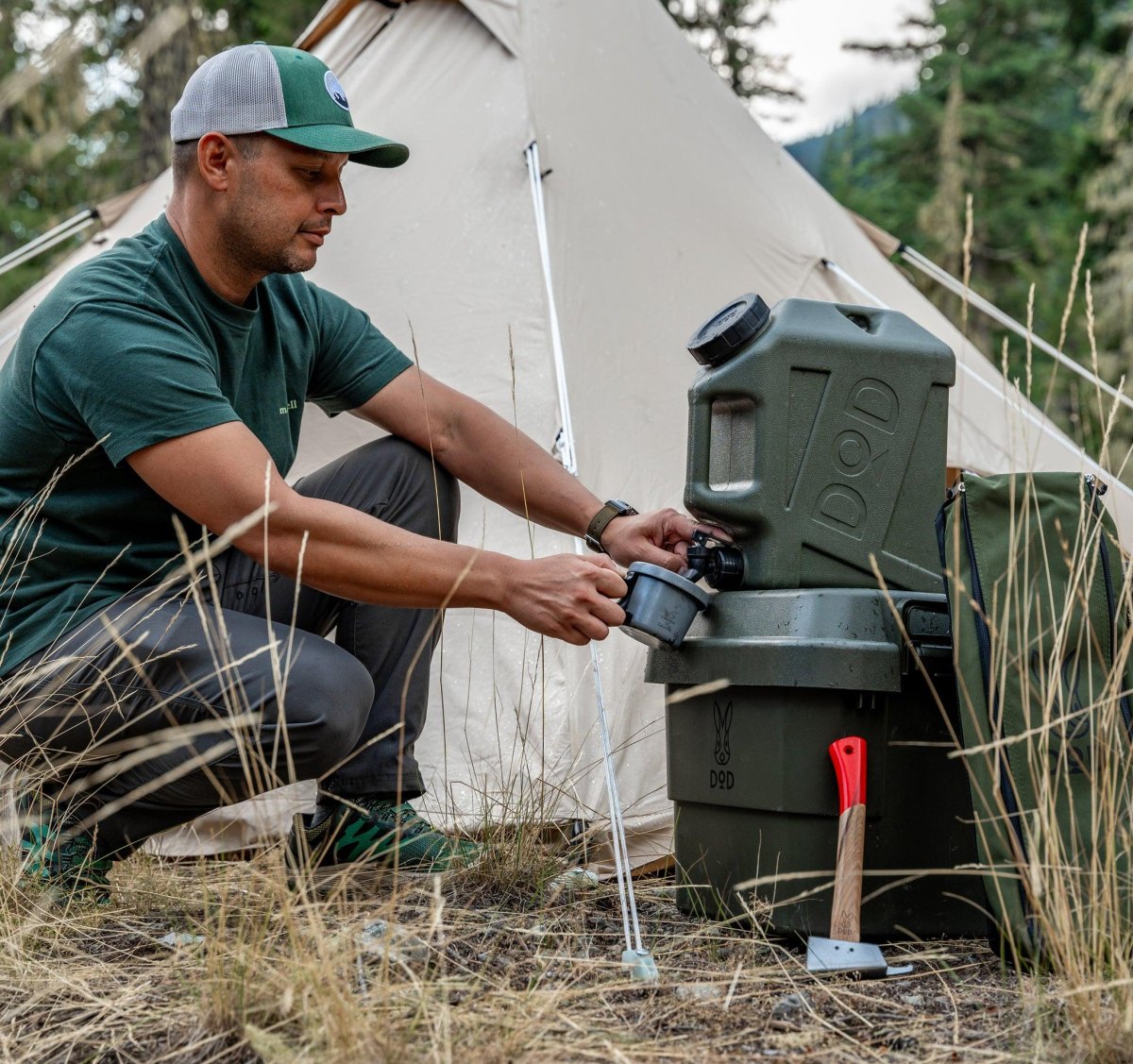
Water planning determines how long a dry camping stay can last. Carry only what your vehicle can safely handle and use containers designed for potable water.
A reliable water storage system includes clean containers, conservation habits, and a plan for refilling legally.
Designing a Minimal Outdoor Kitchen
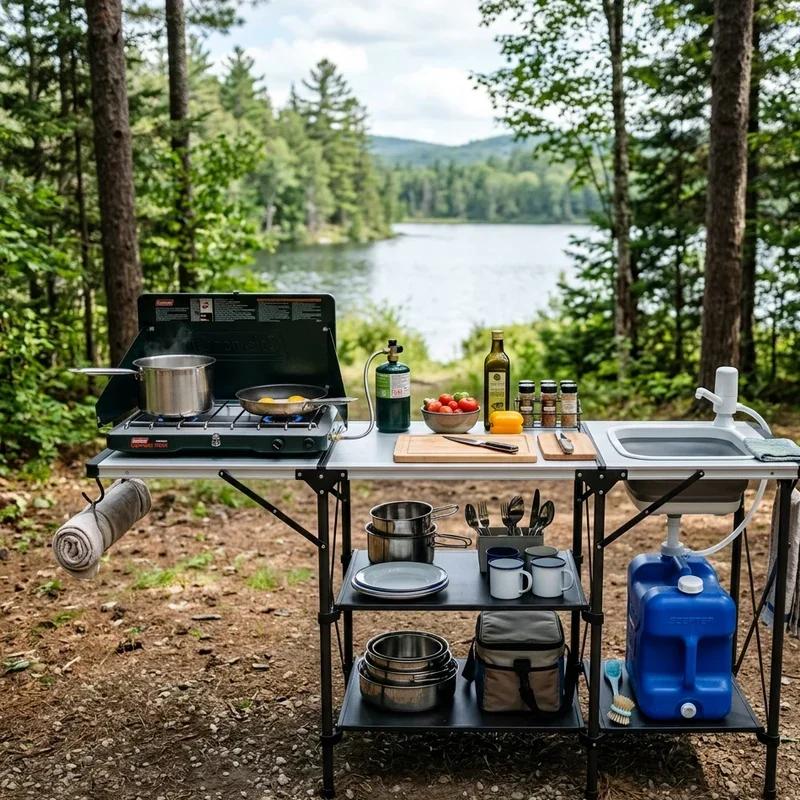
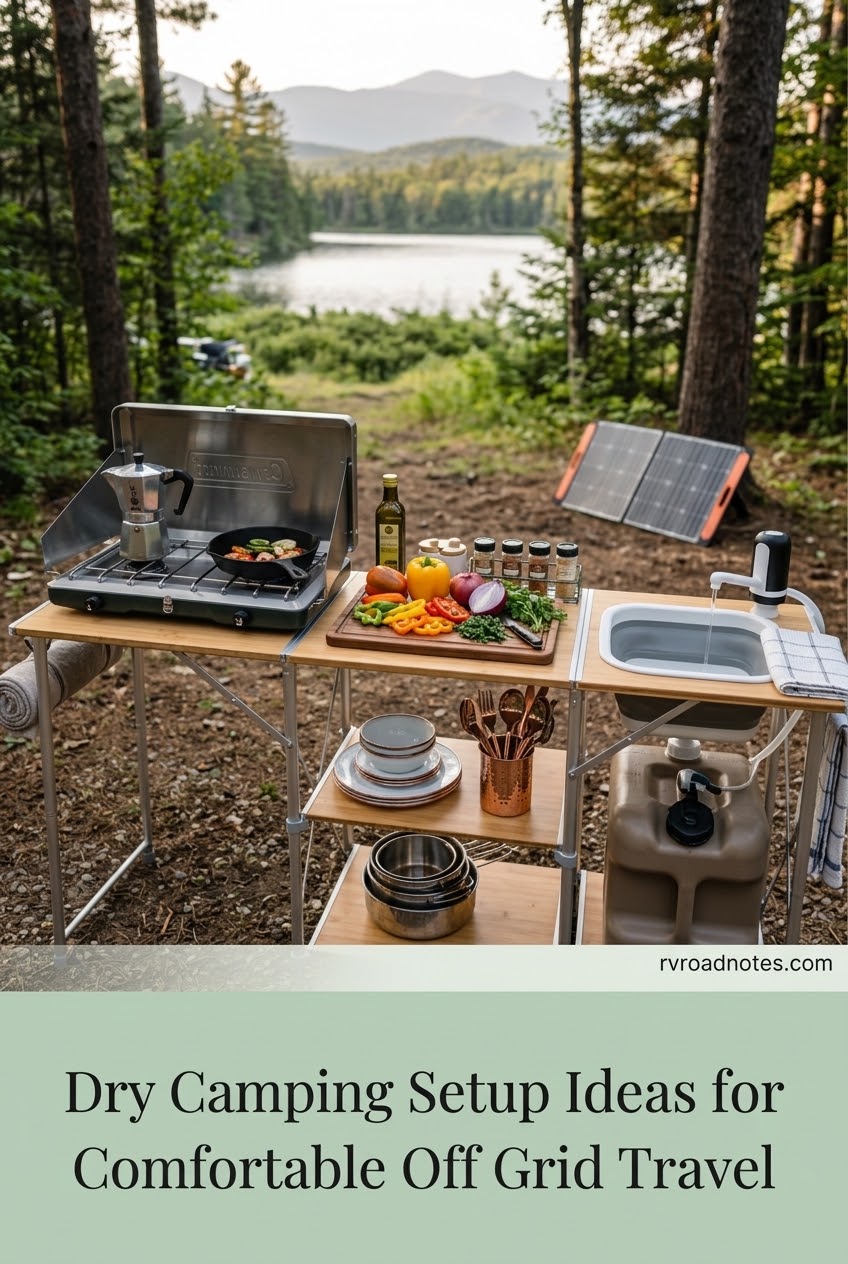
An outdoor kitchen keeps cooking smells and heat away from the living area. A small table, stove, cookware kit, and weather protection are often enough.
Keep camp cooking equipment organized so setup takes minutes instead of becoming a daily project.
Organizing Dry Camping Food Supplies
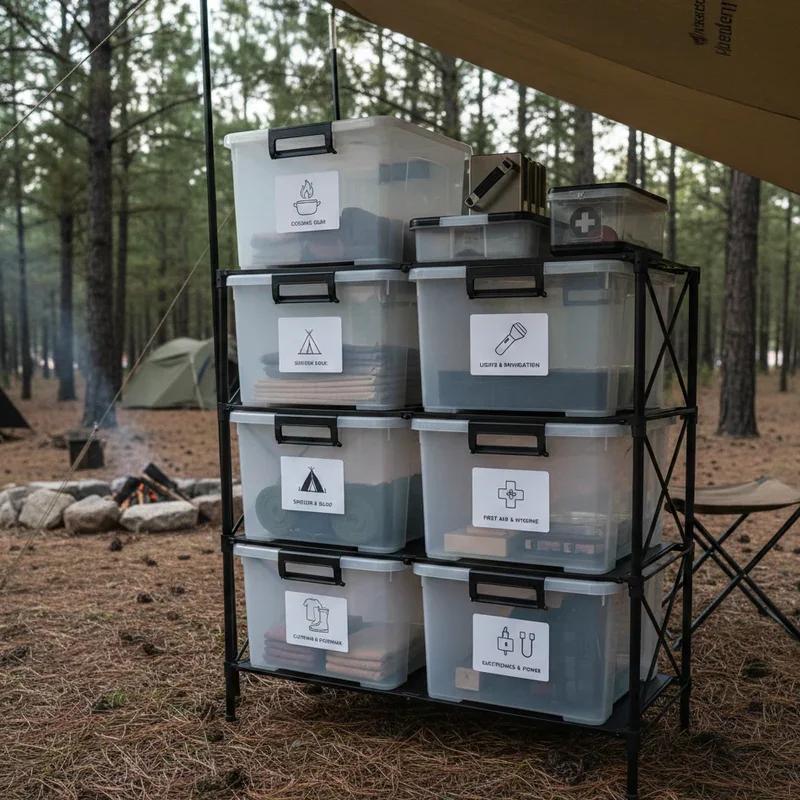
Food storage should match your trip length and cooking style. Durable containers prevent messes and make inventory easier.
A practical camp food organization system groups meals, snacks, and cooking supplies where they are easy to reach.
Choosing Space-Saving Camping Gear
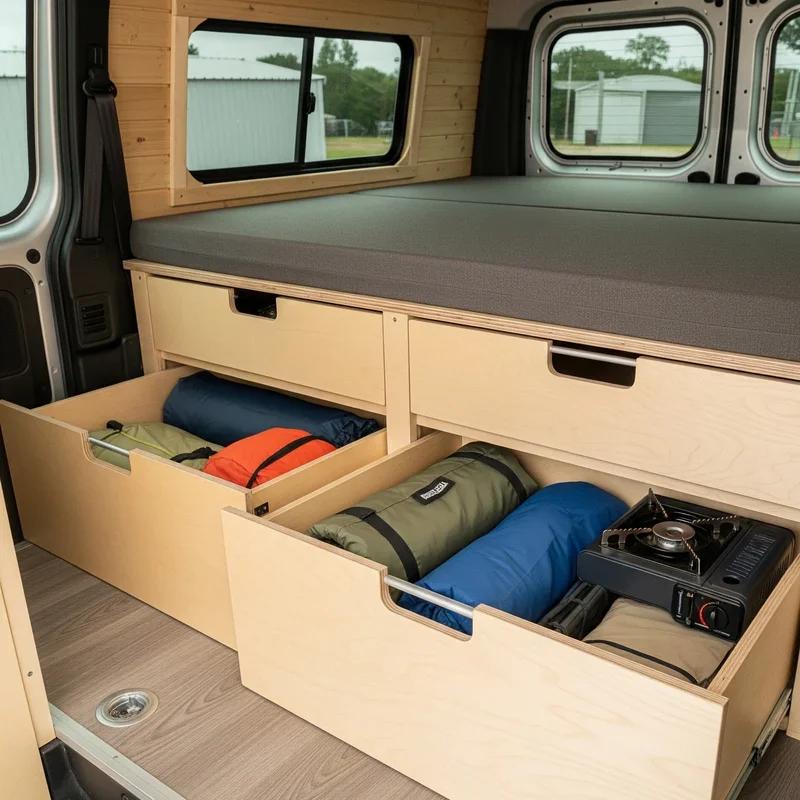
Every item takes space and weight. Multiuse tools, collapsible equipment, and durable basics usually outperform large collections of single-purpose gear.
Choose compact camping gear that solves a real problem before adding extras.
Adding a Portable Shower Solution
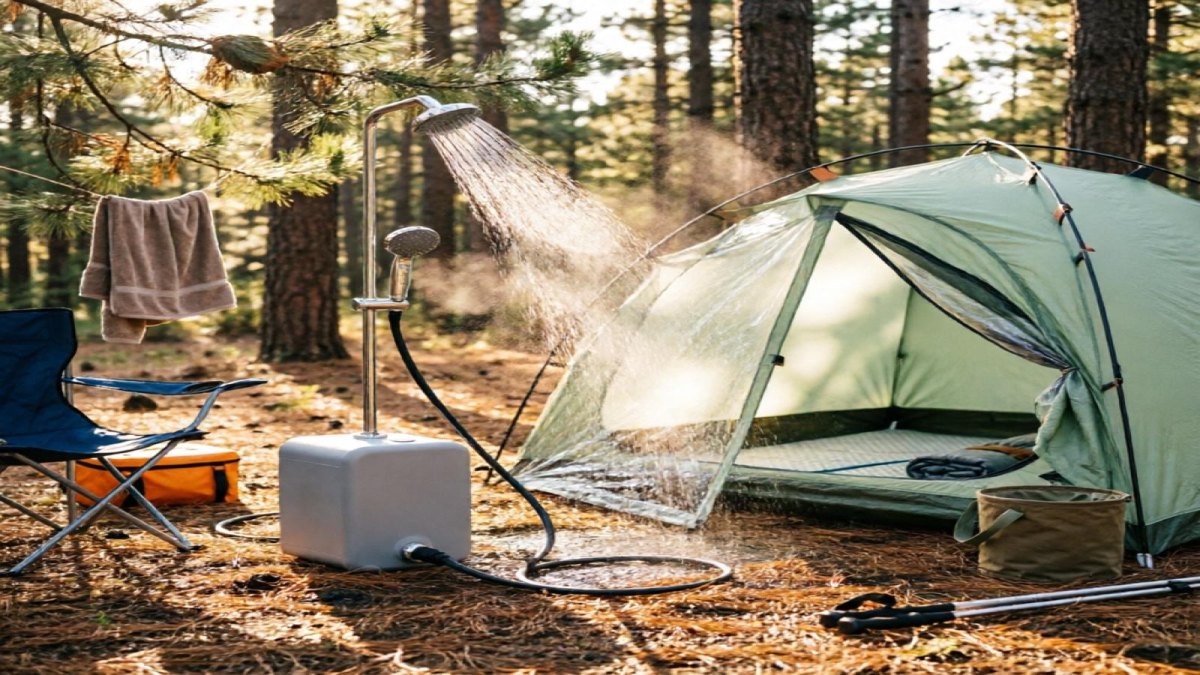
Portable showers can improve comfort, but water use must be considered carefully during dry camping. Simple rinse systems often work better than complex setups.
A good portable shower solution balances privacy, water conservation, and easy storage.
Creating a Simple Camp Bathroom Setup
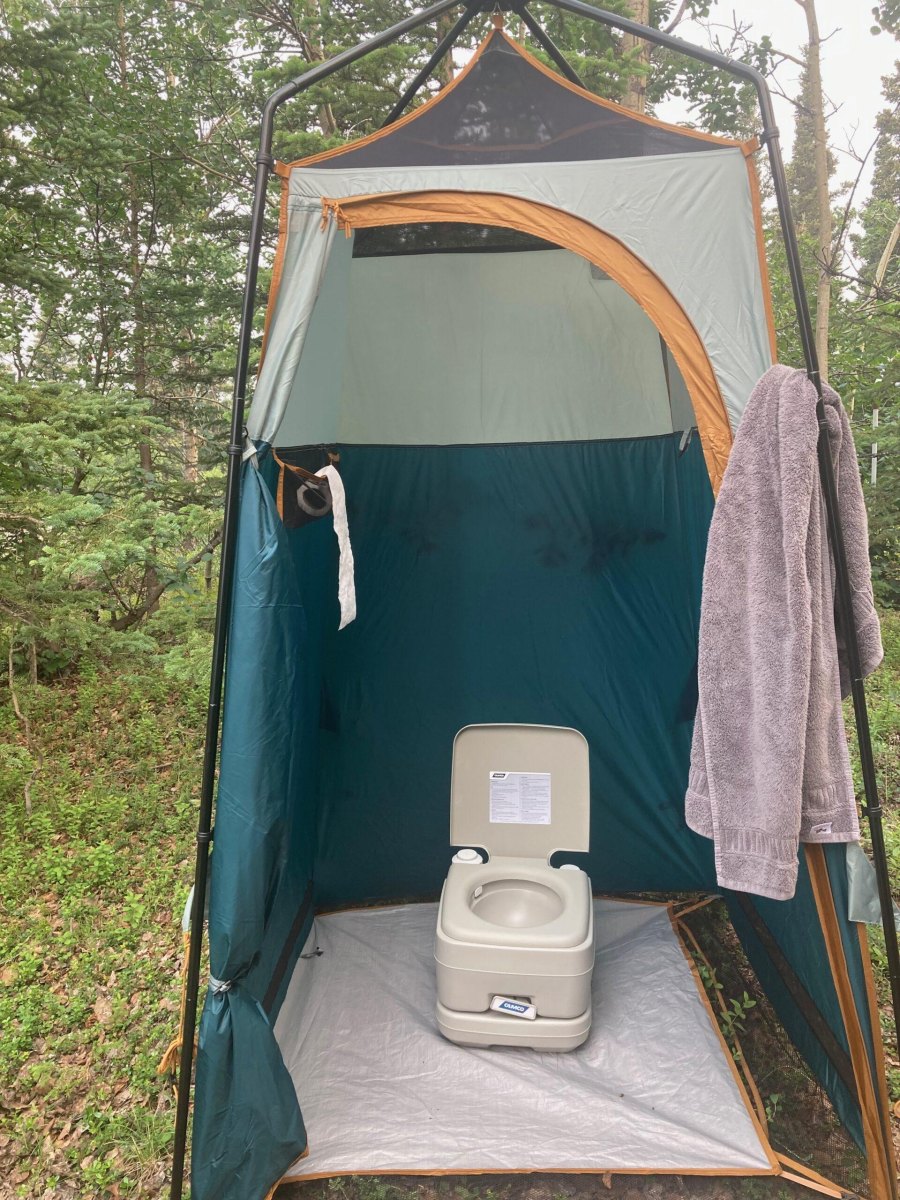
Bathroom options range from built-in RV systems to portable toilets. The correct choice depends on trip length, regulations, and disposal access.
Plan for responsible waste handling and never dump waste outside approved facilities.
Improving Campsite Lighting
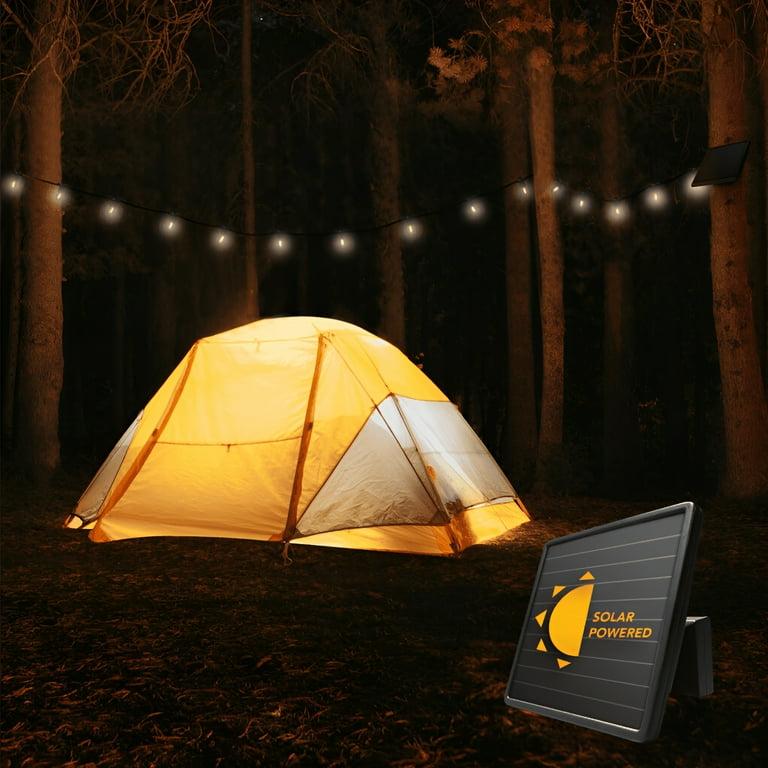
Good lighting improves safety and comfort after sunset. Rechargeable lanterns, headlamps, and low-power LEDs cover most needs.
Use efficient campsite lighting that protects battery reserves for essential systems.
Using Shade Structures for Comfort
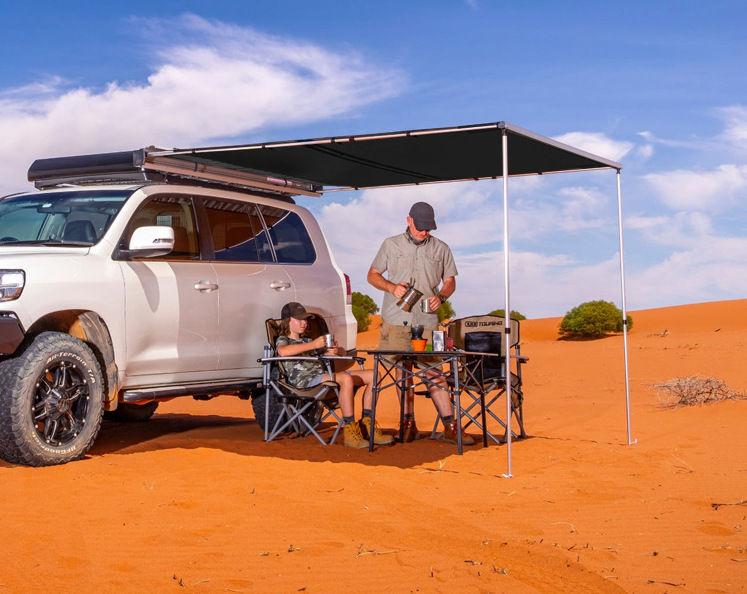
Shade can reduce heat inside a vehicle and create a more usable outdoor area. Awnings, tarps, and shelters should be secured for changing weather.
A dependable camp shade setup makes hot-weather stays much easier.
Building an Organized Gear Storage System
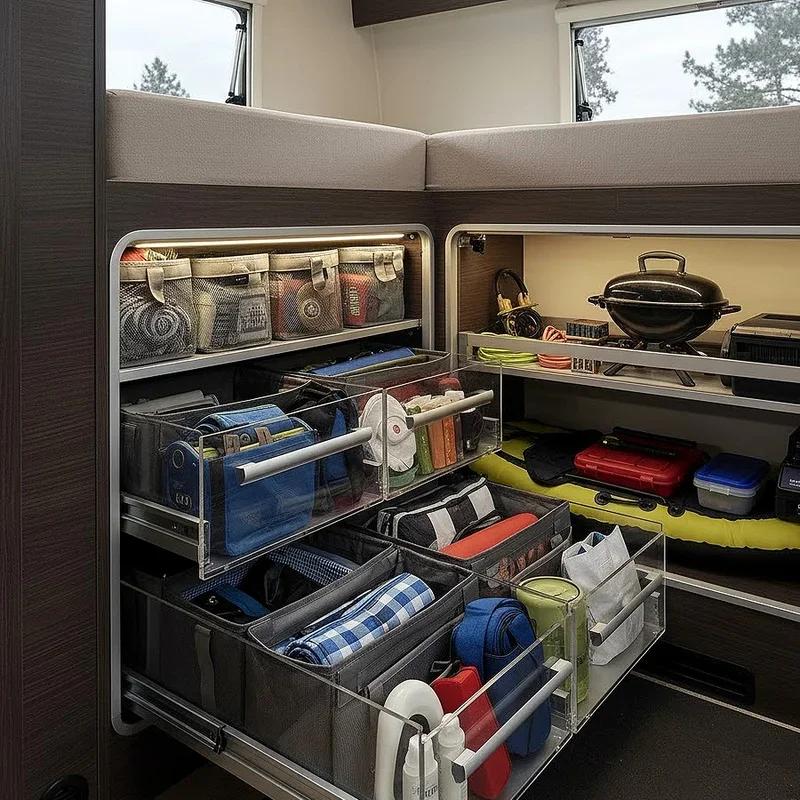
Storage works best when every item has a designated location. Drawers, bins, and labels prevent repeated searching.
A thoughtful RV gear storage system also keeps heavy items low and secure while driving.
Creating a Comfortable Outdoor Living Space
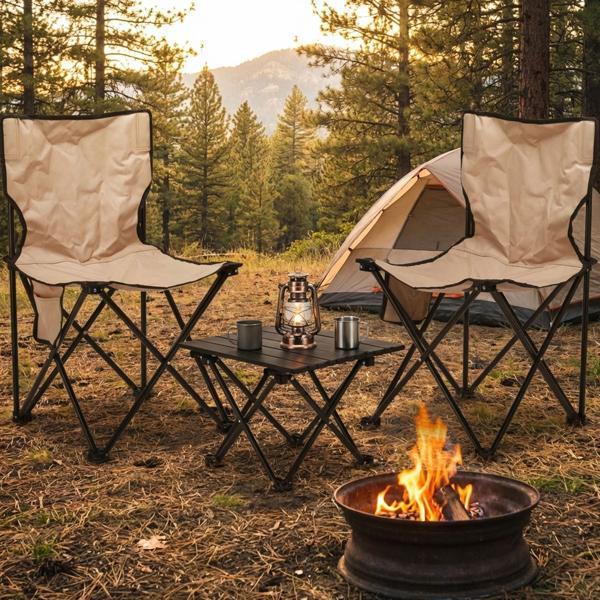
Outdoor living space does not need many pieces. A chair, table, shade, and small cooking area can transform a campsite.
The best outdoor camp setup creates comfort without adding unnecessary weight.
Setting Up a Weather-Ready Shelter
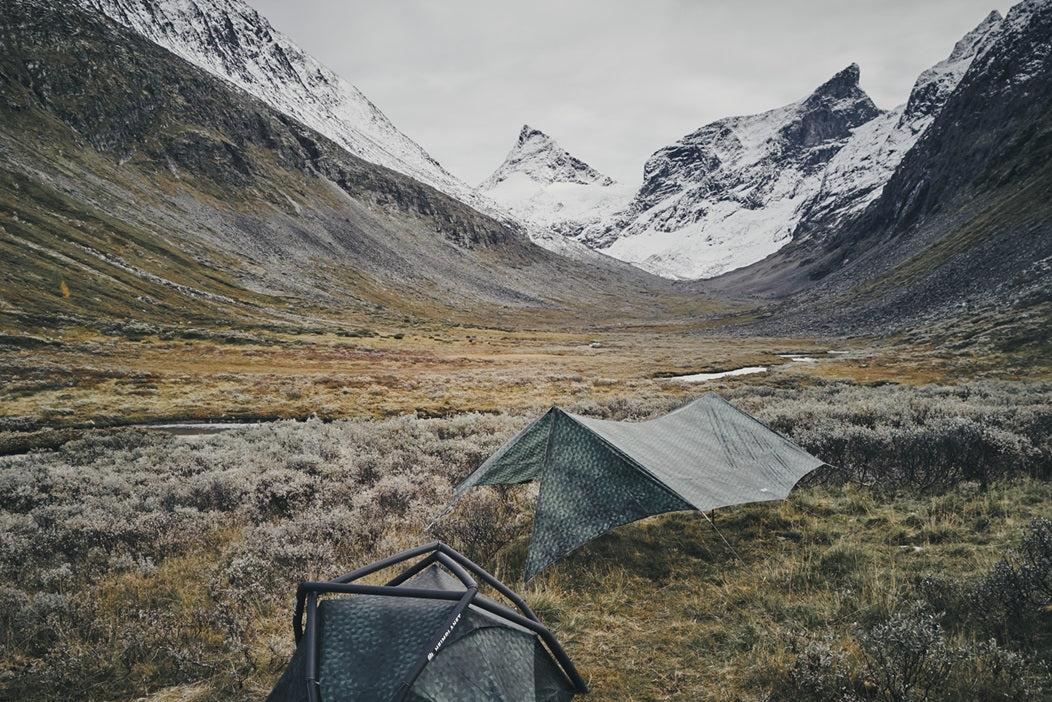
Weather changes quickly away from developed campgrounds. A strong shelter plan includes wind protection, rain coverage, and backup clothing.
A weather-ready camping system reduces stress when conditions change.
Choosing the Best Dry Camping Location
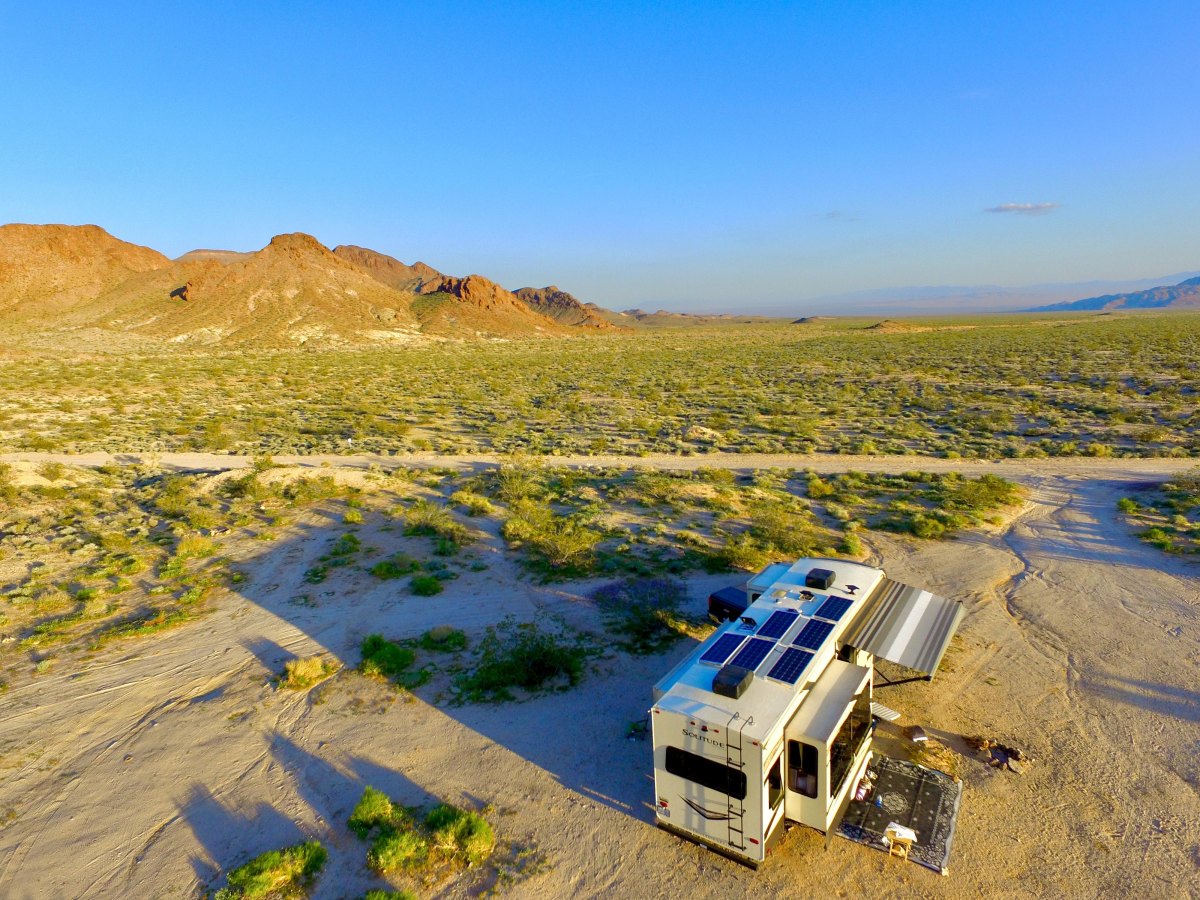
Location selection involves more than a good view. Check access, road conditions, local rules, and surface durability before settling in.
Responsible campers use legal dispersed camping areas and follow land management requirements.
Preparing for Cold Weather Dry Camping
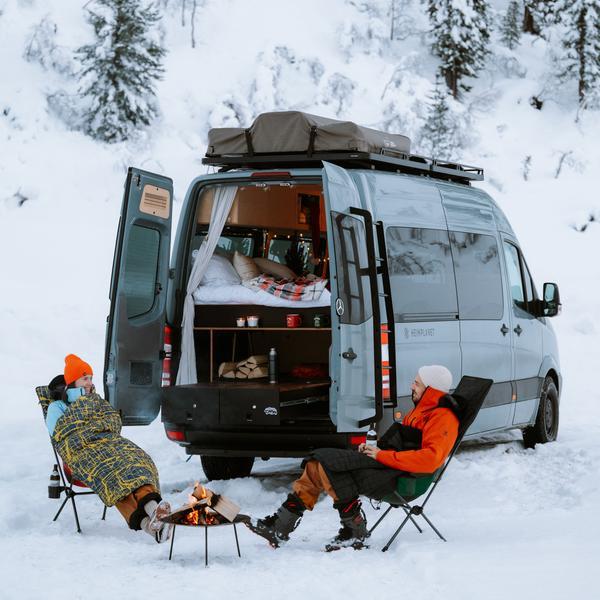
Cold weather requires planning for insulation, water protection, and power demand. Heating systems should be used according to manufacturer instructions.
A winter camping setup focuses on preventing failures before temperatures drop.
Preparing for Hot Weather Dry Camping
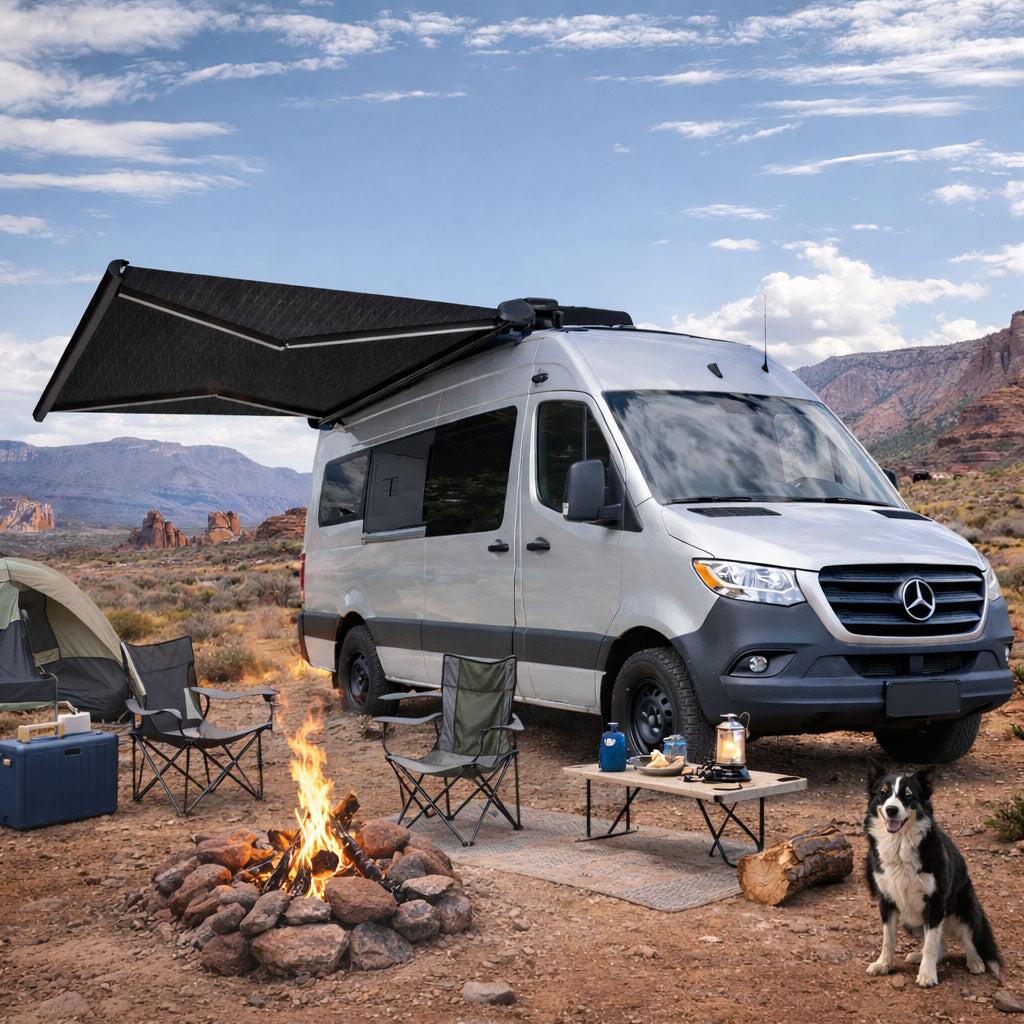
Heat management depends on shade, airflow, hydration, and realistic power planning. Air conditioning may require substantial energy resources.
A hot weather camping plan should include cooling strategies before arrival.
Creating a Camp Cooking Station
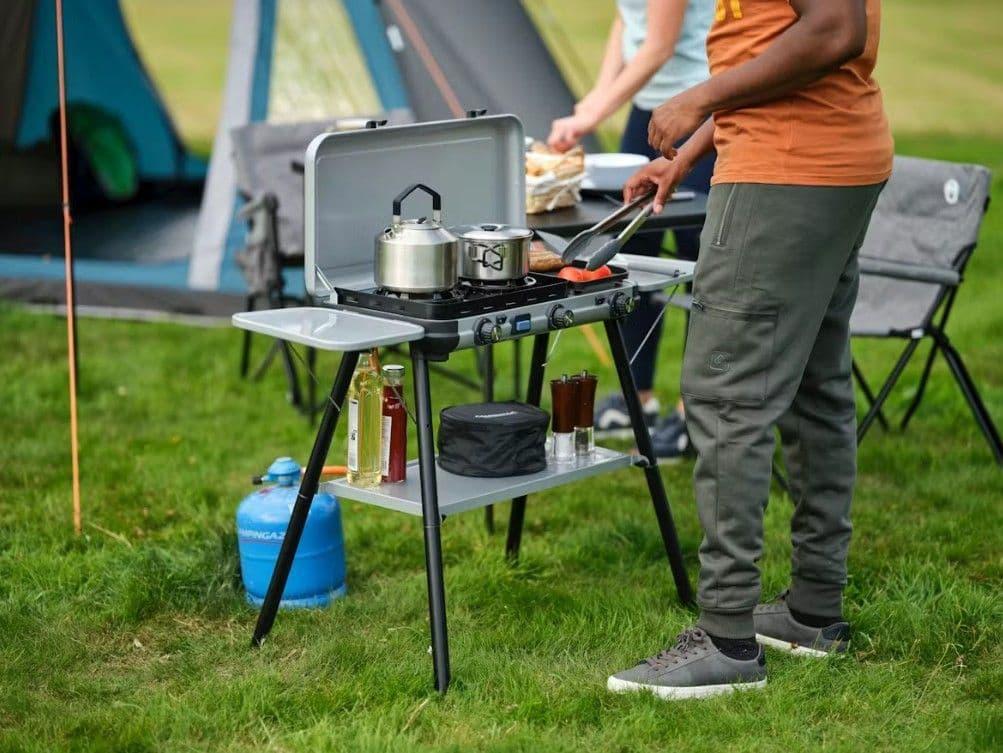
A dedicated cooking station keeps food preparation cleaner and faster. Store fuel, cookware, and utensils where they remain protected.
Never use cooking appliances for cabin heating because of ventilation and carbon monoxide risks. A safe cooking station stays designed for cooking only.
Managing Waste and Leave-No-Trace Practices
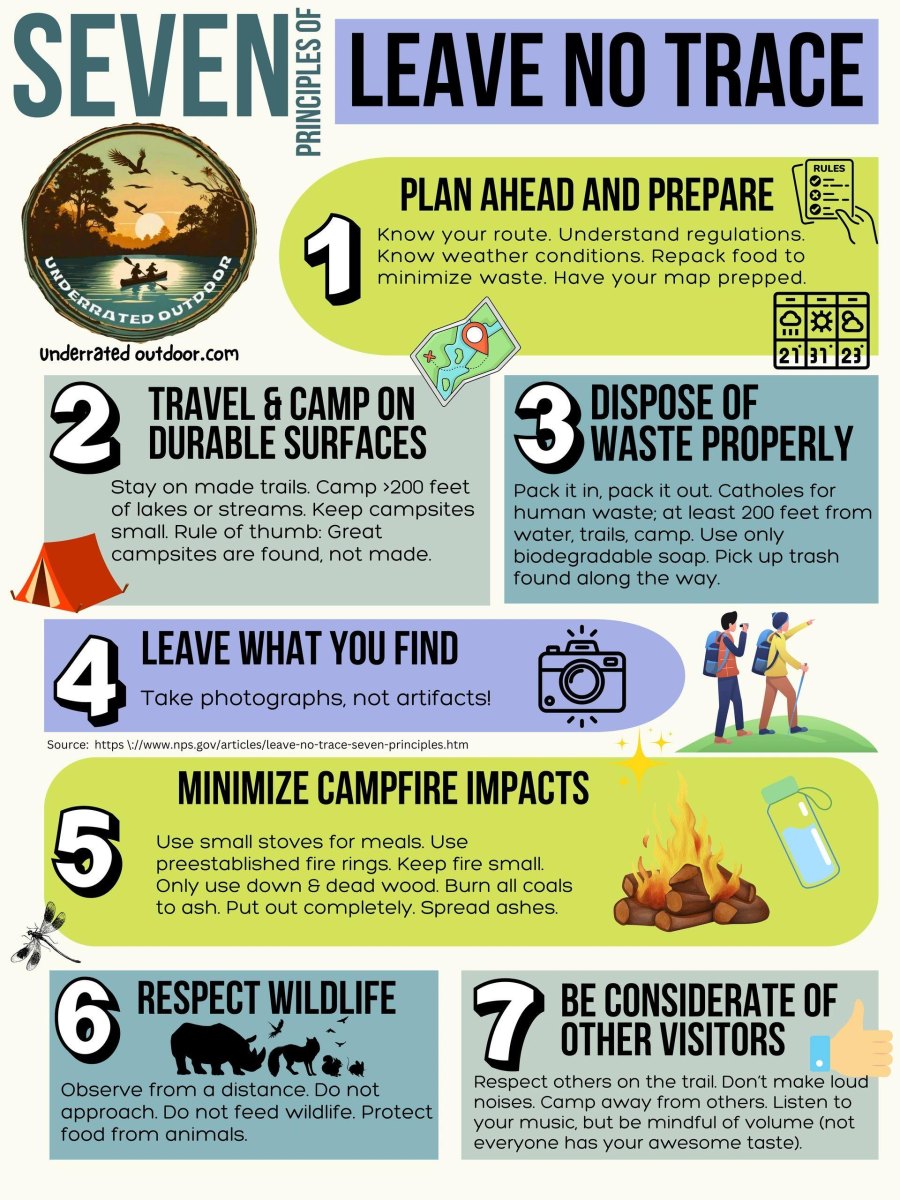
Dry camping depends on protecting the places people visit. Pack out trash, follow disposal rules, and avoid damaging fragile surfaces.
Leave No Trace RV guidance emphasizes planning ahead, durable surfaces, and proper waste disposal.
Adding Communication and Navigation Tools
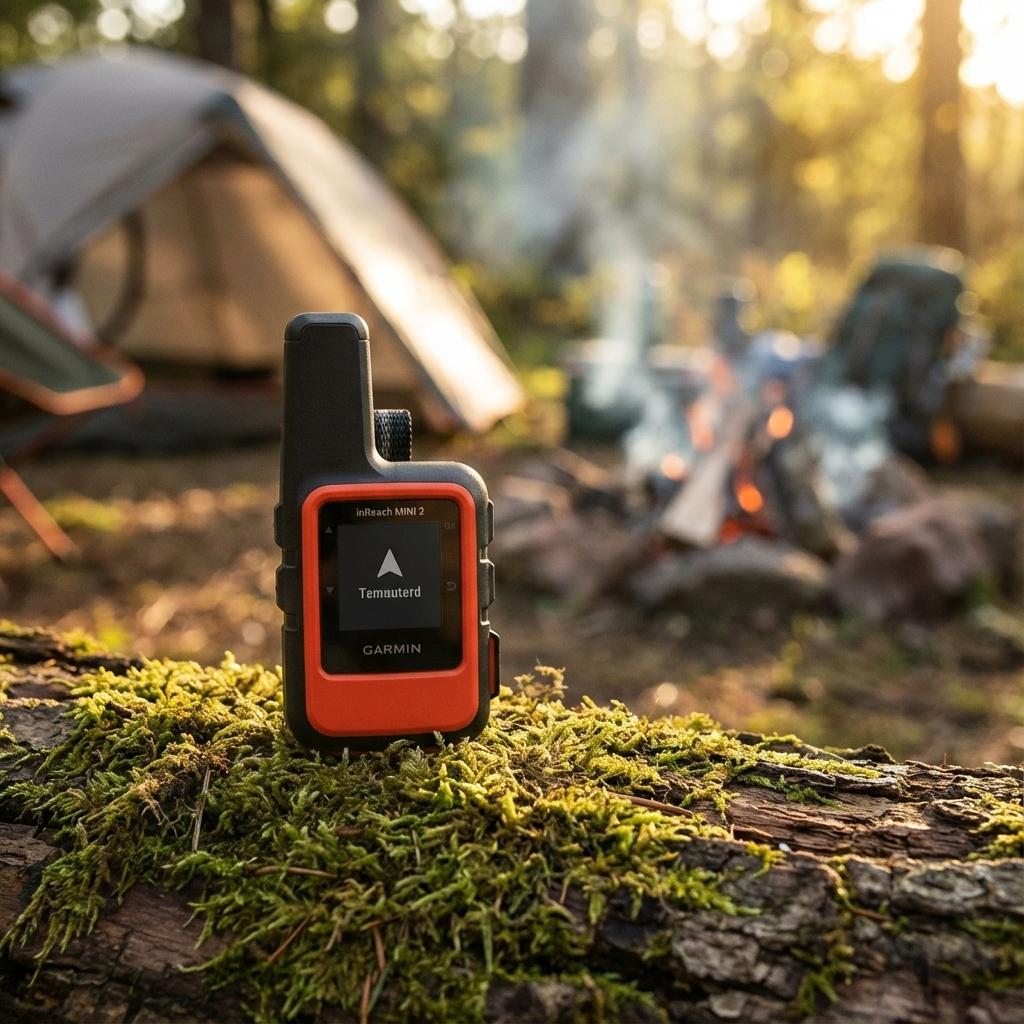
Remote camping requires knowing your route and having backup communication options. Maps, offline navigation, and emergency devices add confidence.
A reliable navigation setup helps prevent small mistakes from becoming larger problems.
Setting Up a Pet-Friendly Dry Camping Area
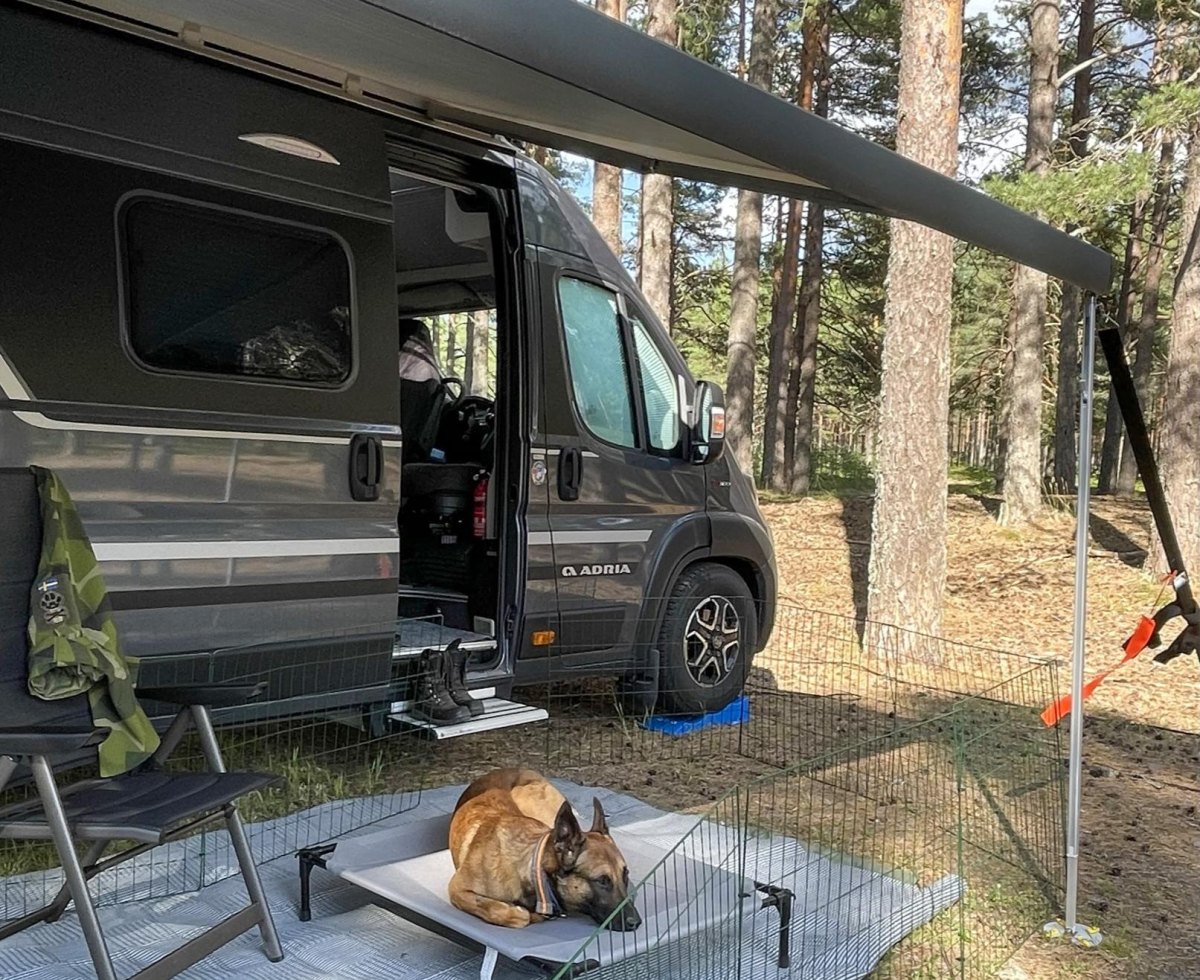
Pets need shade, water, and temperature awareness when traveling off grid. Never assume a parked vehicle will stay safe without active monitoring.
A pet-friendly campsite includes secure areas and a plan for changing weather.
Creating a Family-Friendly Off-Grid Camp
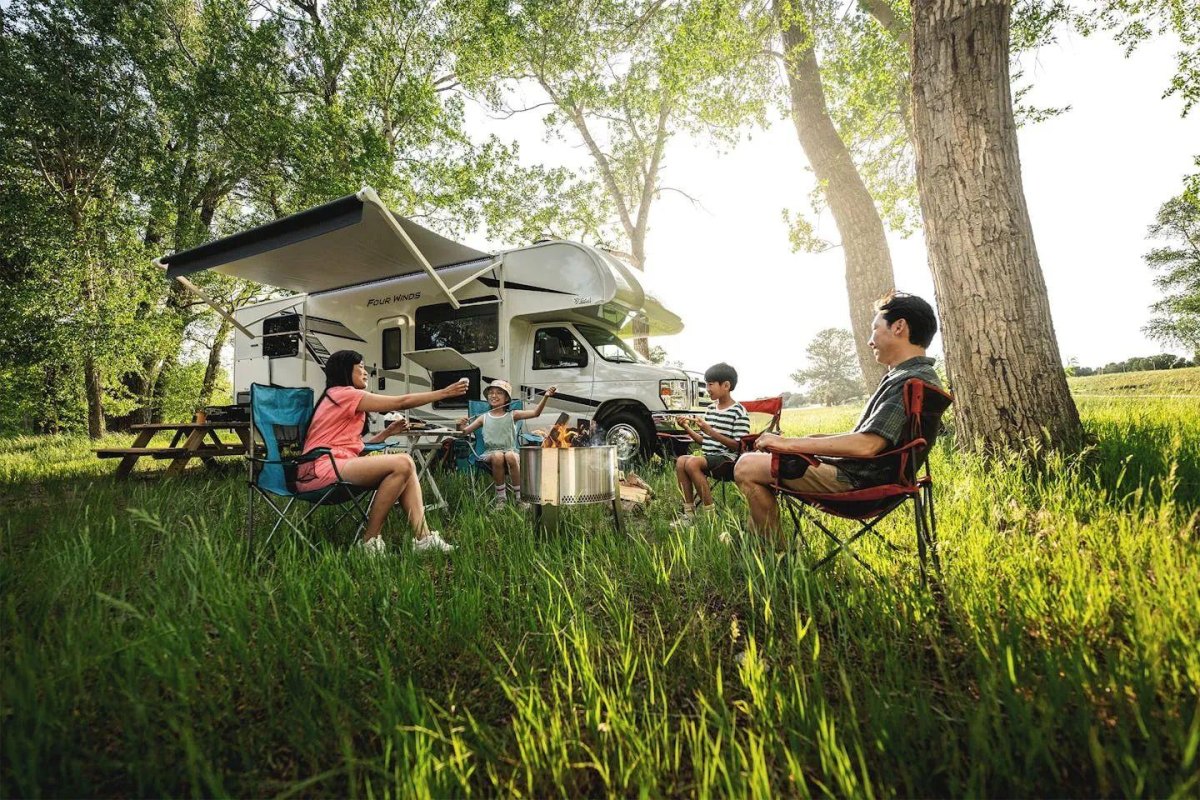
Families need clear organization because more people create more water, food, and storage demands.
A successful family dry camping setup gives everyone simple systems for sleeping, meals, and daily routines.
Building an Emergency Preparedness Kit
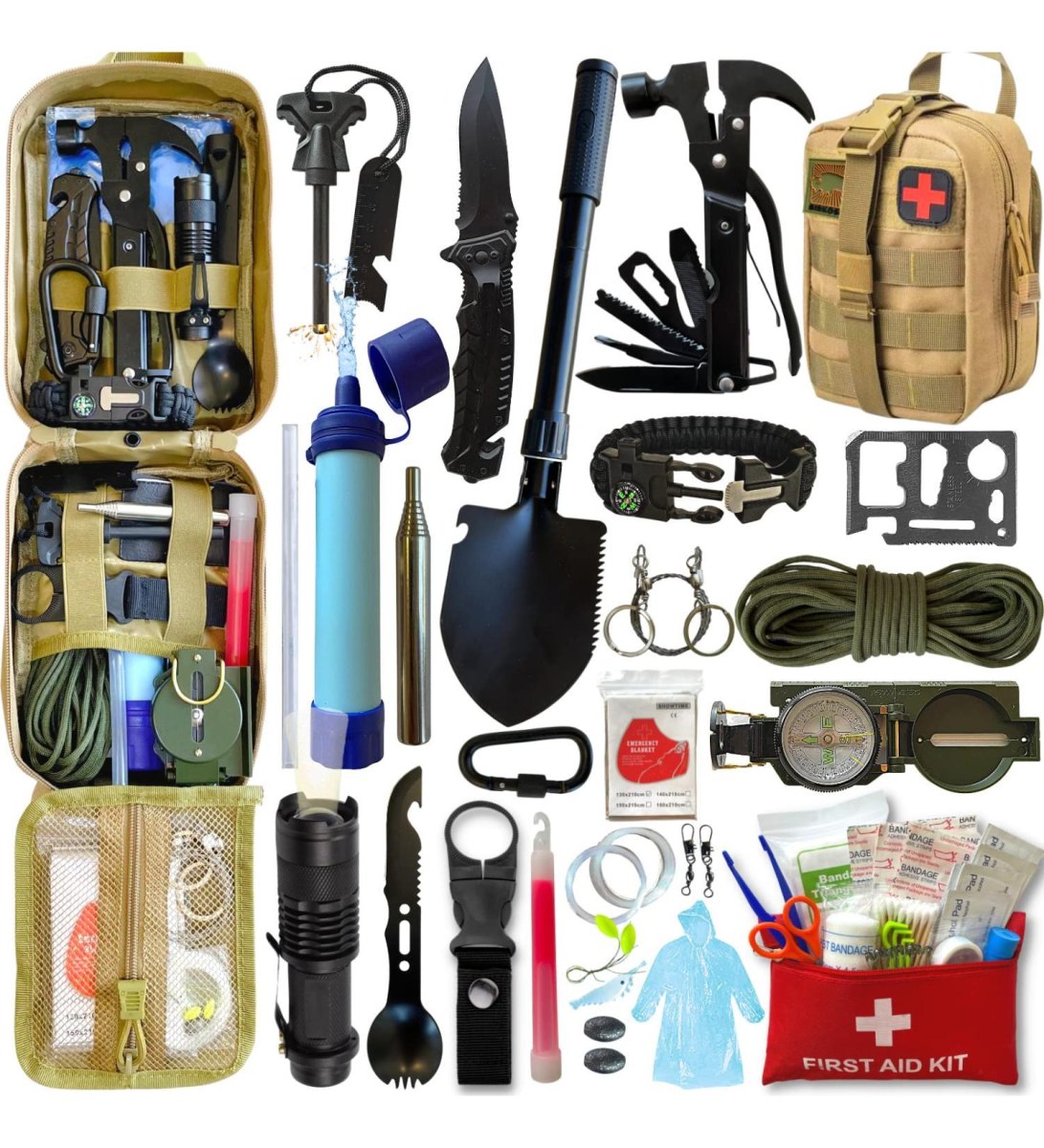
Emergency gear should match your destination and travel style. Basic supplies include first aid items, repair tools, lighting, and communication backups.
A compact camp emergency kit is easier to maintain when every item has a purpose.
Designing a Long-Term Dry Camping Setup
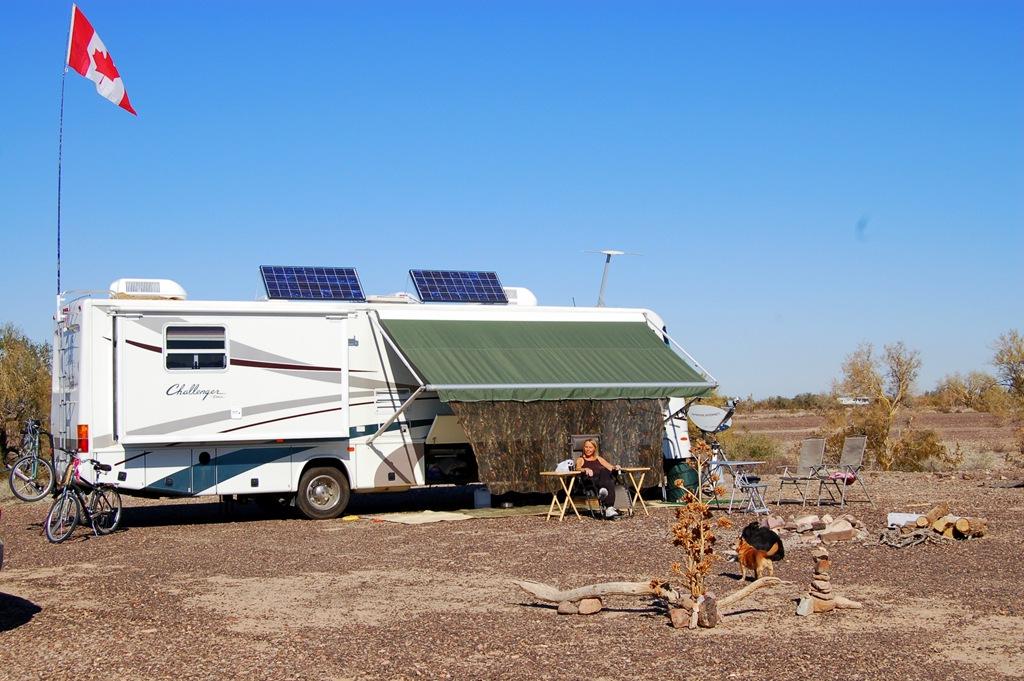
Longer stays require balanced systems for power, water, food, maintenance, and comfort. Small improvements often matter more than expensive upgrades.
The strongest long-term boondocking setup is one you understand, maintain, and can repair when needed.
More Pinterest Visuals



 RV Maintenance & Care17 Essential RV Winter Storage Tips to Prevent Cold-Weather Damage
 RV Pet Travel11 RV Cat Tree Ideas That Make Small Spaces More Cat-Friendly
 Camping Gear & Planning15 RV Must-Haves for Beginners to Camp Safely and Comfortably
 Camping Recipes18 Easy RV Camping Snacks Ideas for Road Trips and Campfire Nights