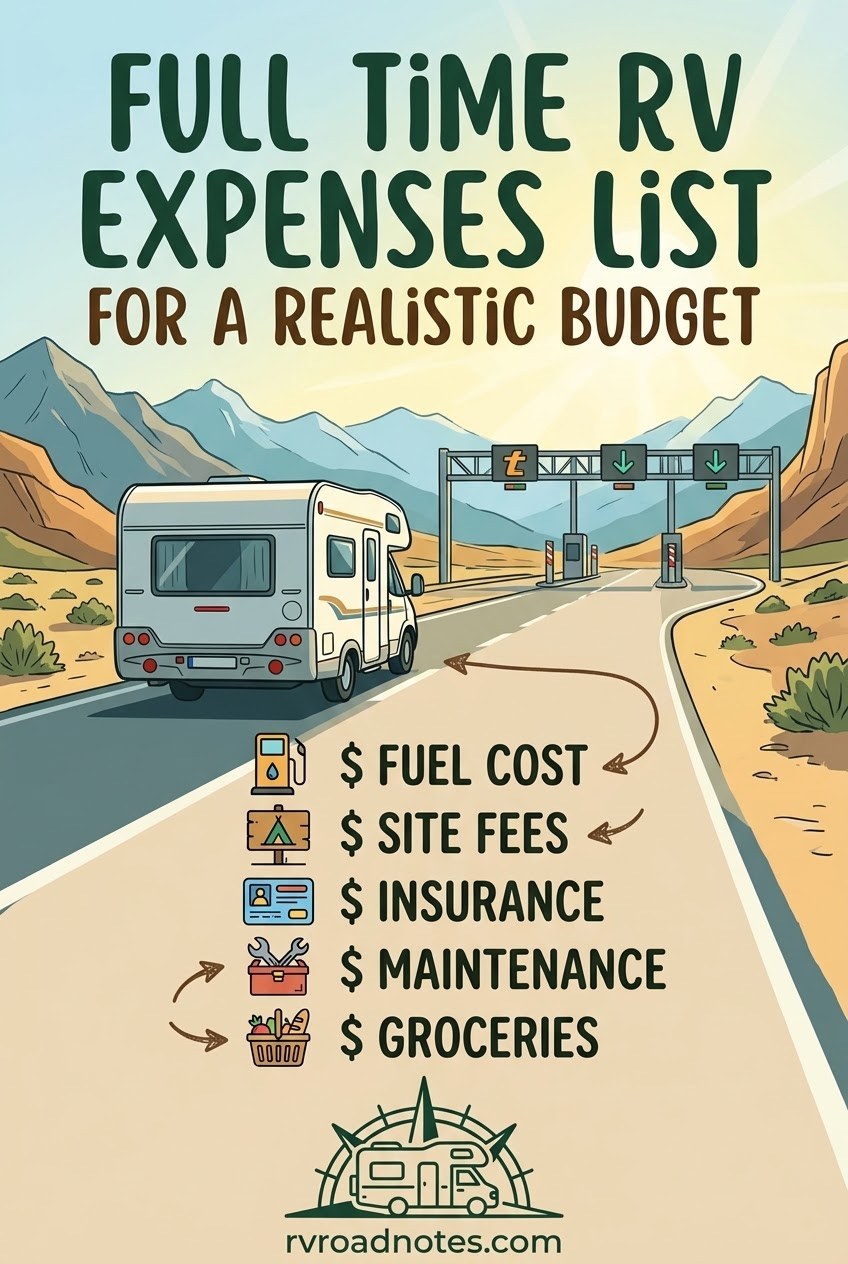
Full-time RV living replaces a conventional household budget with a different collection of bills. Some are predictable every month, while fuel, campground rates and repairs can swing considerably depending on how far you travel and how you camp.
This full time RV expenses list covers the 17 categories I would put into a working budget before hitting the road. The useful number is not the cheapest month you can imagine. It is the amount that keeps the plan intact when you need hookups, drive farther than expected or put the RV in a shop.
What to include in your RV budget
- Fixed costs such as financing, insurance, registration and phone service.
- Travel costs including campsites, fuel, propane, tolls and parking.
- Living expenses such as groceries, healthcare, laundry and entertainment.
- Irregular costs for maintenance, repairs and genuine emergencies.
- Optional memberships that should earn back more than they cost.
RV Loan or Financing Payments

If the RV is financed, the payment belongs at the top of the budget because it continues whether you drive 2,000 miles that month or stay parked. Include the actual monthly payment rather than treating the purchase price as a one-time RV expense.
Also keep the loan separate from depreciation. Depreciation does not leave the checking account each month, but it matters when deciding whether you can afford to sell or change rigs later.
Budget beyond the payment
A comfortable loan payment does not necessarily mean an affordable RV. Insurance, maintenance, registration and repairs still arrive on top of it.
Campground and RV Park Fees
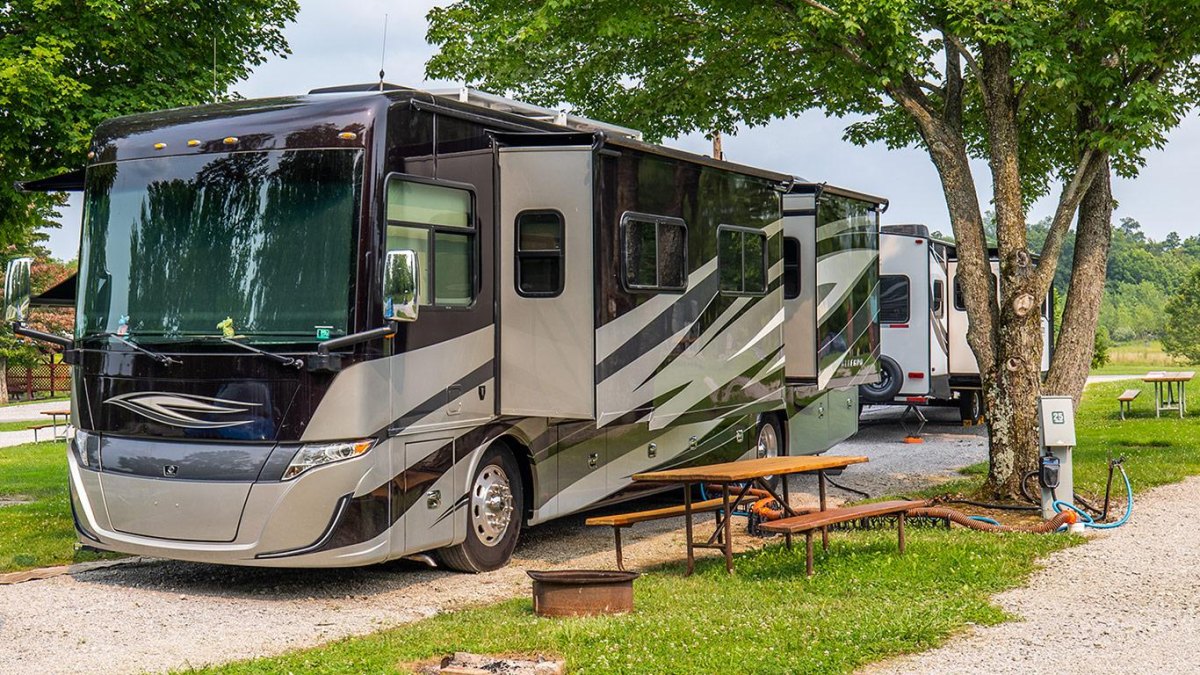
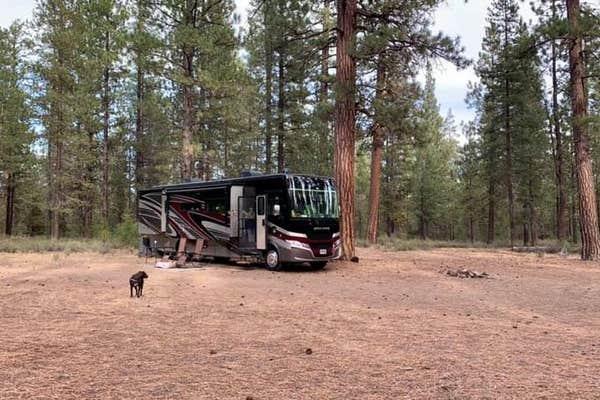
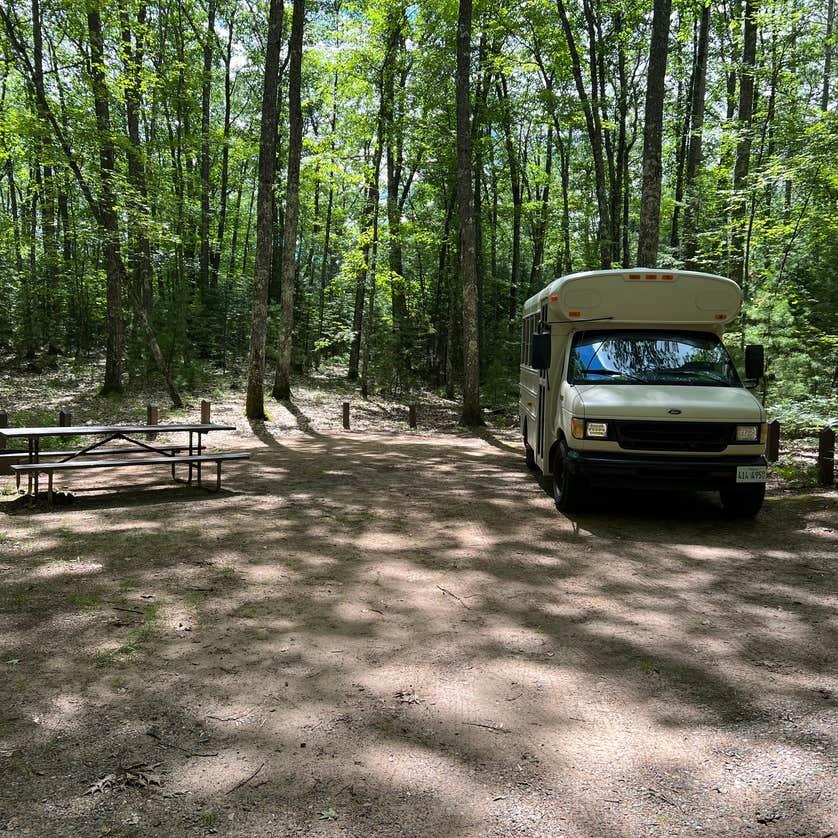
Camping can be nearly free on legal public land or expensive at a full-service resort, which makes this one of the widest-ranging full-time RV expenses. Your mix of boondocking, public campgrounds, state parks and private RV parks matters more than any single nightly rate.
- Nightly stays: Usually the most expensive way to use private RV parks.
- Weekly rates: Often reduce the effective nightly cost.
- Monthly rates: Can be substantially cheaper, although electricity may be billed separately.
- Public land: Camping may be free or inexpensive, but stay limits, closures and agency rules still apply.
Always check the current rate and cancellation policy before budgeting a specific campground. Seasonal pricing can make the same site considerably more expensive during peak months.
Fuel and Diesel Costs
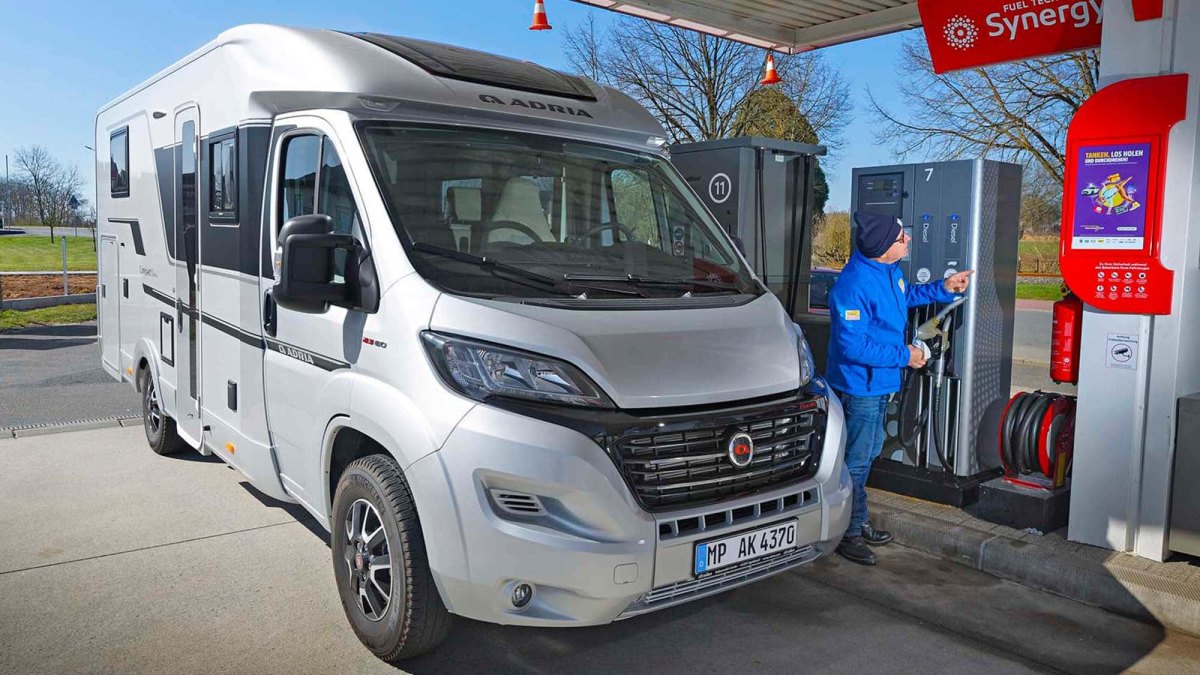
Fuel is controlled largely by three numbers: miles driven, fuel economy and price per gallon. That makes it one of the easiest RV costs to estimate once you have realistic mileage for your rig.
For example, 1,000 miles at 8 mpg requires 125 gallons. Multiply that by the expected local fuel price, then add fuel for a tow vehicle or towed car if you use one.
Mileage is the lever you control
Slowing the travel schedule often cuts fuel spending more reliably than hunting for a few cents per gallon at the next station.
RV Insurance
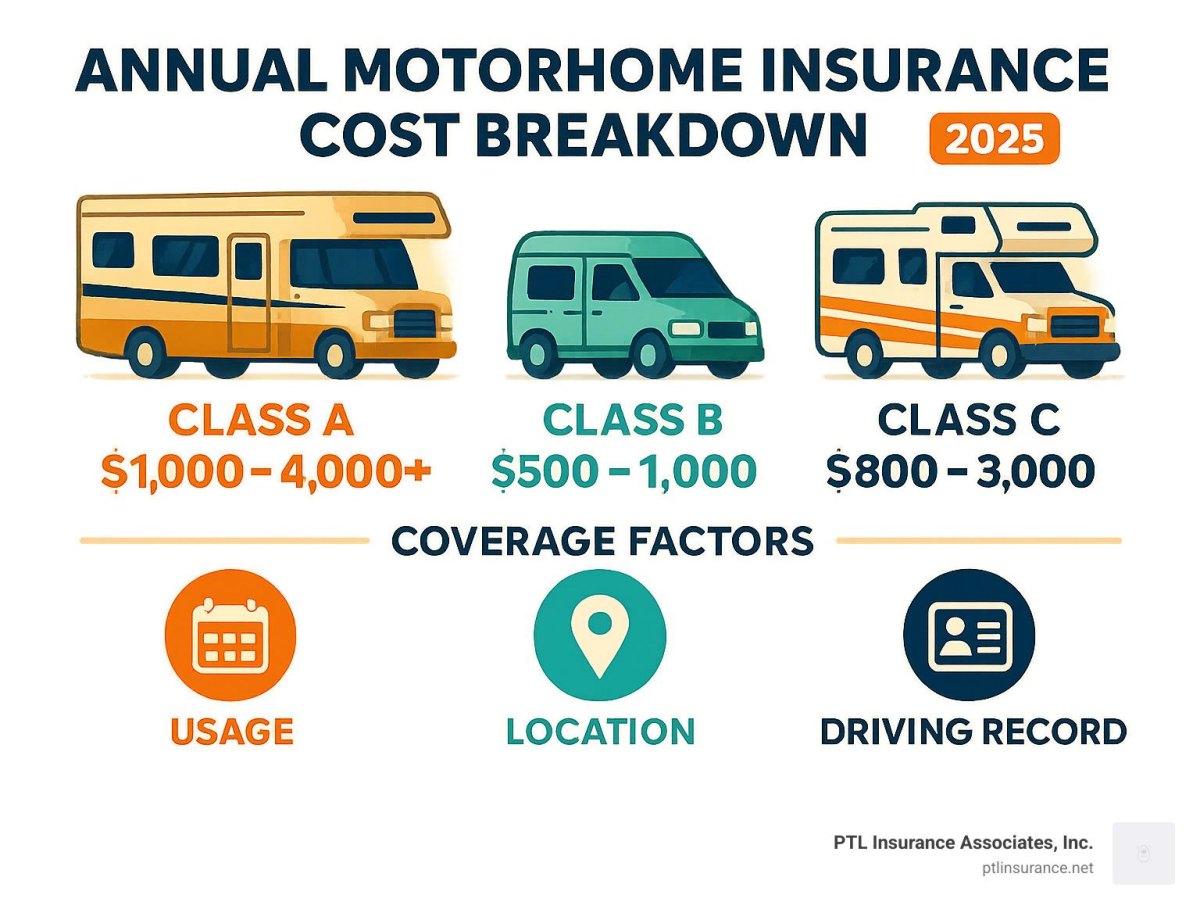
Full-time RV insurance deserves its own budget line. A policy intended for occasional recreational use may not provide the coverage appropriate when the RV functions as your residence.
Premiums vary with the rig, value, driving history, domicile, deductibles and selected coverage. Ask the insurer specifically how it handles full-time use, personal belongings, liability, roadside assistance and temporary living expenses after a covered loss.
I am not an insurance broker, so I would verify coverage directly with the carrier rather than relying on another RVer's policy or premium as a template.
RV Maintenance and Repairs
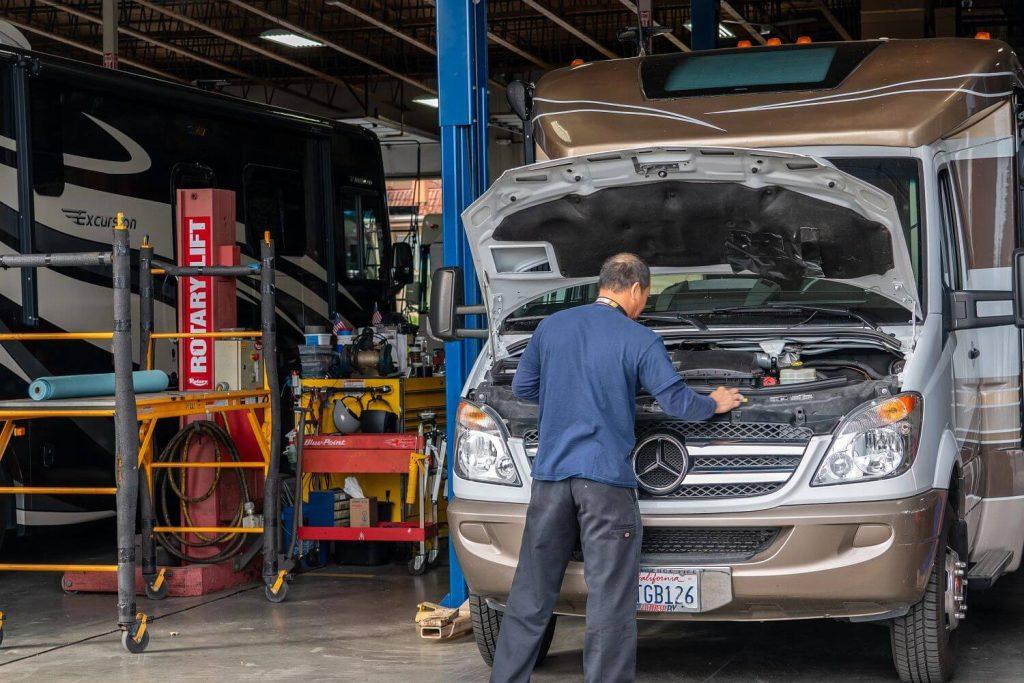
Maintenance and repairs are different budget problems. Maintenance includes work you know will eventually be required; repairs are the failed water pump, refrigerator, slide mechanism or chassis component that chooses its own date.
- Engine and drivetrain service where applicable
- Trailer bearings and running gear where applicable
- Roof, sealant and exterior inspections
- Tyres based on condition, load, pressure and age
- Batteries and electrical components
- Water pumps, plumbing and fixtures
- Appliances and HVAC equipment
Older RVs generally need a larger repair allowance. Chassis brakes, suspension, structural repairs and propane-system work are jobs I would send to qualified professionals rather than making the repair fund depend on DIY.
Propane Expenses

Propane use changes with weather and equipment. Furnaces can consume far more LP gas during cold weather than cooking or routine water heating, so winter location has a direct effect on this expense.
Track refills separately for a few months rather than assuming a flat year-round amount. Prices and filling arrangements also differ between portable cylinders and permanently mounted motorhome tanks.
Keep propane work professional
Leaks, regulators, lines and LP appliances are not places to learn by trial and error. Have propane-system faults handled by a qualified technician, keep detectors within their replacement dates, and never use a cooktop, oven or unvented heater as cabin heat.
Electricity and Utility Fees
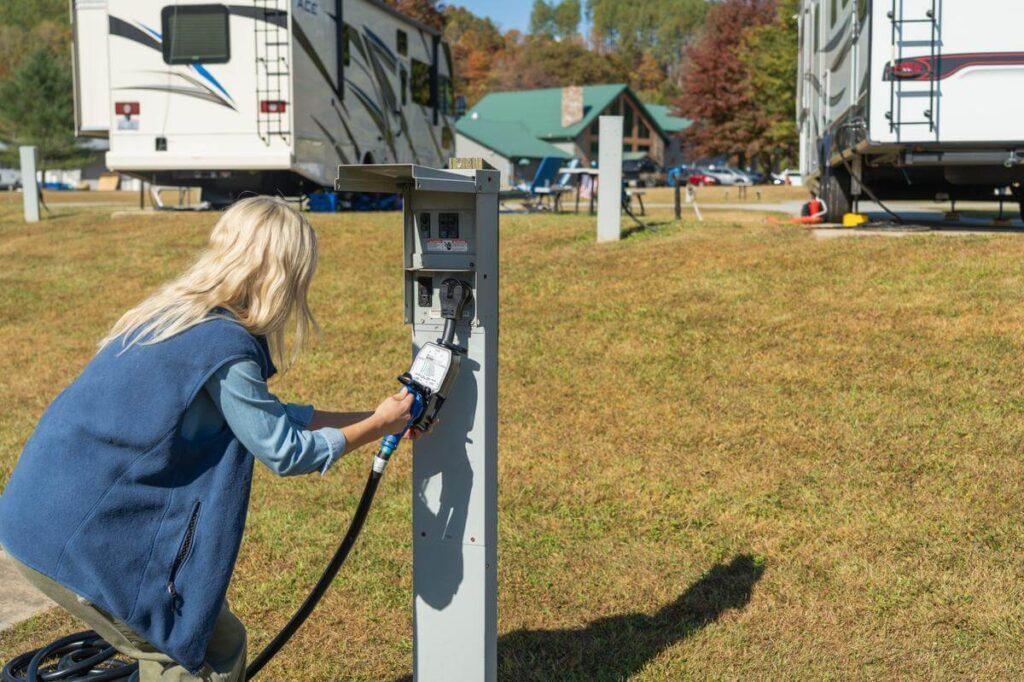
Electricity is sometimes included in a campsite rate and sometimes metered separately, particularly on monthly stays. Ask before booking long-term so a cheap site does not produce an unexpected utility bill.
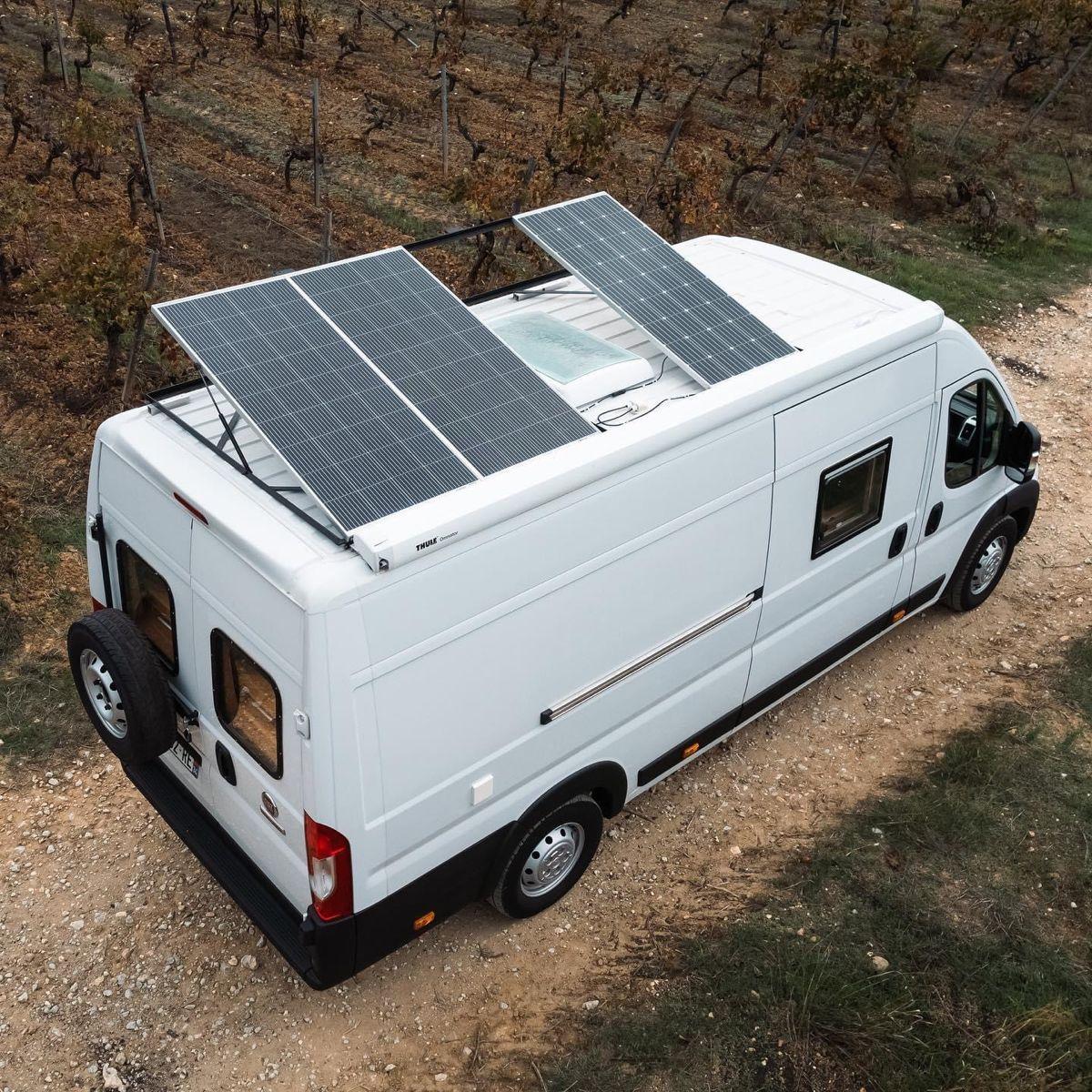
Other possible utility expenses include dump fees, potable-water fills and paid shower facilities when dry camping. Solar can reduce generator use and make off-grid stays easier, but it does not eliminate every utility cost.
Groceries and Household Supplies

Groceries remain an ordinary household expense, but travel changes where you shop and what storage you have available. Small-town stores and tourist areas can cost more, while limited refrigerator and pantry space may make bulk buying impractical.
Include paper products, cleaning supplies, water filters, trash bags and other consumables in this category. If drinking water is purchased regularly, give it a line in the budget instead of allowing it to disappear into miscellaneous spending.
Dining Out and Entertainment
Restaurants, coffee shops, museums, tours, park admissions and local attractions are discretionary, but leaving them out creates a budget that only works if you never do anything once you arrive.
Worth budgeting for
- Local experiences you actually value
- Occasional restaurant meals
- Admissions and planned activities
Easy budget leaks
- Frequent convenience meals on travel days
- Unplanned tourist stops
- Subscriptions you rarely use on the road
A defined recreation allowance is more useful than pretending discretionary spending will be zero.
Internet, Wi-Fi, and Mobile Phone Service
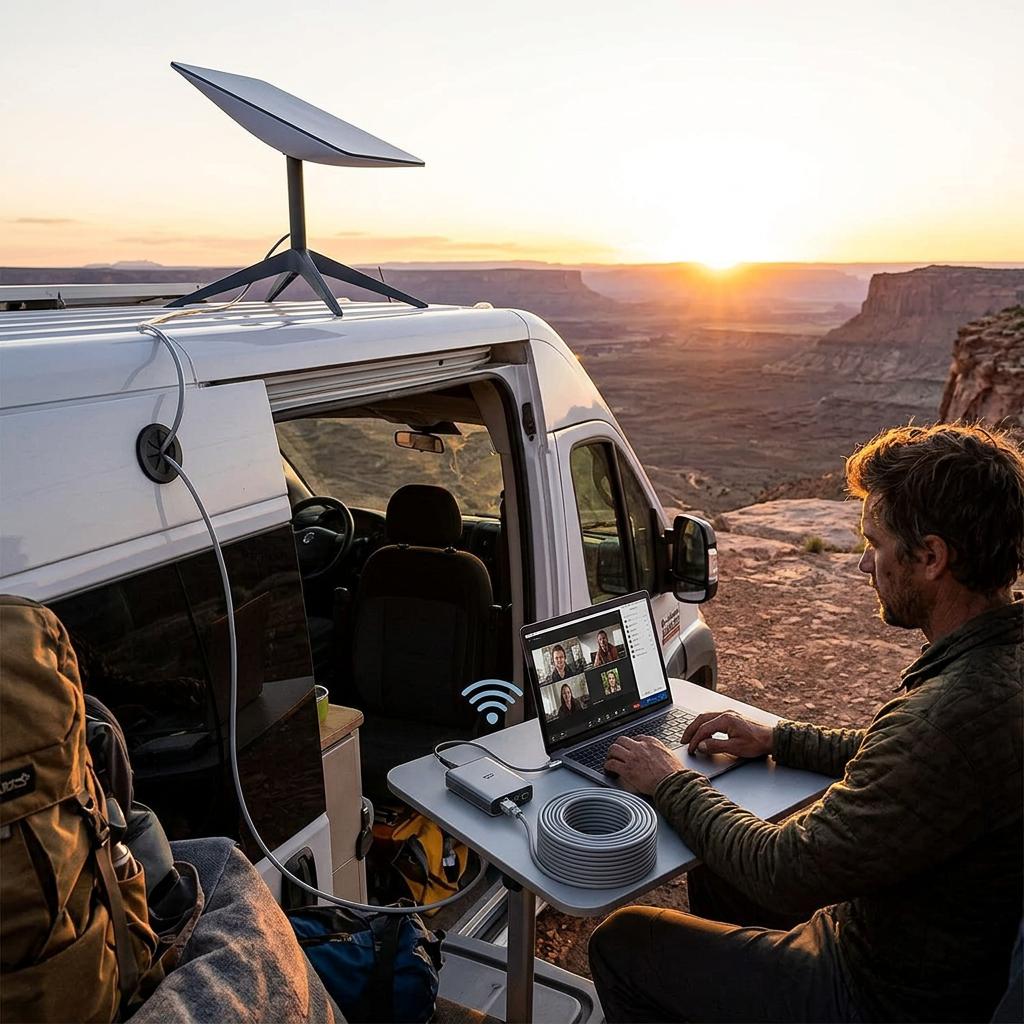
Reliable connectivity can require more than one service, particularly for anyone working from the RV. A phone plan, hotspot or dedicated data plan may need to cover places where campground Wi-Fi is slow or unavailable.
Satellite internet can add coverage options but also adds equipment and subscription costs, and it still needs suitable operating conditions. Do not budget around perfect coverage everywhere; check current carrier and provider maps for the areas where you actually plan to travel.
Working from the road
If internet access pays your bills, redundancy is a work expense rather than a luxury. Two connection options are more useful than one supposedly perfect option.
Health Insurance and Medical Expenses
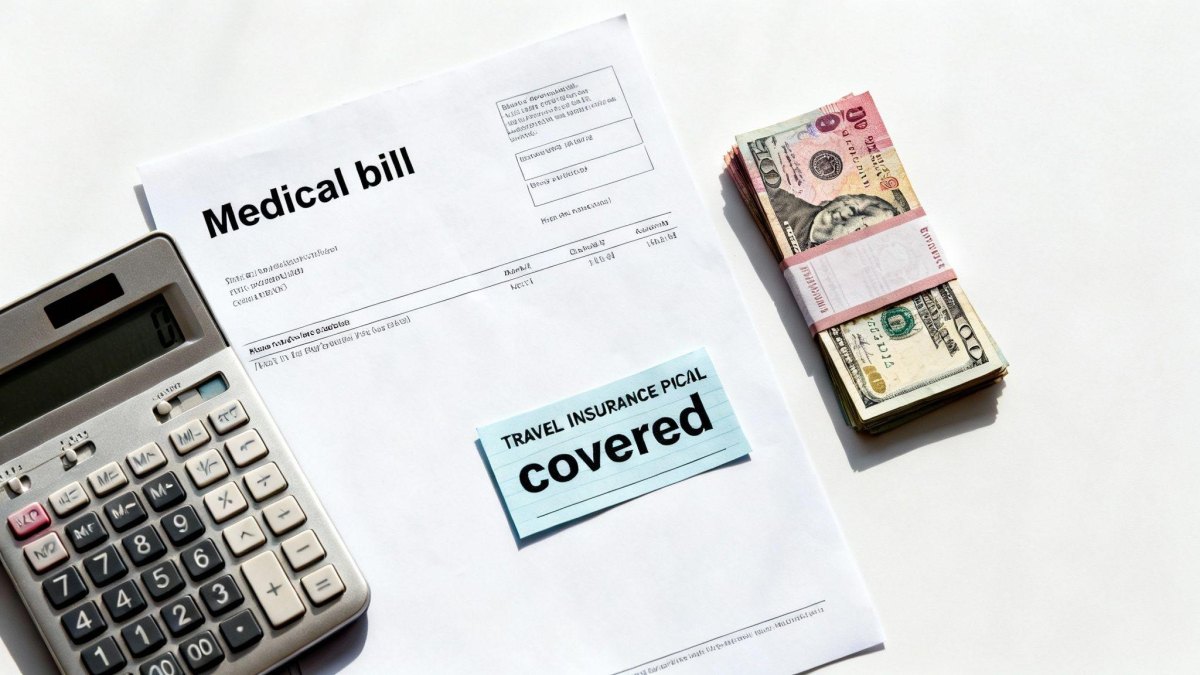
Health insurance can be one of the largest full-time RV expenses, and the practical issue is not only the premium. A traveling household also needs to understand where a plan provides in-network care.
- Premiums: The recurring cost of keeping coverage active.
- Deductibles: The amount that may need to be paid before coverage applies.
- Copays and coinsurance: Routine out-of-pocket costs for care.
- Prescriptions: Include regular medication and refill logistics.
- Dental and vision: Budget separately when they are not included.
Plan details change, so verify networks, emergency coverage and out-of-area rules directly with the insurer before choosing coverage around a travel lifestyle.
Laundry Expenses
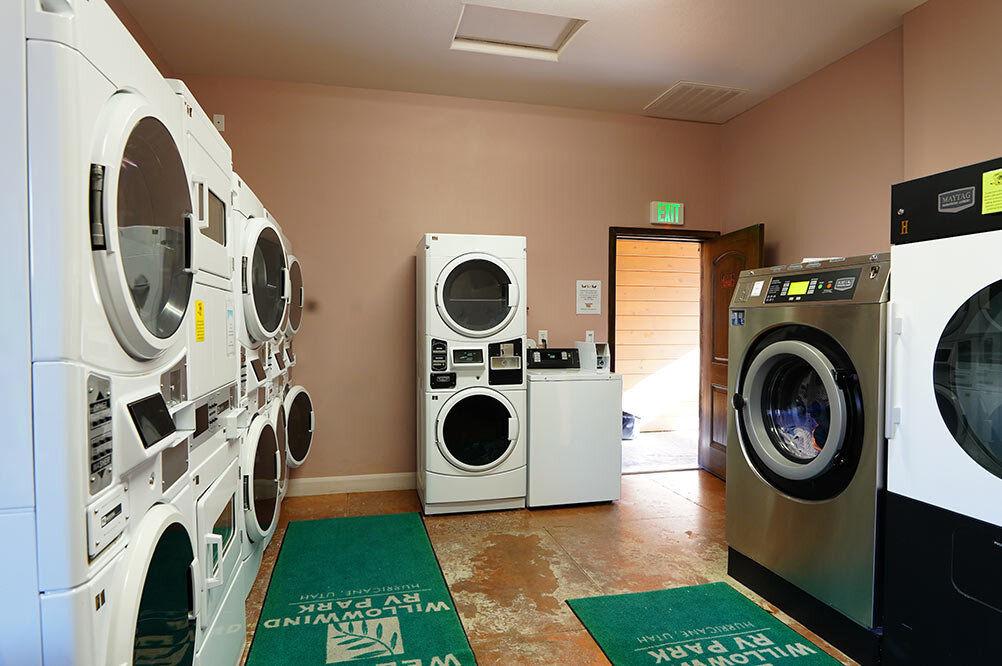
Laundry is small compared with fuel or insurance, but it is steady enough to budget. Campground laundry rooms and laundromats commonly charge separately for washing and drying, and larger machines may cost more.
Include detergent and drying costs as well as the washer. RVers with onboard washer-dryers trade laundromat spending for water, electricity, equipment cost and maintenance.
Mail Forwarding and Domicile Services
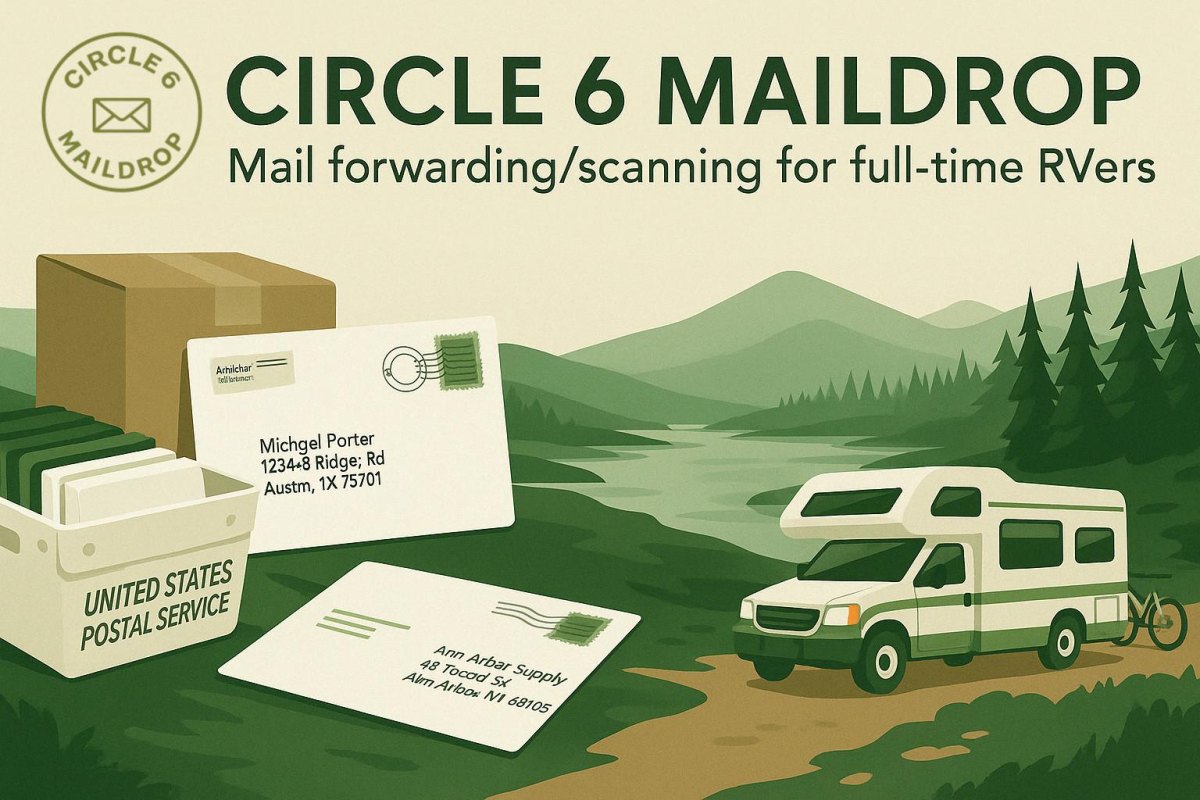
Full-time travelers still need a reliable way to receive important mail. A forwarding service may charge an annual or monthly fee plus postage, scanning, shredding or handling charges.
Domicile is a separate legal question involving where you establish residence and how that choice interacts with vehicle registration, insurance, voting, taxes and other obligations. My domicile is South Dakota, but that does not make it the right choice for everyone.
Verify the current rules
I am not a tax or legal professional. Domicile requirements can change and individual circumstances matter, so check current state-agency requirements and obtain professional advice when necessary.
Tolls, Parking, and Road Fees
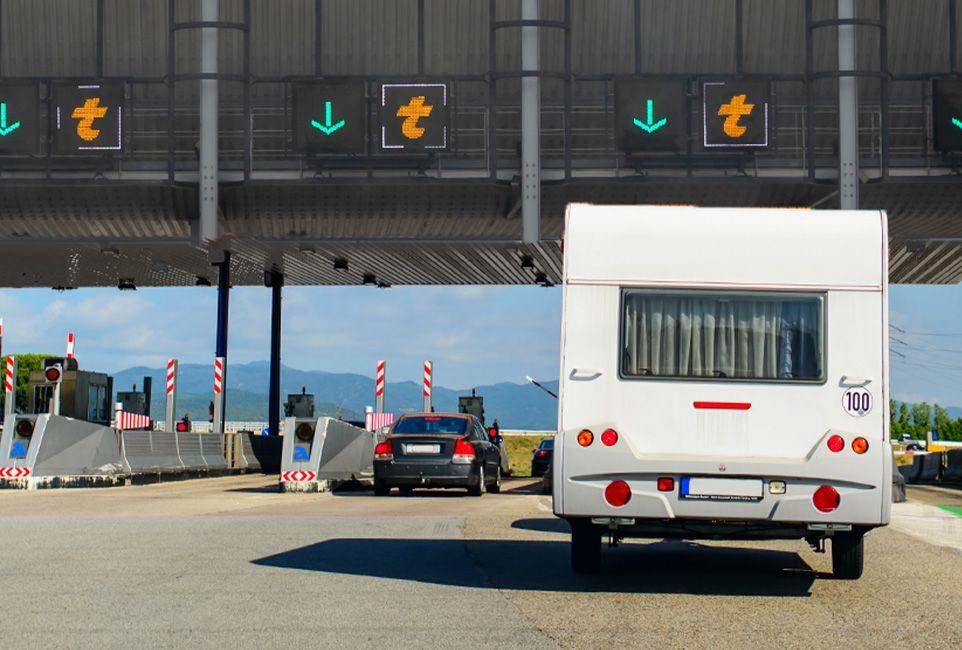
Tolls and parking are route-dependent costs that are easy to overlook in a monthly estimate. Larger RVs may also be charged according to axle count, vehicle class or height rather than the passenger-car rate.
Also account for paid city parking, airport parking, ferries and occasional access fees. Before choosing a route solely to avoid a toll, compare the fee with the extra fuel and mileage required by the detour.
RV Registration, Taxes, and Licensing
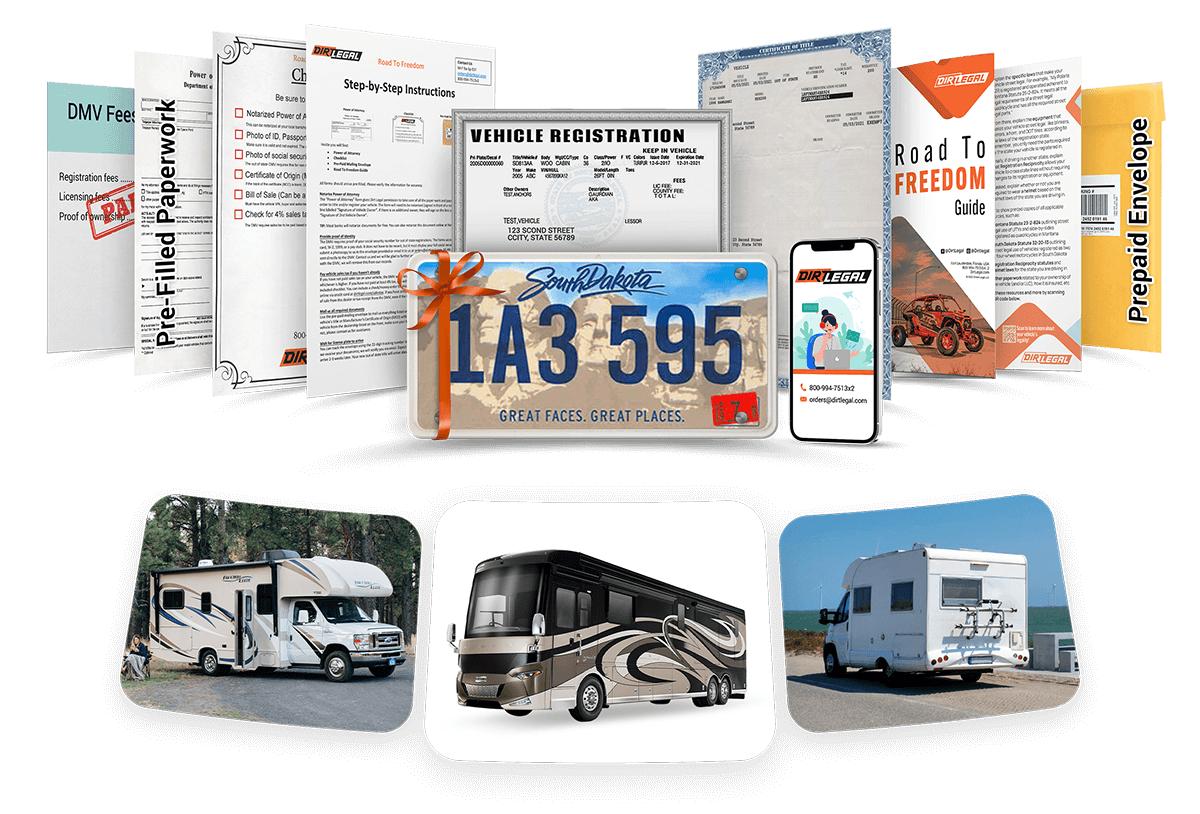
Registration and licensing may arrive annually rather than monthly, which makes them easy to forget until renewal notices appear. Divide expected annual charges by 12 and set that amount aside each month.
Depending on the state and circumstances, costs can include registration, title fees, inspections, personal property taxes or other vehicle-related charges. Tow vehicles and trailers may have their own requirements.
Rules and fees change. Check the current motor-vehicle and revenue agencies for your domicile rather than relying on an old forum post or another traveler's bill.
Memberships and Camping Passes
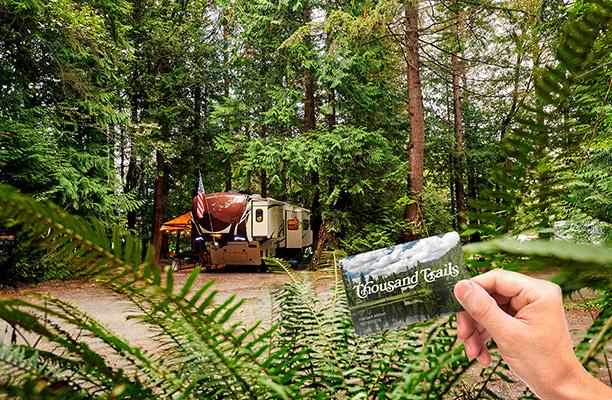
Camping memberships and passes can reduce costs, but only when they match the places and frequency you actually use. Buying several programs because each promises savings can quietly become another subscription category.
- List. Write down the campgrounds or public sites you realistically expect to use.
- Calculate. Compare the membership fee with the savings per qualifying stay.
- Check. Read blackout dates, reservation restrictions and participating-location rules.
- Renew. Keep the membership only if the previous year justified its cost.
The same test applies to roadside programs, discount clubs and attraction passes. A discount you do not use is simply a fee.
Emergency Fund and Unexpected RV Expenses
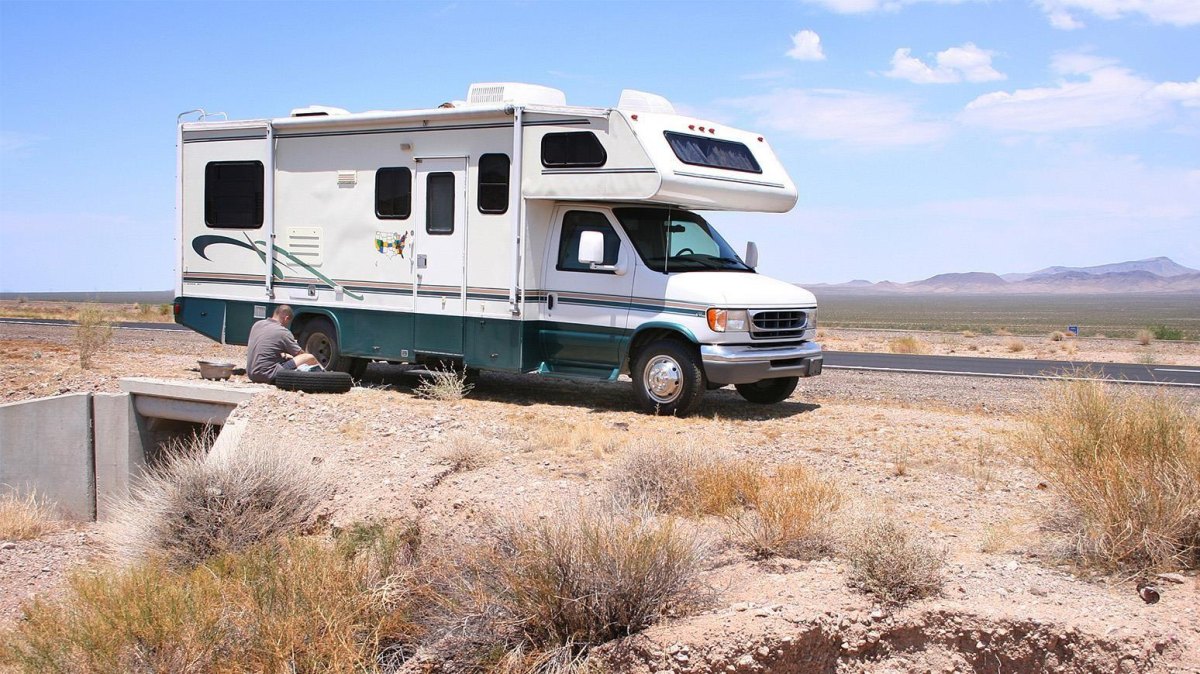
An emergency fund is what keeps a mechanical failure from becoming a financing problem. It should sit outside the routine maintenance budget because emergencies tend to combine expenses: a repair bill may arrive with towing, a hotel, a rental car or several unplanned campground nights.
Build the buffer around your actual rig
A newer van under warranty and an older diesel pusher do not carry the same financial risk. Consider the cost of the largest plausible repair, your deductible, towing arrangements and how you would live while the RV is unavailable.
I would rather see a full-time budget with a slower travel pace and a real repair reserve than one that spends every available dollar on campsites and fuel. The first version can absorb a bad week; the second only works while nothing breaks.
Full-Time RV Expense FAQ
What are the biggest expenses of full-time RV living?
For many RVers, the largest categories are the RV payment if financed, campground fees, fuel, insurance, healthcare and repairs. Which one dominates depends heavily on the rig and travel pace.
Is full-time RV living cheaper than living in a house?
It can be, but it is not automatically cheap. A paid-off RV with frequent legal boondocking and modest mileage has a very different budget from a financed motorhome moving between private resorts.
How should I estimate my monthly RV budget?
Add fixed monthly bills first, estimate travel and living expenses from your planned mileage and camping style, then convert annual costs such as registration and scheduled maintenance into monthly amounts. Keep an emergency reserve separate.
Which RV expenses are easiest to underestimate?
Repairs, campground fees, fuel on fast travel months, healthcare, connectivity and annual registration costs are common trouble spots. Small recurring expenses such as laundry, tolls and mail forwarding also add up.
How can I reduce full-time RV expenses?
Travel more slowly, use longer campground stays when the rates make sense, boondock legally where appropriate, cook more meals, maintain the RV before failures become expensive and cancel memberships that do not earn back their fees.

More Pinterest Visuals