
State parks can be one of the most practical ways to keep RV camping costs low while still getting access to trails, lakes, forests, and basic campground services. I look for value first: reasonable nightly rates, legal parking, and amenities that actually match the rig and trip plan.
This guide focuses on the decisions that make a budget RV trip work, from choosing a campsite to stretching supplies across a longer stay. Prices and rules change by state, so I always check the current park website before booking.
Choosing Affordable State Parks for RV Camping
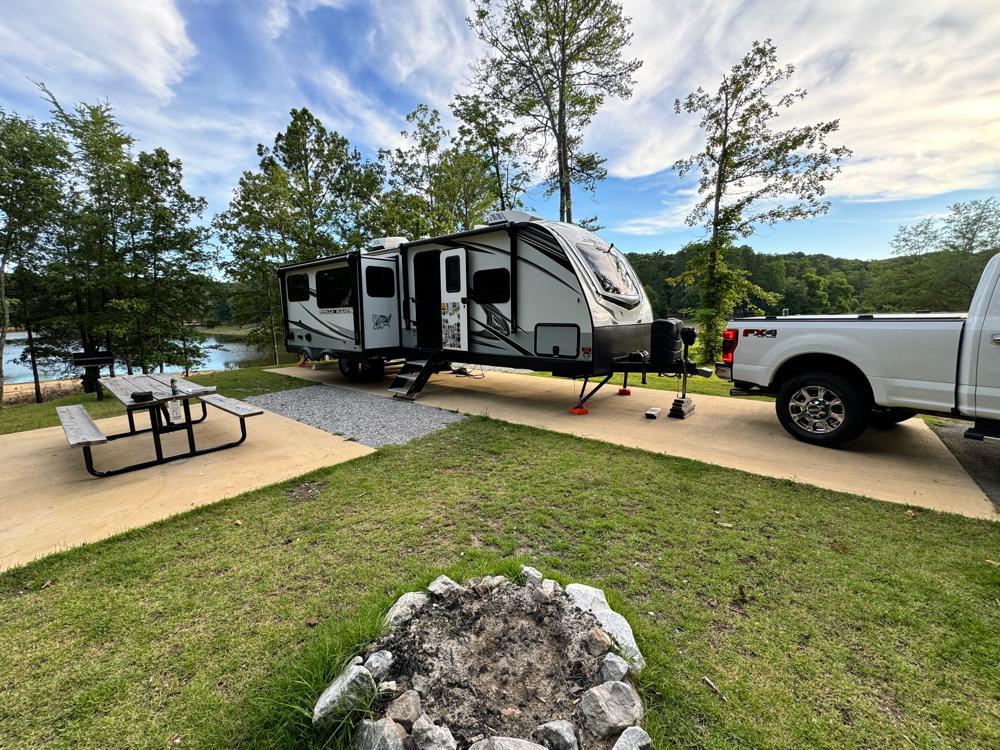
The best affordable state parks are not always the cheapest listing. I compare hookup options, reservation fees, entrance charges, and the cost of nearby supplies before choosing a site. Some state parks publish separate rates for electric, full hookup, and primitive camping, with non-electric options often costing much less.
- Look for shoulder season: Spring and fall often offer better availability and fewer premium dates.
- Match hookups: Paying for sewer and water is wasted money if your trip does not require them.
- Check restrictions: Many parks limit consecutive nights, so confirm before planning extended stays.
Planning a Low-Cost RV Trip to State Parks
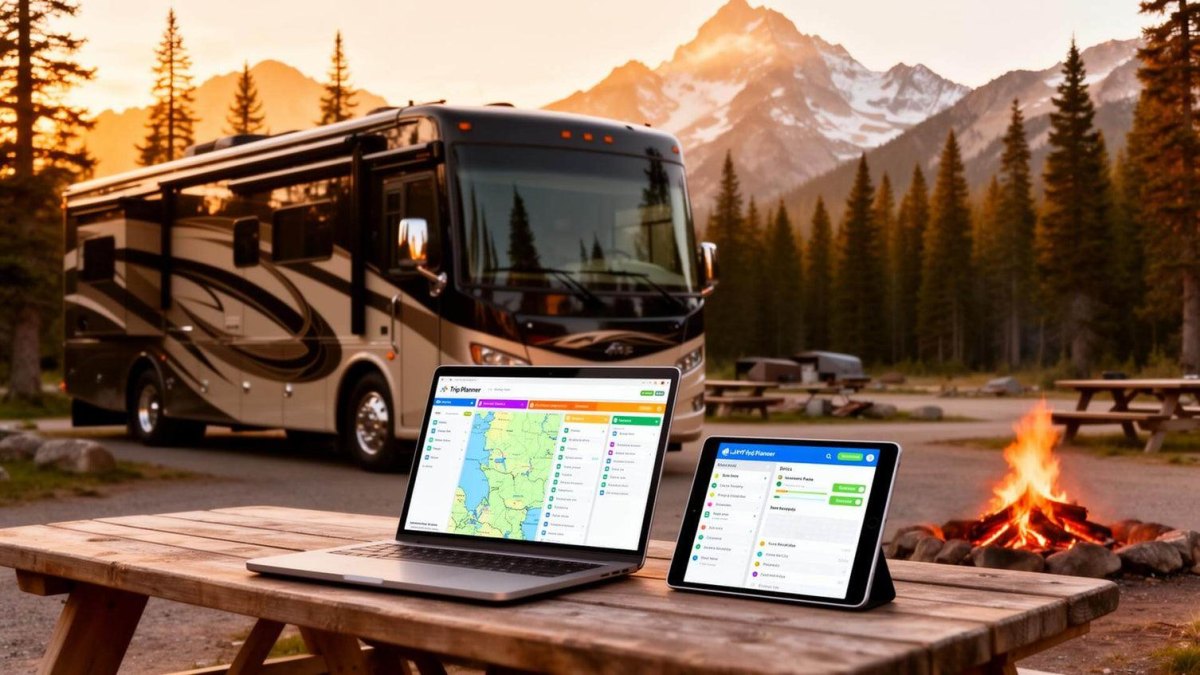
A budget trip starts before the engine turns over. I build routes around nearby state parks, realistic driving days, and places where groceries and fuel are easy to find.
- Choose. Pick parks that fit your RV size, access needs, and desired activities.
- Compare. Check official reservation pages for fees, closures, and stay rules before paying.
- Reserve. Book early for popular parks because some systems open reservations months ahead.
Budget tip
Leave room for changes. A flexible route can save money when a campground is full or weather changes.
Saving Money on State Park RV Campsite Fees
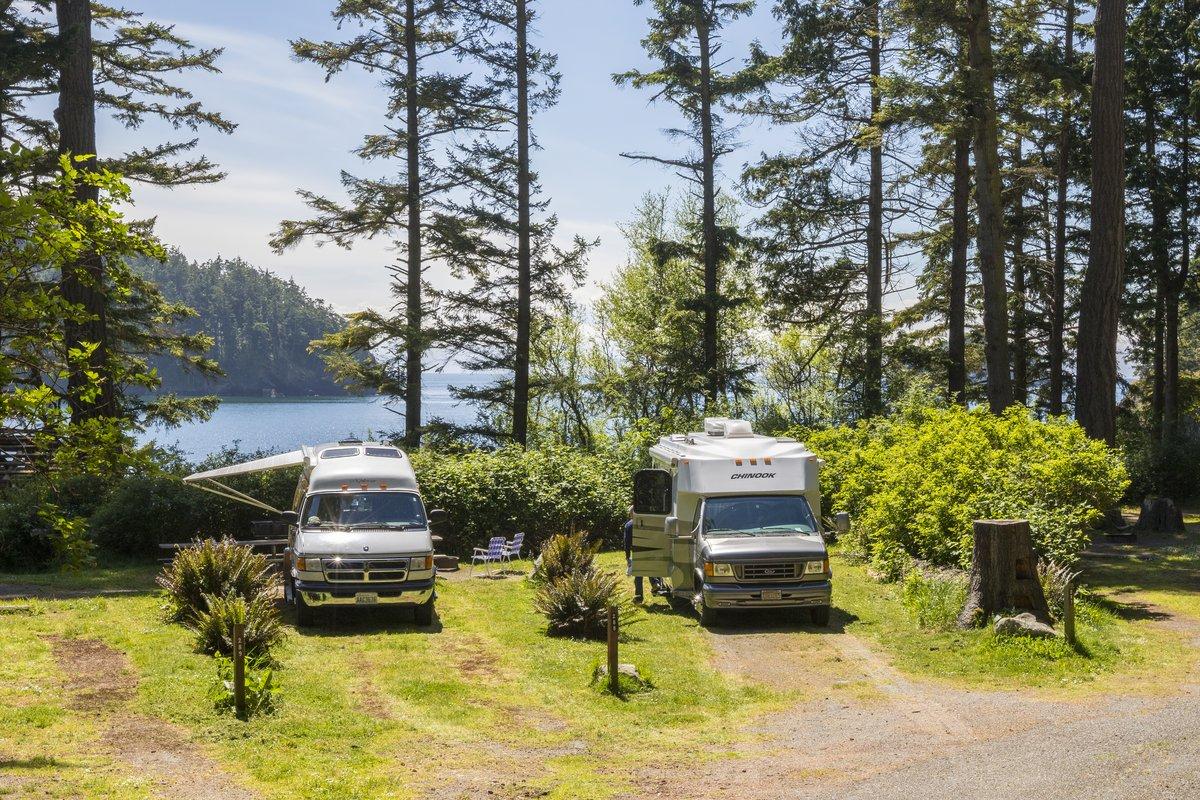
Campsite fees are where a small decision can make a large difference. I compare RV campsite prices by service level instead of automatically choosing full hookups. Official rates vary widely, but many parks charge less for sites without complete utility connections.
| Site Type | Budget Impact |
|---|---|
| Primitive or no hookup | Lowest nightly cost, but requires more self-sufficiency |
| Electric only | Good balance for many RV travelers |
| Full hookup | Convenient but usually the highest fee |
Avoid surprise charges
Check reservation fees, entrance fees, and utility surcharges before comparing campground prices.
Essential Budget Gear for State Park RVing
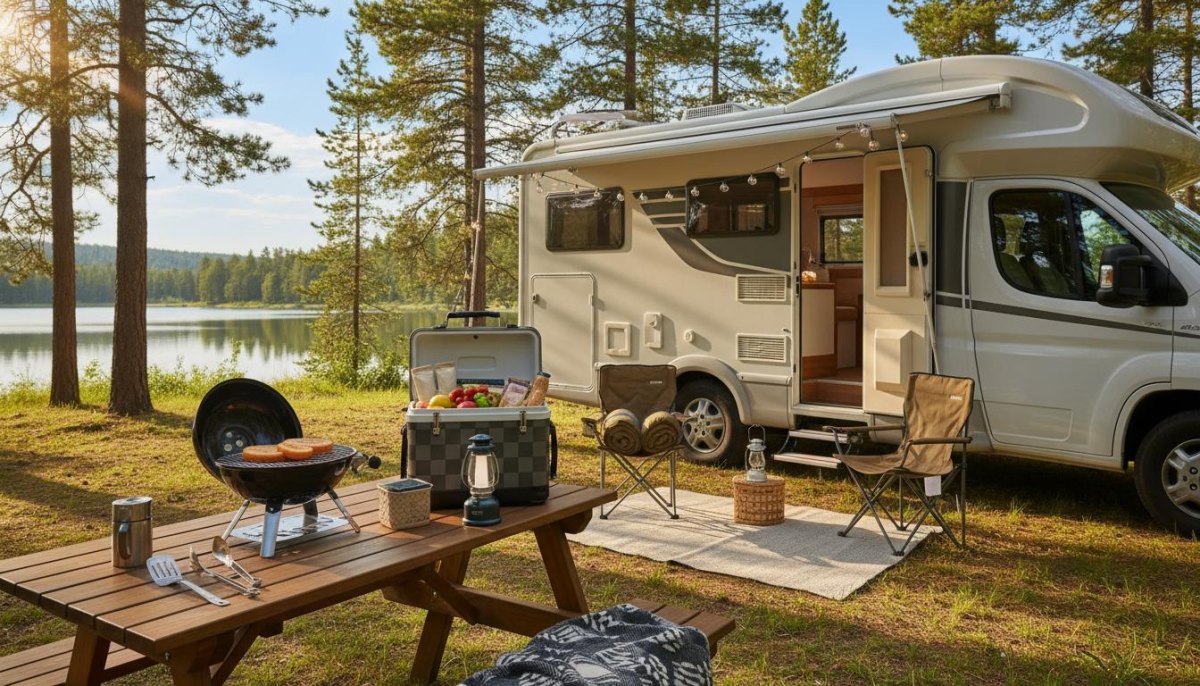
Budget RVing does not mean buying the cheapest version of everything. The goal is reliable camping gear that solves common problems without filling storage space.
- Water hose and potable water equipment suitable for RV use
- Leveling supplies that match the RV type
- Basic repair supplies and emergency lighting
- Weather-appropriate clothing and outdoor essentials
I avoid gadgets that only solve a problem once. Camping safety guidance also recommends carrying essentials such as navigation tools, extra food and water, lighting, and repair supplies.
Cooking Cheap Meals While RVing in State Parks
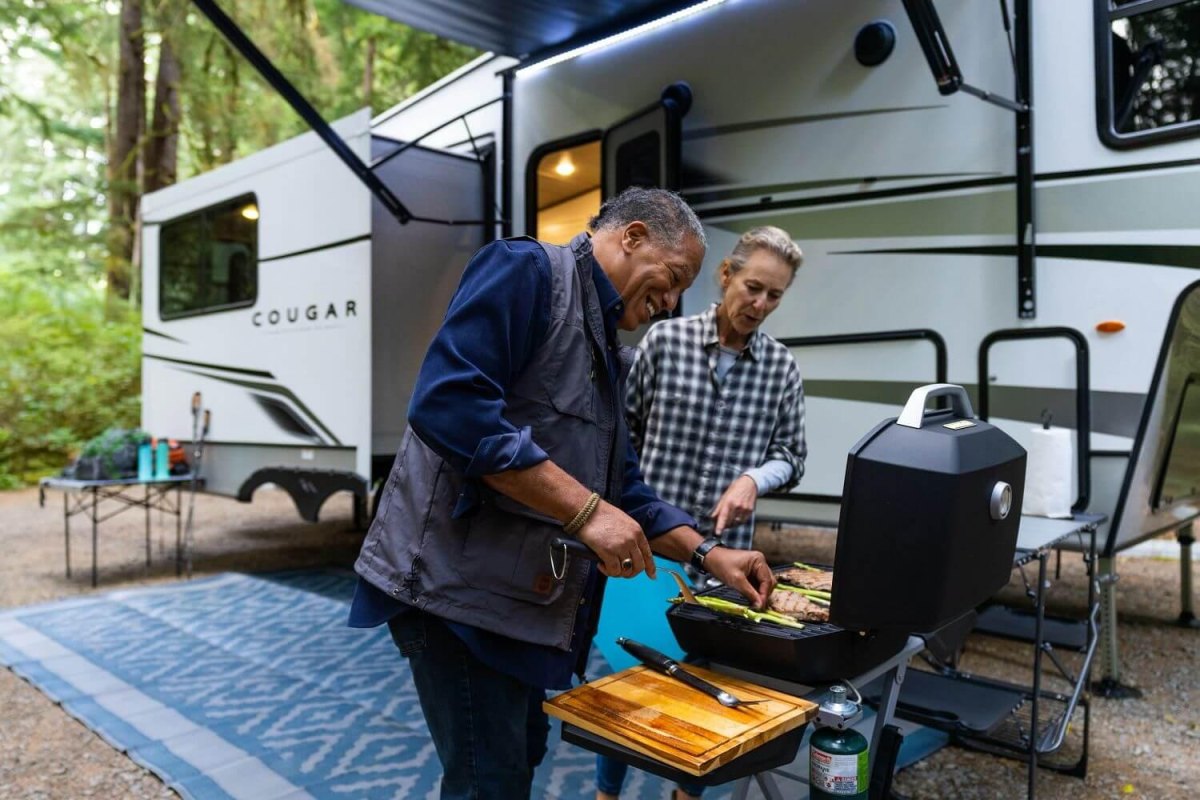
Food is one of the easiest places to protect an RV budget. A small kitchen works well when meals are planned around low-cost RV cooking instead of last-minute stops.
- Breakfast: Oats, eggs, fruit, and simple coffee supplies stretch well between grocery stops.
- Lunch: Wraps, leftovers, and shelf-stable options reduce waste.
- Dinner: One-pot meals save water, dishes, and preparation time.
Cooking safety note
Never use a cooktop, oven, or unvented heater as cabin heat. Follow your RV appliance instructions and keep ventilation and detectors maintained.
Reducing Fuel Costs on RV State Park Adventures
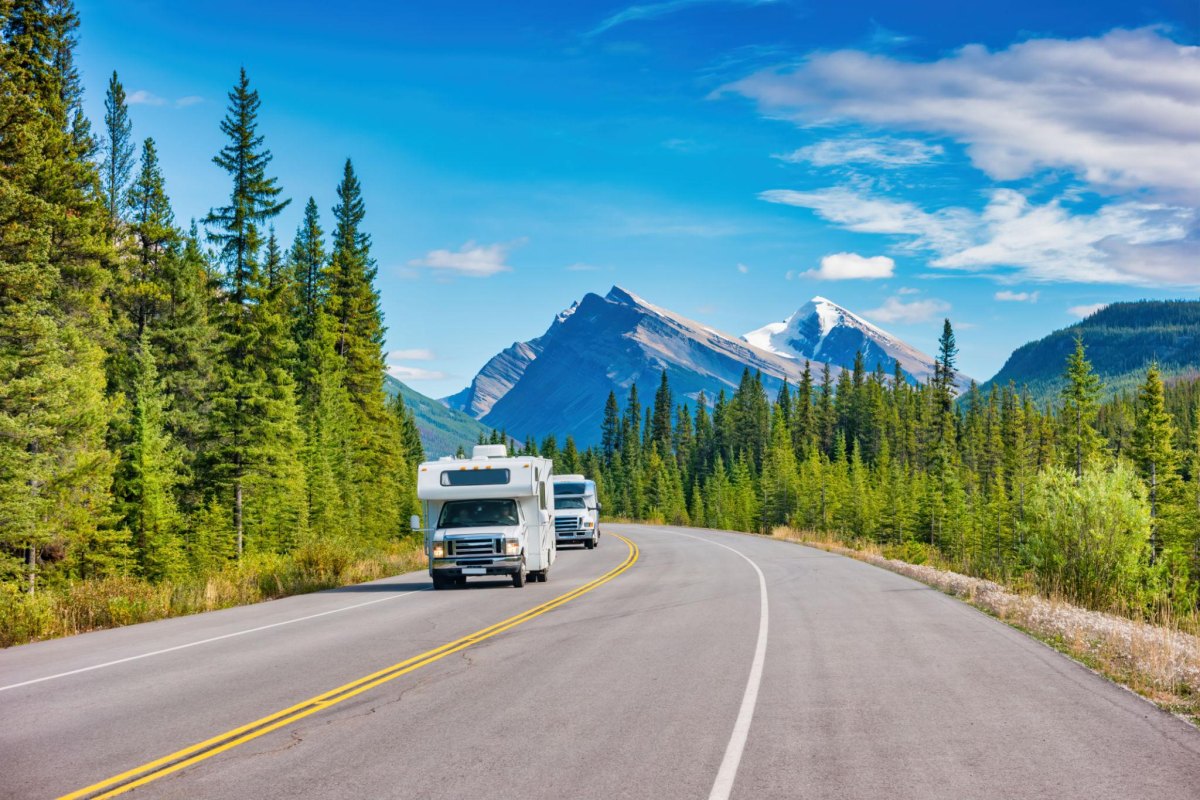
Fuel can quietly become the largest part of an RV trip budget. I reduce RV fuel expenses by avoiding unnecessary miles, combining errands, and choosing routes that fit the vehicle instead of forcing shortcuts.
Ways to save
- Plan grocery and supply stops together
- Maintain correct tire pressure for the load
- Choose closer parks for shorter trips
Common mistakes
- Adding long detours for a single attraction
- Ignoring terrain and weather impacts
- Driving faster to make up lost time
Free and Low-Cost Activities Near State Park Campgrounds

The value of state parks is often outside the campsite. Hiking, wildlife viewing, swimming areas, and scenic overlooks can provide free outdoor activities after the camping fee is paid.
Low-cost park activities
- Day hikes on maintained trails
- Nature programs when offered
- Photography and wildlife observation
- Picnic areas and shoreline access
I always check current park pages because available activities, closures, and fees vary by location. State park systems often list camping and recreation options separately for each property.
Extending Your RV Budget for Longer State Park Stays
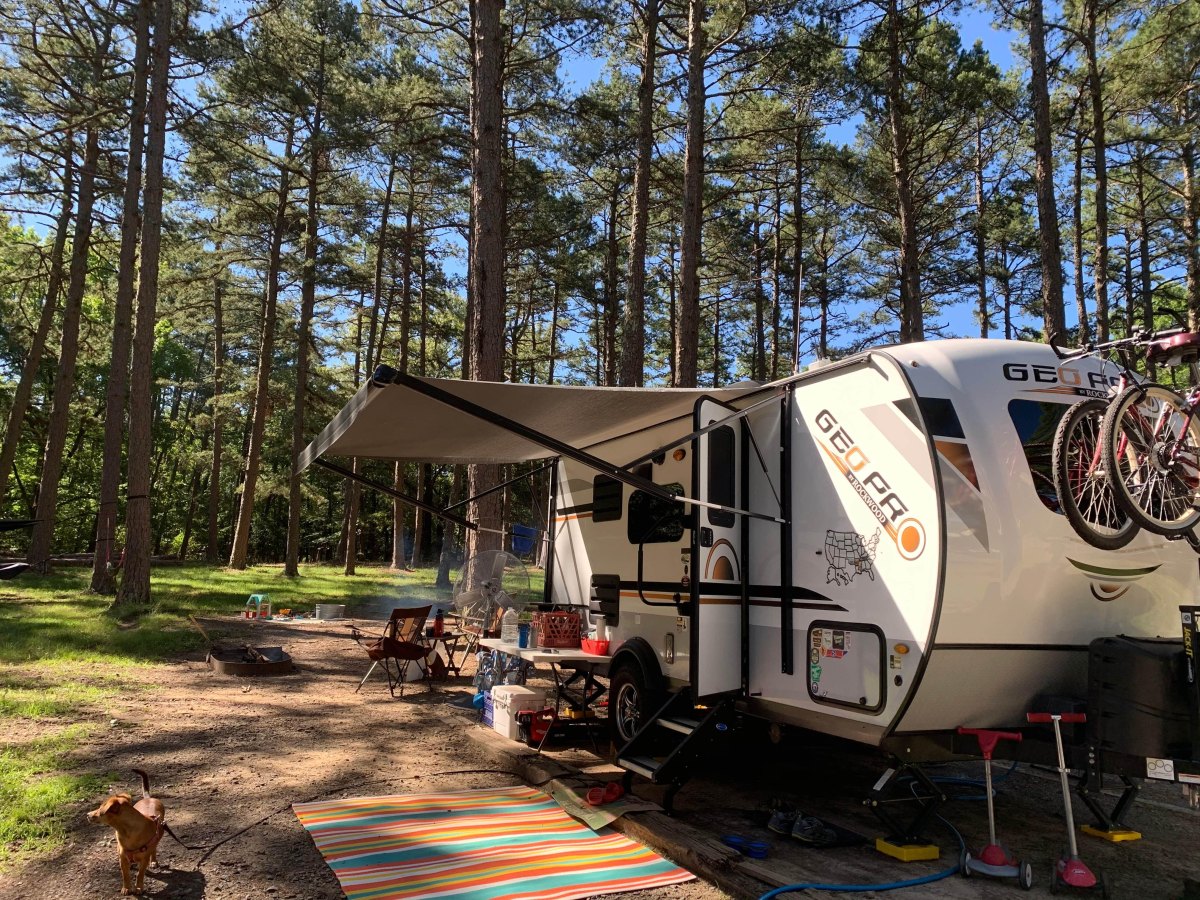
Longer stays can lower daily costs, but state parks usually have maximum stay rules. I check limits before building a slow-travel plan because many systems restrict consecutive nights.
14 nights
A common maximum stay limit used by many state park systems, though rules vary by state.
Stretch the budget further
Rotate locations, restock efficiently, conserve water and power, and choose parks where the included recreation replaces paid entertainment.
A good budget RV trip is not about cutting every comfort. It is about paying for what improves the experience and skipping what does not.
More Pinterest Visuals



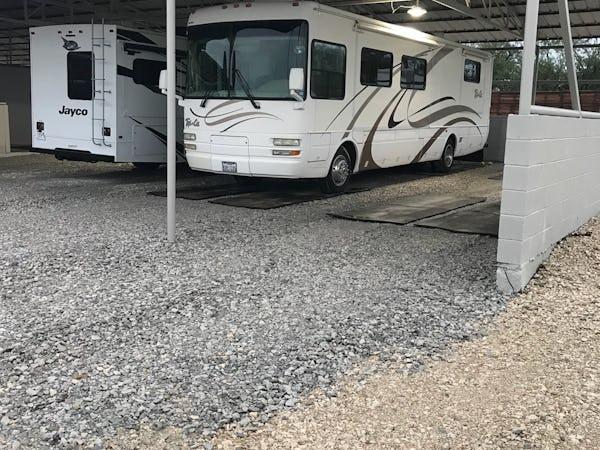 RV Maintenance & Care17 Essential RV Winter Storage Tips to Prevent Cold-Weather Damage
 RV Pet Travel11 RV Cat Tree Ideas That Make Small Spaces More Cat-Friendly
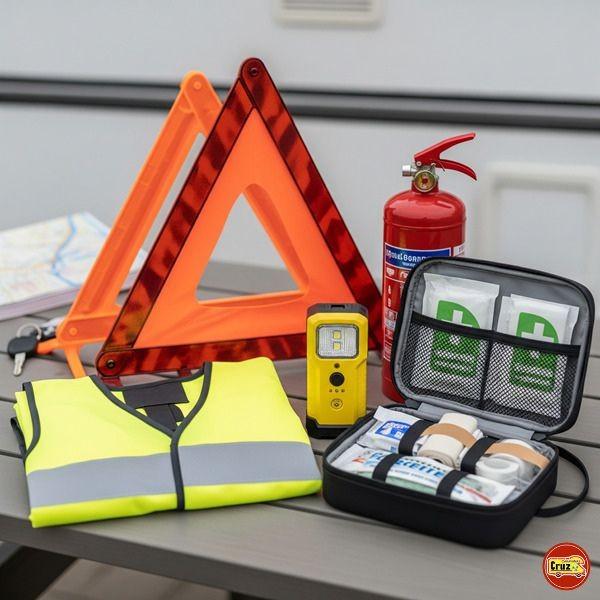 Camping Gear & Planning15 RV Must-Haves for Beginners to Camp Safely and Comfortably
 Camping Recipes18 Easy RV Camping Snacks Ideas for Road Trips and Campfire Nights