

Full-time RV living works best when the romance of the road is matched with practical systems. After years of seeing what holds up and what creates expensive problems, I have found that success comes from planning the details before they become emergencies.
This guide covers the daily decisions that make RV life easier, from choosing a rig and managing resources to staying connected and building routines. The goal is not to make RV living look effortless, but to make it more predictable.
What makes full-time RV living successful
- Plan finances before changing your address.
- Understand your RV's limits and maintenance needs.
- Create reliable systems for water, power, travel, and communication.
Plan Your Budget Before Starting Full-Time RV Living
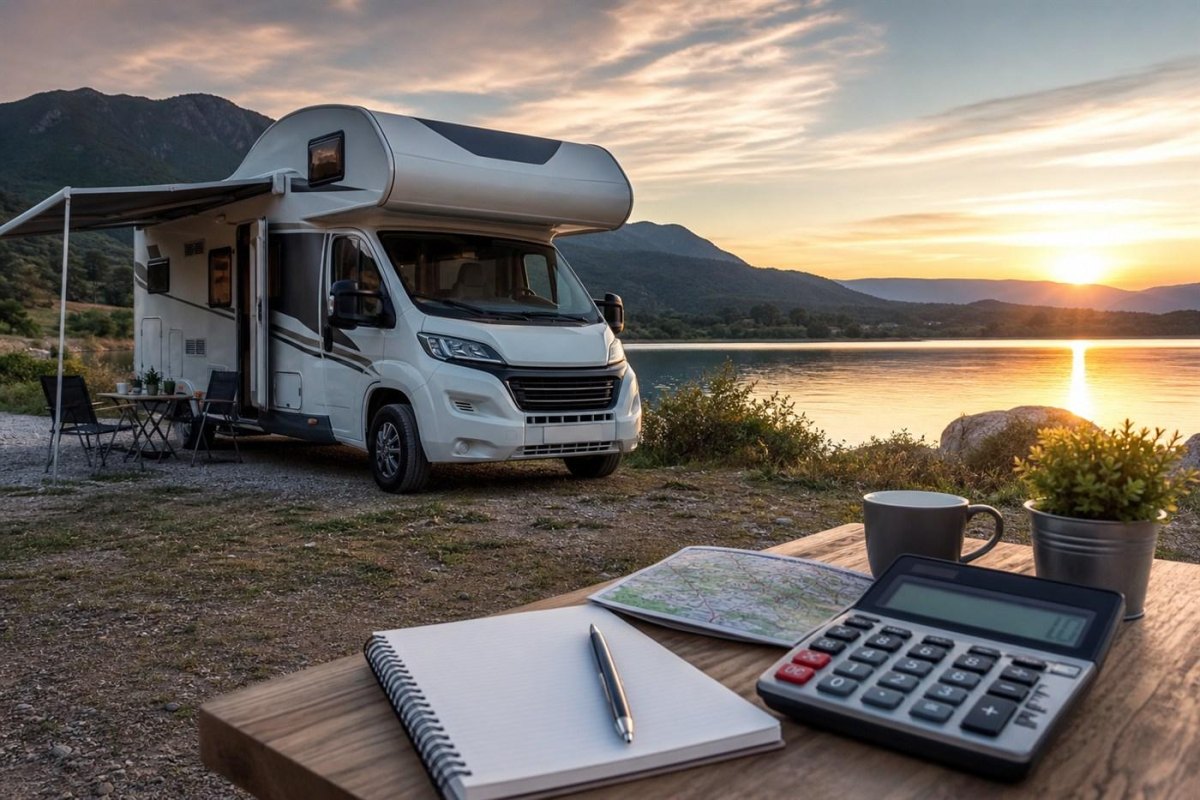
A realistic budget is the foundation of full-time RV living. Monthly costs include campground fees, fuel, insurance, repairs, food, maintenance, and occasional large replacements. The biggest mistake I see is budgeting only for the adventure and forgetting the mechanical side.
Track expected expenses before leaving. Include a repair reserve because every RV, new or old, eventually needs attention. Costs vary widely depending on travel style, but a stationary campground lifestyle and frequent travel lifestyle are very different financial plans.
Choose the Right RV for Your Long-Term Travel Needs
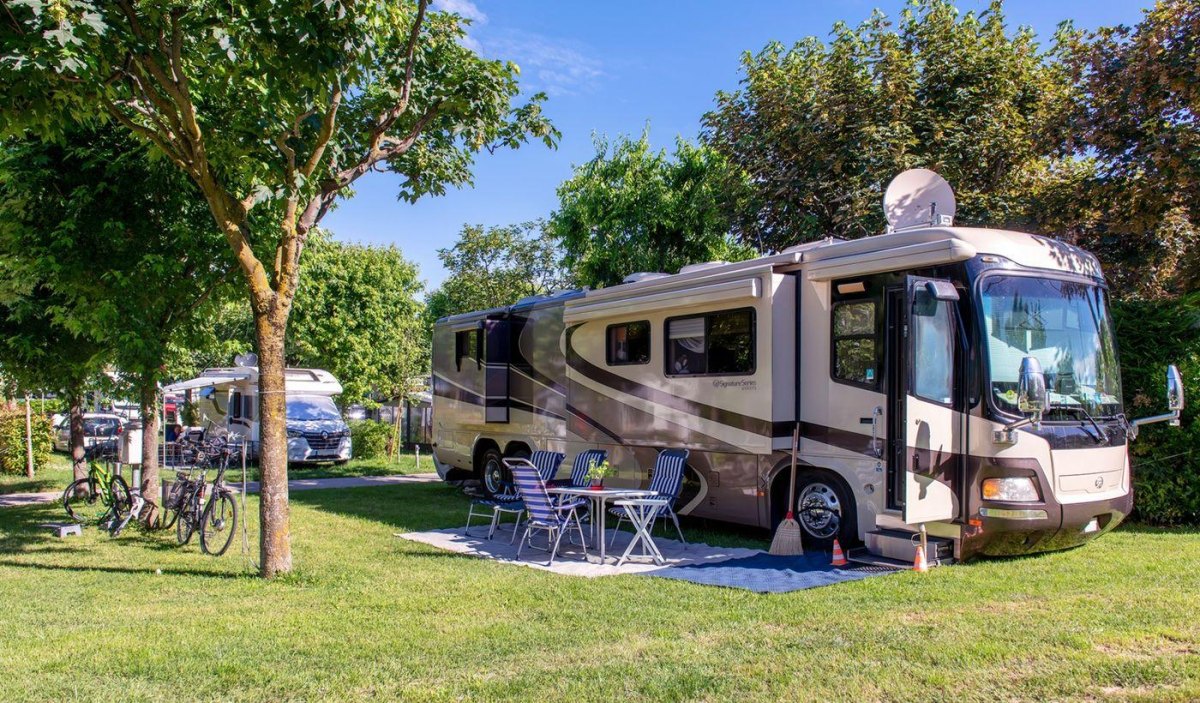
The right RV depends on how you travel, not just how it looks parked at a dealership. A van, travel trailer, fifth wheel, and motorhome each have different advantages for long-term travel needs.
Weight ratings matter more than floor plans. Check the RV's GVWR, payload, towing limits, and tire ratings before buying. A CAT scale visit can confirm whether your loaded setup stays within limits.
Benefits of choosing carefully
- Better comfort over many months.
- Fewer expensive upgrades.
Problems from a poor match
- Overloaded equipment.
- Layout frustrations.
Downsize and Organize Your RV Space Efficiently
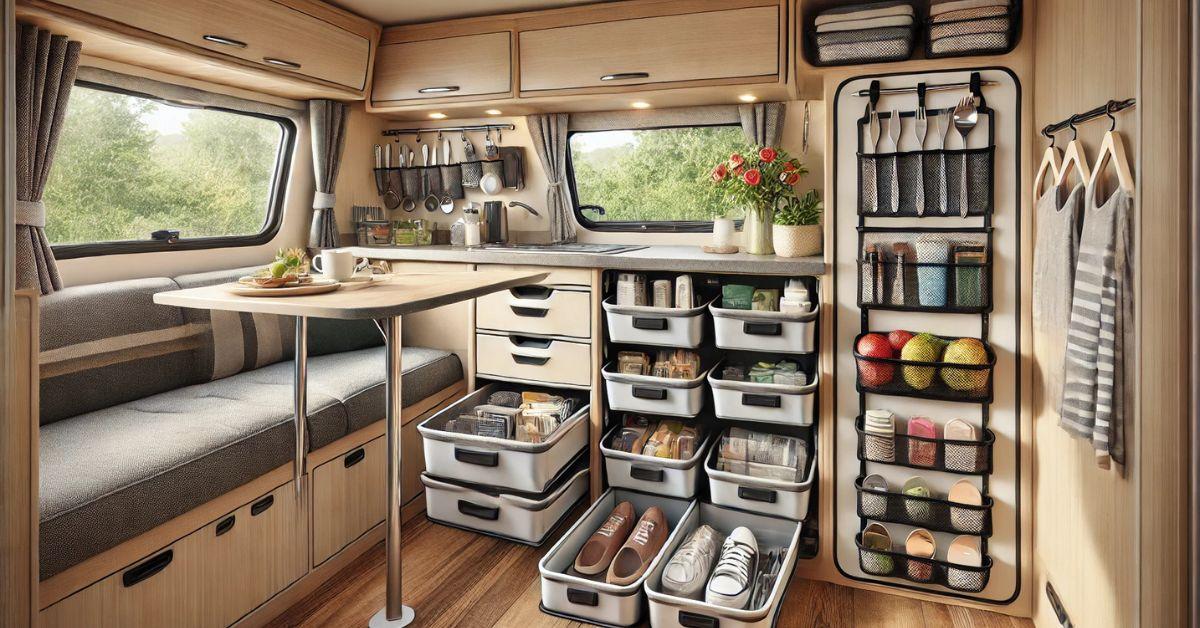
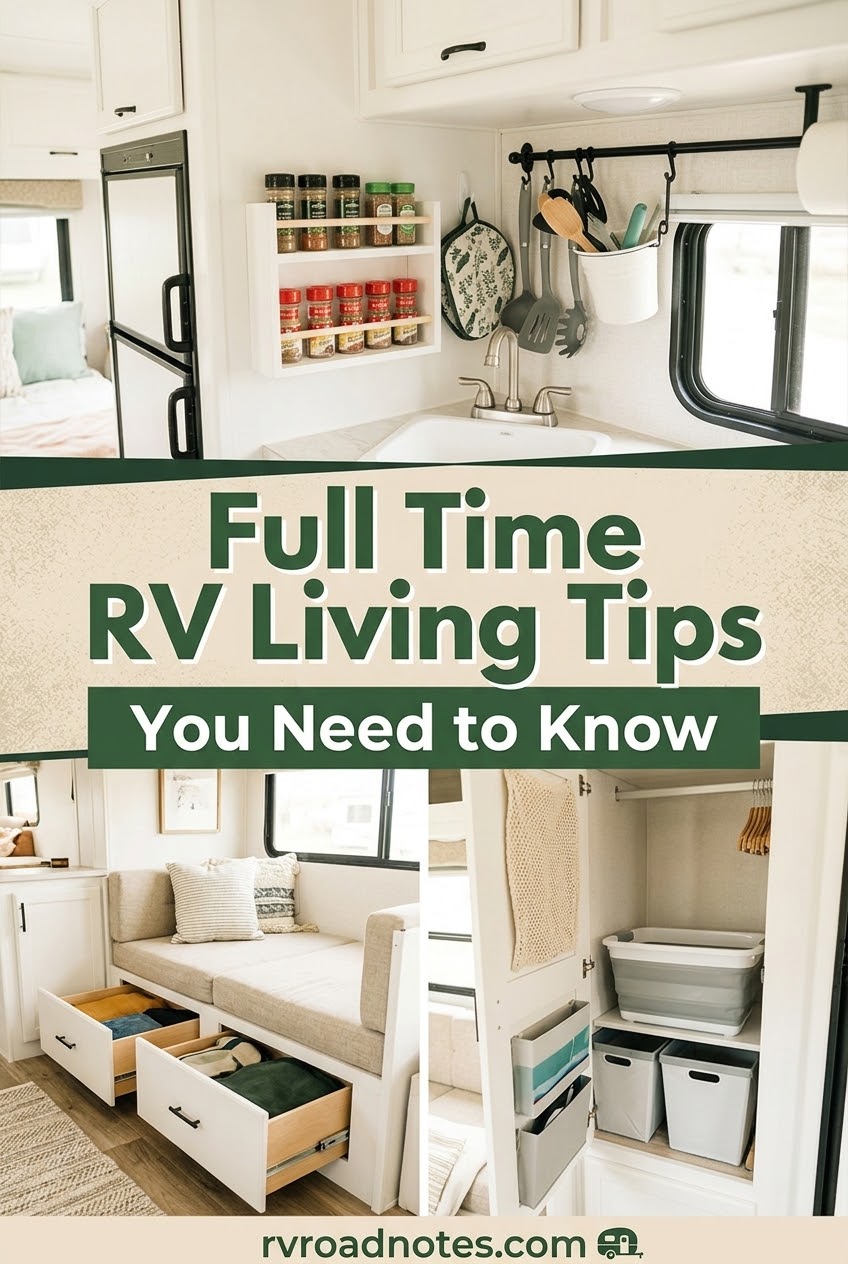
Small spaces reward intentional choices. The best RV organization systems keep daily items accessible while preventing clutter from taking over the living area.
Use storage based on frequency: items needed every day should be easy to reach, while seasonal equipment can go deeper into storage. RV space management is less about owning less and more about knowing where everything belongs.
Practical tip
Secure loose items before travel. A cabinet that looks tidy at camp can become a pile of flying objects on the highway.
Master RV Maintenance and Regular Inspections
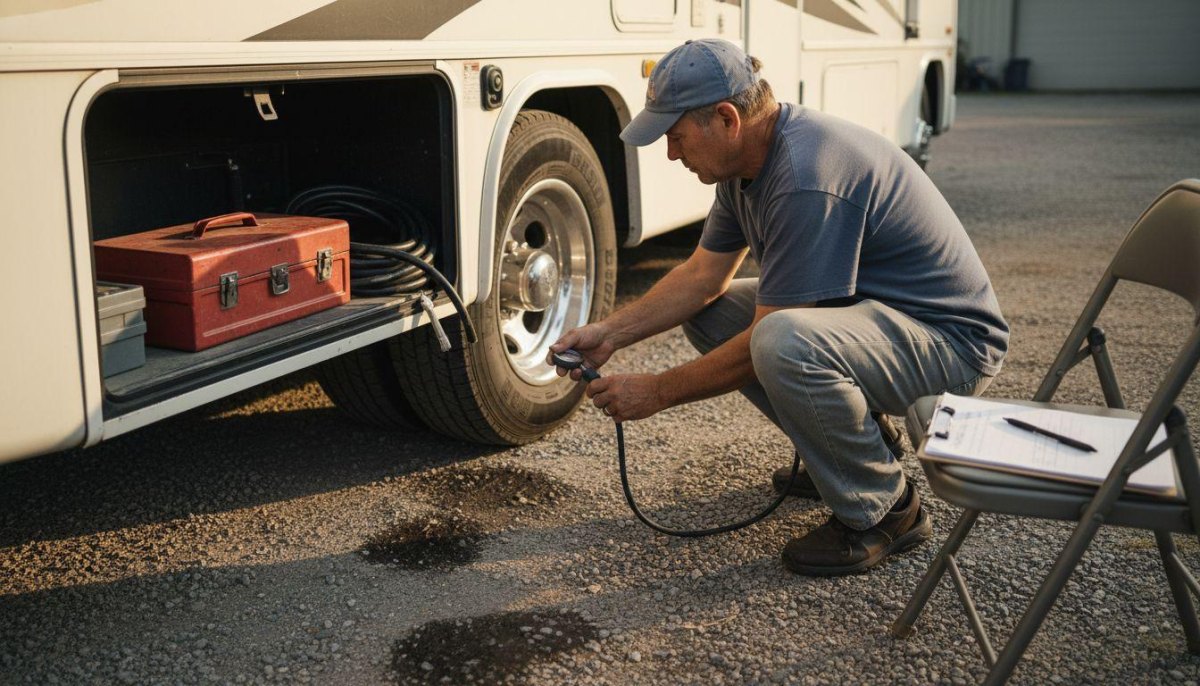
Preventive maintenance protects both your wallet and your travel plans. Roof seals, tires, batteries, plumbing connections, and exterior seams deserve regular attention.
RV maintenance schedules should include inspections before long trips and seasonal checks. Tire age matters even when tread looks good, and pressure should match the load. Propane systems, brakes, and structural repairs should be handled by qualified professionals.
Find Safe and Affordable RV Campsites
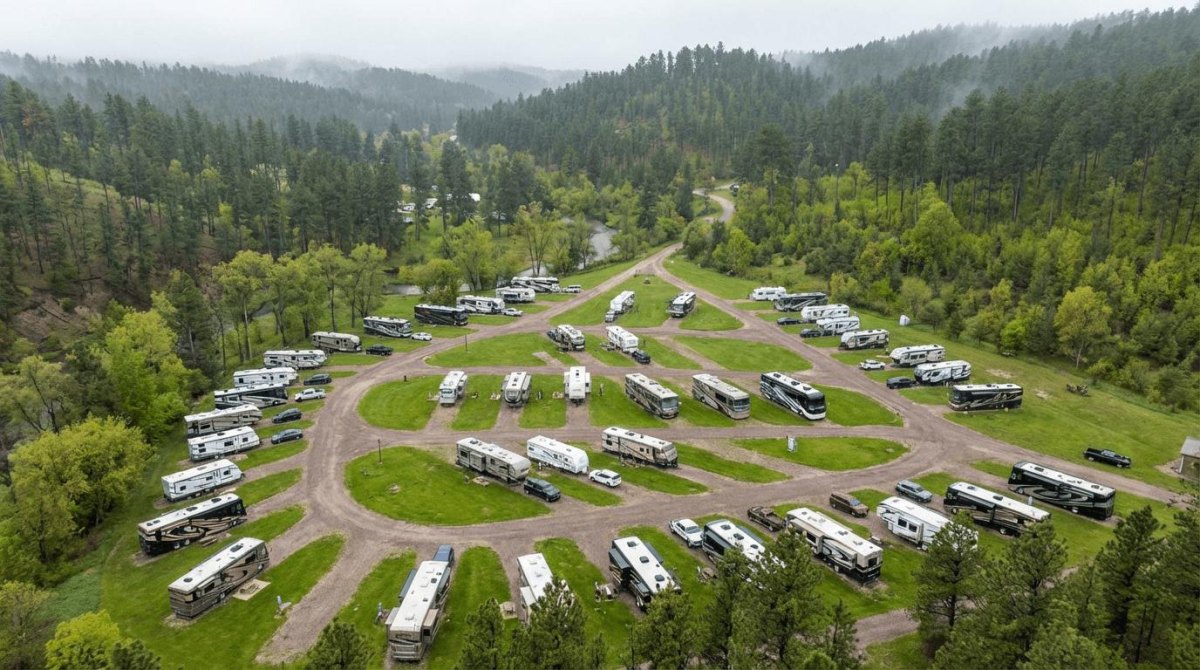
Finding places to stay is one of the daily skills of full-time RV travel. Options include private campgrounds, public campgrounds, and legal dispersed camping areas.
Always verify current rules, stay limits, closures, and restrictions from the managing agency. Good camping etiquette protects access for everyone: use existing sites, follow fire rules, and dispose of waste properly.
Avoid this mistake
Do not assume a free campsite is legal simply because another vehicle is there. Check the current land management rules first.
Manage Electricity, Water, and Waste Systems
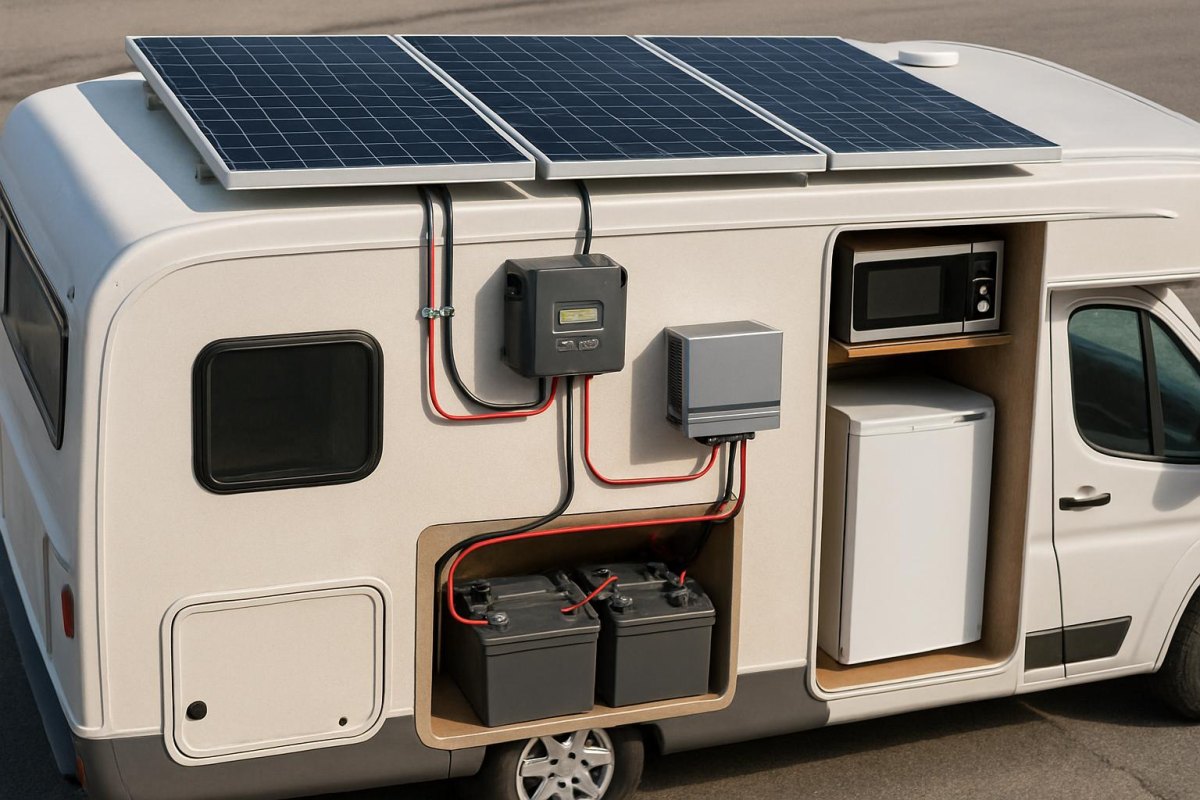
Resource management separates comfortable RV living from stressful RV living. Power, freshwater, grey water, and black water all require planning.
RV resource management starts with knowing your tank capacities and daily usage. Solar can help with electricity, but energy needs vary based on appliances and weather. Never use a cooktop, oven, or unvented heater for cabin heat, and never run a generator near windows, vents, or intakes.
| System | Good habit |
|---|---|
| Fresh water | Track usage and refill safely |
| Batteries | Monitor power consumption |
| Waste tanks | Use legal dump facilities |
Stay Connected While Traveling Full Time
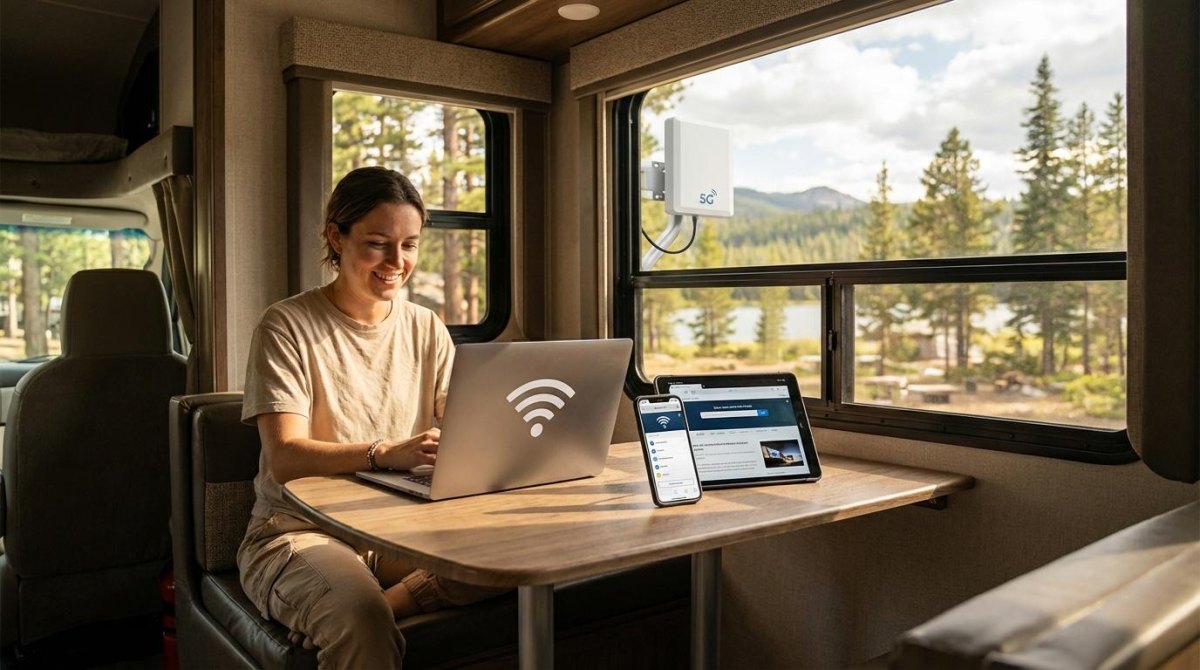
Reliable communication matters for work, navigation, emergencies, and staying in touch. Internet options change by location, so one solution rarely works everywhere.
A strong RV internet setup usually combines planning with backup options. Check coverage maps, understand data limits, and avoid assuming a beautiful campsite automatically has a strong signal.
Create a Comfortable RV Workspace
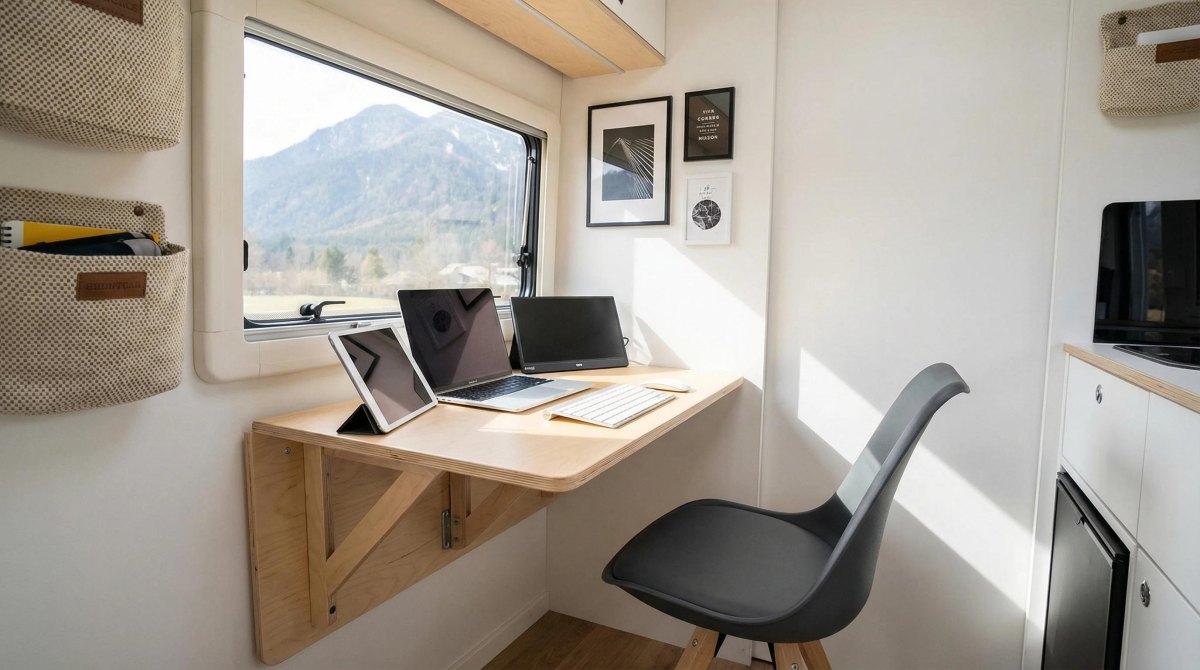
A workspace in an RV needs to balance comfort, power use, and available space. A dedicated area, even a small one, helps create separation between living and working.
RV workspace design should consider lighting, posture, internet access, and storage. Test your setup during short trips before depending on it full time.
Small space, practical setup
A folding desk, adjustable chair, and organized cables often make a bigger difference than expensive equipment.
Cook Healthy Meals in a Small RV Kitchen

Cooking in an RV is about simplifying without giving up good food. Limited counter space and storage mean every tool should earn its place.
RV kitchen planning works best with flexible ingredients, simple preparation, and realistic cleanup routines. Small appliances can help, but they also increase power demands.
Kitchen tip
Plan meals around your storage capacity rather than buying like you have a full-size kitchen.
Build a Reliable Travel Route and Schedule
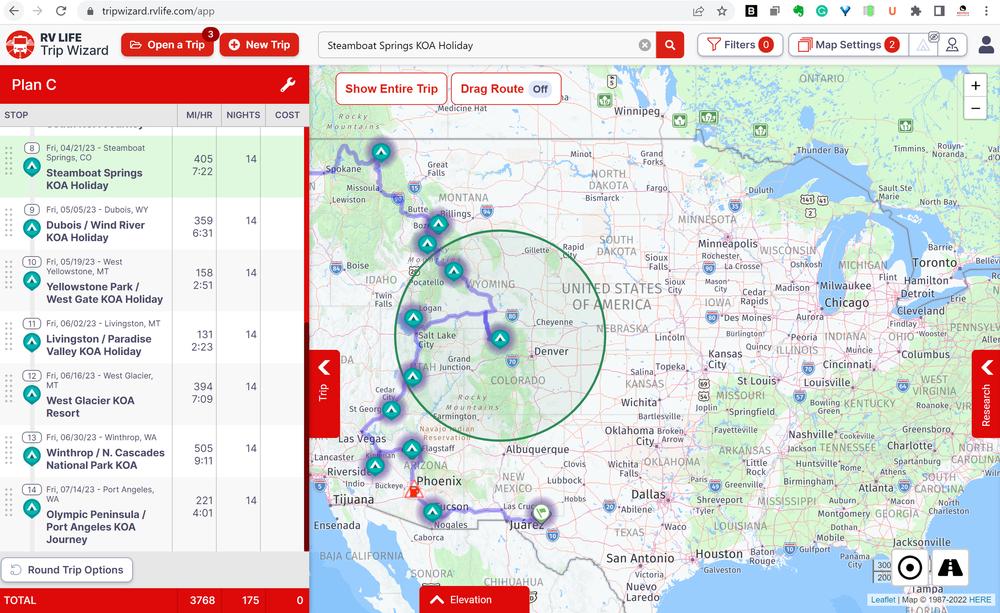
Successful RV travel requires more than choosing destinations. Route planning means considering weather, road conditions, fuel stops, campsite availability, and driving time.
RV route planning becomes easier when each travel day has realistic limits. Avoid rushing from place to place because constant movement increases costs and fatigue.
Prepare for Weather Changes and Seasonal Travel
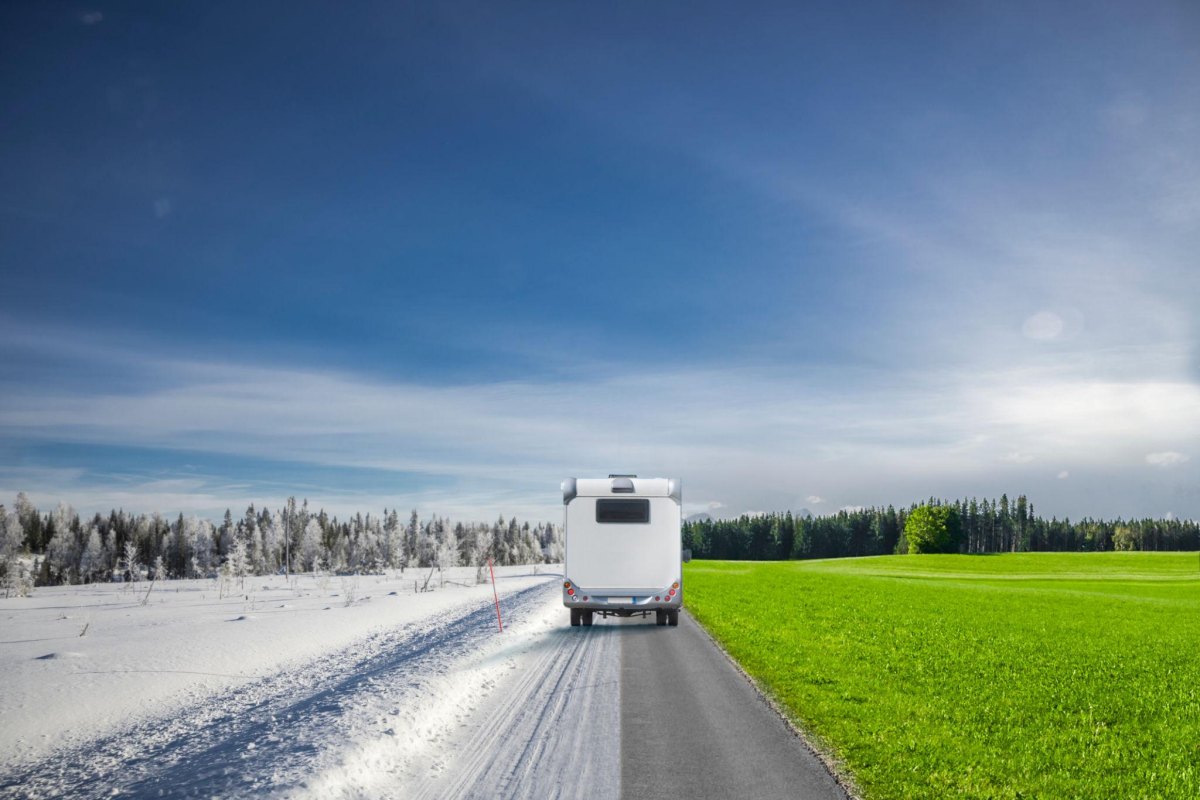
Weather affects every RV system. Heat, cold, storms, and altitude can change how comfortable and safe a campsite feels.
Seasonal RV travel requires flexibility. Winter conditions may require insulation and winterizing, while summer travel requires shade, ventilation, and careful power planning.
365
days of weather changes to consider when planning full-time RV life
Stay Healthy and Active on the Road
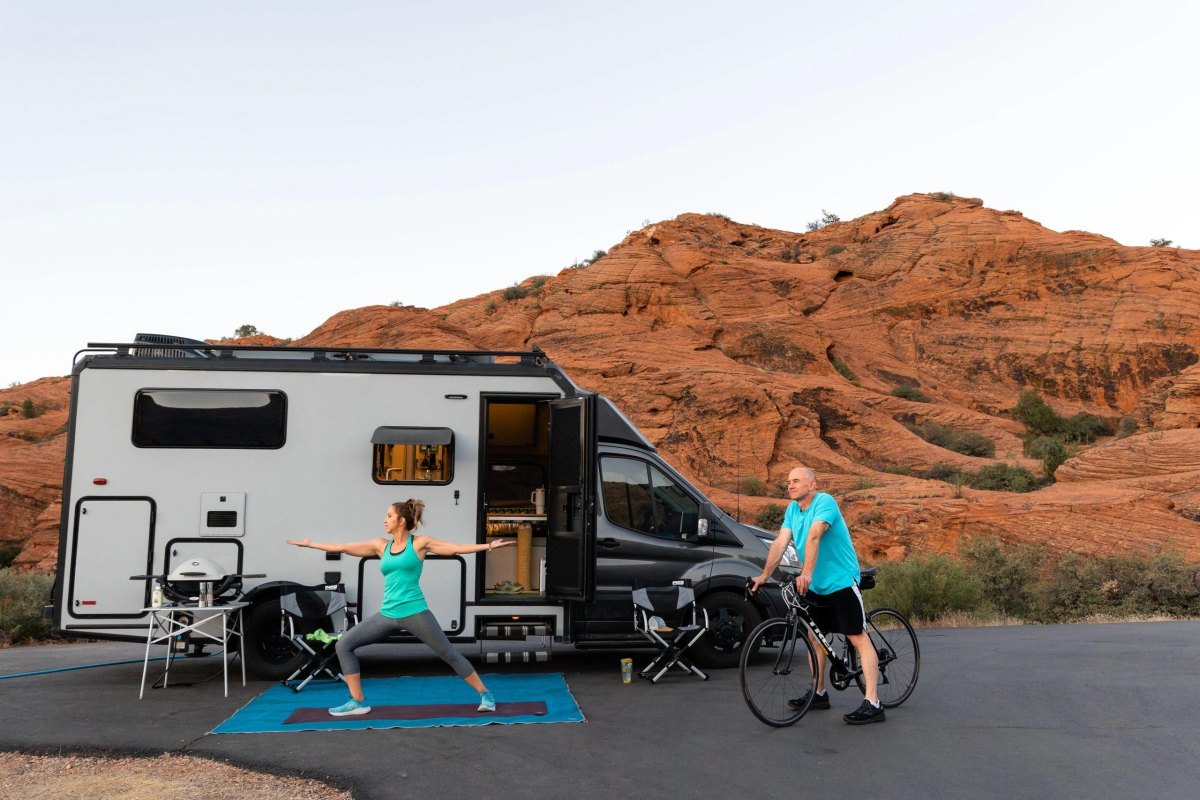
Health routines can disappear when every week looks different. Building simple habits keeps long travel sustainable.
Active RV living can include walking, hiking, stretching, and exploring local areas. Plan for healthcare access and know where you can receive help when traveling.
Handle Mail, Insurance, and Important Documents
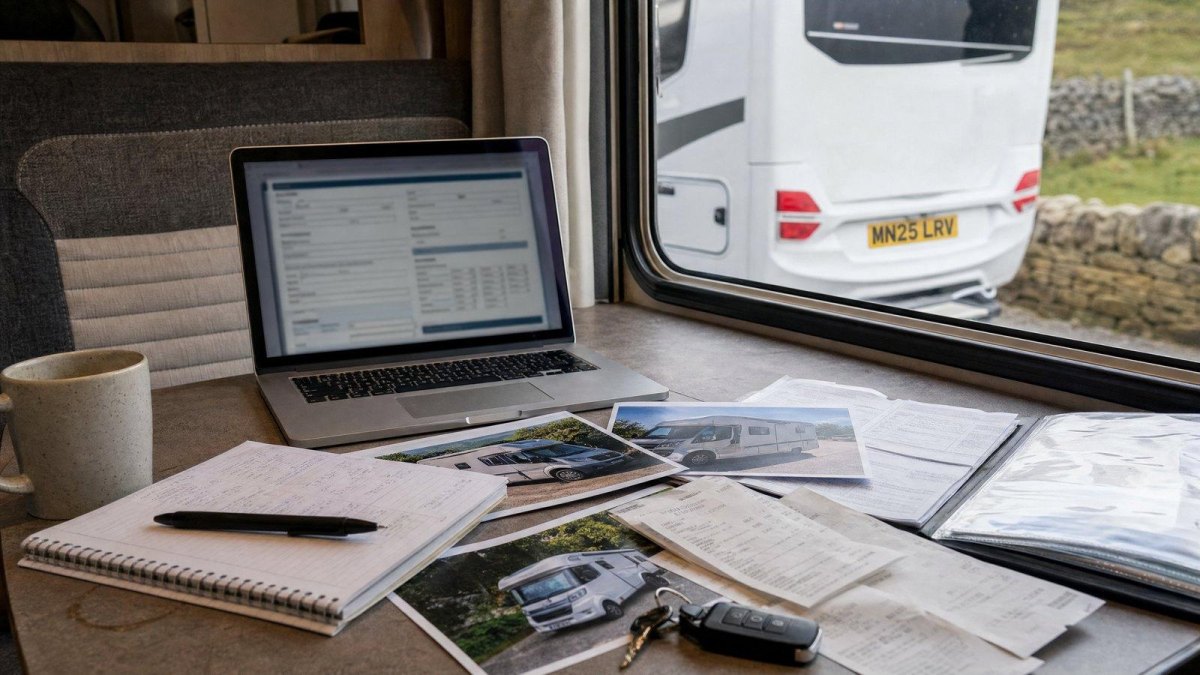
Administrative details are part of full-time RV life. Mail forwarding, insurance, registration, and domicile decisions require research because rules vary by location.
RV legal planning should be reviewed with qualified professionals when tax or legal questions arise. I share personal experience only, not legal or financial advice.
Important note
Keep digital backups of essential documents and store originals securely.
Build Community and Enjoy the RV Lifestyle
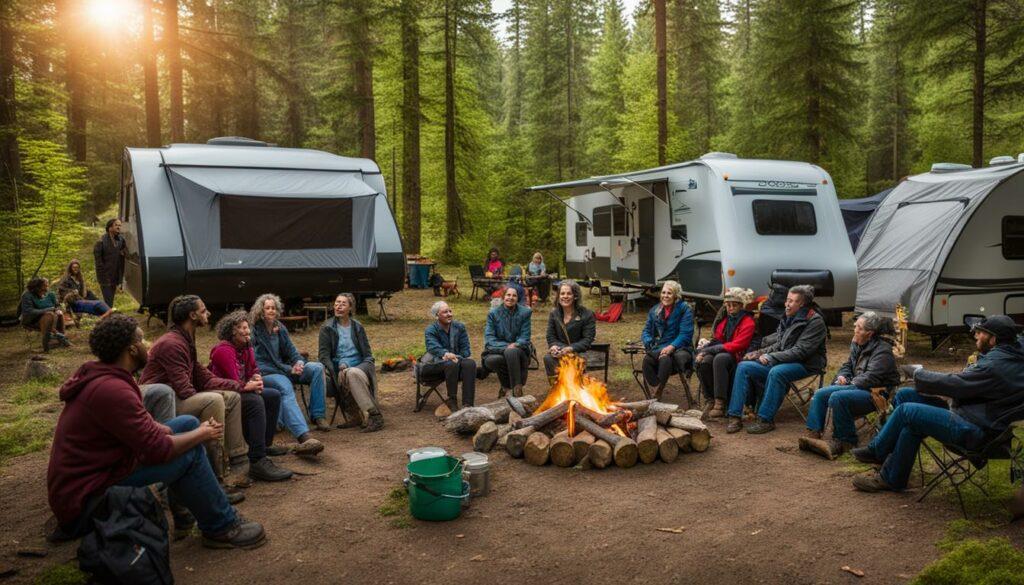
Travel can be independent without being isolated. RV communities form through campgrounds, clubs, volunteer opportunities, and shared interests.
RV lifestyle connections often come from simple conversations and helping neighbors. Respectful camping creates the kind of community that makes long-term travel enjoyable.
The best campsites are often remembered for the people as much as the place.
RV travel lesson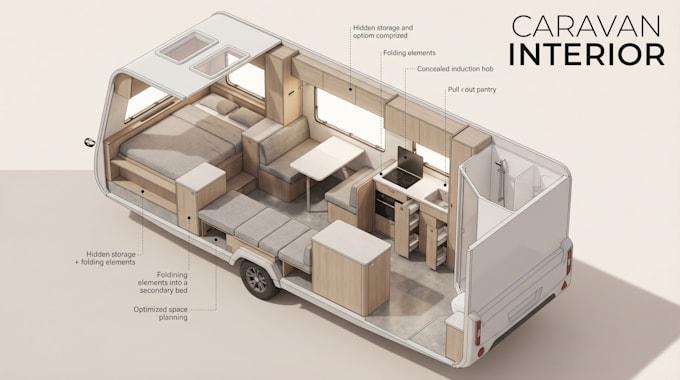
More Pinterest Visuals




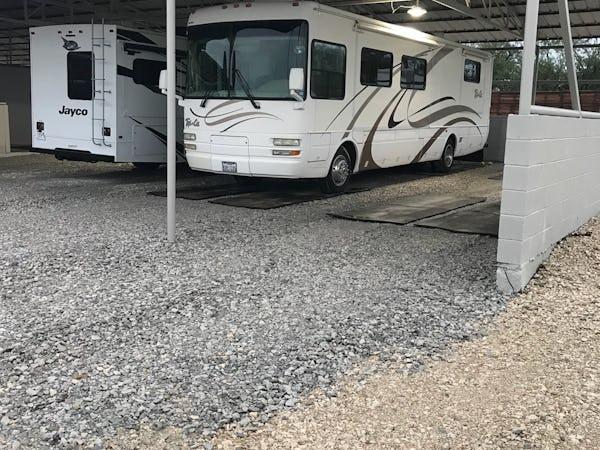 RV Maintenance & Care17 Essential RV Winter Storage Tips to Prevent Cold-Weather Damage
 RV Pet Travel11 RV Cat Tree Ideas That Make Small Spaces More Cat-Friendly
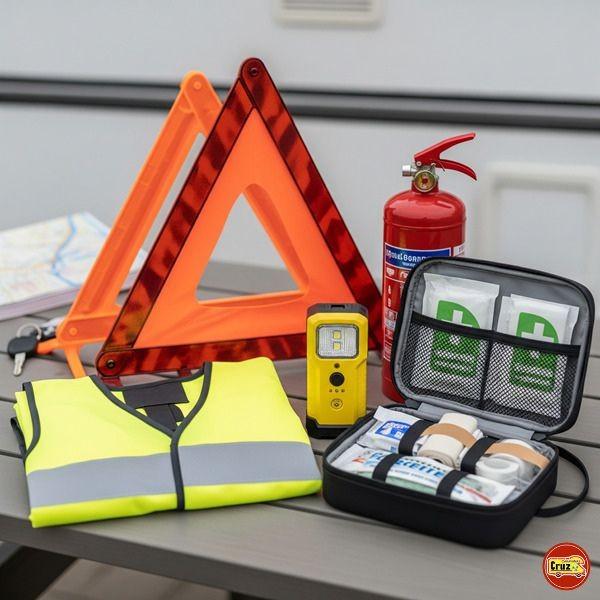 Camping Gear & Planning15 RV Must-Haves for Beginners to Camp Safely and Comfortably
 Camping Recipes18 Easy RV Camping Snacks Ideas for Road Trips and Campfire Nights