Full-time RV living is not one fixed monthly number. The cost depends on the rig, travel style, campground choices, repairs, and how much comfort you carry with you. After years of tracking the real expenses behind the lifestyle, I look at the budget as a system rather than a vacation price tag.
Upfront Costs of Starting Full
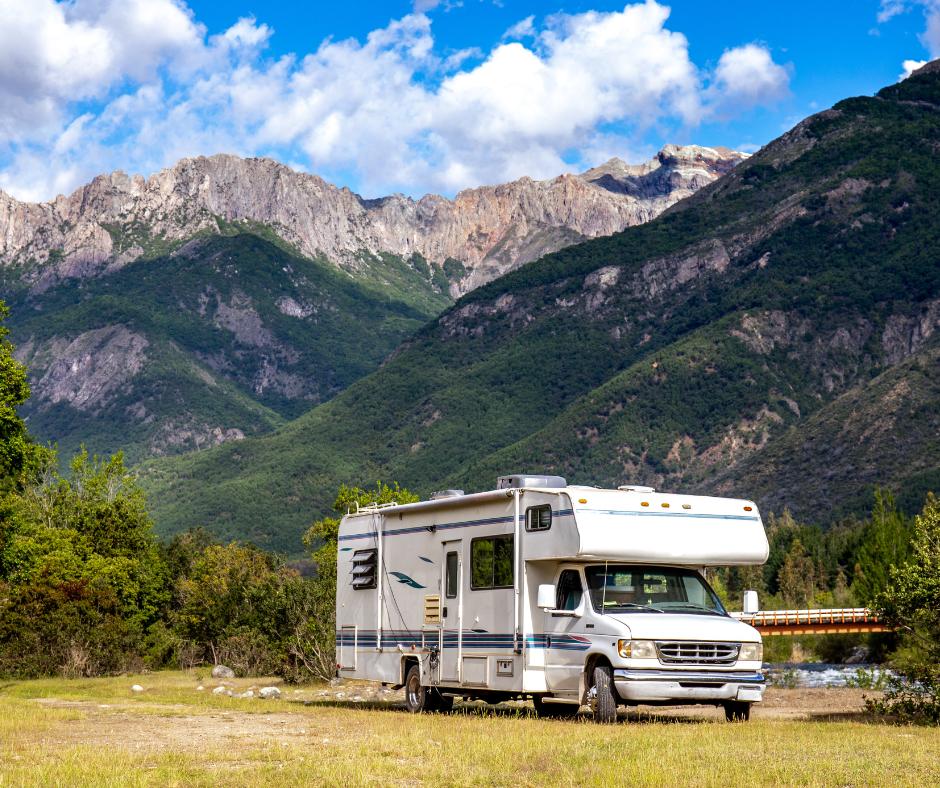
Starting full time RV living begins with more than buying a rig. The first costs often include the RV itself, inspection, registration, initial repairs, camping gear, safety equipment, and a cash reserve.
A used RV can lower the purchase price but may shift money into repairs. My own 1998 Class C required upgrades over time, which is common with older rigs. A careful inspection before purchase can prevent expensive surprises.
- RV purchase or down payment
- Insurance setup and registration
- Hoses, electrical adapters, leveling gear, and tools
- Emergency repair savings
Monthly RV Living Expenses: The Real Cost Breakdown
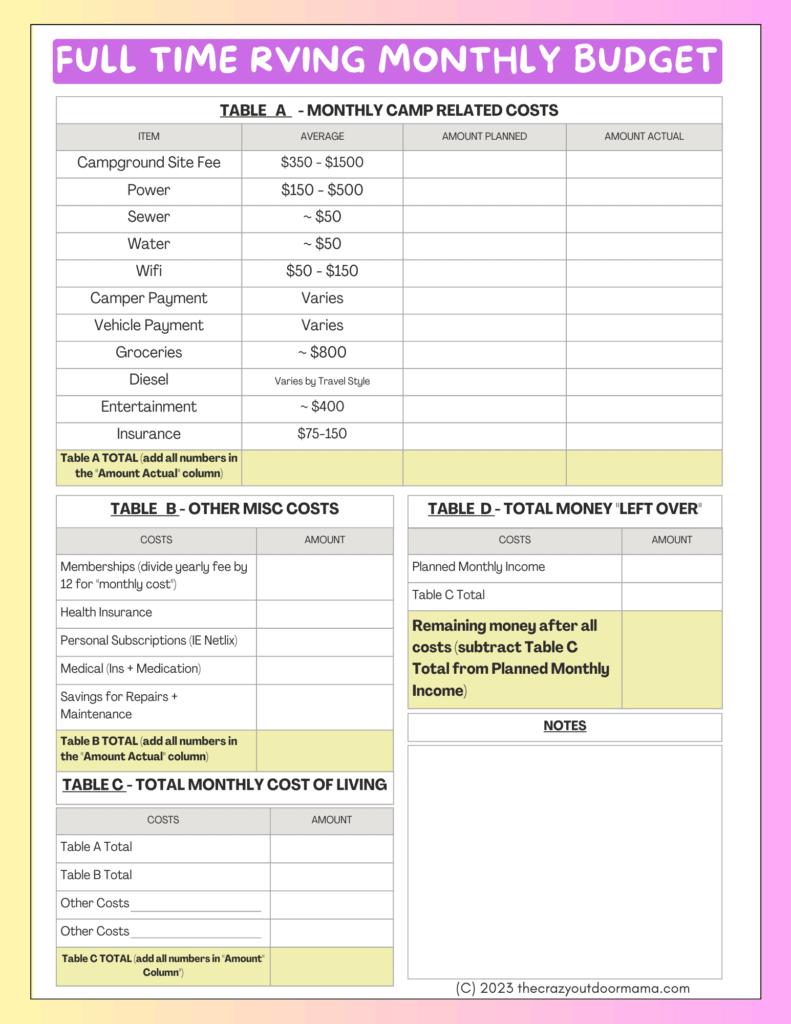
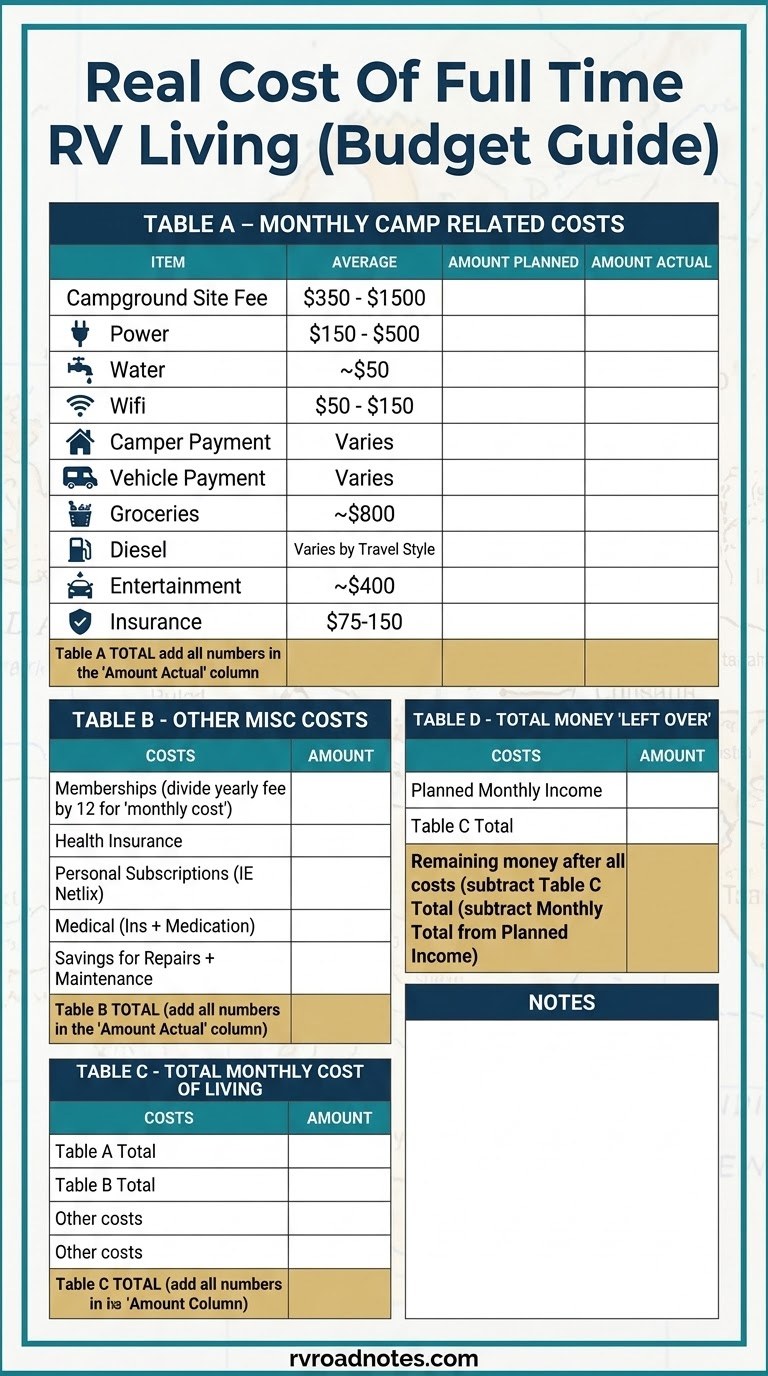
A realistic monthly budget includes every recurring bill. Campsites, fuel, food, insurance, connectivity, maintenance, and personal expenses all follow you onto the road.
A simple campground lifestyle may cost far less than frequent travel between expensive areas. My monthly tracking has shown that the unexpected repair month matters just as much as the average month.
The budget that survives real travel is the one that includes the boring costs before they become emergencies.
RV Purchase Prices: From Budget Trailers to Luxury Motorhomes
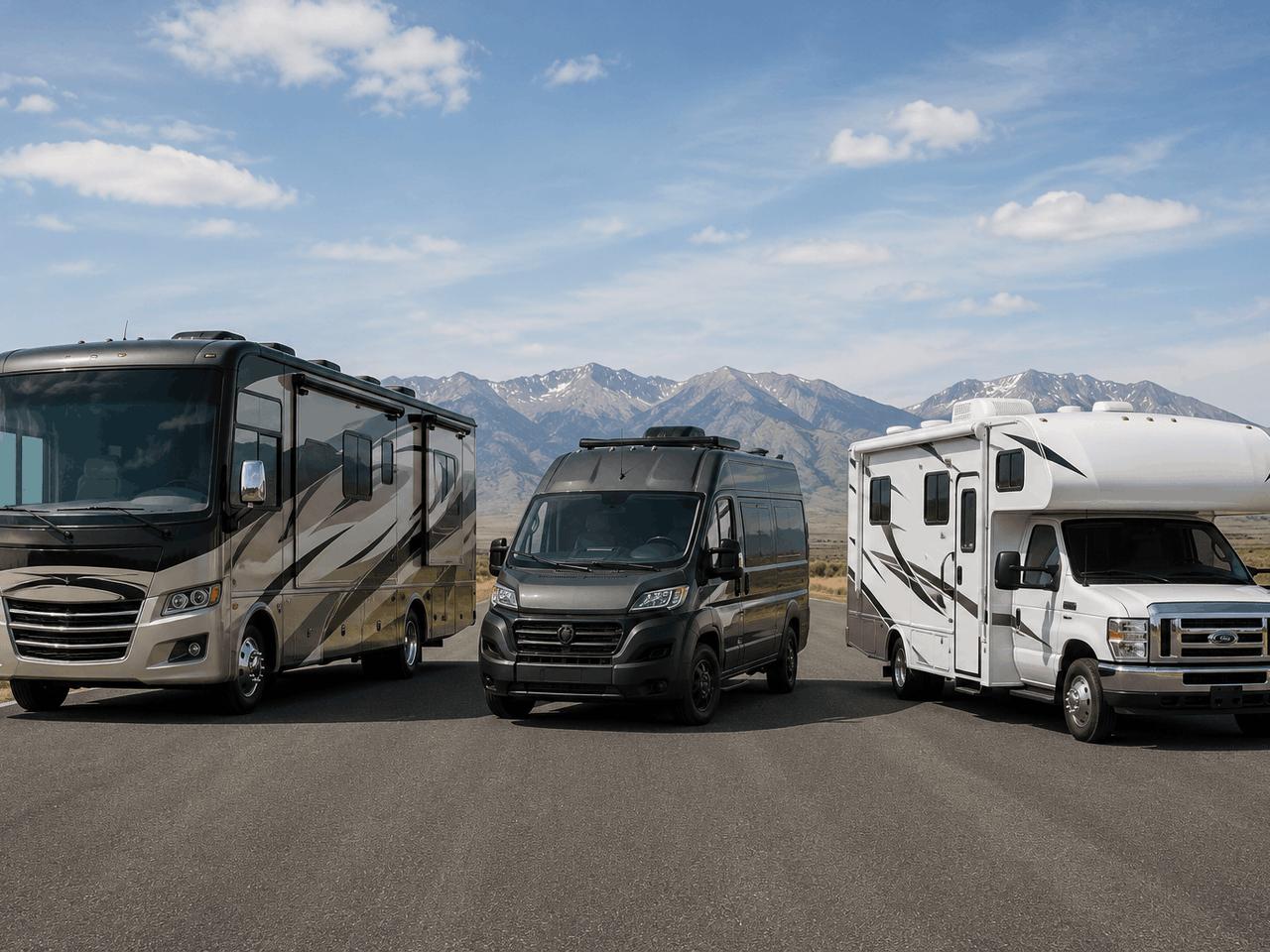
The RV market covers a very wide range. Small trailers and older used motorhomes may be accessible entry points, while newer Class A motorhomes can cost as much as a house.
The right choice depends on towing ability, maintenance tolerance, space needs, and travel plans. A cheaper RV is not automatically cheaper living if repairs consume the savings.
Campground Fees and Long
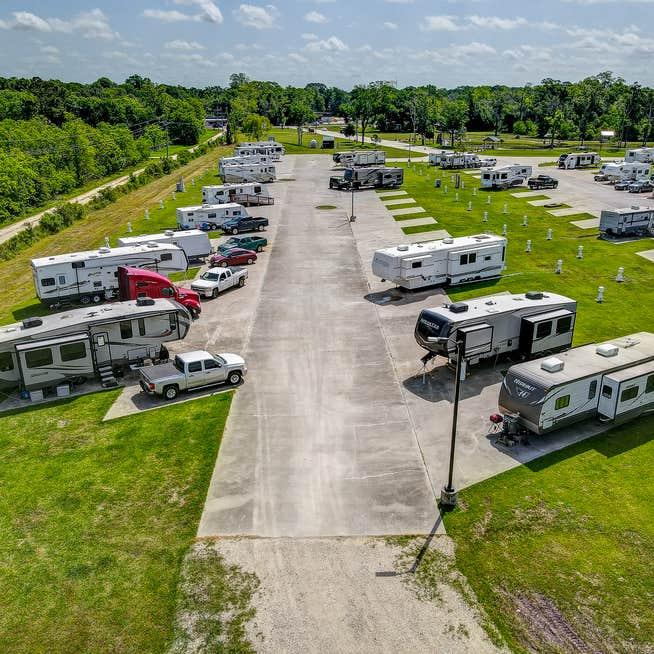
Campground fees are one of the largest variable costs. Monthly sites can reduce the nightly rate, while popular destinations and peak seasons can raise prices quickly.
Full hookups, location, amenities, and length of stay all change the total. Mixing paid campgrounds with legal dispersed camping can create a more balanced budget.
Fuel Costs for Full
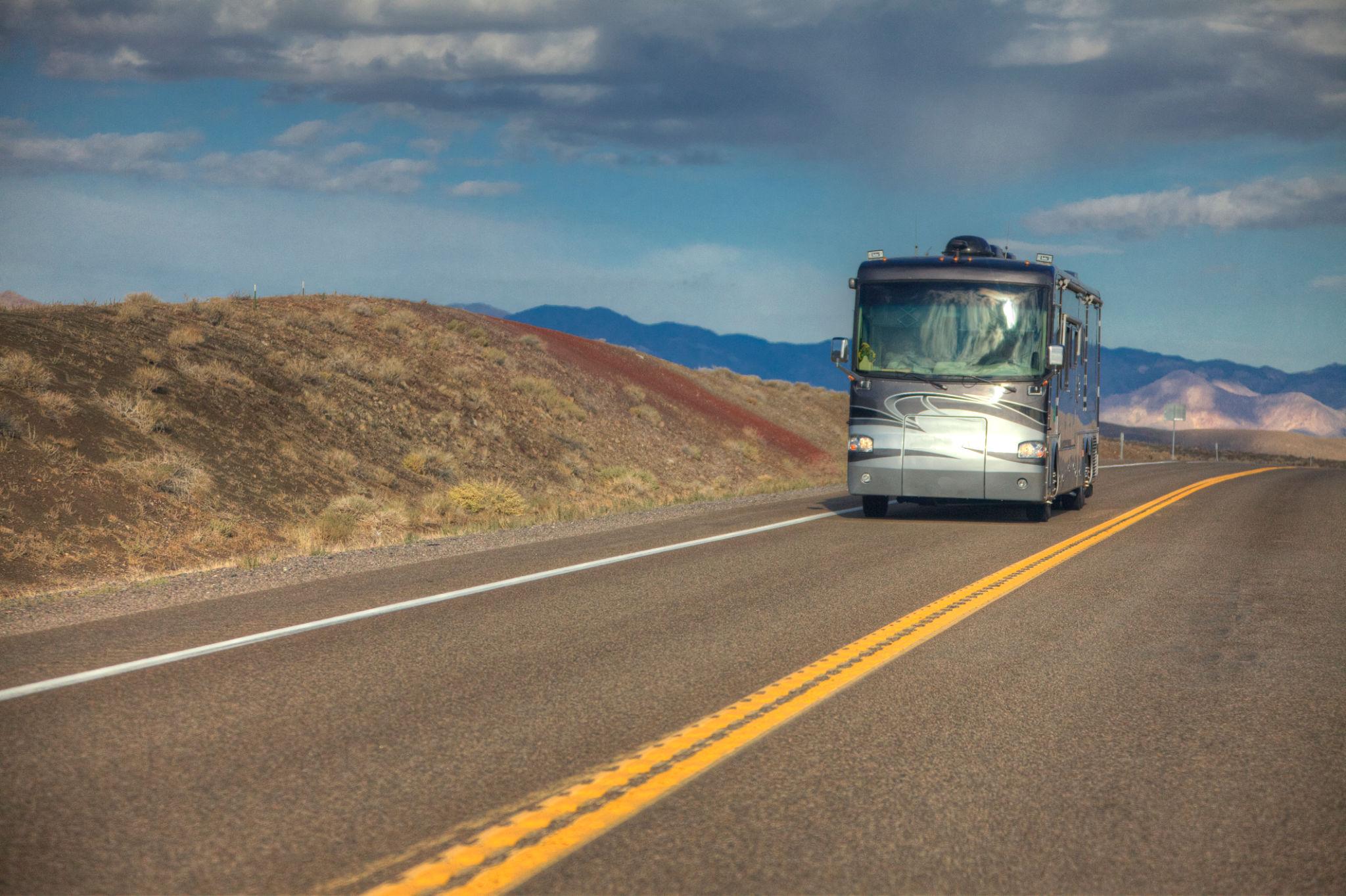
Fuel is the price of movement. Large motorhomes typically use more fuel than vans or small trailers, and long travel days can become a major monthly expense.
Planning slower routes, staying longer in each area, and combining errands can reduce fuel consumption without reducing the experience.
Maintenance and Repair Costs for Full
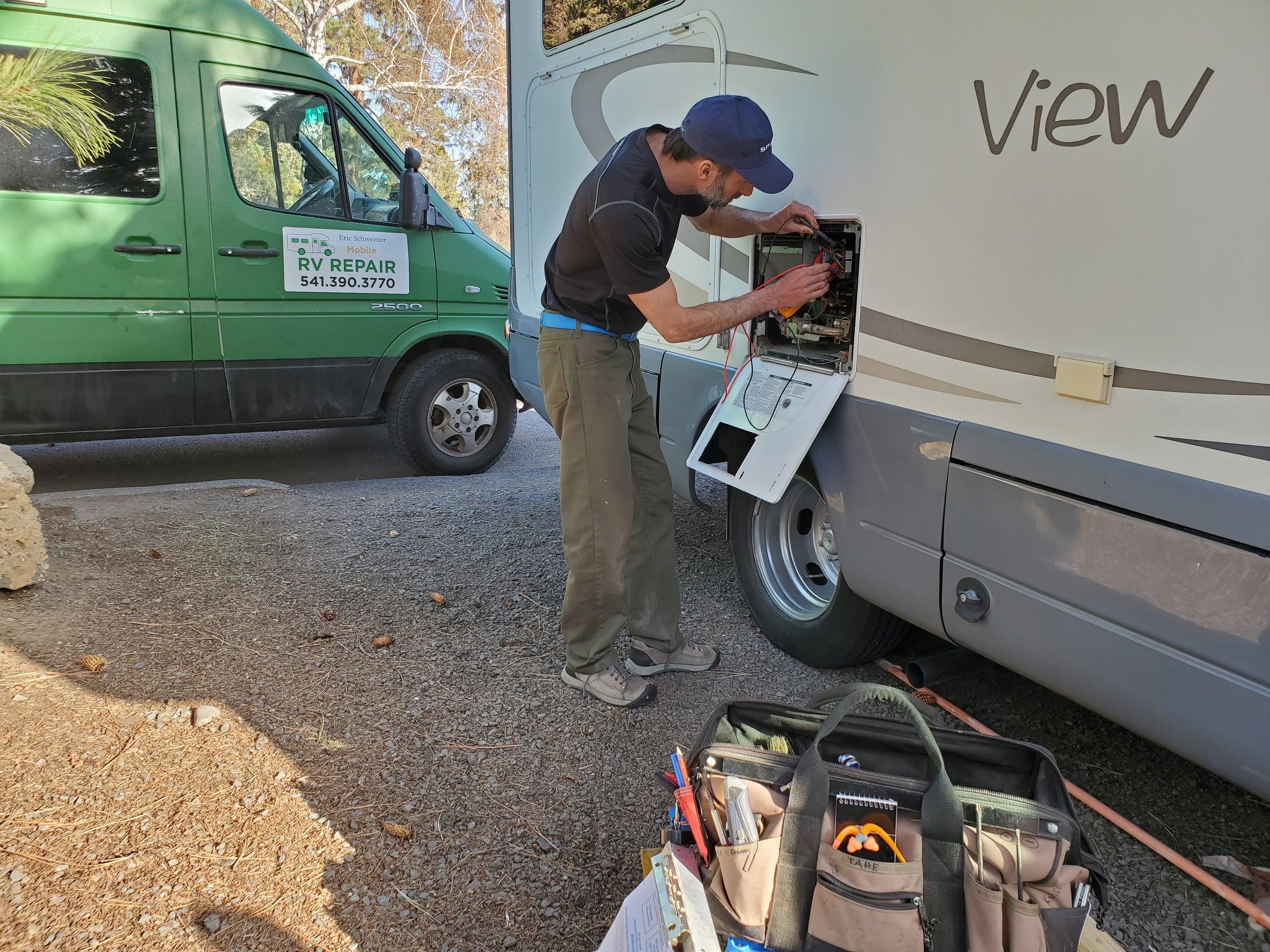
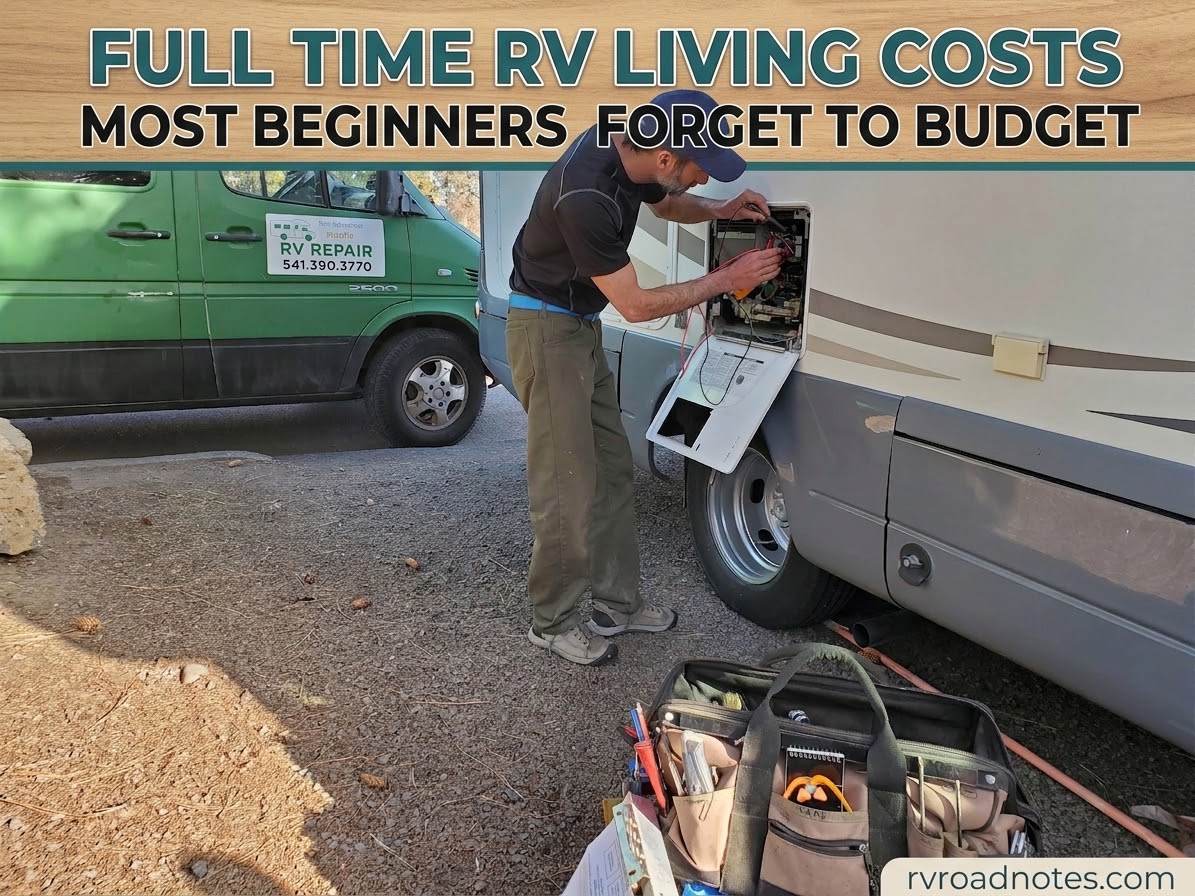
Repairs are part of the lifestyle, not an exception. Tires, roof seals, batteries, appliances, brakes, and water systems all require attention.
I handle some projects such as solar and water pump work, but propane systems, chassis brakes, and structural repairs belong with qualified professionals.
- Keep a repair reserve
- Inspect seals regularly
- Replace aging tires based on condition and age
Insurance, Registration, and Legal Costs for Full

Legal costs vary by domicile, vehicle, and coverage. Full-time RVers need to consider insurance, registration, mail services, and state requirements.
I use South Dakota as my domicile, but readers should confirm current rules with official state sources and professionals because insurance and tax decisions are personal.
Food and Grocery Expenses While Living in an RV

Food costs do not disappear when the kitchen gets smaller. Grocery spending depends on cooking habits, storage space, and how often you eat out.
Small RV kitchens reward planning. Simple meals, bulk staples, and avoiding duplicate purchases help keep spending predictable.
Internet and Phone Costs for Remote RV Living

Connectivity is often a work requirement. Many full-time RVers combine phone plans, campground WiFi, and dedicated internet equipment.
Remote work planning should include coverage gaps, data limits, and backup options. A cheap plan that fails where you travel is not always the cheapest solution.
Utilities, Propane, Electricity, and Water Expenses
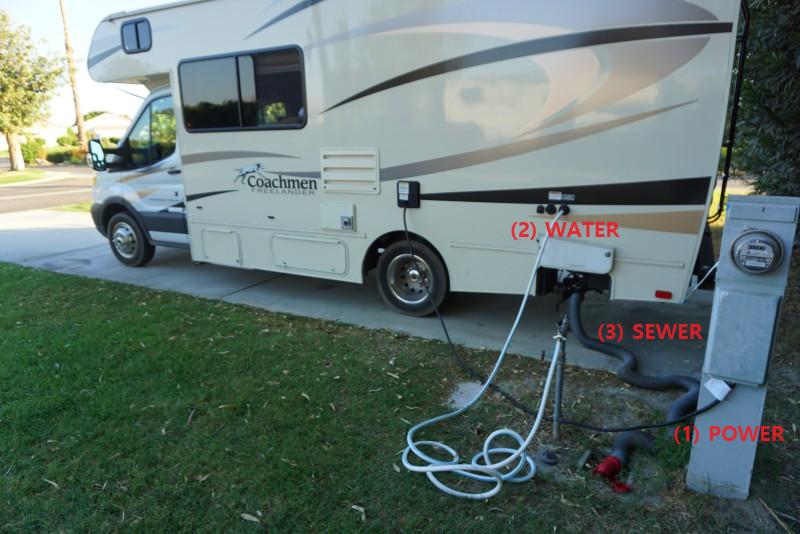
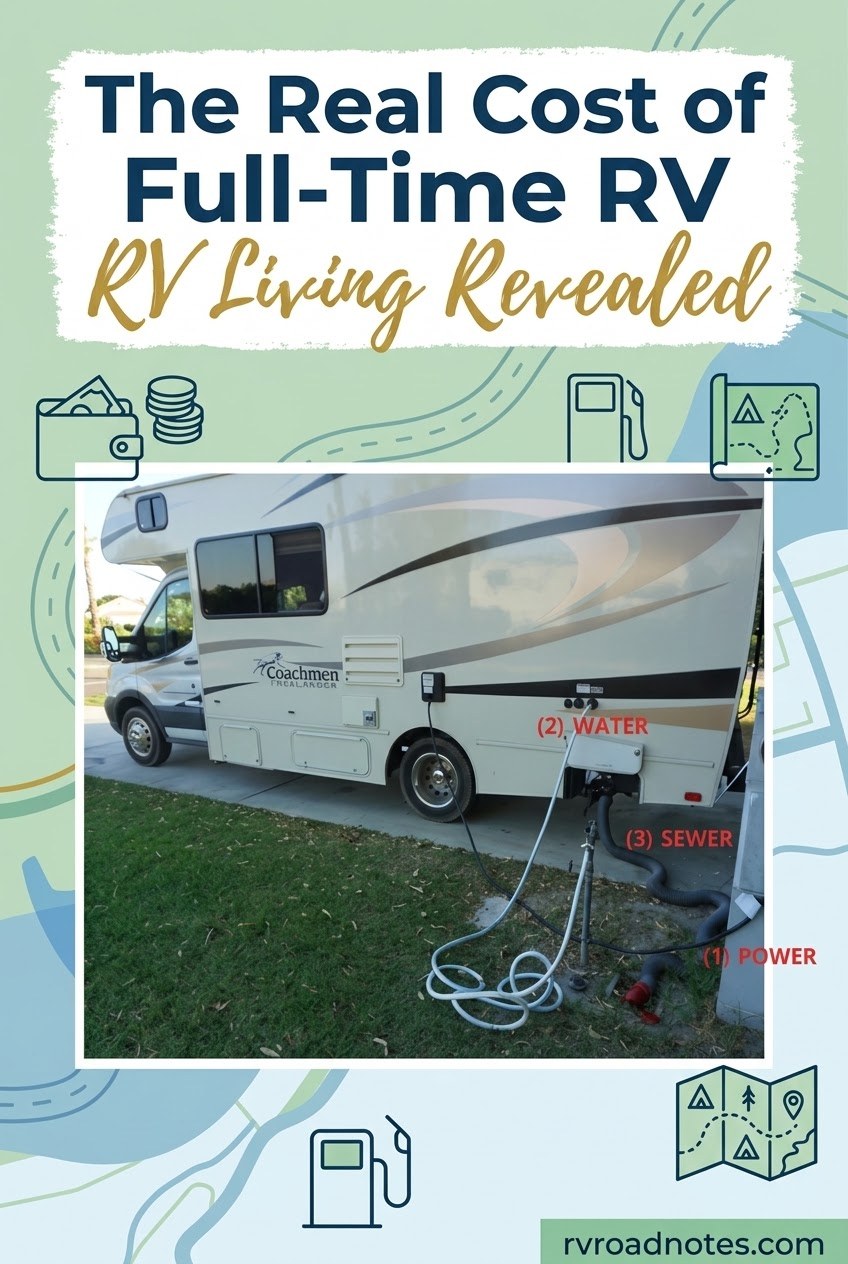
Utilities change with the way the RV is used. Campground hookups may bundle some costs, while dry camping shifts the expense into batteries, solar, propane, water planning, and generator fuel.
Never use a cooktop, oven, or unvented heater for cabin heat. Carbon monoxide and propane detectors should be tested and replaced according to their service life.
Boondocking vs Campgrounds: Comparing RV Living Costs
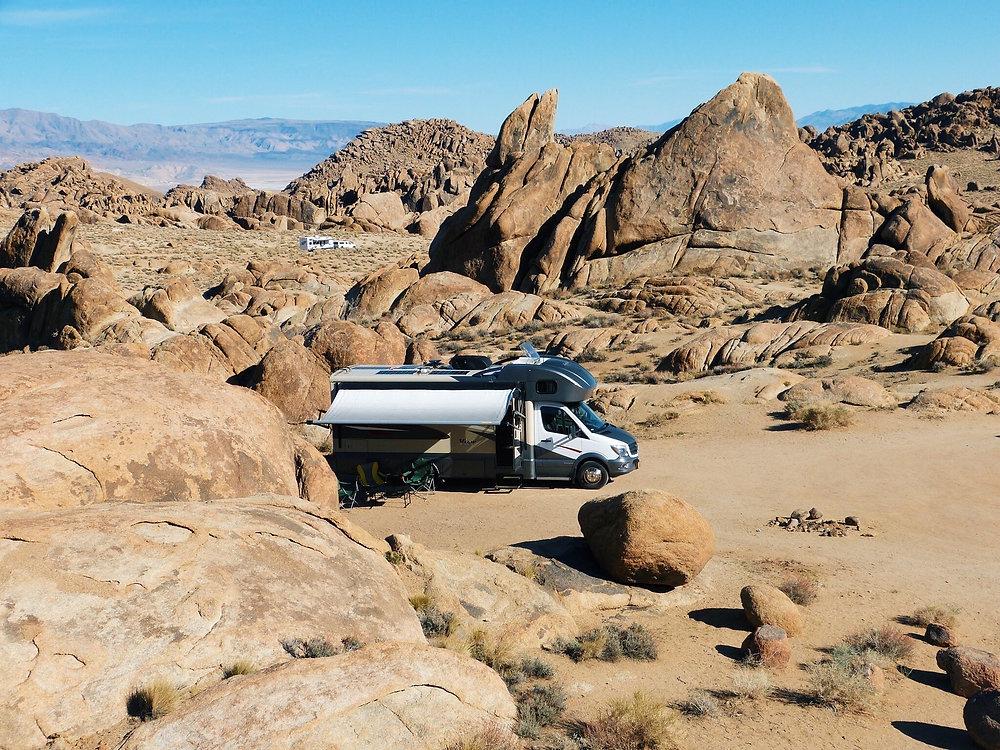
Boondocking can lower campground expenses but adds responsibility. Water capacity, waste disposal, power management, and local rules determine whether it works.
After roughly 400 nights of boondocking, the biggest lesson is that free camping still requires planning. Stay limits, fire rules, closures, and leave-no-trace practices always come first.
Healthcare and Personal Expenses on the Road
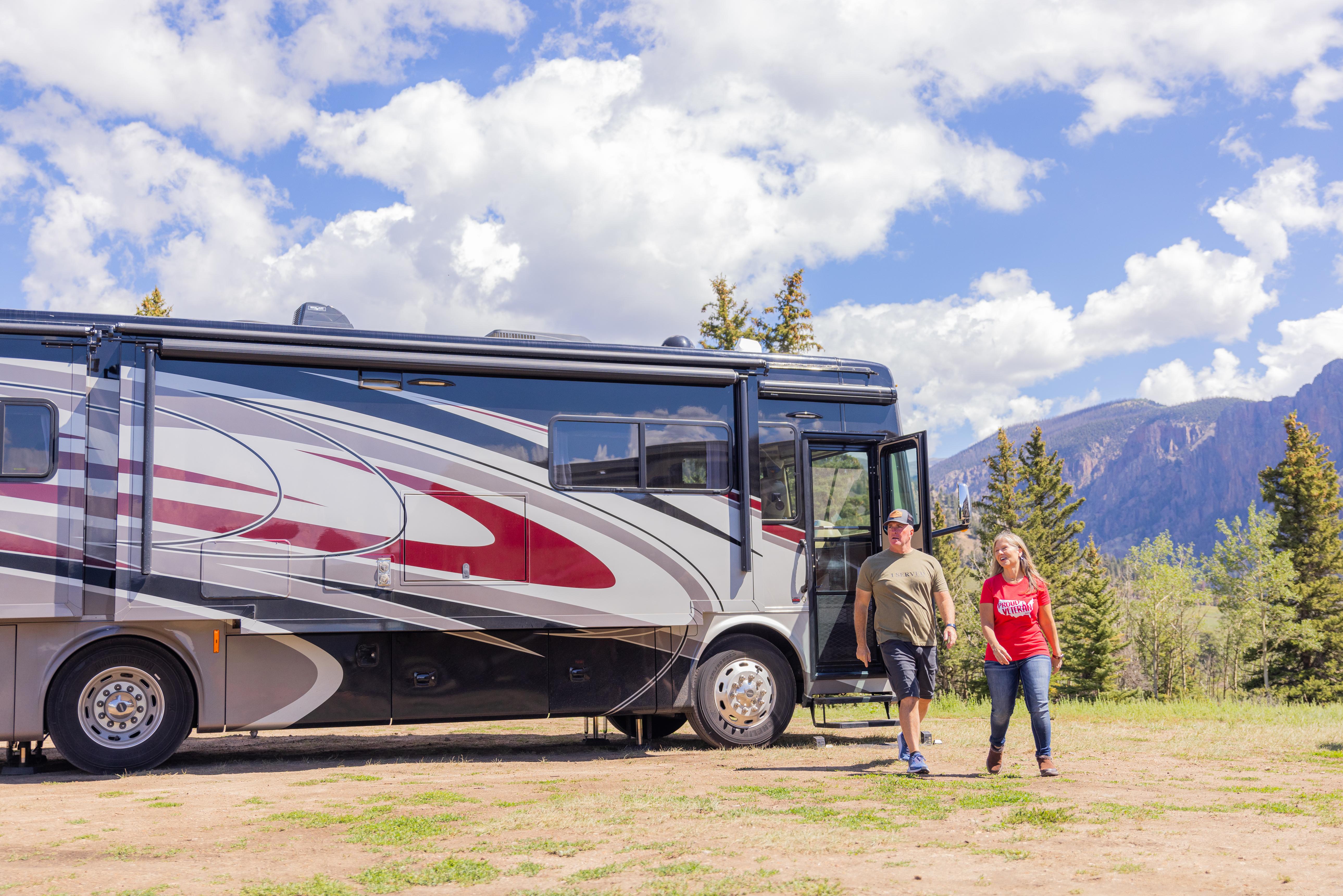
Personal costs continue wherever the RV is parked. Healthcare, prescriptions, clothing, memberships, and routine services need room in the budget.
Travelers should plan for appointments away from their old home area and maintain records that can move with them.
Hidden Costs of Full
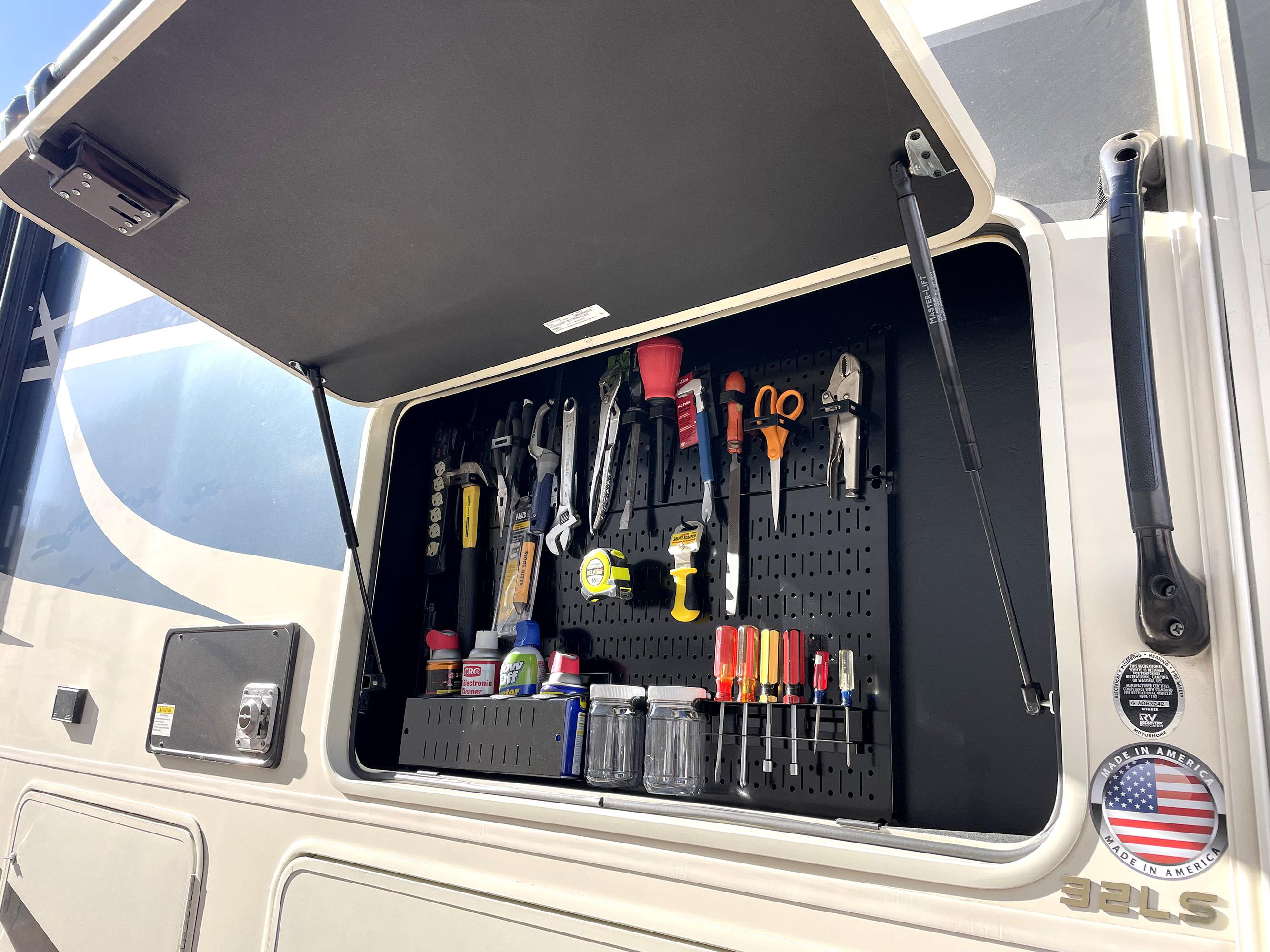
The hidden costs are usually the small repeated ones. Laundry, campground reservations, replacement parts, attraction fees, storage, and unexpected repairs can quietly grow.
A realistic budget leaves space for the costs that cannot be predicted. The road has a way of producing invoices on its own schedule.
Ways to Reduce the Cost of Living in an RV Full Time
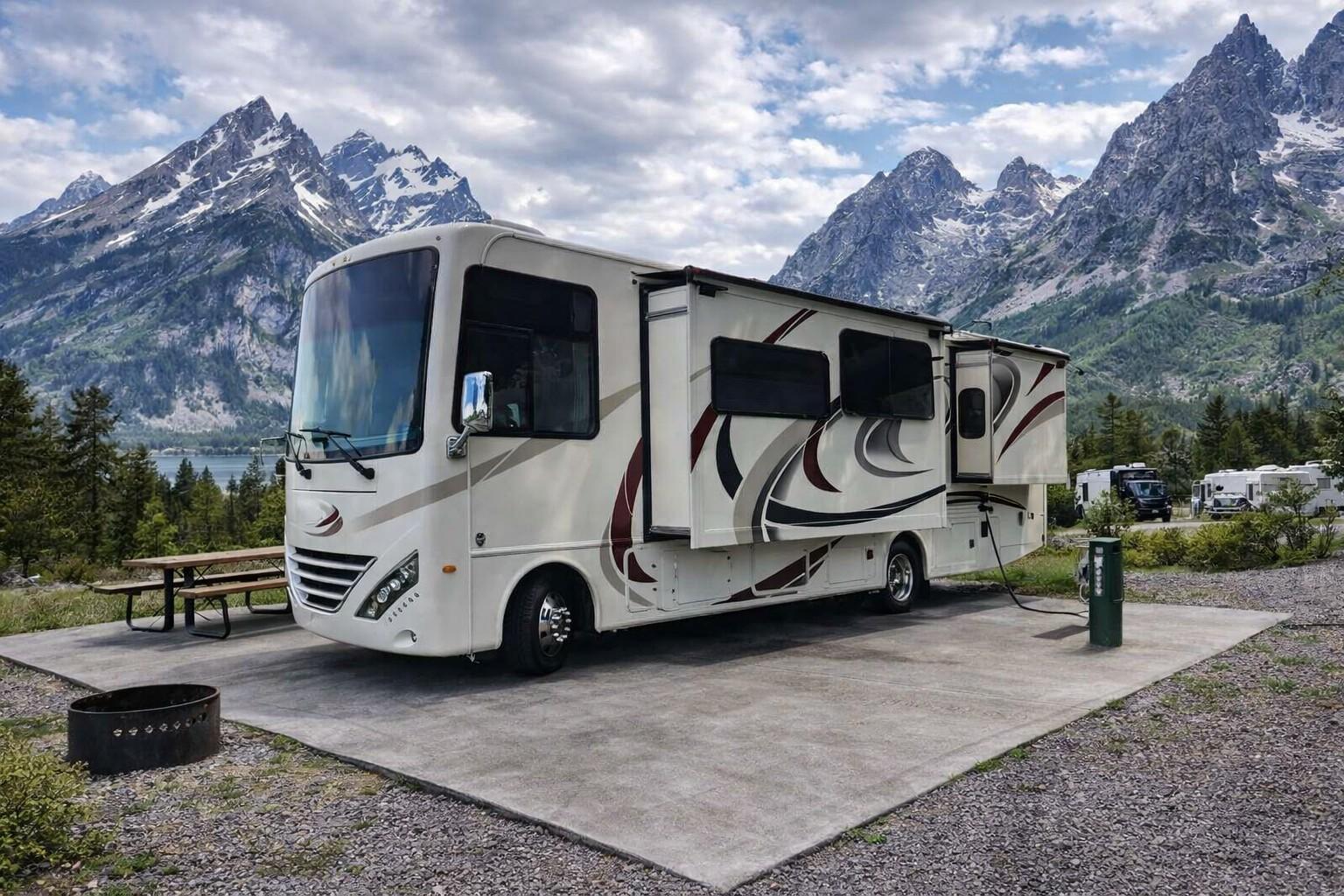
Lower costs usually come from choices, not sacrifices. Staying longer, maintaining the rig, cooking more often, and traveling fewer miles can make a large difference.
- Choose stays based on budget as well as scenery
- Learn basic maintenance safely
- Buy only equipment that solves a real problem
Full-time RV living works best when the budget reflects the actual lifestyle rather than the vacation version. The freedom comes from knowing the numbers and making choices with open eyes.




Common Questions
What is the biggest monthly cost in full time RV living?
For many travelers, campground fees, fuel, or RV payments are the largest categories depending on how they travel.
Can full time RV living be cheaper than renting?
It can be, but only when the RV costs, maintenance, insurance, and travel expenses are included honestly.
How much should I save before going full time?
A repair fund and emergency savings are important because RV repairs can be expensive and timing is unpredictable.