 06.09.2026
Free camping in the USA can cut a serious chunk from an RV travel budget, but the word “free” hides the real work: finding legal land, managing water and power, respecting stay limits, and knowing when a beautiful pullout is actually a terrible idea. I’ve spent years moving my 1998 Class C through western public lands, and the best campsites have usually been the ones I earned with preparation rather than luck.
Free Camping on Bureau of Land Management (BLM) Land
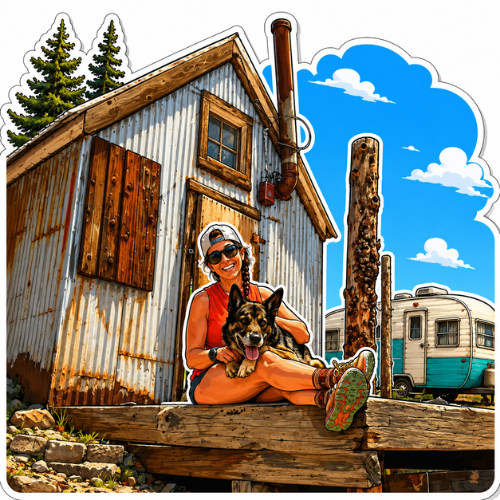
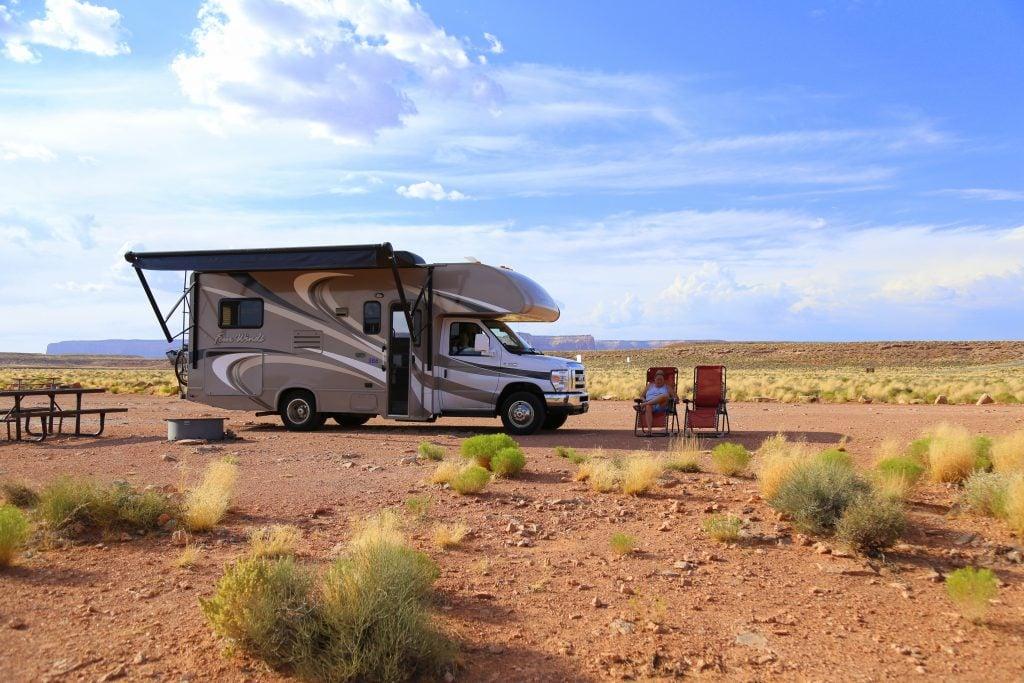
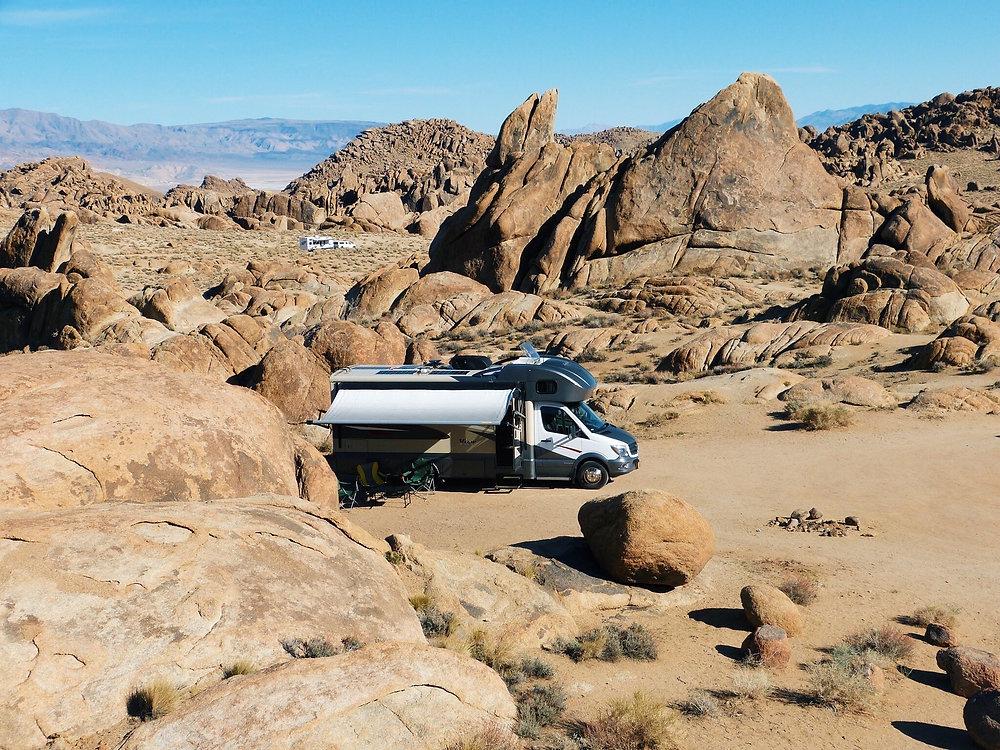
BLM land is where I started learning the difference between parking somewhere pretty and actually boondocking well. My 24-foot gas Class C is small enough for many dirt roads, but I still check road conditions, weather, and access before turning down a route. A flat-looking road can become a washout after one storm, and my old Ford chassis does not need that kind of adventure.
Most BLM dispersed camping areas allow camping without a campground fee, but rules vary by field office. A common limit is 14 days in a set period, with some areas requiring you to move a significant distance afterward. Nevada BLM, for example, generally describes a 14-day limit within a 28-day period and requires campers to move after reaching that limit. I always check the local BLM office before settling in because restrictions change with fire danger, wildlife protection, and crowding.
My basic BLM checklist is simple: existing campsite, enough water, a way to handle waste legally, weather forecast checked twice, and a backup exit route. Free land does not come with a campground host, trash pickup, or a person driving by every afternoon.
Best Free Camping Spots in the Western United States
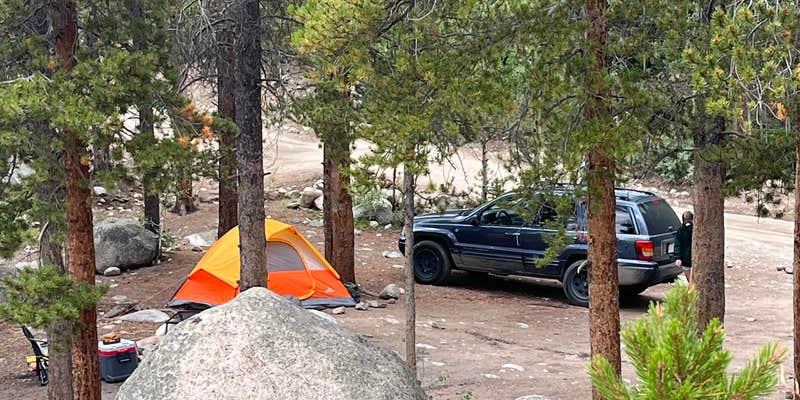
I spend most of my time in the West because the public land opportunities are enormous. Arizona desert in winter, Utah canyon country in shoulder seasons, Nevada when I want quiet, and higher elevations in Colorado, Montana, and Wyoming when the temperatures cooperate.
I avoid publishing exact coordinates for fragile areas because popular “secret” spots have a way of becoming parking lots. Instead, I look for broad regions with legal dispersed camping opportunities and then do the last-mile research myself.
My favorite type of site has three things: a previously used campsite, enough space to turn around safely, and a reason to stay beyond the view. A sunset is great, but a campsite with no cell signal, no shade, and no realistic water plan gets old quickly. I learned that lesson during my early Utah trips when a beautiful location became a two-night problem because my water pump decided to quit.
How to Find Free Campsites Across America
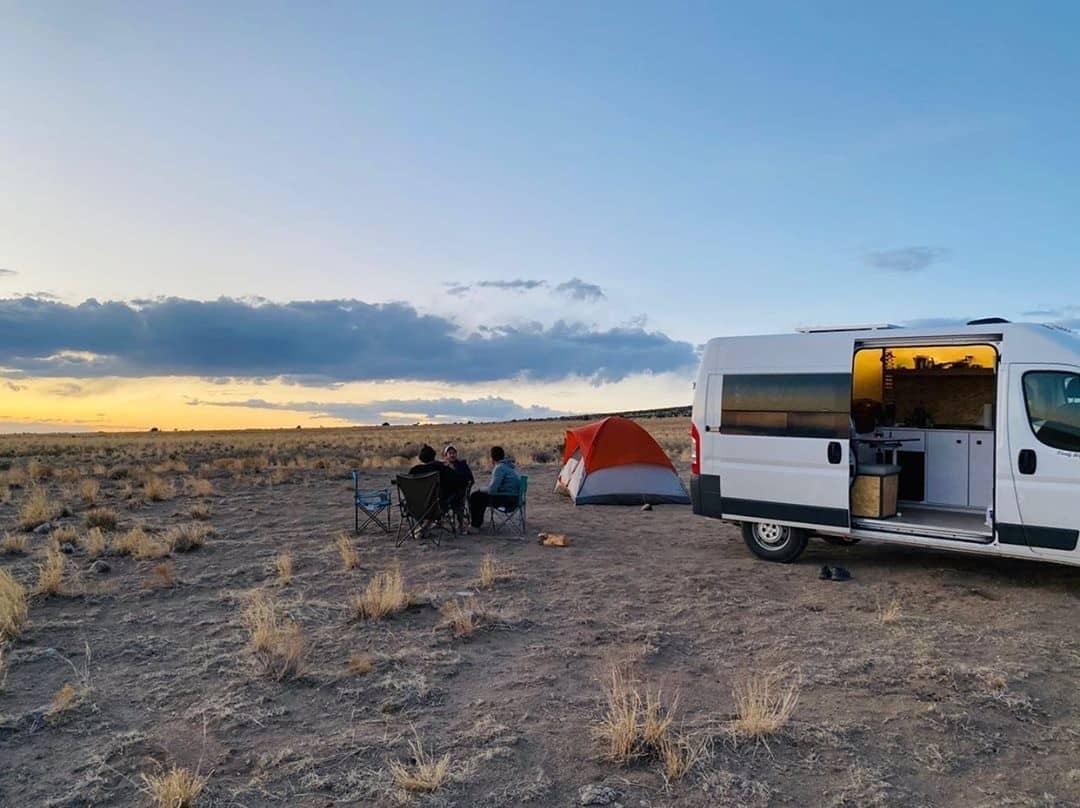
I treat finding free campsites like I treated hospital scheduling before RV life: gather the facts first, make a plan, and leave room for things to go wrong. I use public land maps, agency websites, and local ranger information rather than relying only on campground apps.
The main places I check are BLM field offices, National Forest district pages, and official recreation information. Dispersed camping rules are not identical everywhere. Some forests restrict where vehicles can travel, some require designated dispersed sites, and closures can appear quickly.
My process usually looks like this: identify the managing agency, confirm camping is allowed, check the maximum stay, look at road access, estimate my water and battery needs, then choose a backup. My rig carries about 40 gallons of fresh water, and I plan around roughly 3 gallons per day for drinking, cooking, and basic washing when I am alone with Rooster. That math tells me whether I can stay five days or whether I need a refill plan.
Free Camping in National Forests and Grasslands
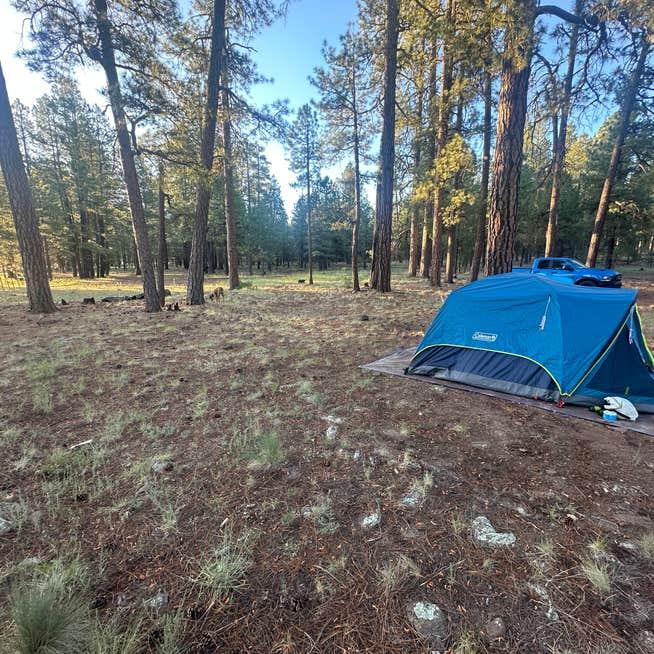
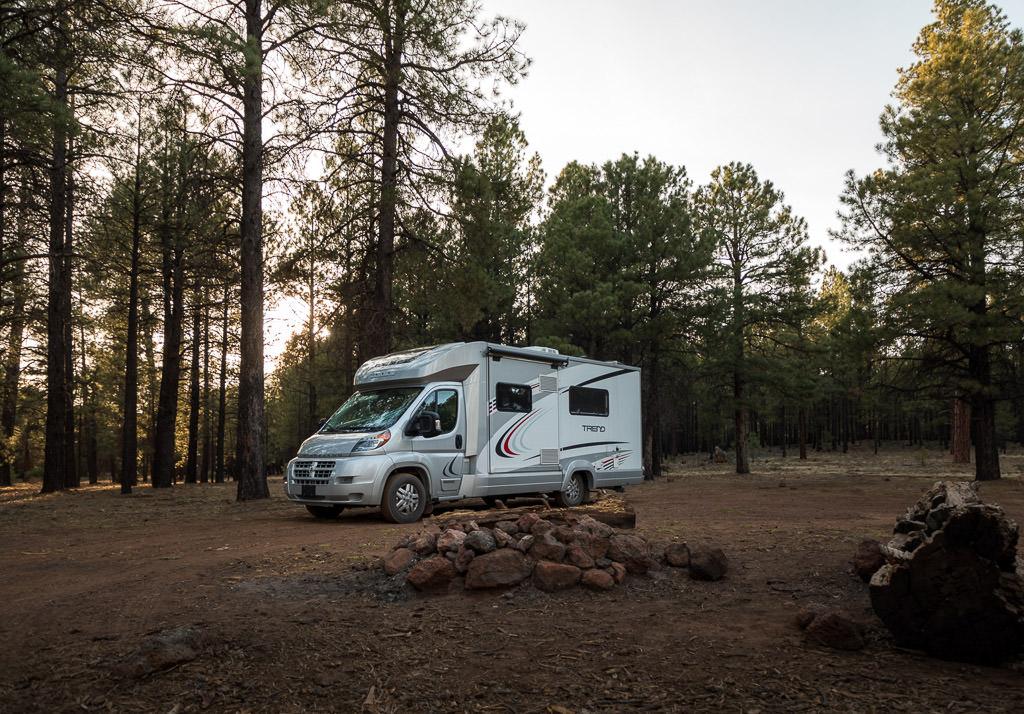
National Forests are some of my favorite places to escape desert heat. The tradeoff is that trees do not automatically mean easy camping. Roads can be rough, campsites can be hidden, and services are often nonexistent once I leave developed areas.
The Forest Service defines dispersed camping as camping outside developed campgrounds, and those areas generally do not provide services like trash removal or restrooms. That means I arrive prepared to pack out everything, including trash and anything related to cooking or repairs.
Forest camping is where I pay closest attention to my rig size. My Class C is not a tiny van, and some beautiful forest roads were never designed for RVs. I check clearance, turning space, and road conditions before committing. A campsite that is perfect for a pickup truck can be a very bad afternoon for a motorhome.
Stay limits are commonly 14 days, but each forest can set additional restrictions. I always verify before extending a stay.
Essential Gear for Free Camping Adventures
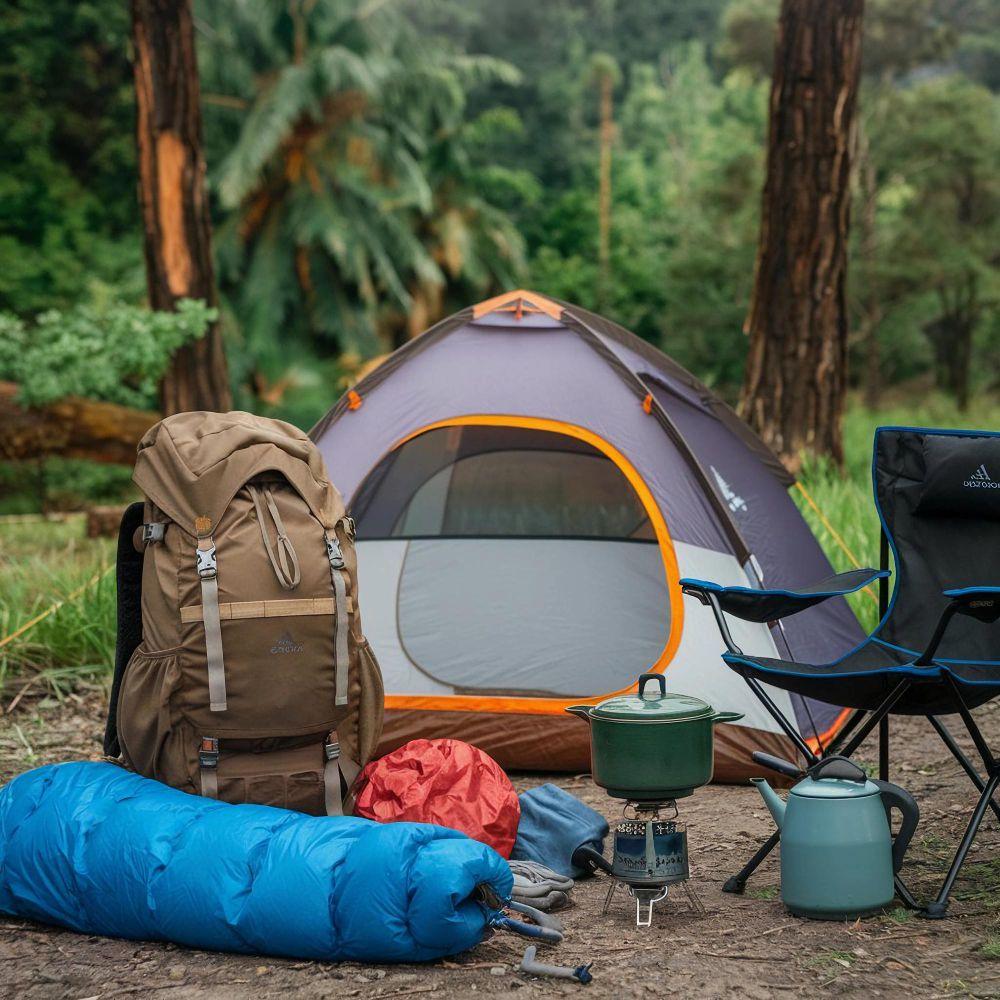
I have bought plenty of RV gear that looked useful online and became expensive clutter. My current setup is much simpler: tools I actually use, power equipment sized for my needs, and backups for things that can ruin a trip.
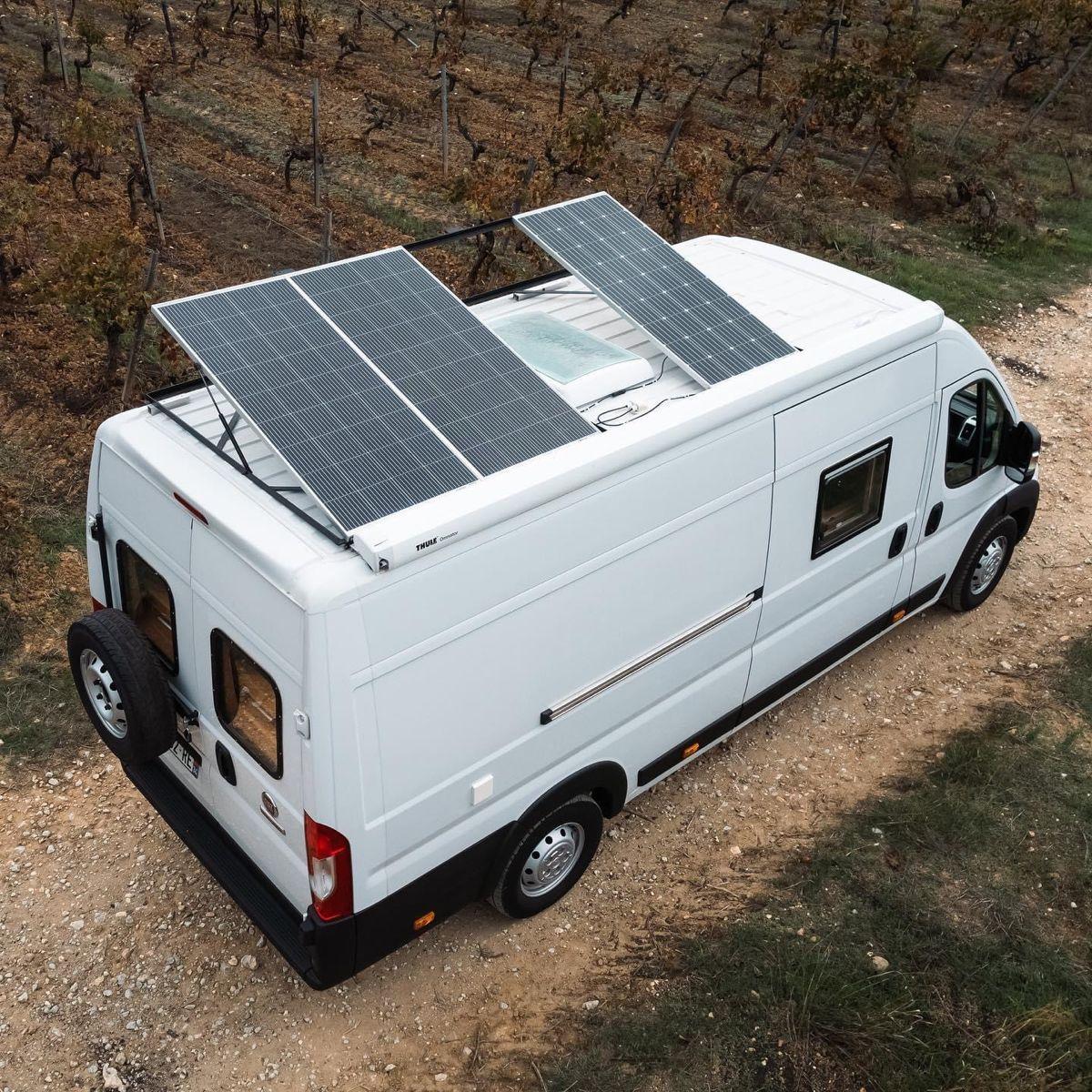
My 400 watts of solar and upgraded house batteries let me manage normal off-grid days, but I still watch my numbers. A cloudy week changes everything. Before adding solar, I tracked daily amp use from lights, refrigerator controls, phone charging, and my laptop. The spreadsheet was less exciting than a mountain view, but it saved me from buying another wrong solution.
My must-have list includes a tire pressure gauge, basic tools, water containers, a first-aid kit, headlamps, weather information, a way to communicate when outside service areas, and carbon monoxide and propane detectors that are tested regularly. I never use a stove or outdoor heater for cabin heat, and I never run a generator near windows, doors, or air intakes.
Rules and Leave No Trace Tips for Dispersed Camping
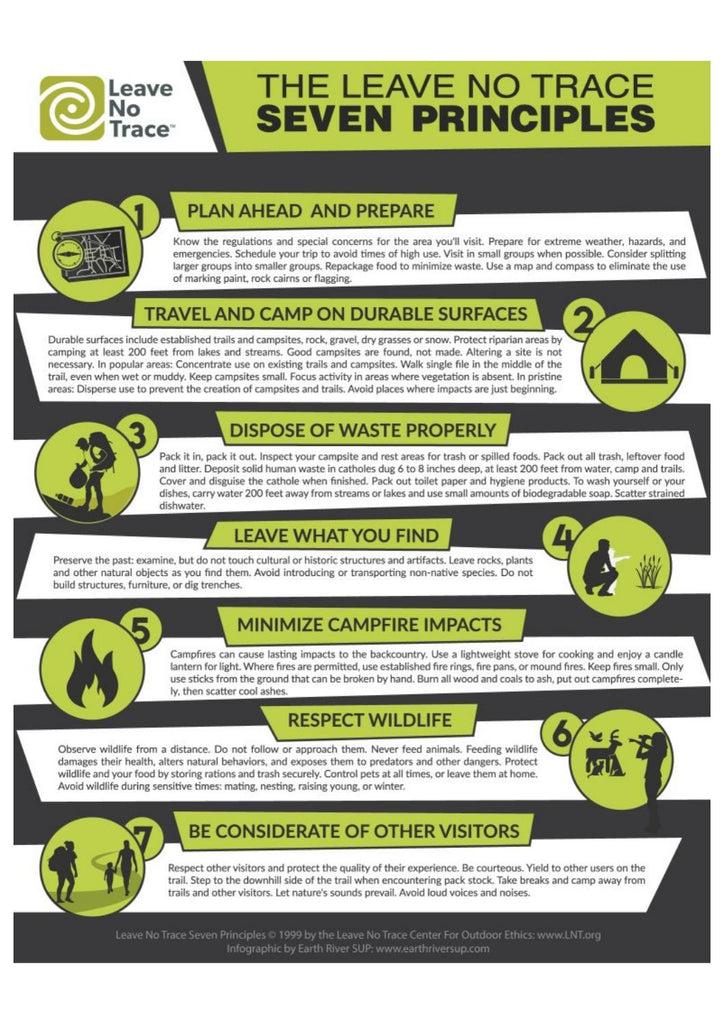
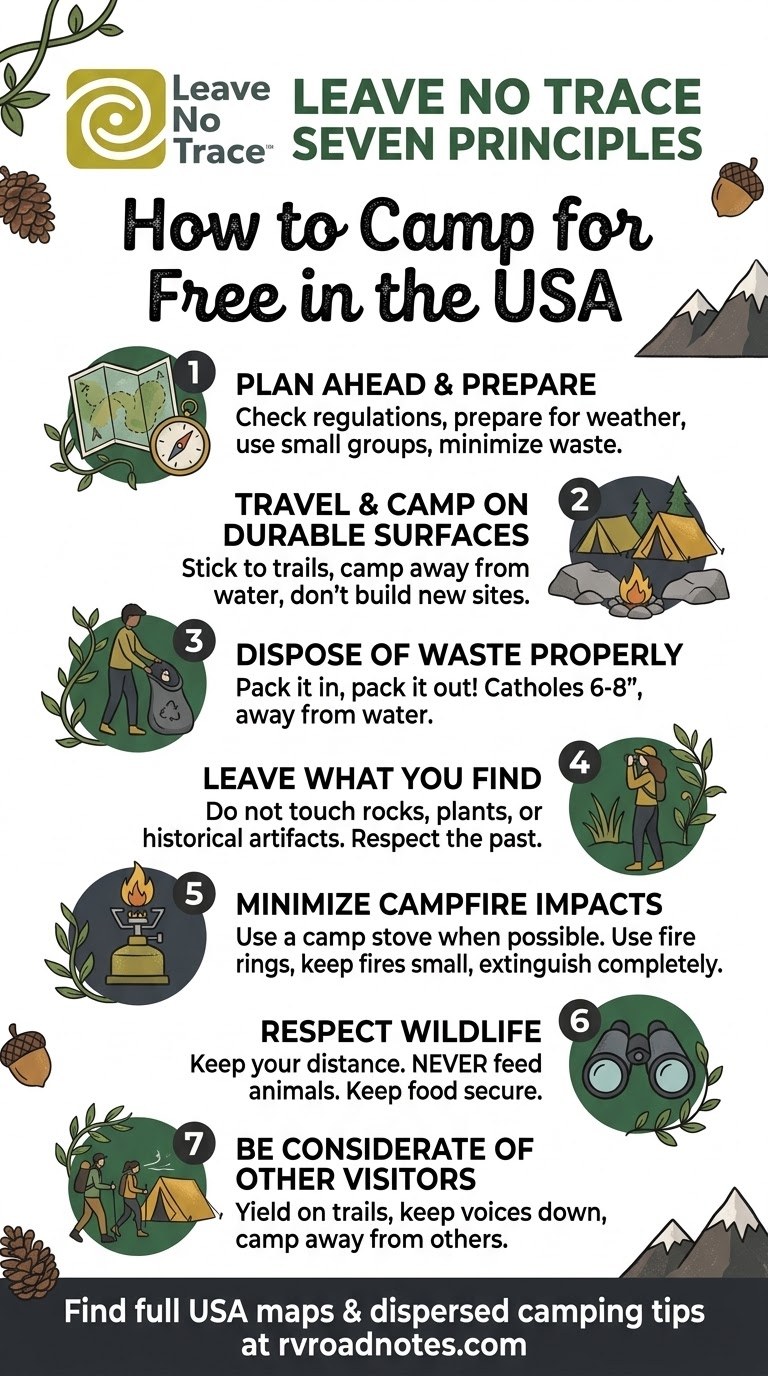
The easiest way to lose access to free camping is for people to treat public land like an unofficial dump. I have seen abandoned trash, fire scars, and toilet paper around otherwise beautiful places, and every one of those messes gives land managers a reason to restrict use.
I camp on durable surfaces, use existing sites, follow fire restrictions, and pack out everything I bring in. BLM guidance emphasizes using existing campsites, checking fire conditions, and properly handling waste rather than polluting public lands.
Human waste is not a minor detail. Dispersed camping often means no bathrooms. Forest Service guidance recommends proper waste disposal practices, including keeping waste away from water, camps, and trails and packing out toilet paper and hygiene products where required. Grey water dumping is not an acceptable shortcut.
Rooster also changes my campsite habits. I keep him controlled around wildlife, check temperatures before leaving the rig, and never assume cracked windows solve heat problems. RVs heat quickly, and a pet should never depend on a single system staying operational.
Free Camping Routes for Van Life and RV Travelers
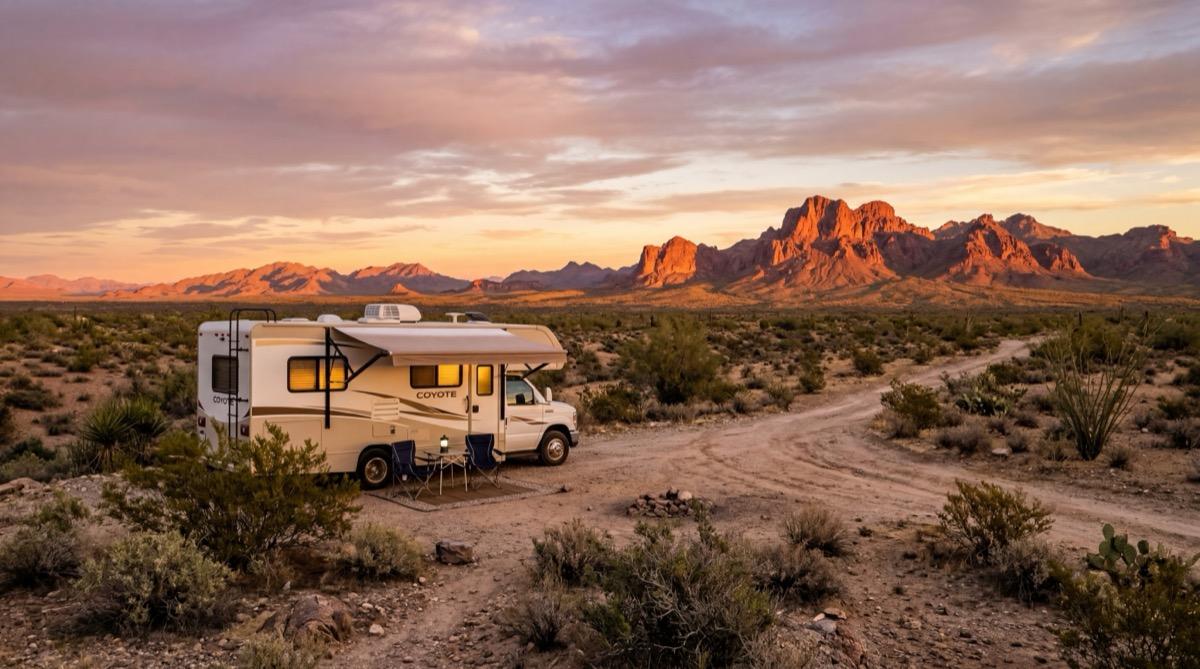
I do not call myself a nomad. I live in a vehicle, pay my bills, maintain an old house on wheels, and move when it makes sense. The routes that work best are the ones that match the season and the rig.
A winter route through Arizona, southern Utah, and Nevada works well because desert temperatures are manageable. Summer usually means moving upward into Colorado, Montana, or Wyoming. My route planning always includes fuel stops, dump stations, water sources, and a repair option because an RV is still a machine with a house attached.
For RV travelers, I recommend planning shorter travel days than you think you need. My old Class C is happiest around moderate speeds, and my maintenance log has proven that rushing creates expensive mistakes. Tires, cooling systems, brakes, and suspension parts do not care that I am trying to reach a campsite before sunset.
Seasonal Free Camping Destinations in the USA
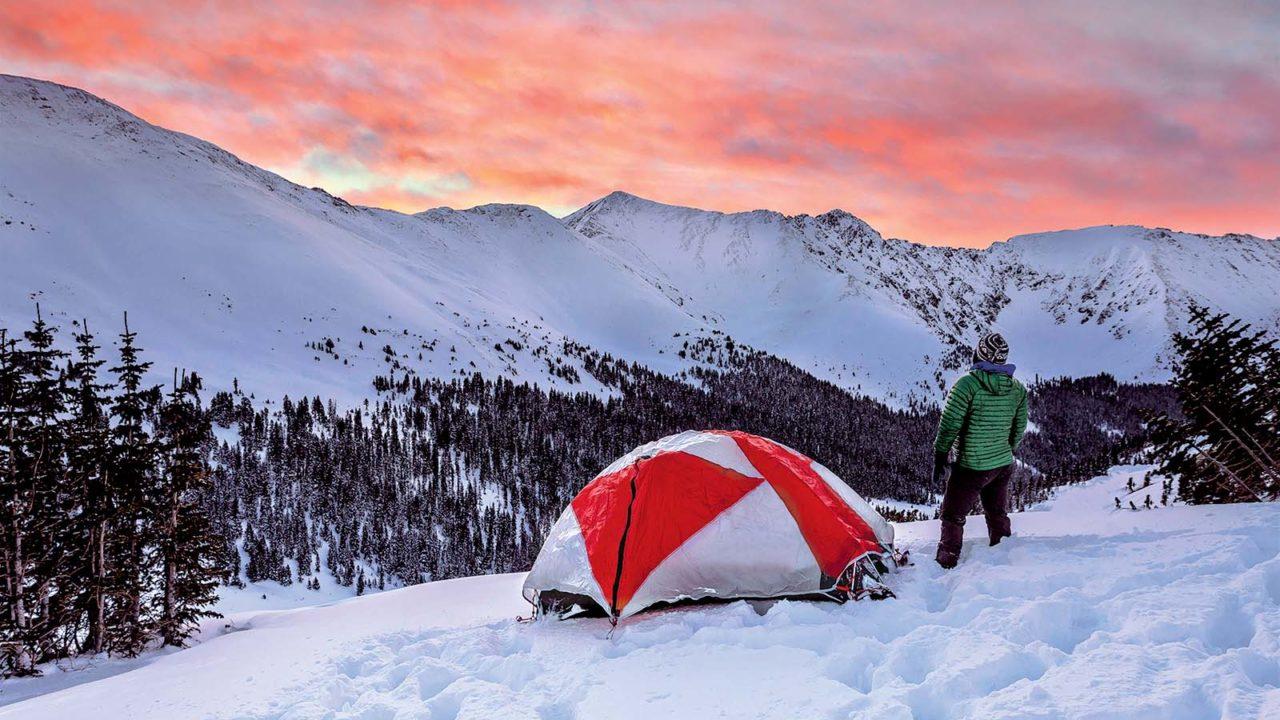
The best free camping destination depends more on weather than scenery. I have watched people chase a famous location during the wrong season and spend the trip fighting heat, snow, mud, or crowds.
Winter is when I like the Southwest. Arizona and southern Nevada offer desert landscapes without the brutal summer temperatures. Spring and fall are ideal for Utah and lower-elevation public lands, although I always check for fire restrictions and road closures before heading out.
Summer is when I move toward higher elevations. Montana, Wyoming, and Colorado can offer cooler nights, but mountain weather changes fast. My rule is simple: if the forecast makes me uncomfortable in a stationary house, it definitely deserves respect in a 24-foot Class C.
Free camping USA is not about finding one perfect spot. It is about building the systems that let you enjoy many places without damaging them or putting yourself in a bad situation. The campsite is only the reward; the preparation is what gets you there.
More Pinterest Visuals