
RV camping runs on more than campground signs. After enough nights on the road, the unwritten camping etiquette becomes just as important as knowing how to hook up water or power.
These habits keep neighbors comfortable, protect public lands, and make shared spaces work better for everyone. Here are the rules I follow and recommend to new RV travelers.
Quick summary
- Respect space, noise limits, and shared facilities.
- Leave campsites and natural areas better than you found them.
- Remember that every campsite is part of a larger community.
Respect Quiet Hours and Your Neighbors
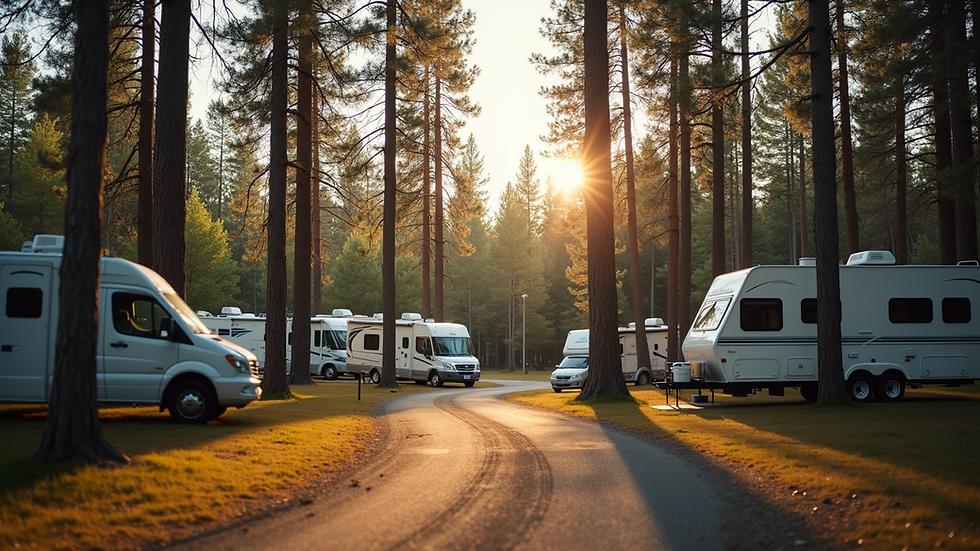
Quiet hours are not just campground rules; they are a courtesy to people who may be sleeping, working, or traveling early. The National Park Service notes that many campgrounds set quiet hours around 10 p.m. to 6 a.m. and asks visitors to consider neighbors outside those hours too.
Turn down conversations, music, and outdoor activities before they become a neighbor disturbance.
Choose Your Campsite Carefully
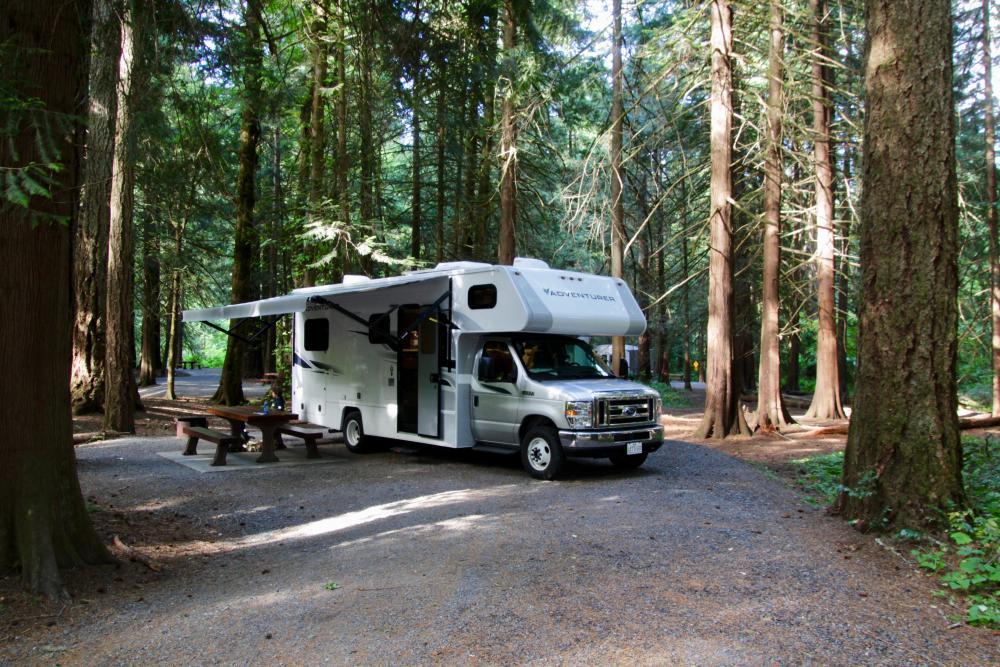
A good campsite choice starts with the ground itself. Look for established spaces, avoid damaging vegetation, and respect posted boundaries. BLM guidance encourages campers to use appropriate sites and follow local restrictions.
Think about site impact before parking, especially when boondocking.
Keep Your RV Lights From Disturbing Others
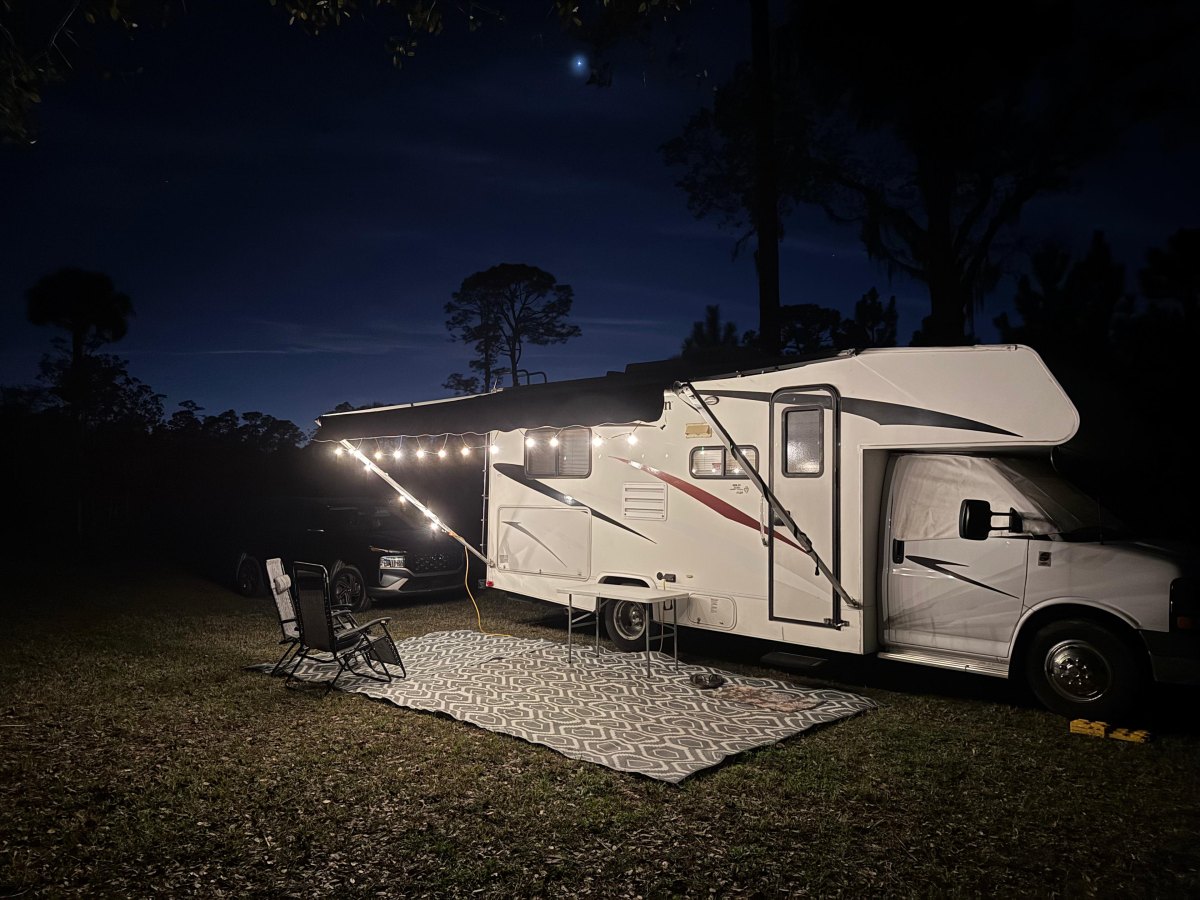
Bright exterior lights can change a quiet campground into a parking lot. Shield lights downward and switch off unnecessary lighting when enjoying the night.
Protecting the dark campground atmosphere is one of the easiest ways to be a considerate neighbor.
Leave the Campsite Cleaner Than You Found It
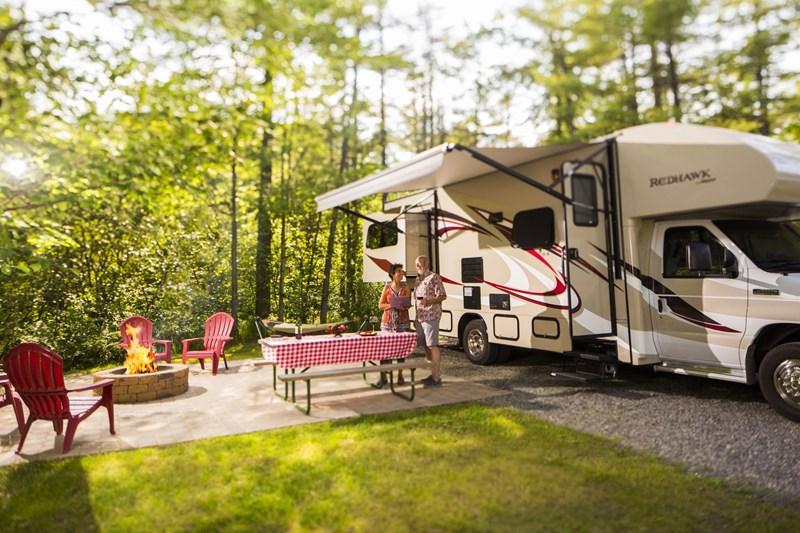
Trash, food scraps, and forgotten gear create problems for the next visitor. Packing out everything is especially important on public lands.
The best habit is simple: leave a clean campsite that looks ready for the next camper.
Never Walk Through Another Camper’s Site
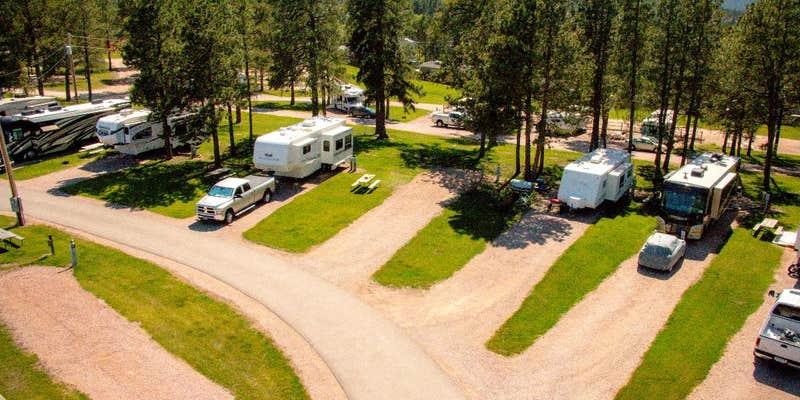
An occupied campsite is someone’s temporary yard. Cutting through it may seem harmless, but it removes the privacy people expect.
Use campground roads and paths instead of crossing personal campsite space.
Follow Fire Safety Etiquette
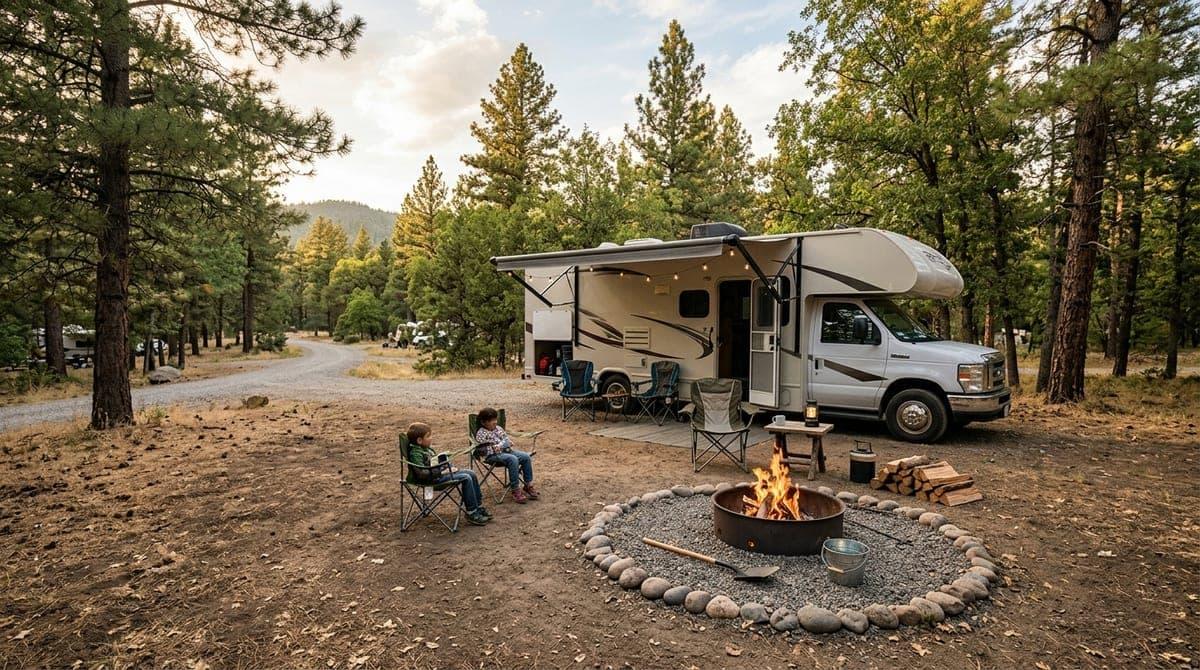
Campfires require attention and local awareness. Fire rules change with weather and location, so check current restrictions before lighting one.
Fire reminder
Never leave a fire unattended, and make sure it is completely extinguished before leaving.
A small, controlled fire is better than a careless campfire.
Manage Your Pets Responsibly
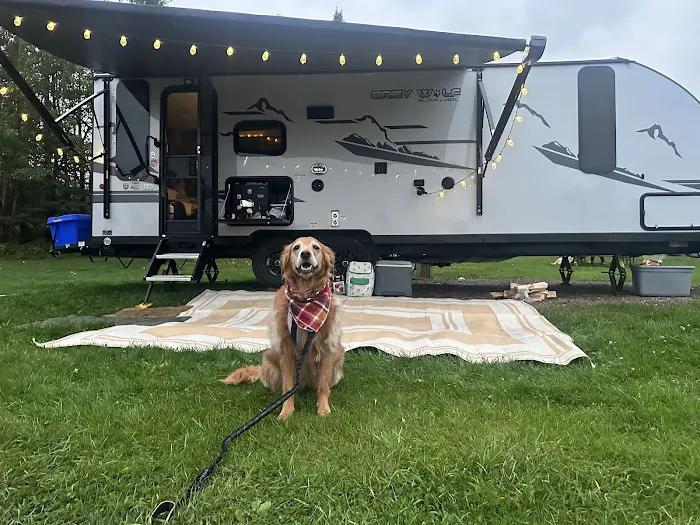
Pets are welcome companions, but they are also a responsibility. Keep them controlled, clean up waste, and learn campground rules before arriving.
A calm pet routine protects campground harmony for everyone.
Use Generators Considerately
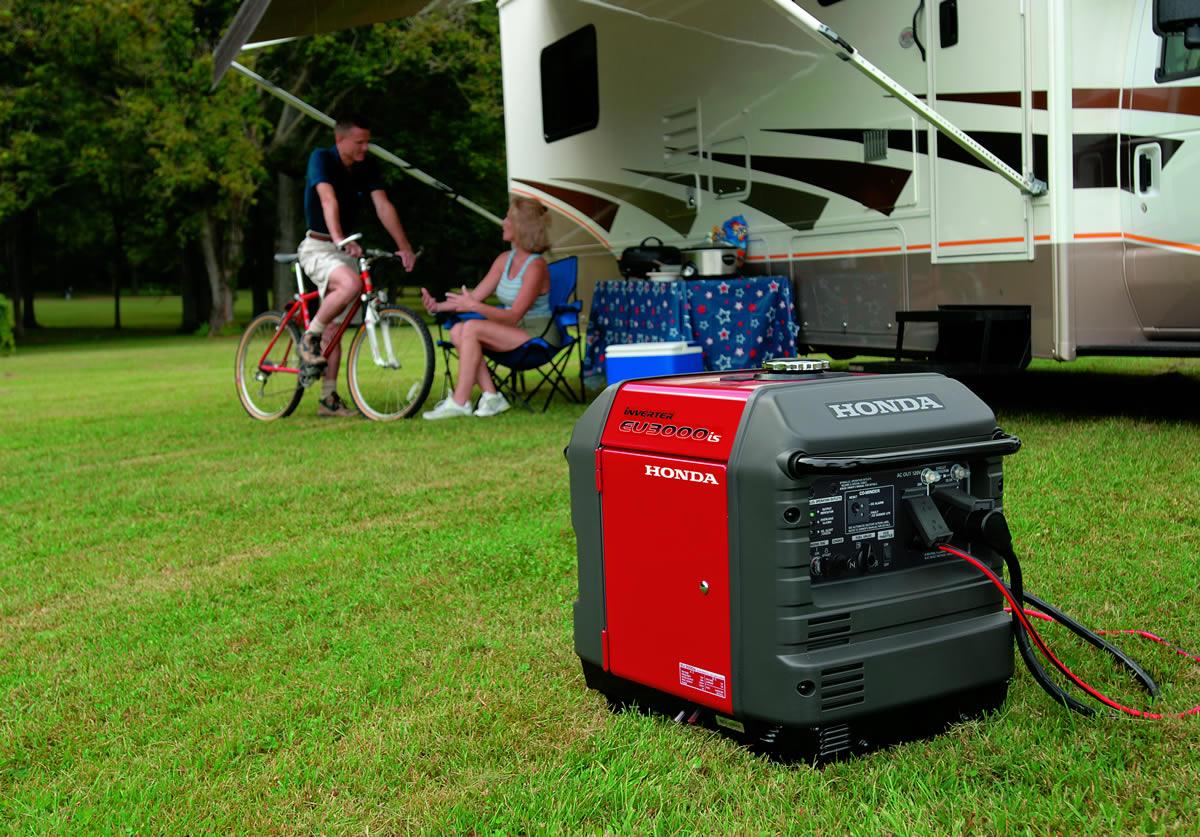
Generators can be useful, but noise and fumes affect nearby campers. Follow campground generator hours and place equipment according to manufacturer safety guidance.
The goal is reliable power without creating a generator nuisance.
Avoid Overcrowding Your Campsite
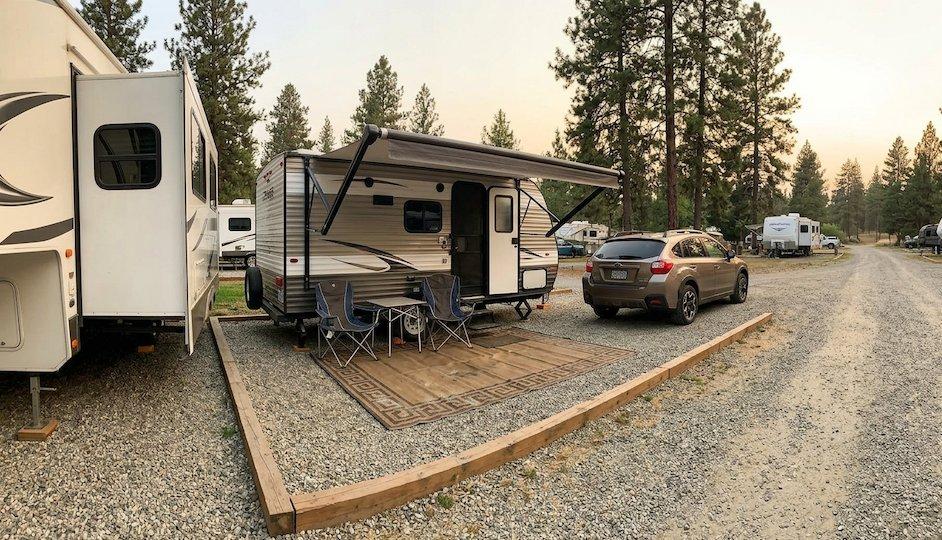
Your campsite is not a private campground. Too many vehicles, chairs, or structures can spill into shared areas.
Keeping a reasonable footprint shows respect for shared space.
Respect Shared Campground Facilities
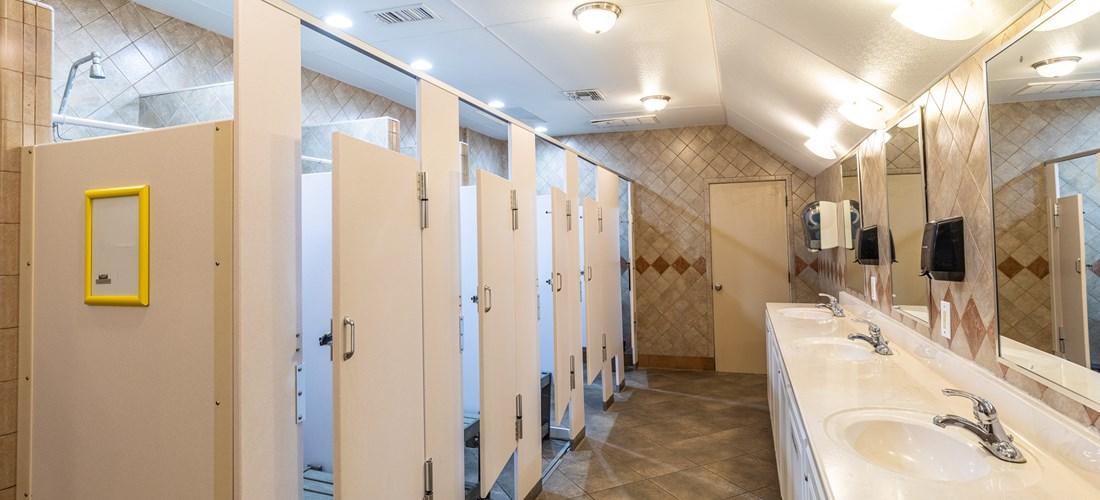
Bathrooms, water points, picnic areas, and laundry rooms work because campers take turns and clean up.
Small actions protect community campground spaces.
Handle Dump Stations With Courtesy
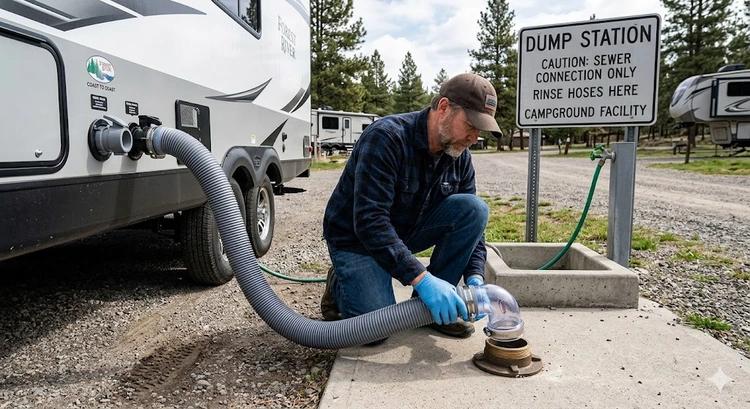
Dump stations are busy transition points. Prepare before pulling in, finish efficiently, and never leave waste behind.
Responsible waste handling protects RV sanitation standards and other travelers.
Ask Before Borrowing From Other Campers
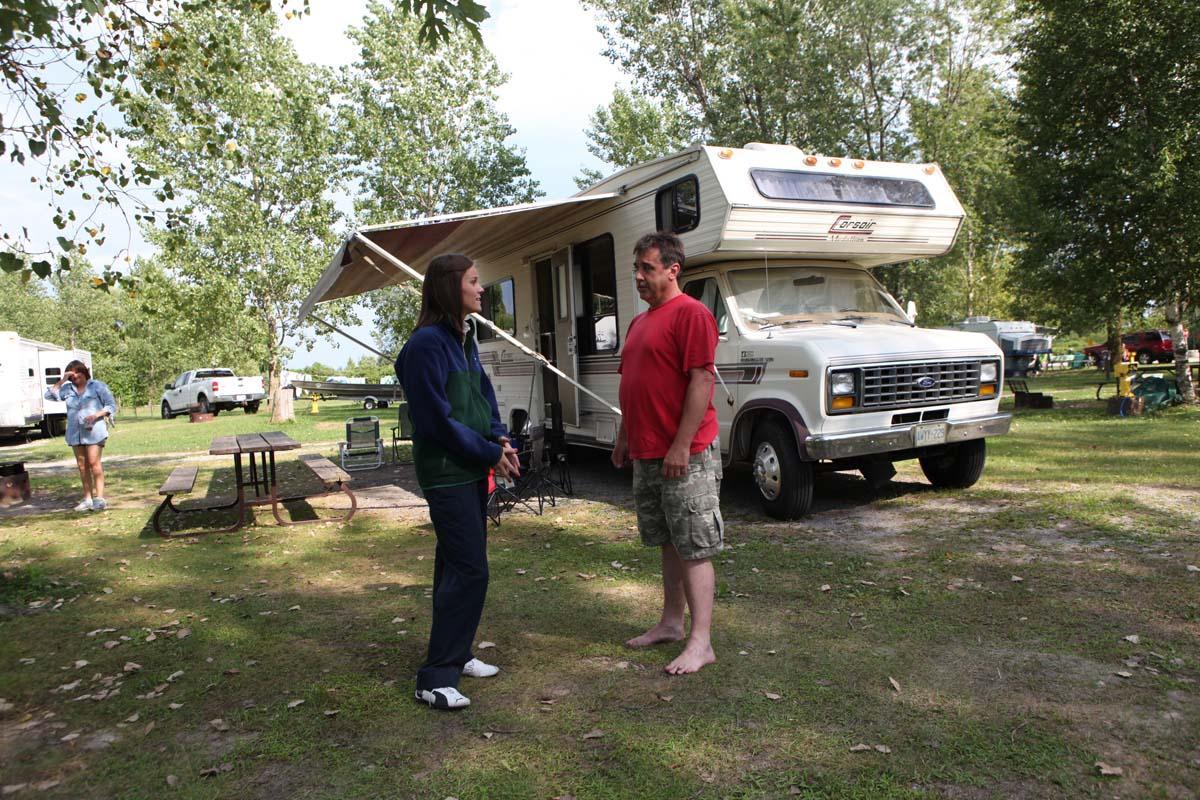
RV travelers are often generous, but tools and supplies still belong to someone else. Ask first instead of assuming.
A simple request builds camper trust quickly.
Keep Outdoor Decorations and Gear Under Control
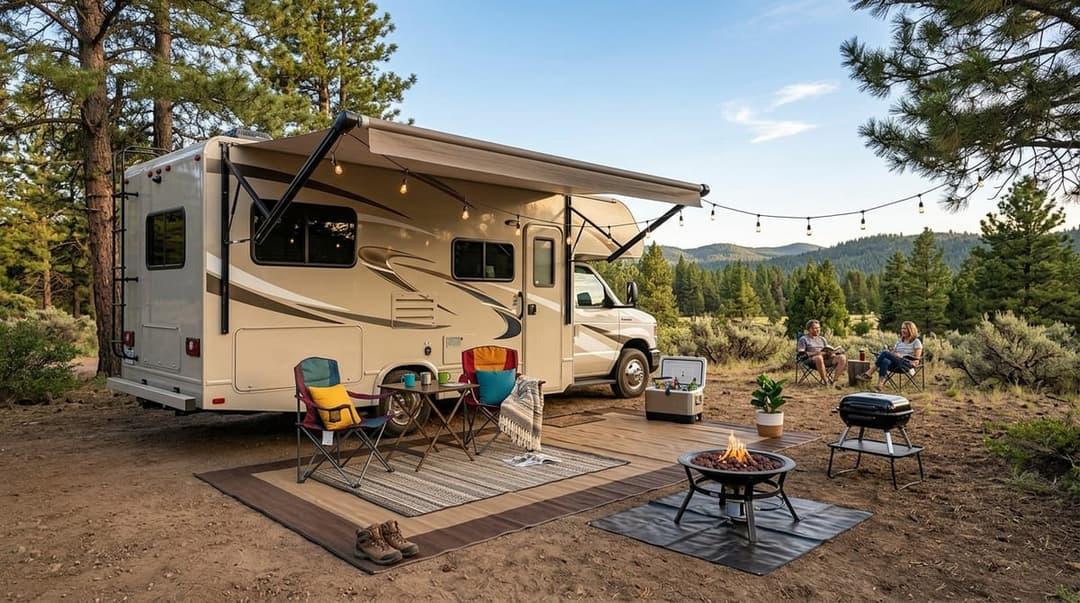
Outdoor setups make campsites comfortable, but excessive gear can create clutter or block views and paths.
A tidy setup shows considerate campsite habits.
Respect Nature and Wildlife
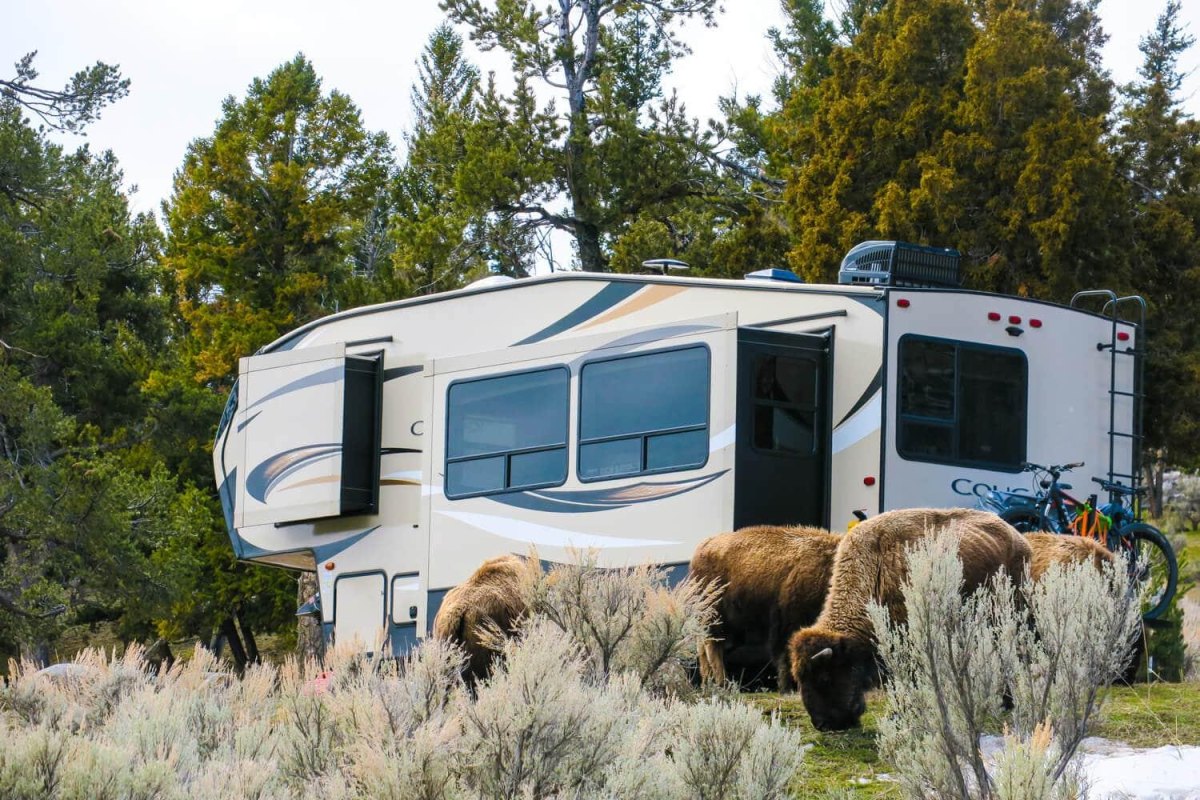
Wild places stay healthy when visitors avoid feeding animals, damaging plants, or leaving traces behind. The National Park Service advises keeping wildlife wild and not feeding animals.
Good campers practice low-impact recreation.
Be Friendly Without Being Intrusive
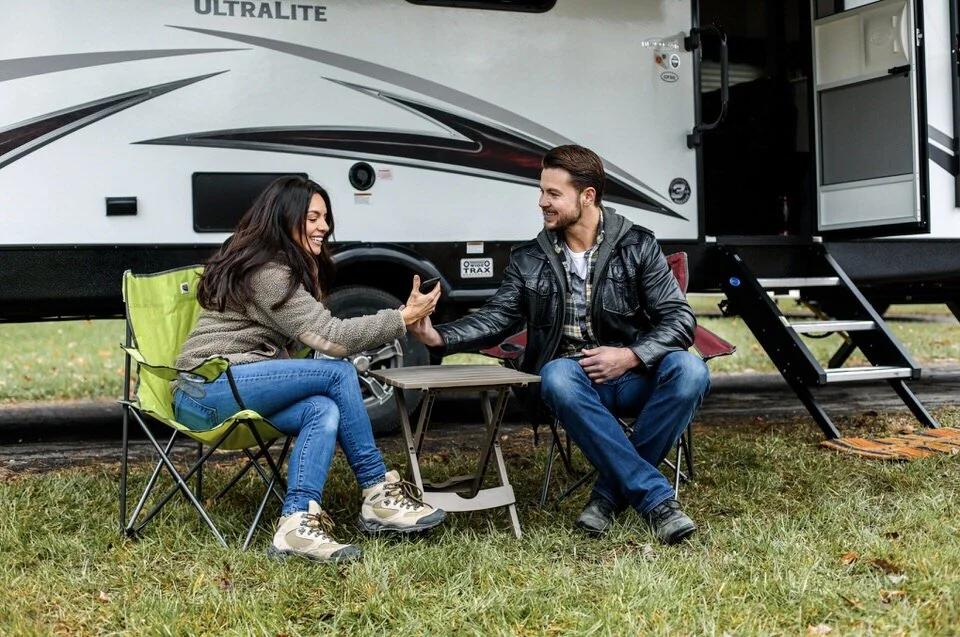
RV communities are built on kindness, but everyone has different preferences. A greeting is welcome; an unexpected long visit may not be.
Respecting boundaries is part of good campground manners.
Follow the Golden Rule of RV Camping
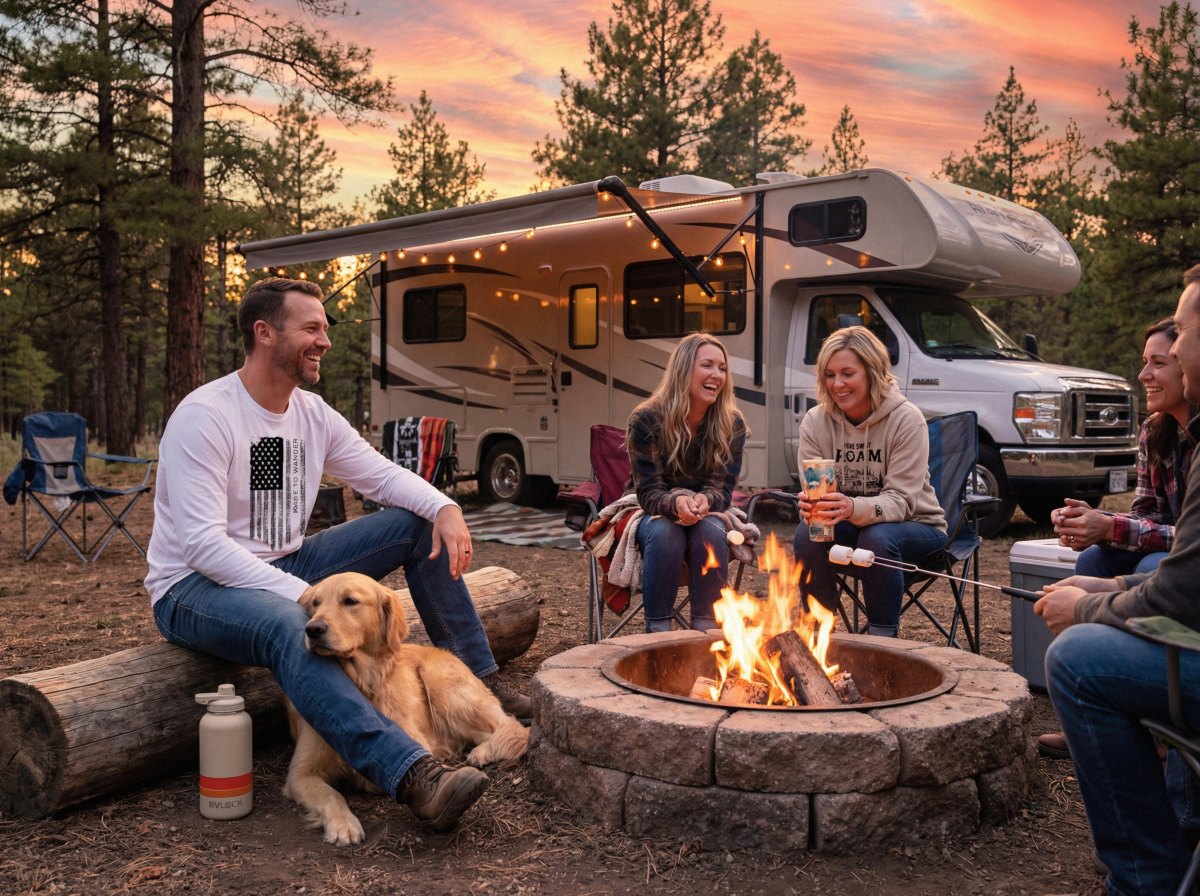
The simplest rule is to treat every campsite as if you will be the next person arriving there. Leave room, clean up, and consider how your choices affect others.
The golden rule of camping keeps RV travel enjoyable for the entire community.
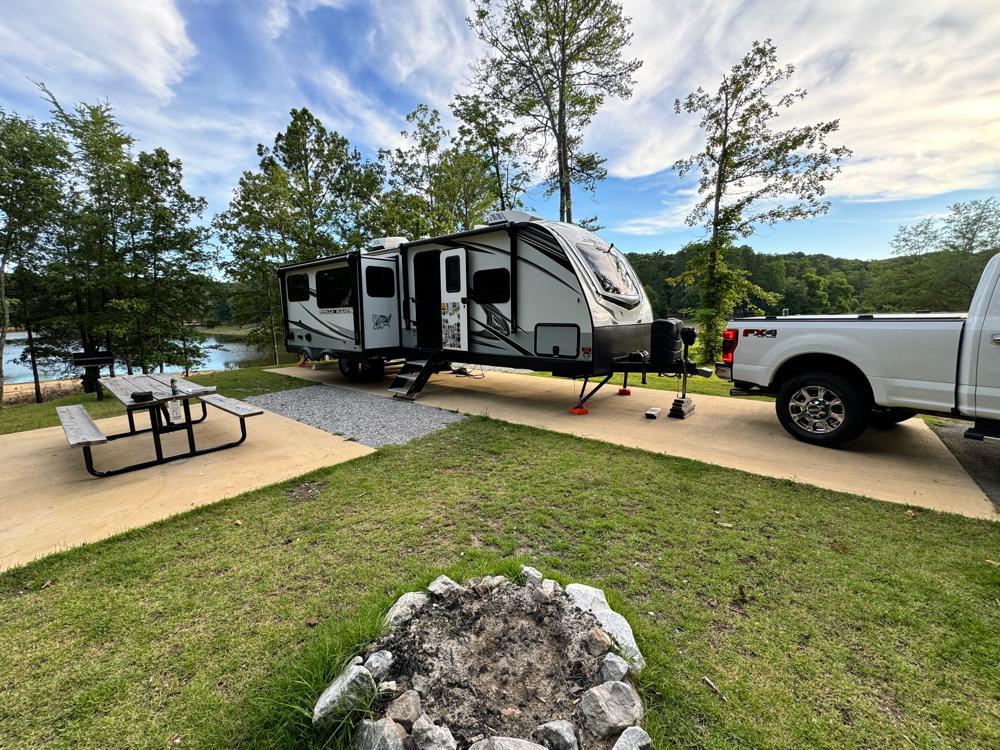

More Pinterest Visuals



 RV Maintenance & Care17 Essential RV Winter Storage Tips to Prevent Cold-Weather Damage
 RV Pet Travel11 RV Cat Tree Ideas That Make Small Spaces More Cat-Friendly
 Camping Gear & Planning15 RV Must-Haves for Beginners to Camp Safely and Comfortably
 Camping Recipes18 Easy RV Camping Snacks Ideas for Road Trips and Campfire Nights