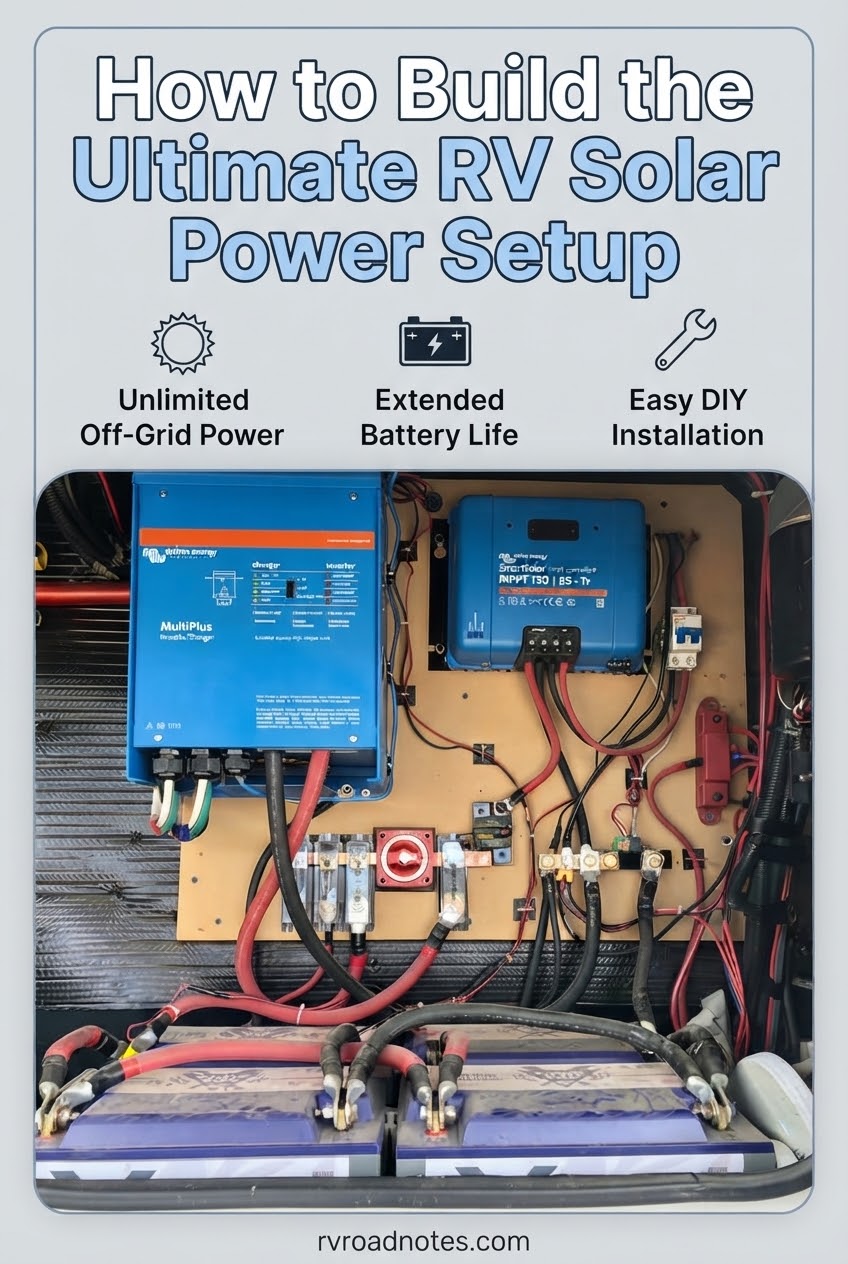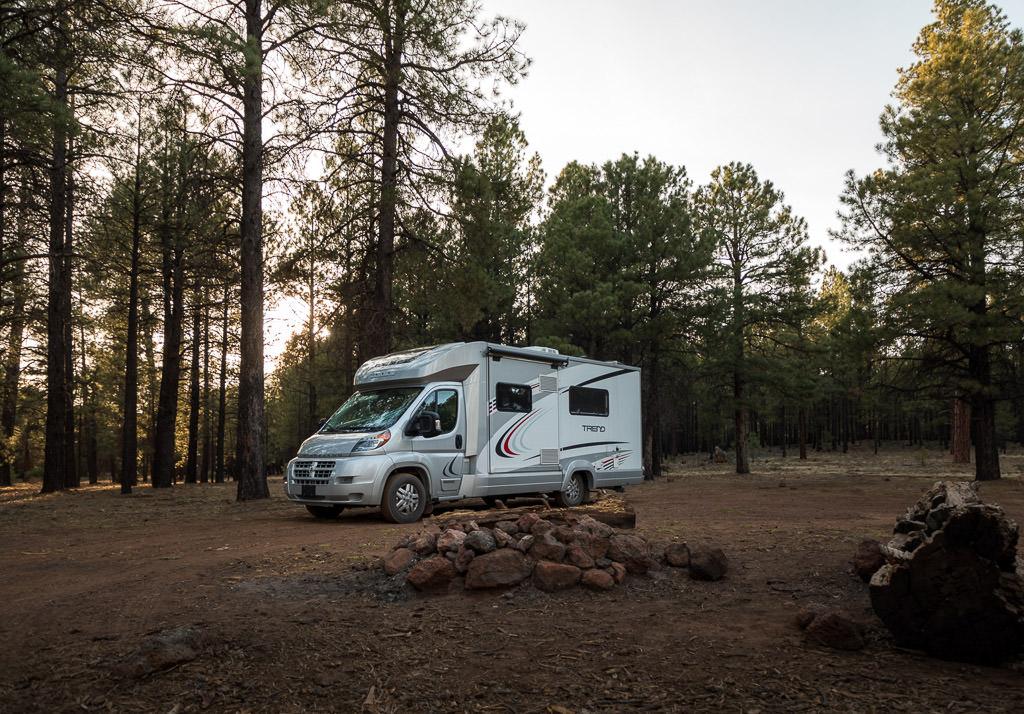
Building an RV solar power system is mostly about matching the parts correctly, not simply adding panels to the roof. A reliable setup connects solar generation, battery storage, and safe power distribution in the right order.
This guide walks through the six main pieces I focus on when planning an off-grid electrical upgrade, from roof panels to monitoring. The goal is a system that works quietly at camp and is understandable when something needs attention.
Solar Panels for RV Roof Installation
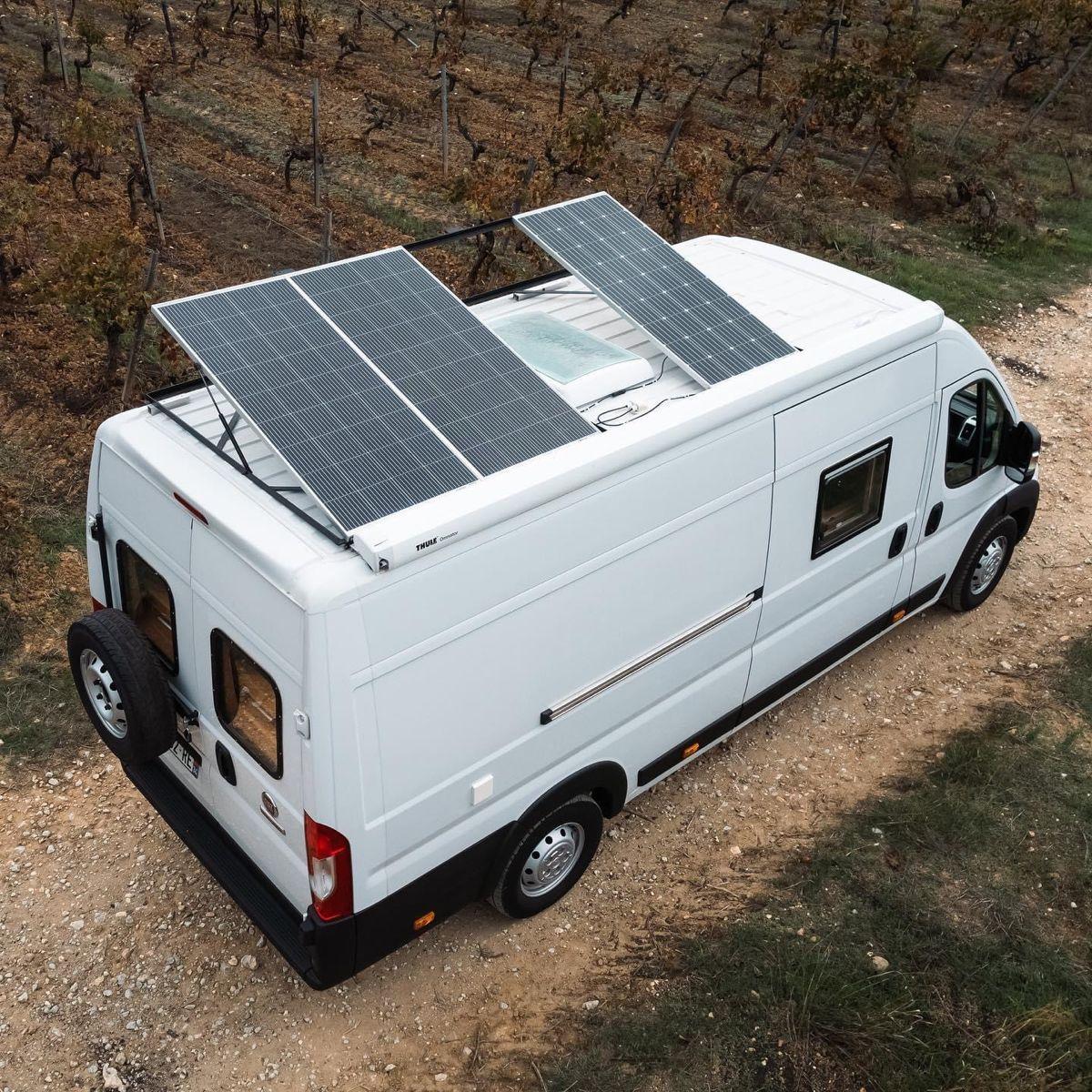
The roof is where an RV solar system begins, and panel placement matters more than many first-time installers expect. Vents, air conditioners, and antennas can create shade that reduces output, so I plan the layout before drilling or mounting anything.
A rigid panel array, flexible panels, or portable panels each have trade-offs. The right choice depends on roof shape, weight limits, and how much energy the RV needs while parked.
RV Solar Charge Controller Setup
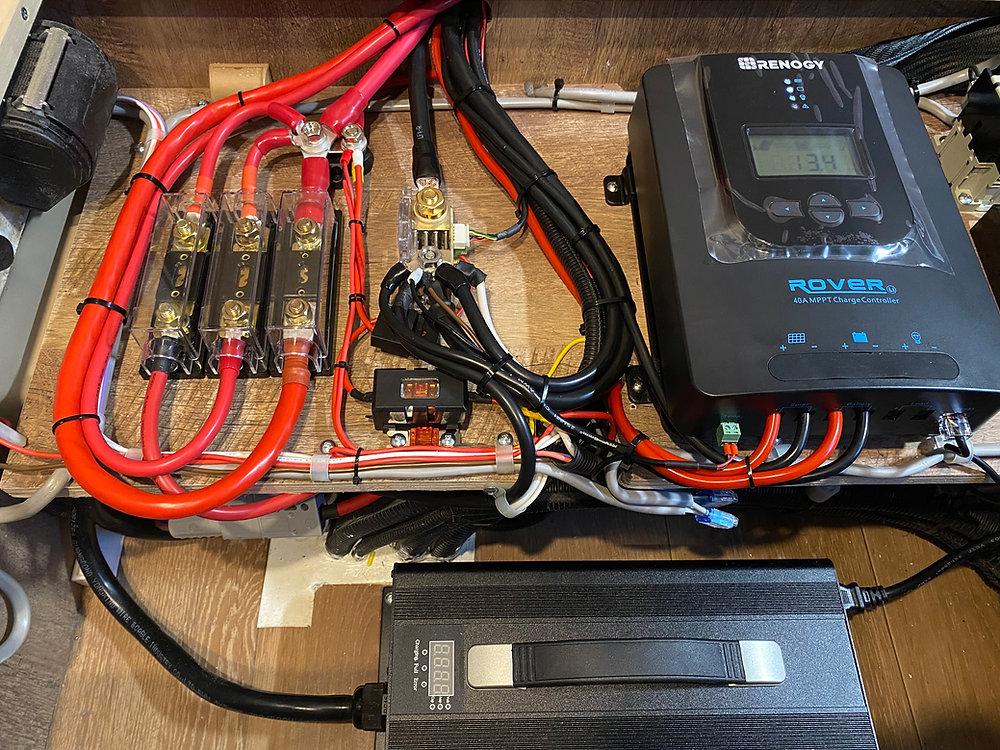
The charge controller is the traffic manager between the panels and batteries. A properly sized solar charge controller prevents unsafe charging and helps the battery bank receive the correct charging profile.
| Controller type | Common RV use |
|---|---|
| PWM | Simple, smaller systems with limited requirements |
| MPPT | Larger arrays or systems needing better energy harvesting |
I usually recommend understanding the controller specifications before buying panels because the array voltage and battery voltage must work together. A mismatched system creates frustration later.
Deep Cycle Batteries and Energy Storage
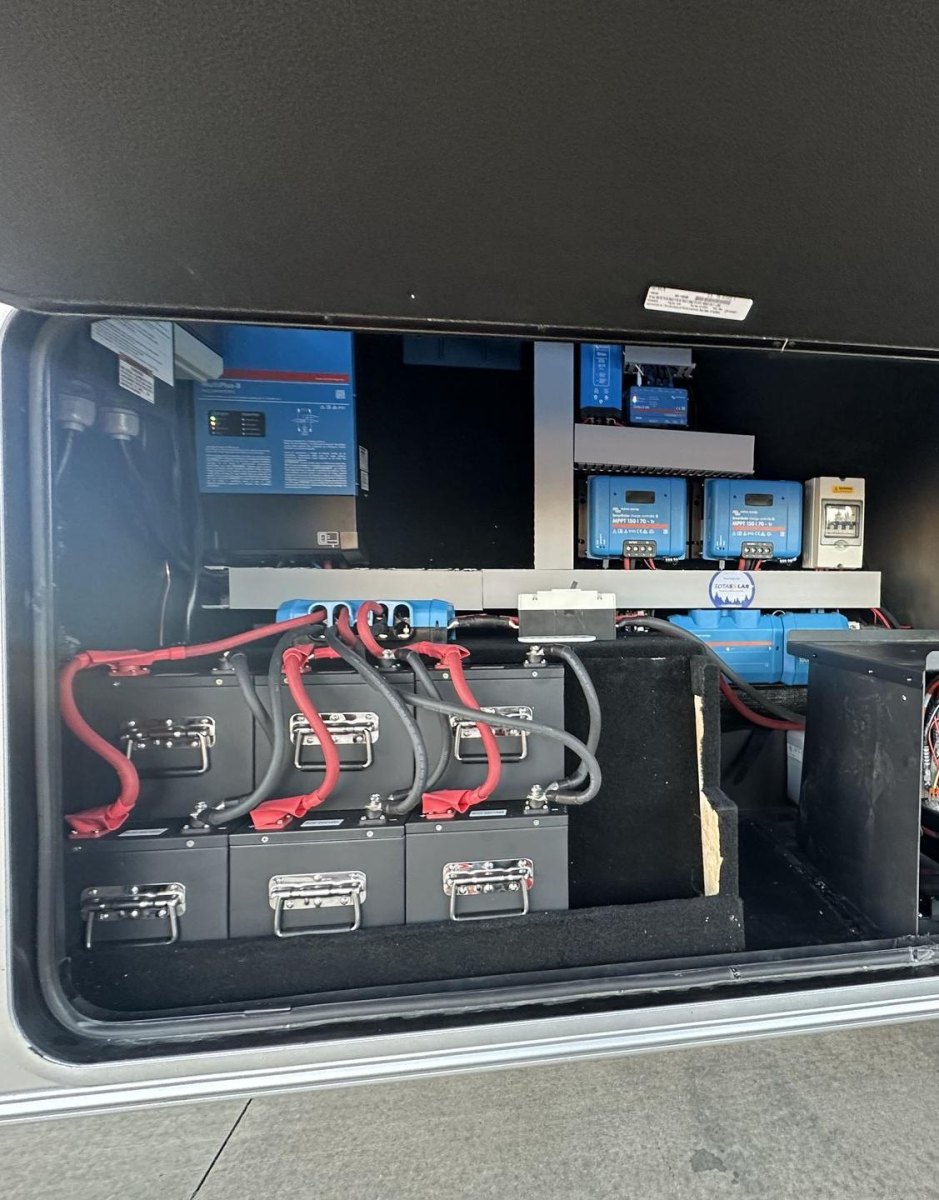
Solar panels only make power when conditions allow, so the battery bank determines how comfortable an RV can be overnight. Modern setups often use LiFePO4 batteries because they provide more usable capacity and longer cycle life than many older battery types.
A bigger battery is not automatically better. Extra weight, cost, and charging needs all matter when designing an RV energy system.
Solar Inverter and Power Distribution
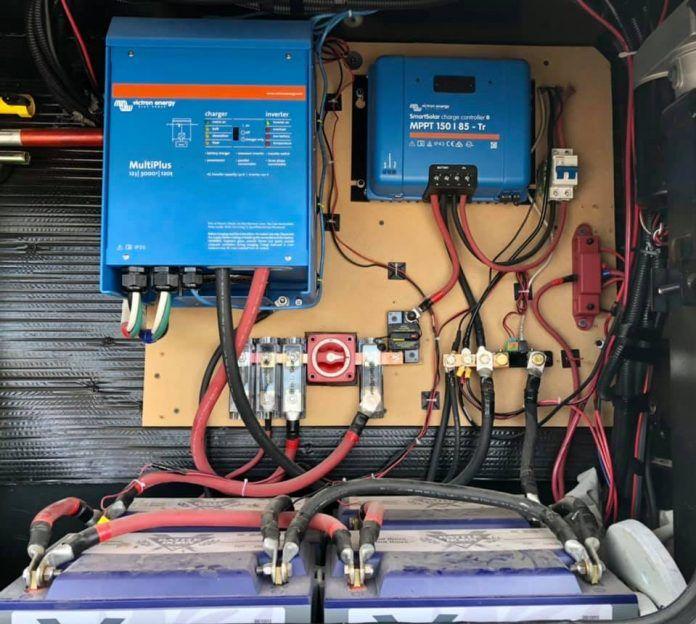
The inverter is the component that lets battery power run household-style devices. It converts DC battery power into AC power for equipment that cannot plug directly into the RV's 12-volt system.
Benefits
- Runs selected AC appliances away from hookups.
- Creates more flexibility while boondocking.
Limitations
- Consumes battery energy during conversion.
- Requires correct sizing and installation.
Choosing inverter size is a balance. A unit that is too small will trip often, while an oversized model can add unnecessary cost and weight.
RV Solar Wiring and Safety Components
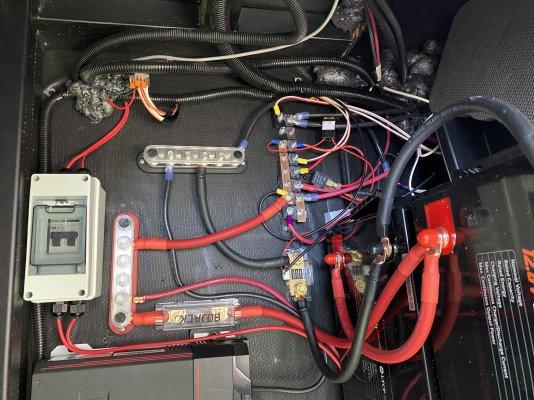
The wiring is where many solar projects succeed or fail. Correct wire sizing, fuses, and connections protect the equipment and reduce problems caused by voltage drop or overheating.
Safety note
Electrical mistakes can create fire risks. If DC wiring, fusing, or battery connections are outside your experience, have that portion reviewed by a qualified professional.
Monitoring and Optimizing RV Solar Performance
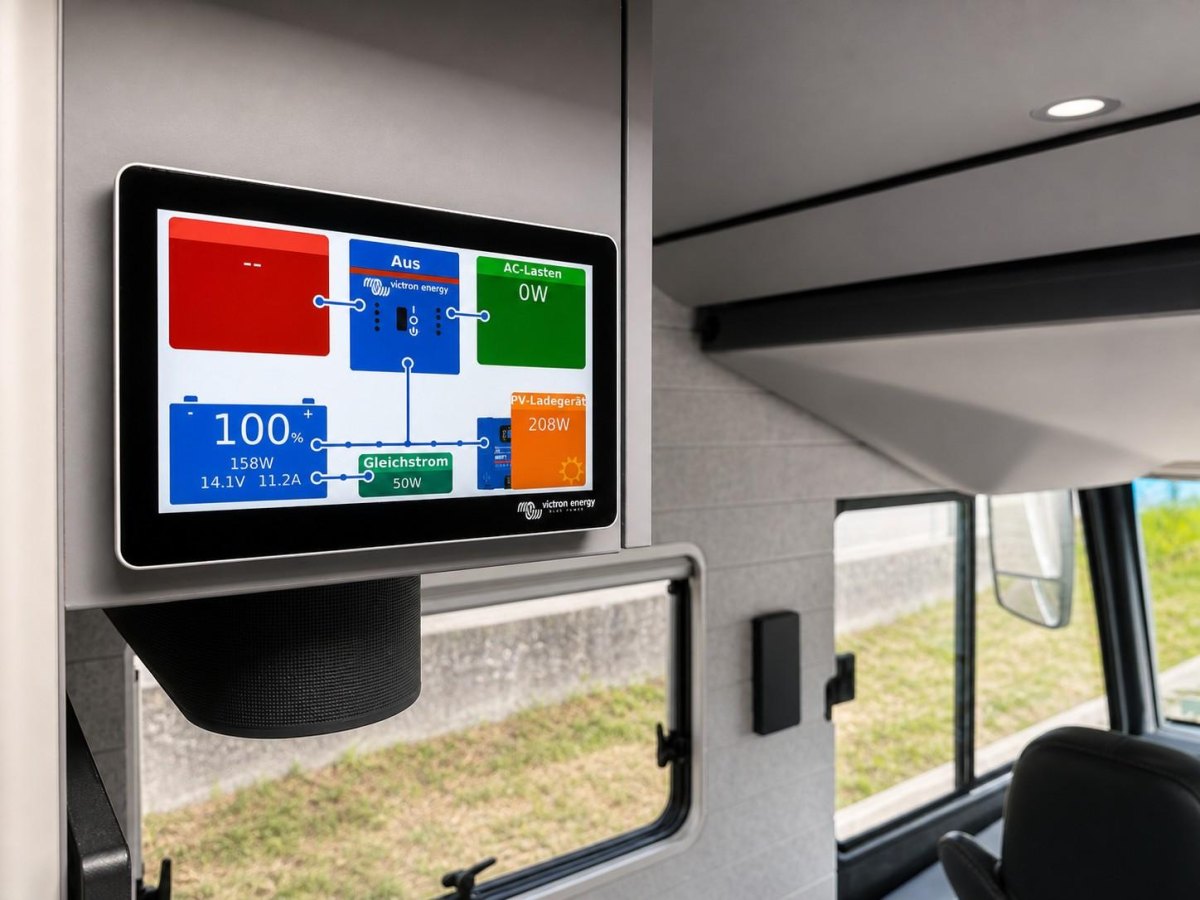
A solar system is easier to maintain when you can see what it is doing. Monitoring tools show battery levels, charging activity, and energy consumption so adjustments are based on real usage data.
1 system view
Panels, batteries, and loads should be monitored together for better decisions.
Small habits improve performance: park for better sun exposure, keep panels clean, and review your energy needs after trips. The best RV solar upgrade is one sized around the way you actually camp.
More Pinterest Visuals