

Planning your first RV trip gets easier when the packing list is built around how you actually use the rig. I focus on useful essentials instead of filling every cabinet with gear that rarely leaves its box.
This beginner RV packing list covers documents, daily living supplies, safety equipment, and campsite basics so you can leave prepared without carrying unnecessary weight.
Essential Documents and Travel Papers
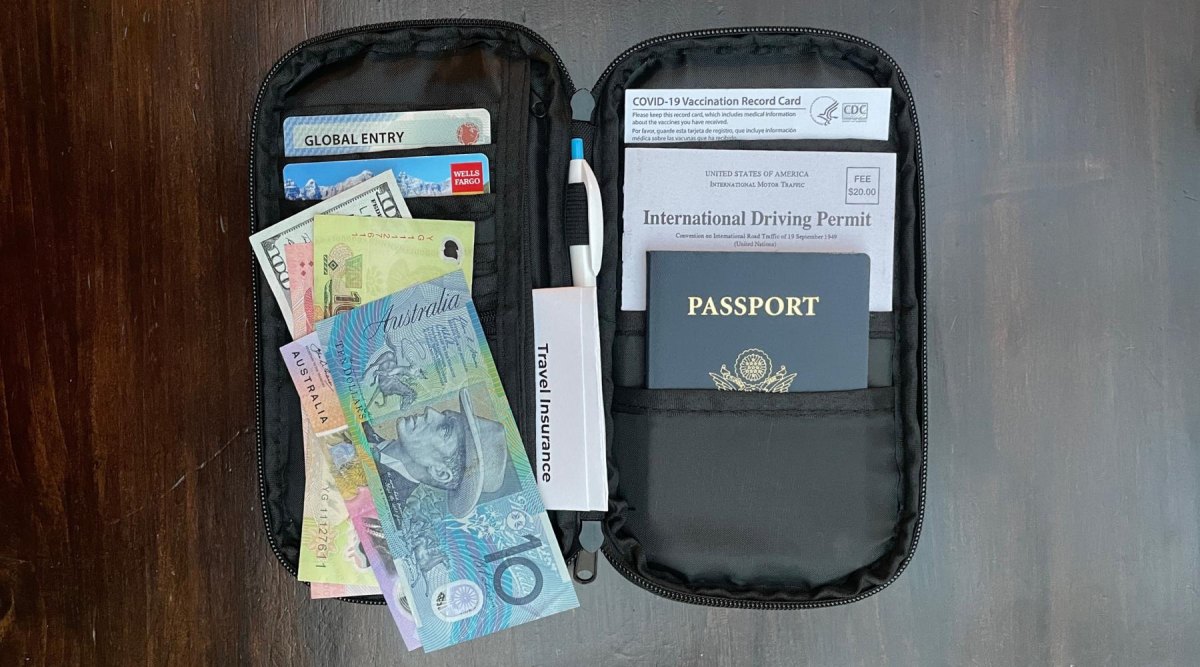
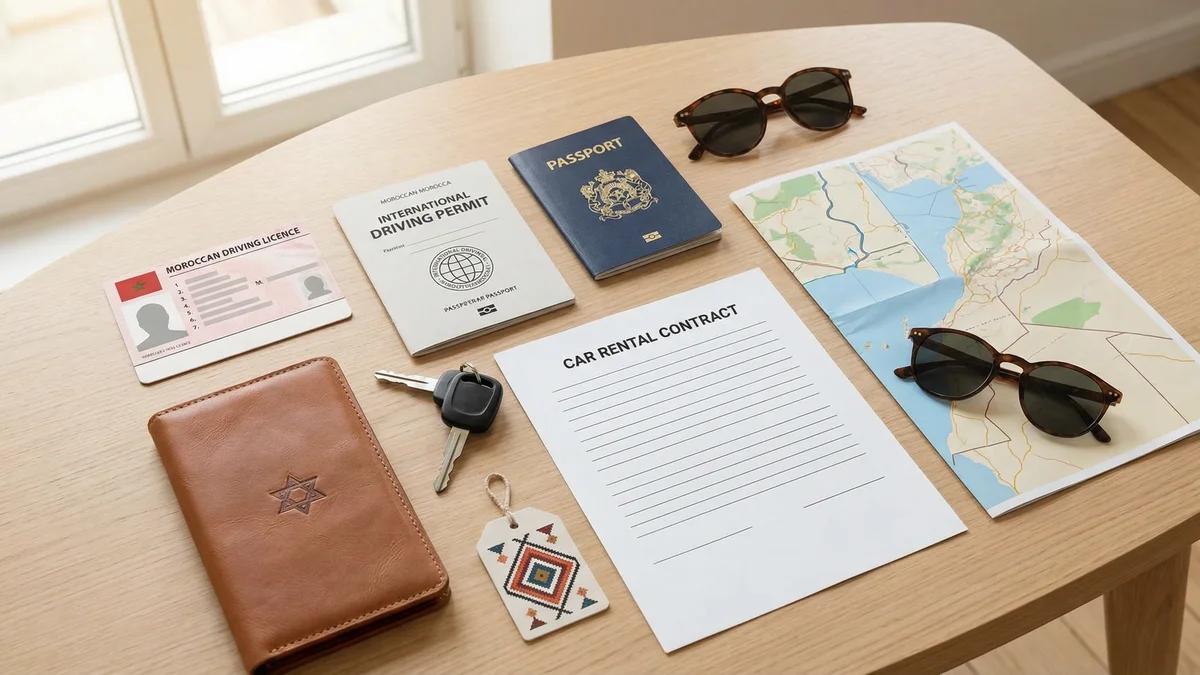
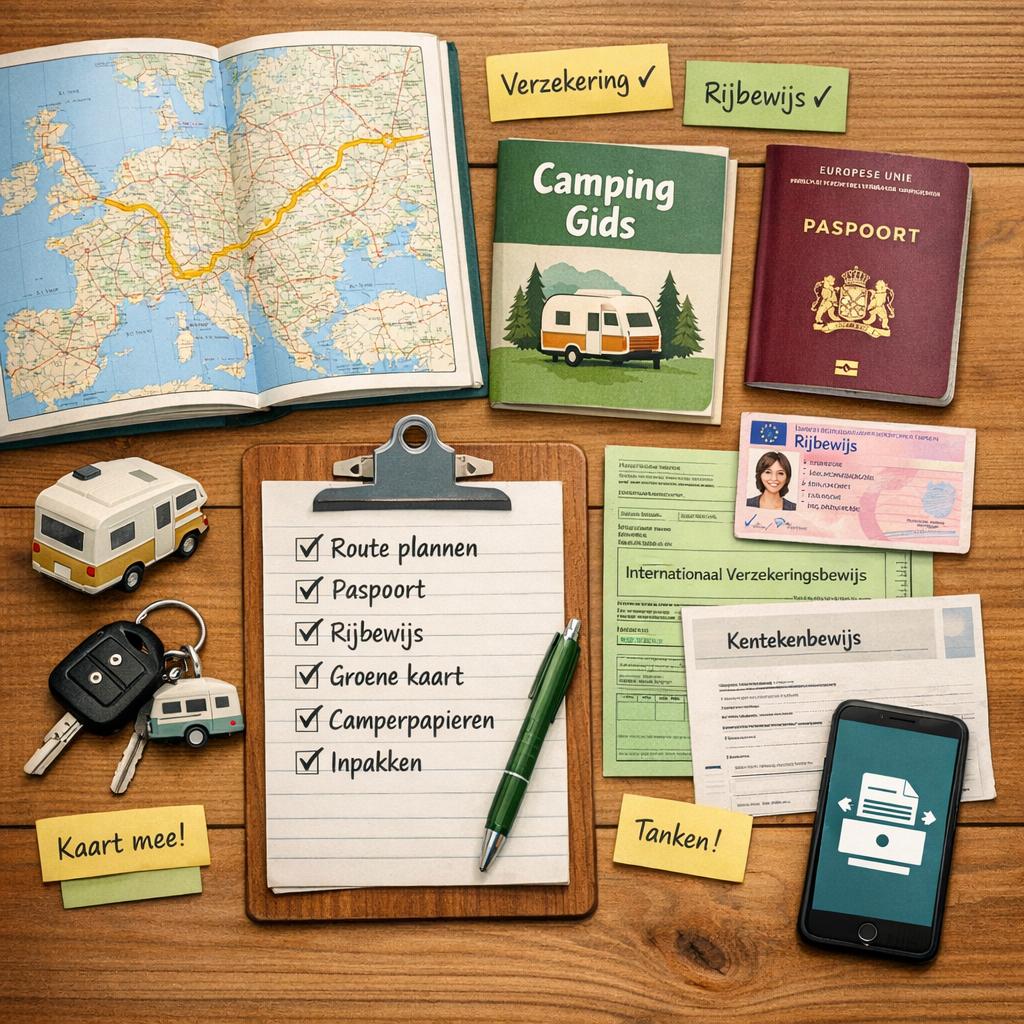
Start with the paperwork that can stop a trip if it is missing. Pack registration, insurance details, campground reservations, roadside assistance information, and emergency contacts in one easy-access document folder.
- RV registration and insurance
- Driver licenses and identification
- Reservation confirmations
Clothing and Weather-Ready Layers
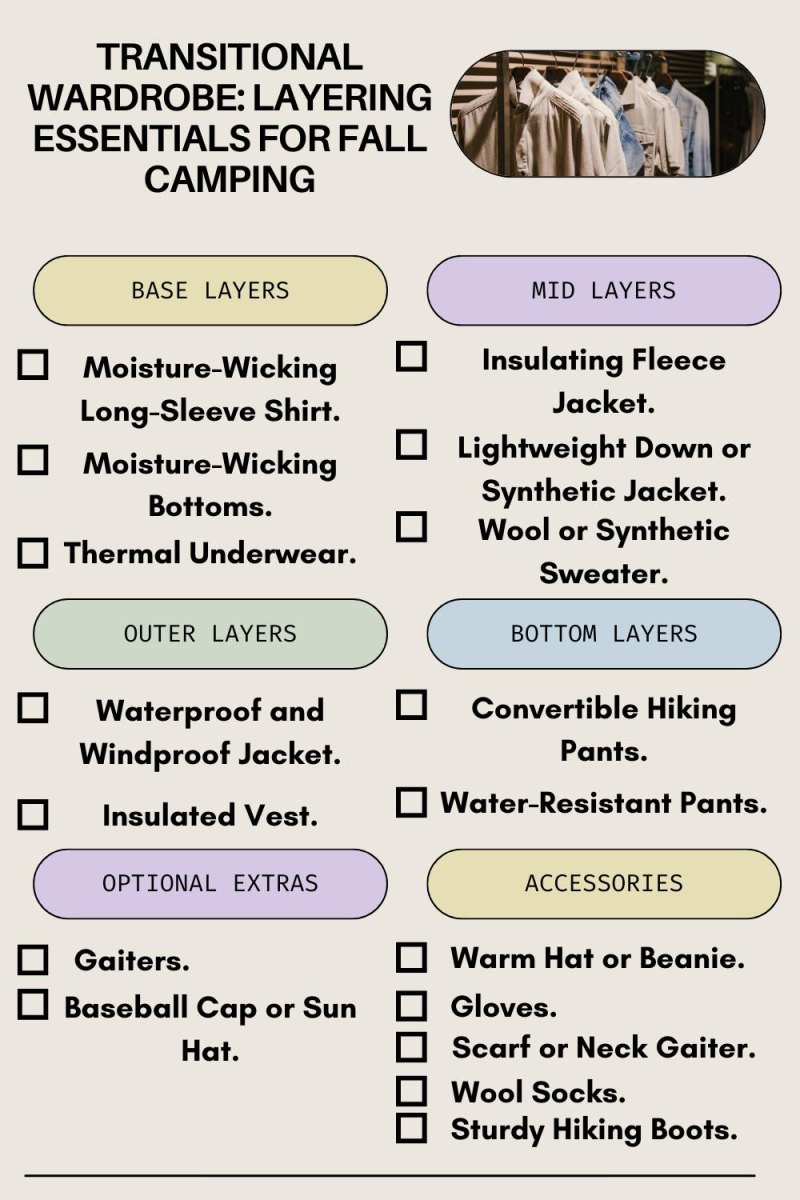
Weather changes quickly on the road, so I recommend packing layered clothing instead of bulky outfits. A light jacket, rain shell, warm layer, and comfortable walking shoes cover most beginner trips.
Choose fabrics that dry quickly and remember that storage space is limited.
Kitchen Supplies and Cooking Gear
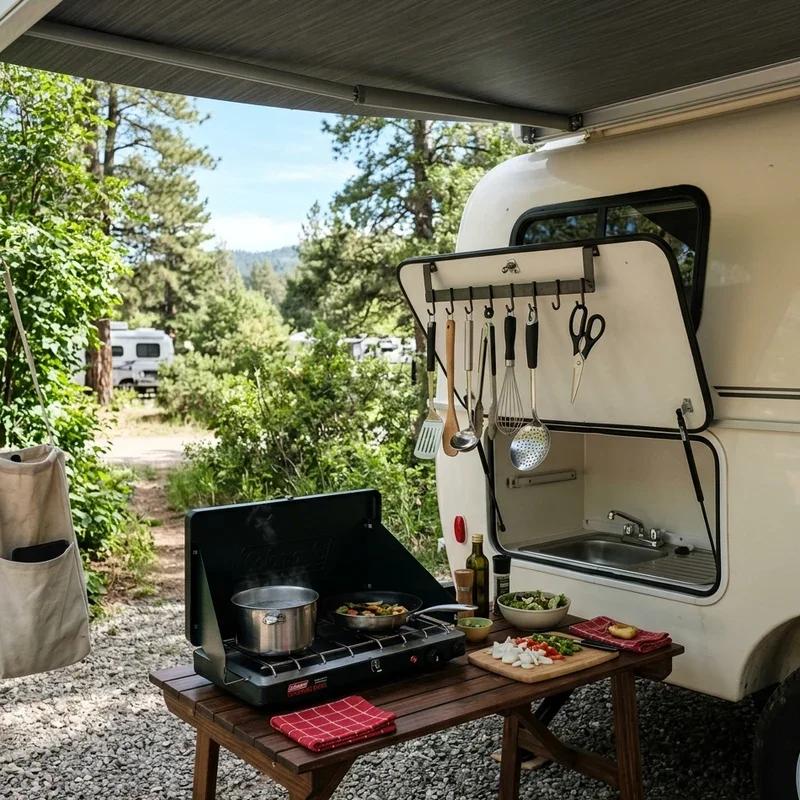
An RV kitchen works best with fewer, better tools. Pack multi-use cookware, a sharp knife, cutting board, utensils, and storage containers that fit your cabinets.
- Cooking: Pan, pot, stove-safe tools, and measuring items
- Serving: Plates, cups, and reusable utensils
Food Storage and Pantry Basics
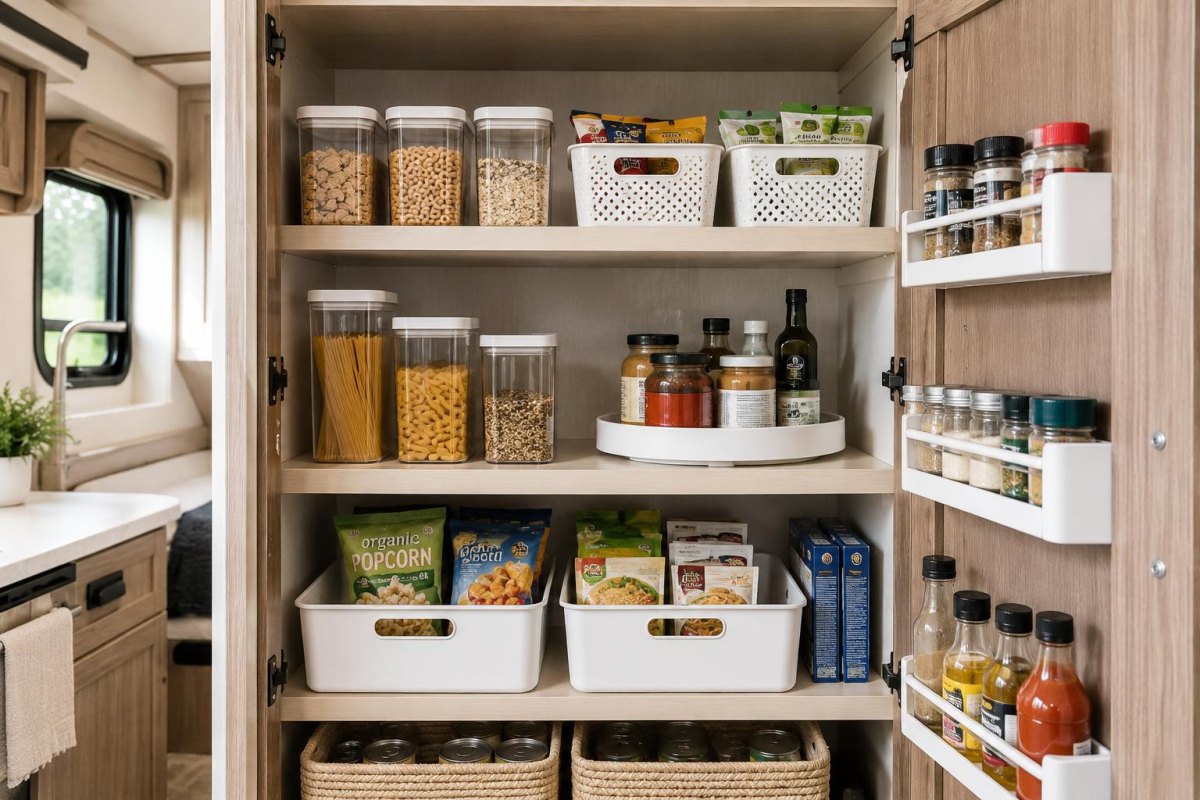
A beginner pantry should be simple. I pack stable everyday foods first, then add trip-specific ingredients after knowing the route and available shopping stops.
- Dry goods in sealed containers
- Snacks for travel days
- Basic spices and cooking oils
Bedding and Sleeping Comfort Items

Sleep quality matters on the road. Bring bedding that fits the mattress, extra blankets for temperature swings, and comfortable sleep essentials you can use every night.
A small mattress topper can make an uncomfortable factory mattress much more practical.
Bathroom and Personal Hygiene Supplies
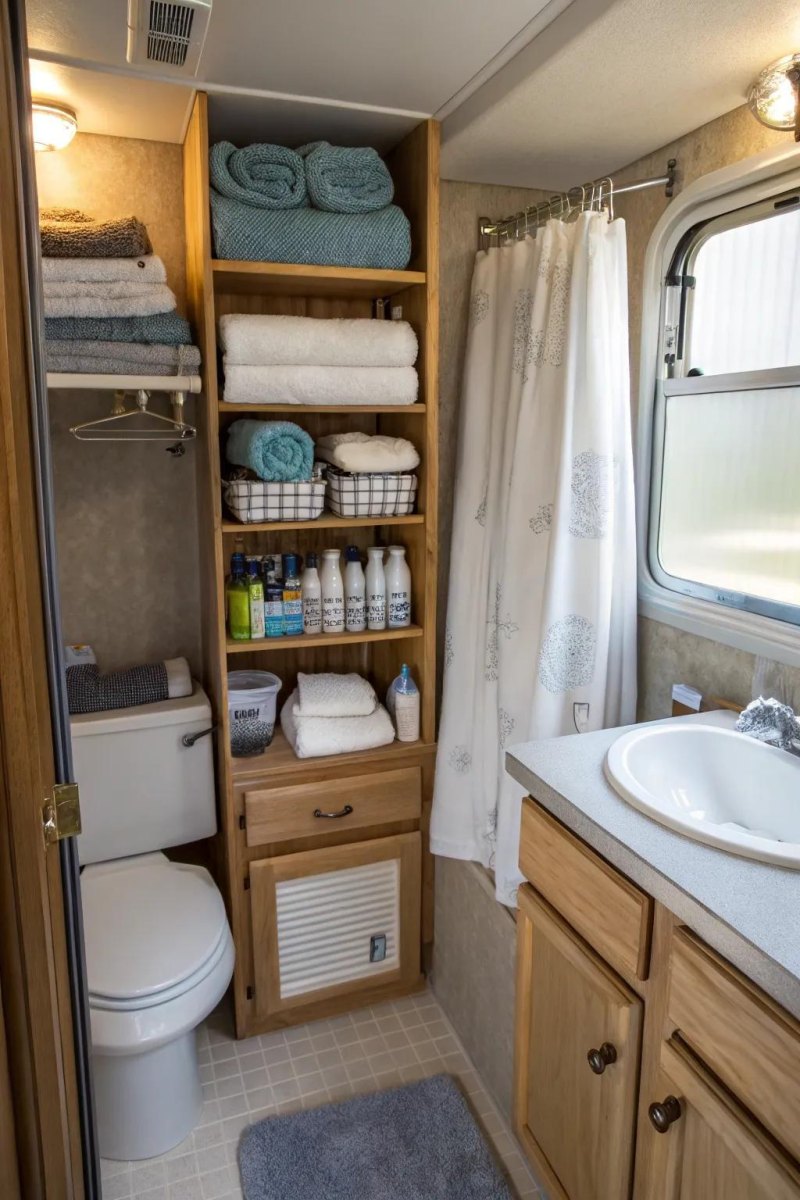
RV bathrooms reward organization. Pack toiletries in containers that stay secure while driving and include quick-access hygiene items for travel stops.
- Towels and toiletries
- Toilet paper suitable for RV systems
- Personal medications
Cleaning Supplies for RV Maintenance
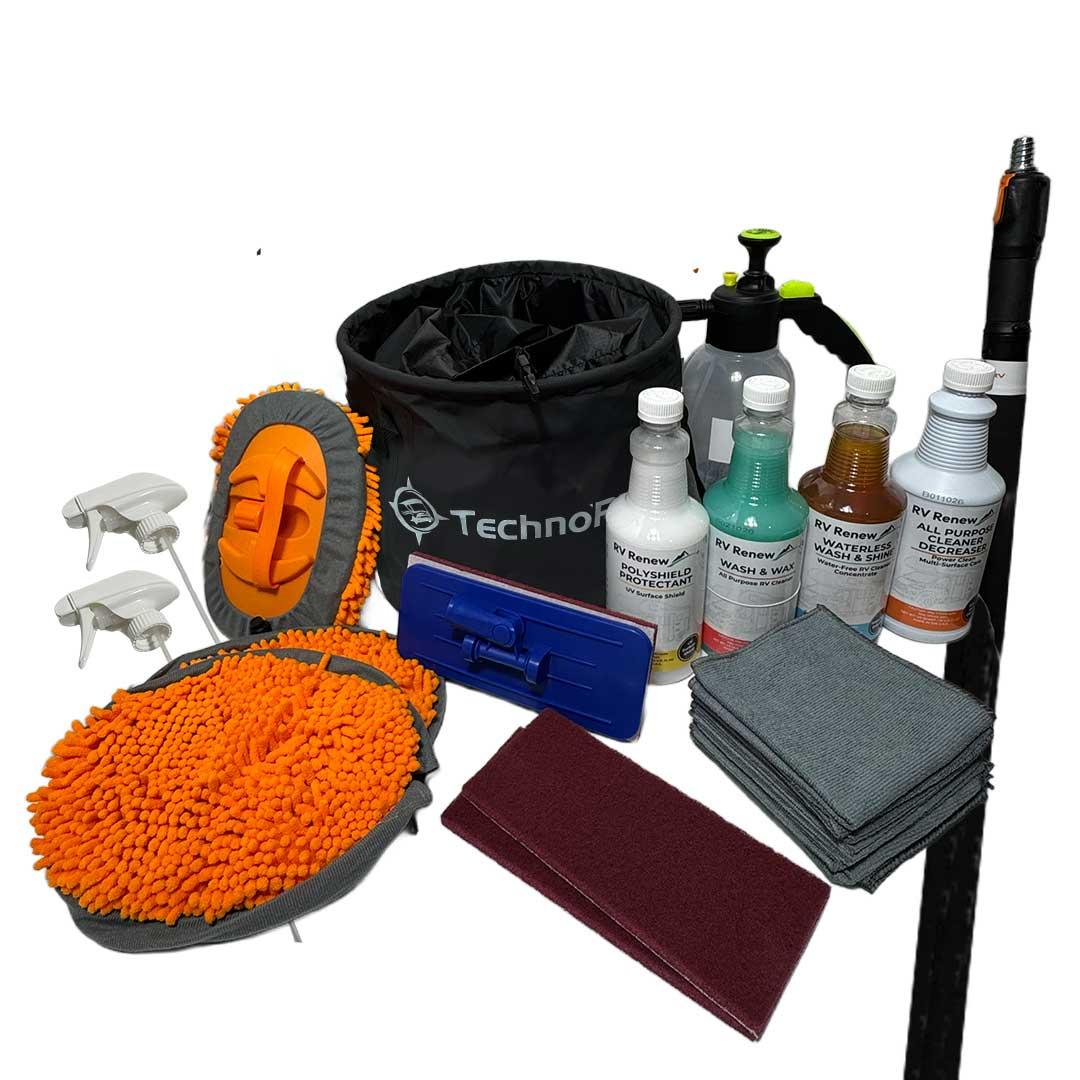
A small cleaning kit prevents small messes from becoming problems. Keep basic RV cleaning supplies ready for floors, counters, spills, and outdoor dirt.
Packing tip
Choose compact supplies because storage space disappears quickly.
First Aid Kit and Health Essentials
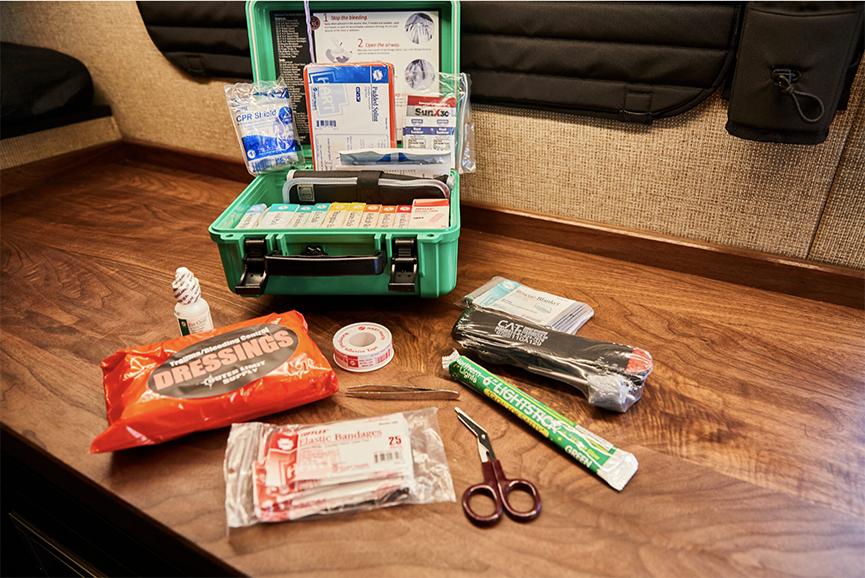
A first aid kit belongs in every RV. Include bandages, basic medications, allergy supplies, and any personal prescriptions in a clearly marked medical kit.
Remote camping can mean longer drives to services, so preparation matters.
Tools and Repair Equipment
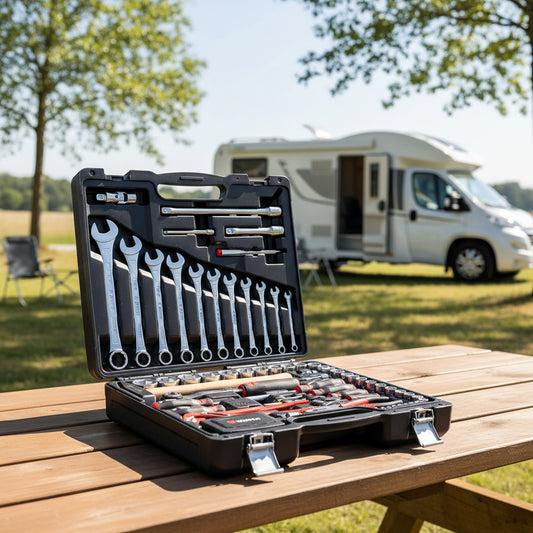
Beginner RVers do not need a full workshop. Carry tools for simple fixes and inspections, but leave propane systems, brakes, and structural repairs to qualified professionals.
Safety note
Never exceed equipment limits when repairing or modifying your RV.
Electrical Gear and Power Accessories
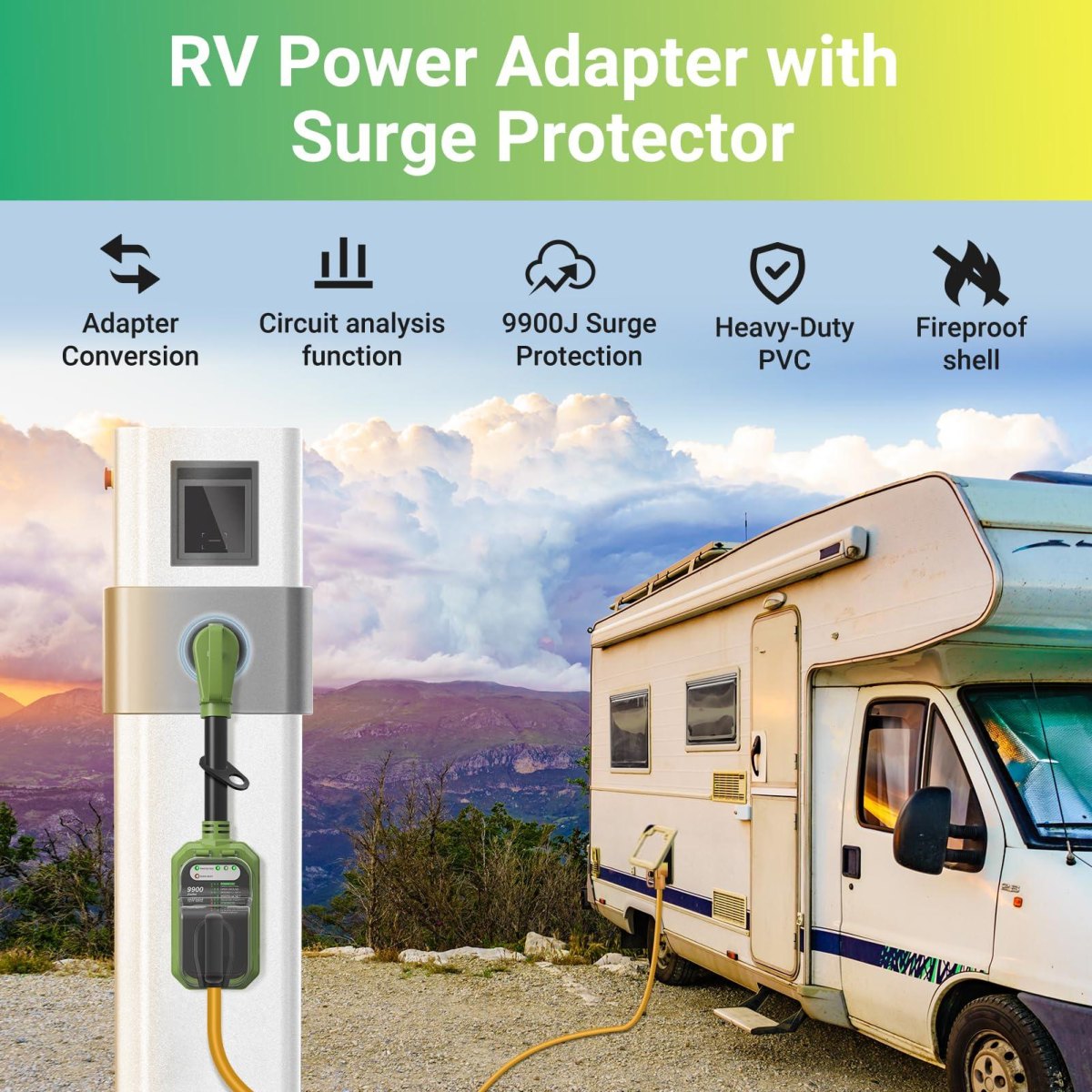
Electrical supplies should match your RV and campsite setup. Pack proper adapters and cords, plus surge protection if recommended for your equipment.
Always check your RV ratings before adding more electrical loads.
Water and Freshwater Supplies
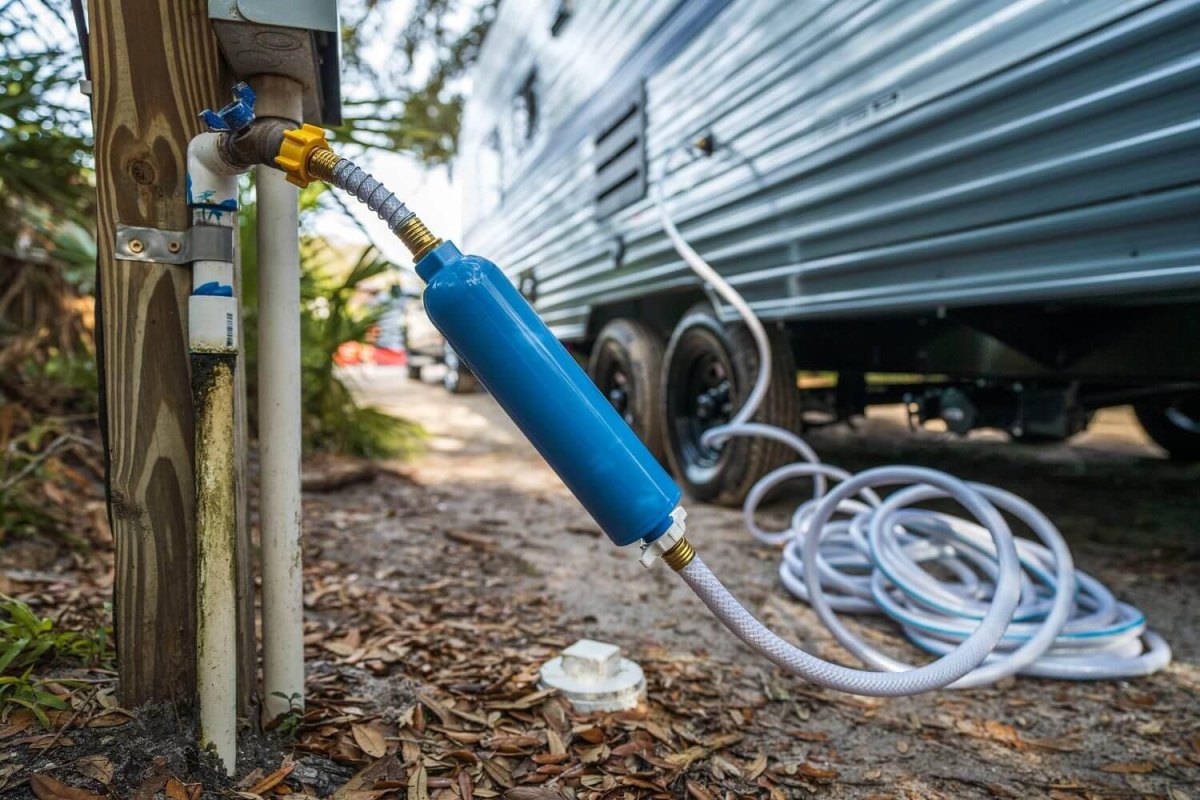
Water planning becomes important quickly. Carry a drinking-water-safe hose, filter if needed, and containers that support your freshwater routine.
On public lands, always check local rules and available facilities before arriving.
Outdoor Camping Equipment
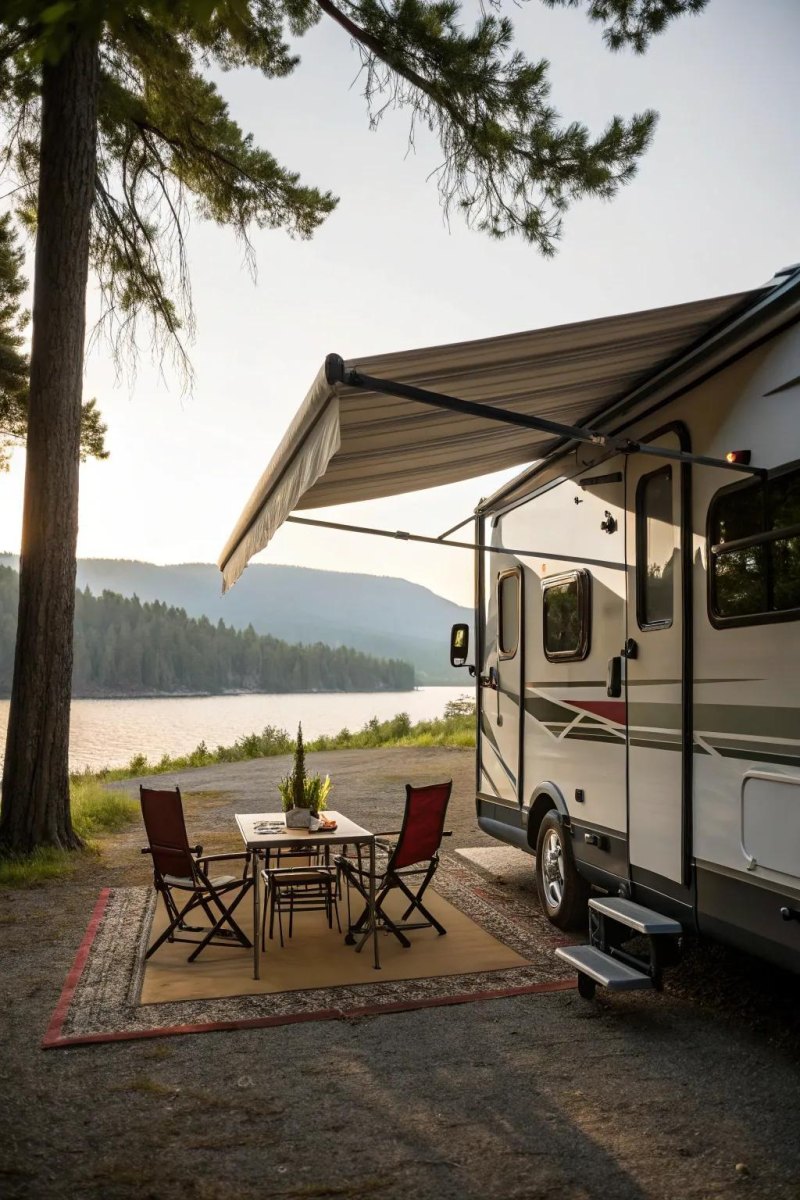
Outdoor items make an RV stop feel like home. Chairs, a small table, outdoor lighting, and weather protection are high-value campsite items.
For dispersed camping, use existing sites and follow land rules to reduce impact.
Safety and Emergency Equipment
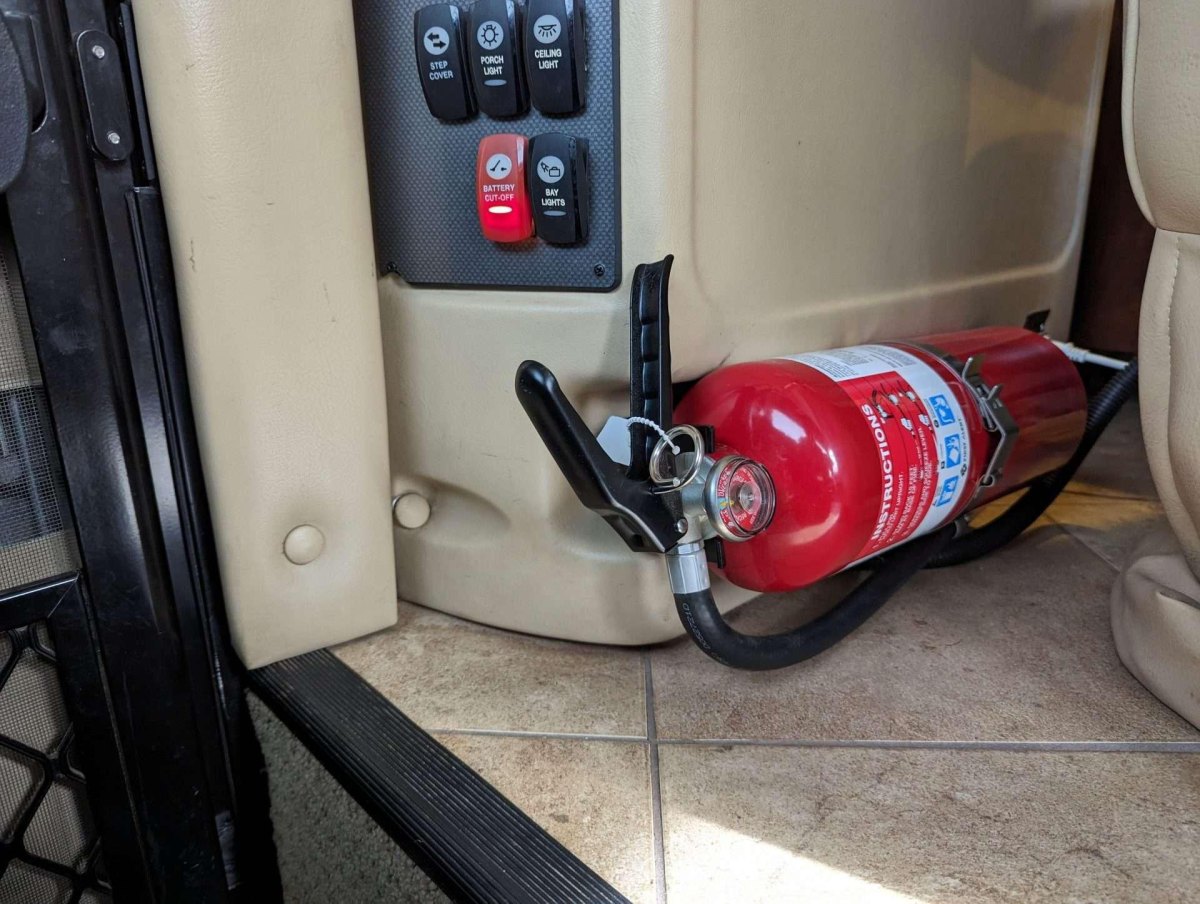
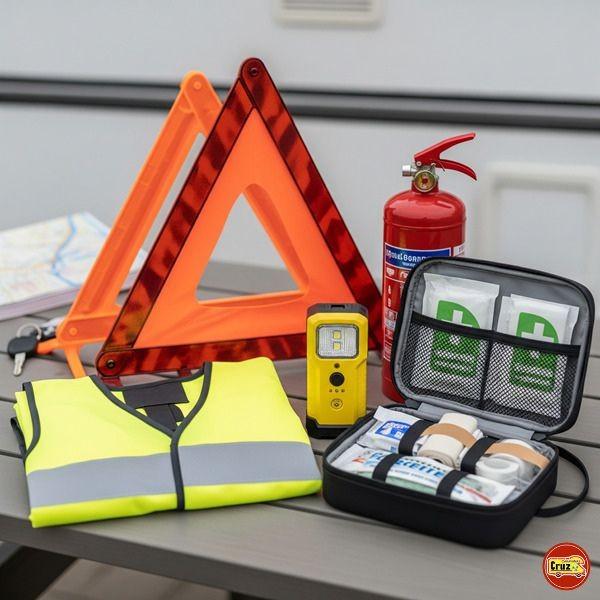
Safety gear is not optional packing. Carry fire extinguishers, detectors, emergency lighting, and roadside safety equipment.
Generators and engines should never run near windows, vents, or intakes because of carbon monoxide risk.
Navigation and Communication Devices
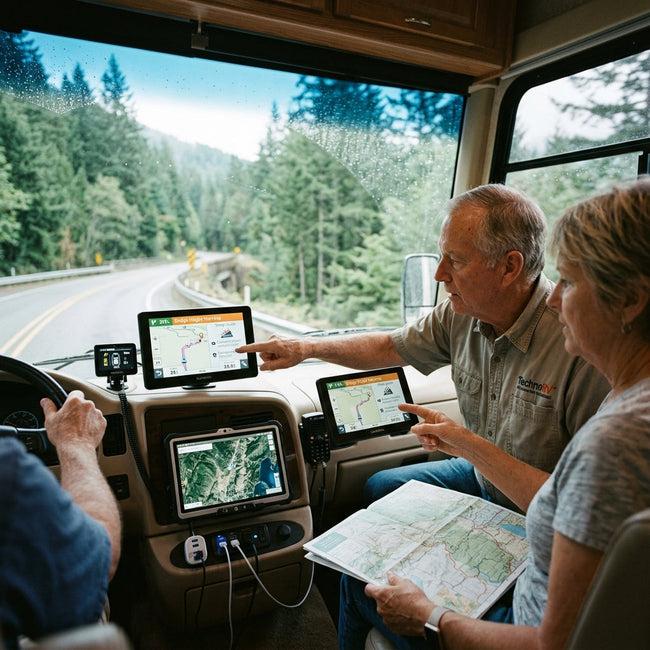
Cell service is not guaranteed everywhere. Pack maps, charging cables, and backup navigation options before heading into remote areas.
Route planning should include road conditions, RV size limits, and fuel stops.
Entertainment and Comfort Items
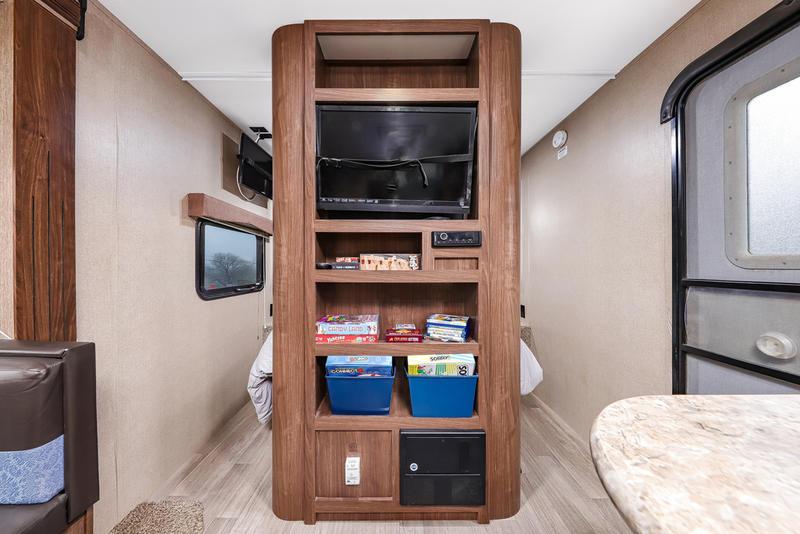
Quiet evenings are part of RV travel. Books, games, headphones, and hobbies provide low-space entertainment without adding much weight.
Pack what you will actually use rather than filling storage compartments.
Pet Supplies for RV Adventures
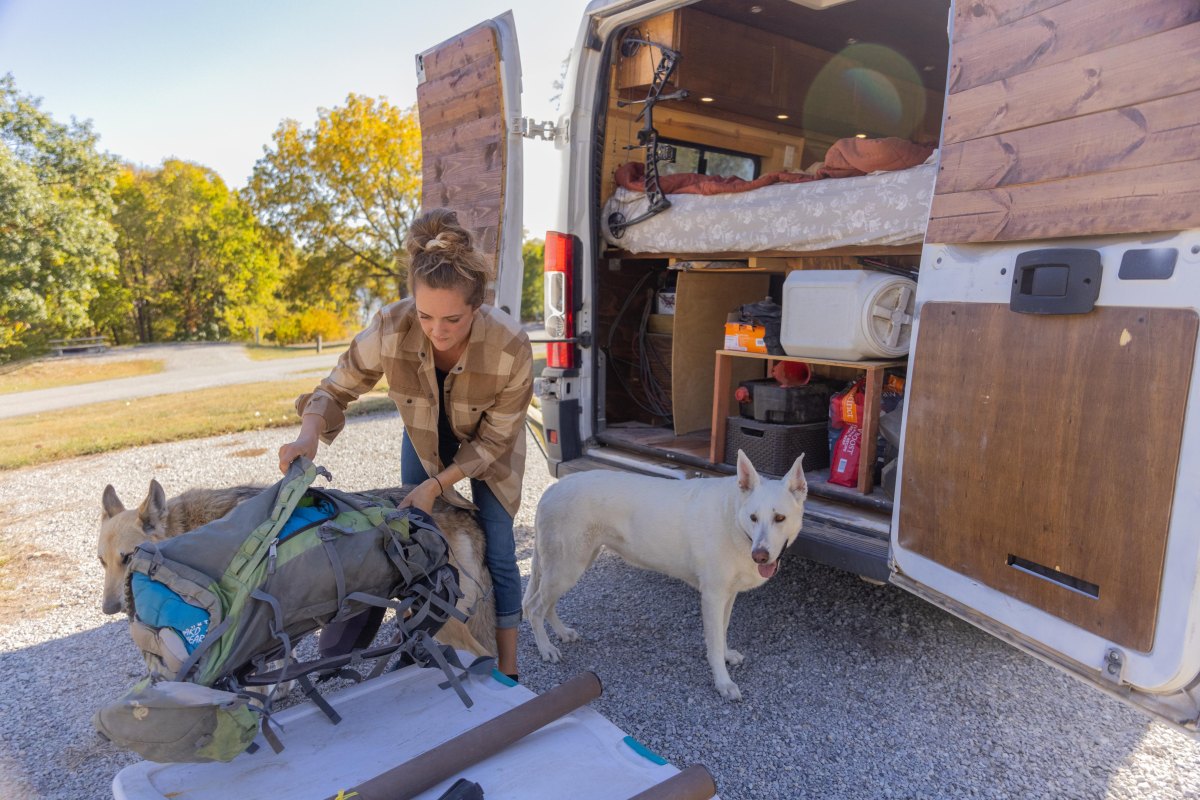
Traveling with pets requires planning. Pack food, medications, leashes, waste bags, and pet safety supplies before leaving home.
Never assume an RV stays safe in heat without reliable temperature control and a backup plan.
Beginner RV Packing Checklist Essentials
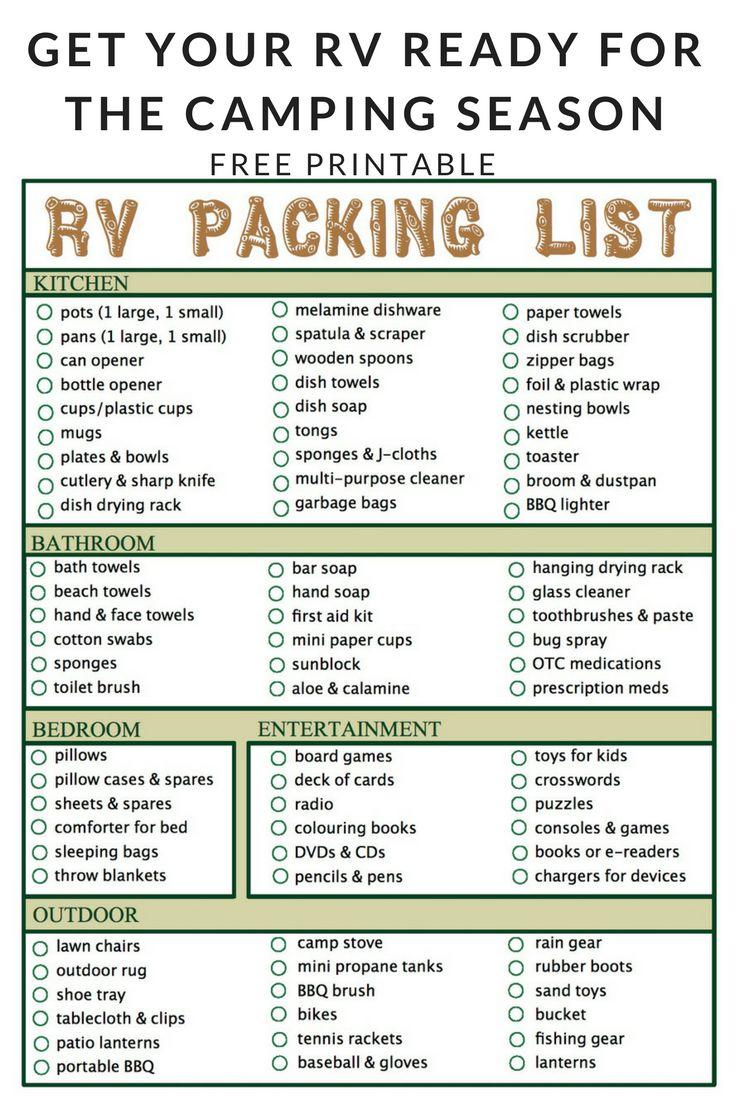
The best RV packing list is the one you adjust after each trip. Start with core necessities, test your setup close to home, and add items based on real needs.
| Category | Priority |
|---|---|
| Safety gear | Pack first |
| Daily supplies | Pack based on trip length |
Remember that weight matters. Stay within your RV's ratings and check manufacturer labels before loading more gear.
More Pinterest Visuals



 RV Maintenance & Care17 Essential RV Winter Storage Tips to Prevent Cold-Weather Damage
 RV Pet Travel11 RV Cat Tree Ideas That Make Small Spaces More Cat-Friendly
 Camping Gear & Planning15 RV Must-Haves for Beginners to Camp Safely and Comfortably
 Camping Recipes18 Easy RV Camping Snacks Ideas for Road Trips and Campfire Nights