Boondocking gives you quiet campsites, fewer reservations, and a lot more independence, but the learning curve is real. The mistakes that cause the most trouble are usually small planning failures that become bigger problems once you are miles from services. I have found that a simple checklist before leaving saves far more stress than fixing issues after arriving.
This guide covers the beginner mistakes I see most often, along with the practical fixes that make remote camping easier, safer, and more enjoyable.
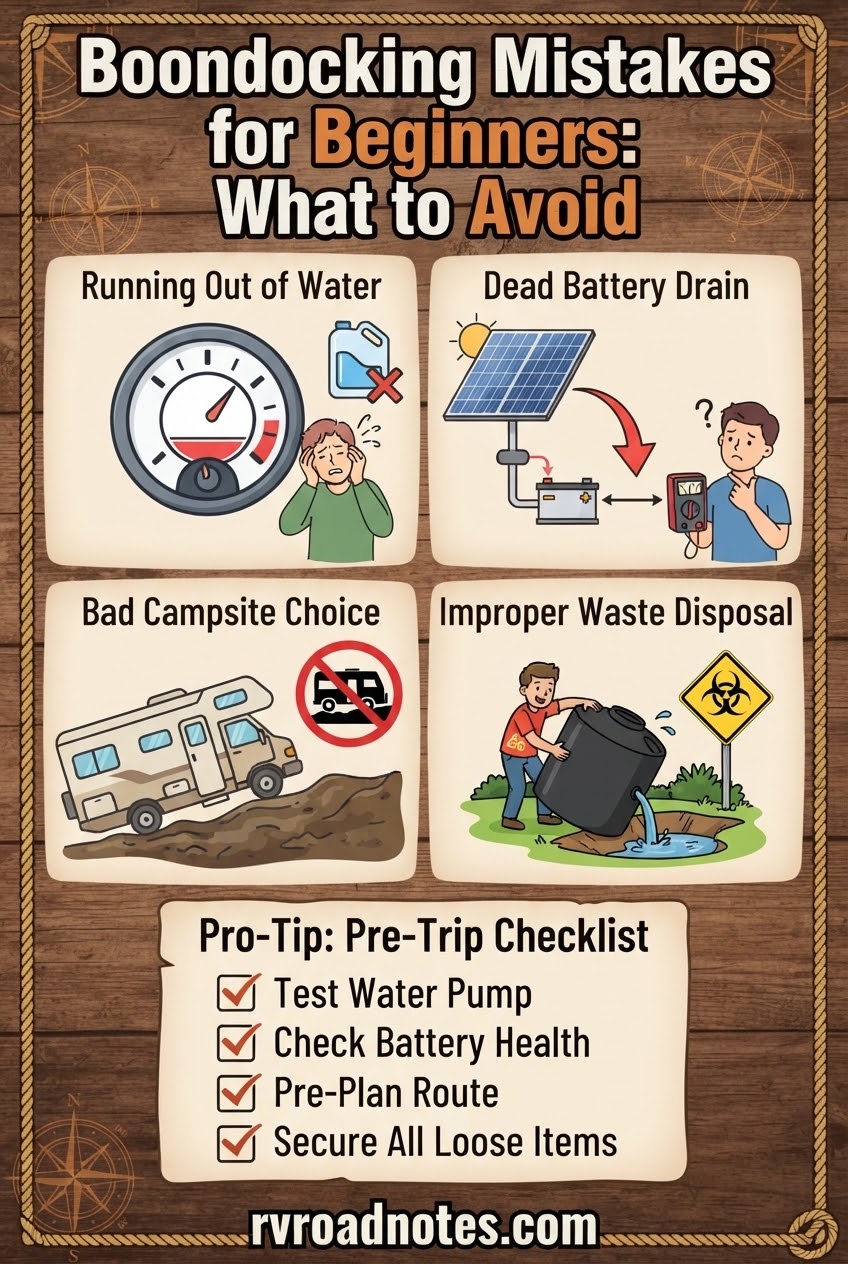
Choosing a Boondocking Spot Without Researching the Area
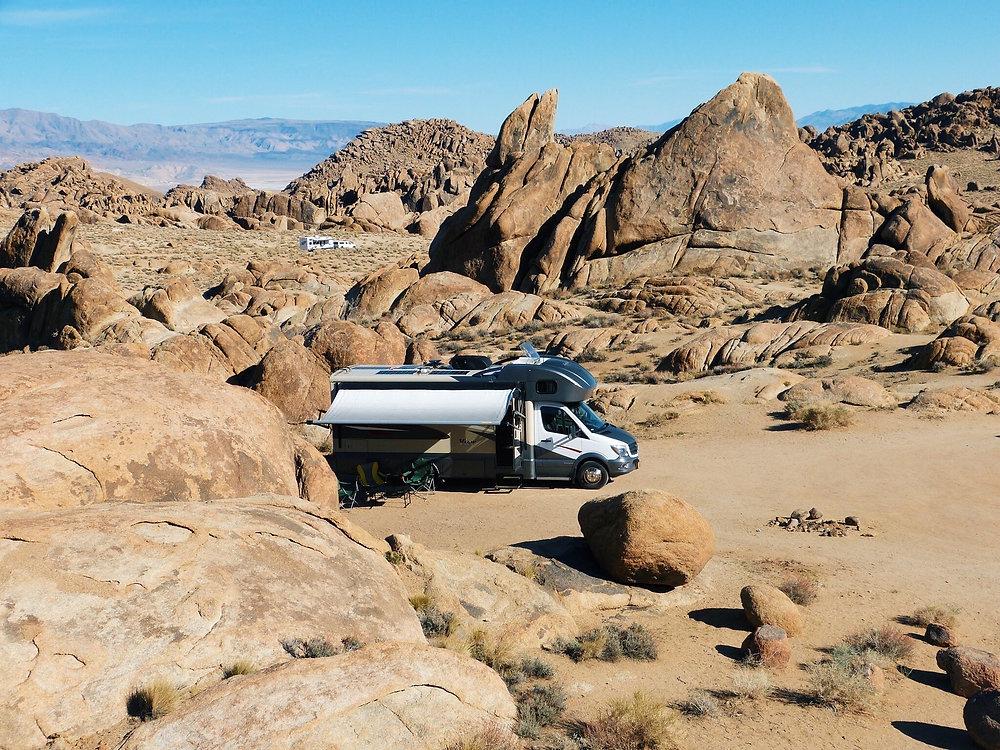
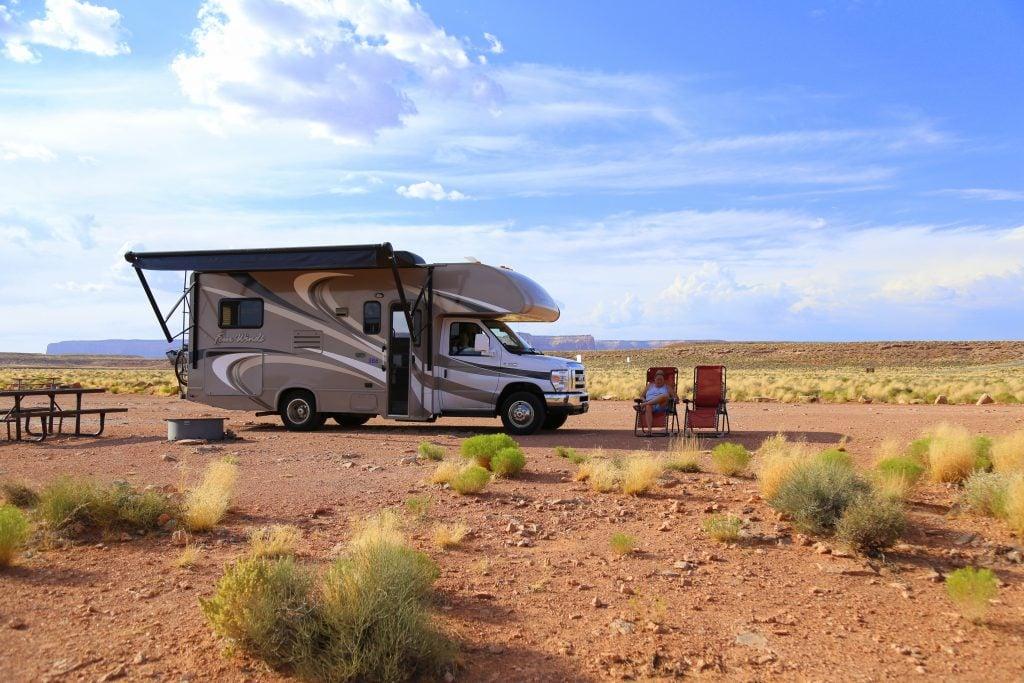
The first mistake many new boondockers make is treating every empty piece of land as a possible campsite. Remote does not always mean legal, accessible, or suitable for your RV.
Before heading out, check the land manager, road conditions, seasonal closures, fire restrictions, and stay limits. On many BLM-managed lands, dispersed camping is allowed in many areas, but restrictions vary by location and visitors need to follow local field office rules. Many areas use a 14-day camping limit within a 28-day period, although exact rules can differ.
Quick spot-check before arrival:- Confirm the land is open for camping.
- Read recent road condition reports.
- Check whether your RV length can handle the access road.
- Look for existing durable campsites instead of creating new ones.
A beautiful view is not worth a damaged suspension, a stuck vehicle, or an unwanted visit from a ranger because the area has restrictions you missed.
Arriving Too Late and Setting Up in the Dark
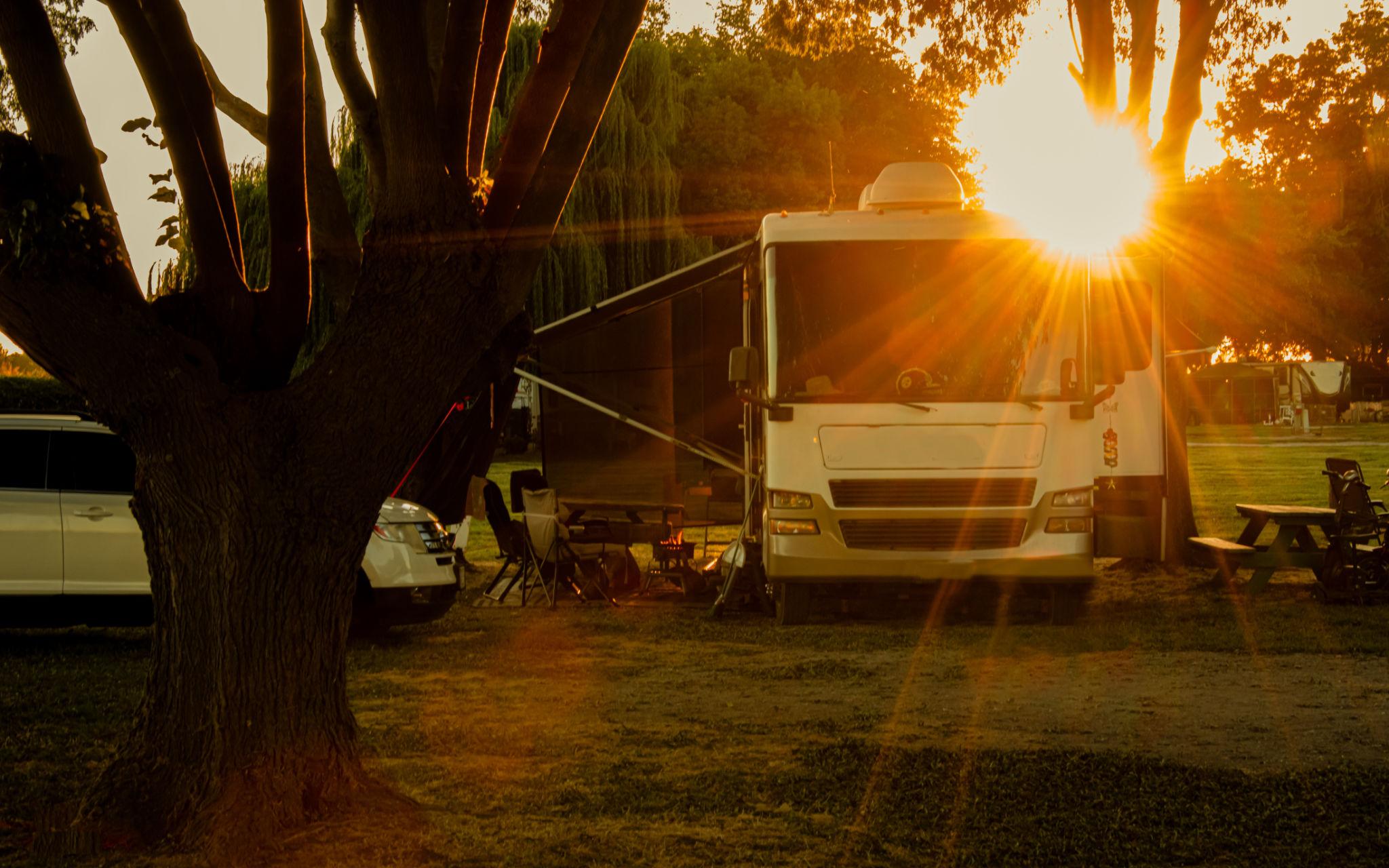
Arriving after sunset is one of the easiest beginner mistakes to prevent. A campsite that looks simple on a map can have deep ruts, low branches, soft sand, or a difficult turnaround once you are actually there.
I aim to arrive with enough daylight to inspect the site, choose a parking position, and notice hazards before they become problems.
- Walk the area before driving into the site.
- Check ground firmness and clearance.
- Position the RV before fatigue sets in.
- Set up essential systems before losing natural light.
Underestimating Water Needs While Off Grid
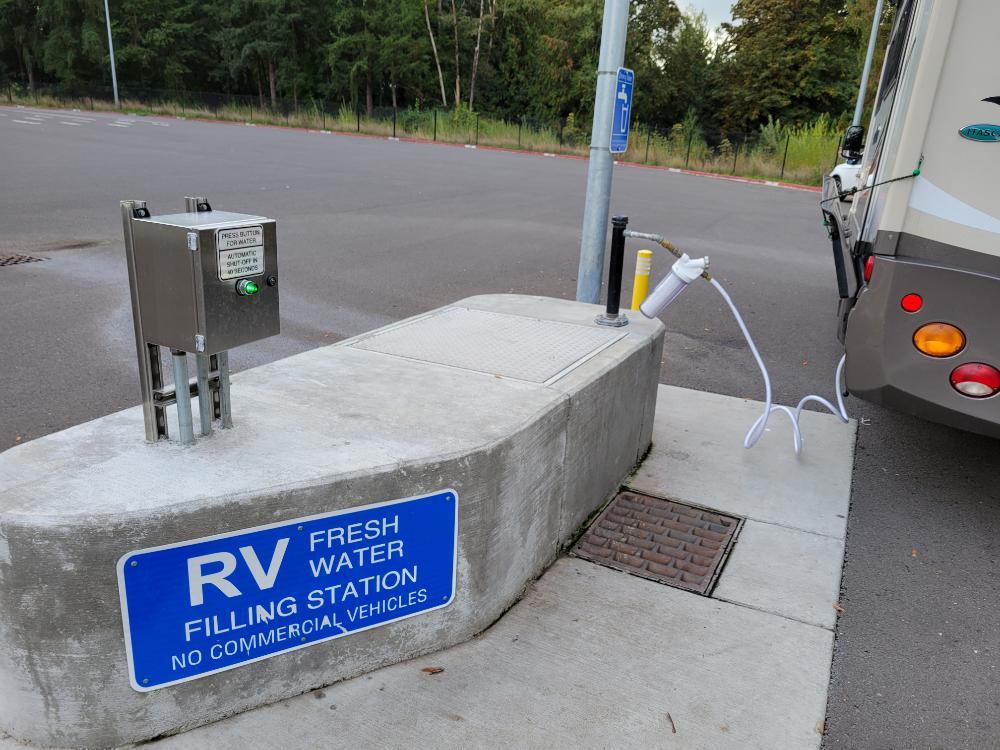
Water planning is where many first boondocking trips become uncomfortable. New campers often think about drinking water but forget cooking, washing dishes, cleaning, and basic hygiene.
A useful starting point is tracking your actual consumption during shorter trips before committing to longer stays. Different RV types also change the calculation: a camper van, travel trailer, fifth wheel, and motorhome may have very different tank capacities and usage patterns.
Simple water checklist:- Fill fresh water before leaving when a safe potable source is available.
- Carry backup drinking water.
- Plan where you can legally refill.
- Know your grey tank capacity before extending a stay.
Do not stretch water plans by ignoring sanitation. Conserving water should mean using it wisely, not skipping basic health needs.
Draining Batteries by Mismanaging Power Usage
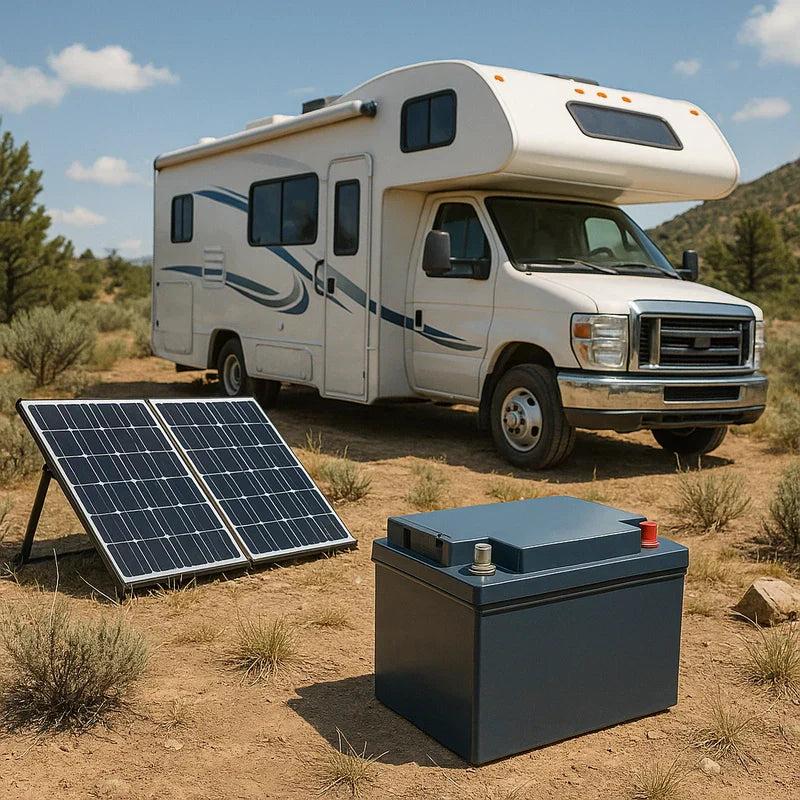
Power mistakes are another common reason beginners cut trips short. Off-grid electricity requires knowing what uses energy and when those loads matter most.
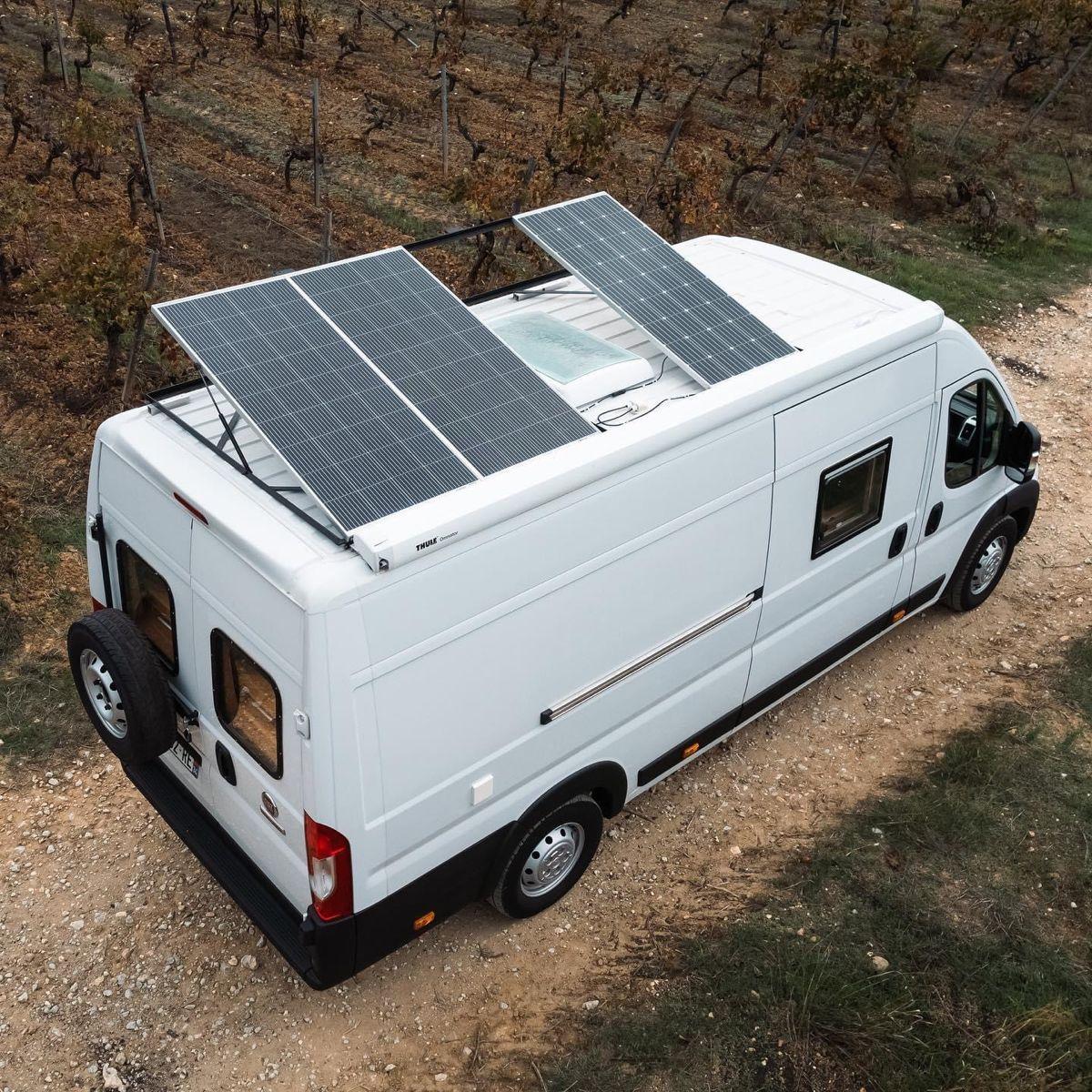
High impact loadsLower impact choicesElectric heaters, air conditioners, large appliancesLED lights, efficient charging habitsLeaving devices plugged in constantlyUsing power only when neededSolar helps replace energy, but it does not create unlimited power during cloudy weather, shade, or short winter days. Battery capacity, solar production, and daily habits all work together.
Never run a generator or engine near windows, vents, or air intakes. Carbon monoxide can build up in dangerous concentrations even when conditions seem open.
Forgetting to Check Weather and Road Conditions
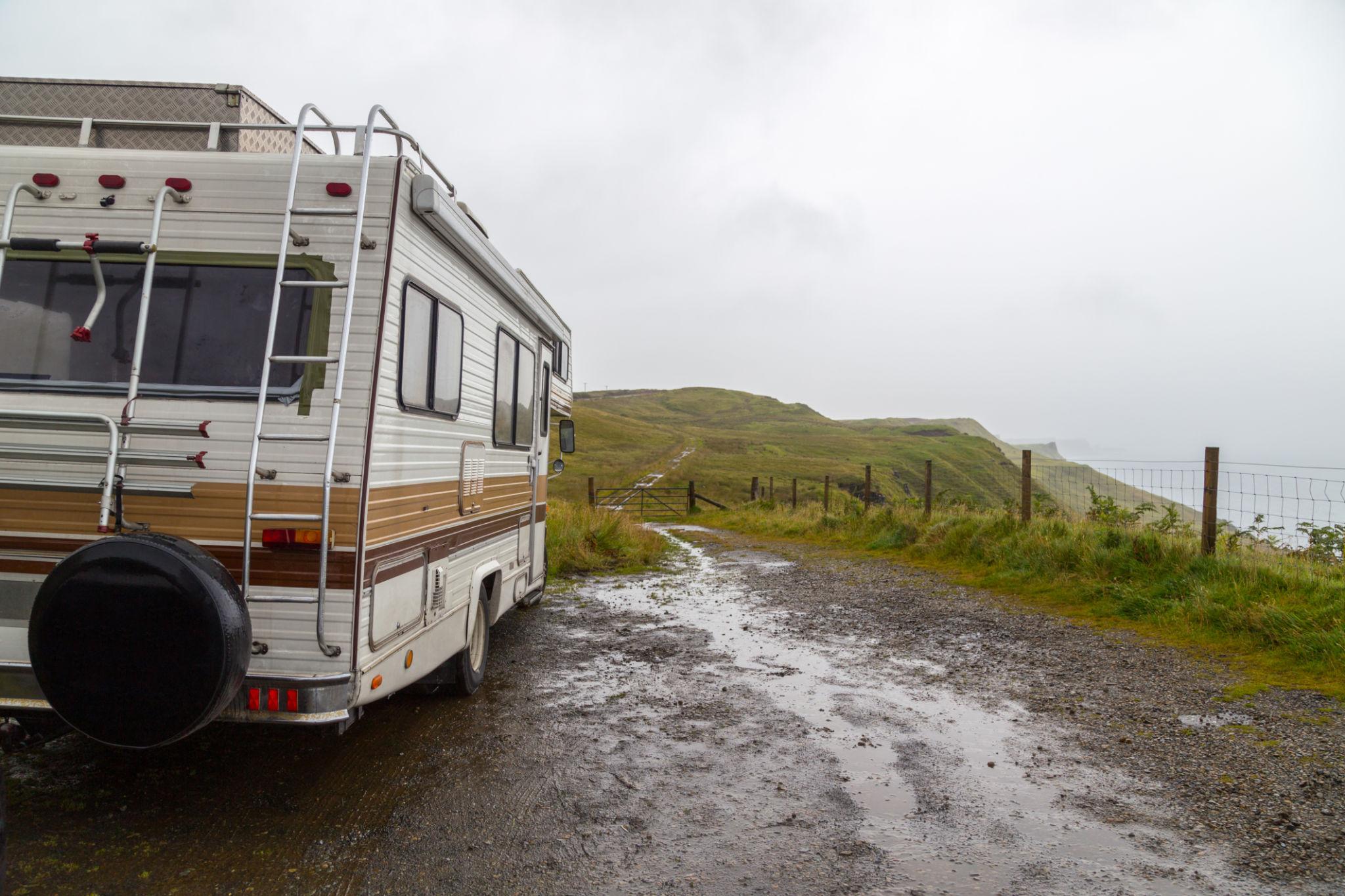
Weather changes quickly in many boondocking areas. A dry dirt road can become a mud problem, and a comfortable campsite can become unsafe with high winds, flooding, or extreme temperatures.
Checking the forecast is part of trip planning, not something to do after arriving. I look at both weather and the route because conditions at camp and conditions on the road can be completely different.
- Check temperatures overnight, not only daytime highs.
- Look for storm warnings and wind forecasts.
- Confirm road surfaces after recent weather.
- Know when to leave early.
The best campsite decision is sometimes leaving before conditions become difficult.
Bringing Too Much Gear Instead of the Right Gear
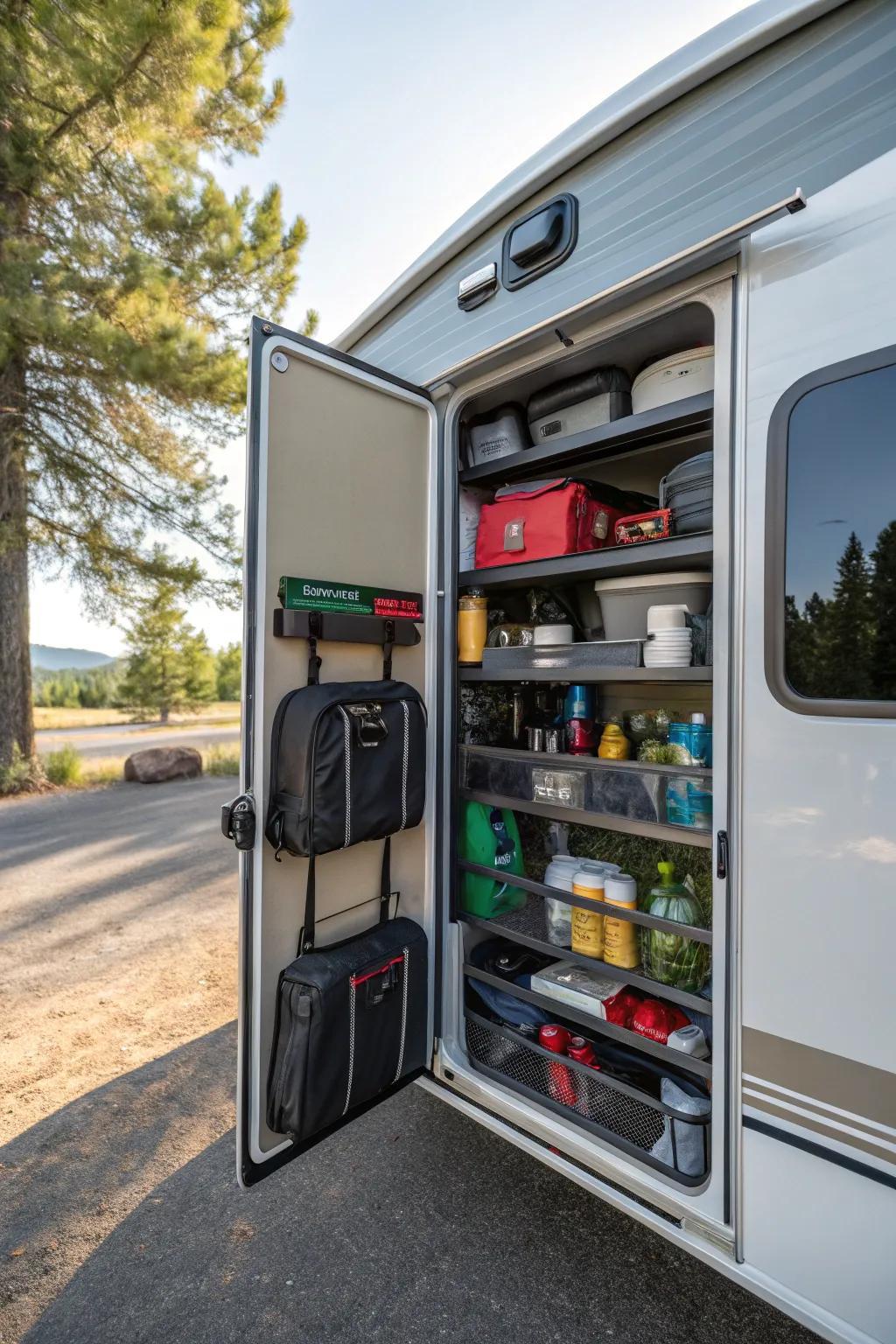
Beginners often respond to uncertainty by packing everything. The problem is that extra gear adds weight, clutter, and more items to maintain.
Useful boondocking equipment solves specific problems: water storage, lighting, recovery, navigation, repairs, and weather protection. A pile of gadgets rarely replaces good preparation.
Prioritize:- Reliable communication method.
- Basic tools appropriate for your RV.
- Weather-appropriate clothing.
- First-aid and emergency supplies.
For RV weight limits, remember that GVWR, payload ratings, towing limits, and tire ratings are hard limits. Check your vehicle information and use a certified scale when needed.
Ignoring Waste Management and Leave No Trace Rules
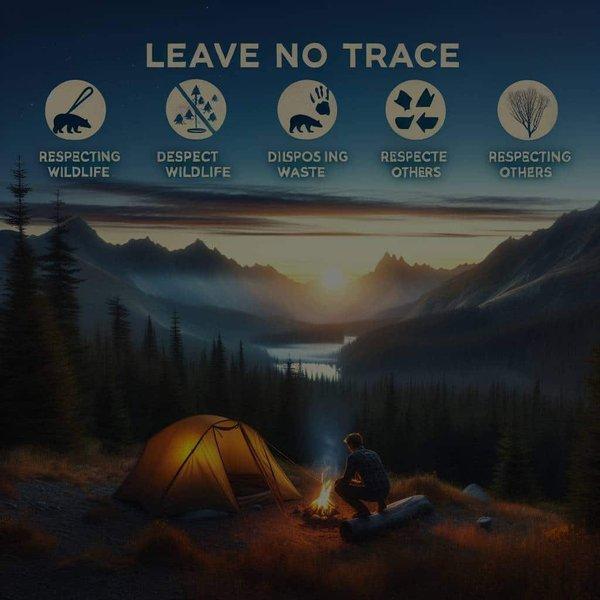
Nothing damages access to public lands faster than poor campsite habits. Trash, wastewater, and improper human waste disposal create problems for wildlife, other campers, and land managers.
Leave No Trace principles emphasize planning ahead, camping on durable surfaces, and disposing of waste properly. Human waste and trash rules vary by location, so local regulations always come first.
Camp cleanup checklist:- Pack out all trash and food scraps.
- Use approved dump stations for RV waste.
- Never dump grey or black water illegally.
- Leave the site cleaner than you found it.
A campsite that stays open for future visitors depends on everyone treating it responsibly.
Parking in Unsafe or Illegal Boondocking Locations
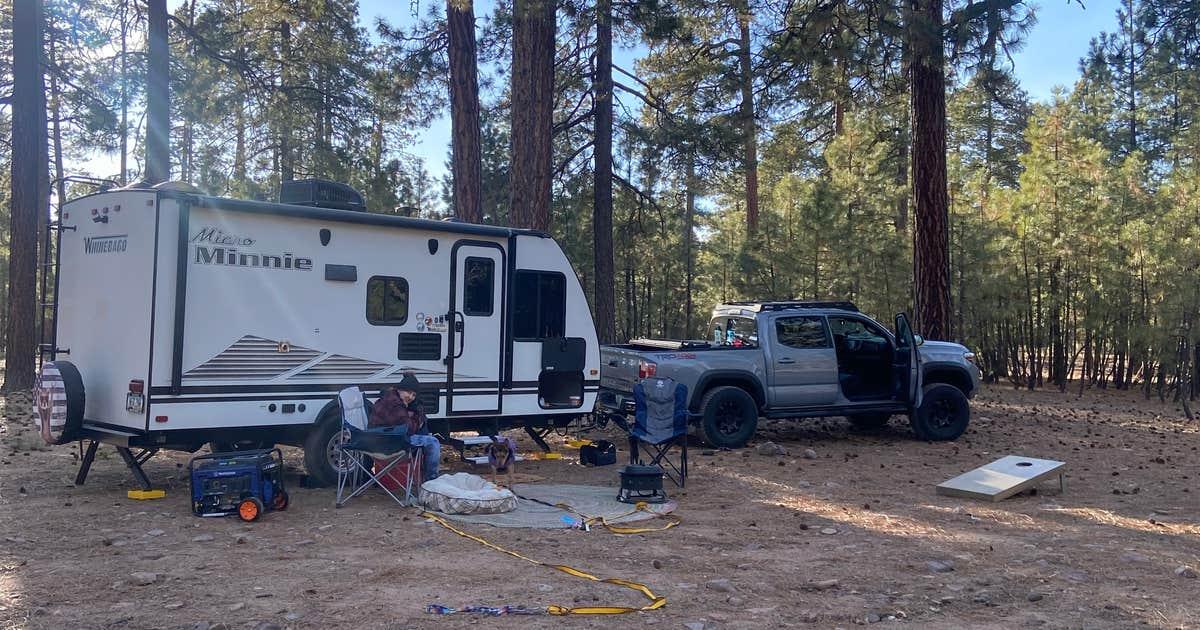
An empty parking area or pullout can look convenient, but convenience does not always equal permission. Some areas prohibit overnight camping, have seasonal closures, or restrict vehicle access.
Public land rules are location-specific. For example, BLM dispersed camping rules commonly require staying within designated regulations and avoiding areas closed to camping.
Before staying overnight:- Identify the land agency.
- Check current restrictions.
- Respect posted signs.
- Avoid sensitive areas and fragile vegetation.
Good boondocking means finding places where you are allowed to be, not simply places where you can fit.
Running Out of Food, Fuel, or Emergency Supplies
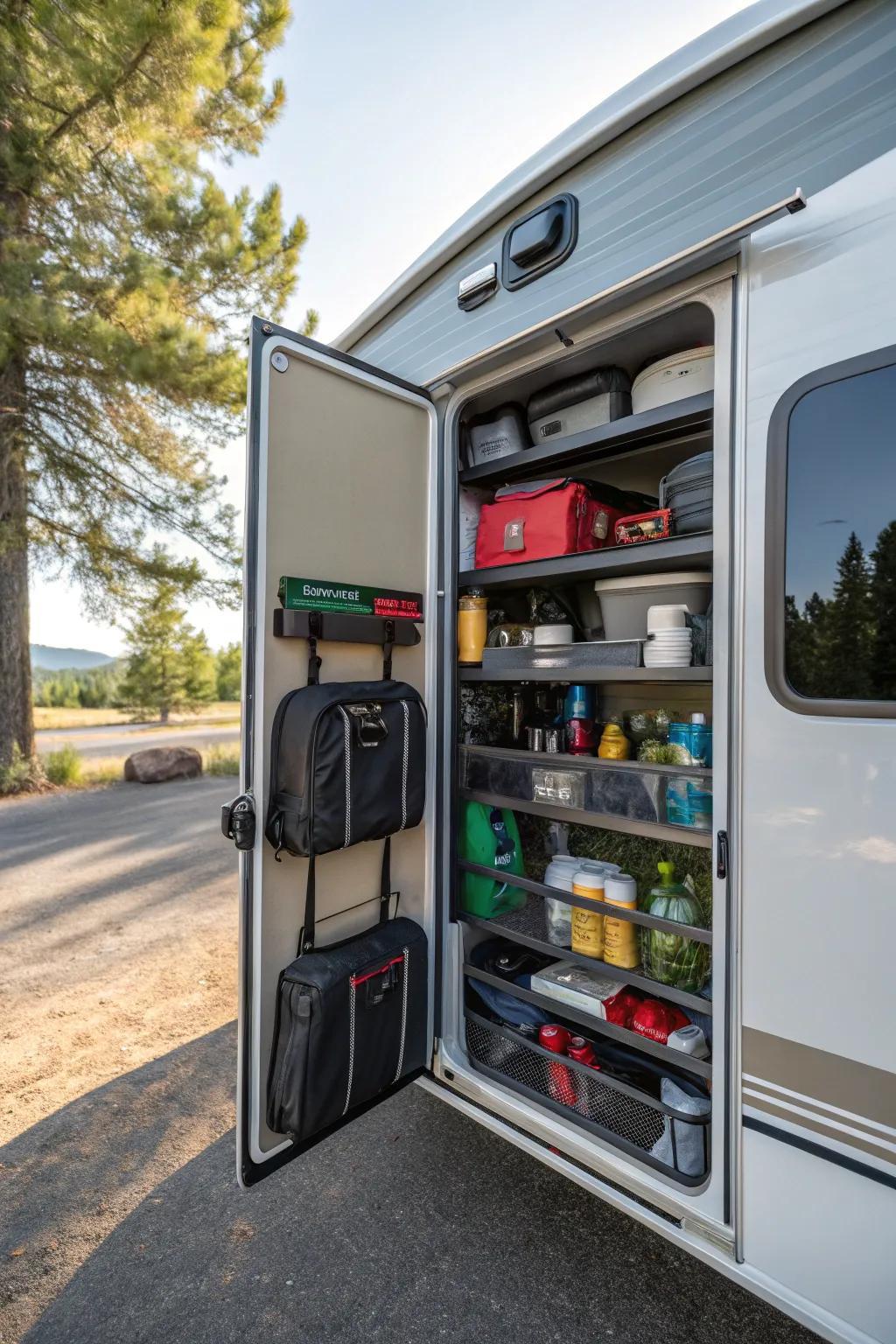
Remote camping reduces your options, so small shortages become bigger inconveniences. Running low on fuel, food, or basic supplies can turn a relaxing trip into an unnecessary exit.
I recommend carrying enough supplies for delays, not just the exact number of planned days. Roads close, weather changes, and repairs rarely happen on schedule.
- Keep extra drinking water available.
- Carry shelf-stable meals.
- Monitor fuel levels before they become urgent.
- Bring medications and essential personal items.
The goal is not preparing for every disaster. It is avoiding preventable problems far from town.
Failing to Have a Backup Plan for Remote Camping
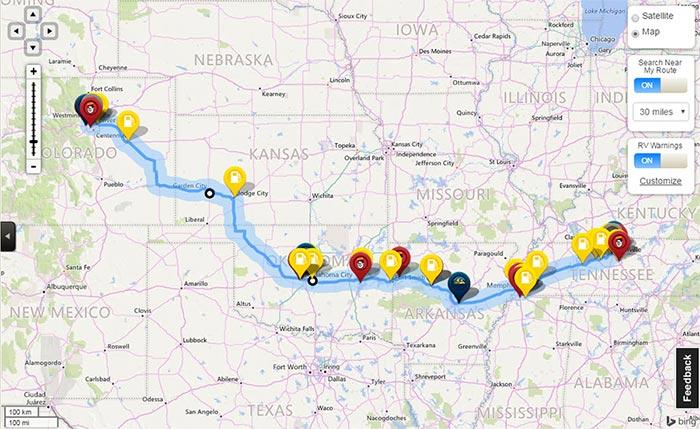
The final beginner mistake is assuming the first plan will always work. Remote camping rewards flexibility because conditions can change quickly.
A backup plan should include another campsite option, a route out, fuel awareness, and a way to check updates when possible.
My basic backup plan includes:- A second camping option within reach.
- Enough supplies to handle a delay.
- Knowledge of the nearest services.
- A clear point where it is smarter to leave.
Boondocking gets easier when the goal changes from finding the perfect campsite to making good decisions repeatedly. Preparation gives you more freedom, not less.
For a first trip, choose a shorter stay close enough to services, learn what your RV actually uses, and build from there.
More Pinterest Visuals